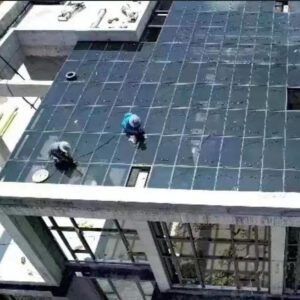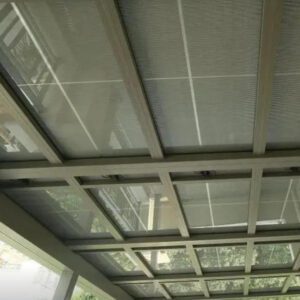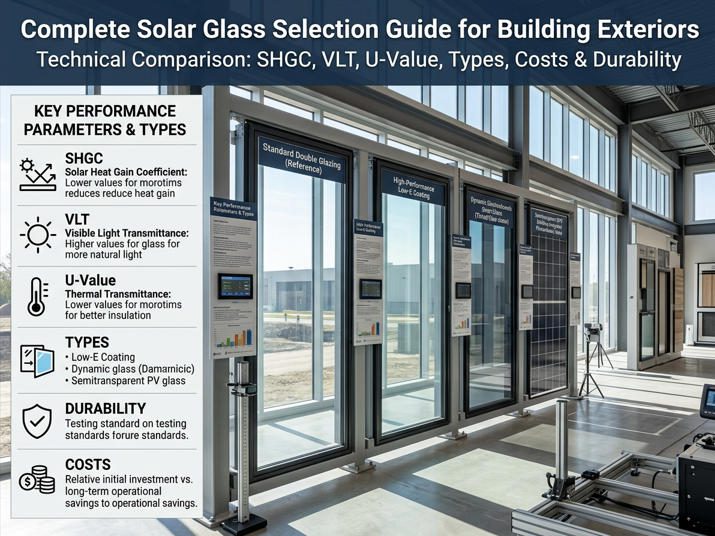

A 40-story office tower in Phoenix, Arizona, with 9,200 m² of curtain wall glazing area, replaced its original clear glass (SHGC 0.86, U-value 5.8 W/m²·K) with high-performance solar control glass (SHGC 0.27, U-value 1.1 W/m²·K) during a facade renovation. The result, documented in the building’s post-retrofit energy audit: annual HVAC energy consumption dropped by 41%, saving approximately $380,000 per year at the local commercial electricity rate of $0.11/kWh. Over a 30-year lifecycle, that single glazing decision represents more than $11 million in avoided energy costs — before accounting for reduced HVAC equipment sizing, lower maintenance frequency, and the improved thermal comfort that reduced tenant complaints by 68%.
That is the scale of impact that solar glass selection has on a building’s performance, operating cost, and occupant experience. Yet most glazing decisions are still driven primarily by aesthetics and initial cost, with performance metrics treated as afterthoughts rather than primary selection criteria. The consequence is buildings that look right but perform wrong — overheating in summer, losing heat in winter, creating glare that forces occupants to close blinds (defeating the purpose of the glass), and consuming 30–50% more HVAC energy than necessary.
This guide provides the technical framework for choosing solar glass based on measurable performance outcomes. It covers the three metrics that determine glazing performance (SHGC, VLT, and U-value), the major glass types available for building exteriors, the head-to-head comparison between solar and traditional glass, climate-specific selection criteria, aesthetic and code compliance considerations, durability and weather resistance, installation implications, maintenance planning, and a step-by-step procurement process that produces defensible specifications rather than educated guesses.
Understanding Solar Glass: Basics
What Qualifies as Solar Glass
The term “solar glass” refers to any glazing product engineered to manage solar radiation — controlling how much sunlight, heat, and ultraviolet energy passes through the glass into the building interior. This includes low-emissivity (low-E) coated glass, reflective glass, tinted glass, insulated glass units (IGUs) with solar control interlayers, electrochromic (dynamic) glass, and building-integrated photovoltaic (BIPV) glass that simultaneously generates electricity. What unifies these products is a deliberate engineering intent to optimize the relationship between visible light transmission, solar heat gain, and thermal insulation — rather than treating the glass as a passive, transparent barrier.
Standard clear float glass transmits approximately 83–85% of visible light and allows 86% of solar heat to pass through (SHGC 0.86). It provides almost no thermal insulation (U-value 5.8 W/m²·K for a single pane). Solar glass modifies these parameters — sometimes dramatically — through coatings, interlayers, gas fills, and dynamic technologies that can reduce SHGC to as low as 0.17 and U-value to 0.8 W/m²·K in high-performance triple-glazed configurations.
How Solar Glass Works in Building Envelopes
Solar glass manages three energy flows simultaneously. It transmits visible light (measured by VLT) to provide daylighting — reducing the need for electric lighting during occupied hours. It controls solar heat gain (measured by SHGC) by reflecting or absorbing infrared radiation before it enters the building — reducing cooling loads. And it resists conductive and radiative heat transfer between indoor and outdoor environments (measured by U-value) — reducing both heating and cooling loads depending on season and climate.
The interaction between these three parameters defines the glass’s suitability for a specific project. A glass with high VLT but low SHGC (a high Light-to-Solar-Gain ratio, or LSG) admits abundant daylight while rejecting heat — ideal for hot climates where cooling dominates energy use. A glass with moderate VLT and very low U-value retains interior heat in winter while still providing natural light — suited to cold climates. The skill in solar glass selection lies in matching these parameters to the building’s climate, orientation, use type, and energy performance targets.
Common Myths About Solar Glass
Three misconceptions persistently distort solar glass purchasing decisions. The first is that darker glass performs better — in reality, modern spectrally selective coatings achieve very low SHGC values (0.22–0.27) while maintaining VLT above 60%, appearing nearly colorless. The relationship between visible tint and solar performance was decoupled by sputtered low-E technology more than a decade ago. The second myth is that solar glass eliminates the need for exterior shading — while high-performance glass significantly reduces cooling loads, buildings with high window-to-wall ratios in hot climates still benefit from complementary shading strategies to manage peak solar gain on east and west facades. The third myth is that solar glass is prohibitively expensive — the 15–30% cost premium over standard clear glass is typically recovered within 3–7 years through energy savings, and the lifecycle cost is lower than standard glass when HVAC sizing reductions and maintenance savings are included.
Key Performance Metrics to Consider
Solar Heat Gain Coefficient (SHGC)
SHGC measures the fraction of incident solar radiation that passes through the glass — both directly transmitted and absorbed-then-re-radiated inward. It ranges from 0 (no solar heat passes through) to 1 (all solar heat passes through). According to the U.S. Department of Energy, a lower SHGC means less solar heat enters the building — reducing cooling loads in warm climates. For commercial buildings in ASHRAE Climate Zones 1–3 (hot climates), АШРАЭ 90.1-2022 requires fixed fenestration SHGC of 0.25 or lower — a target that demands high-performance solar control coatings.
In practice, SHGC selection is orientation-dependent. South-facing glass in the northern hemisphere receives predictable, high-angle solar radiation that is relatively easy to shade. East and west facades receive low-angle morning and afternoon sun that is harder to shade externally — making low-SHGC glass especially valuable on these orientations. North facades receive minimal direct solar gain and can tolerate higher SHGC values, which allows the use of higher-VLT glass for better daylighting.
Visible Light Transmission (VLT)
VLT measures the percentage of visible light (380–780 nm wavelength) that passes through the glass. Higher VLT means brighter interiors and better daylighting — reducing electric lighting energy. The Vitro Glass Education Center notes that VLT is the primary determinant of how “transparent” a glass appears to occupants and how much useful daylight reaches interior workspaces.
For office environments, the target VLT range is typically 40–65% — bright enough for comfortable daylighting without excessive glare on computer screens. Retail spaces may prefer higher VLT (55–70%) for product visibility and visual connection to the street. Museums and galleries require careful VLT control (25–45%) to protect UV-sensitive exhibits while maintaining a connection to the exterior. The key metric for evaluating whether a glass provides good daylighting relative to its solar heat admission is the Light-to-Solar-Gain ratio (LSG = VLT / SHGC). An LSG above 1.25 is considered spectrally selective — meaning the glass preferentially admits light over heat. Premium solar glass products achieve LSG values of 2.0 or higher.
U-Value and Thermal Performance
U-value (or U-factor) measures the rate of non-solar heat transfer through the glass assembly — expressed in W/m²·K (SI) or BTU/hr·ft²·°F (IP). Lower U-values indicate better insulating performance. A single pane of clear glass has a U-value of approximately 5.8 W/m²·K. A standard double-glazed IGU with a low-E coating and argon gas fill achieves 1.3–1.6 W/m²·K. Triple-glazed units with two low-E coatings and krypton gas fill can reach 0.8–1.0 W/m²·K.
U-value is the dominant performance metric in cold climates (ASHRAE Zones 5–8) where heating loads exceed cooling loads. In these regions, ASHRAE 90.1-2022 requires commercial fenestration U-factors of 0.32–0.36 (IP) for fixed glazing — achievable only with insulated glass units incorporating low-E coatings and inert gas fills. The U-value also affects occupant comfort: glass with a U-value above 3.0 W/m²·K creates a cold radiant surface in winter that causes perimeter occupants to feel cold even when the air temperature is comfortable — a phenomenon called “cold wall effect” that drives thermostat overrides and energy waste.
Solar Glass Performance Metrics: What the Numbers Mean
| Metric | What It Measures | Range | Ideal for Hot Climates | Ideal for Cold Climates | Code Reference |
|---|---|---|---|---|---|
| SHGC | Solar heat passing through glass | 0 to 1 | ≤ 0.25 | 0.35–0.55 (allows passive solar gain) | ASHRAE 90.1 Table 5.5 |
| VLT | Visible light passing through glass | 0% to 90%+ | 40–65% | 50–70% | LEED EQc7, WELL L03 |
| U-Value (W/m²·K) | Rate of heat conduction/radiation | 0.8 to 5.8 | ≤ 2.0 | ≤ 1.1 | ASHRAE 90.1 Table 5.5 |
| LSG (VLT/SHGC) | Light-to-heat selectivity | 0.5 to 2.5+ | ≥ 1.25 (spectrally selective) | ≥ 1.0 | Industry benchmark |
| UV Transmittance | UV radiation passing through | 0% to 75% | ≤ 1% (skin/material protection) | ≤ 1% | ANSI Z97.1 |
Types of Solar Glass for Exteriors
Electrochromic and Photochromic Options
Electrochromic glass changes its tint in response to an applied electrical voltage — transitioning from a clear state (VLT ~60%) to a fully tinted state (VLT ~1–6%) and any intermediate level. This allows the glass to respond dynamically to changing solar conditions throughout the day, maximizing daylight when the sun is behind clouds and blocking solar heat gain when direct sun strikes the facade. Lawrence Berkeley National Laboratory (LBNL) documents typical electrochromic performance as a VLT range of 10% to 70%, with SHGC varying from 0.09 (tinted) to 0.41 (clear) in a double-glazed IGU configuration.
The primary advantage is the elimination of blinds and external shading devices — the glass itself becomes the shading system. SageGlass (now Gentex) reports that buildings using electrochromic glass reduce lighting energy by 48–67% compared to buildings with low-E glass and manual blinds, because occupants never close blinds against glare — the glass simply adjusts. The cost premium is significant: electrochromic IGUs cost $80–$150/ft² compared to $25–$50/ft² for static high-performance IGUs, but the lifecycle cost can be competitive when blind replacement, maintenance, and energy savings are factored across a 30-year horizon.
Photochromic glass tints automatically in response to UV light intensity — no electrical connection required. However, its response is less controllable than electrochromic glass and cannot be adjusted to occupant preferences. It also responds to UV, not visible light, so it may not darken optimally during winter months with low UV but significant low-angle glare. For these reasons, photochromic glass is used primarily in specialty applications (skylights, small residential fenestration) rather than large-scale commercial facades.
Laminated and Insulated Glass Solutions
Laminated glass bonds two or more glass sheets with a polymer interlayer — typically PVB (polyvinyl butyral) or SGP (SentryGlas Plus) — creating a composite that holds together when broken, blocks 99% of UV radiation, and provides superior acoustic performance (STC ratings of 35–42 for laminated vs. 28–31 for monolithic glass of the same thickness). When combined with solar control coatings, laminated glass delivers safety, UV protection, and thermal performance in a single assembly.
Insulated glass units (IGUs) — two or more glass panes separated by a sealed gas-filled cavity — are the backbone of commercial solar glass systems. The cavity width (typically 12–16 mm), fill gas (air, argon, or krypton), and number of low-E coatings determine the U-value. A standard double-pane IGU with argon fill and one soft-coat low-E achieves U-values of 1.3–1.6 W/m²·K. Adding a second cavity (triple glazing) with krypton fill and two low-E coatings pushes the U-value below 1.0 W/m²·K — approaching the thermal performance of an insulated wall.
Jia Mao Bipv’s BIPV laminated glass for facades combines the safety and UV-blocking properties of laminated construction with photovoltaic cells that generate electricity — creating a facade element that simultaneously controls solar gain, provides safety glazing, and produces on-site renewable energy. Their 25-year structural integrity warranty covers complete laminate adhesion and impact resistance, making it suitable for curtain wall applications where both structural performance and energy generation are required.
High-Performance Coatings and Tints
Low-emissivity (low-E) coatings are microscopically thin metallic or metallic oxide layers applied to one or more glass surfaces within an IGU. They work by reflecting long-wave infrared radiation (heat) while transmitting visible light. There are two production methods: pyrolytic (hard coat) and sputtered (soft coat). Hard coat low-E is applied during the float glass manufacturing process — it is durable, can be used in single glazing, and performs well in cold climates where passive solar gain is desirable (higher SHGC). Soft coat low-E is applied offline via magnetron sputtering — it achieves lower SHGC and U-value but must be protected within a sealed IGU because the coating is not abrasion-resistant.
Modern solar control soft-coat low-E products achieve remarkable spectral selectivity. Products like Vitro Solarban 72 deliver VLT of 71% with SHGC of 0.27 — an LSG of 2.63 — meaning the glass admits 2.63 times as much light as heat. This is the class of product that has made it possible to build fully glazed commercial towers in hot climates without excessive cooling energy. Tinted glass (gray, bronze, blue-green) provides supplementary solar control by absorbing solar radiation within the glass body, but tinting alone achieves only modest SHGC reductions (0.55–0.70) and significantly reduces VLT, creating darker interiors that require more electric lighting.
Solar Glass vs. Traditional Glass: Pros and Cons
Energy Savings Potential and Daylighting
The energy savings from solar glass are quantifiable and substantial. A building in ASHRAE Climate Zone 2 (e.g., Houston, TX) with 40% window-to-wall ratio switching from clear double-glazed glass (SHGC 0.70, U-value 2.7 W/m²·K) to solar control IGUs (SHGC 0.25, U-value 1.1 W/m²·K) reduces annual cooling energy by approximately 35–45% and total building energy use intensity (EUI) by 15–22%, according to DOE commercial building energy modeling benchmarks.
Simultaneously, spectrally selective solar glass improves daylighting quality. A glass with VLT of 60% and SHGC of 0.25 delivers 2.4x more useful light per unit of heat admitted compared to clear glass (VLT 83%, SHGC 0.86). This higher LSG ratio means workspaces receive ample daylight without the overheating that forces occupants to deploy blinds — the same blinds that, once closed, eliminate daylighting benefits and increase electric lighting energy by 30–40%. The net effect is a compounding energy benefit: less cooling energy, less lighting energy, and smaller HVAC equipment that costs less to install and maintain.
Cost Implications and Lifecycle Value
Solar glass carries a 15–40% cost premium over standard clear glass at the point of purchase, depending on the performance level specified. For a commercial curtain wall project, this translates to approximately $5–$20/ft² additional glazing cost. However, lifecycle cost analysis consistently shows that high-performance solar glass costs less to own over a 30-year building life.
30-Year Lifecycle Cost: Solar Glass vs. Standard Glass (10,000 ft² Facade, Climate Zone 2)
Standard Clear Double-Glazed Glass
High-Performance Solar Control Glass
Assumptions: 10,000 ft² facade, Climate Zone 2 (Houston), 40% WWR, electricity $0.11/kWh escalating 2.5%/yr, blind replacement cycle 10 yrs at $8.50/ft². Solar glass: SHGC 0.25, U-value 1.1 W/m²·K. Standard glass: SHGC 0.70, U-value 2.7 W/m²·K. HVAC downsizing reflects 25% reduction in chiller tonnage capacity.
The $275,000 lifecycle savings (34% reduction) in this representative scenario explains why owner-operators and institutional investors consistently specify high-performance solar glass even when capital budgets are constrained — the net present value of energy savings exceeds the glass premium within 4–7 years.
Aesthetics, Glare, and Comfort Trade-offs
Solar glass involves trade-offs that architects must manage. Lower SHGC often correlates with higher exterior reflectivity — which can create glare for pedestrians and neighboring buildings (a liability issue in some jurisdictions). The most advanced spectrally selective coatings minimize this by achieving low SHGC with low exterior reflectivity (under 15%), but some products with reflective silver-based coatings can reach 25–35% exterior reflectance — creating a mirror effect that may trigger planning objections.
Interior color rendering is another consideration. Some low-E coatings impart a visible color cast (green, blue, or slightly warm) to transmitted light, which can affect how interior spaces and materials are perceived. Request spectral transmittance curves and interior/exterior color rendering samples from the glass supplier before finalizing the specification — datasheet numbers alone do not capture the visual experience of occupied space.
VLT, SHGC, U-Value: What to Look For
Balancing Daylight with Solar Control
The fundamental tension in solar glass selection is maximizing daylight (high VLT) while minimizing solar heat gain (low SHGC) — two goals that physically work against each other because the visible spectrum carries approximately 44% of solar heat energy. The LSG ratio quantifies how well a glass resolves this tension. An LSG below 1.0 means the glass is better at blocking light than heat — characteristic of tinted glass. An LSG above 1.25 indicates spectral selectivity — the glass preferentially admits light while rejecting the infrared portion of solar radiation. Premium solar control products achieve LSG values of 2.0–2.6, representing a dramatic improvement over clear glass (LSG ≈ 0.97) and tinted glass (LSG ≈ 0.80–1.05).
Climate-Driven Targets and Regional Considerations
| Климатическая зона ASHRAE | Города-представители | Target SHGC | Target U-Value (W/m²·K) | Target VLT | Priority |
|---|---|---|---|---|---|
| Зона 1 (очень жарко) | Miami, Singapore, Dubai | ≤ 0.22 | ≤ 2.0 | 40–55% | Minimize solar heat gain |
| Зона 2 (горячая) | Хьюстон, Феникс, Бангкок | ≤ 0.25 | ≤ 1.6 | 45–60% | Солнечный контроль + хорошее дневное освещение |
| Зона 3 (теплая) | Атланта, Лос-Анджелес, Рим | ≤ 0.25 | ≤ 1.4 | 50–65% | Balance heating and cooling |
| Зона 4 (смешанная) | Нью-Йорк, Сиэтл, Лондон | ≤ 0.38 | ≤ 1.3 | 50–65% | Изоляция + умеренный солнечный контроль |
| Зона 5 (прохладная) | Чикаго, Бостон, Берлин | ≤ 0.38 | ≤ 1.1 | 55–70% | Изоляция + пассивное солнечное излучение |
| Zone 6–8 (Cold/Arctic) | Миннеаполис, Монреаль, Хельсинки | 0.35–0.55 | ≤ 1.0 | 55–70% | Maximize insulation + solar gain |
Sources: АШРАЭ 90.1-2022, IECC 2021, industry best practice benchmarks. Actual project values should be verified through building energy modeling.
Interaction with Other Fenestration Elements
Solar glass performance is always measured as an assembly, not as a standalone product. The glass’s performance interacts with the frame material (aluminum frames conduct heat; thermally broken aluminum or fiberglass frames insulate significantly better), the spacer bar (warm-edge spacers reduce edge-of-glass U-value by 10–15% compared to aluminum spacers), the seal integrity (failed seals cause gas loss, condensation, and U-value degradation), and any external or internal shading devices.
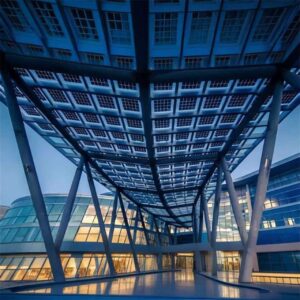
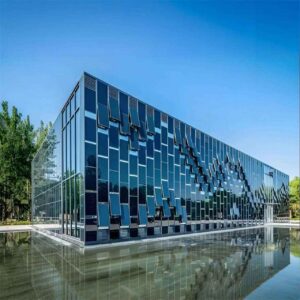
For BIPV facade applications, the glass must also interact with electrical systems — photovoltaic cells within the glass generate DC electricity that must be collected, inverted, and fed into the building’s power system. Jia Mao Bipv’s transparent BIPV glass for facades integrates these functions into a curtain wall-compatible assembly with adjustable transparency from 10% to 90%, monocrystalline cells above 22% cell efficiency, and compatibility with standard mullion systems — allowing the facade to generate electricity without requiring custom framing systems.
Aesthetic and Architectural Considerations
Finishes, Frame Compatibility, and Transitions
Solar glass is available in an extensive range of visual appearances: neutral (clear to light gray), warm (bronze and gold tones), cool (blue and blue-green tones), and designer colors (custom ceramic frit patterns, colored interlayers). The coating surface — whether on Surface 2 (interior face of outer pane) or Surface 3 (exterior face of inner pane) of an IGU — affects both reflected and transmitted color. Surface 2 low-E coatings are standard for solar control; Surface 3 coatings add an insulating low-E function.
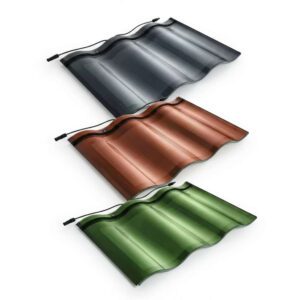
Frame compatibility requires attention to the glass unit’s edge clearance requirements, weight per unit area (which affects the structural sizing of mullions and transoms), and thermal expansion behavior. Standard curtain wall systems accommodate glass units up to 35–50 mm thick and 25–30 kg/m² in weight. Triple-glazed units and laminated BIPV assemblies can exceed these limits, requiring reinforced framing. Jia Mao Bipv’s BIPV colored glass offers customizable colors that match architectural intent while generating power — available in dimensions compatible with standard curtain wall mullion systems to avoid custom framing costs.
Glare Management and Visual Uniformity
Exterior glare from reflective facades is both a comfort issue and a legal issue. Glass Magazine’s analysis of building reflectivity notes that reflected solar glare has triggered lawsuits, planning restrictions, and mandatory facade modifications in cities including London, Las Vegas, and Sydney. The “Walkie Talkie” building in London famously generated enough concentrated reflected solar energy to melt car parts on adjacent streets.
Best practice limits exterior visible reflectance to 15% or less for urban facades — a target achievable with modern spectrally selective coatings but not with older silver-based reflective products. Interior glare management requires considering the Daylight Glare Probability (DGP) at critical viewing positions — especially workstations facing windows. Software tools like Ladybug/Honeybee (Grasshopper/Rhino) and Radiance/DAYSIM model DGP as a function of glass VLT, view angle, and interior reflectances, allowing architects to verify visual comfort before the glass is ordered.
Building Code Compliance and Approvals
Solar glass must comply with multiple regulatory frameworks simultaneously. Energy codes (ASHRAE 90.1 and IECC) set maximum U-factor and SHGC values by climate zone and building type. Safety codes (IBC Chapter 24, ASTM C1048, ANSI Z97.1, CPSC 16 CFR 1201) govern tempered and laminated glass requirements for locations susceptible to human impact. Wind load codes (ASTM E1300, ASCE 7-22) determine required glass thickness and type based on building height, location, and exposure category. Fire codes (ASTM E-119, NFPA 285) apply to glass in fire-rated assemblies and curtain wall spandrel panels.
All glass performance ratings used for code compliance must be certified by the National Fenestration Rating Council (NFRC) — self-reported manufacturer data is not accepted by code officials. Request NFRC-certified ratings from the glass supplier and verify that the specific IGU configuration (glass types, coatings, gas fill, spacer) matches the certified product, since any change in configuration requires re-certification.
Durability and Weather Resistance
Coatings, Abrasion Resistance, and Cleaning Ease
The durability of solar glass depends primarily on the longevity of its coatings and the integrity of its IGU seal. Soft-coat low-E coatings, when properly sealed within an IGU, have demonstrated 30+ year durability in field installations — the metallic layers are protected from atmospheric exposure, mechanical abrasion, and chemical attack by the sealed cavity. Hard-coat (pyrolytic) low-E coatings are inherently more durable and can withstand direct exposure, but their thermal performance is lower than soft-coat products.
Anti-reflective (AR) coatings on the exterior surface are more vulnerable. An NREL durability study found that acid-etched AR coatings retained transmittance within 1% of initial values after 7 years of outdoor exposure. However, mechanical cleaning with abrasive pads or high-pressure washing can damage both AR and hydrophobic coatings, degrading their performance within 3–5 years if improper maintenance procedures are used. Specify coatings with published abrasion resistance ratings (typically tested per ISO 9211-4 or MIL-C-675C) and provide building maintenance teams with manufacturer-approved cleaning protocols.
UV Stability and Color Retention
Prolonged UV exposure can degrade certain glass interlayers and coatings. PVB interlayers in laminated glass may yellow over time if not UV-stabilized — a visible defect that affects both aesthetics and light transmission. Premium PVB formulations (such as Trosifol UV Extra Protect) resist yellowing for 20+ years. SGP interlayers provide superior UV stability and structural performance but cost approximately 3x more than standard PVB.
Ceramic frit patterns and colored interlayers are inherently UV-stable — the inorganic pigments do not fade under solar exposure. Organic-based colored films, however, can shift color within 5–10 years in high-UV environments. For facade applications where color consistency is architecturally critical, specify inorganic coloring systems and request accelerated weathering test data (ASTM G154 or G155, minimum 5,000 hours) from the supplier.
Certifications, Warranties, and Serviceability
Standard IGU warranties in the commercial facade industry cover seal failure (fogging/condensation between panes) for 10-15 лет, with premium manufacturers offering 15–20 year seal warranties. Coating warranties typically guarantee against visible degradation (peeling, hazing, delamination) for 10–25 years depending on the product tier. BIPV glass warranties add a performance dimension: Jia Mao Bipv’s high-efficiency panels carry a 25-year performance guarantee covering minimum power output degradation — a warranty structure that protects the energy-generation function in addition to the glazing function.
Serviceability — the ability to replace individual failed glass units without disassembling the entire facade — is a design consideration that affects 30-year maintenance costs. Stick-built curtain walls allow individual unit replacement from interior scaffolding. Unitized curtain walls may require exterior access (swing stage or BMU) for replacement. Specify a facade system where glass replacement is logistically feasible and include spare glass units (typically 2–5% of total quantity) in the original order to ensure batch-matched replacements are available.
Installation and Structural Implications
Weight, Structural Support, and Mounting Systems
Glass weight directly affects facade structural design. Single 6 mm clear glass weighs 15 kg/m². A typical solar control IGU (6 mm outer + 12 mm cavity + 6 mm inner) weighs approximately 30 kg/m². A triple-glazed IGU reaches 42–45 kg/m². A laminated BIPV IGU with PV cells and a security interlayer can reach 50–55 kg/m². For a 2.5 m × 1.5 m panel, that is 115–205 kg per unit — a load that mullions, transoms, brackets, and the primary building structure must support against gravity, wind, and seismic forces.
Structure Magazine’s curtain wall design guide recommends determining approximate facade weight by multiplying infill thickness by the appropriate specific gravity, then adding frame and hardware weight. The structural engineer must verify that the floor slab edge can support the accumulated facade dead load plus wind and seismic lateral forces, with appropriate load factors per ASCE 7-22.
Integration with Curtain Walls and Facades
Solar glass integrates with the same curtain wall systems used for standard commercial glazing — stick-built, unitized, and structural glazing (SSG) systems all accept solar control IGUs. The key dimensional constraint is the glass unit’s sight-line thickness (which determines the mullion capture depth) and the unit’s edge clearance requirement (the gap between the glass edge and the mullion pocket that accommodates thermal expansion and installation tolerance).
BIPV glass adds electrical integration requirements: each PV-active glass unit has a junction box and cable that must route through the mullion system to an electrical collection bus. Jia Mao Bipv’s transparent BIPV facade glass uses concealed wiring routed through standard mullion channels, maintaining a clean exterior appearance while providing electrical connection points accessible from the building interior for maintenance. The glass units mount using the same structural silicone or mechanically captured glazing methods as conventional IGUs, minimizing the learning curve for curtain wall installers.
Installation Sequencing and Safety Considerations
Solar glass panels — especially large-format IGUs — are heavy, fragile, and expensive. Installation sequencing must account for lifting equipment capacity (tower cranes, glass manipulators), wind speed limits during setting (typically 15–25 mph maximum depending on panel size), edge protection against chipping during handling, and the curing time for structural silicone sealants (typically 24–72 hours before full wind load capacity). For BIPV glass, the electrical connections must be made after mechanical installation but before the facade is sealed — requiring coordination between the curtain wall installer and the electrical contractor.
Maintenance, Cleaning, and Longevity
Recommended Cleaning Regimes and Frequencies
Commercial building facades are typically cleaned 2–4 times per year depending on location, height, and local air quality. Solar glass with hydrophobic or hydrophilic self-cleaning coatings can reduce this frequency by 30–50% — a meaningful cost saving for high-rise buildings where each cleaning cycle costs $0.50–$2.00/ft² for swing-stage access. The cleaning method must match the coating type: hydrophobic coatings (which cause water to bead and roll off) can be damaged by alkaline detergents above pH 10, while hydrophilic coatings (which cause water to sheet across the surface) tolerate a wider range of cleaning chemicals.
Use only soft-bristle brushes, squeegees, and pH-neutral cleaning solutions approved by the glass manufacturer. Avoid abrasive pads, razor blades, and high-pressure washing above 800 PSI — all of which can damage coatings and AR treatments. Document each cleaning event (date, method, chemicals used) as part of the building’s facade maintenance log; this documentation is required to support warranty claims if coating degradation occurs.
Anti-Soiling and Self-Cleaning Properties
Photocatalytic (TiO₂-based) coatings decompose organic contaminants under UV light and become superhydrophilic, causing rain to sheet across the surface and wash away debris. Hong Kong Polytechnic University research confirmed that these coatings significantly reduce dust accumulation on glass curtain walls in urban environments — reducing cleaning frequency and maintaining both visual clarity and, for BIPV glass, photovoltaic output.
Jia Mao Bipv integrates a proprietary self-cleaning coating into their ultra-clear tempered solar glass that reduces maintenance costs by 30%. For a 50-story tower with 15,000 m² of facade glass cleaned 3 times per year at $1.50/ft², this coating saves approximately $22,000 annually — $660,000 over a 30-year lifecycle.
Long-Term Performance Monitoring and Replacement Planning
IGU seal failure is the primary long-term maintenance concern for solar glass. Failed seals allow moisture and air to infiltrate the cavity, causing condensation (visible fogging), argon/krypton gas loss (degraded U-value), and potential coating corrosion. Industry data from the Insulating Glass Manufacturers Alliance (IGMA) indicates that properly manufactured IGUs have a seal failure rate of less than 1% within the first 10 years — but the rate increases with age, reaching 5–10% by year 25–30.
Building owners should establish a facade inspection protocol that checks for visible condensation, coating defects, sealant degradation, and gasket compression at 5-year intervals. A budget reserve of 1–2% of initial facade cost per year for replacement units ensures that failed panels can be addressed promptly without capital budget disruption.
Making the Selection: A Step-by-Step Guide
Define Project Goals, Climate, and Performance Targets
Begin with the building’s location (ASHRAE climate zone), orientation (facade compass headings), use type (office, retail, residential, mixed), and energy performance target (EUI, LEED/WELL credits, local energy code pathway). Use building energy modeling software (EnergyPlus, eQUEST, IES VE) to establish target SHGC, U-value, and VLT ranges for each facade orientation. This modeling step converts architectural aspirations into measurable glass specifications that vendors can quote against.
Gather Data from Suppliers and Request Samples/Mock-Ups
Request NFRC-certified performance data for specific IGU configurations (not generic product family data). Require spectral transmittance/reflectance curves — not just single-number VLT and SHGC values — so the design team can evaluate color rendering and spectral selectivity. For projects exceeding 5,000 ft² of facade area, request a full-size mock-up panel (minimum 1.2 m × 1.2 m) installed in a test frame for visual evaluation under real daylight conditions.
Evaluate at least three suppliers, including at least one BIPV option if the project’s sustainability goals include on-site energy generation. Jia Mao Bipv’s transparent solar module selection guide provides a structured framework for comparing BIPV glass options across efficiency, transparency, durability, cost, and application suitability — useful whether or not their products are ultimately specified.
Evaluate Total Cost of Ownership and Procurement Timeline
Total cost of ownership (TCO) includes the glass purchase price, freight and import duties (for imported products), curtain wall system modifications required by the glass specification, HVAC capacity adjustments enabled by the glass performance, annual cleaning and maintenance costs, replacement reserve, and energy cost savings over the analysis period (typically 30 years). An honest TCO analysis frequently reverses the apparent cost advantage of cheaper glass — because the operational savings from high-performance solar glass compound over decades while the upfront premium is paid once.
Procurement lead times for custom solar glass range from 8–16 weeks for standard products to 16–24 weeks for custom-colored, BIPV, or electrochromic units. Factor these lead times into the construction schedule and issue glass purchase orders at schematic design — not construction documents — to avoid schedule delays on the critical path.
Typical Lead Time Distribution for Custom Solar Glass Facade Projects
Lead Time
12–24 weeks
■ Coating/IGU 25%
■ Shipping 15%
■ QC/Cert 10%
■ Delivery 15%
Video: Solar Glazing — The Future of Transparent Energy Solutions
This video provides an overview of how solar glazing technology transforms building glass into a renewable energy source while maintaining transparency and architectural aesthetics:
Selecting solar glass for a building exterior is an engineering decision with architectural, financial, and operational consequences that persist for 30+ years. The decision framework reduces to five questions: What SHGC does this climate and orientation require? What U-value does the energy code mandate and the comfort standard demand? What VLT supports the interior lighting design? What aesthetic, safety, and code requirements constrain the product options? And what is the total cost of ownership — not just the purchase price — over the building’s analysis period?
For vendor conversations, use this checklist: request NFRC-certified performance data for the specific IGU configuration, obtain spectral transmittance curves (not just summary metrics), verify fire and safety code compliance for the intended application, confirm published warranty terms for seal integrity, coating durability, and (for BIPV) energy output, request accelerated weathering test data for coating UV stability and abrasion resistance, and obtain a full-size sample for visual evaluation under real daylight.
The most valuable next step is a consultation with a facade engineer or building envelope consultant who can model the energy, comfort, and cost implications of candidate glass specifications for your specific project — turning the general guidance in this article into a defensible, project-specific recommendation. Manufacturers like Цзя Мао Бипв, who offer transparent BIPV facade glass, custom-colored solar glass, и laminated safety solar glass, provide technical support teams that assist architects and engineers with product selection, performance modeling, and curtain wall integration details — a resource that can significantly accelerate the specification process.
Frequently Asked Questions (FAQs)
1. What is the difference between SHGC and U-value?
SHGC (Solar Heat Gain Coefficient) measures how much solar radiation passes through the glass and becomes heat inside the building — it ranges from 0 to 1, where lower values mean less solar heat gain. U-value measures the rate of non-solar heat transfer (conduction and radiation) through the glass assembly due to temperature differences between indoors and outdoors — lower values mean better insulation. SHGC is the critical metric in cooling-dominated climates (ASHRAE Zones 1–3) where solar heat drives energy costs. U-value is the critical metric in heating-dominated climates (Zones 5–8) where heat loss through the facade drives energy costs. In mixed climates (Zone 4), both metrics matter equally. High-performance solar glass optimizes both simultaneously through spectrally selective coatings and insulated glass unit construction.
2. How does solar glass affect natural daylight and glare?
Solar glass controls the relationship between daylight and glare through its VLT (Visible Light Transmission) and LSG (Light-to-Solar-Gain) ratio. A glass with VLT of 60% and SHGC of 0.25 (LSG = 2.4) admits abundant daylight while blocking most solar heat — maintaining bright interiors without the overheating that forces occupants to close blinds. However, even high-VLT glass can create glare if direct sunlight strikes workstation screens at low angles. Mitigation strategies include specifying lower VLT (40–50%) on east/west facades where low-angle sun is unavoidable, using interior light shelves to redirect daylight toward the ceiling, or selecting electrochromic glass that dynamically adjusts tint based on solar conditions. Exterior reflectivity should be kept below 15% to avoid creating glare for pedestrians and neighboring buildings.
3. What warranties are typical for solar glass installations?
Commercial IGU warranties typically cover seal failure (fogging/condensation) for 10-15 лет, with premium manufacturers offering 15–20 years. Coating durability warranties guarantee against visible degradation (peeling, hazing, delamination) for 10–25 years. Curtain wall system warranties cover water and air infiltration for 5–10 years. For BIPV solar glass, manufacturers add a performance warranty guaranteeing minimum power output — typically 90% at year 10 and 80–85% at year 25. Jia Mao Bipv’s BIPV laminated facade glass carries a 25-year structural integrity warranty covering laminate adhesion and impact resistance, plus a separate 25-year performance warranty on energy output. Always verify that warranty terms cover the specific IGU configuration specified (glass types, coatings, gas fill), since modifications can void standard warranty coverage.
4. How do I determine the right SHGC for my building’s location?
Start with the ASHRAE climate zone for your building’s location, then reference the SHGC requirements in ASHRAE 90.1-2022 Table 5.5 or the applicable local energy code. For Climate Zones 1–3 (hot), target SHGC ≤ 0.25 for fixed glazing. For Zones 4–5 (mixed/cool), target SHGC ≤ 0.38. For Zones 6–8 (cold), target SHGC 0.35–0.55 to allow beneficial passive solar heat gain. These are code minimums — building energy modeling (EnergyPlus, eQUEST) can identify the optimal SHGC for each facade orientation based on the specific building’s geometry, internal heat loads, HVAC system, and energy cost structure. East and west facades typically benefit from lower SHGC than south facades due to harder-to-shade low-angle solar exposure.
5. Can solar glass be used in retrofit projects on existing buildings?
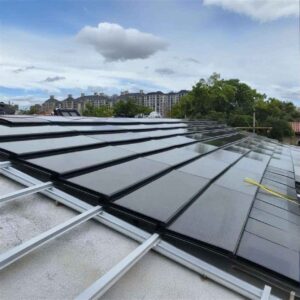
Solar glass retrofits existing buildings through two primary approaches. The simplest is a glass-only replacement within existing curtain wall or window frames — swapping standard IGUs for solar control IGUs of the same dimensions. This preserves the existing framing and avoids structural modifications but is limited by the frame’s dimensional constraints (cavity depth, glazing pocket width). The second approach is a full facade over-cladding or re-cladding, where the existing facade is replaced or encapsulated with a new curtain wall system incorporating solar glass. This is more expensive but allows optimization of all glazing parameters. For heritage buildings where the exterior appearance must be preserved, slim-profile vacuum insulated glass or interior-applied solar control films offer compromise solutions.
6. What is electrochromic glass and when is it worth the cost?
Electrochromic glass changes its tint in response to an applied electrical voltage, varying VLT from approximately 60% (clear) to 1–6% (fully tinted). It eliminates the need for blinds and external shading, responding dynamically to changing solar conditions. At $80–$150/ft² (vs. $25–$50/ft² for static solar glass), the cost premium is significant. It is most justified in buildings where glare control is paramount (media rooms, control centers, high-end offices), where external shading is architecturally unacceptable, where the window-to-wall ratio exceeds 60%, or where energy code compliance through static glass alone is not achievable. A SageGlass analysis documented 48–67% lighting energy reductions in buildings using electrochromic glass versus static low-E glass with manual blinds.
7. How does solar glass contribute to LEED and green building certifications?
Solar glass contributes to multiple LEED v4.1 credits: EA Prerequisite (Minimum Energy Performance) through reduced HVAC loads, EA Credit (Optimize Energy Performance) through lower building EUI, EQ Credit (Daylight) by achieving target illuminance levels at workspaces without blinds, EQ Credit (Quality Views) by maintaining visual connection to the outdoors, and MR Credit (Building Life-Cycle Impact Reduction) through reduced embodied carbon versus heavier facade alternatives. BIPV solar glass additionally contributes to EA Credit (Renewable Energy) by generating on-site electricity. A well-specified solar glass facade can contribute to 8–15 LEED points across these categories — a significant portion of the certification threshold.
8. What maintenance does solar glass require compared to standard glass?
Solar glass requires the same cleaning frequency as standard glass (2–4 times per year) unless self-cleaning coatings are applied (which can reduce frequency by 30–50%). The key maintenance difference is that solar glass coatings are more sensitive to improper cleaning — abrasive pads, high-pressure washing above 800 PSI, and alkaline detergents above pH 10 can damage low-E and AR coatings. Use only soft-bristle brushes, squeegees, and pH-neutral solutions approved by the manufacturer. For BIPV glass, add annual electrical inspections (connection integrity, inverter performance, output monitoring) to the maintenance protocol. The most important long-term maintenance activity is IGU seal inspection — check for condensation between panes at 5-year intervals and budget for 1–2% annual panel replacement to address seal failures as they occur.
9. How much energy can BIPV facade glass actually generate?
BIPV facade glass generates between 50 and 250 kWh per square meter annually, depending on cell technology, transparency level, facade orientation, and local irradiance. Opaque spandrel panels with monocrystalline cells produce 200–250 kWh/m²/year at mid-latitudes. Semi-transparent curtain wall glass at 20–40% transparency produces 100–170 kWh/m²/year. Highly transparent glass (50–70% VLT) produces 50–100 kWh/m²/year. A Jia Mao Bipv project at the Wuhan Science & Technology Exhibition Center installed 9,600 m² of transparent photovoltaic glass across facades and skylights, achieving 1,200 kW of installed capacity — demonstrating that BIPV facades can deliver meaningful energy generation at building scale while maintaining architectural transparency.
10. What is the Light-to-Solar-Gain ratio (LSG) and why does it matter?
LSG is calculated by dividing VLT by SHGC (LSG = VLT / SHGC). It measures how effectively a glass separates useful visible light from unwanted solar heat. An LSG of 1.0 means the glass admits light and heat in equal proportion — characteristic of clear glass (LSG ≈ 0.97). An LSG above 1.25 indicates a spectrally selective glass that preferentially transmits light while reflecting infrared heat — the defining characteristic of modern solar control coatings. Premium products achieve LSG values of 2.0–2.6 (e.g., Vitro Solarban 72: VLT 71%, SHGC 0.27, LSG 2.63). This matters because higher LSG means brighter interiors with less cooling energy — the fundamental value proposition of solar glass over tinted glass, which achieves low SHGC only by also reducing daylight (LSG typically 0.80–1.05).