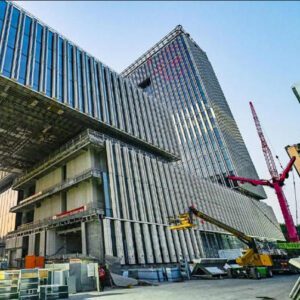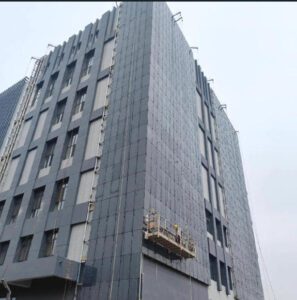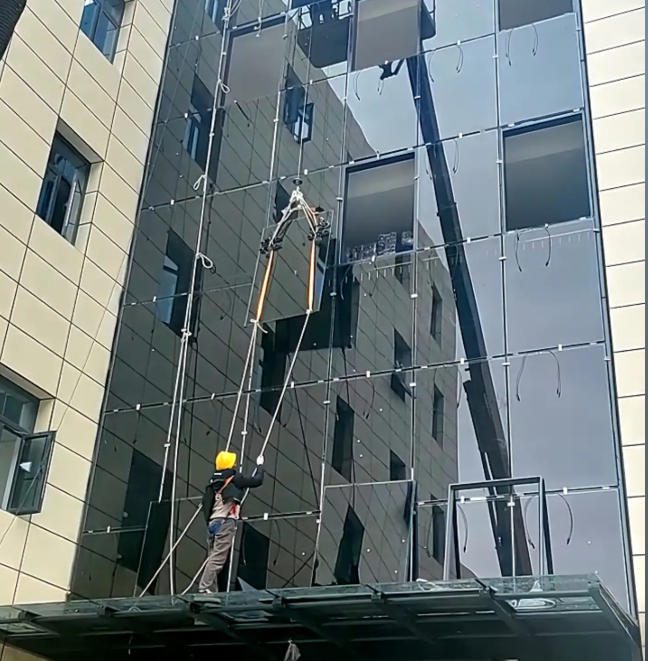
The solar glazing market is evolving faster than ever — and distributors who stay ahead of these trends will capture greater market share, command premium margins, and build stronger customer relationships. This guide reveals the innovations, design shifts, and sustainability demands reshaping your industry, so you can stock smarter, sell with confidence, and position your business for growth.
The global solar PV glass market was valued at USD 18.46 billion in 2025 and is projected to grow to USD 22.05 billion in 2026. The distributors capturing this growth are the ones who understand exactly which products are driving it — and why.
Why Solar Glazing Trends Matter to Your Bottom Line
Here is the business reality most solar glazing market reports miss: knowing which technologies exist is not enough. What matters is which ones your specific customers are asking for, which ones open new market segments, and which ones command premium margins before they commoditize.
The global solar PV glass market hit USD 18.46 billion in 2025 and is forecast to reach USD 22.05 billion in 2026 (Fortune Business Insights), growing at a CAGR that far outpaces standard building materials. Within that headline number, the product mix is shifting in ways that reward distributors who move early — and squeeze those who wait.
This guide is built for distributors and agents who distribute, specify, or supply solar glazing products to commercial developers, green building contractors, architects, and glazing companies. It translates market trends directly into inventory decisions, pricing strategy, and customer conversations. You will not find vague aspirational language here — only specific data, practical applications, and clear guidance on where the margin is and how to protect it.
1. High-Performance Coatings: The New Standard Your Customers Are Demanding
Understanding Anti-Reflective and Self-Cleaning Coatings
Three years ago, anti-reflective and self-cleaning coatings on solar glazing were premium features worth calling out in a proposal. Today, commercial customers — architects, building developers, and glazing contractors — are treating them as baseline expectations. Distributors who don’t stock them are not offering an alternative; they are disqualifying themselves from the bid.
What they are, simply:
- Anti-reflective (AR) coating: A nano-layer applied to the glass surface that reduces light reflection and increases transmission into the PV cell. A well-specified AR coating improves module efficiency by 2–4% — the equivalent of adding a meaningfully larger panel for free.
- Self-cleaning coating: A photocatalytic or hydrophobic surface treatment that causes water to sheet off the glass surface, carrying dust and dirt with it. On commercial facades or rooftop installations where manual cleaning is expensive or impractical, this translates to measurably more consistent energy generation across the full operating year.
The market reflects this demand shift. The global anti-reflective solar panel coating market was valued at USD 4.1 billion in 2024 and is growing at 9.8% CAGR (Strategic Market Research). The broader photovoltaic coating market, including self-cleaning applications, reached USD 6.8 billion in 2025 and is projected to reach USD 14.2 billion by 2034 (DataIntelo).
Why Customers Increasingly Expect These Features — and What Happens If You Don’t Stock Them
The practical problem for distributors who have not upgraded their coating specifications: commercial building contractors and glazing companies are now routinely receiving quotes from European and Asian suppliers who include AR coatings as standard on their solar glass products. When your quote lands next to one from a competitor who includes this feature, and yours doesn’t mention it, the contractor doesn’t necessarily know to ask — they simply assume the competitor’s product is superior.
A specific scenario worth knowing: a commercial contractor managing a 4,000 m² south-facing curtain wall project in Spain asked three distributors for quotes. Two provided standard clear glass specs. One provided coated glass specs with a calculated annual energy yield comparison showing 3.2% additional output from the AR coating over the system’s 25-year life. That figure, translated into energy revenue terms (€0.12/kWh × additional annual kWh × 25 years), represented €68,000 in additional client-side value. The coated glass distributor won the project — not on price, but on the ability to quantify the value difference.
How to Communicate Coating Benefits to Installers and Builders
The technical vocabulary matters less than the outcome language. Translate specifications into financial and operational consequences:
- “AR coating” → “3–4% more electricity from the same glass area, every year for 25 years”
- “Self-cleaning hydrophobic surface” → “Eliminates scheduled cleaning on inaccessible facade panels — saving your client an estimated €1,200–€3,500 per year in maintenance costs on a 1,000 m² facade”
- “Nano-ceramic coating durability” → “Coating integrity guaranteed for the same 25-year lifespan as the glass — not a consumable that degrades faster than the panel itself”
When your sales team can speak this language, the coating premium becomes obviously justified, not a negotiation target.
Margin Implications: Premium Pricing Opportunities You Are Missing
High-performance coated solar glazing commands a 12–22% price premium over uncoated equivalents in most markets. On a commercial project specifying 2,000 m² of facade glass at €85/m², that premium represents €20,400–€37,400 of additional revenue for the same installation footprint. Distributor gross margin on coated premium products typically runs at 28–35%, compared to 15–20% on standard uncoated glass — reflecting the value the coating adds and the lower competitive density in this product tier.
Low-Emissivity (Low-E) Glass Innovations
Low-E (Low-Emissivity) glass — defined as glass with a microscopic metallic oxide coating that allows visible light to pass through while reflecting infrared heat — has been in commercial use for two decades. What has changed in 2025 is the performance gap between generation-one Low-E products and current dual-band and triple-layer Low-E formulations, and the growing regulatory pressure driving commercial procurement toward higher-performance specifications.
The Low-E glass market was valued at USD 15.3 billion in 2025 and is projected to grow to USD 28.4 billion by 2033 at 8.0% CAGR (Grand View Research). This is a mainstream commercial product — the question for distributors is not whether to stock it, but which generation and specification level to carry.
The performance data that closes commercial deals:
Energy Star Low-E windows reduce building energy consumption by up to 30% compared to single-pane clear glass (Construction21). For a 10,000 m² commercial office building spending €180,000 per year on heating and cooling, a 30% reduction represents €54,000 in annual operating savings. Over 25 years — assuming 2% annual energy cost inflation — that compounds to more than €1.7 million in cumulative savings.
Positioning Low-E to energy-conscious customers:
The buyers most receptive to the Low-E performance premium are commercial property developers facing MEES (Minimum Energy Efficiency Standards), NABERS ratings, or net zero commitments. For these customers, the energy performance improvement is not a preference — it is a compliance requirement. Position Low-E as the specification that solves their compliance problem, not as an optional upgrade, and the pricing conversation becomes significantly easier.
Electrochromic and Dynamic Glass Technologies
Electrochromic glass — glass that darkens or clears in response to a low-voltage electrical signal, allowing occupants or a building management system to control solar heat gain on demand — is the solar glazing category with the most significant gap between hype and actual current demand. Getting this balance right in your inventory and sales strategy protects you from both stocking too much too early and being unprepared when your commercial customers start asking.
The global electrochromic glass market was valued at USD 2.13 billion in 2025 and is projected to reach USD 3.81 billion by 2035 at a CAGR of 5.98% (Market Research Future). The broader smart glass market, including electrochromic, PDLC, and SPD technologies, is growing faster — from USD 6.42 billion in 2025 to a projected USD 10.42 billion by 2030 (MarketsandMarkets).
Berkeley Lab’s 2025 analysis found that electrochromic upgrades deliver median energy savings of 7.2% in commercial buildings with high window-to-wall ratios. For a 15,000 m² office building, that represents meaningful operational cost reduction annually.
Which Customer Segments Are Actually Buying (and Which Aren’t — Yet)
Buying now:
- Premium commercial office towers and headquarters buildings where tenant experience and sustainability credentials drive specification
- Airports, hospitals, and educational institutions with large glazed areas and occupant comfort mandates
- Government and institutional buildings with net zero commitments that require quantifiable demand reduction
Not buying yet (likely 2027–2030):
- Standard commercial office mid-market
- Residential applications (price gap remains significant vs. conventional blinds and shading)
- Cost-driven commercial developers
Inventory strategy for distributors: Electrochromic glass is an order-to-fulfill product for most distribution businesses in 2025 — maintaining specifier samples and technical documentation without carrying significant stock. The exception is distributors serving premium commercial architectural accounts with documented specification history, where maintaining a small buffer stock reduces delivery risk on confirmed projects.
2. Aesthetic Design Trends Driving Customer Preference

In 2026, colored photovoltaic glass is expected to account for 50% of the BIPV product mix — driven by demand for aesthetically integrated solar solutions that architects and developers can specify without compromising building design intent.
Frameless and Minimalist Designs
The architectural preference shift toward frameless and minimalist glazing systems is one of the most commercially significant aesthetic trends in solar glazing right now — and it is being driven directly by the architects and premium builders who specify what your contractor customers then procure.
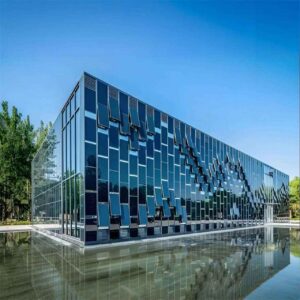
Frameless BIPV glass systems eliminate the visible aluminium profile that traditional framed systems require, creating a flush, unbroken glass surface. For premium commercial facades, this distinction is often the difference between a developer accepting BIPV specification and rejecting it on aesthetic grounds.
Why architects and premium builders are specifying these products:
The trend is documented in commercial building specification data: demand for customized photovoltaic glass has increased by 21% as architects seek design flexibility without sacrificing solar generation capability (Market Reports World, BIPV Glass Market, 2025). Frameless and minimalist systems are the dominant form within this growing specification category.
A practical example from a commercial distributor in the Netherlands: a commercial developer rejected three standard framed BIPV proposals before specifying a frameless curtain wall system in their flagship office development. The frameless product commanded a 34% price premium over the equivalent framed system — and was specified unchanged from the architect’s original design vision.
Distributor challenge — managing inventory for niche aesthetic demands:
Frameless BIPV systems are custom-fabricated to project dimensions more often than standard-sized commodity products. The inventory model that works: maintain standard-size sample panels and technical documentation for specifier conversations, and procure against confirmed orders rather than speculative stock. The longer lead time (typically 8–14 weeks for custom frameless systems) needs to be communicated at specification stage, not at order stage.
Colored and Tinted Solar Glazing Options
In 2026, colored photovoltaic glass is expected to account for 50% of the BIPV product segment, driven by demand for aesthetically integrated solar solutions (Future Market Insights). This is not a fringe preference. It is the mainstream of where commercial BIPV specification is heading.
Beyond standard clear: the emerging color palette customers want:
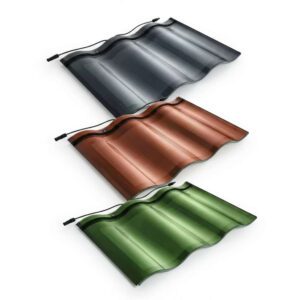
The current commercial specification palette for colored BIPV glass extends beyond the blue-black color range that most distributors associate with solar panels. Ceramic frit printing technology enables full-spectrum color customization on PV glass — terracotta, champagne, green, white, and bespoke corporate colors — with photovoltaic cells embedded within the laminate regardless of surface color.
The structural colors being adopted fastest in commercial specification are those that allow solar glass to match the building’s overall architectural language: warm greys, neutral beiges, and corporate palette colors are the highest-velocity categories in architectural markets where aesthetic integration is a specification requirement.
How tinted options affect solar efficiency — and what to tell customers:
Tinting and coloring do reduce light transmission into the photovoltaic layer. The efficiency trade-off by color category:
| Color/Tint Type | Typical Efficiency Reduction vs. Clear | Suitable Applications |
|---|---|---|
| Light tint (grey, bronze) | 8–15% | Facades where partial shading control is also required |
| Medium color (terracotta, green) | 15–25% | Architectural facades prioritizing integration over maximum generation |
| Deep or opaque printing | 25–40% | Panels where generation is secondary to visual screen function |
| Standard clear or anti-reflective | 0% base | Maximizing energy yield where aesthetics allow |
The conversation that prevents specification disappointment: be upfront about efficiency trade-offs at design stage. An architect who is told that colored glass generates 20% less electricity than clear glass during design development can plan the system size accordingly. An architect who discovers this after tendering has a problem — and so do you.
Stocking strategy: which colors move fastest in your market:
Without specific regional data, the default allocation for a distributor entering the colored BIPV category: 60% neutral/grey tints, 30% warm earth tones, 10% custom corporate colors. Track inquiry patterns for 90 days before adjusting — regional architectural preference varies significantly, and your local market may skew differently.
Integrated Photovoltaic (BIPV) Glass Solutions
BIPV (Building-Integrated Photovoltaics) glass — solar glazing that simultaneously functions as a building’s facade, roofing, or skylight system while generating electricity — is the product category where the largest commercial margin opportunity and the fastest segment growth are converging.
The BIPV glass market was valued at USD 7.21 billion in 2024 and is projected to surge to USD 63.54 billion by 2034 at a CAGR of 21.88% (Market Research Future). This 21% annual growth rate is not theoretical — it reflects confirmed pipeline from new commercial construction projects, renovation specifications, and building energy code mandates that are progressively requiring on-site generation.
Which projects and customer types are adopting BIPV:
| Customer Type | Project Type | Adoption Driver |
|---|---|---|
| Commercial real estate developers | New-build office, retail, hospitality | ESG credentials, LEED points, premium tenant attraction |
| Glazing and facade contractors | Facade replacement on existing buildings | Glass is being replaced anyway — BIPV is the specification upgrade |
| Architecture practices | Award projects, flagship developments | Aesthetic integration that standard solar cannot match |
| Industrial property owners | Factory and logistics facility glazing | Roof and facade area generates energy at no additional installation footprint |
| Healthcare and education institutions | Campus buildings with generation mandates | Net zero targets, demonstrable sustainability leadership |
Your role: positioning BIPV as a premium, future-proof investment:
The positioning conversation that consistently moves BIPV decisions forward is the incremental cost comparison, not the absolute price comparison. A commercial developer replacing a 3,000 m² glass facade is already spending on glazing. The incremental cost of BIPV glass over conventional Low-E glazing — not the full BIPV system price — is the relevant comparison. In many applications, that incremental premium is 35–60% of the conventional glazing cost, which when offset against energy generation value and ESG asset premium, produces compelling payback economics.
Jia Mao BIPV’s real-world case study library documents this incremental cost framework across 10 commercial building types, with specific energy generation data and payback period calculations that distributors can reference directly in client proposals.
3. Sustainability and Green Building Certifications
Meeting LEED, WELL, and Passive House Standards
Green building certification is no longer a preference indicator for premium developments — it is a procurement requirement across an expanding range of commercial real estate, institutional, and government building categories. Understanding which certifications your commercial customers actually need is the first step to stocking products that win you those specifications.
LEED v5 — the latest version of the most widely recognized green building certification, launched in April 2025 — places 50% of its total points on decarbonization (Soletair Power LEED v5 Guide). This is a significant shift: previous versions gave more equal weighting across energy, water, materials, and indoor environment quality. The implication for solar glazing distributors: products that demonstrably reduce carbon (low embodied carbon glass, BIPV generating on-site renewable power) are now more directly score-relevant than previously.
The glazing-relevant certification credits your commercial customers are targeting:
| Certification | Key Glazing Credit | What It Requires | Products That Help |
|---|---|---|---|
| LEED v5 | Energy & Atmosphere: Reduced Energy Use | Demonstrated reduction vs. ASHRAE 90.1 baseline | Low-E glass, BIPV, electrochromic |
| LEED v5 | Indoor Environment Quality: Daylight | Minimum daylight illuminance levels | High-VLT Low-E, clear BIPV (25%+ VLT) |
| WELL Building Standard | Light: Visual Lighting Design | Daylight availability and glare control | Dynamic glazing, tunable VLT systems |
| Passive House | Fabric Energy Efficiency | U-value ≤ 0.8 W/m²K for glazing | Triple glazing, vacuum insulated glass |
| BREEAM (UK/Europe) | Energy: Building Fabric | Thermal performance compliance | Low-E, triple glazing |
How to verify and communicate certification compatibility:
Note the important distinction for distributors: building products themselves are not LEED certified — LEED certification applies to completed building projects. However, specific performance characteristics of your glazing products directly contribute to a project’s LEED point calculations. The data you need to provide: U-value, Solar Heat Gain Coefficient (SHGC), Visible Light Transmittance (VLT), embodied carbon documentation, and recyclability percentage.
Recyclability and Circular Economy Initiatives
The demand for recyclable glazing products is shifting from an ESG preference to a procurement specification in commercial projects — particularly across Northern and Western European markets, and increasingly in North American institutional procurement.
What’s changing in manufacturing:
Leading solar glass manufacturers are designing for end-of-life recovery — creating separation-capable laminates where the glass, EVA interlayer, and PV cell layers can be mechanically or thermally separated at end of service life. Currently, approximately 70–80% of solar glass by weight is recoverable glass cullet. New EVA-free interlayer technologies being commercialized by several European manufacturers push this figure above 90% glass recovery.
Your competitive advantage as an informed distributor:
Agents and distributors who can provide end-of-life recyclability data — not marketing claims, but documented recovery percentages with methodology — are differentiated in procurement processes where EPDs (Environmental Product Declarations) are required. An EPD is a standardized, third-party verified document declaring the environmental impact of a product across its full lifecycle. Major solar glass manufacturers in the EU are now producing EPDs; distributors sourcing from these manufacturers can provide this documentation to customers who require it for LEED Materials & Resources credits or corporate ESG reporting.
Carbon Footprint Transparency in Manufacturing
Commercial building procurement teams — particularly for large institutional and government projects — are increasingly requiring product-level carbon footprint data as part of tender documentation. This is not a future trend. It is happening in active procurement processes right now.
What data customers are asking for:
- Carbon footprint per m² of glass at factory gate (kgCO₂e/m²)
- Transport carbon footprint to project site (dependent on shipping method and distance)
- Total embodied carbon per m² installed
- Break-even point: how many months of operation before the panel has offset its manufacturing carbon footprint
How to source products from manufacturers with verified carbon metrics:
Not all solar glass manufacturers publish carbon data. Prioritize suppliers who produce EPDs under EN 15804 (European standard) or ISO 14044 methodology, and whose production facilities carry ISO 14001 (Environmental Management System) certification. These aren’t bureaucratic boxes — they represent suppliers who have invested in measuring and managing their environmental impact, which correlates strongly with the manufacturing discipline that produces consistent product quality.
Communicating without greenwashing:
The rule that protects you: only claim what the documentation supports. “Our glass has a lower carbon footprint” is a claim that requires a specific number to be credible. “This product’s EPD documents a factory-gate embodied carbon of 8.2 kgCO₂e/m², with a solar payback period of 2.3 years at this project’s location” is a statement that commercial procurement officers can use directly in their sustainability reporting.
4. Thermal Performance and Energy Efficiency Innovations

Triple glazing achieves U-values of 0.8–1.0 W/m²K versus 1.4+ for double glazing — a performance difference that justifies significant price premiums in cold climate markets and increasingly in energy-code-driven commercial specification globally.
Next-Generation Insulation Properties
U-значение — the measure of heat transfer through a glazing unit, expressed in W/m²K; lower values indicate better insulation — is the specification parameter that drives thermal product selection. The regulatory trend globally is toward lower maximum U-values in new construction and deep retrofit projects.
Where the market is heading:
High energy performance glazing currently achieves Ug values (centre-of-glass U-value) between 1.4 and 0.5 W/m²K (Glass for Europe), with whole-window Uw values between 1.5 and 0.7. Passive House standard requires window U-values at or below 0.8 W/m²K — achievable with high-specification triple glazing units incorporating low-conductivity spacer bars and krypton or xenon gas fills.
How to translate technical specs into customer savings language:
A U-value of 1.0 W/m²K versus 2.0 W/m²K for a commercial building with 2,000 m² of glazing in a climate averaging 15°C indoor-outdoor temperature differential for 4,000 hours per year:
$$\text{Annual Heat Loss Reduction} = (2.0 – 1.0) \times 2000 \times 15 \times 4000 = 120,000,000 \text{ Wh} = 120 \text{ MWh/year}$$
At €0.18/kWh (commercial EU rate), that is €21,600 per year in heating cost reduction from the U-value improvement alone. For a commercial developer, this data belongs on page 1 of your specification proposal, not buried in a technical appendix.
Seasonal inventory planning:
Thermal-performance-focused products (high-performance Low-E, triple glazing, vacuum glazing) follow construction procurement seasons rather than solar installation seasons. Commercial building projects in cold-climate markets (Northern Europe, Canada, Northern U.S.) procure glazing typically Q1–Q2 for Q3–Q4 installation. Plan your stocking accordingly: position high-thermal inventory 90–120 days before peak installation windows.
Triple-Glazed and Multi-Pane Solutions
Triple glazing achieves U-values of 0.8–1.0 W/m²K compared to 1.4+ for standard double glazing, with Solar Heat Gain reduced by approximately 20–30% versus double-glazed equivalents (PMC, Nature scientific data, 2025). In markets where building energy codes are tightening toward Passive House or near-zero energy building standards, triple glazing is transitioning from premium to specification minimum.
Weight and structural considerations for installers:
Triple glazing units weigh approximately 40–60% more than equivalent double-glazed units. This weight differential has real consequences for installer customers:
- Frame and sill structural load requirements increase — potentially requiring upgraded supporting structure in retrofit applications
- Crane and glass handling equipment capacity requirements increase on installation day
- Installation labor time per unit increases by approximately 20–30% vs. double glazing
As a distributor, your value-add in the triple glazing category includes providing structural load data proactively (not when the architect asks), specifying appropriate frame systems from your supply network, and briefing installation teams on handling requirements before delivery day.
Pricing strategy — how to margin on premium thermal products:
Triple glazing typically carries a 35–55% price premium over standard double glazing at material level. Distributor gross margins on triple glazing run at 25–32% in most markets — higher than standard double glazing because fewer distributors carry the full specification range with confidence. The margin protection strategy: position triple glazing as a system specification (glass + frame + installation guidance), not just a product, and price the system rather than competing on the glass unit price alone.
Integration with Smart Building Systems
IoT-enabled glazing — glass connected to a building’s BMS (Building Management System) that adjusts its tint, monitors its performance, or provides real-time thermal data — represents the next frontier of commercial glazing integration. For most distributors, this is a 2027–2030 mainstream commercial opportunity; for those serving premium commercial developers and smart building integrators, the early specification conversations are happening now.
Early adoption markets:
- Luxury commercial office towers with WELL Building certification targets
- Airports and transport hubs with large glazed areas and strict passenger comfort standards
- Corporate headquarters with ESG performance reporting requirements
Your preparation for customer conversations:
You do not need to understand the BMS integration code to have a productive conversation about smart glazing systems. What you need: familiarity with the glazing-side interface requirements (typically KNX, BACnet, or Modbus protocols), the ability to connect interested customers with the building automation integrators in your network, and clear lead time data for electrochromic and PDLC systems from your supplier base.
5. Manufacturing Innovations Affecting Supply Chain and Margins
Automated Production and Quality Control Advances
The solar glass manufacturers who have invested in automated production lines — real-time defect detection, AI-assisted quality control, and digital twin production management — are producing materially different products from those using conventional manufacturing.
The practical difference for distributors: breakage rates in transit from top-tier manufacturers with advanced QC systems run at 0.1–0.3%. Manufacturers with less advanced quality systems often run at 1.5–2.5% or higher. On a 500 m² commercial project delivery, a 2% breakage rate means 10 m² of replacement glass — a logistics problem that delays installations and creates relationship damage that no discount repairs.
Jia Mao BIPV operates with an intelligent MES (Manufacturing Execution System) that tracks quality parameters at every production stage — ensuring that products leaving the factory meet the dimensional tolerance, optical performance, and mechanical strength specifications that commercial building projects require. For a distributor supplying architects and commercial contractors who are making facade specification decisions, this manufacturing discipline translates directly into your customer satisfaction rates.
Customization at Scale: Made-to-Order Without Long Lead Times
The manufacturing technology enabling faster custom orders is transforming the BIPV distribution model in a way that reduces distributor inventory risk while expanding the range of projects you can serve.
Three years ago, a custom-dimensioned BIPV glass panel required 16–20 weeks of lead time from order to delivery. Advanced manufacturers in 2025 are achieving 8–12 weeks for custom fabrications, with some standard product sizes available within 4–6 weeks. This compressed lead time means:
- You can quote custom-specification projects without carrying custom-specification inventory
- Architect customers can specify unique dimensions for aesthetic reasons without accepting impractical project timelines
- Inventory carrying risk shifts toward standard product sizes where predictable turnover justifies stocking, and away from custom sizes where it doesn’t
How this changes your inventory model and cash flow:
The shift to order-to-manufacture for custom products, combined with fast lead times, allows distributors to reduce their working capital tied up in specialty inventory while simultaneously offering a broader specification range. A distributor who can quote a 1,200 × 2,800mm frameless BIPV panel in a custom terracotta color with 8-week delivery is serving a market that most inventory-constrained competitors cannot address.
Supply Chain Resilience and Local Production Trends
The solar glass supply chain is undergoing geographic restructuring that will affect your sourcing options, lead times, and pricing over the next 3–5 years. Understanding this restructuring now gives you the ability to plan rather than react.
What is changing:
India’s solar module exports fell 70% from Q3 to Q4 2025 following blanket U.S. tariffs, then declined a further 30% quarter-on-quarter in Q1 2026 (Rhodium Group, Solar Manufacturing in Asia, 2026). European and North American governments are simultaneously incentivizing domestic glass manufacturing capacity, with new float glass and solar glass plants announced or under construction in Germany, the Netherlands, Spain, and the U.S.
Solar module manufacturing has ramped to approximately 70% of 2025 installation volumes in the U.S. market (SEIA Q2 2026), reflecting the domestic production expansion driven by IRA incentive structures.
Distributor supply chain strategy:
| Risk Factor | Impact Level | Mitigation Strategy |
|---|---|---|
| Tariffs on China-origin glass | High for U.S. market | Qualify Malaysian, Vietnamese, or European supply for tariff-sensitive products |
| Long ocean freight lead times from Asia | Medium | Maintain 60–90 day inventory buffer on high-velocity standard sizes |
| Custom BIPV glass long lead times | Medium-High | Communicate lead times at specification stage; build into project timelines |
| Single-supplier dependency | Высокий | Qualify minimum two approved sources per core product category |
| Currency fluctuation (USD/EUR/RMB) | Medium | Forward purchase agreements or cost-pass-through clauses in customer contracts |
6. Market Demand by Geographic Region and Climate Zone
Cold Climate Markets: Thermal Performance Dominance
In Northern Europe (Germany, UK, Scandinavia, Netherlands), Canada, and the Northern U.S., the regulatory and economic driver for solar glazing is primarily thermal — reducing heating energy demand in climates where heating can represent 40–60% of a commercial building’s total energy cost.
Products winning in cold climate markets:
- Triple glazing with Ug ≤ 0.7 W/m²K and thermally broken spacer systems
- Low-E coated glass with solar transmittance optimized for winter solar gain (high SHGC is desirable in cold climates — opposite to hot climate specification)
- BIPV glass with high VLT (30%+ transparency) to maximize daylighting and passive solar gain while generating electricity
Specific certifications and standards your customers require:
Germany, Austria, and Switzerland enforce EnEV/GEG (Gebäudeenergiegesetz) standards that set maximum U-values for new commercial glazing. The current German standard requires window U-values of ≤ 1.3 W/m²K for new non-residential buildings — a specification that effectively mandates high-performance double glazing as a minimum and creates strong commercial demand for triple glazing in energy-conscious specifications.
The UK’s Future Homes Standard (fully effective from 2025) requires new homes to produce 75–80% less carbon than 2013 equivalents — driving high-performance glazing specification across residential and commercial new build.
Inventory allocation for cold climate distributors:
- 50–60% triple glazing across product categories
- 30–40% high-performance double glazing (U ≤ 1.0 W/m²K)
- 10–15% specialty thermal products (vacuum glazing, aerogel glazing for heritage renovation)
Hot Climate Markets: Solar Control and Heat Rejection Focus
In the Middle East, Southern Europe, Southeast Asia, Southern U.S., and Australia, the dominant energy cost driver is cooling — and the glazing specification challenge is reducing solar heat gain (SHGC) without sacrificing daylighting quality.
Products designed for intense sun and cooling demand:
- Solar control glass with low SHGC (0.20–0.35) and high VLT ratio — the “selectivity” measure. High selectivity glass transmits visible light while rejecting the infrared heat that drives air conditioning load.
- External shading-integrated BIPV glass — glass that simultaneously shades the building and generates electricity from the intercepted radiation
- Reflective and tinted glass optimized for the regional solar spectrum and dominant wind/sun orientations
Regional preferences in tinting and reflectivity:
Middle Eastern commercial markets show the strongest preference for high-reflectivity coated glass that minimizes solar heat gain — SHGC values of 0.20–0.25 are common specifications. Southeast Asian markets, where building codes are less prescriptive, show more variation — with aesthetics and developer preference playing larger roles alongside performance.
Margin opportunities in high-demand regions:
Solar control glass markets in high-sun regions are not the same commodity environment as standard float glass distribution. The technical complexity of solar spectrum selectivity specifications, the relatively smaller number of qualified suppliers, and the regulatory pressure driving adoption all support distributor margins in the 25–35% range for well-specified solar control products — significantly above the 12–18% that commodity clear glass generates.
Emerging Markets and Growth Opportunities
The solar glazing markets growing fastest from a percentage growth perspective are concentrated in South and Southeast Asia, Middle East and North Africa, and Latin America — regions combining rapid commercial construction growth with strengthening building energy codes and government incentives for sustainable construction.
India’s building stock is growing at approximately 700–900 million square meters per year of new floor area, with commercial and industrial segments representing approximately 40% of this total. Green building certification (IGBC — Indian Green Building Council) is becoming a procurement requirement for premium commercial and institutional projects, creating specification-driven demand for high-performance glazing.
Distributor expansion strategy for emerging markets:
The barriers in emerging markets are not primarily product-related — they are information-related. Local architects and contractors often have limited access to product specification data, performance testing documentation, and installation technical support. Distributors who invest in local technical presence — a regional technical sales engineer who speaks the local language and understands local building codes — differentiate themselves from competitors who are effectively selling products from a catalogue without local expertise.
The risk assessment dimension: local building code compliance is non-negotiable in every market. Before distributing solar glazing products into a new market, verify the applicable fire resistance standards (glass classification for facade applications varies significantly between markets), the structural glazing standards that determine permissible glass sizes and fixing methods, and whether your products carry the locally recognized testing certification (CE marking in Europe, NFRC in North America, BIS in India, AS/NZS in Australia/NZ).
7. Pricing Strategies and Margin Management in a Competitive Market
Understanding Cost Pressures and Raw Material Volatility
Glass commodity prices are influenced by float glass raw material costs (silica sand, soda ash, limestone), energy costs in glass manufacturing (a highly energy-intensive process), and freight market dynamics that affect import pricing from major manufacturing regions.
The hidden cost problem most distributors have:
Most solar glass distributors calculate their gross margin against the invoice price from their supplier, not their true landed cost. True landed cost includes: inbound ocean freight and port charges (typically 4–8% of product cost), inland trucking and last-mile delivery, warehousing and handling, insurance, customs duties, quality inspection, and breakage provision. When these are included, a product bought at USD 0.65/m² often has a true landed cost of USD 0.78–0.82/m² — creating a 15–20% gap between apparent and actual margin.
Strategies for protecting profitability:
- Cost-pass-through clauses: Contract language that links customer pricing to documented changes in raw material cost indices — protecting you from margin erosion when input costs rise without requiring price increase renegotiations
- Pricing floor discipline: Establish minimum gross margin percentages by product category and enforce them across your sales team — no order below floor margin without management approval and documented justification
- Multi-supplier competition: Maintaining two approved suppliers per core product category gives you negotiating leverage that single-source dependency eliminates
Value-Based Pricing for Premium Products
The most reliable margin protection tool in solar glazing distribution is the ability to have a value-based pricing conversation instead of a price comparison conversation. This requires knowing your customer’s economics well enough to quantify the value your product delivers in their specific context.
For premium BIPV glass, the value calculation that supports premium pricing:
A commercial developer specifying 2,500 m² of BIPV glass on a south-facing office facade in Madrid (1,800 kWh/m²/year insolation, 0.12 VLT, 8% module efficiency) can expect:
$$\text{Annual Generation} = 2500 \times 1800 \times 0.08 = 360,000 \text{ kWh/year}$$
At €0.18/kWh commercial rate:
$$\text{Annual Energy Value} = 360,000 \times 0.18 = €64,800/\text{year}$$
Over 25 years at 2% electricity price inflation, this produces cumulative energy value exceeding €2.1 million. Presented alongside the incremental cost of BIPV glass versus conventional Low-E glazing, this calculation is the pricing conversation that justifies premium product specification. Your margin is protected because the customer is evaluating investment value, not unit price.
Bundling and Volume Incentive Strategies
The deal structures that increase order size and customer loyalty simultaneously are worth building deliberately into your commercial pricing framework:
| Bundle Structure | What It Includes | Margin Effect |
|---|---|---|
| Glass + frame system | Glazing unit + compatible aluminium frame + fixing hardware | Higher total order value; frame margin typically 20–28%; bundle removes competitor glass substitution |
| Glass + technical documentation package | Product + structural calculations + permit documentation support | Service layer adds 8–15% to invoice value; protects relationship from pure product price competition |
| Annual volume agreement | Committed quarterly volume in exchange for 3–5% price stability guarantee | Revenue certainty for you; price certainty for customer; both parties benefit |
| Project completion bundle | Full glazing supply for a building project committed at specification stage | Eliminates re-tendering risk; enables project-level margin management rather than order-level |
Manufacturer rebates and co-op marketing funds:
Major solar glass manufacturers operate rebate programs tied to annual volume thresholds, and co-op marketing funds available for distributors who invest in market development. These programs are often underused by smaller distributors — not because they are unavailable, but because the distributor hasn’t formally enrolled or requested them. In your next supplier conversation, specifically ask: “What volume rebate structure do you have available, and what marketing co-op funds can we access as a distribution partner?”
8. Customer Education and Sales Enablement
Building Your Team’s Product Knowledge
The technical concepts your sales team must be able to explain confidently — and the consequence of not knowing them:
U-value: The measure of thermal insulation performance. A sales rep who cannot explain the difference between U=1.0 and U=2.0 in practical building performance terms cannot sell triple glazing to a building developer. The outcome: the commercial account goes to a competitor whose rep can have that conversation.
SHGC (Solar Heat Gain Coefficient): The fraction of solar radiation admitted through the glazing. A sales rep who specifies high-SHGC glass for a hot-climate commercial facade is specifying a cooling cost problem for their customer. The outcome: a warranty claim, a damaged relationship, and a reference installation that works against you.
VLT (Visible Light Transmittance): The percentage of visible daylight transmitted. Critical for BIPV specification where the balance between generation and occupant comfort determines whether the architect specifies your product or a competitor’s.
The training structure that works:
Monthly 30-minute product briefings — one concept per session, one real customer scenario, one specific sales conversation framework. Cumulative over 12 months, this builds a team that can handle 90% of technical questions in a first meeting without escalation, which dramatically shortens your sales cycle.
Creating Sales Materials That Convert
The sales materials that consistently move solar glazing deals forward are not brochures — they are decision tools that help customers reach conclusions, not materials that push them toward a sale.
| Material Type | Purpose | What Makes It Work |
|---|---|---|
| Specification comparison sheet | Helps customer compare products on relevant dimensions | Side-by-side U-value, SHGC, VLT, warranty, price — with annotation on which spec matters for their project type |
| Energy savings ROI calculator | Quantifies the financial return on the product premium | Project-specific inputs (climate, building size, electricity rate); output is annual savings and payback period |
| Installation case study | Demonstrates real-world performance from comparable projects | Specific project data: location, glass area, annual generation, payback period, customer quote |
| Certification documentation pack | Addresses compliance concerns proactively | IEC certificates, EPD, fire classification, structural load data — pre-assembled for the customer’s market |
| Product sample set | Enables tactile and visual comparison | Physical samples of each tint and color option, AR coating comparison panels, VLT demonstration set |
Positioning Your Distributor or Agency as a Trusted Advisor
The shift from transactional selling to consultative partnership is the single most impactful positioning change available to solar glazing distributors. It is also the one most consistently described by high-margin distributors as their primary competitive advantage.
Consultative partnership means that when an architect has a specification question about solar glazing for a complex project, the first call they make is to you — not because you have the lowest price, but because you reliably have the most useful answer. Building that positioning requires:
Educational content that demonstrates expertise before the sale:
- Technical articles on product selection for specific climate zones
- Project-specific performance modeling available on request
- Regulatory update briefings when building codes change in your market
For distributors working with architects, building the relationship through CPD (Continuing Professional Development) presentations is a proven route to specification influence. Architects require ongoing education to maintain their professional accreditation — and a technically credible presentation on BIPV or solar control glass glazing from a knowledgeable distributor is both useful to them and establishes your expertise before a project arrives.
The Jia Mao BIPV technical resources and product pages provide specification-level product data across transparent photovoltaic glass, solar roof tiles, and facade systems — the foundation of the technical content your team needs to support these architect conversations.
9. Risk Management: Quality, Warranties, and Liability
Evaluating Manufacturer Reliability and Product Longevity
What to verify before committing to a new supplier:
The verification process that protects your business from a supplier relationship that becomes a liability:
- IEC 61215 and IEC 61730 certification — mandatory baseline for any PV glass product. Request the actual certificate with the testing laboratory name and certificate number, not a marketing claim.
- ISO 9001 quality management certification — confirms that the manufacturer has a documented and audited quality system, not just quality claims.
- 25-year warranty terms — read the specific language. What is warranted? Who is the backstop if the manufacturer fails? What is the claims process and typical resolution time?
- Reference customers — request contact details for three customers who have been using this supplier’s products for at least 3 years. A supplier who cannot provide these references is telling you something important.
- Financial stability — for a warranty that needs to be honored for 25 years, the manufacturer’s financial health matters. A company with a 3-year operating history and no balance sheet data cannot credibly backstop a 25-year warranty.
- Production capacity and lead time consistency — request delivery performance data from the past 12 months. What percentage of orders were delivered on or before the committed date?
Managing Customer Expectations Around Performance Claims
The liability exposure that solar glazing distributors most often underestimate is performance claims that exceed what the product documentation supports. The standard scenario: a sales rep quotes 6% annual energy yield improvement from an AR coating in a customer conversation, based on manufacturer marketing material. The customer installs, measures 3.8% improvement, and the 2.2% gap becomes a warranty dispute.
Documentation practices that protect you:
- Quote the tested performance range from third-party laboratory data, not the maximum claim from marketing materials
- Specify the conditions under which performance data applies: “3–4% efficiency improvement at standard test conditions (1,000 W/m², 25°C cell temperature)” — not “you will get 4% more energy”
- Maintain written records of all performance claims made during the sales process
- Include a statement in your quotation documents that actual performance varies with installation conditions, local climate, and maintenance practices
Training your sales team on compliant messaging:
Establish a clear internal rule: performance claims must be traceable to a specific third-party test result or certified product specification. Claims based on manufacturer marketing materials alone are not compliant messaging. This rule, consistently enforced, significantly reduces warranty dispute risk without meaningfully impacting your sales team’s ability to position products effectively.
Staying Current with Building Codes and Compliance Standards
Building code compliance is a dynamic responsibility for solar glazing distributors — not a one-time verification at the point of supplier qualification. Codes change. And when a code change affects a product you have been supplying for three years, discovering it from a building inspector at a customer’s project is not the optimal timing.
How regulations are evolving:
In the EU, the EPBD (Energy Performance of Buildings Directive) revision — progressively tightening U-value maximums and requiring nearly zero-energy building standards across member states — is creating specific glazing compliance requirements that vary by country and are updated on irregular schedules. Distributors serving multiple EU markets need to track these country-level implementations separately.
In the U.S., IECC (International Energy Conservation Code) updates occur on 3-year cycles, with state-level adoption lagging by 2–7 years. The 2021 IECC introduced more stringent window U-value requirements that many states are now beginning to enforce.
Your responsibility as a distributor:
You are not the building inspector, and your customer’s compliance is ultimately their responsibility. However, distributors who provide accurate, current compliance guidance earn trust that protects long-term relationships. Maintain a market-specific compliance reference document for your key markets — updated annually — and make it available to your customers as a service, not just a safeguard for yourself.
10. Strategic Planning: Building Your Solar Glazing Business for the Next 3–5 Years
 Distributors who use trend data to anticipate customer needs — rather than reacting to current demand — consistently achieve 20–30% higher revenue from premium product categories.
Forecasting Demand and Planning Inventory Strategically
Using trend data to anticipate customer needs requires integrating two data streams: your own pipeline (which products are customers asking about that you are currently not stocking?), and market data on construction activity, building permit approvals, and green building certification targets in your region.
The inquiry tracking method that most distributors overlook: systematically recording every customer question about a product you currently do not stock. Over 90 days, these inquiries reveal the demand signal that tells you whether adding a product category is a market development opportunity or an outlier request. A single inquiry about electrochromic glass in 90 days is an outlier. Twelve inquiries from different customers is a market signal.
Balancing inventory investment with cash flow:
The general principle: carry stock for products where your average turnover time is less than your lead time from the supplier. If your standard Low-E double glazing turns in 35 days and your supplier lead time is 28 days, you need minimal buffer stock. If your BIPV glass custom orders take 12 weeks from supplier and your project delivery commitment is 10 weeks, you need a buffer stock of standard sizes to manage the gap.
For a distributor planning a 3-year inventory strategy, allocate inventory investment across product tiers based on growth rate and margin:
| Product Category | Market CAGR | Gross Margin Range | Inventory Priority |
|---|---|---|---|
| Standard Low-E double glazing | 8% | 18–25% | Maintain current levels; optimize turnover |
| Anti-reflective coated solar glass | 9.8% | 25–32% | Increase allocation by 25–35% annually |
| BIPV glass (standard sizes) | 21.88% | 28–38% | Aggressive expansion; secure allocation early |
| Triple glazing systems | 10–12% | 25–32% | Regional allocation based on climate zone |
| Colored/custom BIPV | 21%+ | 30–40% | Order-to-fulfill; maintain samples and documentation |
| Electrochromic/dynamic glass | 6% | 35–50% | Sample stock only; order-to-fulfill for confirmed projects |
Identifying High-Potential Customer Segments
The customer segments growing fastest in solar glazing demand:
Commercial developers with ESG mandates: The single highest-value segment for BIPV glass distributors. These customers need green building certifications, have budgets that support specification premiums, and have recurring project pipelines rather than one-time purchases.
Glazing and facade contractors: The primary installation partner for commercial BIPV. These customers need technical specification support as well as products — distributors who provide both earn preferred supplier relationships that are difficult to displace.
Green building consultants and LEED project administrators: Influencers rather than direct buyers, but their specification influence over commercial projects makes them worth investing in through technical education and partnership.
Renovation and retrofit contractors: The underserved segment in BIPV distribution. Building energy retrofits represent the largest addressable market in developed economies — existing buildings vastly outnumber new construction. BIPV glass in facade replacement and skylight renovation projects addresses this market, but most retrofit contractors have limited awareness of BIPV options.
Preparing for Market Consolidation and Competitive Pressure
The solar glazing distribution market is consolidating. Larger national and regional distributors are acquiring smaller specialty competitors, and solar glass manufacturers are in some markets establishing direct sales channels that bypass traditional distribution.
Differentiation strategies that insulate you from price competition:
The competitive positions that are genuinely difficult to replicate:
- Local technical expertise — a sales and specification team that understands local building codes, specification processes, and customer relationships better than a national competitor’s regional rep
- Deep customer integration — managing a customer’s glazing procurement across multiple projects creates operational switching costs that pure price competition cannot easily overcome
- Specialty product access — exclusive or preferred distribution agreements for specific product categories (custom BIPV glass, specific coating systems, specialty architectural glass) create market positions that commodity competitors cannot enter regardless of price
Building switching costs through service:
The most durable competitive protection in B2B distribution is not product exclusivity — it is service depth that makes changing suppliers genuinely disruptive for your customer. A contractor who has had your technical team walk their estimators through BIPV specification three times, whose project history you maintain in your system, and who knows your delivery reliability from experience, is not going to risk all of that for a 3% price saving from a competitor they don’t know.
Invest in the service dimensions that create this switching cost: project history management, technical training for customer teams, specification support as a standard part of your offering, and delivery reliability that your customers can stake their project timelines on.
🎥 Watch: How BIPV Solar Glass Works — A Commercial Building Perspective
This webinar covers how solar facade systems and BIPV technology are integrated into architectural designs, the performance data behind commercial installations, and the specification process for distributors and their contractor customers. Recommended pre-meeting viewing for your technical sales team.
Your Roadmap to Staying Ahead
The solar glazing market is moving fast, and distributors who understand these trends — and act on them — will thrive. The key is balancing innovation with practicality: stock products your customers actually need, invest in your team’s knowledge, and position yourself as a trusted partner who helps them succeed.
The headline data that frames your strategic planning:
- Solar PV glass market: USD 18.46 billion in 2025, growing to USD 22.05 billion in 2026 — a mature, expanding market with premium product tiers growing faster than commodity
- BIPV glass specifically: USD 7.21 billion in 2024 to a projected USD 63.54 billion by 2034 at 21.88% CAGR — the fastest-growing product category in your distribution portfolio
- Colored and custom BIPV: expected to represent 50% of BIPV product mix by 2026 — the aesthetic integration trend is mainstream, not niche
- Low-E glass: USD 15.3 billion at 8.0% CAGR — the established high-performance foundation of your commercial glazing offering
- Smart glass: from USD 6.42 billion in 2025 to USD 10.42 billion by 2030 — early adoption now, mainstream within your 3–5 year planning horizon
Your customers don’t just need products. They need confidence that they are making the right choices. Be the partner who gives them that confidence — through technical knowledge, honest performance data, reliable supply, and the kind of service relationship that makes changing suppliers genuinely unattractive.
📥 Evaluate Your Product Mix Against These Trends
Ready to assess your current solar glazing inventory against the market’s direction?
Download the Solar Glazing Product Strategy Checklist — a practical tool designed specifically for distributors and agents to assess your inventory, identify gaps, and plan your next moves.
👉 Explore Jia Mao BIPV’s Product Range
👉 View BIPV Installation Design Guidance
👉 Access Real-World BIPV Performance Case Studies
Or schedule a 20-minute consultation with the Jia Mao BIPV team to discuss how these trends apply to your specific market and customer base.
👉 Talk to a Solar Glazing Specialist
Glossary: Key Solar Glazing Terms for Distributors and Agents
U-value (Thermal Transmittance): The rate of heat transfer through a glazing unit, measured in W/m²K. Lower values = better insulation. Example: triple glazing at U=0.8 W/m²K retains heat approximately 30% better than standard double glazing at U=1.4 W/m²K.
SHGC (Solar Heat Gain Coefficient): The fraction of incident solar radiation admitted through the glazing. Ranges from 0 (no heat gain) to 1 (maximum heat gain). Low SHGC (0.20–0.35) is ideal for hot climates; higher SHGC (0.40–0.60) is useful in cold climates for passive solar gain.
VLT (Visible Light Transmittance): The percentage of visible daylight that passes through the glass. Example: 40% VLT glass allows 40% of visible light through — suitable for office daylight requirements — while absorbing the infrared spectrum for solar control or PV generation.
Low-E Coating: A microscopic metallic oxide layer on glass that reflects infrared radiation (heat) while transmitting visible light. Think of it as a one-way heat mirror: it lets daylight in and keeps heat either in (winter) or out (summer) depending on its position in the glazing unit.
BIPV (Building-Integrated Photovoltaics): Photovoltaic materials integrated directly into the building envelope — facades, roofing, skylights, or windows — where they serve simultaneously as building material and power generator. Distinct from BAPV (Building-Applied PV): BIPV replaces conventional materials; BAPV is added on top of them.
AR (Anti-Reflective) Coating: A nano-structured surface treatment that reduces light reflection and increases transmission into the PV cell, typically improving module efficiency by 2–4%. Analogy: the coating on camera lenses that reduces glare and improves image clarity — same principle applied to solar glass.
EPD (Environmental Product Declaration): A standardized, third-party verified document declaring the environmental impact of a product across its full lifecycle, including manufacturing carbon footprint. Required for LEED v5 Materials credits and EU CBAM compliance documentation.
Electrochromic Glass: Glass that darkens or clears in response to a low-voltage electrical signal, allowing occupants or a building management system to dynamically control solar heat gain and glare. Practical application: office facades that automatically tint on east and west faces during morning and afternoon sun angles, reducing cooling load without blocking the view.
NFRC (National Fenestration Rating Council): U.S. organization that develops standardized energy performance ratings for windows, doors, and skylights. NFRC labels are required for Energy Star certification and are referenced in U.S. building energy codes.
Bifacial Factor: The ratio of a bifacial panel’s rear-face efficiency to its front-face efficiency, expressed as a percentage. Example: a bifacial factor of 90% means the rear face generates 90% as much electricity as the front face per unit of irradiance — relevant for BIPV glass installations where both faces receive diffuse or reflected light.
Frequently Asked Questions: Solar Glazing for Distributors and Agents
1. Which solar glazing innovations should I prioritize stocking based on current demand?
Prioritize high-performance anti-reflective coated solar glass and Low-E glass as your volume foundation — these are mainstream commercial requirements, not premium niches. Add standard-size BIPV glass to your active stock if you serve commercial developers, glazing contractors, or architectural projects. For electrochromic and custom colored BIPV products, maintain sample inventory and technical documentation but procure against confirmed orders rather than speculating on demand. Your stocking priority should reflect your regional climate: cold-climate markets lead with triple glazing and high-performance Low-E; hot-climate markets lead with solar control glass with low SHGC specifications. Start with what your customers are already asking for, then expand into the product categories that open new conversations with architectural and commercial developer customers.
2. How do I evaluate a new solar glazing manufacturer before committing to an inventory investment?
Request and verify IEC 61215 and IEC 61730 certificates — get the actual certificates with testing laboratory names and numbers, not marketing summaries. Check ISO 9001 certification for manufacturing quality management. Review the warranty document carefully: what specific failure modes are covered, what the claims process is, and who backstops the warranty if the manufacturer’s financial condition changes. Request references from three customers who have been using the manufacturer’s products for at least three years, and call them — not to verify product quality (the certificates do that), but to understand delivery reliability, technical support quality, and how warranty claims have been handled in practice. For BIPV glass specifically, verify that the product carries any locally required fire resistance and structural glazing certifications for your market.
3. What is the difference between standard glazing and high-performance solar glazing, and how do I explain it to customers?
Standard clear float glass transmits approximately 80% of incident solar radiation as both light and heat — useful for maximum daylighting in mild climates but expensive in cooling costs in any warm climate. High-performance solar glazing adds one or more of: selective coating (Low-E) that reflects infrared heat while transmitting visible light; anti-reflective coating that increases light transmission into the PV cell; tinting or solar control coating that reduces total solar transmission; or photovoltaic layer integration (BIPV) that converts absorbed solar energy to electricity rather than heat. The customer language that works: “Standard glass brings in light and heat together — you can’t separate them. High-performance solar glazing gives you the light your building needs while managing the heat that drives your air conditioning costs. The premium you pay for the better glass typically pays back through lower energy bills within 4–8 years, depending on your climate and the size of your glazed area.”
4. Are electrochromic smart glass products ready for mainstream adoption, or are they still niche?
Currently niche and premium-priced, but the adoption curve is clearly upward. Berkeley Lab’s 2025 analysis confirms median energy savings of 7.2% in commercial buildings with high window-to-wall ratios — a real performance benefit that is increasingly compelling for developers facing energy performance requirements. The barrier to mainstream adoption is cost: electrochromic systems carry a 5–8× price premium over standard Low-E glazing at current market pricing. The customers buying now are premium commercial office developers, airports, hospitals, and institutional buildings where occupant experience and energy performance both justify the premium. For most distributors, the right strategy in 2025 is to be knowledgeable about the technology, carry specifier samples, and be positioned to fulfill orders when a commercial customer’s project requires it — rather than carrying inventory stock speculatively.
5. How much inventory should I carry of specialty colors and tinted BIPV options versus standard clear glazing?
A practical starting allocation for distributors entering the specialty BIPV category: 70–75% of BIPV glass inventory in standard clear or lightly tinted options (these are the highest volume specification); 15–20% in neutral grey and bronze tints (most frequently specified for aesthetic integration); 5–10% in custom colors or deep tints (typically order-to-fulfill given longer manufacturing lead times and lower volume). Colored and custom BIPV has manufacturing lead times of 10–16 weeks for non-standard specifications — communicate this to customers at specification stage, not at order stage. Adjust your allocation based on 90 days of actual inquiry data from your market: regional architectural preferences vary significantly, and the Mediterranean market skews differently from the Northern European market in color and tint preference.
6. How do I protect my margins when raw material costs (glass and coatings) are volatile?
Build cost-pass-through provisions into customer contracts that tie pricing to a documented material cost index — preferably a publicly verifiable one like European flat glass commodity pricing benchmarks. This mechanism is not adversarial; it is transparent, and sophisticated commercial buyers accept it as reasonable. Maintain approved supply relationships with two or more manufacturers per core product category — the negotiating leverage of being able to shift volume affects supplier pricing behavior in ways that single-source dependency does not. Maintain 60–90 day buffer stock on high-velocity products to insulate your customers from spot price volatility. Establish minimum gross margin floors by product category and enforce them through a required approval process for any order quoted below floor — this single discipline prevents the reactive discounting that destroys margin during volatile periods.
7. What is a realistic margin on high-performance solar glazing products?
Distributor gross margins across the solar glazing product spectrum in 2025 run approximately: standard commodity solar glass 12–18%, premium Low-E double glazing 18–25%, high-performance triple glazing 25–32%, anti-reflective coated solar glass 25–32%, standard BIPV glass (facade panels) 25–35%, custom colored BIPV glass 30–40%, and electrochromic/dynamic glass 35–50%. These margins reflect volume, market position, and service intensity — not just product type. Distributors who provide technical specification support and specification-integrated service relationships consistently achieve margins 5–8 percentage points above those who compete on price alone in the same product categories. Jia Mao BIPV’s distributor margin analysis documents this margin differential in detail across product categories.
8. How do I justify premium pricing for solar glazing to price-sensitive customers?
The approach that consistently converts price-sensitive customers to premium product buyers is the 25-year total cost analysis, not the per-unit price comparison. For a building with 1,500 m² of glazing, the difference between standard double glazing at €60/m² and high-performance Low-E triple glazing at €120/m² is €90,000 in upfront cost. The energy savings from the thermal performance improvement — calculated based on the building’s actual heating and cooling load, local energy rates, and the U-value differential — typically recovers that premium within 5–9 years, after which the customer benefits from reduced energy costs for the remaining building life. Present this analysis as a one-page payback summary, not a technical specification document. CFOs and project developers make this decision from financial analysis, not specification sheets.
9. Which geographic regions or climate zones are seeing the fastest growth in solar glazing adoption?
By market growth rate, Southeast Asia and India are showing the fastest percentage growth in solar glazing adoption — driven by rapid commercial construction expansion, strengthening building energy codes, and government incentives for sustainable construction. By absolute value, Western Europe and North America remain the largest markets with the highest specification sophistication. Middle Eastern markets (UAE, Saudi Arabia, Qatar) are showing strong premium solar control glass growth driven by high cooling loads and premium commercial real estate development activity. For distributors considering geographic expansion, the market-entry consideration that matters most is certification alignment: verify that your products carry the locally required certifications (CE in Europe, NFRC in North America, BIS in India) before entering a new market — products without local certification cannot be legally installed on commercial buildings in most jurisdictions.
10. What customer segments should I focus on to maximize my solar glazing sales?
The highest-margin segments for solar glazing distributors are: commercial real estate developers with ESG mandates (they specify premium products and have recurring project pipelines); glazing and facade contractors (they are the installation channel for commercial BIPV and need both technical support and products); architecture practices specializing in sustainable commercial buildings (they are specification influencers who determine what your contractor customers procure); and green building contractors delivering LEED or BREEAM certified projects (certification requirements drive premium specification). Secondary segments with strong growth potential: renovation and retrofit contractors (the largest volume market in mature real estate markets, currently underserved in BIPV options); industrial and logistics property owners (large roof and facade areas, energy cost sensitivity, increasingly ESG-motivated).
11. What building codes and certifications should I understand to avoid liability issues?
The framework varies by market, but the core certifications relevant to solar glazing distribution are: IEC 61215 and IEC 61730 (PV module performance and safety — mandatory baseline), NFRC ratings (U-value, SHGC, VLT — required for Energy Star and U.S. code compliance), CE marking with EN standards (required for EU market), and local fire resistance classifications (EN 13501 in Europe, ASTM E84 in the U.S. — critical for facade applications where fire spread requirements apply). Your practical liability protection: never make compliance claims you have not verified from the manufacturer’s current certification documents, maintain copies of all product certifications in your records for every product you supply commercially, and stay current with code updates through manufacturer technical bulletins and local glazing industry association memberships.
12. How do I protect my business from warranty and liability claims related to glazing performance?
Document all performance claims in writing — not from memory. Your quotation or proposal document should state the specific tested performance values (from certified test reports, not marketing materials), the conditions under which those values apply, and an explicit statement that actual in-service performance varies with installation conditions, maintenance practices, and local climate. Maintain installer guidance documentation as part of every commercial delivery — both to support correct installation and to provide evidence in any future dispute that proper installation guidance was provided. Carry appropriate product liability insurance at levels commensurate with the commercial project values you are serving. For high-value commercial projects (above €500,000 in glazing value), consider requiring your installer customers to carry project-specific all-risks insurance that names you as an additional insured.
13. How do I train my sales team to sell solar glazing effectively to architects and builders?
The technical foundation: U-value, SHGC, VLT, and how each specification dimension affects the building owner’s experience and operating cost. These concepts need to be understood at conversation level — your rep should be able to explain them without notes in a first meeting. The application layer: which specifications matter for which project types and climate zones — a hot-climate commercial facade needs low SHGC and high VLT; a cold-climate residential window needs low U-value and potentially high SHGC for passive solar gain. The sales conversation framework: discovery questions that reveal the project’s priorities (aesthetics, energy performance, certification requirements, budget), followed by specification recommendations that connect to those priorities, supported by third-party data. NFRC’s efficient windows resource and Glass for Europe’s specification guides are useful free reference materials for team training.
14. What sales materials and tools are most effective for converting solar glazing prospects?
Based on what consistently moves commercial glazing decisions: project-specific energy savings calculators (input-based tools that produce a payback period from the customer’s actual building data) outperform generic performance claims significantly. Certification documentation packs (pre-assembled product certifications, EPDs, fire ratings relevant to the customer’s market) remove compliance hesitation faster than any selling technique. Physical product samples — particularly VLT comparison panels showing the visual effect of different transparency levels — enable design decisions that specification documents cannot. Real-project case studies from comparable building types (same sector, same climate zone, similar scale) provide the social proof that converts hesitant specifiers. Digital tools (interactive product selectors, energy modeling tools) outperform static brochures in every customer segment studied.
15. How should I plan my solar glazing inventory and product mix for the next 3–5 years?
Anchor your planning in the market growth rates: BIPV glass at 21.88% CAGR, anti-reflective coatings at 9.8%, Low-E glass at 8.0%. These growth rates tell you where to increase inventory investment, not where to maintain it. The inventory planning discipline that protects your cash flow: carry stock only for products where your turnover rate is faster than your supplier lead time plus a safety margin. For BIPV glass, this means standard product sizes stocked and custom sizes procured against confirmed orders. For specialty products (electrochromic, vacuum glazing), sample stock and order-to-fulfill. Conduct a formal customer inquiry analysis every 90 days to identify product demand signals that aren’t yet converting to orders — these are your early inventory expansion signals. Build preferred supplier relationships with manufacturers before supply tightens — Jia Mao BIPV’s distributor partnership program is specifically structured to give distribution partners priority allocation access, co-marketing resources, and technical support that improve both supply security and market positioning.
For solar glazing product specifications, distributor partnership information, and market resources, visit www.jmbipvtech.com. For building energy code references, consult your national standards body or the U.S. Green Building Council’s LEED resources и Glass for Europe’s specification guides for European markets.