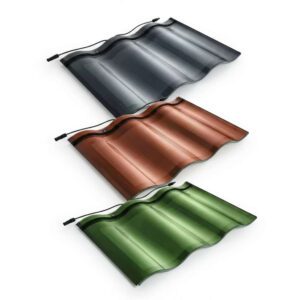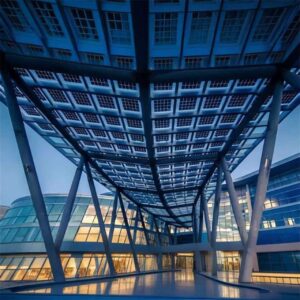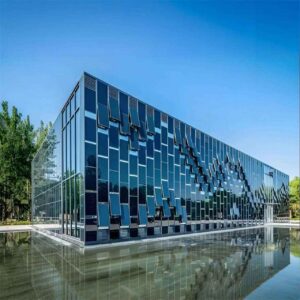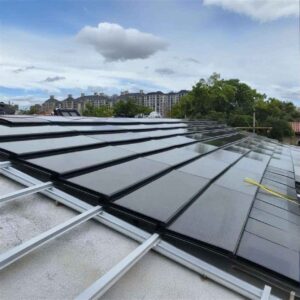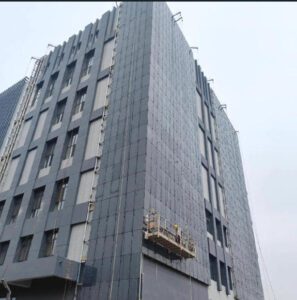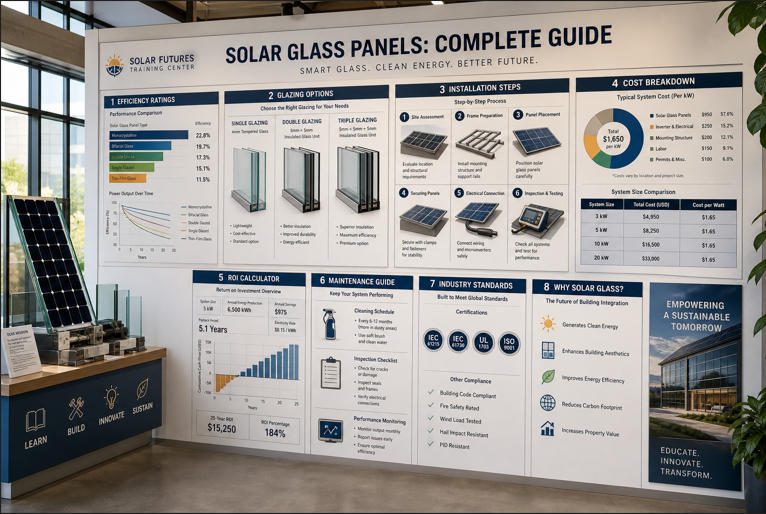
Solar glass panels are changing how buildings produce energy. Instead of treating solar as equipment added after construction, solar glass allows windows, facades, skylights, canopies, and curtain walls to become part of the energy system.
What Solar Glass Panels Are and Why They Matter in Modern Energy Systems
Solar glass panels are photovoltaic glazing products that generate electricity while performing one or more building-envelope functions. Depending on the design, they may replace conventional glass in skylights, curtain walls, spandrel zones, canopies, facades, atriums, balustrades, or roof glazing.
Unlike standard rooftop PV modules, solar glass must be evaluated as both an energy product and a construction material. It has to manage daylight, solar heat gain, wind loads, impact safety, waterproofing, condensation risk, electrical output, and long-term appearance. This dual role is why solar glass is increasingly used in building-integrated photovoltaics, also known as BIPV.
The Key Concepts: Efficiency, Glazing, Installation Considerations
Three concepts determine whether a solar glass project performs well:
- Efficiency: how much sunlight becomes electricity, measured through module efficiency, watts per square meter, transparency level, temperature coefficient, and real-world energy yield.
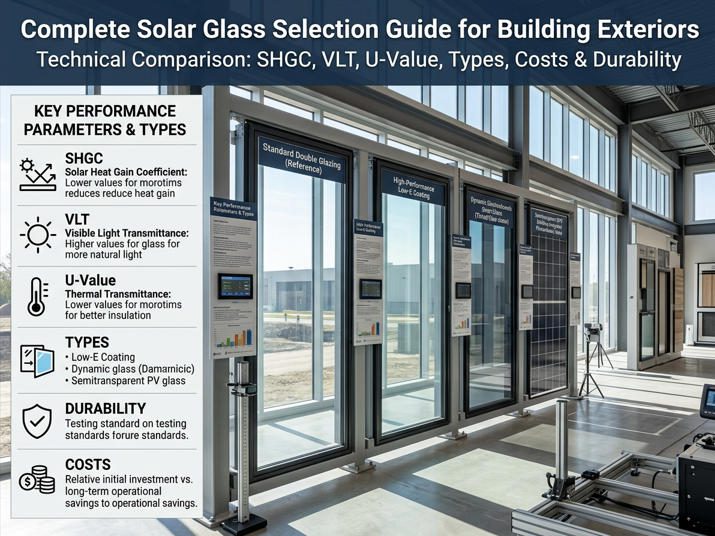
- Glazing: the glass build-up, including tempered glass, laminated glass, low-iron glass, low-E coatings, anti-reflective coatings, interlayers, visible light transmission, U-factor, and solar heat gain coefficient.
- Installation: mounting systems, facade drainage, cable routing, inverter design, safety access, commissioning, and maintenance planning.
Who This Guide Is For: Homeowners, Builders, and Facilities Managers
This guide is written for homeowners considering solar skylights or glass facades, builders comparing BIPV materials, architects specifying photovoltaic glazing, and facilities managers responsible for long-term maintenance. It is also useful for developers who want to understand when solar glass adds value beyond electricity savings.
What Are Solar Glass Panels and How Do They Differ from Traditional PV Modules?
Definition and Basic Structure of Solar Glass Panels
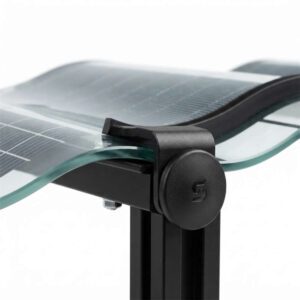
A solar glass panel typically consists of photovoltaic cells embedded between layers of glass or between glass and a backsheet. In architectural applications, the most common build-ups include glass-glass laminates, insulated glass units with PV layers, semi-transparent cell layouts, and laminated safety glass with integrated wiring.
The basic structure may include:
- Front glass with anti-reflective or low-iron properties
- Photovoltaic cells, often monocrystalline silicon or thin-film material
- Encapsulant layers such as EVA or PVB
- Back glass or rear laminate layer
- Edge seals, junction boxes, connectors, and mounting interfaces
Glass vs. Traditional PV Modules: Similarities and Differences
Solar glass and traditional PV modules share the same basic goal: converting sunlight into electricity. The difference is in the design priority. Traditional PV modules are optimized mainly for electrical output, cost per watt, and rooftop mounting. Solar glass is optimized for a broader mix of electricity generation, daylight, safety, appearance, and building integration.
A traditional rooftop panel can be selected mainly by wattage, efficiency, degradation rate, and warranty. A solar glass panel must also be reviewed for visible light transmission, glare, thermal insulation, safety glazing requirements, wind-load resistance, waterproofing, and replacement access.
Common Applications: BIPV, Skylights, Facades
Common solar glass applications include:
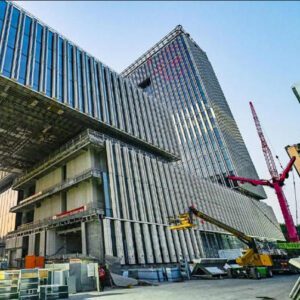
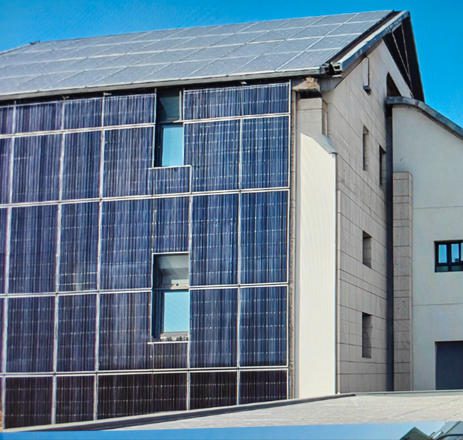
- BIPV facades: photovoltaic glass used as curtain-wall glazing, rainscreen cladding, or spandrel panels.
- Skylights and atriums: semi-transparent solar glass that controls glare while generating power.
- Canopies and walkways: overhead glass that provides shelter and energy production.
- Balustrades and railings: laminated PV glass used in balconies, terraces, and public spaces.
- Residential glass extensions: sunrooms, pergolas, and roof glazing where daylight and energy generation are both desired.
Understanding Efficiency in Solar Glass
How Efficiency Is Measured for Solar Glass
Solar glass efficiency is measured differently depending on the product type. For opaque photovoltaic glass, efficiency can be similar to conventional PV module efficiency. For transparent or semi-transparent solar glass, the active cell area is reduced to allow daylight through, so the power density is usually lower.
Key performance metrics include:
- Module efficiency: percentage of solar energy converted into electricity under standard test conditions.
- Power density: watts per square meter, often more useful for facade and skylight design.
- Visible light transmission: how much daylight passes through the glass.
- Solar heat gain coefficient: how much solar heat enters the building.
- Annual energy yield: real expected kWh output after orientation, shading, temperature, and local weather are considered.
Factors That Influence Panel Efficiency: Materials, Coatings, Glare
Solar glass efficiency is affected by cell type, glass clarity, coatings, interlayers, transparency level, operating temperature, and shading. Low-iron glass improves light transmission to the cells. Anti-reflective coatings can increase energy capture. Low-E or IR-selective coatings may improve building comfort but must be coordinated with the PV layer to avoid reducing output.
Glare is another practical issue. Highly reflective glass may create visual discomfort or planning objections. In urban projects, the best solution is often not the most reflective or highest-output option, but a balanced specification that meets energy, daylight, glare, and facade appearance targets.
Trade-Offs: Efficiency vs. Aesthetics and Weight
Solar glass involves a constant trade-off between power output and architectural performance. Higher transparency normally means lower wattage. Thicker laminated glass improves safety but increases weight. Colored or patterned glass can improve design acceptance but may reduce energy production.
A useful industry benchmark is to compare solar glass by annual kWh per installed square meter e annual kWh per visible square meter, not just nameplate watts. This helps project teams understand the real impact of transparency, color, orientation, and shading.
Excel-Ready Table: Solar Glass Performance Comparison
| Solar Glass Type | Typical Application | Relative Power Density | Daylight Transmission | Weight Consideration | Main Advantage | Main Limitation |
|---|---|---|---|---|---|---|
| Opaque glass-glass PV | Spandrel panels, facades, canopies | Alta | None or very low | Medium to high | Strong output per square meter | Not suitable where views are required |
| Semi-transparent crystalline PV glass | Atriums, skylights, curtain walls | Medium | Medium | Alta | Balances daylight and generation | Cell pattern is visible |
| Transparent BIPV glass | Vision glass, premium facades | Low to medium | Alta | Medium to high | Better architectural transparency | Lower wattage per square meter |
| Thin-film photovoltaic glass | Large glass surfaces, uniform appearance | Low to medium | Variable | Medium | Uniform visual finish | Lower efficiency than crystalline options |
Bar Chart: Relative Power Density by Solar Glass Type
Relative Power Density by Solar Glass Type
Indicative comparison for early-stage specification discussions
Alta
Medium
Low-Med
Low-Med
Opaque
Semi-transparent
Transparent
Thin-film
Glazing Technologies in Solar Glass
Types of Glazing: Tempered, Laminated, and Low-Iron Glass
The glazing specification determines safety, transparency, strength, and long-term reliability. Tempered glass is heat-treated to improve strength and break into smaller fragments if damaged. Laminated glass uses an interlayer to hold broken glass together, making it important for overhead glazing, balustrades, facades, and public areas.
Low-iron glass contains less iron than standard float glass, reducing the green tint and improving light transmission. In solar glass, this can help more light reach the photovoltaic cells while giving the finished panel a clearer appearance.
Coatings and Their Impact on Performance: Anti-Reflective, Hydrophobic, IR-Selective
Coatings can improve both energy performance and user comfort:
- Anti-reflective coatings reduce surface reflection and can improve solar capture.
- Hydrophobic coatings help water run off the surface, reducing visible dirt accumulation in some climates.
- IR-selective coatings help manage infrared heat, improving thermal comfort and reducing cooling loads.
- Low-E coatings improve insulation performance but must be specified carefully in photovoltaic glazing assemblies.
For fenestration performance, the U.S. Department of Energy explains that window ratings commonly include U-factor, solar heat gain coefficient, visible transmittance, air leakage, and condensation resistance. These values are useful when evaluating solar glass as a glazing product, not just as a PV module. See the DOE guide to energy performance ratings for windows and skylights.
Durability and Safety Considerations: Wind Load, Impact Resistance
Solar glass installed in facades or skylights must be engineered for wind load, impact resistance, thermal stress, water penetration, and movement of the surrounding structure. For overhead applications, laminated safety glass is often essential because it reduces the risk of falling fragments after breakage.
In commercial facade projects, suppliers should provide test data for mechanical load, thermal cycling, damp heat, hail impact where relevant, fire classification, and electrical safety. The specification should also define how a damaged panel can be replaced without dismantling large areas of the facade.
Building-Integrated Photovoltaics, BIPV, and Architectural Considerations
Benefits of BIPV in Design and Energy Yield
BIPV allows solar generation to become part of the building envelope. Instead of adding panels on top of a finished structure, BIPV can replace glass, cladding, roof tiles, skylight panels, shading devices, or canopy materials. The Whole Building Design Guide describes building-integrated photovoltaics as photovoltaic collector elements located directly within the building envelope or canopy structure.
The benefit is not only electricity. In the right project, BIPV can reduce duplicate materials, improve the sustainability story of the building, support green-building certification, and make renewable energy visible to occupants and visitors.
Integration Challenges: Structural, Electrical, and Thermal
BIPV integration is technically demanding because the product must satisfy several disciplines at once. Structurally, the glass must resist wind and impact loads. Electrically, cables, connectors, junction boxes, inverters, grounding, and safety disconnects must be accessible and code-compliant. Thermally, the assembly must manage heat gain, insulation, condensation risk, and PV temperature losses.
This is why early coordination matters. If the electrical layout is designed after the curtain wall is already detailed, the project may face visible cable routes, difficult maintenance access, or expensive redesign.
Code, Permitting, and Insulation Implications
Solar glass may need to satisfy glazing codes, electrical codes, fire requirements, structural requirements, and energy codes. Project teams should confirm whether the product is being reviewed as a PV module, safety glass, curtain-wall element, roof assembly, or all of these at once.
For product research, project teams can review Jia Mao Bipv transparent solar glass for examples of photovoltaic glazing designed around transparency, daylighting, and facade integration. For security-sensitive or high-impact applications, laminated photovoltaic glass for facades is another relevant category to evaluate.
Installation Essentials: From Mounting to Electrical Connections
Mounting Systems and Load Considerations
Solar glass mounting depends on location. A skylight may require structural glazing, rafters, pressure caps, and drainage channels. A facade may use curtain-wall framing, rainscreen rails, point supports, or cassette systems. A canopy may require steel framing, water control, and overhead safety glass.
Load calculations should include dead load, wind suction, snow load where relevant, thermal movement, seismic movement, and maintenance loads. A heavier laminated solar glass panel may require stronger framing than standard glazing.
Electrical Wiring, Inverters, and Grid Integration
Solar glass systems need careful electrical planning. Cable exits should be coordinated with mullions, pressure plates, junction boxes, service cavities, or roof spaces. Inverters and optimizers should be located where maintenance teams can reach them safely.
Shading can vary significantly across a glass facade or skylight. For this reason, modules should be grouped by orientation and shading condition. Module-level power electronics may be useful when partial shading from mullions, parapets, neighboring buildings, or trees is expected.
Safety Measures and Maintenance Access
Safety planning should cover fall protection, electrical isolation, glass handling, cleaning access, emergency response, and replacement procedures. For commercial buildings, the best practice is to align solar glass maintenance with the existing facade access strategy.
A practical supplier question is: “Can one panel be isolated, removed, and replaced without dismantling the surrounding glazing?” If the answer is unclear, maintenance costs may be underestimated.
Performance Under Real-World Conditions
Temperature, Shading, and Weather Impacts
Real-world output is often lower than laboratory-rated output because solar glass is affected by temperature, orientation, shading, dust, and weather. Vertical facades may produce less energy per watt than tilted rooftops, but they can still be valuable on tall buildings with limited roof area.
Temperature matters because photovoltaic output decreases as cells get hotter. Ventilated facade cavities can reduce this effect. Fully sealed or poorly ventilated assemblies may operate hotter and lose more output during summer afternoons.
Cleaning and Maintenance Best Practices
Cleaning requirements depend on climate, pollution, rainfall, glass angle, and coating type. Skylights and low-slope glass surfaces usually collect more dust than vertical facades. Urban facades may show streaking from runoff, traffic pollution, and mineral deposits.
Best practices include:
- Use cleaning methods approved by the glass and coating supplier.
- Avoid abrasive tools that can damage coatings.
- Inspect seals, cables, connectors, and junction boxes during cleaning cycles.
- Track production data before and after cleaning to understand soiling losses.
Monitoring and Performance Analytics
Monitoring is essential because many solar glass panels are integrated into areas that are difficult to inspect visually. Performance analytics can detect underperforming strings, shading issues, inverter faults, connector problems, or soiling losses.
Facility managers should ask for monitoring dashboards that show energy production by zone, not only total system output. Zone-level data helps identify whether a facade, skylight, or canopy section is underperforming.
Pie Chart: Common Causes of Real-World Solar Glass Yield Loss
Common Causes of Real-World Yield Loss
Indicative distribution for early O&M planning
Shading and orientation: 35%
Temperature losses: 20%
Soiling and cleaning gaps: 18%
Electrical mismatch: 15%
Inverter and monitoring issues: 12%
Durability, Maintenance, and Longevity
Expected Lifespan and Warranty Considerations
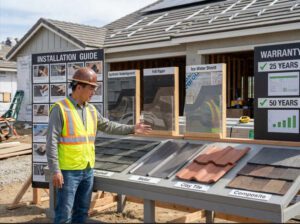
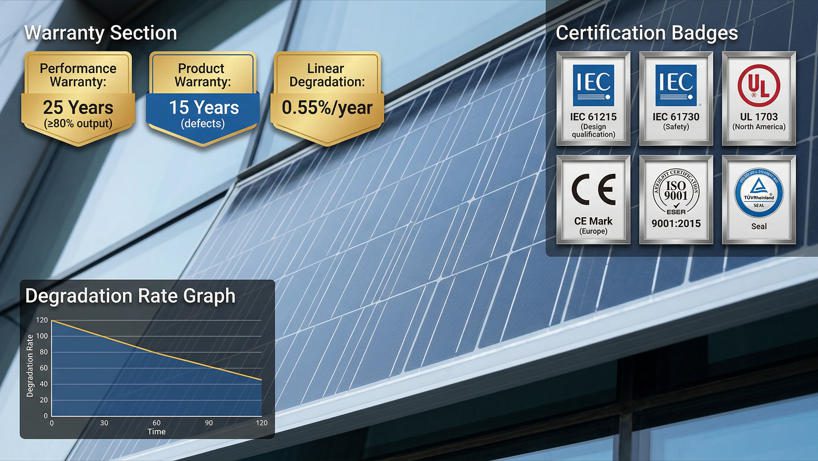
Many photovoltaic products are designed around 25-year power-performance expectations, but solar glass durability also depends on glass build-up, lamination quality, edge sealing, mounting stress, coating durability, and electrical component protection.
Warranty review should include:
- Product workmanship warranty
- Linear power output warranty
- Glass breakage exclusions
- Seal and delamination coverage
- Coating and appearance warranty
- Mounting system corrosion warranty
- Labor responsibility for removal and replacement
Degradation Rates and When to Service
Solar glass panels normally degrade gradually, but sudden drops in output can indicate wiring faults, inverter issues, water ingress, broken glass, or shading changes. Service should be triggered by abnormal production data, visible damage, recurring inverter alerts, water leakage, or significant soiling.
Cleaning Protocols and Environmental Considerations
Cleaning protocols should consider water use, runoff management, local pollution, bird activity, salt spray in coastal areas, and snow or ice in cold climates. Hydrophobic coatings may reduce cleaning frequency, but they do not eliminate maintenance. The most reliable approach is to combine scheduled cleaning with performance monitoring.
Cost, ROI, and Total Cost of Ownership
Upfront Costs vs. Long-Term Savings
Solar glass usually costs more upfront than conventional glass or standard rooftop PV modules. However, the economics improve when the solar glass replaces another material, such as spandrel glass, skylight glazing, facade cladding, or canopy panels.
Long-term value can come from electricity generation, reduced peak demand, shading benefits, tenant appeal, carbon reporting, and contribution to green-building goals. The most accurate financial model includes both the energy budget and the envelope budget.
Incentives, Rebates, and Financing Options
Incentives vary by region and may include tax credits, grants, renewable-energy certificates, net metering, accelerated depreciation, green loans, or local building-performance incentives. Because solar glass can be classified as both a construction material and a PV system, incentive eligibility should be confirmed early with local authorities and tax advisors.
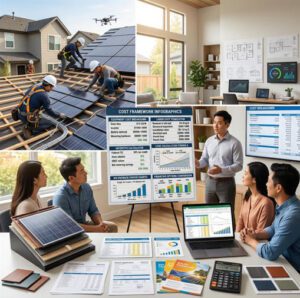
Techniques for Calculating ROI for Solar Glass Installations
A practical ROI model should include:
- Installed cost of solar glass and mounting
- Avoided cost of conventional glazing or cladding
- Annual energy production based on real orientation and shading
- Electricity tariff and demand-charge impact
- Cleaning, monitoring, and inverter replacement
- Incentives, tax benefits, and financing cost
- Residual value and replacement assumptions
For commercial projects, a simple payback calculation can miss important value. A better model includes net present value, internal rate of return, carbon value, and avoided facade-material cost.
Applications: Residential, Commercial, and Industrial Use Cases
Home Renovations and Retrofits with Glass Facades
Homeowners may use solar glass in skylights, pergolas, sunrooms, balcony railings, and glass extensions. The main design question is whether the homeowner wants maximum energy production, filtered daylight, privacy, or architectural appearance.
Commercial Buildings and Energy-Positive Campaigns
Commercial buildings use solar glass in facades, atriums, canopies, skylights, and curtain-wall spandrels. These projects often focus on visible decarbonization, tenant engagement, ESG reporting, and long-term energy cost control.
For early supplier research, the BIPV module category from Jia Mao Bipv gives examples of photovoltaic glass formats that can support facade and architectural applications.
Industrial Glazing and Performance Requirements
Industrial buildings may use solar glass in canopies, loading-area roofs, warehouse skylights, office facades, and parking structures. These projects often prioritize durability, easy maintenance, high output, and fast replacement over highly customized aesthetics.
Future Trends, Standards, and Certification
Emerging Glazing Technologies and Materials
The next generation of solar glass will be shaped by improved transparency, better color control, lighter laminated assemblies, curved glass, larger formats, and smarter coatings. Industry innovation is moving toward products that look less like add-on technology and more like standard architectural materials.
Standards, Testing, and Certification: IEC/UL Relevant to Solar Glass
Solar glass projects should reference both photovoltaic and building-glass standards. For PV reliability, IEC 61215 is widely used for design qualification and type approval of terrestrial photovoltaic modules. The IEC describes IEC 61215-1 as setting requirements for long-term operation of terrestrial PV modules.
Depending on region and application, additional standards may include IEC 61730 for PV module safety, UL standards for electrical safety, laminated glass safety standards, fire testing, impact testing, and local curtain-wall requirements.
Market Outlook and Innovation Pipelines
Solar glass adoption is being driven by dense urban development, limited roof space, corporate decarbonization goals, and stricter building-performance expectations. According to the IEA PVPS global PV market snapshot, global PV deployment continues to scale rapidly, creating stronger supply chains and more product options for integrated solar applications.
The market insight for developers is clear: solar glass works best when it is planned early. Late-stage substitution is expensive. Early-stage integration allows the project team to optimize glass dimensions, structure, wiring, thermal performance, and facade appearance together.
Related YouTube Video: BIPV Solar Facade Installation Example
Recap of Key Concepts: Efficiency, Glazing, and Installation
Solar glass panels are not simply transparent solar panels or decorative PV modules. They are building products that must generate electricity while meeting glazing, safety, thermal, structural, and aesthetic requirements. Efficiency determines output, glazing determines comfort and durability, and installation determines whether the system can be maintained over its service life.
Practical Steps to Evaluate Solar Glass for a Project
- Identify where solar glass could replace conventional glass or cladding.
- Compare power density, visible light transmission, SHGC, U-factor, and weight.
- Model shading, orientation, and annual energy yield.
- Review mounting, drainage, cable routing, and replacement access.
- Check PV, glazing, fire, structural, and electrical code requirements.
- Compare total cost of ownership rather than only upfront product price.
- Ask suppliers for project references, test reports, warranty terms, and maintenance guidance.
Final Considerations: Lifecycle, Maintenance, and Supplier Selection
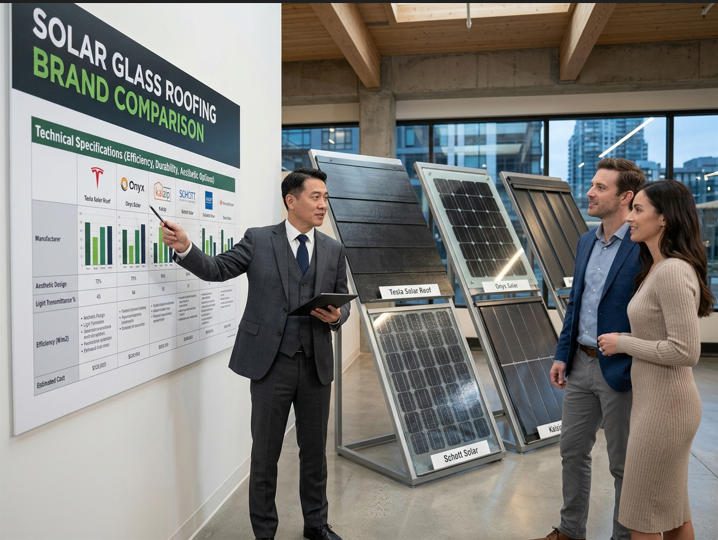
The best solar glass supplier is not only the one with the highest wattage figure. The stronger choice is usually the supplier that can support glazing specifications, facade coordination, electrical documentation, warranty clarity, and replacement planning. For projects requiring custom BIPV glass, Jia Mao Bipv solar building solutions can be included in the early evaluation alongside structural, facade, and electrical consultants.
FAQs
What is the typical lifespan of solar glass panels?
Many solar glass panels are designed around 25-year power-performance expectations. The actual service life depends on glass build-up, lamination quality, edge sealing, mounting stress, weather exposure, cleaning methods, and electrical component maintenance.
How does glazing affect energy yield compared to standard PV panels?
Glazing affects energy yield through transparency, coatings, glass clarity, reflectance, and operating temperature. Semi-transparent or colored solar glass usually produces less electricity per square meter than opaque standard PV panels, but it can provide daylight, shading, and facade replacement value.
What should I ask a supplier during an initial consultation?
Ask for power density, visible light transmission, SHGC, U-factor, glass build-up, weight, certifications, fire data, wind-load capacity, warranty terms, replacement procedure, cleaning guidance, and project references with similar applications.
Are solar glass panels suitable for skylights?
Yes, solar glass can work well in skylights and atriums, especially when glare control and partial shading are desired. Overhead installations usually require laminated safety glass, careful drainage, structural review, and safe maintenance access.
Can solar glass replace normal facade glass?
In many BIPV projects, solar glass can replace selected facade glass zones such as spandrels, curtain-wall sections, canopies, or semi-transparent atrium glazing. The design must still satisfy local glazing, fire, structural, and electrical requirements.
Is transparent solar glass as efficient as opaque solar panels?
Usually not. Transparent solar glass leaves space for daylight or uses technologies that transmit light, so it normally has lower power density than opaque PV. Its value is strongest when daylight, views, shading, and energy generation are all required.
How often should solar glass be cleaned?
Cleaning frequency depends on climate, pollution, panel angle, rainfall, and coating type. Many projects align cleaning with normal facade or skylight maintenance cycles, then adjust frequency based on performance monitoring data.
What is the biggest mistake when specifying solar glass?
The biggest mistake is treating solar glass like a standard PV module. Solar glass must be specified as a combined glazing, facade, structural, and electrical product. Late coordination often leads to cable-routing problems, access issues, and higher installation costs.