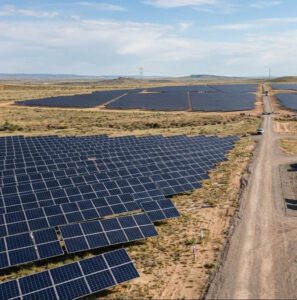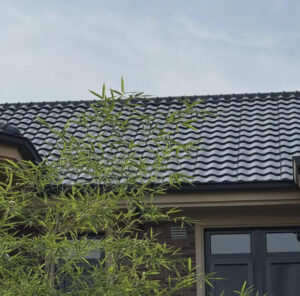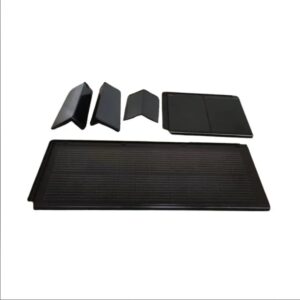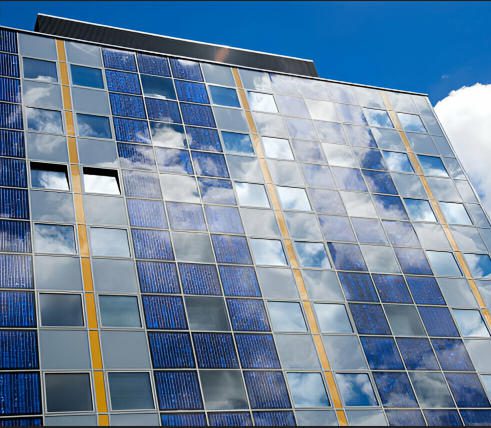
A 100 kW commercial rooftop array in Phoenix, Arizona lost 7,400 kWh in its first year — not because of faulty cells or a bad inverter, but because the installer chose standard float glass instead of low-iron, anti-reflective solar glass. That single material decision erased roughly $888 in annual revenue at the local utility rate of $0.12/kWh. Multiply that across a 25-year project life, and the wrong glass specification destroys over $22,000 in value before anyone notices.
Solar glass is not just a protective cover. It is the first optical layer that sunlight must pass through before reaching the photovoltaic cell, and its type, coating, thickness, and iron content directly determine how much electricity a system ultimately produces. According to Fortune Business Insights, the global solar PV glass market reached $22.05 billion in 2026 and is projected to hit $93.72 billion by 2034 — a CAGR of 19.8 % — confirming that the industry treats glass as a critical performance variable, not packaging.
This guide breaks down the four major solar glass types used in building-integrated photovoltaic (BIPV) systems today — ultra-clear, low-iron, textured, and AR-coated — with real-world transmittance data, field performance numbers, cost benchmarks, and decision frameworks. It also explains how manufacturers like Jia Mao BIPV are pushing the boundaries with ultra-clear tempered glass that achieves up to 91.5 % light transmittance — 8 % higher than standard glass — while meeting IEC 61215 hail-impact certification.
Why Solar Glass Is the Hidden Performance Lever
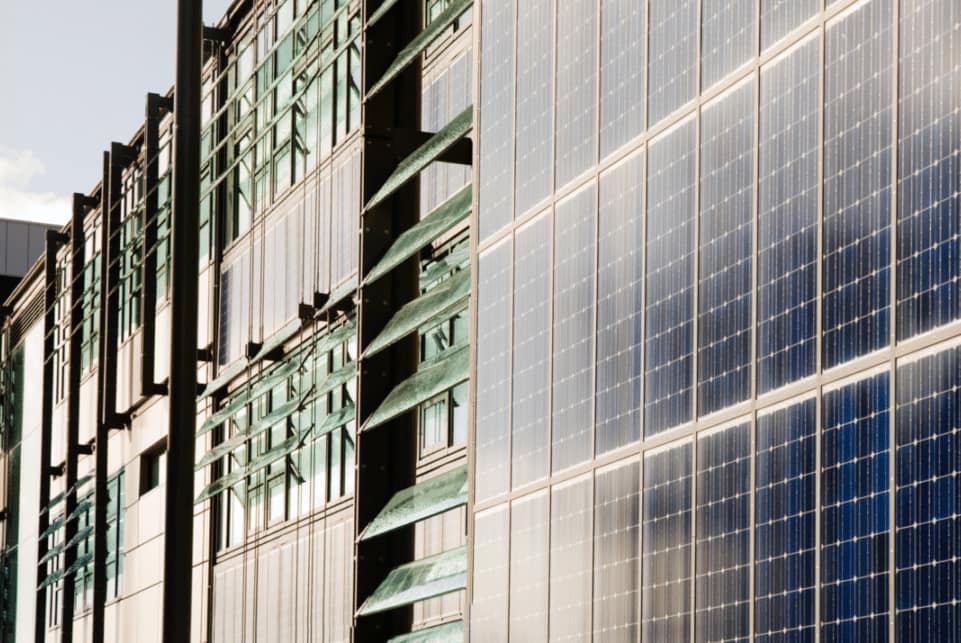
Every photon of sunlight must travel through the cover glass before it can generate an electron inside the silicon cell. Standard soda-lime glass with a typical iron content of 800–1,000 ppm absorbs roughly 8–10 % of incoming solar radiation. Switch to low-iron glass at ≤120 ppm iron content, and that absorption drops below 2 %, delivering 91–92 % visible light transmittance versus 83–85 % for conventional glass, as documented by Hexad Industries.
That 8-percentage-point transmittance gap translates directly into module output. On a 400 W panel, it means approximately 32 W of real power that either reaches the cell or gets absorbed by green-tinted float glass. Over a 25-year service life on a 100 kW system, the cumulative energy loss from the wrong glass exceeds 185 MWh — equivalent to powering 17 average U.S. homes for a full year.
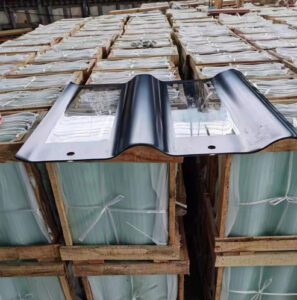
Glass also governs mechanical durability. The IEC 61215 hail-impact test fires 25 mm ice balls at 23 m/s onto 11 points across the module surface. Panels using 3.2 mm tempered solar glass routinely pass, while thinner or untreated glass may micro-crack under identical conditions — leading to moisture ingress, hot spots, and accelerated degradation that compounds every year the system operates.
The Four Major Solar Glass Types for BIPV
Not every BIPV installation requires the same glass. A utility-scale ground-mount farm in the Nevada desert faces different optical and mechanical stresses than a curtain-wall façade on a 40-story office tower in Frankfurt. Below is a detailed breakdown of each category, with the specifications that matter for system design.
1. Ultra-Clear (Low-Iron) Solar Glass
Ultra-clear glass — also marketed as low-iron or extra-white glass — is the workhorse of the modern PV industry. By reducing iron oxide content to below 150 ppm (typically ≤120 ppm), manufacturers eliminate the greenish tint that standard float glass exhibits at its edges. The result is a transmittance of 91–92 % for visible light at 3.2 mm thickness, compared with 83–85 % for standard clear glass at the same gauge, as confirmed by Granite State Glass performance data. Virtually all Tier-1 module manufacturers — including LONGi, Jinko, Trina, and Jia Mao BIPV’s module line — now specify low-iron glass as standard for their premium products.
A 2024 study published in PMC (National Library of Medicine) confirmed that low-iron glass transmits approximately 4.5 % UV-B light in the 280–315 nm range — energy that standard glass blocks entirely. For PV cells with spectral response extending into the UV region, such as heterojunction (HJT) and perovskite tandem cells, this additional photon capture translates into measurable watt gains per module.
2. Textured (Patterned) Solar Glass
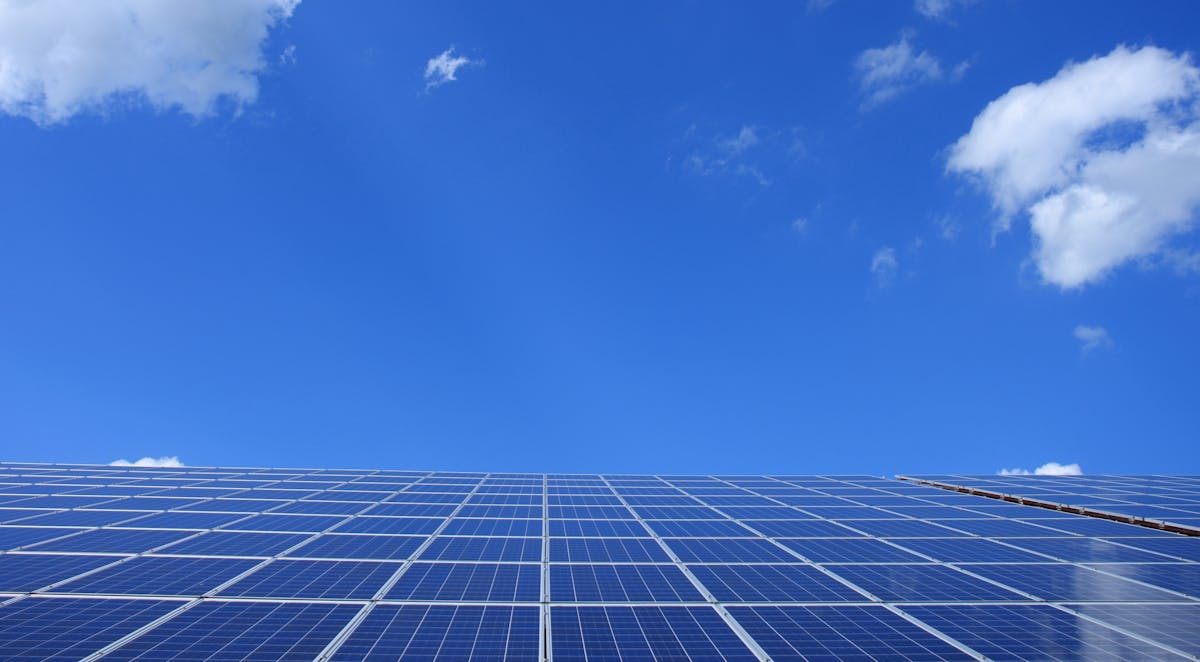
Textured glass has a micro-prismatic or pyramidal surface pattern rolled into one side during manufacturing. The pattern refracts incoming light at multiple angles, increasing the optical path length inside the cell and trapping photons that would otherwise reflect away. A peer-reviewed study published on ResearchGate measured a 3.1 % annual efficiency improvement with extra-white textured glass (2.9 % at normal incidence), with even larger gains at oblique angles typical of early morning, late afternoon, and winter months when the sun sits low on the horizon.
XDK Solar’s technical brief reports that optimized textured glass can boost solar energy absorption by up to 25 % at oblique angles — a significant advantage for BIPV façades, where the glass plane is vertical (90°) and receives mostly indirect and diffuse light. Low-iron prismatic glass achieves transmittance above 91.7 %, and when paired with AR coating, that figure climbs to 94.59 %, according to Virtue Glass Group specifications.
3. Anti-Reflective (AR) Coated Solar Glass
Even low-iron glass reflects approximately 4 % of incident light per surface — roughly 8 % across both surfaces combined. An anti-reflective coating — typically a porous silica sol-gel layer applied before tempering — reduces that combined surface reflection to under 2 %, boosting effective transmittance above 96 %. A 2023 ScienceDirect review (cited 154 times) confirmed that typical porous SiO₂ AR coatings reduce reflection by 2–3 %, while a field study by SunPower/IrisHellas (PDF) measured energy gains of up to 7 % compared to uncoated glass, with sustained real-world gains of 3.5–5 % over three years of outdoor testing.
AR coatings are especially valuable in regions with high direct-normal irradiance (DNI) — the U.S. Southwest, the Middle East, North Africa, and the Australian Outback — where every percentage point maps to measurable kWh. An NREL durability study (PDF) exposed AR-coated glazing samples outdoors in Sweden for seven years with less than 1 % loss of transmittance, confirming long-term stability. However, Energetica India reports that standard silica-based AR coatings maintain peak performance for 5–7 years in harsh environments before gradual degradation — making coating quality and supplier selection critical for 25-year project economics.
4. BIPV-Grade Laminated Glass
BIPV glass replaces conventional building materials — curtain walls, skylights, canopies, spandrel panels — with dual-purpose photovoltaic glazing that generates electricity while fulfilling structural and aesthetic roles. Transparency options range from 10 % to 90 %, depending on cell spacing and thin-film technology. The U.S. Department of Energy identifies BIPV as a key pathway for expanding solar beyond rooftops into the full building envelope.
Jia Mao BIPV’s photovoltaic glass line achieves up to 91.5 % light transmittance on its ultra-clear variants, with monocrystalline cells delivering over 22 % cell efficiency, a proprietary self-cleaning coating that cuts maintenance costs by 30 %, and wind-pressure resistance rated at 4.0 kPa. Their laminated façade glass combines security-grade impact resistance with energy generation for critical infrastructure, while their transparent BIPV modules serve skylight and curtain-wall applications with adjustable transparency from 10 % to 90 %.
Current commercial BIPV glass delivers between 50 and 250 kWh/m² annually, depending on transparency level and local irradiance. Opaque spandrel panels with monocrystalline cells produce 200–250 kWh/m²/year at mid-latitudes, while semi-transparent curtain walls at 20–40 % transparency yield 100–170 kWh/m²/year — energy that would otherwise be zero from a conventional window.
Solar Glass Comparison Table
The table below consolidates the key specifications across all four glass types. Copy it directly into Excel or Google Sheets for project planning.
| Property | Ultra-Clear (Low-Iron) | Textured (Patterned) | AR-Coated | BIPV Laminated |
|---|---|---|---|---|
| Light Transmittance | 91–92 % | 90–93 % (91.7 % prismatic) | ≥96 % (on low-iron substrate) | 10–91.5 % (adjustable) |
| Iron Content (ppm) | ≤120 | ≤150 | ≤120 (paired with low-iron) | ≤120 |
| Surface Reflection (both sides) | ~8 % | ~5–6 % | <2 % | <4 % (with AR option) |
| Mechanical Strength vs Annealed | 1× (annealed) or 3–5× (tempered) | 2–3× | 3–5× (tempered + AR) | 3–5× (tempered laminate) |
| Typical Thickness | 3.2 mm | 3.2–4.0 mm | 3.2 mm | 5–12 mm (laminated) |
| Low-Angle Light Capture Bonus | Baseline | +3.1 % annual; up to +25 % at oblique angles | +3.5–7 % depending on angle | Depends on substrate type |
| Self-Cleaning Coating | Optional | Optional | Often included | Standard on premium lines |
| Hail Test (IEC 61215) | Pass (when tempered) | Pass | Pass | Pass |
| Cost Index (Low-Iron = 1.0×) | 1.0× | 1.05–1.15× | 1.2–1.4× | 2.0–4.0× |
| Primary BIPV Application | Standard PV modules, rooftop arrays | Façades, high-latitude sites, diffuse-light regions | High-DNI desert farms, premium modules | Curtain walls, skylights, canopies, spandrels |
| Durée de vie | 25–30 years | 25–30 years | 25–30 years (AR layer: 5–25 yr by quality) | 25–30+ years |
Sources: Jia Mao BIPV solar glass guide, Granite State Glass, Virtue Glass Group, NREL AR durability study, IEC 61215 standards.
Light Transmittance by Solar Glass Type — Bar Chart
The chart below visualizes the transmittance hierarchy. Even a few percentage points separate top-performing modules from average ones — and those points compound over a 25-year project life.
AR-coated low-iron glass achieves the highest transmittance at 96 %. Standard float glass trails by 12 percentage points — a gap that costs a 100 kW array roughly 7,400 kWh per year under Phoenix irradiance ($0.12/kWh = $888/year; $22,200 over 25 years undiscounted).
Global Solar PV Glass Shipments by Type — 2026 Estimate
The solar PV glass market reached an estimated 32.24 million tons in 2026 and is growing at a CAGR of 18.42 % toward 75.08 million tons by 2031, according to Mordor Intelligence.
Sources: Mordor Intelligence, Fortune Business Insights, Grand View Research (2026 estimates). BIPV-grade laminated glass at 7 % is the fastest-growing segment, projected to triple its share by 2031.
How Glass Choice Impacts Real-World Energy Output
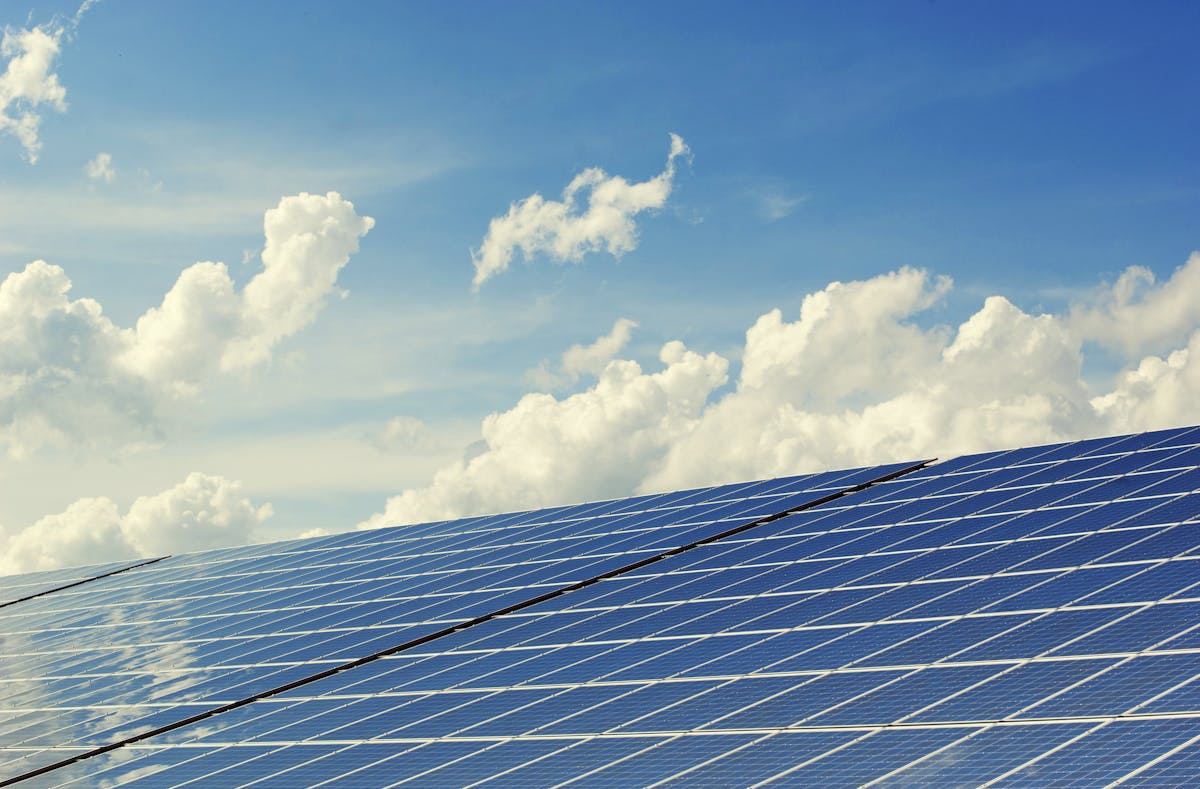
Theory matters less than field data. Consider two identical 100 kW commercial systems installed in Dallas, Texas (annual GHI ≈ 1,750 kWh/m²), differentiated only by glass type:
System A uses standard float glass (84 % transmittance). At 21 % cell efficiency, effective module efficiency drops to approximately 17.6 %. Annual production: ~154,000 kWh.
System B uses AR-coated low-iron glass (96 % transmittance). The same 21 % cell produces an effective module efficiency of approximately 20.2 %. Annual production: ~176,500 kWh.
The difference is 22,500 kWh per year. At $0.11/kWh (the Dallas commercial rate), that is $2,475 in additional annual revenue — or $61,875 over 25 years, undiscounted. Factor in the 30 % federal Investment Tax Credit and 5-year MACRS depreciation, and the superior glass pays for its incremental cost within the first 14 months.
Temperature compounds the advantage. AR-coated glass reduces absorbed heat within the glass layer itself, helping keep the cell cooler. A panel operating at 55 °C instead of 60 °C retains approximately 1.5–2.0 % more output on a module with a temperature coefficient of −0.30 %/°C. Over a full Texas summer, that adds another 800–1,100 kWh to System B’s lead.
A third scenario illustrates the BIPV case. An architecture firm in Milan specified Jia Mao BIPV’s laminated façade glass for a 12-story office tower — replacing conventional curtain-wall glazing with 30 % transparency PV glass. The 420 m² south-facing façade generates an estimated 54,600 kWh/year (130 kWh/m²), offsetting the building’s common-area lighting load entirely. Because the BIPV glass replaced conventional cladding the building required anyway, the net incremental cost was only the PV premium — roughly $85/m² — resulting in a 9.2-year payback on the energy component alone.
Double-Glass Panels: The Durability Standard for 2026
The shift from glass-backsheet to glass-glass construction is one of the defining panel trends in 2026. According to EnergySage’s bifacial panel guide, most bifacial panels now feature dual-glass encapsulation — typically two layers of 2.0 mm tempered glass — which creates a moisture barrier that virtually eliminates PID (Potential-Induced Degradation) and extends field life beyond 30 years.
Jia Mao BIPV’s high-efficiency N-type panels employ double-layer imported POE encapsulant films between glass sheets, improving UV aging resistance by 40 % compared with single-EVA designs. Their fluorocarbon backsheet option adds 30-year UV resistance for projects where full transparency is not required. Field data from a study published by Oxford Academic (Clean Energy journal) found that double-glass bifacial modules in hot-arid climates maintained a performance ratio of 91 %, compared with 81 % for single-glass polycrystalline panels tested under identical conditions — a difference primarily attributed to degradation rates of 0.3–0.4 %/year for glass-glass versus 0.5–0.7 %/year for glass-backsheet modules.
Self-Cleaning Coatings: Cutting Maintenance Costs by 30 %
Soiling — the accumulation of dust, pollen, bird droppings, and pollution on the glass surface — can reduce panel output by 5–25 % annually depending on location, as documented by a 2022 PMC/NIH meta-analysis. In desert regions such as the Middle East and North Africa, soiling losses regularly exceed 15 % within weeks of cleaning.
Self-cleaning coatings address this through two mechanisms. Hydrophilic coatings (typically TiO₂-based) use photocatalytic reactions triggered by UV light to decompose organic contaminants; rainwater then sheets across the surface and carries debris away. Hydrophobic coatings cause water to bead into droplets that roll off, picking up particulates as they go. Jia Mao BIPV integrates a proprietary self-cleaning coating into its ultra-clear tempered solar glass that reduces maintenance costs by 30 %. For a 500 kW commercial rooftop in Dubai that might otherwise require monthly professional cleaning at $0.05/W ($25,000/year), that coating saves approximately $7,500 annually — and the panels maintain higher average output because the glass stays cleaner between scheduled washes.
BIPV Glass Applications: Estimated Yield by Building Surface
The table below shows how annual energy output varies by BIPV application, based on a mid-latitude location (35°N) with 1,600 kWh/m² GHI. Data compiled from the Whole Building Design Guide (WBDG) et Jia Mao BIPV’s full product catalog.
| BIPV Application | Typical Transparency | Cell Efficiency | Est. Annual Yield (kWh/m²) | Best Suited For |
|---|---|---|---|---|
| Opaque Spandrel Panel | 0 % | 20–22 % | 200–250 | Non-vision façade areas |
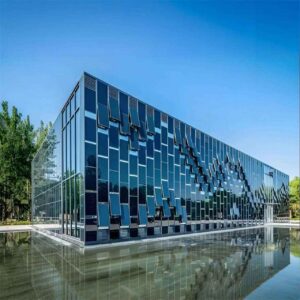
| Semi-Transparent Curtain Wall | 20–40 % | 12–16 % | 100–170 | Office façades with daylighting |
| Transparent Skylight | 40–70 % | 8–12 % | 70–130 | Atriums, lobbies, sunrooms |
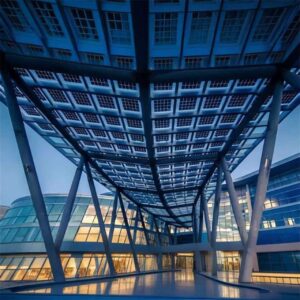
| Solar Canopy / Carport | 0–30 % | 18–22 % | 180–240 | Parking structures, walkways |
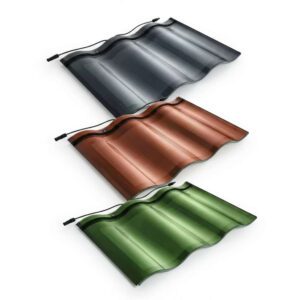
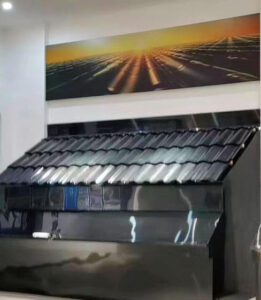
| Solar Roof Tile | 0 % | 20–22 % | 190–230 | Residential pitched roofs |
Jia Mao BIPV’s industrial and commercial roof PV panels achieve module efficiency of 21.8 % with Grade-14 wind resistance and no-roof-penetration mounting — a combination that addresses the two most common objections from building owners: aesthetic disruption and structural warranty concerns.
Video: How BIPV Solar Power Glass Is Produced
Watch the manufacturing process behind photovoltaic glass — from raw material preparation through cell lamination to final quality inspection:
Video credit: REOO Solar Equipment (YouTube). This walkthrough covers glass cutting, edge grinding, washing, AR coating application, tempering, cell stringing, lamination, and electroluminescence (EL) testing — the same production workflow used by leading solar glass suppliers like Jia Mao BIPV.
Choosing the Right Solar Glass: A Decision Framework
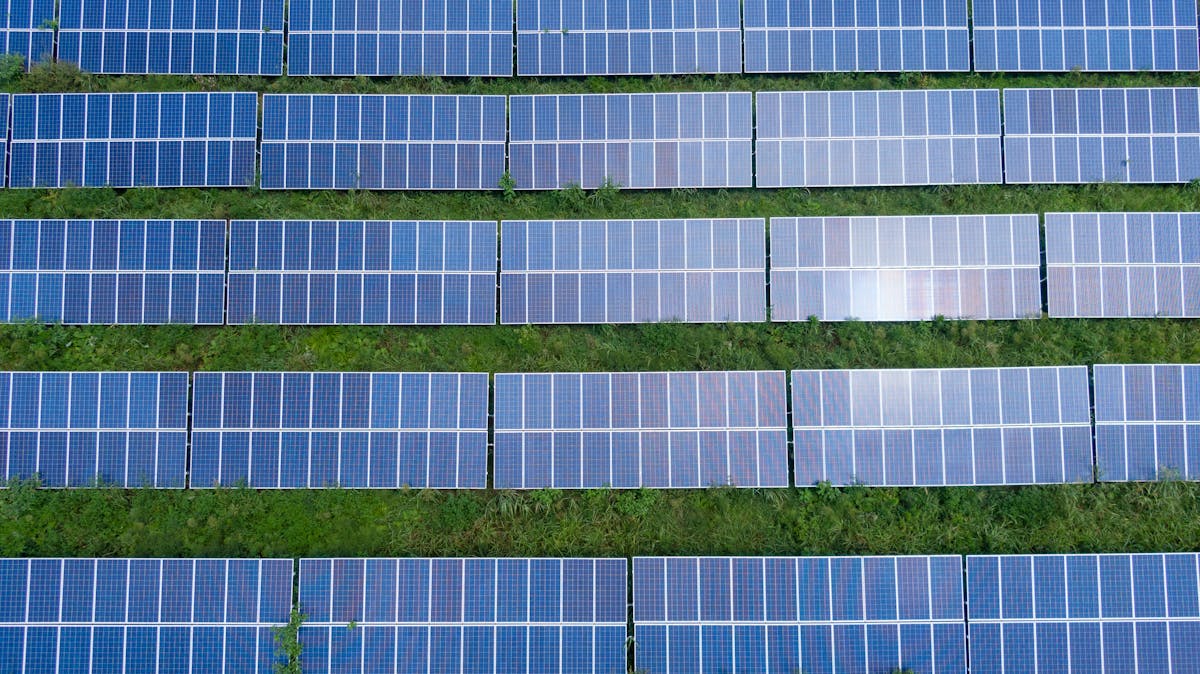
Selecting glass is not a one-size-fits-all decision. The right choice depends on five project variables: location (irradiance and soiling rates), application (rooftop vs. façade vs. ground-mount), budget, aesthetic requirements, and local building codes. The table below maps eight common project scenarios to the glass type that delivers the best risk-adjusted return.
| Project Scenario | Recommended Glass | Why |
|---|---|---|
| Utility-scale desert farm (high DNI, high soiling) | AR-coated low-iron + self-cleaning | Maximizes transmittance; coating cuts cleaning frequency by 30 %+ |
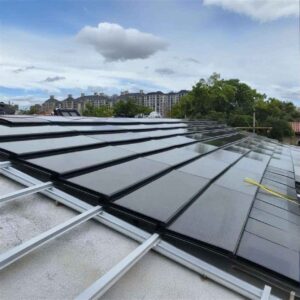
| Commercial flat roof (budget-conscious) | Low-iron tempered 3.2 mm | Best balance of cost, 91–92 % transmittance, and IEC 61215 compliance |
| Residential pitched roof (HOA-friendly) | Low-iron tempered, all-black module | Clean visual appearance; strong hail resistance |
| High-latitude / diffuse-light region (Stockholm, Seattle) | Textured patterned glass | Light-trapping pattern captures more low-angle and scattered photons (+3.1 % annual) |
| Office tower curtain-wall façade | BIPV semi-transparent glass (20–40 %) | Generates power while providing daylighting and architectural aesthetics |
| Skylight / atrium / sunroom | BIPV transparent glass (40–70 %) | Balances indoor light quality with energy generation |
| Parking canopy / walkway cover | BIPV opaque or low-transparency glass | Maximizes power density on horizontal/tilted overhead surfaces |
| Bifacial ground-mount (reflective surface) | Double-glass (2.0 mm + 2.0 mm tempered) | Enables rear-side gain of 5–20 %; superior moisture resistance; 30 yr warranty |
Market Outlook: Solar PV Glass Growth Through 2034
The numbers confirm that glass has become one of the fastest-growing segments of the solar supply chain. Asia Pacific dominated the global market with a 61.59 % share in 2025, driven by China’s massive bifacial module production ramp and green-building mandates across the EU and Southeast Asia.
| Source | 2024 Value | 2026 Projection | 2030+ Projection | CAGR |
|---|---|---|---|---|
| Grand View Research | $10.08 B | — | $47.16 B (2030) | 29.5 % |
| Fortune Business Insights | — | $22.05 B | $93.72 B (2034) | 19.8 % |
| Mordor Intelligence (volume) | — | 32.24 M tons | 75.08 M tons (2031) | 18.42 % |
| IMARC Group | — | — | $80.4 B (2035) | 16.02 % |
| SNS Insider | $15.69 B (2025) | — | $140.62 B (2035) | 24.62 % |
Key demand drivers include the continued ramp of bifacial double-glass modules (roughly 38 % of new utility-scale deployments), the expansion of BIPV into commercial construction driven by the EU’s Energy Performance of Buildings Directive (EPBD) and China’s 14th Five-Year Plan, and the shift to N-type cell technologies (TOPCon, HJT, IBC) that require higher-transmittance glass to realize their efficiency advantage.
Installation and Regulatory Considerations
Choosing the right glass is only half the equation. Proper installation and code compliance determine whether the glass performs as specified over its 25–30 year service life.
For standard rooftop PV, the Sinovoltaics Learning Center recommends verifying that module glass meets both IEC 61215 (design qualification and type approval) and IEC 61730 (safety qualification). The IEC 61215 hail test fires 25 mm ice balls at 23 m/s across 11 impact points; modules must show no visible cracking and less than 5 % power loss post-test.
BIPV glass installations carry additional requirements. In the United States, the International Building Code (IBC) and National Electrical Code (NEC) govern structural loading, fire rating, and electrical safety for building-integrated photovoltaics. Solar windows and BIPV curtain walls must pass ASTM E-119 fire tests and meet NEC 2023 rapid-shutdown requirements under Article 690.12. UL 7103 is the dedicated BIPV testing standard, covering electrical safety, fire classification, wind resistance, weathering, and impact — any BIPV glass module deployed in the U.S. should carry UL 7103 listing or equivalent certification.
Jia Mao BIPV’s tempered laminated glass modules ship with B1-grade flame retardancy, integrated drainage channels, and 25-year adhesive-strip sealing that meets curtain-wall waterproofing grades. Their digital MES (Manufacturing Execution System) tracking assigns a unique ID to every panel, enabling full traceability from raw glass to installed module — a feature that simplifies warranty claims, code inspections, and post-installation performance audits.
Questions fréquemment posées
1. What is solar glass, and how does it differ from regular window glass?
Solar glass is engineered for photovoltaic applications. It uses low-iron formulations (≤120 ppm iron vs. 800–1,000 ppm in standard glass) to achieve 91–92 % light transmittance — roughly 8 percentage points higher than conventional window glass at 3.2 mm thickness. It is also tempered for hail resistance and may include anti-reflective or self-cleaning coatings. Standard window glass absorbs more light, has lower mechanical strength, and lacks optical coatings optimized for energy conversion. See the Jia Mao BIPV detailed comparison for a side-by-side breakdown.
2. How much does glass type affect solar panel efficiency in California?
In a high-irradiance state like California (annual GHI ~1,900 kWh/m²), the glass choice has an outsized impact. A panel with AR-coated low-iron glass (96 % transmittance) delivers approximately 14 % more light to the cell than one using standard float glass (84 %). On a 10 kW residential system in Los Angeles, that gap translates to roughly 2,600 kWh/year of additional production — worth about $780/year at LADWP’s average rate of $0.30/kWh and $19,500 over 25 years. The EnergySage roof calculator can estimate production for your specific address.
3. Does textured solar glass improve performance in cloudy climates like Germany or the UK?
Yes. Textured (patterned) glass refracts incoming light at multiple angles, increasing the optical path length inside the cell. Research published on ResearchGate measured a 3.1 % annual efficiency improvement with textured glass, with even larger gains at oblique angles typical of northern European latitudes. In diffuse-light climates where the majority of irradiance arrives as scattered skylight rather than direct beam, textured glass outperforms flat-surface glass by capturing photons that would otherwise bounce off at steep incidence angles.
4. How long do anti-reflective coatings on solar glass last?
It depends on coating quality and climate. An NREL durability study found that acid-etched AR coatings exposed outdoors in Sweden for seven years retained transmittance within 1 % of their initial value. However, Energetica India reports that standard silica-based sol-gel AR coatings in harsh desert or coastal environments may degrade in 5–7 years if not properly formulated. Premium pre-temper AR coatings (applied before the glass enters the furnace) bond more permanently and last the full 25–30 year module life. Always verify the AR coating durability specification from your module supplier — not just the cell efficiency number.
5. What is the cost difference between standard glass and AR-coated low-iron glass?
AR-coated low-iron glass costs approximately 1.2–1.4× the price of standard low-iron glass, translating to roughly $3–$8 more per panel at the module level. On a 10 kW residential system (25 panels), that is $75–$200 in additional glass cost. The 3.5–5 % energy gain documented in SunPower’s three-year outdoor study recovers that premium within the first year in most U.S. markets.
6. Is BIPV glass as efficient as standard rooftop solar panels?
Opaque BIPV spandrel panels with monocrystalline cells achieve 20–22 % efficiency — comparable to standard rooftop modules. Semi-transparent BIPV glass trades some efficiency for daylighting: 12–16 % at 20–40 % transparency, and 8–12 % at 40–70 % transparency. The trade-off is intentional: the glass serves dual purposes (power generation + building envelope), and the energy it generates would otherwise be zero from a conventional window or cladding material. A façade producing even 100 kWh/m²/year is infinitely better than a passive glass wall producing none.
7. Can I use BIPV glass for a building retrofit in the EU?
Yes. Slim BIPV glass modules can replace existing window panes or curtain-wall panels without altering the building’s frame structure. The EU’s revised Energy Performance of Buildings Directive (EPBD) encourages BIPV retrofits as part of its near-zero-energy building (nZEB) mandate. Vacuum-insulated and thin-profile options allow installation in heritage buildings where preserving the original aesthetic is mandatory. Electrical wiring routes through existing cable pathways, and micro-inverters or power optimizers install behind the glass. Jia Mao BIPV’s photovoltaic glass windows are designed specifically for this retrofit use case.
8. What certifications should BIPV glass carry for U.S. installations?
At minimum, BIPV glass modules deployed in the United States should hold UL 7103 certification (the dedicated BIPV standard covering electrical, fire, wind, weather, impact, and durability tests). They should also comply with NEC 2023 Article 690 (solar PV electrical safety), NEC 690.12 (rapid shutdown), and carry a fire classification rating (Class A, B, or C per UL 790 / ASTM E-108). For overhead applications (skylights, canopies), ASTM E-1300 (standard practice for determining glass load resistance) and local building-code overhead-glazing provisions also apply.
9. How does solar glass perform in hurricane-prone regions like Florida and Texas?
Solar glass modules rated for hurricane zones must meet the large-missile impact test per the Florida Building Code (FBC) and Miami-Dade County TAS 201/203, which requires the glass to survive a 9 lb 2×4 lumber projectile fired at 50 ft/s. Laminated BIPV glass performs well in these tests because the interlayer (typically PVB or SGP) holds the glass together even after cracking. Standard tempered single-glass modules pass the IEC 61215 hail test (25 mm ice at 23 m/s) but may not satisfy Florida’s large-missile standard. For these regions, specify laminated or impact-rated glass and verify the module carries the appropriate Florida Product Approval or Miami-Dade NOA.
10. Which solar glass type offers the best ROI for a ground-mount farm in the Middle East?
For ground-mount installations in the Middle East — characterized by extreme DNI (2,000–2,400 kWh/m²/year), high soiling rates, and temperatures exceeding 50 °C — the optimal specification is AR-coated low-iron glass with a self-cleaning hydrophilic coating, paired with double-glass bifacial construction. The AR coating captures every available photon (96 %+ transmittance), the self-cleaning layer reduces the region’s notorious soiling losses (which can reach 15–25 % without intervention), and the bifacial double-glass structure captures ground-reflected light (high desert albedo of 30–40 %) while resisting heat-driven degradation that shortens glass-backsheet panel life. Expect payback periods of 4–6 years under current GCC utility tariffs, with 30-year cumulative yields exceeding 2,200 kWh/kWp annually.
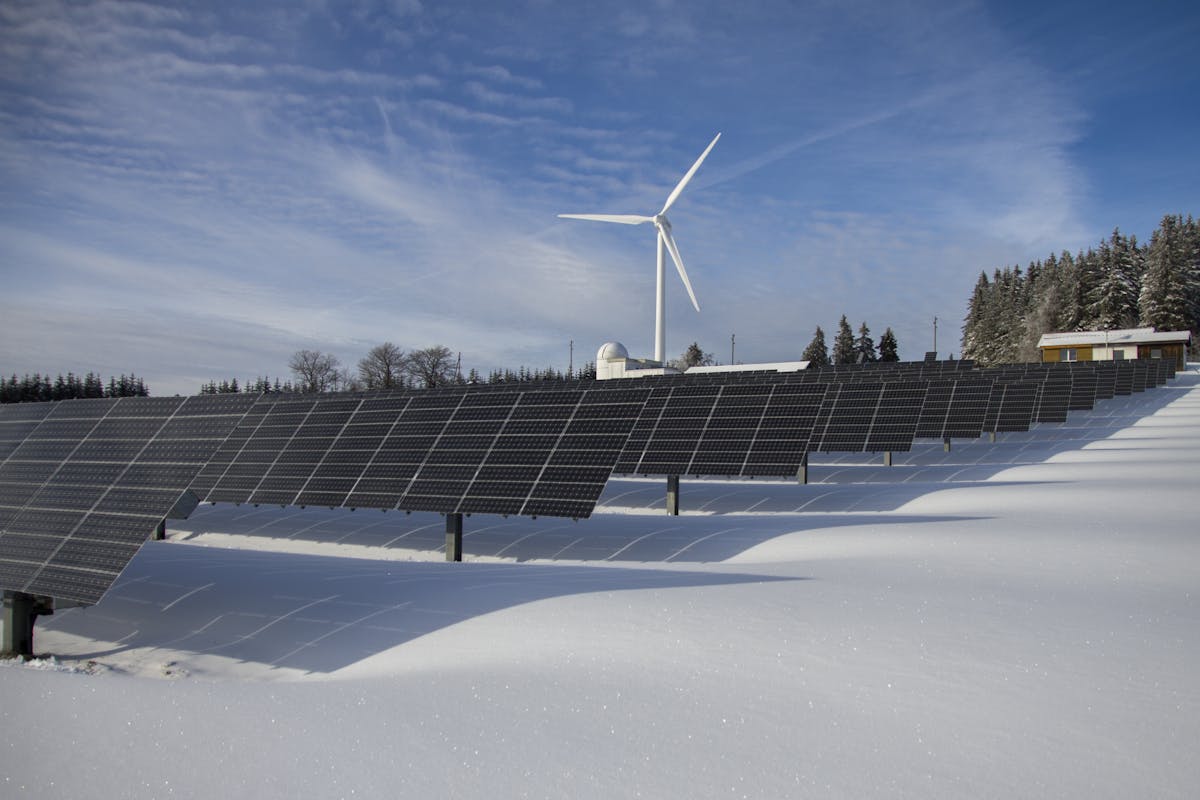
Solar glass is the most underappreciated performance variable in photovoltaic system design. The difference between standard float glass and AR-coated low-iron glass is not a rounding error — it is 22,500 kWh/year on a 100 kW system, $61,875 over 25 years, and the margin between a 5-year payback and a 7-year payback. Double-glass construction extends panel life beyond 30 years. Self-cleaning coatings save thousands per year in O&M. Textured glass unlocks 3 %+ annual efficiency gains in diffuse-light climates. And BIPV-grade laminated glass opens entirely new surfaces — façades, skylights, canopies — to solar energy that rack-mounted panels cannot reach.
For project developers and building owners evaluating glass options, the data in this guide points to a clear hierarchy: AR-coated low-iron glass for maximum energy yield, tempered double-glass for maximum durability, textured patterned glass for high-latitude and diffuse-light sites, and BIPV-grade glass from manufacturers like Jia Mao BIPV for projects where the building envelope must generate power without compromising architectural design. The solar PV glass market is projected to quadruple by 2034 — and the projects that specify glass correctly today will outperform for decades to come.