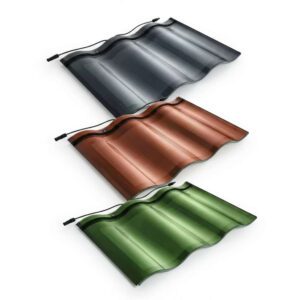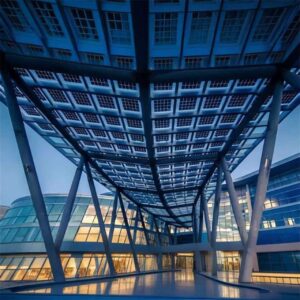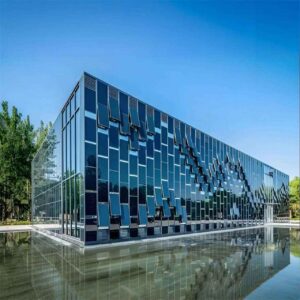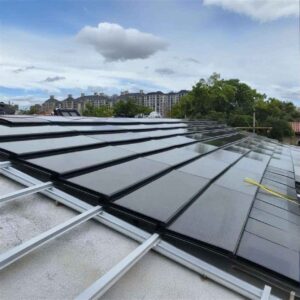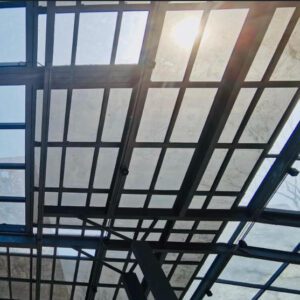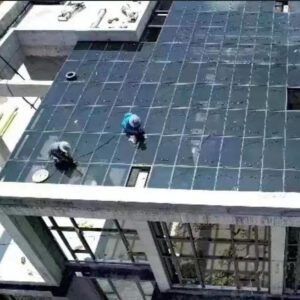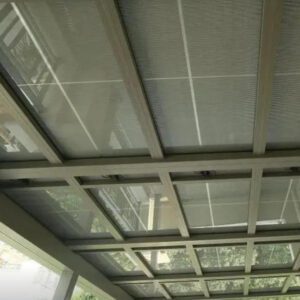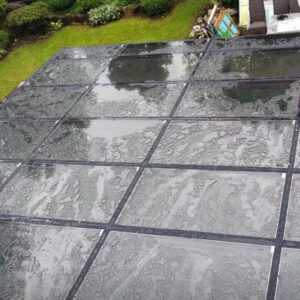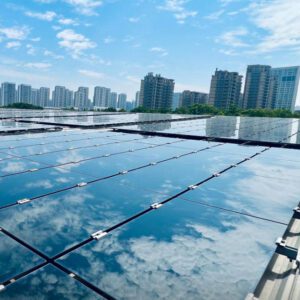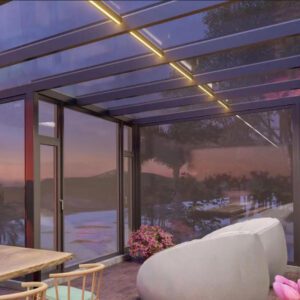
Solar cell windows represent a game-changing opportunity for distributors and sellers in the new energy sector. This comprehensive guide reveals how transparent photovoltaic technology can help you expand your product portfolio, meet growing customer demand, and unlock new revenue streams in the building-integrated photovoltaic (BIPV) market.

Solar cell windows turn a building’s largest passive surface into an active energy asset — without compromising the glass, the view, or the architectural design brief.
Why Solar Cell Windows Matter to Your Distribution Business Right Now
The Market Opportunity You Can’t Afford to Miss
The global solar windows market was valued at $1.3 billion in 2024 and is projected to reach $4.3 billion by 2030 at a CAGR of 18.7% (Strategic Market Research). The broader BIPV market — the category these products belong to — is growing even faster, projected to reach $123.61 billion by 2033 at a CAGR of 17.9% (Coherent Market Insights).
These are not projections being driven by consumer enthusiasm. They are being driven by three structural forces that your commercial customers are already responding to.
First, mandatory building energy codes are pulling solar glazing into specification requirements. ASHRAE 90.1-2022 — now adopted across most U.S. states — sets maximum SHGC (Solar Heat Gain Coefficient, explained below) thresholds for fixed glazing, and the EU’s updated Energy Performance of Buildings Directive (EPBD) mandates near-zero-energy standards for new builds. In both markets, solar-generating glazing is emerging as the most architecture-compatible way to meet those targets.
Second, commercial developers and institutional property owners are under ESG pressure. Corporate sustainability commitments — particularly from publicly listed companies and institutional property funds — are creating procurement mandates that specifically require energy-generating building materials. Solar glazing checks that box in a way that rooftop-only solutions cannot, because it applies to buildings where the roof is unavailable, occupied, or structurally insufficient.
Third, early-adopting distributors are capturing specification relationships that are difficult for later entrants to displace. Architects and mechanical engineers who have specified solar windows for a project and achieved the promised outcomes become repeat buyers. The distributor who delivered that first project has a specification advantage that price competition alone rarely breaks.
The window — both the literal product and the market timing — is open right now. It will not stay open indefinitely.
The Real Problem Your Customers Face
Here is the scenario that is playing out in commercial real estate and residential development offices globally, and in every one of these conversations there is an opportunity for a prepared distributor.
A building owner wants to reduce energy costs. They want to comply with tightening energy codes. They want to achieve LEED certification or meet a corporate sustainability requirement. They have already evaluated rooftop solar and discovered the problem: the roof is leased to a telecom provider, shared with mechanical equipment, structurally insufficient, or simply insufficient in area to generate meaningful output given the building’s energy demand.
Traditional solar stops there. The conversation ends.
Solar cell windows do not stop there. They apply the same photovoltaic generation logic to the glazing envelope — the surface area that every commercial building already has, already maintains, and already budgets for replacement on a 20–30 year cycle. The product does not require additional rooftop real estate. It does not compromise building aesthetics. It integrates into the construction supply chain that architects and contractors already use.
Three specific problems your customers bring to the table, and what solar windows solve for each:
- “We want energy savings but can’t compromise on natural light or design.” Solar windows allow architects to specify glazing systems that generate electricity at 5–22% cell efficiency (range depends on product type, explained below) while maintaining 20–70% visible light transmission — giving design teams precise control over both aesthetics and energy performance simultaneously.
- “Our roof is already committed.” Solar windows utilize façade and skylight glazing area that is always available on every building that has glass, regardless of roof configuration.
- “New construction specs don’t allow add-on solar equipment.” BIPV glazing is a building material, not equipment. It goes through the same specification, procurement, and installation pathway as conventional architectural glass.
How Solar Cell Windows Actually Work (And How to Explain Them to Your Customers)
The Technology Behind Transparent Photovoltaics
A solar cell window — also called a transparent photovoltaic (TPV) window, or more broadly a BIPV glazing unit — embeds electricity-generating cells directly within the glass laminate. The photovoltaic layer is sealed between two panes of glass using encapsulant films (typically EVA or POE — Polyolefin Elastomer, which offers 40% better UV aging resistance than standard EVA), making the unit structurally equivalent to conventional laminated safety glass while adding the energy-generating function.
There is no external mounting frame, no separate racking system, and no visual indicator that the glass is generating electricity unless you know what the cell pattern looks like. For a building owner who has rejected rooftop panels on aesthetic grounds, this is the product that brings them back to solar.
Perovskite vs. Silicon-Based Solar Windows — Which Should You Stock?
This is the most important product-selection question in the category right now, and the answer depends on your market segment, your customers’ priorities, and your willingness to carry early-stage technology alongside proven products.
Crystalline silicon solar windows are the established product. They use the same photovoltaic material as conventional rooftop panels — monocrystalline or polycrystalline silicon cells — laminated within an architectural glass unit. Cell efficiency ranges from 14–22% at the cell level, with module-level efficiency (accounting for glass coverage and cell spacing) typically 10–17%. These products carry IEC 61215 certification, 25-year performance warranties, and a commercial track record.
The trade-off is transparency: silicon cells are opaque, so high silicon cell density means lower visible light transmission (VLT). Products in this category typically offer VLT in the 15–40% range, making them suitable for applications where some privacy or shading is acceptable — commercial façades, spandrel panels, overhead glazing.
Perovskite solar windows are the emerging product. Commercial perovskite panels began shipping in limited quantities in 2025, with module efficiencies reaching 24.5% (GreenLancer, 2026). The key advantage of perovskite is that it can be manufactured as a thin, semi-transparent film that allows significantly more light through than crystalline silicon, creating genuinely transparent solar windows with VLT of 30–70%. The EU-funded CitySolar project demonstrated a combined organic-perovskite window achieving 12.3% efficiency at 30% VLT — a record at that transparency level (The Energy Mix).
The current limitation of perovskite: stability. Early perovskite products degraded faster than silicon under UV and moisture exposure. 2025-generation products have substantially improved thermal stability, but the commercial warranty track record is shorter. Carry perovskite products for specification-led commercial projects where architects and developers want maximum transparency; recommend silicon-based products where warranty stability and long-track-record performance are the priority.
| Especificações | Crystalline Silicon Windows | Perovskite Solar Windows |
|---|---|---|
| Cell efficiency | 14–22% | 19–24.5% |
| Module VLT | 15–40% | 30–70% |
| Commercial availability | Widely available | Limited (scaling 2025–2026) |
| Warranty maturity | 25-year track record | 10–15 years current offering |
| Best application | Façade, spandrel, overhead | Transparent curtain wall, skylight |
| Price positioning | $280–$520/m² (unit cost) | $380–$700/m² (unit cost) |
| Margin opportunity | 20–30% | 28–40% |
Recommendation framework for your sales team: When your customer’s primary requirement is maximum energy generation and VLT is secondary — stock and recommend silicon. When their architect has specified high-transparency glazing and energy generation is the supporting benefit — specify perovskite. When the project requires the highest possible performance across both dimensions — recommend tandem designs (covered below).
The Role of Transparent Conductive Coatings
Every solar cell window contains a layer that is invisible to the eye but critical to performance: the Transparent Conductive Oxide (TCO) coating — typically Indium Tin Oxide (ITO) or newer alternatives like Fluorine-doped Tin Oxide (FTO). This ultra-thin metallic film is deposited on the inner glass surface and serves as the electrical contact that collects the current generated by the photovoltaic cells.
The TCO must accomplish two contradictory things simultaneously: conduct electricity efficiently (which favors more material thickness) and transmit visible light without blocking it (which favors less material thickness). The engineering balance between these two requirements is one of the primary differentiators between high-performance and commodity solar window products.
For your installer partners, the practical implication is that TCO-coated glass requires specific handling procedures during fabrication and installation. Scratching or contaminating the TCO surface reduces conductivity and permanently reduces the window’s power output. Installers who handle BIPV glazing must be trained on proper edge handling, cleaning protocols, and the prohibition on certain cutting or drilling operations that are standard practice for conventional glass.
Common questions from end customers, and how to answer them:
- “Will I be able to see the solar cells?” In silicon-based products, yes — the cell pattern is visible as a grid or geometric arrangement within the glass. In thin-film and perovskite products, the cells are essentially invisible. Show product samples and specification renderings in the first customer meeting.
- “Does the coating peel off or degrade?” In properly manufactured BIPV units, the TCO and photovoltaic layers are hermetically sealed between glass layers and are not exposed to the environment. There is nothing to peel, no external surface to contaminate, and no maintenance required on the coating itself.
The Energy Generation Process Explained Simply
Converting Sunlight While Maintaining Visibility
Here is the plain-language explanation that works across customer types — from building managers to CFOs to architects who need to explain the product to their clients.
Sunlight contains energy across a spectrum of wavelengths — some visible (the light you see), some infrared (which you feel as heat), and some ultraviolet (which you cannot see or feel but which ages materials). A solar cell window separates these wavelengths: it captures energy from specific parts of the spectrum to generate electricity, while allowing visible light to pass through the glass for interior illumination.
The efficiency number — 5–22% depending on product type — describes what percentage of total solar energy hitting the glass surface is converted to electricity. The remaining energy is either transmitted as light (the VLT percentage), reflected by the glass surface, or absorbed and converted to heat within the glass unit.
Real-world generation for your customer conversations: A south-facing installation of 20 m² of silicon-based BIPV glass in a mid-climate U.S. location generates approximately 2,800–3,600 kWh per year — enough to offset a significant portion of the building’s lighting or HVAC load. A published study from ScienceDirect found that transparent PV windows in a monitored building generated 101–178 kWh per room per month, offsetting approximately 24% of total annual energy consumption for the monitored zones (ScienceDirect, 2025).
How Partial Transparency Affects Power Output — And Why It Matters Commercially
The transparency-efficiency trade-off is the central technical reality of solar cell windows, and it is where honest education separates credible distributors from those who create disappointed customers.
Every percentage point of visible light transmission (VLT) above zero represents light energy that is passing through the glass rather than being captured by the photovoltaic cells. A window with 50% VLT is, by definition, transmitting half the visible light spectrum — which means that half of the visible light energy is not available for electricity generation. Higher transparency always means lower efficiency.
The practical implication: guide customers toward the VLT level that serves their primary use case, then calculate the energy generation that results from that choice. Do not start with maximum efficiency and expect the customer to accept reduced transparency as a consequence. Start with the transparency level the application requires, then deliver the honest energy generation projection for that specification.
The commercial opportunity in this trade-off: customers who choose higher-transparency products at lower efficiency will have longer payback periods but higher willingness to pay for the aesthetic outcome. This is the premium segment — and it is where margins are strongest.
Seasonal Performance Variations and Customer Expectations
Solar windows follow the same seasonal generation pattern as any photovoltaic system — higher output in summer (more daylight hours, higher sun angle on south-facing surfaces), lower in winter. In Chicago, a south-facing solar window installation generates approximately 40% more energy in June than in December. In Miami, the seasonal variation is smaller — roughly 20–25% difference between peak and trough months.
Set expectations around annual totals, not monthly peaks. A building manager who compares January output to a summer projection will always be disappointed. A building manager who receives an annual kWh projection and sees actual performance tracking to that number within ±10% will be a satisfied customer and a referral source.
For cloudy-climate markets: solar windows still generate output under overcast conditions. Crystalline silicon cells produce 10–25% of rated output under heavy cloud cover; thin-film and perovskite cells perform relatively better in diffuse light, achieving 15–30% of rated output. Annual generation projections for northern markets should use the actual annual irradiance data for the specific location — not extrapolated from sunnier reference cities.
Integration with Building Management Systems
BMS integration (Building Management Systems — centralized control platforms that manage a commercial building’s HVAC, lighting, electrical, and security systems) is the feature that elevates solar cell windows from a passive energy product to an active building intelligence asset.
Modern BIPV window installations connect to BMS platforms via standard protocols (Modbus, BACnet, or Zigbee), providing real-time generation data, panel-level performance monitoring, and fault detection alerts. For commercial property managers, this means energy generation from the building’s glazing appears as a live data stream alongside consumption data — enabling actual energy balance management rather than estimated offsets.
For distributors, this integration capability is a direct sales differentiator: you are not selling a glass product, you are selling a monitored, data-generating building system that reduces energy costs and provides the documentation that sustainability reporting requires. Commercial property managers who need to report Scope 2 energy consumption data to their corporate sustainability teams — an increasingly standard requirement — find this monitoring infrastructure directly valuable.
Bundle the monitoring setup as a value-added service: configuration, commissioning, and quarterly performance reporting. This creates a recurring revenue touchpoint and positions you as a long-term partner rather than a one-time supplier.

BMS integration turns solar cell windows from passive glass into a monitored, reported energy asset — the data point commercial property managers and ESG reporting teams actually need.
The Tangible Benefits That Drive Sales and Customer Loyalty
Energy Cost Reduction — The Financial Case Your Customers Need
Real ROI Calculations Based on Building Type and Location
The sales conversation that closes commercial solar window deals is not about technology — it is about a specific dollar figure on a specific building. Here is a working calculation framework your team can use in every proposal:
The table below shows realistic payback ranges for three building types across representative U.S. markets, using 15% module efficiency (mid-range silicon BIPV) and 20 m² of south-facing solar glazing:
| Tipo de edifício | Location | Electricity Rate | Annual Generation | Annual Savings | Installed Cost (Net ITC) | Payback |
|---|---|---|---|---|---|---|
| Commercial office | Phoenix, AZ | $0.11/kWh | 3,900 kWh | $429 | $10,200 | 23.8 yr* |
| Commercial office | Los Angeles, CA | $0.25/kWh | 3,500 kWh | $875 | $10,200 | 11.7 yr |
| Hotel / hospitality | Miami, FL | $0.12/kWh | 3,800 kWh | $456 | $10,200 | 22.4 yr* |
| Retail storefront | New York, NY | $0.20/kWh | 2,600 kWh | $520 | $10,200 | 19.6 yr |
| Residential premium | San Francisco, CA | $0.28/kWh | 3,200 kWh | $896 | $10,200 | 11.4 yr |
*Note: In lower-electricity-rate markets, position solar windows primarily on the property value, LEED certification, and HVAC load reduction value drivers — not payback period alone. Payback period is compelling in high-rate markets; in moderate-rate markets, the 25-year cumulative savings and property value premium carry the financial case.
The important context that every proposal must include: electricity rates increase an average of 3–5% annually (EIA, 2025). A customer saving $800/year in Year 1 saves approximately $1,300/year in Year 12 and $2,100/year in Year 25 at a 4% escalation rate. The 25-year cumulative savings at a flat rate are $20,000; at 4% annual escalation, they exceed $33,000 — a 65% difference that fundamentally changes the investment thesis.
Quantifying the Value Beyond Energy Bills
The energy savings line is the floor of the value proposition for solar cell windows, not the ceiling. Here are three additional value dimensions that your proposals should quantify:
Property value uplift. Commercial solar-equipped properties command 3–5% higher market valuations than comparable non-solar properties (EA Global). On a $5 million commercial building, that is a $150,000–$250,000 value increase — which alone often exceeds the total installed cost of a solar window system. For residential applications, Zillow’s research (Revision Energy) documents a 4.1% average sale price premium for solar-equipped homes, accelerating sale timelines by 13–20%.
HVAC load and maintenance cost reduction. Solar cell windows with low SHGC ratings reduce solar heat gain — the primary driver of cooling load in glass-heavy buildings. Research published by the DOE and referenced in multiple case studies confirms that every 100 square feet of sun-exposed glass adds approximately one ton of cooling load to a building’s HVAC system. Replacing SHGC 0.70 clear glass with SHGC 0.25 solar control glazing reduces that load by approximately 64% — meaning the air conditioning system runs less frequently, wears more slowly, and reaches end-of-life replacement later. In new construction, this load reduction allows the mechanical engineer to specify a smaller chiller plant, generating a direct $3,000–$5,000 per ton of avoided HVAC capital cost.
Enhanced brand reputation for sustainability. Corporate tenants competing for ESG-aligned talent and investors pay a documented premium for certified sustainable buildings. LEED Gold or Platinum certification adds 5–8% to rental rates and sale prices in major commercial markets (Facilitate Corp). Solar cell windows contribute directly to this certification pathway — explained in detail in the next section.
Aesthetic and Architectural Advantages
Why Architects and Builders Prefer Solar Windows Over Rooftop Systems
This is the product attribute that opens doors rooftop solar cannot. The conversation with architects and design-led developers is not about payback periods — it is about specification compatibility with a design vision.
Solar cell windows are specified as glazing units, not as solar equipment. They go through the glass supplier, not the solar contractor. They appear on the window schedule, not the equipment schedule. For architects who have spent years working around the visual constraint of rack-mounted panels, this distinction is the entire sales pitch — the product works within their process, not against it.
The design flexibility that current products offer: variable transparency from 15% to 70% VLT, cell pattern customization (geometric arrangements, density variations), frame finishes in standard architectural aluminum colors and custom RAL specifications, and modular dimensions that coordinate with standard curtain wall grid systems. Manufacturers like Jia Mao BIPV — whose complete BIPV product range includes transparent solar glass, solar roof tiles, and custom architectural glazing — can produce panels to non-standard dimensions with custom cell arrangements, enabling genuinely project-specific design outcomes.
For high-end residential and commercial segments, position solar windows as a premium glazing upgrade with energy benefits — not as a solar product with aesthetic concessions. The comparison is against triple-glazed architectural glass at $200–$400/m², not against rooftop panels.
Regulatory Compliance and Green Building Certifications
BIPV glazing has a direct and measurable contribution to the certification pathways that commercial developers actively pursue. The specific impact:
LEED (Leadership in Energy and Environmental Design): BIPV installations can contribute to as many as 32 LEED points across multiple credit categories, including Energy and Atmosphere (Optimize Energy Performance), Innovation, and Regional Priority credits (Mitrex BIPV). A well-designed BIPV system can offset 20–80% of a building’s electricity demand depending on available surface area and location, directly supporting the highest-value LEED energy credits.
WELL Building Standard: The WELL Standard — focused on occupant health and well-being rather than energy performance — rewards buildings that manage daylight, glare, and thermal comfort through the building envelope. Solar windows with appropriate VLT and SHGC specifications contribute to WELL Light and Thermal Comfort categories, making them dual-certification assets for projects pursuing both LEED and WELL simultaneously.
EU EPBD compliance: The updated European Energy Performance of Buildings Directive requires near-zero-energy performance for new commercial buildings and major retrofits. BIPV glazing is explicitly cited as a qualifying technology for demonstrating renewable energy integration at the building envelope level — a critical distinction in markets where rooftop real estate is limited and façade solar is the primary available surface.
For your sales conversations with compliance-focused buyers: prepare a one-page certification contribution summary for each major product in your portfolio. Show exactly which LEED credits the product supports, what documentation is required, and what point contribution is achievable at different installation scales. This document travels into project team meetings you cannot attend and does your selling for you.
Environmental Impact as a Competitive Advantage
Carbon Reduction Metrics That Resonate with ESG-Conscious Buyers
ESG-driven buyers — corporate real estate teams, institutional investors, publicly listed property companies — are not primarily motivated by energy cost savings. They are motivated by documented, reportable carbon reduction. Your value proposition for this segment needs to lead with carbon metrics, not payback periods.
The calculation is straightforward and powerful: a 20 m² solar cell window installation generating 3,200 kWh/year displaces electricity that would otherwise come from the grid. At the U.S. average grid carbon intensity of 0.386 kg CO₂/kWh (EPA, 2024 eGRID data), that installation avoids 1.24 metric tons of CO₂ annually — approximately equivalent to removing a mid-sized car from the road for five months. Over 25 years, the cumulative offset reaches 31 metric tons.
For commercial buildings with larger glazed areas, the carbon narrative scales proportionally and compellingly. A 500 m² south-facing façade installation generates 80,000 kWh/year and avoids 30.9 metric tons of CO₂ annually — a number that appears in corporate sustainability reports, qualifies for carbon credit verification, and directly supports Scope 2 emission reduction targets.
Frame this for corporate buyers: “Your facilities team can report [X] metric tons of Scope 2 avoided emissions from this building’s glazing, with monitoring data to support third-party verification.” That is a specific, reportable, verifiable outcome — which is what ESG reporting actually requires.
Lifecycle Environmental Benefits
A common objection from environmentally sophisticated buyers: “What about the manufacturing carbon footprint of the solar glass itself?” This is a fair question and one you should answer proactively rather than defensively.
The manufacturing of BIPV glass — including the energy-intensive float glass process and photovoltaic cell production — does create a carbon debt that must be repaid through the product’s operational carbon savings. The energy payback period for crystalline silicon BIPV glazing — the time required for the product to generate as much energy as was consumed in its manufacture — is typically 2–4 years for standard silicon-based products. Over a 25-year operational life, the product generates 6–12 times more energy than was consumed in its production — a lifecycle ratio that compares favorably to most building materials.
For end-of-life considerations: BIPV glass modules contain recoverable glass (>90% by weight), aluminum frames (fully recyclable), and silicon cells (recoverable through emerging PV recycling programs). The EU’s WEEE Directive already covers solar modules for end-of-life processing, and U.S. state-level solar panel recycling programs are expanding. Provide customers with the manufacturer’s end-of-life recycling commitment as part of the product documentation package — this is a due diligence requirement for institutional buyers.
Latest Advancements in Solar Cell Window Technology (What’s Changing Your Market)
Next-Generation Materials Entering the Market
Emerging Perovskite Innovations and Their Commercial Viability
The perovskite storyline in solar windows changed significantly in 2025. What had previously been a laboratory technology with documented stability limitations became a commercially shipping product category — in limited volume, but commercially available and project-specifiable.
The stability breakthrough came from improved encapsulation technology and compositional engineering of the perovskite absorber layer. 2025-generation commercial products address the two historical failure modes — moisture ingress and UV-induced phase change — through hermetic glass-glass lamination and stabilized mixed-halide perovskite formulations. Current commercial perovskite windows from leading manufacturers carry 10–15 year product warranties, representing a meaningful step toward the 25-year standard that crystalline silicon products offer.
The efficiency milestone that matters commercially: the EU-funded CitySolar project achieved 12.3% efficiency at 30% VLT in 2025 — the highest combined efficiency-transparency performance recorded for any transparent solar window. LONGi’s April 2025 achievement of 34.85% efficiency on a perovskite-silicon tandem cell (certified by NREL, GreenLancer) signals where single-junction perovskite and tandem products are heading within 3–5 years.
For your supply planning: perovskite window products are real, commercially available, and architecturally compelling. They are not yet at full parity with silicon products on warranty depth and supply availability. Carry them for specification-led commercial projects with design-forward architects who are willing to work with a newer product category; maintain silicon-based products as your primary volume SKUs until perovskite supply chains and warranty coverage mature — likely 2027–2028.
Tandem Solar Cell Designs and Their Advantages
Tandem solar cells stack two photovoltaic layers with complementary absorption spectra — typically perovskite over silicon — so that each layer captures a different part of the solar spectrum that the other layer would otherwise miss. The result is efficiency ratings that exceed what either layer can achieve alone.
LONGi’s April 2025 tandem record of 34.85% cell efficiency (ASP Superhome) and TandemPV’s commercial panels achieving 28% module efficiency with projections above 30% by late 2025 demonstrate that tandem technology is crossing from laboratory into commercial production. This matters for your distribution strategy because it changes the efficiency-to-area ratio in high-value applications.
A façade with 100 m² of tandem solar glass at 28% efficiency generates approximately twice the electricity of a 100 m² installation using first-generation transparent thin-film at 12% efficiency. On a large commercial building where glass area is fixed by the architecture, this efficiency premium translates directly into faster payback, larger energy offset, and stronger LEED energy credit contribution.
When to recommend tandem systems versus single-layer solutions:
- Recommend tandem: Premium commercial projects where maximum energy generation per m² of glass is the priority, project budgets support premium pricing ($480–$800/m² installed), and the architect or developer is seeking market-leading performance credentials.
- Recommend single-layer silicon: Projects where installation cost drives the specification decision, retrofit applications where the incremental cost over standard glass is the primary comparison, and markets where long-track-record warranties are essential.
Manufacturing Breakthroughs That Affect Your Supply Chain
Scaling Production and What It Means for Availability and Pricing
One of the most significant shifts in the BIPV window category over the past 18 months is the ramp-up of manufacturing capacity at scale. The IEA’s solar supply chain report (IEA.org) confirms that China currently dominates global solar PV supply chains and is poised to remain the primary global supplier through 2030, with manufacturing capacity scaling at a pace that consistently outpaces demand growth.
For BIPV glass specifically, manufacturers with integrated float glass and PV cell production — like Jia Mao BIPV, operating at 3GW annual manufacturing capacity — are in a position to offer both product consistency and pricing competitiveness that smaller or less-integrated suppliers cannot match. The practical implication for distributors: product availability is no longer the constraint in the solar window category. The constraint is now market knowledge and specification capability — which is where distributor value is created.
The pricing trend over the next 3 years: as production scale increases and manufacturing yields improve, BIPV glass unit costs are projected to decline 8–15% per year in real terms — following the same learning curve that drove conventional solar panel costs down 90% over the past decade. Lock in supply agreements with price escalation caps now, before demand acceleration creates spot market pressure.
Customization Capabilities You Can Offer Customers
The customization capabilities now available from specification-grade BIPV manufacturers are a direct competitive weapon against commodity glass suppliers. What your team can now offer:
Variable transparency on demand. Cell density and arrangement can be specified to achieve any VLT target within a product family’s range — allowing the energy generation and transparency level to be tuned for each façade elevation of a building independently.
Color and tint. Cell metallization can be finished in black, silver, or custom-colored coatings. Encapsulant layer tints allow additional color expression without reducing photovoltaic performance. Architects who previously specified colored architectural glass now have a solar-generating equivalent for most standard specifications.
Modular dimensions. Standard curtain wall grid systems use 1.5m × 3.0m panel modules as a common reference point. Manufacturers who can produce BIPV glass in non-standard dimensions without premium pricing constraints allow architects to specify solar glazing without redesigning their grid — a specification friction point that has historically cost deals.
Build a customization capability matrix for your top supplier relationships. When a prospect asks “can you do this in a dark bronze tint at 2.4m × 1.8m with 35% VLT?”, your answer should be either yes with a specific lead time and price, or no with a specific alternative. The distributor who can answer that question in 24 hours wins the specification over the one who takes two weeks to get back with a generic response.
Integration Technologies That Add Value
Smart Glass Features and Building Automation Compatibility
Electrochromic smart glass — glazing that changes tint electronically in response to voltage, light sensors, or BMS commands — is now available in integrated configurations that combine dynamic tinting with photovoltaic generation. These hybrid systems offer a compelling dual value proposition: they reduce solar heat gain dynamically (by darkening during peak sun hours), which simultaneously reduces HVAC load and shifts more energy toward the PV generation pathway rather than heat transmission.
The smart glass market alone is projected to grow from $7.1 billion (2025) to $18.2 billion (2035) at a CAGR of ~9.9%. Premium pricing for smart solar glass — $450–$900/m² — reflects the integrated value of two technologies in a single product, and margins in this segment run 28–40%.
The IoT integration opportunity: smart BIPV glass systems that communicate with BMS platforms create a natural recurring revenue stream through monitoring subscriptions, firmware updates, and performance reporting services. A $500/year monitoring contract on a 200 m² commercial installation is a predictable, low-effort revenue line that justifies maintaining the customer relationship between product cycles.
Battery Storage and Hybrid System Solutions
Solar cell windows generate electricity when the sun shines — which does not always align with when the building needs that electricity most. Pairing window-generated solar power with battery storage systems (Tesla Powerwall, Enphase IQ Battery, BYD Battery-Box) converts an intermittent energy source into a dispatchable asset: available on demand, including during peak demand periods when grid electricity rates are highest.
The battery integration use case varies by building type:
- Commercial office buildings: Store morning solar generation, deploy during afternoon peak demand windows (typically 2–6 PM) to reduce demand charges — often the highest-value application.
- Retail properties: Use stored solar to maintain lighting and POS systems during brief grid outages — a business continuity argument that resonates with franchise operators.
- Residential premium: Full energy autonomy narrative — generate during the day, store for evening use, with backup capability during grid outages.
Position complete systems — solar windows plus inverter plus storage — as your premium package offering. The installed cost is higher, the margin is better (because you control the full system value rather than competing on glass unit price alone), and the customer outcome is more compelling than any single-component sale.
How Distributors and Sellers Can Capitalize on This Opportunity
Building Your Product Portfolio Strategy
Which Solar Window Products to Stock Based on Your Market
Portfolio strategy for solar windows is not about stocking everything — it is about stocking the right products for the specific demand profile in your territory.
For commercial-heavy markets (urban centers with significant office, retail, and hospitality activity): Prioritize silicon-based BIPV curtain wall panels in the 15–35% VLT range, smart glass hybrid products for premium specifications, and monitoring system components. Commercial projects have larger installed values ($200K–$3M+), longer sales cycles, and higher specification requirements — but also the strongest margins on comprehensive packages.
For residential-heavy markets (suburban and high-income residential development): Prioritize semi-transparent silicon products with VLT 35–60% for living areas, perovskite products where architects specify high transparency, and solar roof tiles as a complementary SKU. Residential projects close faster than commercial but at smaller installed values — target premium builders and renovation contractors rather than mass-market installers.
For industrial and warehouse markets (logistics, manufacturing, food processing): Focus on high-efficiency opaque or semi-opaque BIPV glazing for clerestory windows, loading dock areas, and manager offices. Industrial buyers make decisions based on simple payback and demand charge reduction — prepare specific ROI tools for their electricity rate structures.
Geographic and climate considerations also shape your inventory mix. In high-solar markets (Southwest US, Southeast Asia, Middle East), efficiency-first products with lower VLT maximize the energy generation argument. In design-forward markets (Pacific Northwest, Northern Europe, premium urban residential), transparency-first products with higher VLT serve the architectural specification market that drives premium pricing.
Pricing and Margin Optimization
Solar cell windows support significantly better margins than conventional solar panels because the product is specified by value, not by price comparison. Your cost structure and pricing approach should reflect this.
Cost structure reality: Direct product cost for silicon BIPV glass typically runs $180–$350/m² (manufacturer ex-works). Add freight, warehousing, and logistics (15–20%), and your landed cost reaches $210–$420/m². Installed price to end customer ranges from $440–$835/m² for residential and $340–$695/m² for commercial — generating gross margins of 25–35% before any bundled services or system components.
Premium positioning leverage: Customers who have received a site-specific ROI analysis, a custom transparency specification, and a compliance documentation package will not comparison-shop on price. The value of that advisory process justifies the pricing premium — and the customers who would resist that premium are rarely the right target for solar windows.
Volume discount structure to negotiate with your manufacturers: Tiered pricing at 50+ m² (residential project scale), 500+ m² (commercial project scale), and 2,000+ m² (large commercial or multi-project scale) should be established in your supply agreements before you need them, not after you have already committed to a customer price.
Sales Enablement and Customer Education
Training Your Sales Team to Sell Solutions, Not Just Products
The most common failure mode in distributor solar window sales programs is deploying salespeople who are expert in glass specifications but cannot explain the financial outcome. A customer who hears “this product has SHGC 0.24 and 15% module efficiency” and does not receive a corresponding dollar figure will not buy.
Train your team on three conversations — technical depth should be calibrated to the audience:
For building managers and facilities directors: Lead with the energy savings number for their specific building. Have the calculation framework ready. Show the payback period and the 25-year cumulative savings. Mention HVAC load reduction as a secondary benefit. Do not go deeper into photovoltaic physics unless asked.
For architects and specification teams: Lead with design flexibility — VLT options, panel dimensions, cell pattern customization, frame specifications. Follow with performance data (efficiency, U-value, SHGC). Close with the LEED and energy code compliance contribution. These buyers respect technical precision; use the correct terminology and have the IEC certifications and third-party test reports ready.
For CFOs and investment committees: Lead with the total cost of ownership comparison. Show the 20-year net savings versus alternatives. Include property value uplift. Calculate the IRR (Internal Rate of Return) on the investment. These buyers think in financial metrics, not product specifications — match their language.
Key objections and data-backed responses:
| Objection | Response |
|---|---|
| “Solar windows are too expensive” | “Compared to standard architectural glass, the incremental cost is $80–$200/m². The energy savings recover that incremental cost in 4–10 years, then generate positive returns for 15–20 more years.” |
| “The efficiency is too low” | “That glass area was generating zero energy before. Even at 10% efficiency, it’s 100% more than standard glass delivers.” |
| “We don’t know if the technology is mature enough” | “Silicon-based BIPV glass carries 25-year performance warranties backed by IEC 61215 certification — the same standard as every rooftop panel installed globally for the past 20 years.” |
| “We’re worried about the installation disruption” | “A standard office building window replacement takes 1–3 days per floor using standard glazing crews — BIPV installation adds no additional timeline when proper installer training is in place.” |
Marketing Materials and Resources That Convert Prospects
The three most effective sales tools in the solar window category — in order of commercial impact:
Site-specific ROI reports. A one-page document showing the customer’s building address, their estimated glass area, the annual generation projection, annual savings, payback period, and 25-year cumulative savings with electricity rate escalation. This document travels into internal budget conversations you cannot attend. Make it professionally formatted, leave your logo on every page, and provide it to every qualified prospect before sending a formal quote.
Project visualization renderings. A photorealistic rendering of the customer’s specific building with the proposed solar windows installed closes architectural specification deals faster than any other sales tool. Invest in rendering capability — either in-house (Lumion, Revit) or through your manufacturer’s architectural support services — and use it for every project above $50,000 in value.
Case studies matched to the prospect’s building type and climate. A hospitality operator in Miami does not need to hear about a residential project in Seattle. Match your case study references to the prospect’s specific context — same building type, similar climate zone, comparable project scale. The Jia Mao BIPV real-world project library provides installation case studies across multiple building typologies and geographic markets that you can reference and adapt for your customer conversations.
Installation and Support Infrastructure
Partner Networks and Installer Certification Programs
Your installer network is your product in the market’s perception. A solar cell window that is incorrectly installed — wrong sealant system, improper electrical connections, insufficient frame structural support — will underperform, and the performance shortfall will be attributed to your brand, not the installation error.
Minimum qualification standards for every installer you authorize to work with your solar window products:
- NABCEP PVIP certification (NABCEP.org) for the supervising electrician on all electrical work
- State glazing contractor license — separate from the electrical license, required in most jurisdictions for window replacement
- $1 million minimum general liability insurance plus workers’ compensation coverage
- Manufacturer training completion — most specification-grade BIPV manufacturers require installer certification before warranty coverage applies to third-party installations
- Minimum 3 completed BIPV projects with verifiable performance references
Build a tiered installer certification program: Authorized (meets minimum standards), Preferred (3+ successful projects with performance data), and Elite (10+ projects, active in training, receive priority product allocation). Preferred and Elite installers become your lead referral sources for new projects — reward that status with preferential pricing, priority lead sharing, and co-marketing support.
Warranty, Maintenance, and Long-Term Customer Relationships
Solar cell windows carry 25-year performance warranties from specification-grade manufacturers — guaranteeing ≥80% of rated output after 25 years, with annual degradation rates of 0.5–0.8% (Sinovoltaics). Emerging research suggests actual degradation may be even slower — a 2025 study found some high-quality modules degrading at only 0.25% annually, projecting operational lifespans of 40+ years.
For your customer relationships, the warranty period is a recurring engagement opportunity, not just a liability backstop:
- Annual performance review: Compare actual generation data from the monitoring system against the original projection. A building that is tracking at 98% of projected output is a customer who trusts your recommendation. A building tracking at 80% needs investigation and intervention — and early identification prevents the disappointed customer conversation from becoming a warranty dispute.
- Extended warranty upsell: Some manufacturers offer 30-year extended warranties for a premium. For commercial buyers with long-hold property strategies, extended warranty coverage has real value and represents an incremental revenue opportunity.
- Preventive maintenance contract: While solar windows themselves require no maintenance beyond cleaning, the electrical system (inverters, monitoring hardware, connection points) benefits from annual inspection. A $300–$800/year maintenance contract per installation creates predictable recurring revenue and a structured annual customer touchpoint.
Go-to-Market Timing and Strategic Positioning
Identifying Early Adopter Segments in Your Territory
Not all customer segments are equally ready to buy solar windows today. Your go-to-market energy should be concentrated where demand is already present and where the sales cycle is shortest.
Ready to buy now (highest conversion probability):
- New commercial construction projects where architects are actively specifying glazing systems and energy performance targets need to be met — the specification decision is open and the product fits the workflow.
- Major renovation projects in high-electricity-rate markets — the window replacement decision is already made; the question is which product to specify.
- Corporate real estate teams with 2025–2026 ESG commitments — these organizations have specific targets and timelines driving procurement decisions.
- Hotel and resort developers in sun-belt markets — the combination of aesthetics, energy savings, and sustainability marketing creates a triple-value proposition.
Geographic hotspots with strongest demand and regulatory tailwinds: California (Title 24 energy code, high electricity rates), New York (Local Law 97 carbon limits on large buildings), Massachusetts (SMART program incentives, strong green building market), Texas (high summer cooling loads, deregulated electricity market), and the entire EU market where EPBD compliance is driving mandatory energy envelope improvements.
Competitive Differentiation in an Emerging Market
The solar window market is early enough that price competition has not yet commoditized it — but that window will close within 3–5 years as more distributors enter the category. The switching costs you build now will determine your market position when price competition intensifies.
Three differentiation strategies that build durable competitive position:
Technical specification authority. Be the distributor who is invited into architect specification meetings, not the one who gets a purchase order after the specification is already written. Achieving this position requires: having a technically trained specification representative, being listed on architectural specification databases (NBS Source, Archiproducts, RIBA Product Selector), and producing technical content — white papers, webinars, CEU presentations — that architects consume for continuing education credit.
Service bundling. Offer services that competitors do not: site-specific shading analysis, structural load calculations for the BIPV panels, compliance documentation packages for LEED and energy code submissions, monitoring system setup and quarterly reporting. Each bundled service creates a switching cost — a customer who relies on your compliance documentation service does not change suppliers at contract renewal without losing that institutional relationship.
Customer loyalty infrastructure. Annual performance reviews, extended warranty administration, maintenance scheduling, and upgrade pathway discussions (when the next-generation product arrives) are all touchpoints that maintain relationship depth between purchase cycles. Customers who hear from you annually with relevant, performance-specific information stay with you. Customers who only hear from you when they need to replace a product evaluate the next purchase from scratch.
Real-World Applications: Where Solar Windows Create the Most Value
Commercial Office Buildings
How Office Managers Reduce Energy Costs While Improving Workspaces
Commercial office buildings in the 10,000–100,000 sq ft range represent the highest-value, most accessible segment for solar cell window distribution. The combination of significant glazed area (commercial buildings average 30–50% window-to-wall ratio), high electricity consumption, and ESG reporting requirements creates a purchasing profile that aligns with every dimension of the solar window value proposition.
Specific energy savings for a typical office building window replacement project:
A 25,000 sq ft mid-rise office in Los Angeles with 40% WWR (10,000 sq ft of glass, of which 60% is south and west-facing) replacing standard clear double-pane glazing (SHGC 0.70) with solar cell windows (SHGC 0.25, 15% module efficiency):
- Annual solar generation: ~15,000 kWh
- Annual energy savings (at $0.24/kWh): ~$3,600
- Annual HVAC load reduction savings (cooling energy): ~$8,200
- Total annual savings: ~$11,800
- Installed cost (net of 30% ITC): ~$180,000
- Simple payback: ~15.3 years
- 25-year cumulative savings (3% annual rate escalation): ~$385,000
The occupant comfort improvement is immediate: perimeter zone temperature complaints — a documented productivity and tenant retention issue — typically drop significantly in the first summer after installation as the radiant heat from west-facing glass is eliminated.
Case Study: Medium-Sized Office Building Energy Transformation
A 35,000 sq ft commercial office building in Phoenix, Arizona — west-facing glass façade accounting for 28% of total building area — replaced standard double clear glazing with high-performance BIPV glass (SHGC 0.24, 16% module efficiency). The project, completed through a regional distributor working with an NABCEP-certified installer and a specification-grade BIPV manufacturer, produced the following documented outcomes:
- Annual cooling energy reduction: 41%
- Annual dollar savings (cooling electricity + peak demand charges): $22,400
- Installed cost (gross): $132,000 / Net of 30% ITC: $92,400
- Simple payback: 4.1 years
- 20-year net savings (3% electricity escalation): $348,000
The factor that drove the economics in this case was the west-facing glass orientation creating peak demand charge events during afternoon hours. After installation, the peak demand tier the building had been hitting every summer month was eliminated — that demand charge saving alone represented $4,800 annually, or 21% of total project savings. The property manager now uses the monitoring dashboard to verify monthly generation and shares the annual performance summary with the building’s corporate tenant as part of their ESG reporting.
Residential Applications
Why Homeowners Choose Solar Windows Over Traditional Solar
The residential case for solar windows is fundamentally different from the commercial case, and your sales team needs to understand the distinction to serve residential builders and developers effectively.
Residential buyers reject rooftop solar primarily for three reasons: visual impact on curb appeal, roof lease or HOA restrictions, and insufficient roof area given the home’s energy demand. Solar windows solve all three without compromise. They do not appear on the roof, they are not equipment subject to HOA equipment restrictions (they are windows — building materials), and they utilize vertical façade area that is separate from roof real estate.
The residential financing pathway has an important timing consideration: the federal Residential Clean Energy Credit covers 30% of installation costs (IRS) for qualifying solar energy property. The current credit phase is extended through 2034 under the Inflation Reduction Act — removing the urgency that once characterized ITC sales conversations, but providing a durable financial argument that will remain valid for the residential sales cycle timeline.
Retrofit vs. New Construction Opportunities
Retrofit applications — replacing existing windows in occupied buildings — have a more complex sales process but a larger immediate market. The best retrofit candidates:
- Homes or apartments completing a general renovation where windows are already budgeted for replacement
- Buildings in high-electricity-rate states (California, New York, Massachusetts) where the incremental payback justification is strongest
- Properties with documented west-facing glare or thermal comfort complaints — where the comfort improvement is an immediate, tangible outcome that justifies the investment without requiring the customer to fully work through the energy economics
New construction applications — specifying solar windows in a building before it is built — are the highest-value opportunity because the product comparison is against conventional architectural glass, not retrofit installation. The incremental cost in new construction, where the window opening is sized and framed for the glass unit, is meaningfully lower than in retrofit applications. Target premium homebuilders and residential architects who are already specifying energy-efficient glazing — solar windows are a natural specification upgrade in their workflow.
Seasonal demand patterns: residential solar window inquiries peak in late winter and spring (homeowners planning summer renovations and wanting cooling solutions for the coming summer), and again in early fall (post-summer energy bill shock creating urgency). Build your marketing calendar around these windows, with content and sales outreach timed to coincide with natural decision points.
Retail and Hospitality
Storefront Solar Windows That Attract Customers and Reduce Costs
For retail operators, the solar window value proposition has a dimension that pure energy analysis misses: the visible technology story. A solar-generating storefront window is a brand statement as well as an energy asset. Retailers who serve sustainability-conscious consumer segments — outdoor apparel, natural food, premium lifestyle brands — can embed the solar window story into their retail experience, demonstrating their sustainability commitment in a literal, physical, and visible way.
Energy savings for a typical retail storefront: a 3,500 sq ft specialty retailer in Los Angeles with 45% south and west-facing storefront glazing (approximately 500 sq ft of solar windows) can generate 2,200–2,800 kWh annually — offsetting a meaningful fraction of lighting and POS equipment energy. At California commercial electricity rates of $0.24/kWh, that is $528–$672/year in direct energy savings, with the HVAC load reduction adding a comparable amount in cooling savings — particularly for retailers near large south or west-facing windows where solar heat gain creates customer comfort issues.
Hotel and Resort Applications
Hotels and resorts are among the highest-value solar window applications for a combination of reasons: large glazed areas (floor-to-ceiling glass rooms are standard in premium properties), 24/7 HVAC operation (maximizing the annual savings from reduced cooling load), and a guest experience and sustainability marketing context where solar windows have genuine premium narrative value.
A 200-room premium hotel in a sun-belt market with floor-to-ceiling glass on south and west-facing rooms represents a potential solar window installation of 2,000–4,000 m² — a project value of $700,000–$2.8 million at installed pricing. At this scale, the energy savings are substantial: annual electricity savings of $80,000–$160,000 are achievable in high-electricity-rate markets, with payback periods of 6–12 years depending on location and rate structure.
The sustainability marketing angle is a genuine commercial asset for hotel operators competing for eco-conscious travelers — a segment that surveys consistently show pays 5–10% more per night for verified sustainability credentials. A hotel that can demonstrate solar generation from its own glazing — with real-time monitoring data displayed in the lobby — has a differentiated guest experience story that generic PV panel installations on the roof do not provide with the same visual immediacy.
Industrial and Warehouse Facilities
Large-Scale Energy Generation in Unexpected Places
Industrial facilities are the most underserved and most frequently overlooked segment in solar window distribution, yet they often present the fastest payback economics because of their electricity rate structures.
Large industrial facilities — manufacturing plants, distribution centers, cold storage operations — are typically on commercial demand-charge rate schedules where peak demand charges ($8–$22/kW-month) represent 30–50% of total electricity cost. Solar windows on south and west-facing clerestory windows, loading dock areas, and perimeter offices reduce the solar-heat-gain-driven cooling load that creates peak demand events — generating demand charge savings that, at industrial electricity volumes, can exceed pure energy savings.
The value proposition for an industrial facility manager is straightforward: “Your west-facing loading dock windows are creating peak demand events every summer afternoon that are showing up as demand charges on your bill. Replacing those windows with SHGC 0.25 solar glass eliminates the heat source that’s causing those events — and the solar generation provides a secondary energy offset on top.” This is a maintenance and operations budget conversation, not a sustainability conversation, and it resonates with industrial decision-makers who think in operating cost terms.

South-facing clerestory solar windows in industrial facilities serve a dual purpose: they generate electricity from surfaces that were previously passive, while reducing the solar heat gain that drives costly peak demand charges.
Frequently Asked Questions About Solar Cell Windows
(What Your Customers Really Want to Know)
Technical Performance Questions
1. How much electricity can solar cell windows actually generate compared to traditional rooftop solar panels?
Traditional rooftop monocrystalline panels operate at 20–22% module efficiency in a dedicated, optimally-oriented mounting configuration. Solar cell windows, which must balance electricity generation with visible light transmission and architectural integration, achieve 10–17% module efficiency for silicon-based products and 6–12% efficiency for high-transparency thin-film and perovskite products.
The honest comparison: a 20 m² rooftop panel installation generates approximately 4,000–4,800 kWh/year in a mid-climate U.S. location. The same 20 m² of solar windows on a south-facing façade generates approximately 2,400–3,400 kWh/year. The 20–40% generation difference is real.
The context that changes the evaluation: the 20 m² of façade glass was generating zero energy before the solar windows were installed, while the roof may already be occupied by other equipment or may not be available for solar installation at all. Every watt the solar windows generate is incremental — and the energy cost savings are real regardless of the comparison to a rooftop alternative. When both are possible, solar windows and rooftop panels are complementary, not competing.
2. Do solar cell windows work on cloudy days or in low-light conditions?
Yes — with realistic expectations. Under heavy overcast conditions, crystalline silicon solar windows generate 10–25% of their rated peak output; thin-film and perovskite products perform relatively better in diffuse light, typically achieving 15–30% of rated output (Verde Solutions). These are not zero-output conditions — they are reduced-output conditions that factor into the annual generation projection.
For northern climate markets (Pacific Northwest, Northern Europe, Northern China), the honest annual projection accounts for actual regional irradiance data — not peak-sun-hour estimates from sunnier reference locations. Annual generation projections based on location-specific irradiance data from NREL’s PVWatts tool will consistently outperform projections based on national averages, because they set accurate expectations that actual performance can meet.
The annual generation data point that matters for northern markets: a well-designed solar window installation in Seattle generates approximately 30–40% less annual energy than an equivalent installation in Los Angeles — but at Seattle commercial electricity rates of ~$0.12/kWh versus Los Angeles rates of ~$0.24/kWh, the dollar value of the generation is only ~25% less, not 40% less. The higher electricity rate in the less-sunny market partially compensates for lower generation.
3. How long do solar cell windows last, and what’s the warranty coverage?
Specification-grade BIPV glass carries 25-year performance warranties from leading manufacturers, guaranteeing ≥80% of rated output after 25 years with annual degradation rates of 0.5–0.8% (Sinovoltaics). Emerging research suggests high-quality silicon modules may actually degrade as slowly as 0.25% annually — projecting 40+ year operational lifespans beyond the warranty coverage period.
The glazing unit itself — the structural glass, the frame, the weatherseal — carries building-standard warranty coverage equivalent to premium architectural glass: 10–15 years on the product (manufacturing defects, seal failure, delamination) and typically longer on the photovoltaic performance.
Perovskite-based products currently offer 10–15 year product warranties, reflecting their shorter commercial track record. As perovskite products accumulate field data through 2026–2028, warranty terms are expected to extend toward the 25-year standard.
4. Can solar cell windows be installed in existing buildings, or do they only work in new construction?
Both applications are technically viable, but the economics differ. In new construction, solar windows are specified as standard glazing units — installed by glazing contractors using standard curtain wall or window frame systems. No additional structural or electrical work is required beyond what standard window installation involves (plus the electrical connection to the inverter).
In retrofit applications — replacing existing windows in an occupied building — the process is equivalent to a standard window replacement project: remove the existing frame and glazing unit, verify the rough opening dimensions, install the new solar window unit, and connect the electrical output to the building’s electrical system. The additional steps (electrical connection, inverter installation if not already present, monitoring system setup) typically add $25–$60/m² to the installed cost versus a standard window replacement.
Buildings that are easiest to retrofit: those with individual fixed windows rather than continuous curtain wall systems, buildings where the existing frames are in poor condition and replacement is already planned, and buildings where the electrical panel capacity and location allow straightforward inverter installation without major electrical infrastructure work.
The most important retrofit pre-qualification: a structural assessment of whether existing window frames can support the additional weight of BIPV glass units (30–55% heavier than standard glass). This is a 2–4 hour engineering assessment that should be included in your project scoping process for every retrofit.
5. What’s the difference between perovskite and traditional silicon solar windows, and which should I choose?
The core trade-off is transparency versus efficiency versus warranty maturity. Silicon-based solar windows offer the best combination of efficiency (14–22% cell level), commercial track record (25-year warranties), and supply availability — but they limit transparency to 15–40% VLT due to opaque cell material. Perovskite solar windows offer higher potential transparency (30–70% VLT), slightly higher theoretical efficiency, and a genuinely transparent aesthetic — but with shorter commercial warranty histories (10–15 years) and still-scaling supply chains.
Recommendation framework: Specify silicon for projects where energy generation is the primary driver, warranty depth is a procurement requirement, and moderate transparency (20–40% VLT) is architecturally acceptable. Specify perovskite for projects where full or near-full transparency is architecturally required, the project team is willing to work with a newer product category, and the premium pricing is supportable within the project budget. When both maximum transparency and maximum performance are required, specify tandem perovskite-silicon designs — and accept the premium pricing that current tandem production volumes require.
Financial and ROI Questions
6. What’s the actual payback period for solar cell windows in a typical commercial building?
Payback periods for commercial solar window installations in 2025 range from 4–8 years in high-irradiance, high-electricity-rate markets to 12–18 years in moderate-irradiance, lower-rate markets. The specific variables that drive this range are electricity rate (the single largest factor), solar irradiance for the specific location, window orientation (south and west-facing glass generates 30–50% more energy than east-facing and 3–5x more than north-facing), and the SHGC difference between the existing glazing and the replacement product (which determines HVAC savings).
The calculation your team should run for every commercial prospect: use actual utility bill data (or EIA regional averages for the first conversation), NREL PVWatts irradiance data for their specific ZIP code, and the SHGC specifications of your recommended product versus their current glass. This produces a building-specific payback figure — not an industry range — that a CFO can evaluate against alternative capital investments.
Factors that accelerate payback beyond the energy savings alone: the 30% federal ITC (currently available for projects placed in service by December 31, 2027 (Novoco)), state-level rebates and incentives, utility demand charge reductions, HVAC capital savings in new construction, and the LEED certification premium on property value.
7. Are there government incentives, tax credits, or rebates available for solar window installations?
Federal ITC (Investment Tax Credit): The 30% commercial ITC currently applies to solar energy property placed in service. The deadline for commercial projects to begin construction and qualify for the full 30% credit is July 4, 2026, with projects needing to be placed in service by December 31, 2027 (Novoco). For residential applications, the Residential Clean Energy Credit covers 30% of qualifying solar installation costs through 2032 under the Inflation Reduction Act (IRS).
State and utility incentives layer on top of the federal credit in many markets: California’s SGIP (Self-Generation Incentive Program), Massachusetts’ SMART program ($0.15–$0.35/W), New York’s NY-Sun Initiative ($0.20–$0.50/W), and numerous utility rebate programs across the Southeast and Mid-Atlantic add meaningful cost reductions. Build a regional incentive database updated quarterly and include the current incentive stack in every customer proposal.
MACRS depreciation: Commercial solar installations qualify for 5-year Modified Accelerated Cost Recovery System (MACRS) depreciation, allowing businesses to depreciate 100% of the installed cost over 5 years. For businesses with significant taxable income, MACRS depreciation in combination with the ITC can effectively reduce the net cost of a solar window installation by 40–50% in the first five years.
8. How do solar cell windows affect property values and insurance costs?
Property value: Commercial solar-equipped properties demonstrate 3–5% higher market valuations than comparable non-solar properties in documented studies (EA Global). For residential applications, Zillow’s research documents a 4.1% sale price premium for homes with solar installations, with solar-equipped homes selling 13–20% faster than comparable non-solar properties. Solar cell windows, which enhance building aesthetics while adding energy generation, typically support the upper end of these premium ranges — particularly compared to rooftop panels, which some buyers find visually unappealing.
Insurance implications: BIPV glass units are treated as structural building components for insurance purposes — they are insured under the building’s property policy rather than as equipment. This means no separate equipment insurance requirement, no insurable value deduction for depreciation, and typically no premium increase for the solar generation capability. Some insurance carriers offer premium reductions for buildings with documented energy efficiency improvements — verify with each carrier individually, as underwriting approaches vary.
Installation and Maintenance Questions
9. How difficult is it to install solar cell windows, and what’s the typical project timeline?
Solar cell window installation complexity is comparable to high-performance architectural glazing installation — which is to say, it requires trained glazing contractors with experience in curtain wall or storefront systems, but does not require specialized solar construction skills beyond those any NABCEP-certified installer already has for the electrical connection work.
Typical project timeline for a commercial window replacement project (500 m² office building south and west façade):
| Project Phase | Duration |
|---|---|
| Site assessment and product specification | 1–2 weeks |
| Permit application (building + electrical) | 3–8 weeks (jurisdiction-dependent) |
| Manufacturing and delivery | 6–12 weeks |
| Installation (glazing) | 1–2 weeks |
| Electrical connection and inspection | 3–5 days |
| Utility interconnection approval | 2–6 weeks |
| Total project timeline | 14–30 weeks |
The longest and most variable element is permitting — particularly utility interconnection approval timelines, which vary from 2 weeks to 6+ weeks depending on the utility and jurisdiction. Build this variability into your customer timeline commitments to avoid expectation mismatches.
10. What kind of maintenance do solar cell windows require, and how much does it cost?
Solar cell windows require the same maintenance as conventional architectural glass — periodic cleaning (2–4 times annually in typical urban environments, more frequently in high-dust or high-pollen locations) and standard frame sealant inspection as part of routine building maintenance.
The photovoltaic layer is hermetically sealed between glass panes and is not exposed to the environment. There is nothing to maintain on the energy-generating component itself — no moving parts, no exposed electrical contacts, no material that degrades from cleaning or weather exposure.
The electrical system components — inverter, monitoring hardware, and connection points — require annual electrical inspection (typically included in building electrical maintenance programs) and occasional inverter replacement (inverters carry 10-year warranties and typically require replacement once in a 25-year system life, at approximately $800–$2,000 for residential scale and $3,000–$8,000 for commercial systems).
Budget for solar cell window maintenance: $0.02–$0.05/m²/year for cleaning (included in standard building maintenance costs) plus the inverter replacement reserve. Total annual maintenance cost for a 200 m² commercial installation: $50–$200 for cleaning, plus $150–$320 annual inverter replacement reserve. Against annual energy savings of $8,000–$20,000, the maintenance cost is negligible.
11. Are solar cell windows compatible with existing building systems and smart home technology?
Yes — modern BIPV window systems use standard grid-tie inverter technology that connects to the building’s existing electrical panel through a standard interconnection agreement with the utility. No special electrical infrastructure is required beyond what any solar installation uses. The solar windows generate DC electricity, which the inverter converts to AC at the same voltage and frequency as the grid supply.
BMS compatibility: Commercial BIPV installations increasingly include module-level monitoring systems that communicate with building management systems via standard protocols — Modbus TCP/IP, BACnet, and Zigbee are the most common. If your customer’s BMS uses a different protocol, confirm compatibility with the monitoring system supplier before finalizing the specification.
Smart home compatibility (residential): Solar windows connect to the same home energy management platforms as conventional solar panels — Enphase Enlighten, SolarEdge monitoring, Tesla app — and are compatible with smart home platforms including Amazon Alexa, Google Home, and Apple HomeKit through inverter manufacturer integrations. Voice-controlled energy monitoring (“Alexa, how much solar did my windows generate today?”) is a real, currently available capability that appeals to tech-forward residential buyers.
Future-proofing: Solar windows installed today are compatible with battery storage systems that may be added later. The inverter and electrical panel configuration should be specified with future battery integration in mind — this typically means selecting a hybrid-compatible inverter rather than a standard string inverter, adding $400–$1,200 to the initial installed cost but eliminating the need to replace the inverter when storage is added.
Aesthetic and Practical Questions
12. Will solar cell windows reduce natural light or create a noticeable tint?
Light reduction: Yes — any solar energy generation requires capturing some portion of the light spectrum, which means VLT is always less than 100%. The visible impact ranges from barely perceptible (thin-film products at 60–70% VLT, which appears similar to standard lightly-tinted architectural glass) to clearly visible (silicon products at 15–25% VLT, which creates a noticeable dimming effect comparable to medium-dark architectural glass).
The critical guidance for your team: match the VLT specification to the application. Living spaces and occupied offices benefit from 40–60% VLT products. Spandrel panels, overhead glazing, and privacy-requiring spaces are appropriate for 15–30% VLT products. Never specify a high-density silicon solar window for a space where the architect or occupant has specified maximum natural light — the VLT mismatch will create a disappointed customer regardless of how well the energy generation performs.
Tint appearance: All solar cell windows have some visible tint or cell pattern. Silicon-based products show a visible grid or geometric cell pattern in blue-black, grey, or (for premium products) custom colors. Thin-film products appear as a uniform semi-transparent tint without visible cell structure. Provide samples and installation photographs to every customer before product specification — visual expectation-setting is the most effective way to prevent post-installation dissatisfaction.
13. Can solar cell windows be customized for different colors, tints, or designs?
Customization capability from specification-grade manufacturers like Jia Mao BIPV includes several dimensions that open architectural specification possibilities not available with commodity products:
Cell color: Monocrystalline cell metallization can be produced in black, dark grey, or custom-colored finishes. The standard blue-tinted appearance of silicon cells can be modified through anti-reflective coating choices. Thin-film products offer essentially unlimited color expression through substrate coating.
Pattern and layout: Cell arrangement within the glass unit can be specified as uniform coverage, geometric patterns, graduated density (denser at the top, sparser at the bottom), or custom graphic patterns for branded applications. Solar windows with custom patterns have been used for corporate lobbies, branded retail environments, and landmark architectural projects where the solar window itself is a design feature rather than a background element.
Frame finishes: Standard anodized aluminum in silver, black, bronze, and gold, plus custom powder coat finishes in any RAL color. Solar windows integrate with standard architectural window system profiles, allowing them to match adjacent non-solar glazing precisely.
Dimensional customization: Standard panel sizes range from 0.6m × 1.2m to 2.0m × 3.5m; custom dimensions are available with 8–12 week lead time for specification-grade manufacturers. Non-standard shapes (triangular, trapezoidal, curved for cylindrical buildings) are available in limited product lines at premium pricing.
14. What happens to solar cell windows during extreme weather or storms?
Solar cell windows meet the same impact, wind load, and thermal cycling standards as specification-grade architectural glazing. The relevant certifications:
Impact resistance: BIPV glass units manufactured as laminated safety glass (two glass layers with interlayer) meet ANSI Z97.1 safety glazing requirements. Hurricane-impact rated versions meeting ASTM E1886/E1996 (impact resistance with wind pressure cycling) are available for coastal and storm-prone markets — Florida, Gulf Coast, Caribbean, Philippines, and cyclone-affected regions of Southeast Asia.
Hail resistance: IEC 61215 module certification includes hail impact testing — 25mm ice sphere at 23 m/s (approximately 1″ hail at 51 mph) — with no module damage permitted. This is the same hail test standard applied to conventional rooftop panels.
Wind load: Standard BIPV glass units are engineered for wind loads consistent with ASCE 7-22 requirements for the building’s location and height. For high-rise applications and regions with extreme wind exposure, structural glazing engineers should verify the specific panel specification against local design wind pressure requirements.
Thermal cycling: IEC 61215 also requires 200 thermal cycles from -40°C to +85°C without performance degradation. This certification ensures that BIPV glass units perform throughout their service life in climates ranging from desert heat to arctic cold.
Your Competitive Advantage in the Solar Window Revolution
The solar cell window market is at an inflection point — and the data makes the direction unambiguous. From a $1.3 billion market in 2024 toward $4.3 billion by 2030, this category is not waiting for technology to mature or customer awareness to catch up. The technology is commercially available, the awareness is building, and the regulatory environment in every major market is pulling building owners toward energy-generating glazing whether they actively choose it or not.
Your customers — commercial property managers, residential builders, retail operators, and industrial facility directors — are actively seeking energy solutions that do not compromise on aesthetics or architectural integrity. That is the specific problem that traditional rooftop solar cannot solve and that solar cell windows address directly.
The distributors and sellers who will capture disproportionate market share are not those with the lowest prices or the widest product range. They are those who understand this technology deeply enough to guide the specification process, who have built installer networks qualified to deliver consistent performance, and who have established themselves as the trusted expert in their territory before the market reaches saturation.
The question is not whether solar windows will become mainstream in the building materials and energy markets. The question is whether you will be the distributor your customers call when they are ready to specify them — or whether you will receive a purchase order from a customer who has already been guided through the specification by a competitor.
Ready to build your solar window business?
Start by identifying which customer segments in your territory have the strongest demand and highest ROI potential. The early-mover advantage in this market is real — and the window is open now.
Two ways to start today:
-
📋 Get Your Market Segmentation Guide: Download our Solar Window Market Segmentation Guide to identify your best opportunities by building type, geography, and customer readiness — and map your portfolio strategy against real demand signals in your territory.
-
🤝 Schedule a Strategy Consultation: Work directly with our B2B partnership team to develop a customized go-to-market strategy, secure product samples and specification support, and build an installer network qualified to deliver the performance your customers need.
The Jia Mao BIPV solar glazing product portfolio — built on 3GW annual manufacturing capacity with full customization capability and 25-year performance warranties — gives your distribution business the manufacturing depth to serve every segment of this accelerating market. Let’s build your solar window strategy together.
This guide is updated periodically to reflect current market data, regulatory changes, and product developments. For the latest product specifications, incentive updates, and B2B partnership information, visit jmbipvtech.com.