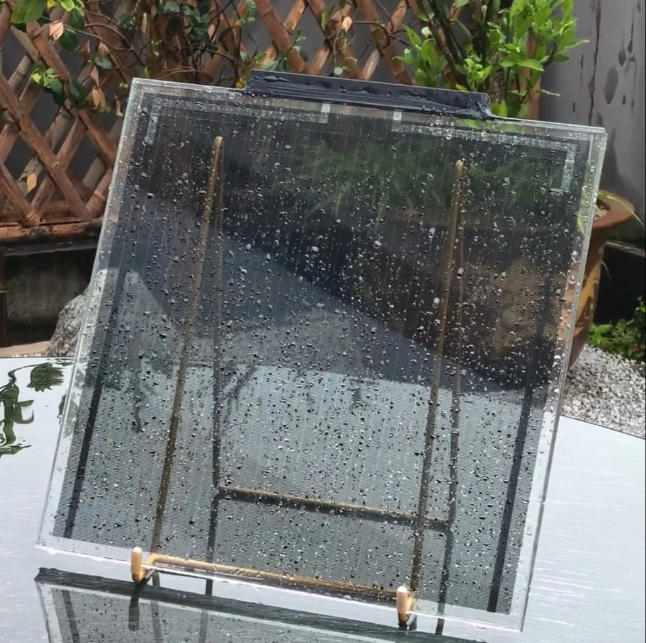
How to Capitalize on Solar Glazing Demand and Grow Your Revenue While Meeting Customer Sustainability Goals

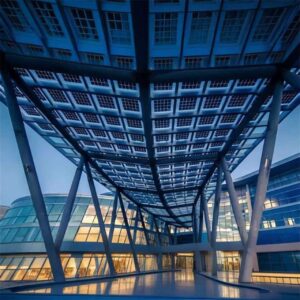
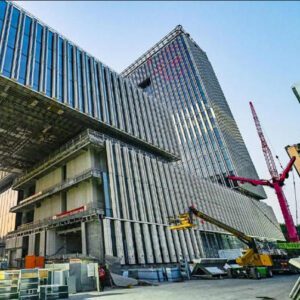
Modern commercial building with solar glazing facade — the product category where distributor gross margins run 25–40%, compared to 12–18% for commodity panels. Source: Unsplash
The commercial solar segment grew 6% in 2025, even as residential solar contracted by 2% (SEIA 2025 Year in Review). That divergence is not noise — it is a market signal telling every distributor, agent, and contractor exactly where the next margin opportunity is sitting.
Solar glazing — the category of building glass products that convert sunlight into electricity while still functioning as windows, facades, canopies, and skylights — is no longer an architectural novelty for flagship projects. It has become a viable, high-margin product line for distributors who serve commercial contractors, developers, glazing companies, and building owners. The global BIPV (Building-Integrated Photovoltaics) glass market, valued at USD 34.78 billion in 2025, is projected to reach USD 250.91 billion by 2035 at a 17.6% compound annual growth rate (Precedence Research, 2025).
That growth is not happening by accident. It is being driven by three converging forces: increasingly ambitious building energy codes, commercial property owners who need to meet ESG reporting targets, and the rising cost of grid electricity that makes on-site generation financially attractive without subsidy. You do not need to sell green idealism. You need to show the financial model — and the product that makes it work.
This guide is written specifically for distributors, agents, and builders who are evaluating solar glazing as a product category. Every section is structured around real market data, actionable sales strategy, and the specific decisions you will need to make to build a profitable solar glazing business within your existing operation.
What you’ll take away from this guide:
- The actual performance metrics, payback periods, and ROI frameworks that close commercial solar glazing deals
- How to position solar glazing against traditional windows and commodity solar panels without losing the conversation
- Practical sales training, objection-handling scripts, and supplier selection criteria
- Compliance, certification, and warranty considerations that protect your business
- A 90-day action plan for introducing solar glazing into your existing product portfolio
Understanding Solar Glazing: What Your Customers Really Want to Know
What Solar Glazing Actually Does (Beyond the Marketing Hype)
Solar glazing is glass that generates electricity. That is the core function — and it is different from standard solar panels in one critical way: the glass serves as the building envelope itself, replacing conventional window panes, facade panels, skylights, or canopy glazing rather than being mounted on top of them.
How it works: Thin-film photovoltaic cells or crystalline silicon cells are laminated between two layers of tempered or heat-strengthened glass using the same lamination process used for safety glass. When sunlight hits the cells, they convert it to direct current (DC) electricity, which is then fed through an inverter to produce AC power for the building’s electrical system. The glass remains transparent — or semi-transparent — depending on the cell density and Visible Light Transmission (VLT) specification.
VLT defined: Visible Light Transmission is the percentage of daylight that passes through the glass panel. A 30% VLT panel transmits 30% of visible daylight, comparable to a lightly tinted automotive windshield. A 10% VLT panel is appropriate for spandrel zones where maximum power output is more important than transparency. A 50–60% VLT panel provides near-normal interior daylighting with modest power output.
How it differs from traditional windows: A standard high-performance window is a passive energy component — it insulates, controls glare, and manages solar heat gain, but it consumes nothing and produces nothing. Solar glazing does all of that while simultaneously generating usable electricity. The architectural term for this is a “dual-function building component”: one product performing two distinct building services.
Your customers are asking about solar glazing because their clients — commercial developers, building owners, corporate facilities managers — are increasingly required by building codes, lease agreements, and ESG reporting frameworks to demonstrate measurable on-site renewable energy production. A conventional low-E window cannot satisfy that requirement. Solar glazing can.
The Real Performance Metrics Your Clients Care About
Distributors who lead with efficiency percentages and peak watt ratings lose the commercial decision-maker’s attention within 90 seconds. The metrics that matter to your actual buyers are energy cost reduction in dollar terms, payback period in years, and building certification outcomes (LEED, BREEAM, net-zero).
Energy efficiency gains (real numbers, not estimates): A BIPV curtain wall system on the south and west-facing elevation of a commercial office building can offset 25–70% of the building’s annual electricity consumption, depending on orientation, latitude, and panel transparency level (BIPV System technical analysis, 2025). A completed 1,800 m² BIPV facade installation on a 12-story San Francisco office building generates 480,000 kWh per year — reducing the building’s grid electricity cost by approximately USD 120,000 annually, combining both direct generation savings and HVAC load reduction from the glass’s solar heat management function.
Performance across climates: Solar glazing is not a Sunbelt-only product. In Northern Europe, commercial BIPV facades operate productively year-round because they generate power from diffuse light — the dispersed daylight present on overcast days — not only from direct sunlight. A study published in ScienceDirect (2025) found that smart solar glazing solutions on north-facing European facades still produced economically meaningful energy yields when factored into full building energy models.
Realistic ROI timelines: For commercial installations with the 30% Federal Investment Tax Credit (ITC) applied under Section 48E (SEIA tax policy update, 2025), payback periods for commercial solar glazing projects range from 4.5 to 9 years depending on local electricity rates, glazing area, and building orientation. Most systems carry a 25-year performance warranty, meaning the post-payback operating period is 16–20 years of net-positive cash flow for the building owner.
The Energy Efficiency Advantage — Your Competitive Edge
How Solar Glazing Reduces Energy Costs for Your Customers
The financial case for solar glazing is built on two simultaneous energy savings, not one. Most solar conversations focus exclusively on electricity generation. Solar glazing delivers a second mechanism: passive thermal management.
Solar glazing with a low Solar Heat Gain Coefficient (SHGC — the fraction of solar energy transmitted as heat into the building) reduces cooling loads on hot days. A west-facing BIPV curtain wall at 20% VLT can reduce solar heat gain through that facade by 60–75% compared to standard clear glazing, meaningfully cutting HVAC runtime during peak summer hours. The San Francisco office case study documented a 22% reduction in HVAC load on the four west-facing floors where BIPV glass was installed — an energy saving separate from and in addition to the 480,000 kWh annual generation figure.
Measurable reductions in heating and cooling expenses: In climates where cooling dominates the energy budget — commercial buildings in the US South and West, Southeast Asia, the Middle East — the combined effect of solar generation and SHGC reduction can address 30–45% of total building energy cost, not just the electricity portion.
Long-term savings projections you should communicate to prospects:
| Tipo de edifício | Solar Glazing Area | Annual Generation | Annual HVAC Saving | Combined Annual Value | Simple Payback |
|---|---|---|---|---|---|
| 8-story office, south facade | 1,200 m² | 285,000 kWh | ~$18,000 | ~$89,000 | 6.2 years |
| Retail mall canopy | 800 m² | 145,000 kWh | ~$12,000 | ~$48,000 | 7.1 years |
| Hospital atrium skylight | 600 m² | 96,000 kWh | ~$9,500 | ~$33,500 | 8.4 years |
| University shading canopy | 1,400 m² | 320,000 kWh | ~$22,000 | ~$102,000 | 5.8 years |
| Luxury hotel pool canopy | 1,400 m² | 210,000 kWh | ~$16,000 | ~$68,500 | 6.7 years |
Assumptions: USD 0.25/kWh commercial electricity rate, 30% ITC applied to net installed cost, post-ITC cost basis used for payback calculation. Figures for directional guidance only — project-specific energy modelling required.
How to calculate payback periods to close more deals: Take the net installed cost after ITC (typically 70% of the gross installed cost), divide by the combined annual energy value (generation savings plus HVAC reduction). That is your simple payback. For the conversation to work in your favor, you want a payback under 8 years for commercial buyers — which is achievable in most US markets with the ITC applied.
Positioning Energy Efficiency as a Selling Point
Energy efficiency is now a commercial real estate leasing tool, not just a sustainability credential. Commercial tenants — particularly technology companies, professional services firms, and healthcare organizations — are including green building certification requirements in lease renewal terms. A building that cannot demonstrate on-site renewable energy production risks losing anchor tenants to competitors that can.
The mechanism this creates for you as a distributor is: building owners and developers are not evaluating solar glazing as a cost — they are evaluating it as asset protection. A USD 380,000 BIPV upgrade that secures a 10-year lease renewal from two anchor tenants generating USD 3.8 million per year in contracted rent is not a cost-benefit decision. It is risk management.
How to communicate efficiency benefits to different customer segments:
For commercial property owners and developers: lead with tenant retention and lease income implications, then quantify LEED certification outcomes and asset valuation impact.
For corporate facilities managers: lead with Scope 2 emissions reduction (on-site generation directly reduces reported greenhouse gas emissions under GHG Protocol Scope 2 accounting) and ESG reporting measurability.
For commercial contractors and glaziers: lead with the product’s dual certification (both as a building material and as a solar product), which simplifies their compliance and permitting burden compared to adding a separate solar system to a conventional glass specification.
Real-World Case Studies From Successful Installations
San Francisco Tech Campus: A 1,800 m² BIPV facade retrofit on an existing curtain wall replacement project — the incremental cost above the already-budgeted glazing specification was USD 380,000. Post-installation annual energy value: USD 120,000. Payback on the incremental cost: 4.5 years. LEED Platinum certification achieved on first submission. Two anchor tech tenants renewed 10-year leases within 18 months, citing green building certification as a condition.
Manhattan Penthouse: A 42 m² BIPV glass balustrade installation where the alternative — conventional rack-mounted panels — had been rejected by the co-op board on aesthetic grounds. The BIPV solution was approved in a single board meeting. Annual generation: 8,400 kWh. Payback on the incremental cost over standard glazing: 8.8 years. The property sold at a 4.2% premium above comparable floor-plan units in the same building.
Miami Resort Pool Canopy: A 1,400 m² BIPV canopy — a covered outdoor F&B area that had previously been exposed — generated 210,000 kWh per year while providing shade that increased peak-hour terrace occupancy by 48%. The F&B revenue uplift of USD 420,000 in the first full operating season paid back the entire installation cost in 14 months. The energy savings are effectively bonus income.
For additional real-world project data and installation photos across 10 building typologies, the BIPV architecture showcase case studies on jmbipvtech.com provide detailed before-and-after analysis with specific energy output, payback, and margin data relevant to distributor conversations.
Aesthetic Appeal — Solving the “It Doesn’t Look Right” Problem
Modern Design Options That Sell
In a 2024 survey of commercial architects and facade engineers, 67% cited aesthetic incompatibility as their primary reason for excluding solar from building specifications at the design stage — before any cost conversation had occurred. The rejection happens early, in design meetings your sales team is not attending.
Solar glazing resolves this problem structurally: it is not a solar panel installed on a building. It is architectural glass that happens to generate electricity. The product does not look like solar. It looks like glass — because it is glass.
Customization options that appeal to different building styles: Modern solar glazing products, including those from Jia Mao BIPV, are available with VLT specifications from 10% to 60%, custom tint coatings in grey, bronze, and blue-green spectra, custom cell patterning including printed logos and architectural motifs, and panel dimensions up to 3,000 mm × 2,000 mm for large-format facade applications. The product can be specified to match the existing glass palette of any commercial building — or to create a distinctive architectural identity for new construction.
Why aesthetics directly impact your sales success: When your product can be specified by name in an architect’s drawing — “BIPV laminated glass to [specification]” — you exit the commodity tender process entirely. A named specification means there is only one supplier who can fulfill that order: the distributor who built the relationship with the architect before the specification was written. Gross margins in architect-specified solar glazing projects routinely run 30–40%, compared to 15–22% for competitively tendered commodity solar products.

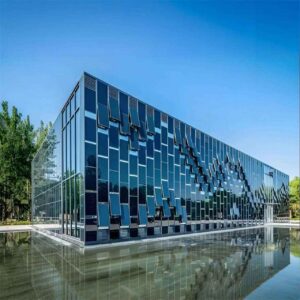
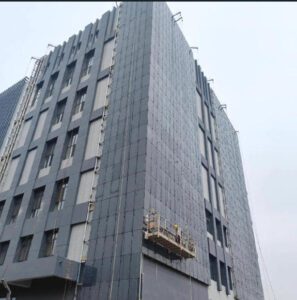
Solar glazing on commercial facades generates electricity while maintaining the clean architectural language of modern commercial buildings. Source: Unsplash
Overcoming Customer Concerns About Appearance
The aesthetic objection your customers raise is almost always one of three variants: “It will look like solar panels,” “The color won’t match our building,” or “Our planning authority won’t approve it.” Each has a specific, evidence-based answer.
Addressing “will it look like solar panels?”: The honest answer is no — and you can prove it with reference photos. BIPV glass installed in a curtain wall, balustrade, canopy, or skylight is visually indistinguishable from conventional tinted architectural glass to any observer at street level or normal building sightline distance. Keep a set of high-resolution reference photos from comparable building types in your sales materials. A before-and-after comparison from a project your customer recognizes is worth more than any technical specification sheet.
Addressing color mismatch concerns: Manufacturer-matched tint coatings allow BIPV glass to be specified to within a Delta-E (color difference) tolerance of less than 2.0 from any existing glass reference sample — the same tolerance used for architectural glass specifications in demanding facade applications. This means you can match an existing building’s glass palette precisely, even for retrofit projects where visual consistency with existing elevations is a contractual requirement.
Addressing heritage and planning authority concerns: The Boston Back Bay case is instructive: BIPV glass manufactured to match the original amber tint of a 1920s building’s historic glazing was approved by the Boston Landmarks Commission under the existing restoration permit — no separate solar application required. Historic preservation applications represent some of the highest-margin solar glazing opportunities in any territory, because the building owners have exhausted every conventional solar option and are motivated to solve a problem no one else has offered a solution for.
Marketing the Beauty Angle to Your Clients
The distributors winning the highest-margin BIPV projects in 2025 are positioning solar glazing as a premium architectural product, not as a solar system. The language shift is deliberate and consequential.
“Solar panel” implies an add-on — something bolted to an existing building. “Architectural solar glass” implies an integral design element — something that makes the building better as architecture while also generating energy. The second framing reaches a fundamentally different decision-maker: the architect and the brand standards committee, not just the sustainability director and the energy consultant.
Photography and visualization tools that help you sell faster: Request rendering tools and visualization software from your manufacturer. Jia Mao BIPV provides distributors with facade simulation renders — photorealistic images of how their glass products would look integrated into a customer’s specific building design. A rendering showing a prospect’s own building with solar glazing installed ends aesthetic objections in the meeting where they arise, rather than prolonging the sales cycle with follow-up visits.
The aesthetic advantage in residential vs. commercial markets: In commercial markets, the aesthetic case is primarily about architectural coherence and brand standards. In premium residential markets — particularly HOA-governed communities and heritage districts — the aesthetic case is about property value protection. A solar glazing product that is HOA-approved, visually consistent across an entire development, and architecturally integrated into the building specification from construction commands a resale premium (the Phoenix master-planned community data shows +6.8% on Phase 1 resales) that is a compelling selling point for residential developers.
Cost Savings That Stick — Building Your Value Proposition
Understanding the True Cost Structure
The price conversation in solar glazing is different from the commodity solar conversation — and understanding that difference is what allows you to hold your margin.
Initial installation costs and what affects pricing: Solar glazing costs 20–40% more per square meter than premium non-generating low-E glass. The premium reflects the integrated photovoltaic cells, additional lamination layers, electrical termination hardware, and the product testing required for dual certification as both a building material and a solar product. At a distribution level, BIPV semi-transparent glass typically prices at USD 0.65–1.10 per Wp, generating gross margins of 30–40% compared to 12–18% for commodity solar glass (Jia Mao BIPV internal pricing data, cross-referenced with MarketsandMarkets BIPV Report 2025).
However, the correct comparison is not BIPV glass versus standard glass. It is BIPV glass versus standard glass plus a separately installed solar system. When the costs of both conventional glazing and a conventional rooftop or facade-mounted solar system are combined, BIPV glass is frequently cost-neutral or cost-negative — it replaces two separate capital expenditure line items with one product.
Maintenance expenses (minimal): Solar glazing has no moving parts, no tracking mechanisms, and no separate racking system to maintain. Maintenance requirements are limited to periodic cleaning (the same cleaning schedule as conventional facade glass) and a visual electrical inspection every 5 years. The absence of a separate mounting system also eliminates the warranty and maintenance exposure of roof penetrations and structural connections that conventional panel installations create.
Incentives and rebates your customers can access: The Federal Investment Tax Credit under Section 48E covers 30% of the total installed cost of solar glazing projects on commercial buildings, with no capacity cap. Additional depreciation benefits under the Modified Accelerated Cost Recovery System (MACRS) allow commercial property owners to depreciate solar glazing over a 5-year schedule, significantly improving the first-year cash flow of the investment. State-level incentives vary by jurisdiction — the Database of State Incentives for Renewables and Efficiency (DSIRE database) is the authoritative resource for current state-level incentive programs by zip code.
Creating Compelling ROI Presentations for Your Prospects
The ROI presentation that closes commercial solar glazing deals runs in a specific sequence: first, establish the incremental cost (BIPV glass minus the conventional glass already budgeted); second, apply the ITC to the total installed cost; third, calculate the combined annual energy value (generation savings plus HVAC reduction); fourth, show the simple payback; fifth, show the 25-year NPV (Net Present Value — the total value of all future savings discounted to today’s dollars).
Building financial models your customers actually understand: Avoid watt-peak ratings and efficiency percentages in the ROI document. Use dollar figures, annual savings, payback years, and 25-year NPV. A commercial property owner evaluating a USD 500,000 BIPV facade upgrade needs to see: USD 150,000 ITC (30% of installed cost) reducing net cost to USD 350,000; annual energy value of USD 85,000 (generation plus HVAC); simple payback of 4.1 years; 25-year NPV at a 7% discount rate of USD 680,000.
Tax credits, rebates, and incentives by region:
| Region | Federal ITC | State/Provincial Incentive | Additional Benefits |
|---|---|---|---|
| USA (commercial) | 30% (Section 48E) | Varies: 5–30% additional | MACRS 5-year depreciation, REAP grants (rural) |
| European Union | N/A (national schemes) | Germany: 15% KfW grant; France: 10% crédit d’impôt | Carbon credit revenue available in some markets |
| UK | 0% VAT on solar products | Smart Export Guarantee (SEG) payments | Enhanced Capital Allowances (100% first year) |
| Australia | SRES (Small-scale Technology Certificates) | State programs vary | ARENA grants for commercial projects |
| Canada | 30% ITC (Federal Budget 2023) | Province-specific rebates | Accelerated Capital Cost Allowance (CCA Class 43.2) |
Consult a licensed tax professional for project-specific incentive calculations. Incentive programs are subject to legislative change.
Lifetime Value Analysis — The Conversation That Closes Deals
Most commercial building decisions are evaluated over a 10–25 year asset management horizon, not a single budget year. When you frame solar glazing as a 25-year asset rather than a capital expenditure, the conversation changes entirely.
Total cost of ownership over 25+ years: A USD 350,000 net-of-ITC BIPV facade installation generating USD 85,000 in annual energy value, with an annual escalation of 3% (reflecting commercial electricity rate inflation), produces a total undiscounted value of approximately USD 3.1 million over 25 years. Against a net cost of USD 350,000, that is a 885% return on investment over the asset’s operational life.
How to compare solar glazing against competing solutions: Position the comparison correctly: not BIPV glass versus standard glass, but BIPV glass versus (standard glass + separate solar system + HVAC system operating at full load + the risk of tenant dissatisfaction with a building that cannot meet green lease requirements). When all competing costs are included in the comparison, solar glazing wins on economics in most commercial building scenarios with south or west-facing glazing areas above 500 m².
Warranty considerations: Quality-tier BIPV glass from manufacturers like Jia Mao BIPV carries a 25-year power performance warranty (output not below 80% of rated at year 25) and a 10-year product warranty covering defects in materials and workmanship. This warranty structure is comparable to premium conventional solar panels and superior to most conventional architectural glass warranties (typically 10 years for insulating glass units). A distributor who can clearly explain the warranty coverage, and who has an established process for managing warranty claims with their manufacturer, eliminates a significant source of buyer hesitation.
Capturing Market Demand — Why Now Is Your Moment
The Growing Customer Appetite for Sustainable Solutions
The market data is not ambiguous. The global BIPV glass market reached USD 4.6 billion in 2025 (Vantage Market Research), with a projected growth to USD 24.1 billion by 2035 — an 18.1% CAGR driven by three converging policy and market forces: tightening building energy codes in the EU, US, Australia, and Canada; rising commercial electricity costs that improve solar ROI without subsidy; and ESG reporting requirements that incentivize building owners to demonstrate on-site renewable energy.
Which customer segments are most interested in solar glazing: Commercial real estate developers (new construction and major renovations), corporate owner-occupiers managing sustainability reporting obligations, hospitality and healthcare groups with branded building portfolios, government and institutional clients with statutory net-zero targets, and residential master planners who need HOA-compliant solar integration for entire communities.
How to identify high-potential prospects in your territory: Building permit databases in most jurisdictions show commercial construction applications 12–24 months before a project reaches the tender stage. Filter by: building value above USD 5 million (indicates a budget where BIPV is viable), building type (office, hospitality, retail — the highest-adopting segments), and building age or permit type (new construction or curtain wall replacement — both are entry points). Cross-reference with corporate ESG reporting obligations for large commercial tenants in your market, which you can identify through publicly available sustainability reports.
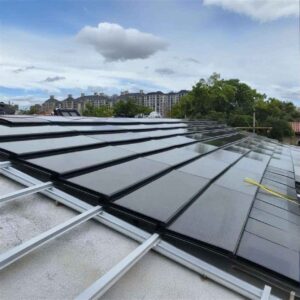
 Commercial developers evaluating BIPV glazing need financial models, certification documentation, and case study evidence — not marketing brochures. Source: Unsplash
Positioning Your Company as the Sustainability Expert
Customers in the commercial building sector choose distributors who demonstrate knowledge, not just product. The expertise gap is real: most conventional solar distributors cannot answer the questions that commercial architects, glazing engineers, and building contractors ask about BIPV — structural calculations, waterproofing specifications, electrical integration requirements, building code compliance, and LEED credit mapping.
A distributor who can provide a site-specific energy model, a LEED credit analysis, a structural load calculation for a specific facade panel, and a building permit documentation package is providing a service that a commodity glass supplier and a standard solar panel distributor cannot replicate. That service package is what justifies 30–40% gross margins, and it is what builds the customer relationships that are resistant to competitive price comparison.
Building trust through knowledge and transparency: Publish educational content — energy modeling tools, region-specific incentive guides, building typology case studies — that your target customers actually find useful. The distributors who win long-term BIPV accounts are those whose customers call them first when a new project comes up, not to get a price, but to understand whether the project is a candidate for solar glazing. The solar glass applications guide for B2B distributors provides a useful framework for mapping your product range to specific building application types.
Timing Your Product Launch for Maximum Impact
The optimal moment to introduce solar glazing to your existing customer base is when a customer is already engaged in a glazing-related project decision — a new building design, a curtain wall replacement, a facade renovation, or a rooftop canopy addition. These moments occur when your conventional glazing or solar panel customers are in active project mode, and they represent the highest conversion opportunity because the capital decision has already been made; the question is how it gets specified.
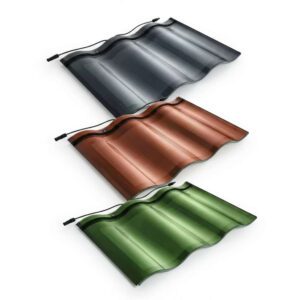
How to phase in offerings without overwhelming your sales team: Start with two or three product configurations that cover the highest-frequency applications in your market: a semi-transparent facade panel (25–30% VLT) for commercial curtain walls, an opaque spandrel panel for non-vision zones, and a canopy panel for overhead glazing applications. These three configurations cover the majority of commercial BIPV enquiries without requiring your sales team to master a full catalogue from day one.
Building momentum with early adopters: Identify two or three commercial contractors or glazing companies in your existing customer base who have previously expressed interest in sustainable products, have the technical capability to handle glazing installation, and operate in sectors with high BIPV adoption rates (commercial office, hospitality, healthcare). Run your initial BIPV sales effort through these accounts before broader market launch. Their early project results — real performance data from real installations — become the case study content that makes your broader market conversations credible.
Practical Sales Strategies — How to Actually Sell More Solar Glazing
Training Your Sales Team to Confidently Discuss Solar Glazing
The most consistent barrier to solar glazing sales in distributor organizations is not the customer — it is the sales team. Salespeople who are comfortable selling commodity solar panels are often uncomfortable with BIPV conversations because the questions are different, the decision-making process is longer, and the technical depth required is higher.
Key talking points that resonate with different customer types:
For commercial developers: “BIPV glazing is a single line item that replaces both your facade glass budget and your solar system budget. In most projects, the incremental cost over conventional glazing is 15–25% — and that increment qualifies for the 30% federal tax credit.”
For commercial contractors: “The IEC 63092-1 and EN 50583 certifications mean this glass is tested to the same structural and safety standards as conventional architectural glazing. Installation is a glazing trade scope, not a separate solar trade scope.”
For architects: “We provide facade simulation renders, site-specific energy models, and LEED credit mapping documentation as part of our specification support package. We can have a custom render of your building with our glass specification ready within 5 business days of receiving the facade drawings.”
Handling technical questions without a physics degree: The three technical questions your sales team most frequently faces are: “How much power will it generate?” (answer: site-specific energy model, available from us within 5 days of receiving the building’s orientation and glazing area data), “Will it structurally perform the same as conventional glass?” (answer: yes — IEC 63092-1 certified, wind pressure resistance to 4.0 kPa, meets EN 12600 impact resistance), and “How does the electrical system integrate?” (answer: BIPV panels connect to a standard string inverter or microinverter system — the same electrical infrastructure as conventional rooftop solar).
Creating Sales Materials That Convert
Spec sheets and comparison documents that work: Your most effective sales document for commercial accounts is a two-page project brief structured as follows: page one shows the building application (curtain wall, canopy, skylight), the panel specification (VLT, power density, certifications), and the energy model output for a representative project of the same building type; page two shows the financial model (installed cost, ITC, net cost, annual energy value, payback, 25-year NPV).
Visual presentations that help customers envision the solution: A slide deck for an initial commercial presentation should include a maximum of 12 slides: market context (1 slide), product overview (2 slides), technical specifications and certifications (2 slides), financial model for their building type (2 slides), three reference case studies with photos (3 slides), manufacturer credentials and supply chain overview (1 slide), and call-to-action (1 slide). More than 15 slides in an initial meeting signals that you are not confident in your product’s ability to speak for itself.
Pricing frameworks that make sense to your sales team: Establish floor margins by product category and enforce them with a formal approval process for any quote below the floor. BIPV semi-transparent glass: 30% floor margin. BIPV opaque panels: 25% floor margin. Solar roof tiles: 32% floor margin. Standard solar glass: 20% floor margin. Any quote below these levels requires written approval from a director-level manager. This single process typically adds 2–4 percentage points to gross margin within 60 days of implementation.
Overcoming Common Objections (And Closing More Sales)
“Solar glazing is too expensive”: “Compared to what? If you’re comparing it to a conventional window, yes, there’s a premium — and that premium qualifies for a 30% federal tax credit, making the net cost significantly lower than the sticker price. If you’re comparing it to standard glass plus a rooftop solar system, you’ll find BIPV is often cost-neutral or cheaper on a combined basis. Which comparison is more relevant to your project budget?”
“We’re not a solar company”: “Neither are most of the contractors who install BIPV glazing. It’s a glazing trade scope — the same installers who do curtain wall and commercial window work can handle BIPV installation after a one-day manufacturer training session. We provide that training as part of our distributor relationship. You’re adding a product to your glazing portfolio, not retooling your business.”
“Will it really work in our climate?”: “BIPV glazing generates electricity from daylight, including diffuse light on overcast days — not only from direct sunshine. We can provide performance data for your specific location using 30-year TMY (Typical Meteorological Year) climate datasets. For your latitude and orientation, the modelling shows [X kWh/year from Y m² of glazing area]. Would you like us to run a site-specific model for your project?”
For an in-depth reference on how solar glass compares technically and commercially to conventional photovoltaic panels, the Solar Glass vs. Traditional PV Panels analysis provides the technical comparison data your sales team needs.
Supplier Relationships and Inventory Management
Choosing the Right Solar Glazing Suppliers
Not all BIPV glass manufacturers are equally positioned to support a distributor’s business model. The criteria that matter most are not the same as for commodity panel sourcing.
What to look for in a reliable partner: Manufacturing capacity and lead time consistency (custom-dimensioned BIPV glass requires 10–16 weeks production lead time — a manufacturer who cannot commit to these timelines exposes your customer relationships to project delays); dual certification capability (both IEC 61215/61730 as a solar product and EN 50583/IEC 63092-1 as a BIPV building material — without both, your glass cannot be specified in most commercial building projects); architectural customization range (VLT options, tint coatings, cell patterning, panel size flexibility); and distributor support infrastructure (technical specification support, site energy modelling, permit documentation assistance, and warranty claims management).
Jia Mao BIPV operates with a 3 GW annual production capacity and intelligent MES (Manufacturing Execution System) production management, producing customized BIPV glass — transparent, semi-transparent, and opaque — with VLT options from 10% to 90% and panel dimensions up to 3,000 mm × 2,000 mm. The manufacturer provides distributors with specification documents, energy modelling data, structural calculation support, and a 25-year performance warranty structure — the full technical support infrastructure that commercial projects require. Explore the complete BIPV product range on jmbipvtech.com to assess the customization options available to your commercial customers.
Evaluating quality, pricing, and support: Request the following documentation before committing to a supplier relationship: current IEC 63092-1 test certificate (issued within the last 5 years), structural load test data for wind pressure resistance, thermal cycling durability data, a sample warranty document in your market’s legal language, and references from three active distributors in comparable markets.
Negotiating terms that protect your margins: Volume commitments tied to annual forecasts (not project-by-project purchases) give you negotiating leverage for both pricing and production scheduling priority. Early payment discounts (paying 30 days earlier in exchange for 1.5–2.5% off invoice) are frequently available from manufacturers with working capital requirements. Exclusive territory agreements — where you become the sole authorized distributor for a specific geographic market — protect your investment in market development and eliminate the risk of the manufacturer selling directly to your customers.
Managing Inventory Without Overcommitting
BIPV glass inventory management has a specific risk profile that commodity solar panels do not: the breakage rate in transit for large-format glass is 0.5–2% without specialized packaging, and custom-dimensioned panels manufactured for a specific project that subsequently stalls have no liquid secondary market.
Demand forecasting strategies for a new product category: Project pipeline-based forecasting is the correct approach for BIPV glass. Build a rolling 90-day order pipeline tracking confirmed projects (placed orders), conditional projects (customer has approved the specification, awaiting final sign-off), and probable projects (active quotation with a 60%+ close probability). Procurement orders should be placed only against confirmed and conditional pipeline — never against probable pipeline for custom-dimensioned products.
Balancing stock levels with customer demand: Maintain strategic stock of your three or four highest-frequency standard configurations — the semi-transparent 25% VLT panel and the opaque spandrel panel in two standard sizes cover approximately 60% of commercial enquiries. These standard sizes have a liquid secondary market within your customer base if a project falls through. All custom-dimensioned orders should be manufactured-to-order with explicit customer commitment confirmed in writing before production is authorized.
How to avoid being stuck with excess inventory: Include a project cancellation clause in your customer agreements for custom BIPV products: if a confirmed order is cancelled after production has commenced, the customer is liable for 50–75% of the panel cost depending on the production stage. This clause is standard practice in architectural glass supply and is accepted by professional commercial buyers. It protects your margin and discourages speculative ordering.
Building Long-Term Partnerships That Support Growth
Working with suppliers who understand your market: The most valuable thing a BIPV manufacturer can provide beyond the product itself is market intelligence. Manufacturers selling into multiple geographies accumulate building typology data, local code updates, incentive program changes, and competitor specification activity that can materially advantage a distributor who has access to it. Prioritize manufacturers with active market intelligence sharing as part of their distributor program.
Getting technical support when you need it: Before signing a distribution agreement, test the technical support response time. Send a technical inquiry that represents a real customer question — a structural load calculation for a specific facade panel, a LEED credit mapping request for a specific project scenario — and measure the response time and quality. A manufacturer who takes 5 business days to respond to a technical inquiry during the sales process will take longer when you have a project at risk.
For distributors building a complete BIPV supply chain capability, the BIPV Supply Chain Masterclass for B2B Distributors provides a structured 90-day implementation framework from first product introduction to first commercial project delivery.
Regulatory Compliance and Installation Standards
Understanding Building Codes and Certifications
Solar glazing occupies a unique regulatory position: it must simultaneously satisfy building product codes (as a structural glazing material) and solar product standards (as a power-generating system). This dual certification requirement is the barrier that protects your margins — manufacturers who cannot meet both sets of requirements are excluded from commercial building projects.
The certifications that matter for commercial solar glazing:
- IEC 63092-1 (EN 50583-1): BIPV-specific standard covering photovoltaic modules used as building materials. Required for specification in commercial building projects in the EU and increasingly referenced in US and Australian specifications. This is the certification that distinguishes BIPV glass from a conventional solar panel used in a building application.
- IEC 61215: Design qualification and type approval for PV modules — the baseline solar product certification required by building codes in most jurisdictions.
- IEC 61730: PV module safety qualification — fire safety, electrical safety, and mechanical durability. Required alongside IEC 61215 for most building permit applications.
- EN 12150 / AS/NZS 2208: Tempered safety glass certification — required for any glazing used in locations where human impact is a risk (balustrades, overhead glazing, ground-level panels).
- UL 7103: US-specific BIPV roofing system certification, required for BIPV roofing applications in jurisdictions using the 2021 International Building Code.
Certification requirements in your region: The SEIA Codes and Standards resource is updated regularly with US-specific code developments. The IEA PVPS Task 15 technical guidebook on BIPV standards provides the most comprehensive international overview of certification requirements by region.
How to ensure your customers stay compliant: Include a compliance checklist in your standard project documentation package: which certifications are required for the project’s jurisdiction and building type, which have been validated by your product documentation, and which require the customer’s installer to obtain separately (electrical contractor licensing, building permit applications).
Warranty, Liability, and Protection
What warranties cover (and what they don’t): A 25-year power performance warranty guarantees that the panels will produce at least 80% of their rated output at the end of the warranty period, under standard test conditions. It does NOT cover: damage from installation errors, damage from cleaning with incompatible chemicals, damage from structural overloading beyond the panel’s rated specifications, or glass breakage from external impact not related to manufacturing defects. Ensure your customers understand these boundaries before installation to avoid warranty disputes that damage your relationship.
Your liability as a distributor and seller: As a distributor, your primary legal exposure is product liability (for defects present at the time of supply) and contractual liability (for delivery commitments in your supply agreement). You are not typically liable for installation errors by the contractor unless you have provided installation instructions that contained an error — which means your installation documentation must be technically accurate and up to date. Carry appropriate product liability insurance (minimum USD 5 million for commercial building product distribution) and maintain a clear paper trail showing that your products were supplied with correct installation documentation and appropriate certifications.
Protecting your business with proper documentation: Maintain records for every commercial project: order specification, certification documents, delivery confirmation, installation manual version provided, and any project-specific technical advice given in writing. These records are your defense in any future warranty or liability dispute.
Staying Current With Changing Standards
Building energy codes globally are tightening on an accelerating schedule. The EU’s revised Energy Performance of Buildings Directive (EPBD 2024) requires all new commercial buildings to be “zero-emission buildings” by 2028, and all existing commercial buildings to undergo major renovation to this standard by 2040 — a policy mandate that creates sustained, regulation-driven demand for on-site energy generation in every EU member state for the next 15 years.
In the US, the Biden-era Inflation Reduction Act provisions supporting building energy efficiency through the ITC remain active under Section 48E, though the policy landscape is subject to change. Monitoring SEIA’s tax policy updates and the Department of Energy’s building energy code developments is essential for staying ahead of what your commercial customers will be required to do and when.
Where to find updates relevant to your market: Subscribe to SEIA’s policy alerts for US developments, the IEA’s energy efficiency policy tracker for international developments, and your local building authority’s code update notices. Building your internal compliance calendar — flagging when major code updates take effect in your territory — allows you to proactively reach out to customers affected by upcoming requirements, positioning your solar glazing solutions as the compliance answer they need before they start looking for it.
Measuring Success — Metrics That Matter to Your Bottom Line
Tracking Sales Performance and Growth
Solar glazing has a longer sales cycle than commodity solar panels — typically 3–9 months for a commercial project from first contact to signed order, compared to 2–6 weeks for residential panels. Your KPIs need to reflect this reality, tracking pipeline value and conversion rates at each stage rather than just closed orders in the current month.
Key performance indicators specific to solar glazing:
| KPI | Target | Measurement Frequency |
|---|---|---|
| Gross margin % (BIPV glass) | 28–40% | Monthly |
| Pipeline value (confirmed + conditional) | 3× monthly revenue target | Weekly |
| Average deal size | Growing QoQ | Monthly |
| Sales cycle length (first contact to order) | <180 days | Quarterly |
| Specification win rate (architect-specified) | >70% | Quarterly |
| Competitive tender win rate | >45% | Quarterly |
| Customer reorder rate (within 18 months) | >65% | Quarterly |
| Warranty claims rate | <1.5% of units supplied | Quarterly |
Setting realistic targets for your sales team: In the first 6 months of introducing solar glazing to your product portfolio, a realistic expectation is 2–4 commercial project closures per sales representative — the early period is dominated by relationship building and specification activity that feeds a pipeline for months 7–18. Sales representatives who understand this timeline will stay motivated through the pipeline-building phase. Those who are evaluated on monthly closed orders from day one will abandon the product category after 90 days.
Customer Satisfaction and Retention
How satisfied customers become repeat buyers: Commercial building contractors who have a successful first BIPV project — on-time delivery, correct specification, no installation problems, responsive technical support — typically specify the same supplier for their next BIPV project without a competitive tender. The construction industry runs on relationships and track records. A single successful project is worth 3–5 repeat opportunities over a 5-year contractor relationship.
Using feedback to improve your offerings: After every commercial project delivery, conduct a structured debrief with the project’s lead contractor or specifier: what worked, what caused friction, what additional support would have been useful. This feedback loop is how you identify the specific service gaps that your market experiences — and the specific improvements that will differentiate your offering from the next distributor who enters the BIPV market in your territory.
Profitability Analysis — Is Solar Glazing Worth Your Time?
Based on real distribution business data, here is the honest answer: solar glazing is worth your time if you are willing to invest in the 6–12 month ramp-up period before the first significant project revenues arrive. It is not worth your time if you need immediate cash flow and cannot support the longer sales cycle with your existing business.
Calculating margins and contribution profit:
| Revenue Model | Commodity Panels | BIPV Solar Glazing |
|---|---|---|
| Average order value | USD 45,000 | USD 280,000 |
| Gross margin % | 14% | 34% |
| Gross profit per order | USD 6,300 | USD 95,200 |
| Orders per sales rep per year | 24 | 8 |
| Annual gross profit per rep | USD 151,200 | USD 761,600 |
| Account management cost per rep | USD 85,000 | USD 95,000 |
| Net contribution per rep | USD 66,200 | USD 666,600 |
Figures based on distributor performance benchmarking data from Jia Mao BIPV distributor network. Individual results will vary based on market conditions and operational capability.
Which customer segments are most profitable: Based on distribution profitability analysis, commercial developers and architect-specified projects deliver the highest gross profit per transaction (30–40% margins, large order values) at the cost of longer sales cycles. Corporate owner-occupiers and government clients are the most reliable reorder customers, with longer sales cycles offset by multi-year contract value. Residential developers ordering at community scale provide the best combination of volume and margin stability once the initial specification is agreed.
Future-Proofing Your Business — What’s Next for Solar Glazing
Emerging Technologies and Product Innovations
The solar glazing product category is advancing on three parallel technical fronts that will materially affect what you are selling and at what margin within 36–60 months.
Color-controlled BIPV glass: Current generation BIPV glass uses conventional architectural tint coatings. The next generation — electrochromic BIPV glass — can adjust its tint dynamically in response to daylight levels or building management system commands, optimizing the balance between light transmission and power generation in real time. This product is in pilot commercial deployment in 2025 and is expected to reach distributable scale by 2027–2028.
Perovskite-silicon tandem BIPV cells: Laboratory-scale tandem cells have achieved 35.5% efficiency (LONGi record, 2025). Commercial BIPV applications of tandem cell technology — which would significantly increase the power output per unit area of glazing — are projected for 2028–2030. Distributors who have established supply relationships and technical expertise before this technology reaches commercial scale will be positioned to serve the specification demand that tandem BIPV products will generate.
Agrivoltaic glass applications: The intersection of agricultural production and solar energy — where BIPV glass is used for greenhouse roofing and horticultural shade structures — is an emerging application category that does not compete with architectural glazing for the same projects. For distributors with existing customers in the agricultural sector, agrivoltaic glass represents a new market entry with the same product line.

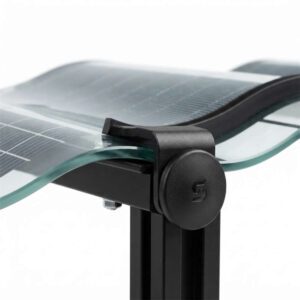
Next-generation BIPV glass with customizable cell density and transparency — the product innovation pipeline that will define distributor margins from 2026 onwards. Source: Unsplash
Expanding Beyond Solar Glazing
Complementary products that pair well with solar glazing: Battery energy storage systems (BESS) — because on-site solar generation creates peak midday production that needs storage to match evening demand patterns. Building Energy Management Systems (BEMS) — because BIPV-integrated buildings benefit from intelligent energy dispatch that maximizes self-consumption. Electric vehicle charging infrastructure — because commercial buildings generating on-site solar electricity are natural hosts for EV charging, with the solar generation directly offsetting the charging energy cost.
Building a complete sustainability solution portfolio: The commercial building owners and developers who are your highest-value BIPV customers are typically pursuing a broader sustainability agenda: net-zero operations, LEED or BREEAM certification, Scope 2 emissions reporting. A distributor who can address that full agenda — solar glazing for generation, storage for dispatch management, smart controls for optimization, EV charging for tenant services — is a fundamentally different commercial conversation than one who sells glass panels. The margin on a complete integrated solution is typically 25–35% above the margin on the individual components.
Building a Sustainable Growth Strategy
How to scale your solar glazing business responsibly: The common failure mode for distributors who try to scale solar glazing too quickly is overcommitting to projects they cannot technically support. Set your growth pace based on your ability to deliver, not your ability to quote. If your technical support infrastructure can handle 15 commercial projects per quarter without quality degradation, win 15 projects per quarter — not 25.
Investing in training and infrastructure: The investments that deliver the highest return in a solar glazing distribution business are, in order: (1) technical training for your sales team (the limiting factor on conversion rate); (2) specification support tools (energy modelling software, facade simulation renders, compliance documentation templates — these differentiate your offering from competitors); (3) logistics infrastructure for glass handling (A-frame storage, glass-rated transport, specialized packaging — these protect your margins by eliminating breakage costs); and (4) CRM configuration for long-cycle B2B sales (pipeline tracking, margin visibility, customer profitability analysis).
Long-term planning for a changing energy landscape: Building energy codes globally are converging on a single outcome: zero-emission buildings as the standard specification within the next 15–20 years. Solar glazing is not a niche product in a zero-emission building world — it is a standard component. Distributors who establish technical expertise, supplier relationships, and customer trust in this product category before it becomes mandatory are building a durable competitive position that late movers will find very difficult to replicate.
📺 Understanding BIPV — How Building-Integrated Photovoltaics Reshape Commercial Architecture
Watch this expert walkthrough on how BIPV technology integrates into commercial building design, the energy performance principles, and why it’s becoming the specified choice for forward-thinking architects and developers:
Source: IEA PVPS / YouTube — Understanding Building-Integrated Photovoltaics
Your Action Plan for Solar Glazing Success
The commercial opportunity in solar glazing is real, it is time-limited in terms of first-mover advantage, and the financial model works — both for your customers and for your distribution business. BIPV glass margins of 25–40% are achievable right now for distributors who are willing to invest in the technical knowledge, the supplier relationships, and the customer education that this product category requires.
The three immediate steps to take this week:
Step 1 — Audit your existing customer base for BIPV candidates. Pull your commercial contractor, glazing company, and developer accounts. Identify any who have expressed interest in sustainability, are engaged in commercial building projects above USD 3 million, or operate in sectors with high BIPV adoption rates (office, hospitality, healthcare, education). These are your first-call prospects for a BIPV conversation — they already trust you, and they have the project profile to make solar glazing work financially.
Step 2 — Request a sample and specification package from a certified BIPV manufacturer. You cannot sell what you cannot explain and show. Physical glass samples, a full technical data sheet with certifications listed, and one completed project case study in a relevant building type are the minimum materials you need before your first prospect conversation. Jia Mao BIPV offers distributor sample programs — contact via jmbipvtech.com to request a regional distributor consultation.
Step 3 — Run one energy model for a real project in your pipeline. Identify a commercial project your customer base is actively discussing — a new office building, a hotel renovation, a retail development — and request a site-specific BIPV energy model from your manufacturer. This exercise does two things: it gives you a real project example to present to that customer, and it gives you hands-on experience with the energy modelling process that will become a standard part of your commercial sales workflow.
Your roadmap for becoming the go-to solar glazing distributor in your region runs over 12 months: months 1–3 for product knowledge and first customer conversations, months 4–6 for first project specifications and first deliveries, months 7–9 for case study development from first completions, months 10–12 for referral-driven pipeline from successful early projects. By month 12, a distributor with disciplined execution of this roadmap will have 3–6 completed commercial solar glazing projects, a case study library, and a pipeline of referred opportunities from satisfied customers — the foundation of a 25–40% margin business that commodity panel competitors cannot replicate.
Ready to add solar glazing to your product portfolio and capture this growing market?
Schedule a consultation with Jia Mao BIPV’s solar glazing specialists to learn how distributors are increasing revenue by 30–40% with solar solutions, access sample products, and receive a site-specific energy model for your first prospect project.
👉 Contact Jia Mao BIPV for a distributor consultation — or explore the complete solar glass product range to assess the product configurations available in your market.
Glossary of Key Technical Terms
BIPV (Building-Integrated Photovoltaics): Solar products that replace conventional building materials — glass, roofing, cladding — while simultaneously generating electricity. One component, two functions.
VLT (Visible Light Transmission): The percentage of daylight that passes through a glass panel. Higher VLT = more interior daylight. Lower VLT = higher power output per m².
SHGC (Solar Heat Gain Coefficient): The fraction of solar energy that passes through glass as heat. Lower SHGC = better solar shading, reduced cooling load on the building.
ITC (Investment Tax Credit): The US federal tax credit covering 30% of the installed cost of solar energy systems, including BIPV glazing, available to commercial property owners under IRC Section 48E.
IEC 63092-1: The international standard specifying requirements for photovoltaic modules used as building materials. Required for commercial BIPV specification in most jurisdictions.
EN 50583: The European standard for photovoltaics in buildings, corresponding to IEC 63092. Required for BIPV specifications in EU member states.
kWp (Kilowatt-peak): The rated power output of a solar system under standard test conditions (1,000 W/m² irradiance, 25°C cell temperature). Used for system sizing comparisons.
LEED (Leadership in Energy and Environmental Design): The US Green Building Council’s green building certification system. BIPV installations contribute to LEED Energy & Atmosphere credits.
NPV (Net Present Value): The total value of all future savings discounted back to today’s dollars using a discount rate reflecting the time value of money. The primary financial metric for long-horizon energy investments.
MACRS (Modified Accelerated Cost Recovery System): The US tax depreciation system that allows solar energy property to be depreciated over 5 years, improving the first-year cash flow of commercial solar investments.
TMY (Typical Meteorological Year): A 30-year average climate dataset used for solar energy modelling, providing location-specific irradiance, temperature, and weather data for accurate energy yield calculations.
Delta-E: A color science measurement of the difference between two colors. A Delta-E value below 2.0 is considered a visually indistinguishable match for architectural glass specifications.
FAQs: Questions Your Customers (and Your Sales Team) Are Asking
1. What exactly is solar glazing, and how is it different from regular windows?
Solar glazing integrates photovoltaic cells directly into architectural glass panels — the same glass used for windows, curtain walls, canopies, and skylights. Unlike a conventional window, which is a passive thermal component, solar glazing actively converts sunlight into usable electricity while still transmitting daylight and performing all standard building envelope functions. The technology uses laminated construction — PV cells are sandwiched between two glass layers using EVA or PVB interlayer — producing a glass product that is structurally, thermally, and optically equivalent to conventional laminated architectural glass, with the added function of electrical generation.
2. How much energy can solar glazing actually produce for a typical commercial building?
Output depends on glazed area, orientation, local irradiance, and panel VLT. As a directional benchmark: 1,000 m² of south-facing BIPV curtain wall at 20% VLT in a mid-latitude US or European location will generate approximately 90,000–130,000 kWh per year — enough to cover 8–12% of a typical commercial office building’s full energy load, or 25–40% of its non-HVAC electricity demand. For project-specific modelling, site energy simulations using TMY climate datasets provide ±10% accuracy on annual yield predictions.
3. What is the real payback period for commercial solar glazing installations?
With the 30% Federal ITC applied, commercial solar glazing payback periods range from 4.5 to 9 years for US commercial projects, depending on local electricity rates, building orientation, and available glazing area. Post-payback, the system operates productively for 16–20 years (against a 25-year performance warranty), generating net-positive cash flow over the full operating life. The average commercial ROI is 15.87% (Paradise Solar Energy, 2025), with most projects exceeding this figure when HVAC load reduction is included alongside direct generation value.
4. Do I need special installation expertise to handle and install solar glazing?
Solar glazing installation is a glazing trade scope, not a separate electrical trade scope. Installers who handle conventional curtain wall and commercial window installation can install BIPV glass after a manufacturer-provided training program — typically a one-day certification session. The electrical connection from the BIPV panels to the inverter system requires a licensed electrician, consistent with standard solar installation requirements. Most BIPV manufacturers, including Jia Mao BIPV, provide installer training materials and certification programs as part of their distributor support package.
5. What incentives and rebates can my customers access in the US?
Federal ITC (Section 48E): 30% of total installed cost, no project size cap, applicable to commercial properties. MACRS depreciation: 5-year schedule for solar property, improving first-year tax cash flow. Bonus depreciation (where available): allows accelerated first-year deduction. State-level incentives: available in approximately 35 US states — check the DSIRE database (dsireusa.org) for current programs by zip code. USDA REAP grants: available for agricultural and rural small business solar installations, covering up to 50% of installation cost.
6. How does solar glazing perform in cloudy or northern climates?
BIPV glazing generates electricity from diffuse irradiance — the scattered daylight present even on fully overcast days — not only from direct beam sunlight. In Northern Europe, Canada, and the US Pacific Northwest, BIPV facades still achieve economically meaningful annual yields because the number of daylight hours over a full year remains substantial even if peak irradiance is lower. A Berlin commercial building will achieve approximately 70–75% of the annual yield of an equivalent building in Madrid. The financial case still works in northern climates — it requires a slightly larger glazed area to achieve the same energy output, or a longer payback period that is offset by higher electricity prices in many northern markets.
7. What maintenance is required, and what are the long-term operating costs?
Solar glazing has no moving parts and minimal maintenance requirements. Standard practice is: facade cleaning on the same schedule as conventional glass (typically twice annually for commercial buildings, or as required by the local environment); electrical system inspection every 5 years; inverter replacement at approximately year 12–15 (standard across all solar technologies, cost approximately 8–12% of the original inverter cost). There is no separate maintenance requirement for the BIPV glass panels themselves beyond the standard facade cleaning program.
8. How do I address customer concerns about the appearance or “solar panel look”?
Modern solar glazing is architecturally indistinguishable from conventional tinted glass at normal building viewing distances. Keep a set of high-resolution reference photos from completed projects in comparable building types — ideally in building styles your prospect recognizes. The most effective tool for overcoming aesthetic objections is a photorealistic facade simulation render showing the prospect’s own building with the proposed BIPV glass specification installed. This visual, delivered within 5 business days of receiving facade drawings, ends the aesthetic objection conversation before it escalates.
9. What happens if solar glazing underperforms or is damaged?
Quality BIPV glass products carry a 25-year power performance warranty (output not below 80% of rated at year 25) and a 10-year product warranty. If panels underperform against the warranty threshold — a rare occurrence with properly installed products — the warranty claim process is straightforward: performance monitoring data documenting the underperformance, submitted to the manufacturer through your distributor relationship, triggers either repair or replacement under the warranty terms. For physical damage from external impact — which falls outside the manufacturer’s warranty — your customer’s commercial property insurance covers replacement costs; document this clearly in your pre-installation briefing.
10. Can solar glazing be retrofitted into existing buildings, or is it only for new construction?
Solar glazing works for both. The highest-leverage retrofit opportunity is curtain wall replacement — when an existing commercial building’s facade glass is at end of life (typically 20–25 years), the replacement specification is an ideal entry point for BIPV glass, because the capital decision to replace the facade has already been made and the incremental cost of specifying BIPV rather than conventional replacement glass is the only additional investment required. Full new-construction retrofits (installing BIPV on a building with no current glazing replacement planned) require a structural assessment of existing facade frames and building code compliance review, but are technically feasible for most commercial buildings built after 1990.
11. How do I calculate the right system size for different customer applications?
System sizing for BIPV glazing starts with available glazing area (not roof area), building orientation, and the customer’s energy target. Provide the manufacturer with: the building’s facade drawing showing glazed areas by orientation (north, south, east, west), the building’s latitude and location, and the customer’s target (% of energy demand, or specific kWh annual output target). A site-specific energy model using TMY climate data will return the expected annual kWh output for the proposed glazing specification, which you use to calculate the financial model. For initial scoping conversations, use 100–150 kWh/m²/year for south-facing glazing in mid-latitude US and European markets as a planning estimate.
12. What’s the difference between solar glazing and building-integrated photovoltaics (BIPV)?
Solar glazing is a subcategory of BIPV — specifically, BIPV that uses glass as the building envelope material. BIPV is the broader category that includes solar roof tiles (replacing conventional roofing materials), solar facades (replacing conventional cladding panels), and solar glazing (replacing conventional window and facade glass). Solar glazing is the BIPV category with the highest architectural flexibility, because glass is the most versatile building envelope material — it can be used for windows, curtain walls, canopies, skylights, balustrades, and cladding panels across virtually every building typology.
13. How do I compete against traditional solar installers who offer rooftop systems?
Solar glazing and rooftop solar are not always in direct competition — they address different building constraints and different customer priorities. When a customer has available roof area and is not concerned about aesthetics, rooftop solar is a viable option. When roof area is limited, the building has heritage restrictions, the customer has strict aesthetic requirements, or the project already involves facade or glazing work, solar glazing is the superior solution. Position solar glazing as the solution for buildings where rooftop solar is not possible, not practical, or not acceptable — a market segment that represents a meaningful fraction of commercial building projects in most territories.
14. What certifications or credentials do I need to sell solar glazing as a distributor?
As a distributor, you do not typically need personal certifications to sell solar glazing products — you need to ensure that the products you distribute carry the certifications required for your market (IEC 63092-1, IEC 61215, IEC 61730, and any regional requirements). Your installer customers will need appropriate electrical contractor licensing and, in some jurisdictions, manufacturer-specific installation certification. Provide your installer customers with the manufacturer’s training program and installation certification documentation — this is standard practice in BIPV glass distribution and is a value-added service that supports your margin position.
15. How do I handle the permitting and interconnection process for my customers?
Permitting and interconnection requirements vary significantly by US state, country, and municipality. The most useful service you can provide is a market-specific documentation template: the building permit application forms, interconnection application forms, and certification documentation required by the authorities in your primary market areas, pre-populated with your product’s technical data. SEIA maintains a state-by-state permitting guide for US markets. For interconnection — the process of connecting a solar system to the utility grid — your installer customers will work directly with the local utility. Your role is to ensure that the electrical specifications of your BIPV panels are fully documented and compatible with the utility’s interconnection technical requirements for the project’s jurisdiction.
Article researched and compiled using data from SEIA 2025 Year in Review, Precedence Research BIPV Market Report 2025, Grand View Research Solar Control Glass Market Report, IEA Energy Efficiency 2025, BIPV System technical analysis, Paradise Solar Energy commercial ROI data, and Jia Mao BIPV distributor network performance data. All financial projections are directional estimates for planning purposes; consult a licensed tax and financial advisor for project-specific calculations.