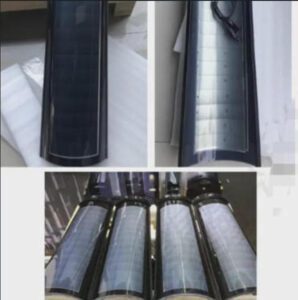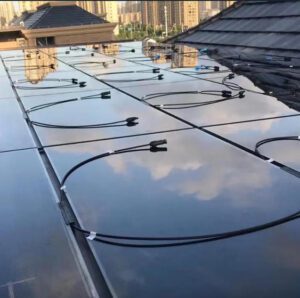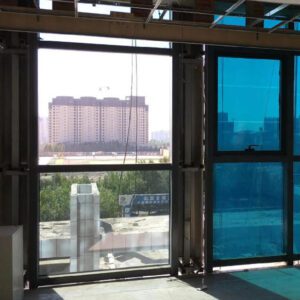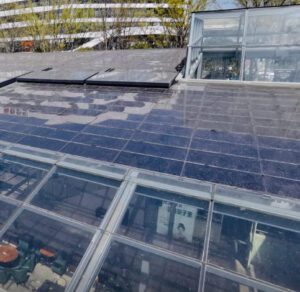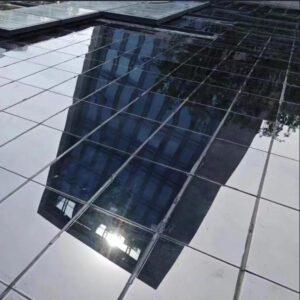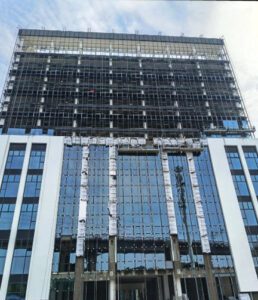
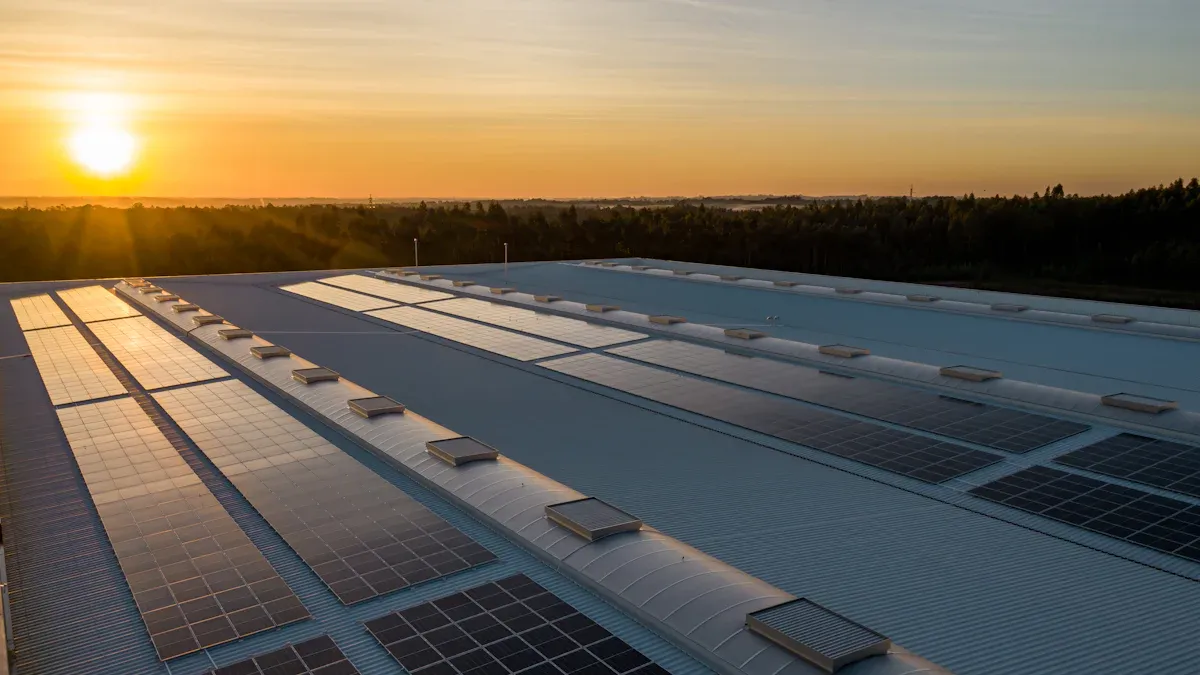
If you want to know the price of integrated photovoltaics, you will often see numbers like $79–$138.50 per square foot or 200–625€ per square meter. You can check the table below for a quick look at the latest costs:
| Cost Type | Price Range (per m²) | Price Range (per ft²) |
|---|---|---|
| Average Installation Cost | USD 244.20 | N/A |
| BIPV Glass Module (Europe) | 120–250€ | N/A |
| General BIPV Cost Range | 200–625€ | N/A |
You will pay about 10–15% more than traditional BAPV. Most of your budget goes to modules, which make up the largest cost. If you want to make smart choices, you need to think about both the upfront price and how long it takes to earn your money back. Jia Mao Bipv helps you understand these costs.
要点
- Integrated photovoltaics cost more at first than regular materials. But they can help you save money later by making energy.
- It is important to know about hardware and soft costs when planning your budget. Hardware costs are between 43% and 77% of the total cost. Soft costs can also add a lot to the price.
- BIPV systems give you energy and building materials at the same time. This means you do not need extra roofing or cladding. You can save money overall.
- You need to do regular maintenance. This helps the system work well and last longer. It can save you money over time.
- Use financial incentives and rebates for BIPV installations. These can lower your starting costs and help you get more money back.
Integrated Photovoltaics Cost Breakdown
When you know how much integrated photovoltaics cost, you can plan better. Each part of the system adds to the total price. Knowing where your money goes helps you make smart choices.
Hardware Costs
Hardware costs are the biggest part of your spending. The modules take up about 43–77% of the total cost. You also need inverters, batteries, and other BOS parts. Here is a table with common hardware prices:
| Component | 価格帯 |
|---|---|
| BIPV Glass-Glass Module | €120 – €250 per m² |
| Standard Glass-Glass Module | €95 per m² |
| Customised BIPV Module | Up to €380 per m² |
| Inverter (Central) | €0.13/W |
| Inverter (String) | €0.17/W |
| Inverter (Micro) | €0.35/W |
| Lithium-Ion Battery | €534/kWh |
| Other BOS Components | Varies based on installation |
BIPV modules cost more than regular solar panels. Custom modules are even pricier, especially if you want special looks. Inverters change solar power into electricity you can use. You might need to replace string inverters after 10 years. Micro-inverters can last up to 25 years. Replacing inverters can be about 17% of your total cost over time.
Jia Mao Bipv makes many integrated photovoltaics products. They have glass-glass modules and custom options. Their products help your building look good and make clean energy.
Soft Costs
Soft costs are the extra fees that are not for hardware. These include design, engineering, permits, and other charges. Here is a table with common soft costs:
| Soft Cost Category | 説明 |
|---|---|
| Permitting | Costs for getting the right permits for your solar system. |
| Design | Expenses for planning and designing the system to fit your building. |
| Engineering | Fees for making sure the system works safely and efficiently. |
| Labor | Wages for workers who install the system. |
| Supply Chain and Overhead | Costs for managing materials and company operations. |
Soft costs are often higher for integrated photovoltaics than for regular solar panels. This is because you need more design and engineering work. You also pay for extra permits and checks. Jia Mao Bipv often includes these services in their packages. This can help you control costs and avoid surprises.
Tip: Soft costs can be a big part of your budget. Always ask for a quote that lists these costs.
Installation and Labor
Installation and labor costs depend on your system and building. Integrated photovoltaics usually cost more to install than regular solar panels. But they can save money by replacing other building materials. Here is a table with typical installation and material costs per square foot:
| システム・タイプ | Material Cost ($/sq ft) | Installation Cost ($/sq ft) | Total Cost ($/sq ft) |
|---|---|---|---|
| Retrofit Facade Panels | $6-10 | $2-4 | $8-14 |
| Integrated Cladding | $8-12 | $3-5 | $11-17 |
| Prefab Wall Systems | $10-15 | $4-6 | $14-21 |
| Premium BIPV Systems | $12-18 | $5-8 | $17-26 |
Solar shingles or integrated cladding can be faster to install. This can cut labor hours by up to 20%. Integrated photovoltaics give you both a building material and an energy source.
- BIPV systems need less labor than regular roofing and solar panels.
- Regular materials may cost less at first but do not make energy.
Operation and Maintenance
Operation and maintenance costs are things you pay for over time. These include cleaning, checks, and repairs. For a big 10-megawatt system, you might spend about $141,000 each year. This is about 1% of your first investment. Smaller projects can have O&M costs up to 2% of the starting cost.
For homes, you might pay $0.01 to $0.04 per kilowatt-hour for upkeep. Cleaning each year can cost from $300 to $1,320. The price depends on how often you clean.
- Maintenance adds $0.01–$0.04 per kWh to your energy bill.
- Cleaning and checks keep your system working well and help you find problems early.
Note: Regular maintenance helps your system last longer and work better.
Integrated photovoltaics usually cost 10–15% more at first than BAPV. But you save money over time and get two uses from one product.
Integrated Photovoltaics vs. Traditional Materials
Upfront Cost Comparison
Integrated photovoltaics usually cost more at the start than regular building materials. You pay for the energy system and the outside of the building together. The table below shows how much you might spend for each square foot before and after getting incentives:
| 素材タイプ | Cost per Square Foot (Before ITC) | Cost per Square Foot (After ITC) |
|---|---|---|
| eFacade LITE | $79 | $55.30 |
| eFacade | $138.50 | $96.95 |
| Brick | $12 – $35 | N/A |
| Aluminum Cladding | $30 – $70 | N/A |
| Glass Curtain Wall | $50 – $120 | N/A |
| Fiber Cement Panels | $20 – $50 | N/A |
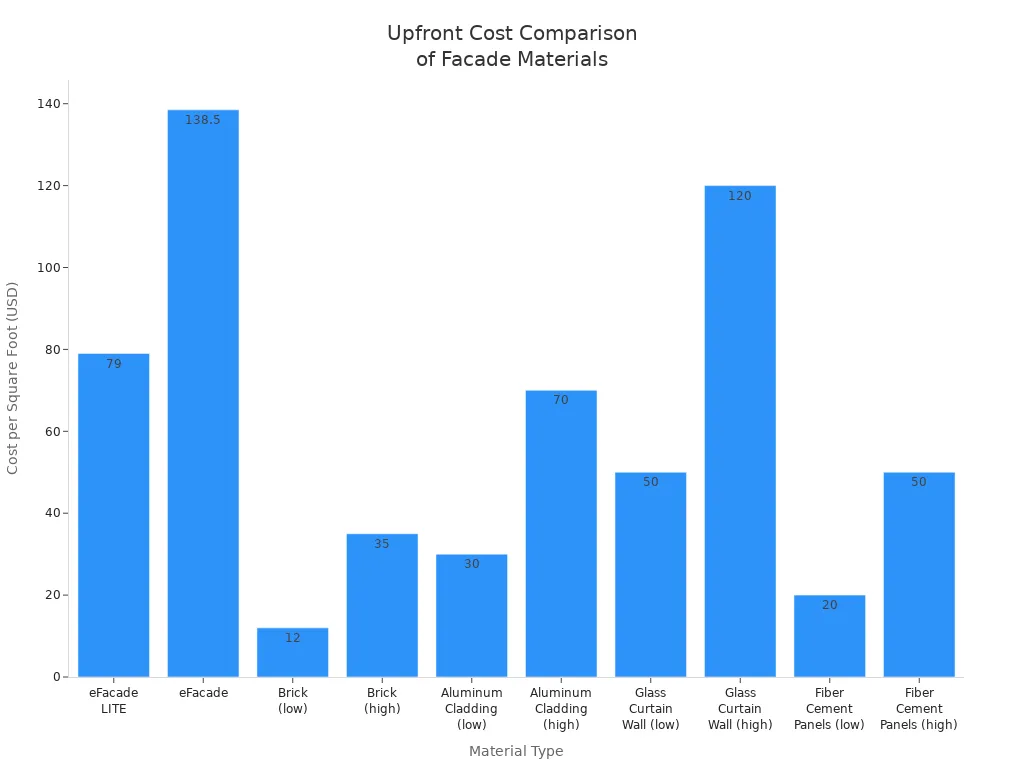
BIPV systems like eFacade cost more than brick or fiber cement panels. Even after incentives, BIPV is still more expensive than most regular materials. If you compare BIPV to BAPV, you pay more for BIPV. For example, BIPV hardware can cost $3,000–$5,000 per kW. BAPV hardware costs $1,000–$2,500 per kW. But BIPV acts as both the building material and the energy system. This means you do not need to buy extra roofing or cladding.
Long-Term Financial Impact
You pay more at first, but integrated photovoltaics can help you save money later. Your building makes its own power, so you use less electricity from the grid. You can also store extra energy for later use. Here is a table that shows the long-term benefits:
| アスペクト | BIPV Benefits | Traditional Materials |
|---|---|---|
| Energy Savings | Self-consumption of generated electricity | Reliance on grid electricity |
| Cost-Effectiveness | Reduced electricity costs through self-consumption | Higher costs from grid electricity |
| Battery Storage Potential | Can store electricity for later use | No storage capability |
BIPV usually pays for itself で 14–18 years. The internal rate of return can be 5.3%–5.9%. When you compare BIPV to BAPV, BIPV can have an IRR of 13%–28%. BAPV is around 7%–9%. You also get help from energy incentives and lower bills. Jia Mao Bipv can help you plan for these savings.
Note: BIPV is best if you want a new facade or roof and solar power. If you only want to save money right away, regular materials might be better.
Lifecycle and Replacement
Integrated photovoltaics last a long time. Most BIPV modules work for 25–30 years. This is longer than many regular solar panels, which last 20–25 years. You also save money because you do not need to replace cladding or roofing as often.
| アスペクト | BIPVシステム | 従来のソーラーパネル |
|---|---|---|
| 寿命 | 25-30 years | 20~25年 |
If you want a building that saves energy and lasts a long time, BIPV is a good choice. For simple projects where cost matters most, regular materials may be cheaper. For new buildings or big renovations, BIPV gives you both value and good performance.
Incentives, Savings, and ROI

Financial Incentives
You can get many financial incentives with integrated photovoltaics. Governments in the United States and Europe have programs to help you save money. These programs lower your costs and help you earn more. Here is a table with some common incentives:
| Incentive Type | 説明 |
|---|---|
| Feed-in Tariffs (FiT) | You get paid for every kilowatt-hour your system makes, often at higher rates. |
| Net Metering | You send extra energy to the grid and get credits, which lowers your bill. |
| Solar Renewable Energy Credits (SRECs) | You earn credits for solar energy and can sell them to utilities. |
| California Solar Initiative | You get subsidies or feed-in tariffs for small and medium systems in California. |
| Asset Valuation Increase | Your building value can go up by 15%-30%, making it easier to get green loans. |
More than 50 countries give tax credits and subsidies for integrated photovoltaics. These incentives help you save money and make your project cost less.
Energy Savings
When you use integrated photovoltaics, you can lower your electricity bills a lot. Buildings with these systems save about 16.8% on electricity by using BIPV units instead of Low-E glass. You can also cut your bills by 40-70% compared to regular building materials.
- You save money each month by using your own solar energy.
- You avoid higher electricity prices and get credits for extra energy.
ROI and Payback
You probably want to know how fast you get your money back. For homes, the payback period for integrated photovoltaics is about 14 years. After that, you keep saving for more than 10 years. Over 25 years, you could save $75,000 and make a net profit of $33,000. Commercial buildings can get payback in just 1 to 3 years, depending on the system and energy use.
| 説明 | Amount |
|---|---|
| Eliminated electricity bills | $2,400 |
| Net metering credits | $400 |
| Avoided rate increases | $200 |
| Total annual benefit | $3,000 |
| 25-year savings | $33,000 net profit |
Tip: After you reach payback, you get many years of extra savings. Jia Mao Bipv can help you plan your project for the best return.
Case Examples
Real projects show how integrated photovoltaics work in different buildings. The table below lists average costs for several types:
| Building Type | Average Cost (€/kWp) | Average Cost (€/m2) |
|---|---|---|
| Opaque cold façade | ~7,900 | ~850 |
| Semi-transparent roof-façade | ~5,100 | ~500 |
| External device | ~4,900 | ~500 |
| Opaque tilted roof | ~4,400 | ~600 |
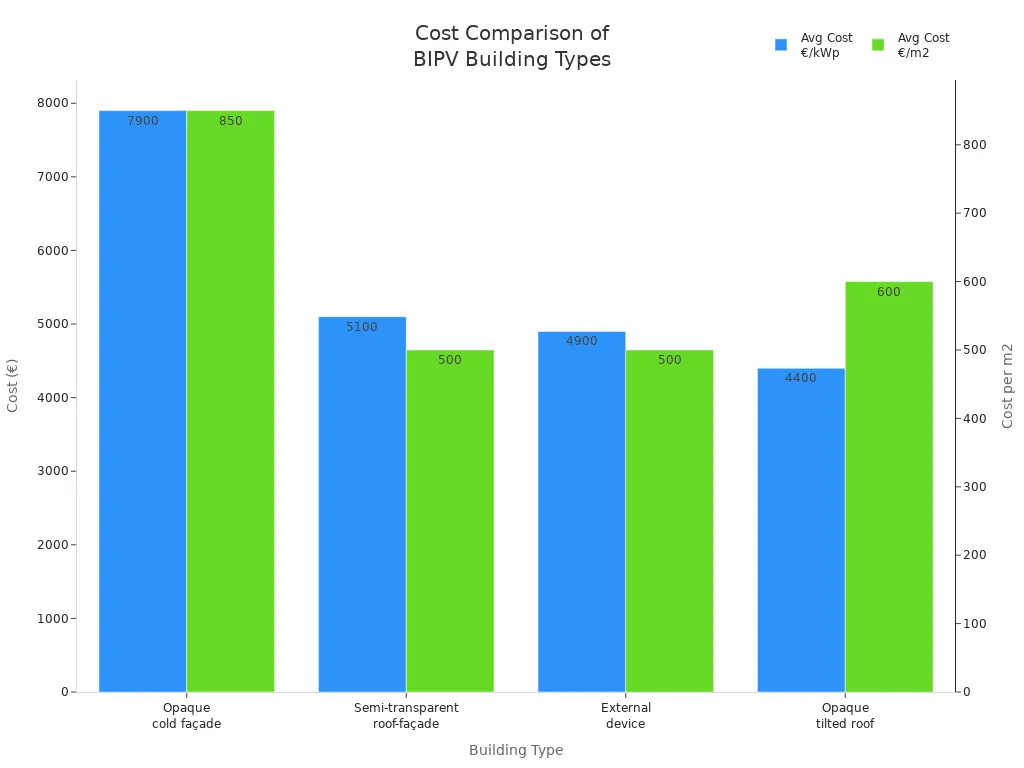
Recent projects show that matching the right design with your money goals helps you avoid spending too much. As solar costs go down, more businesses pick integrated photovoltaics to save on energy and make their buildings worth more.
Additional Benefits and Considerations
Sustainability Impact
Integrated photovoltaics can help your building be more eco-friendly. BIPV systems help you get points for green building awards like LEED and BREEAM. The table below shows how BIPV helps with these scores:
| Category | Points Available | Contribution of BIPV | Total Points Achieved |
|---|---|---|---|
| Energy and Atmosphere (EA) | Up to 7 | On-site renewable energy credit | 17% of total points for certification |
| Construction Phase | Up to 20 | Additional energy and atmosphere credits | Potentially 88 points for platinum certification |
BIPV makes clean energy right at your building. You use less fossil fuel and make your carbon footprint smaller. Here are some important environmental benefits:
- You make clean energy and lower greenhouse gases.
- You can meet green building rules more easily.
- You help your area become cleaner.
Jia Mao Bipv has products that help you reach your green goals and get better certifications.
規制遵守
You have to follow many rules when you put in integrated photovoltaics. There is not just one standard for BIPV, so you must meet different codes and certifications. The table below lists the main rules:
| Key Regulatory Requirements | 説明 |
|---|---|
| Lack of Singular Standards | No single BIPV standard; must use several existing certifications. |
| Compliance with Building Codes | Must meet UL, California CEC, and ASTM standards for safety and performance. |
| Aesthetic Integration | Must balance looks with energy performance, adding complexity. |
Building codes can change your costs and design. For example:
- The 2015 IECC lets you use solar to meet energy rules, which can save money.
- The 2018 IECC asks for more insulation if you use on-site renewables, which can cost more.
- The Energy Rating Index (ERI) lets you use BIPV to lower energy use.
BIPV gives you more value because it can insulate and make power at once. But you might pay more at first and need help from experts like Jia Mao Bipv to follow all the rules.
Design Flexibility
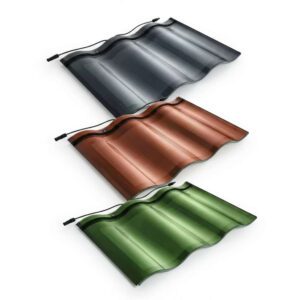
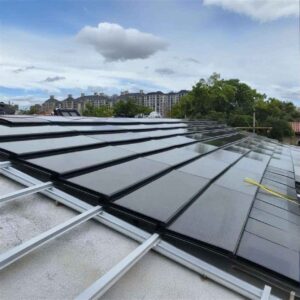
BIPV lets you pick more styles than regular solar panels. You can use solar roof tiles, windows, or facades. These systems fit into your building’s look and do not stick out like normal panels. You can change:
- Shape, size, and thickness
- Color, transparency, and finishes
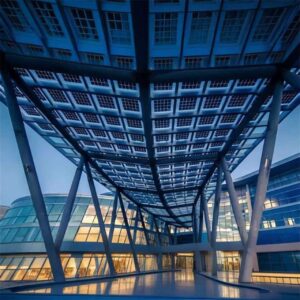
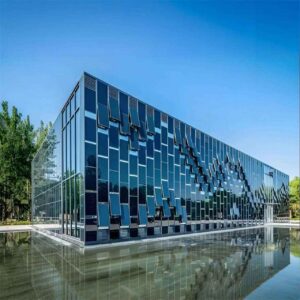
BIPV goes right into your building’s facade, not just on top. This helps architects make special designs and still get clean energy. You may need special skills to install, but companies like Jia Mao Bipv can help you choose the best option.
Tip: With BIPV, you do not have to pick between looks and performance. You can have both.
You should choose integrated photovoltaics when you want long-term savings and a modern look. BIPV costs more at first, but you can save money over time. Payback can happen in 14–18 years, with strong ROI.
- Compare upfront costs and future benefits.
- Ask Jia Mao Bipv for a professional assessment.
- Check local rules and incentives.
Tip: Start by getting a quote and reviewing your building’s needs. This helps you make the best choice for your project.
よくあるご質問
What is building integrated photovoltaics (BIPV)?
BIPV means solar panels become part of your building, like the roof or walls. You get both a building material and a way to make clean energy.
How long does a BIPV system last?
Most BIPV systems last 25 to 30 years. You can expect strong performance for many years with regular care and cleaning.
Can BIPV work in cloudy or cold places?
Yes, BIPV still makes energy on cloudy days or in cold weather. You may get less power, but your system will keep working.
Who can help me choose the right BIPV system?
Jia Mao Bipv can guide you. Their team helps you pick the best system for your building and budget.