Commercial Solar Panel Companies: Core Services, Project Types, and Who Benefits Most
Electricity bills keep going up, and businesses feel it. In Pennsylvania, for example, SEIA and Wood Mackenzie report that commercial solar growth in early 2026 was driven mainly by businesses trying to get ahead of rising retail rates. For many companies, solar power has moved from a green gesture to a line item on the cost-control plan.
For the people who build and design commercial buildings, going solar is about more than the environment. It’s a business decision. Roofing and curtain wall contractors, PV EPCs, energy service providers, material distributors, and architects all have to choose who to partner with, which projects to bid, and how to share the risk.
This is where commercial solar panel companies come in. A commercial solar panel company designs, supplies, installs, finances, or maintains solar systems for businesses, not homes. Some do all of these. Others focus on one piece, such as modules, BIPV glass, or long-term maintenance.
This guide covers three things: the core services these companies provide, the project types they typically take on, and which stakeholders benefit most, with practical detail for each.
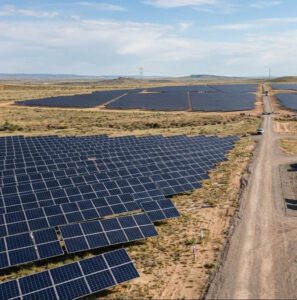
Quick definition: A commercial solar panel company provides solar energy solutions for business, industrial, and public buildings. Services usually include site assessment, system design, equipment supply, installation, financing, monitoring, and maintenance. Projects range from rooftop arrays and ground mounts to solar carports and building-integrated photovoltaic (BIPV) curtain walls.
Key Terms Before We Start
| Term | Plain-English Meaning | Quick Example |
|---|---|---|
| EPC | Engineering, Procurement, and Construction. One firm designs, buys, and builds the system | An EPC delivers a 500 kW warehouse roof from start to finish |
| BIPV | Building-Integrated Photovoltaics. Solar that is the building material | Solar glass used as the curtain wall itself |
| BAPV | Building-Applied Photovoltaics. Solar mounted onto an existing building | Racked panels on a finished flat roof |
| kWp / Wdc | Rated system power under lab conditions (DC) | A 500 kWp system at $1.67/Wdc costs about $835,000 |
| PPA | Power Purchase Agreement. A third party owns the system and you pay for the power it produces | Paying $0.10/kWh instead of the $0.14/kWh utility rate |
| O&M | Operations and Maintenance | Inspections, cleaning, inverter repairs |
| PTO | Permission to Operate. The utility’s final approval to switch on | Issued after the final utility inspection |
Core Services of Commercial Solar Panel Companies
Commercial solar panel companies offer a set of services that cover what different businesses need. The strongest firms treat these services as one connected chain, because a mistake at step one shows up as a cost at step six.
The Six Core Services
1. Site assessment. Engineers check roof condition, structural capacity, shading, electrical service size, and the utility tariff. A tariff is the rate structure the utility bills under. A shading study based on satellite images alone often misses rooftop HVAC units and parapets.
2. System design. The designer turns the site data into module layouts, string wiring, inverter sizing, and structural attachment details. For U.S. projects, electrical design follows NEC Article 690, and structural loads follow ASCE 7.
3. Equipment supply and procurement. This means sourcing modules, inverters, racking, and cables. For BIPV projects it also means custom glass sizes, colors, and transparency levels, which can take 8 to 14 weeks to produce.
4. Installation and commissioning. Crews install the system, pass inspections, and test performance before handover. Commissioning should include string-level testing, not just switching the inverter on.
5. Financing. Options include cash purchase, loans, leases, PPAs, and tax credit structuring.
6. Monitoring and maintenance. Remote monitoring flags underperforming strings. Scheduled O&M keeps output close to the modeled numbers.
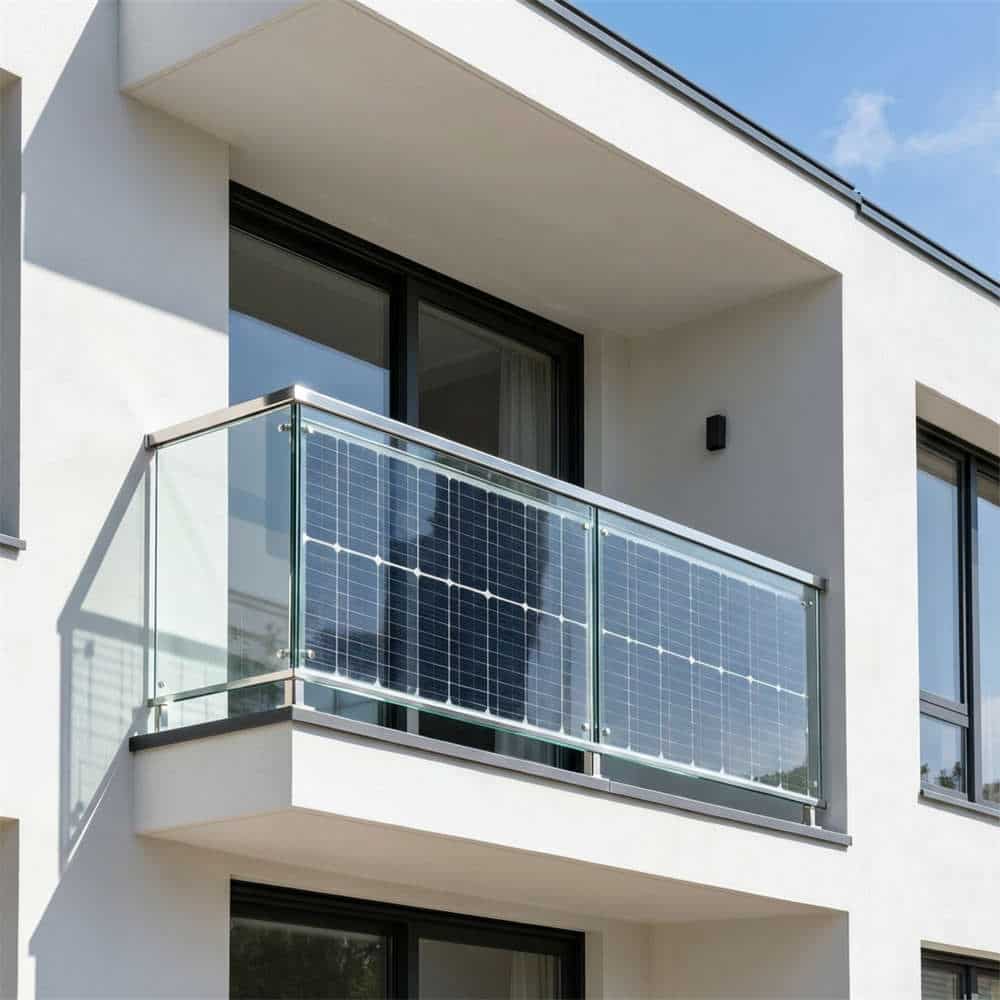
Service Scope by Provider Type
Not every company provides every service. This table helps you work out who to call for what.
| Service | Full-Service EPC | Module / BIPV Manufacturer | Installer-Only Firm | O&M Specialist |
|---|---|---|---|---|
| Site assessment | ✅ | Technical support | Sometimes | ❌ |
| System design | ✅ | Product data, BIM files, load data | Basic | ❌ |
| Equipment supply | ✅ | ✅ | Often client-supplied | ❌ |
| Installation | ✅ | Site guidance | ✅ | ❌ |
| Financing | Often | Rarely | Rarely | ❌ |
| Monitoring and O&M | Often | Warranty support | Sometimes | ✅ |
Why a Connected Service Chain Matters
Industry insight: Module prices keep falling, but installed commercial prices haven’t followed. In Q1 2026, the SEIA and Wood Mackenzie Solar Market Insight report found that commercial module prices dropped to $0.34/Wdc, yet the average commercial system price rose 4% to $1.67/Wdc. Electrical and structural balance-of-system equipment costs jumped about 60% year over year, driven partly by metal tariffs.
What this means in practice: the panel is now the cheap part. The margin is won or lost in design, racking, wiring, labor, and permitting, which are all service-side skills.
Source: SEIA/Wood Mackenzie Q2 2026 report (Q1 2026 data). The chart splits the price into modules versus everything else and rounds the shares.
For a step-by-step view of how these services connect on a real project, see our solar EPC process guide from concept to power.
Common Project Types
Commercial solar projects come in several types, and each has its own design rules, risks, and best-fit buildings.
The Main Project Types Compared
| Project Type | Best-Fit Sites | Main Advantage | Main Watch-Out |
|---|---|---|---|
| Rooftop (flat, ballasted or attached) | Warehouses, factories, big-box retail | Lowest cost per watt; uses space that already exists | Roof age and structural capacity |
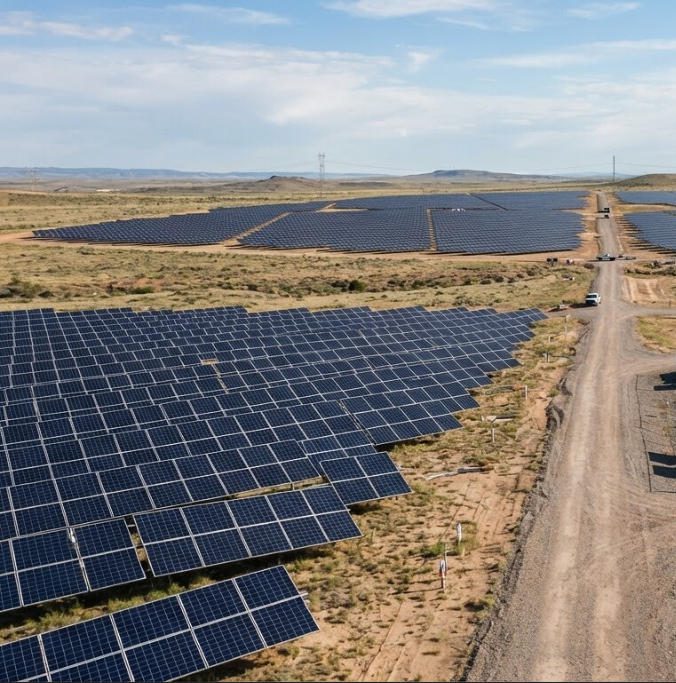
| Ground-mounted | Campuses, industrial parks, farms | Best orientation and easy maintenance access | Land use, trenching, permitting |
| Solar carports / parking canopies | Offices, malls, hospitals, dealerships | Shade for cars plus power and EV charging | Higher steel and foundation cost |
| BIPV curtain wall and facade | High-rise offices, HQs, mixed-use towers | Replaces glazing or cladding and generates power | Lower yield on vertical glass; early design coordination needed |
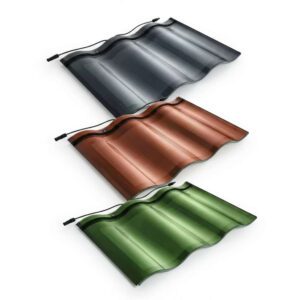
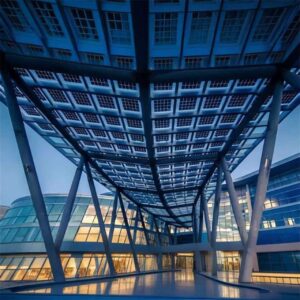
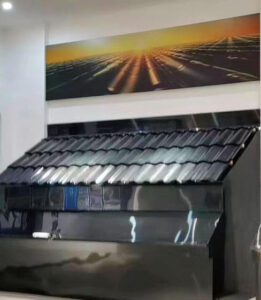
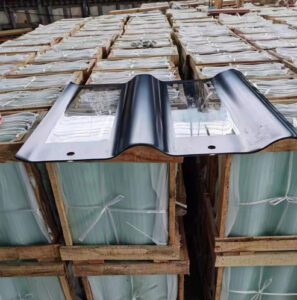
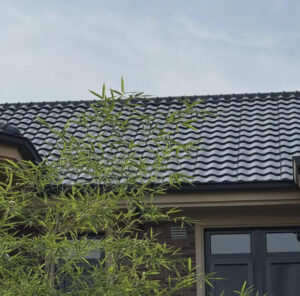
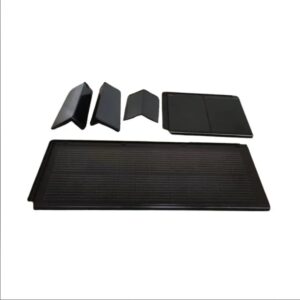
| BIPV skylights, canopies, roof tiles | Atriums, stations, heritage-zone buildings | Daylight plus power; strong design value | Custom lead times |
Rooftop Systems: The Workhorse
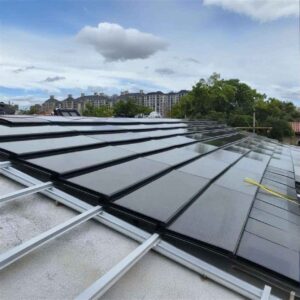
Most commercial solar still goes on roofs. Before anything else, check the remaining life of the roof. If the roof has 8 years left and the solar array is warranted for 25, the client will pay to remove and reinstall the array partway through its life.
Industry insight: Good EPCs price a re-roof option into the proposal instead of hiding the problem. Clients remember the contractor who flagged it early.
Solar Carports: Parking Lots That Pay Back
Carports turn asphalt into a power plant and give tenants and customers shade. They also pair naturally with EV chargers and batteries. Jia Mao Bipv’s smart PV energy storage parking shed combines the canopy, generation, and storage in one structure, which cuts down on the number of trades that have to coordinate on site.
BIPV Curtain Walls and Facades: Where Solar Meets Architecture
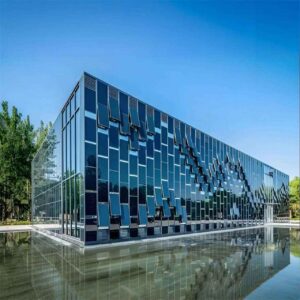
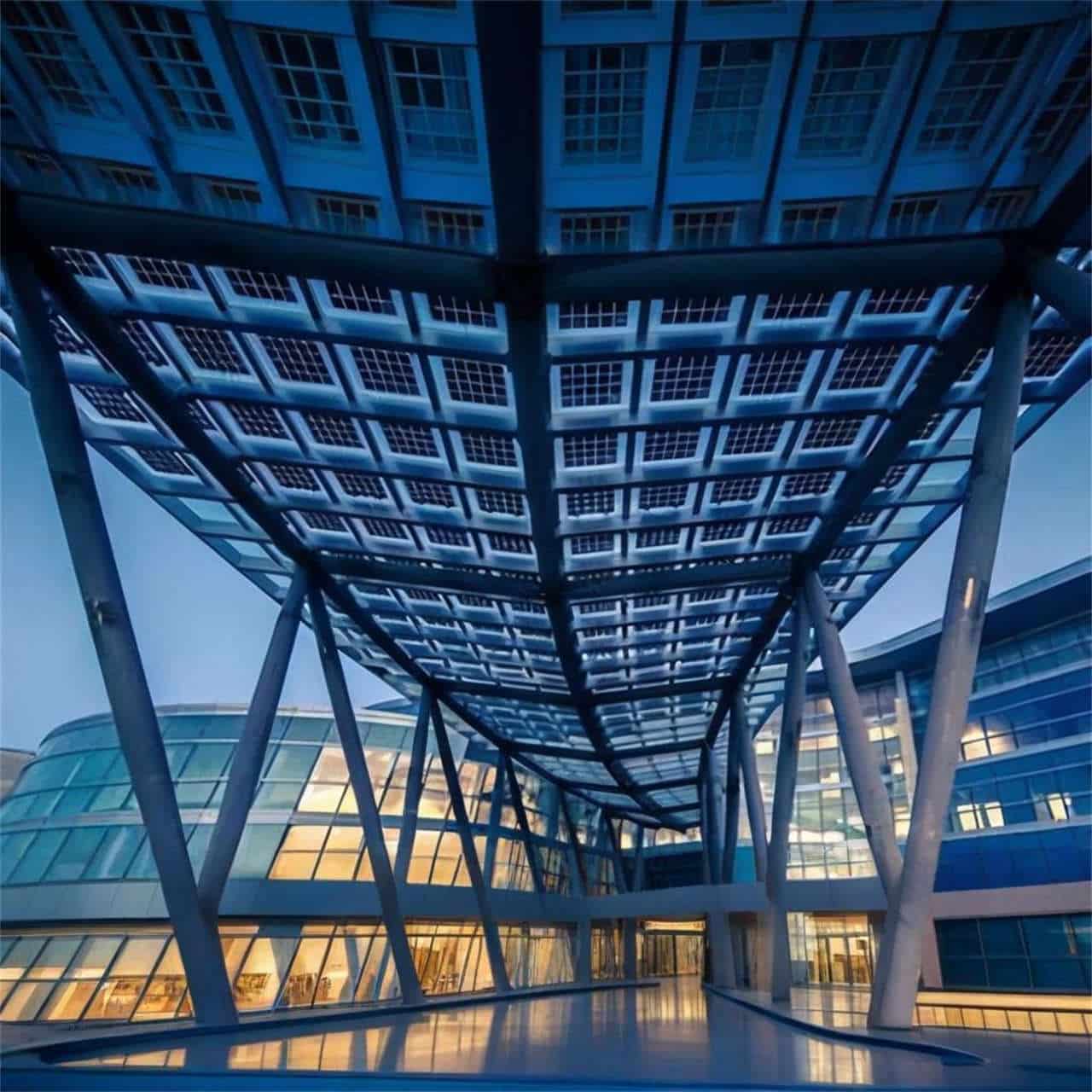
On tall buildings the roof is small compared with the floor area, so the facade is where the real surface area is. BIPV curtain wall replaces conventional glass with photovoltaic glass that still meets structural, thermal, and fire requirements.
Vertical glass produces less energy per square meter than a tilted roof panel. The economics still work because the BIPV glass replaces a cladding budget the owner was going to spend anyway. You’re paying the difference between the two products, not the full cost of a separate solar system.
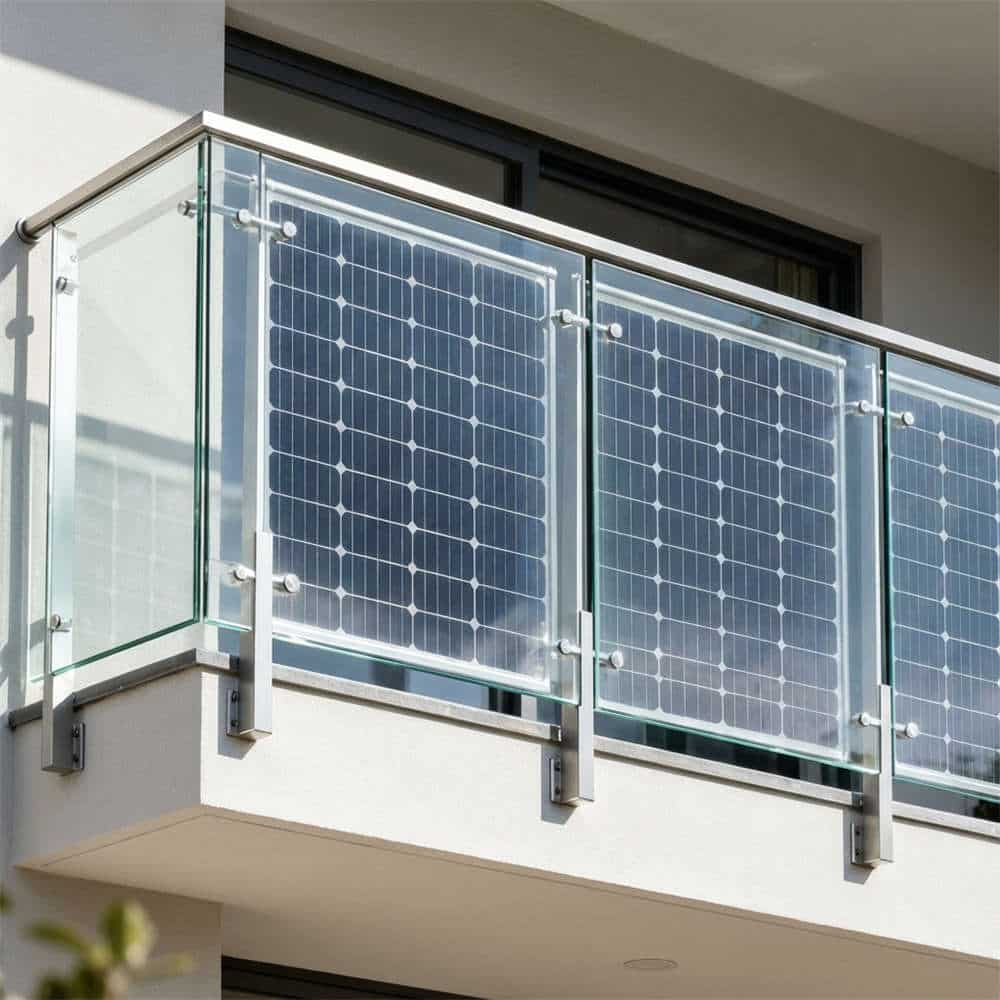
A real-world reference is Jia Mao Bipv’s 5,000 kW BIPV commercial building project in Chongqing, where solar was built into the envelope of a commercial complex in a dense hillside city. To explore how facades, roofs, and canopies each contribute, read about the three main types of BIPV solar energy systems.
Worked Example: 500 kWp Rooftop Project
This is an illustrative calculation. Use PVsyst or the free NREL PVWatts calculator for real sites.
| Saisie | Value |
|---|---|
| System size | 500 kWp |
| Installed price (SEIA Q1 2026 average) | $1.67/Wdc → about $835,000 |
| Specific yield | 1,300 kWh/kWp/year |
| Annual generation | about 650,000 kWh |
| Value at $0.14/kWh | about $91,000/year |
| Simple payback, no tax credit | about 9.2 years |
| Simple payback, if 30% federal credit applies | about 6.4 years |
Who Benefits Most
Several groups of stakeholders get real value from what commercial solar panel companies offer. What each one gains is different, so it helps to be specific.
Benefits by Stakeholder
| Stakeholder | Main Pain Point | What a Good Solar Partner Solves |
|---|---|---|
| Curtain wall / roofing general contractors | Losing bids to firms that offer “energy-generating” envelopes | Adds BIPV scope and a higher-value bid without building a new electrical department |
| Specialized contractors (glazing, metal roofing) | Unclear interface between waterproofing and electrical work | Matched flashing kits, shop drawings, and clear responsibility lines |
| PV EPCs / energy service providers | Rising BOS costs and output guarantees | Reliable supply, certified product data, and yield figures they can guarantee |
| Building material brands / distributors | Commodity price wars | A technical product category where support earns the margin |
| Architects / consultants / design institutes | Solar that fights the design | Custom sizes, colors, and transparency, plus BIM files and load data |
Contractors: New Scope, Higher Bid Value
A curtain wall contractor who can deliver PV glass with the electrical interfaces already coordinated competes in a much smaller field. Unitized BIPV panels arrive with junction boxes and cable routing planned at the factory, which cuts out much of the on-site guesswork.
Industry insight: The first BIPV project is where contractors lose money, usually on wiring routes through mullions that nobody drew. Ask your supplier for electrical connection details in the BIM family before you price the job.
EPCs and Energy Service Providers: Predictable Performance
An energy service provider who signs a savings agreement needs yield numbers they can defend. Certified data (IEC 61215 for durability, IEC 61730 for safety, IEC 63092 for BIPV building functions) makes those guarantees safer. For practical tactics, see how EPC teams optimize photovoltaic glass projects.
Distributors and Material Brands: Selling on Expertise
Distributors who stock BIPV glass along with compatible framing and accessories become the one-stop source for glazing contractors. Technical support, meaning spec sheets, certificates, and quick answers to questions, is what keeps those accounts coming back.
Architects: Design Freedom Without Losing Energy
Architects want solar that works with the design. Options such as colored, semi-transparent, and patterned glass let the facade still look like architecture. For a sense of what’s possible on glazing, look at how solar windows cut HVAC load and generate power.
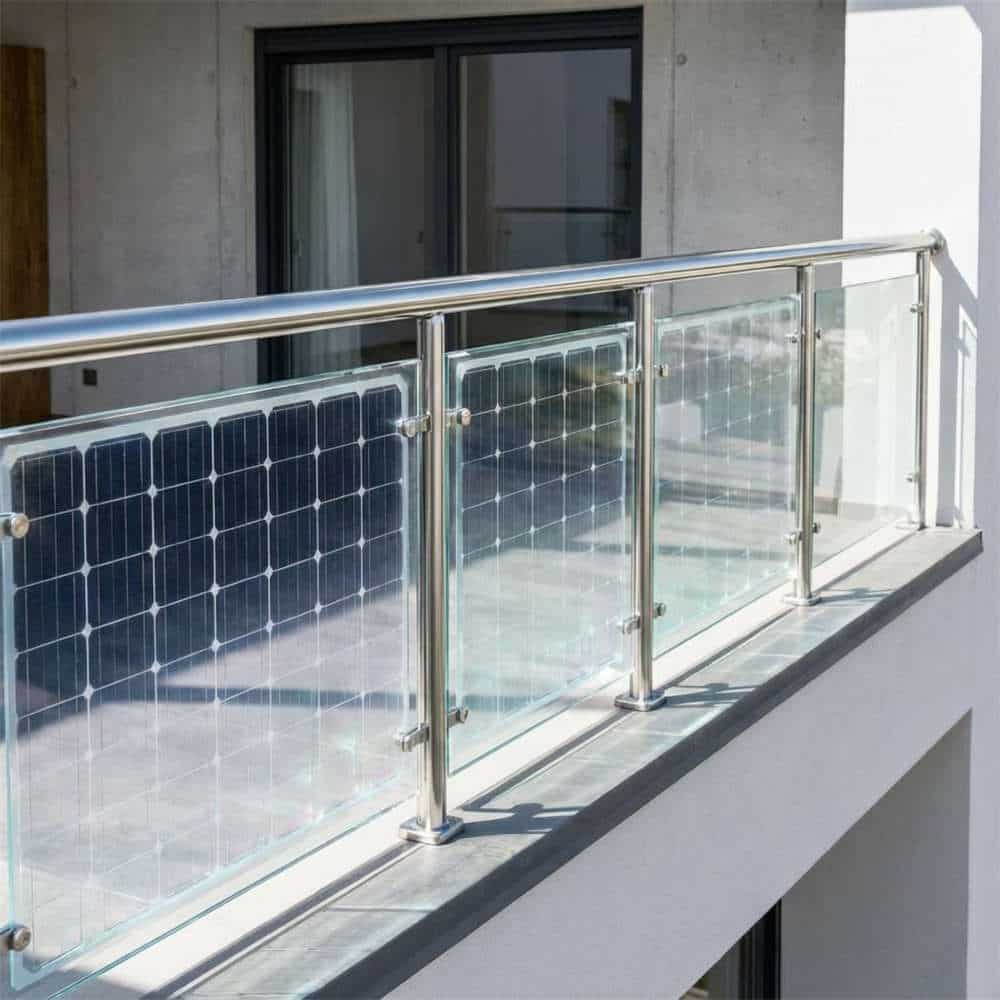
How Jia Mao Bipv Supports Each Group
Jia Mao Bipv runs 3 GW of annual production capacity on automated lines with MES traceability, so each panel can be traced back through its production record. When a single facade panel needs replacing in year 12, that record is what lets you match the color and electrical rating. Products carry IEC 63092-1, IEC 61215, and IEC 61730 certification. The tempered PV glass is rated to 4.0 kPa wind pressure and meets B1-grade flame retardancy. These are the documents permit reviewers and facade consultants actually ask for.
Counterargument: “The Upfront Cost Is Too High”
The Opposing View
Critics have a point. Even at $1.67/Wdc, a mid-size commercial system can cost close to a million dollars. For a business with tight cash flow, that’s a big capital decision. Changing U.S. tax credit rules add more uncertainty.
The Rebuttal
Most commercial solar companies no longer expect clients to pay cash. Financing and incentives can bring the upfront cost down a lot, sometimes to zero.
| Financing Option | Coût initial | Who Owns the System | Best For |
|---|---|---|---|
| Cash purchase | High | Business | Strong balance sheets; highest lifetime return |
| Solar loan | Low to none | Business | Keeping the tax benefits while spreading payments |
| Lease | None | Third party | Predictable fixed monthly payments |
| PPA | None | Third party | Paying only for the kWh the system produces |
| Energy savings agreement (ESA) | None | Energy service provider | Shared savings with performance guarantees |
In the U.S., commercial solar can qualify for the Clean Electricity Investment Credit (Section 48E), worth up to 30% or more with bonus adders. The 2025 federal tax law shortened the solar timeline. Projects that began construction by July 4, 2026, keep a longer window. Newer projects generally need to be placed in service by the end of 2027. Tax-exempt organizations and some other entities may use elective pay and transferability to turn credits into cash. State and utility programs are listed in the DSIRE incentives database.
Illustrative figures based on the worked example above. With a PPA the client pays nothing upfront, so there is no payback period. Savings start on day one if the PPA rate is below the utility rate.
Note: This is general information, not tax or financial advice. Check eligibility with a qualified tax advisor.
Watch: How a Commercial Solar Installation Comes Together
This walkthrough covers the commercial solar process from setup to power-up. It’s useful for briefing clients or new project staff.
https://www.youtube.com/watch?v=2c3QHuF6HWY
Commercial solar panel companies help businesses reach their energy goals by matching services and project types to each building and each client. The best partners don’t just sell panels. They link site assessment, design, supply, installation, financing, and O&M into one accountable chain.
That matters more now, when modules are cheap and everything around them isn’t. As the market changes, businesses that use solar well gain on two fronts: lower operating costs, and a stronger sustainability position that tenants, investors, and tender panels now score.
For contractors, the opportunity is higher-value envelope scope. For EPCs, it’s performance they can guarantee. For distributors, it’s a category where expertise earns the margin. For architects, it’s energy that fits the design.
If you’re planning a rooftop, carport, or BIPV facade project, browse the Jia Mao Bipv BIPV module range, compare the leading commercial solar panel brands for 2026, or send your drawings to the Jia Mao Bipv engineering team for a load check, yield estimate, and lead-time quote.

Glossary of Advanced Terms
| Term | Definition | Example in Practice |
|---|---|---|
| Balance of System (BOS) | Everything except the modules: inverters, racking, cables, switchgear | BOS costs rose about 60% in 2026, which lifted system prices |
| Specific yield | Annual kWh produced per kWp installed | 1,300 kWh/kWp in a sunny mid-latitude city |
| Performance Ratio (PR) | Actual output divided by theoretical output | A healthy commercial system runs at a PR of about 0.80 |
| Safe harbor | Starting construction early to lock in tax credit rules | Buying equipment before a deadline |
| MLPE | Module-level power electronics (optimizers or microinverters) | Needed for rapid shutdown under NEC 690.12 |
| Self-consumption | Share of solar power used on site rather than exported | Offices with high daytime loads reach high self-consumption |
FAQs
1. What are the initial steps for a business to adopt solar energy?
Start with 12 months of utility bills and a roof or site condition review. Then request a feasibility study covering structure, shading, tariff, and incentives. A good commercial solar company returns a system size, yield estimate, and financing comparison within a few weeks.
2. How can commercial solar panel systems be customized for unique building designs?
Through BIPV products such as custom-sized PV glass, colored or semi-transparent modules, solar roof tiles, and curved thin-film panels. Manufacturers that supply BIM files and structural data make custom layouts much easier to coordinate.
3. What financing options are available for businesses looking to install solar panels?
The main options are cash purchase, solar loans, leases, power purchase agreements (PPAs), and energy savings agreements. PPAs and leases need no upfront capital. Cash and loans let the business keep tax benefits.
4. How does solar energy impact a business’s bottom line?
It replaces grid electricity bought at retail rates, reduces exposure to future rate increases, may lower demand charges, and can raise property value. A well-designed 500 kWp system can save around $90,000 a year at $0.14/kWh.
5. What maintenance is required for commercial solar systems?
Remote performance monitoring, annual electrical and mechanical inspections, periodic cleaning, inverter servicing, and checks on roof penetrations or facade seals. BIPV systems also need envelope inspections along with electrical checks.
6. How do solar panel installations affect building aesthetics?
Racked panels are visible on roofs. BIPV options such as solar glass curtain walls, skylights, and roof tiles become part of the architecture. Custom colors and transparency levels let architects keep the design intent.
7. What are the environmental benefits of switching to solar energy?
Solar produces zero-emission electricity on site, cuts grid demand at daytime peaks, supports green building certifications such as LEED and BREEAM, and strengthens ESG reporting. BIPV also avoids some conventional material use because the solar product replaces cladding or roofing.
8. How can businesses measure the performance of their solar systems?
Use the monitoring platform to compare actual kWh with the modeled (P50) output, and track performance ratio (PR) over time. A PR that keeps dropping below about 0.75 is a signal to inspect the system.
9. What incentives or rebates are available for solar panel installations?
In the U.S., the Section 48E clean electricity investment credit may apply, subject to the 2025 law’s tighter timelines, along with state programs and utility rebates listed on DSIRE. Other countries offer feed-in tariffs, grants, or green building incentives.
10. How long does it take to see a return on investment from solar installations?
Commercial systems typically pay back in about 5 to 10 years, depending on electricity prices, sunlight, incentives, and financing. PPAs can deliver savings from the first month with no upfront cost.
11. What are the common challenges businesses face during solar installations?
The usual ones are structural limits on older roofs, long utility interconnection queues, permit rework, supply lead times for custom BIPV products, and unclear responsibility between roofing, glazing, and electrical trades.
12. How do commercial solar companies ensure compliance with local regulations?
They design to the locally adopted electrical, building, and fire codes, submit complete permit packages, use certified equipment (IEC or UL listed), hold pre-application meetings with authorities, and keep commissioning records for inspectors and utilities.