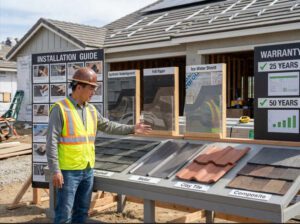
Commercial Solar Roof Tiles Maintenance: A Practical Guide for Facility Teams
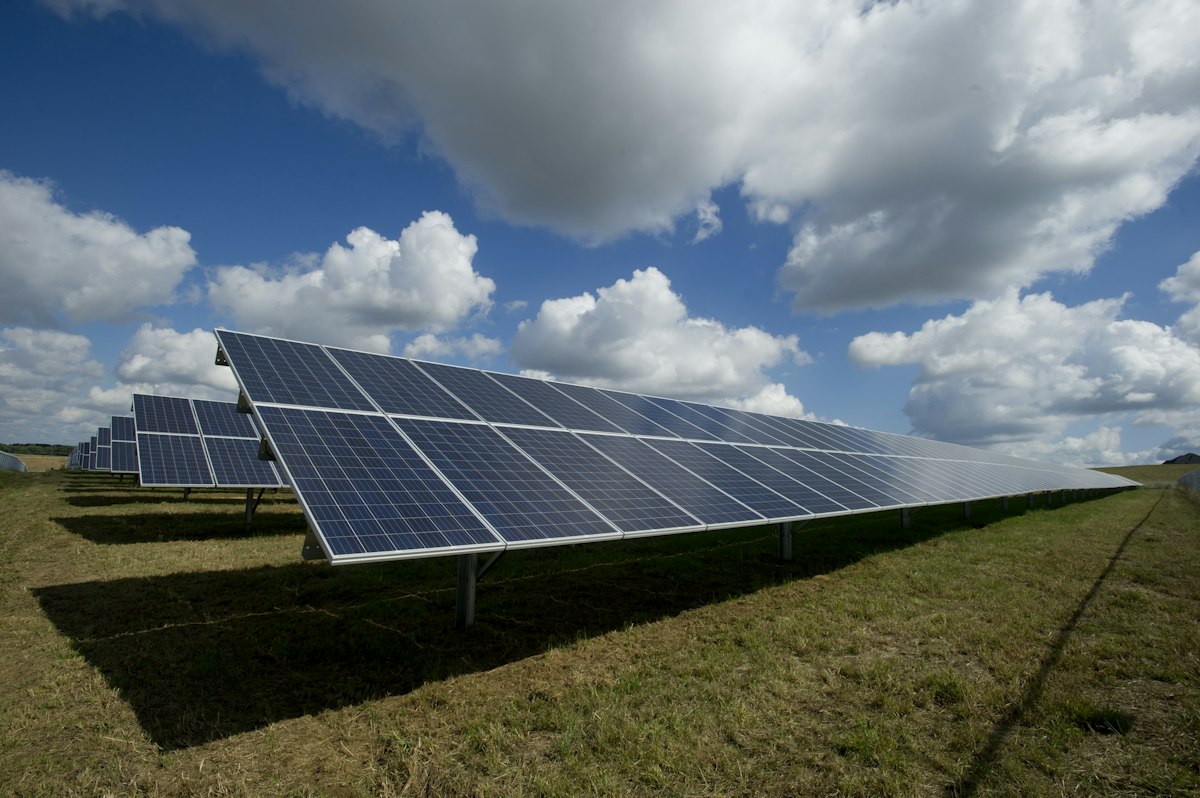
Solar on commercial buildings has stopped being a green add-on. A solar roof is now a working part of the building. It keeps out rain, carries wind load, and produces power that shows up on the utility bill every month.
That changes who owns the problem when something goes wrong. With a racked panel array, a failed module is an energy issue. With tuiles solaires, a cracked tile can be an energy issue and a leak at the same time.
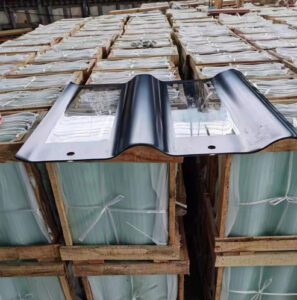
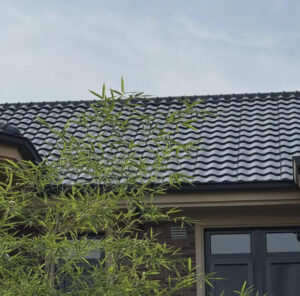
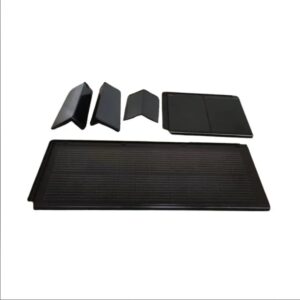
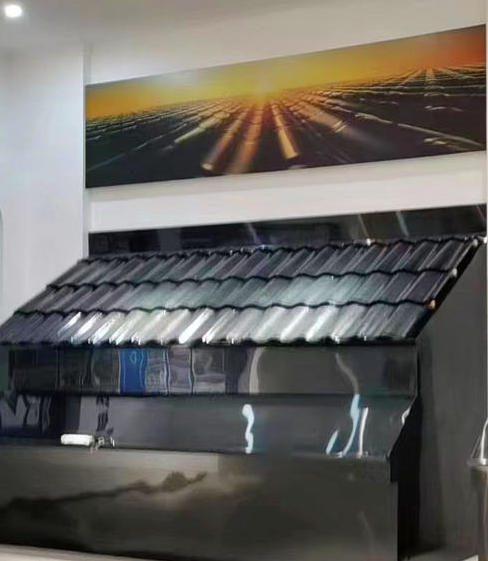
Solar roof tiles (also called BIPV roof tiles) are roofing units with photovoltaic cells built in. BIPV stands for Building-Integrated Photovoltaics, which means the solar part is the building material instead of being bolted on top of it. To see how these systems are built, read this overview of how roof-integrated solar tiles work.
More commercial projects are using solar roof tiles, so the gap between a roof that performs for 25 years and one that quietly loses 10–15% of its output usually comes down to maintenance.
The core idea of this guide: to get the most performance and life out of commercial solar roof tiles, facility teams need three things. They need a regular inspection routine, a sensible cleaning and monitoring plan, and a clear rule for when to hand the job to a specialist.
Quick Glossary: Terms You’ll See in This Guide
Keep this table handy while you read. Every term is also explained the first time it comes up.
| Term | Plain-English Meaning | Real-World Example |
|---|---|---|
| BIPV | Solar cells built into a building material (roof, facade, glass) | A roof tile that sheds rain and makes electricity |
| Onduleur | The box that turns the DC power from the tiles into AC power the building can use | A string inverter mounted in the roof plant room |
| String | A group of tiles wired in series, like holiday lights | 18 tiles on the east slope feeding one inverter input |
| Soiling | Dirt, dust, pollen, or bird droppings that block sunlight | A logistics warehouse near a highway that gets a grey film |
| Hot spot | One cell heating up because it is shaded, cracked, or faulty | A leaf stuck on one tile showing up bright on a thermal camera |
| Performance Ratio (PR) | Actual output divided by the output expected for the sunlight received | A PR of 0.80 means you get 80% of the theoretical output |
| IV curve test | A test that plots a string’s current against its voltage to find faults | A flat curve that points to a failing bypass diode |
| PID | Potential-Induced Degradation, a power loss caused by voltage stress | Output dropping slowly across a whole string over two years |
| Thermography | Inspection with an infrared camera to find heat problems | A drone flight showing a damaged connector running 25°C hotter |
Part 1: Inspection Routines for Facility Teams
Regular inspections catch problems while they are still small and cheap. A loose connector found in March is a 20-minute fix. Found in August after it has arced and scorched a junction box, it is a shutdown, a replacement, and possibly an insurance claim.
The Recommended Inspection Schedule
A tiered schedule works best. It keeps the frequent checks light and saves the hands-on work for less often.
- Monthly (desk check, 15–30 minutes): Review the monitoring dashboard. Compare each inverter’s output against the others and against last month. Look for any alarms or string that has gone silent.
- Quarterly (walk-around, 1–2 hours): Do a visual check from safe access points. Look for debris, bird nesting, cracked or shifted tiles, and blocked gutters and drainage.
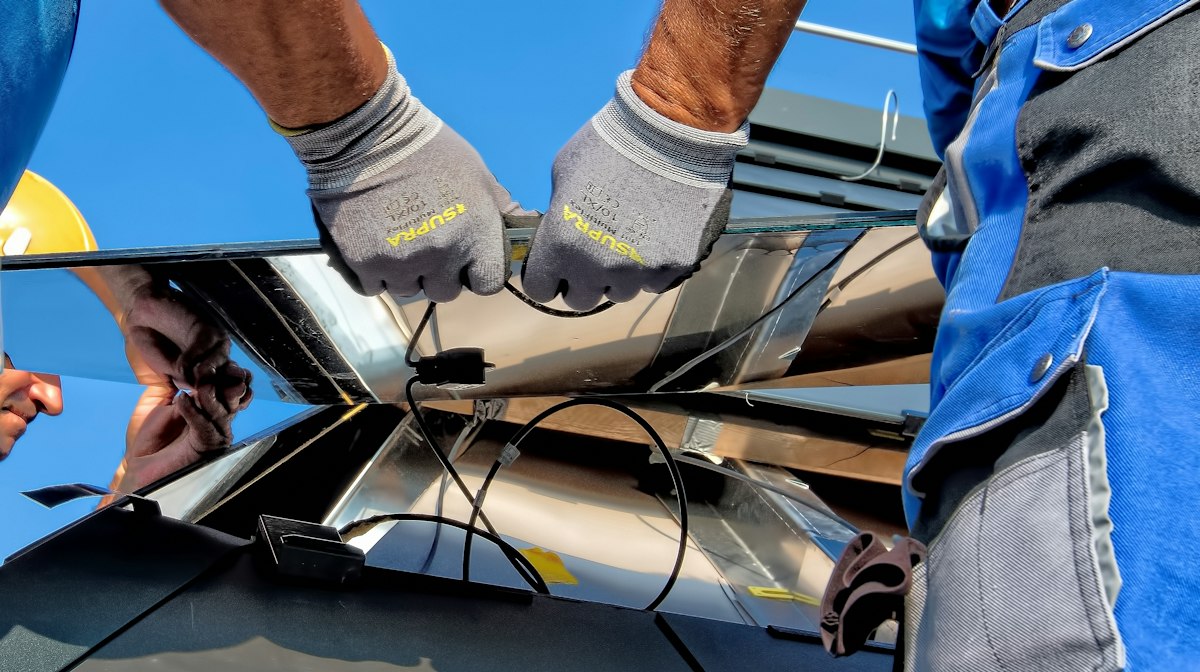
- Annually (hands-on, qualified technician): Check torque on accessible terminals, inspect connectors and cable management, test inverter functionality, run insulation resistance and IV curve tests, and ideally do a thermal scan.
- After any major event: After a hailstorm, high winds, heavy snow, or nearby construction, do an unscheduled visual check within 48 hours.
Facility Team Inspection Checklist (Spreadsheet Format)
You can copy this straight into Excel or Google Sheets and use it as your working log.
| # | Check Item | Frequency | Who | What “Bad” Looks Like | Action if Found |
|---|---|---|---|---|---|
| 1 | Dashboard output vs. last month | Monthly | Facility team | Drop >5% not explained by weather | Flag, check inverter logs |
| 2 | Inverter alarms/error codes | Monthly | Facility team | Any repeat fault code | Log code, call installer |
| 3 | String-level output comparison | Monthly | Facility team | One string 10%+ below siblings | Schedule inspection |
| 4 | Glass surface cracks or chips | Quarterly | Facility team | Spider cracks, edge chips | Photo, mark location, call specialist |
| 5 | Tile alignment and lifting | Quarterly | Facility team | Tiles raised or out of line | Check after wind, call roofer |
| 6 | Debris, leaves, bird nests | Quarterly | Facility team | Build-up at eaves or valleys | Remove safely, add bird guards |
| 7 | Gutters and drainage channels | Quarterly | Facility team | Standing water, overflow | Clear, check for leaks inside |
| 8 | Interior ceiling for stains | Quarterly | Facility team | Water marks under roof area | Treat as urgent leak |
| 9 | Connector and cable condition | Annually | Qualified tech | Discolouration, melting, loose cables | Replace, re-secure |
| 10 | Inverter ventilation and filters | Annually | Qualified tech | Dust-clogged vents, high temps | Clean, confirm airflow |
| 11 | Insulation resistance test | Annually | Qualified tech | Readings below spec | Trace ground fault |
| 12 | Thermal (IR) scan | Annually | Qualified tech | Hot spots >10°C above neighbours | Diagnose cell/diode/connector |
Industry insight: The industry standard that defines inspection and testing for grid-connected PV is IEC 62446-1. If your contractor’s annual report doesn’t follow its test sequence (visual inspection, continuity, polarity, insulation resistance, IV curves), ask why. Many lenders and insurers now ask for reports built on this standard.
Why This Matters
Most problems on a solar roof start small and silent. A lot of them also look fine from the ground. A tiered routine lets the dashboard find the problem and the site visit confirm it, so your team isn’t climbing onto the roof on a guess.
The U.S. Department of Energy’s solar O&M resources for plant operators make the same point. Scheduled, preventive work costs much less over the life of a system than reacting to failures.
Part 2: Cleaning and Performance Monitoring
Clean tiles and good data are the two biggest levers you control for daily energy output. Neither one needs a big budget, but both need discipline.
How Much Does Dirt Really Cost?
Soiling losses depend on where you are. A distribution centre next to a quarry or a busy freight route loses far more than an office campus in a rainy coastal city. The chart below shows typical ranges for a moderately dusty urban-industrial site.
Illustrative ranges. Dry, dusty, or agricultural sites can see losses well above these figures. High-rainfall regions often see less.
On a 300 kW roof producing about 330,000 kWh a year, the gap between “no cleaning” and “twice a year” is roughly 15,000 kWh. At commercial tariffs, that difference usually pays for the cleaning several times over.
Recommended Cleaning Method
- Clean early morning or late afternoon. Cold water on hot glass can cause thermal shock, and fast-drying water leaves spots.
- Rinse first with low-pressure water to lift loose dust.
- Use a soft brush or sponge on an extension pole. Nylon or natural bristle is fine. Wire brushes and scouring pads are not.
- Use deionised or softened water where possible. Hard water leaves mineral film that traps more dirt.
- For stubborn spots such as bird droppings or pollen, use a mild, pH-neutral, non-abrasive cleaner diluted as the tile manufacturer directs.
- Rinse again and let the surface air-dry.
Never use: pressure washers above the manufacturer’s limit, solvents, ammonia or bleach, abrasive powders, or leaf blowers that push grit across the glass.
Frequency: Twice a year suits most commercial sites. Add a clean after pollen season, a dust storm, or nearby demolition.
Tile surface technology matters here too. Jia Mao Bipv uses ultra-clear tempered glass with a self-cleaning coating on its roof tiles. The company reports this cuts maintenance costs by around 30% because rain washes off more of the dirt between scheduled cleans. It won’t replace cleaning entirely, but it can stretch the interval on sites with regular rainfall.
Here is a useful walkthrough from a major module maker on the do’s and don’ts of cleaning:
https://www.youtube.com/watch?v=otodYcexl48
Performance Monitoring: Turning Data into Decisions
Monitoring is how you find out whether cleaning, or anything else, is working. Most commercial systems ship with an inverter-linked platform, either the inverter brand’s cloud portal or a third-party dashboard.
The key metrics to watch:
| Metric | What It Tells You | Healthy Range (Typical) | Red Flag |
|---|---|---|---|
| Performance Ratio (PR) | How well the system turns available sunlight into power | 0.75–0.85 | Falls below 0.70 or drops 5+ points |
| Specific yield (kWh/kWp) | Energy per installed kW, for comparing sites | Matches the design model ±5% | Consistently 10% below model |
| String current balance | Whether all strings are pulling their weight | Within ±3% of each other | One string 10% low |
| Inverter availability | % of daylight hours the inverter is online | >99% | Frequent trips or restarts |
| Before/after cleaning delta | Real value of cleaning at your site | Varies by site | No gain = look for another cause |
Industry insight: The most common mistake we see is facility teams judging output in raw kWh. A cloudy May will always look worse than a sunny May. Ask your installer to set up weather-normalised reporting (PR or expected-vs-actual). That’s the only fair way to tell a system problem from a weather problem.
Part 3: When to Call a Specialist
Knowing where your team’s work ends protects both your people and your warranty. Facility teams are very good at watching, logging, and basic cleaning. Anything electrical, structural, or inside the roof layer belongs with a qualified professional.
Where Energy Losses Usually Come From
Breaking down the tickets on a typical commercial rooftop portfolio shows why many issues need a specialist.
Illustrative breakdown. Actual shares vary by system age, climate, and equipment.
Inverter faults and wiring problems together often make up half of lost energy, and both are specialist work. NREL’s best-practice guide for PV operation and maintenance likewise finds that inverters are the most frequent source of corrective maintenance calls.
Clear Triggers for a Specialist Call
- Output stays low after cleaning. If PR doesn’t recover within a week of a clean, the cause isn’t dirt.
- Repeating inverter error codes. Ground faults, arc faults, and isolation errors need a certified electrician.
- Visible cracked, chipped, or delaminated tiles. Broken glass can expose live parts, and it’s also a roof leak waiting to happen.
- Water stains inside the building under the solar roof area.
- Burn marks, melting, or a hot plastic smell near connectors, junction boxes, or the inverter.
- Tiles lifted or shifted after high wind, which can point to a fixing or batten problem.
- One string running 10%+ below the others for more than two weeks.
- Any work that needs someone on the roof surface without proper fall-protection systems.
Safety note: Walking the roof is often more dangerous than the electrical work. OSHA’s guidance on fall hazards in solar work requires fall protection for work 6 feet or more above a lower level. If your team doesn’t have anchor points, harnesses, and training, keep them at the roof edge, on access platforms, or on the dashboard.
Who Does What: A Simple Split
| Task | Facility Team | Roofing Contractor | Solar/Electrical Specialist |
|---|---|---|---|
| Dashboard review | ✅ | ||
| Debris removal from safe access | ✅ | ||
| Routine cleaning | ✅ (if trained) | ✅ | |
| Gutter and drainage clearing | ✅ | ✅ | |
| Replace a cracked tile | ✅ (with solar partner) | ✅ | |
| Leak diagnosis | ✅ | ||
| Connector/cable repair | ✅ | ||
| Inverter diagnosis and replacement | ✅ | ||
| IV curve, insulation, thermal testing | ✅ |
For curtain wall and roofing contractors taking on BIPV scopes, this split is where the real coordination work happens. A tile swap is both a roofing job and an electrical job. Contracts that name a single accountable party for “solar roof repairs” avoid a lot of finger-pointing. The step-by-step BIPV roof tile installation guide shows how the waterproofing and electrical layers sit together, which helps when you’re writing those scopes.
“But New Systems Don’t Need Maintenance, Right?”
You’ll hear this from owners and sometimes from sales teams: modern solar roof tiles are designed to be low-maintenance, so a new system can be left alone for the first few years.
There is some truth in it. Solar tiles have no moving parts. Good products carry 25-year performance warranties, and year-one degradation is usually small.
But “low-maintenance” doesn’t mean “no maintenance.” Here’s why new systems still need attention:
- Early-life defects show up early. Manufacturing flaws, micro-cracks from transport or handling, and badly crimped connectors tend to appear in the first 12–24 months. That is the same window in which most warranty claims are easiest to win.
- Installation errors are invisible on day one. A string wired with the wrong polarity, or an inverter left on the wrong grid setting, can underperform for months before anyone notices.
- The environment doesn’t care about system age. A hailstorm, a flock of pigeons, or a neighbour’s construction dust affects a one-year-old roof just as much as a ten-year-old one.
- Warranties often require evidence. Many manufacturers and insurers ask for maintenance records and monitoring data before they’ll pay a claim. No log can mean no claim.
The practical takeaway: in the first two years, focus on monitoring and one thorough annual inspection. That catches early defects while the warranty and installer workmanship guarantee are still fully in play.
Bringing It Together
To keep commercial solar roof tiles productive and durable, facility teams need three habits working together. They need thorough inspections, steady cleaning, and timely calls to specialists.
None of these is complicated on its own. What matters is doing them on a schedule and writing down what you find.
Key takeaway: a proactive approach, with the dashboard checked monthly, the roof walked quarterly, cleaning done twice a year, and a qualified specialist in once a year, lets contractors and facility managers protect energy output, roof integrity, and warranty rights in one plan.
If you’re comparing systems for an upcoming project, it helps to understand maintenance trade-offs before you choose. This comparison of solar roof tiles and traditional panels covers access, cleaning, and repair differences. For broader planning across building types, see the BIPV solutions guide for homes and businesses. To talk about specifications, spare-tile stock for your maintenance programme, or project support, contact the Jia Mao team directly.
Questions fréquemment posées
1. How often should solar roof tiles be inspected?
Check the monitoring data monthly, do a visual walk-around quarterly, and have a qualified technician do a hands-on inspection once a year. Add an extra visual check within 48 hours of any hailstorm, high wind, or heavy snowfall.
2. What are the signs that my solar roof tiles need cleaning?
The clearest sign is a slow drop in Performance Ratio (2–5% over several weeks) with no inverter alarms. Visible grey film, pollen build-up, bird droppings, or dirt lines along the lower tile edges are also strong signals.
3. Are there specific cleaning products safe for solar tiles?
Yes. Use clean water (deionised is best), a soft brush or sponge, and if needed a mild, pH-neutral, non-abrasive cleaner diluted as the manufacturer directs. Avoid solvents, ammonia, bleach, abrasive powders, and high-pressure washers. Always check your tile warranty terms first.
4. How can I monitor the performance of my solar roof tiles?
Use the inverter’s cloud platform or a third-party monitoring tool. Track Performance Ratio, specific yield (kWh per kWp), string-level current balance, and inverter uptime. Ask your installer to set up weather-normalised reports and automatic alerts for drops in output.
5. What common issues can arise with solar roof tiles?
The most common are inverter faults, soiling, loose or corroded connectors, cracked glass, hot spots from shading or cell damage, and water getting in around tile joints or flashings. Blocked drainage and bird nesting are frequent secondary causes.
6. How do environmental factors affect solar roof tile performance?
Dust, pollen, and industrial pollution cut light reaching the cells. High heat lowers cell efficiency by about 0.3–0.4% per °C above 25°C for typical monocrystalline cells. Hail and wind can crack or lift tiles, and salty coastal air speeds up connector corrosion.
7. What should I include in a maintenance checklist for solar roof tiles?
Include dashboard output review, inverter alarm logs, string comparison, glass surface condition, tile alignment, debris and nesting, gutters and drainage, interior leak checks, connector condition, inverter ventilation, insulation resistance tests, and an annual thermal scan.
8. When is it appropriate to contact a solar maintenance specialist?
Call a specialist when output stays low after cleaning, inverter error codes repeat, tiles are cracked or lifted, you see burn marks or smell hot plastic, water stains appear indoors, or one string underperforms by 10% or more for over two weeks.
9. Can I handle repairs on my own, or should I always call a professional?
Facility teams can safely handle monitoring, debris removal from safe access points, gutter clearing, and trained cleaning. Electrical work, tile replacement, and any work on the roof surface without proper fall protection should go to qualified professionals. DIY repairs can also void warranties.
10. What certifications should I look for when hiring a solar maintenance contractor?
Look for a licensed electrical contractor and technicians holding recognised PV credentials such as Certification NABCEP in North America, or the local equivalent. Also ask for fall-protection training records, liability insurance, and test reports that follow IEC 62446-1.
11. How can I ensure my facility team is properly trained in solar tile maintenance?
Ask the installer or manufacturer for a handover session covering the monitoring platform, safe cleaning, and alarm responses. Keep a written maintenance manual on site, schedule a yearly refresher, and pair new staff with the annual specialist visit so they learn by watching the real inspection.