A homeowner staring at two quotes side by side — one for a traditional skylight at USD 1,800 installed, the other for a solar skylight at USD 3,200 — will almost always ask the same question: “Is the extra money actually worth it?” That is the moment where your value as a distributor or solar product agent is decided. If your answer is vague, the customer defaults to the cheaper option. If your answer is specific, data-backed, and tied to their actual climate zone and energy costs, you close the sale and build a relationship.
This guide gives you the precise, practical cost-benefit data to answer that question confidently — for every type of customer, in every type of climate, across a 20-year ownership timeline. It covers upfront costs, energy savings, maintenance profiles, tax incentives, ROI calculations, and the environmental factors that increasingly drive residential purchase decisions in 2025.
The skylight market globally was valued at USD 4.8 billion in 2025 and is projected to reach USD 7.6 billion by 2035 at a 4.7% CAGR (Vantage Market Research). Within that market, solar-integrated skylights are the fastest-growing sub-segment — driven by rising electricity prices, expanding government incentive programs, and a generation of homeowners who expect their home improvements to generate a measurable financial return. For distributors and agents who carry both product types, knowing how to navigate the comparison conversation is the difference between being a product vendor and being a trusted advisor.

Understanding the Skylight Market Landscape
Current Market Trends in Residential Skylights
Three converging trends are reshaping what homeowners expect from a skylight installation in 2025. First, electricity costs: the US residential average electricity price rose to USD 0.165/kWh in 2024, up 18% from 2019, and most analysts project continued increases of 3–5% annually through 2030. Every percentage point of electricity price increase directly improves the payback period for solar skylights — meaning the financial case for solar skylights gets stronger every year without any change in product cost.
Second, sustainability expectations: the 2024 National Association of Home Builders (NAHB) survey found that 67% of homebuyers rated energy efficiency as “essential” in their purchase decisions, up from 51% in 2019. Skylights that generate energy — rather than merely transmit light — align with this expectation in a way that conventional glass skylights cannot.
Third, the federal tax incentive landscape: the Energy Star program’s federal tax credit covers 30% of qualifying skylight costs for energy-efficient products, and the solar ITC has historically covered 30% of solar-integrated skylight installation costs. These incentives materially compress the payback period and are the single most powerful closing argument a distributor can deploy when presenting the cost comparison.
Customer Pain Points You Should Know
Before addressing product specifications, understand what creates friction in the customer decision process. The four most common pain points are product confusion (customers conflate solar tubes, solar-powered venting skylights, BIPV skylight glass, and standard glass skylights as if they are variations of the same thing); ROI uncertainty (the payback period range varies so widely by climate and incentive availability that generic quotes are meaningless); hidden cost anxiety (customers who have received unexpected bills after previous home improvement projects are primed to be skeptical about total installed cost); and decision paralysis (the combination of higher upfront cost, longer sales cycle, and unfamiliar technology causes customers to defer the decision indefinitely without a structured decision framework).
Your role as a distributor or agent is to resolve these pain points with information, not sales pressure. A customer who understands exactly what they are buying, what it will cost, and what they will get back over 10 years is a customer who makes a purchase decision. A customer left in uncertainty defers indefinitely.
Traditional Skylights Explained
How Traditional Skylights Work
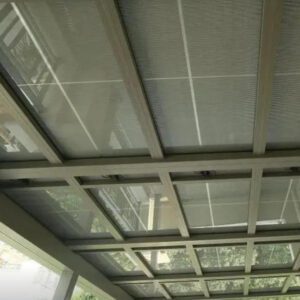
A traditional skylight is a glazed opening in a roof structure designed to admit natural light into an interior space. It consists of a frame (typically aluminum or wood), glazing (single, double, or triple-pane glass or polycarbonate), flashing to seal the roof penetration against water intrusion, and in venting models, an operating mechanism to open the glazing for ventilation.
There are three primary types: fixed skylights (sealed, admit light only); venting skylights (can be opened manually or electrically for ventilation, reducing indoor humidity and improving air circulation); and tubular skylights (small-diameter reflective tubes that channel daylight from roof to ceiling with minimal structural penetration — ideal for interior rooms without direct roof access). Each type has distinct installation requirements, performance characteristics, and cost profiles.
The key energy performance metrics for traditional skylights are: U-Factor (measures how much heat passes through the entire skylight assembly — lower is better; ENERGY STAR requires U ≤ 0.55 for most US climate zones); and SHGC (coefficient de gain de chaleur solaire) — a number between 0 and 1 that measures how much solar heat enters through the glazing. A high SHGC is beneficial in cold climates (passive solar heating) and detrimental in hot climates (increased cooling loads). Modern Energy Star-rated skylights typically achieve U-values of 0.30–0.45 and SHGC values of 0.25–0.40.

Installation Costs for Traditional Skylights
Upfront Investment Breakdown
Average installed costs for traditional skylights in 2025 range from USD 1,500 to USD 3,500 for a standard residential unit, depending on size, type, and regional labor rates. According to The Skylight Guys’ 2025 cost guide, the average new installation runs approximately USD 4,000 for a complete job including materials, labor, flashing, and finishing — though this figure includes larger or more complex installations. Simpler fixed skylights in accessible roof locations can be completed for USD 1,500–2,200 all-in.
Table 1: Installed Cost Comparison — Traditional vs. Solar Skylights (2025, US Residential). Sources: The Skylight Guys (2025), SunSquare Skylights, industry installer survey data.
Hidden Installation Expenses
The quoted installation price rarely captures the full cost. Roof reinforcement is required when the existing rafter or truss configuration cannot span the skylight opening without modification — adding USD 300–800 to the project. Insulation modifications around the skylight curb and light shaft are required to prevent thermal bridging (the process by which heat bypasses insulation at poorly insulated structural penetrations), which can add USD 150–400. In older homes, the discovery of deteriorated decking or rot around the new opening — often uncovered only once the roof is opened — can add USD 400–1,200 in unplanned material and labor costs.
As a distributor, building a USD 300–600 “unforeseen conditions” buffer into your project estimates is both honest and protective of your client relationship — customers who receive an accurate first estimate and a final invoice close to that estimate refer business; customers who receive surprise invoices do not.
Energy Impact and Operating Costs
Heat Loss and Gain Patterns
Traditional skylights are a thermal liability in most US climate zones. A standard single-pane skylight has a U-Factor of approximately 1.0 — meaning it loses heat roughly 5–6 times faster than a well-insulated wall section. Even a quality double-pane low-e skylight with a U-Factor of 0.40 is still a weak point in the building envelope compared to a U-0.20 insulated wall.
A 2012 ENERGY STAR study (still the most comprehensive US government analysis of residential skylight energy impacts) found that a single 2×4-foot skylight with a U-Factor of 0.50 in a cold climate (Zone 5, similar to Chicago) adds approximately USD 20–35 per year to heating costs and USD 10–20 per year to cooling costs — for a total annual energy penalty of USD 30–55 per skylight compared to a code-minimum insulated roof section. Multiply that across a home with 3–4 skylights over 20 years and the cumulative energy penalty becomes a meaningful figure in the cost-benefit analysis.
Annual Energy Expenses
The energy impact of traditional skylights on HVAC operating costs varies significantly by climate zone: in hot-humid climates (Houston, Miami), a south-facing skylight without low-e coating can add USD 60–120 annually in cooling costs through unwanted solar heat gain. In cold climates (Minneapolis, Denver), the heat loss in winter outweighs the passive solar heating benefit for most orientations except south-facing at low pitch angles. The energy-neutral or energy-positive zone for traditional skylights is primarily warm-dry climates (Phoenix, Southern California) where the passive solar heating benefit in mild winters is not offset by excessive summer cooling loads.
Maintenance Requirements and Costs
Regular Maintenance Tasks
Traditional skylights require consistent maintenance to prevent the most common and costly failure mode: seal degradation leading to water infiltration. Recommended annual maintenance includes: exterior cleaning (removing debris from the frame and flashing to prevent water pooling and organic growth — USD 50–150 if professionally done); seal inspection and reapplication (caulk and weatherstripping around the curb should be inspected annually and replaced every 5–8 years at USD 100–300 per service call); and condensation management in venting skylights (cleaning the drainage channels and confirming the weep holes are clear — typically a DIY task taking 30–60 minutes).
Repair and Replacement Expenses
The national average cost range for skylight repairs is USD 300–900 for common issues like seal failure and leak remediation (Yelp Cost Guide, 2025). Frame deterioration — particularly in aluminum frames in coastal environments — typically requires attention at year 12–18 and can cost USD 400–1,200 for frame repair or USD 800–2,200 for full unit replacement. Over a 20-year period, a realistically maintained traditional skylight will incur cumulative repair and maintenance costs of USD 1,500–4,000 depending on quality, climate, and maintenance diligence. This figure belongs in every cost comparison conversation with a customer who is focusing exclusively on the upfront price differential.
Solar Skylights Explained
How Solar Skylights Function
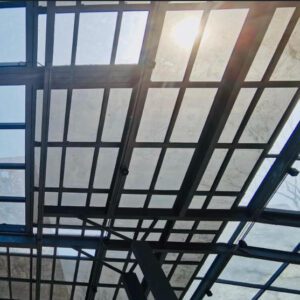
The term “solar skylight” covers two distinct product categories that are frequently confused. The first is a solar-powered operating skylight — a venting skylight whose electric motor is powered by an integrated PV panel and battery (the VELUX VSS model is the market benchmark), eliminating the need for electrical wiring to the skylight. The second, and more relevant to BIPV distributors, is a photovoltaic glass skylight — a skylight whose glazing unit incorporates solar cells directly into the glass laminate, generating electricity while simultaneously admitting daylight (a Building-Integrated Photovoltaic, or BIPV, application).
The VELUX solar-powered venting skylight is the most widely distributed solar skylight product in the residential market. Its integrated solar panel collects daylight — even on overcast days — to charge a NiMH (Nickel-Metal Hydride) battery that powers the skylight’s opening and closing motor, a rain sensor that automatically closes the skylight when moisture is detected, and optional interior blind automation. Critically, this product uses solar power to operate rather than générant solar power for the home’s electrical system — an important distinction your sales team must be able to articulate clearly to avoid customer disappointment.
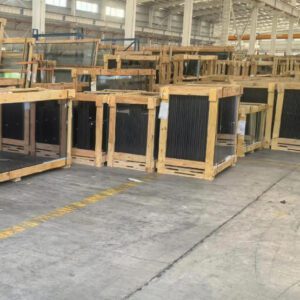
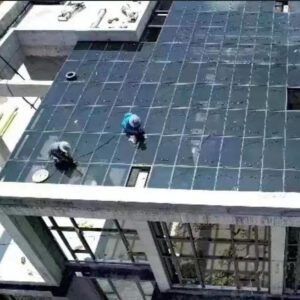
BIPV photovoltaic glass skylights — such as those available through Jia Mao BIPV’s photovoltaic glass range — integrate solar cells within the laminated glass unit itself. The glass transmits natural daylight to the interior (at VLT levels of 10–40% depending on cell density) while the embedded cells generate DC electricity that feeds into the home’s inverter system. These products replace the skylight glazing unit entirely — the skylight provides both daylighting and on-site electricity generation, with no separate panel or battery required for the energy generation function.

Installation Costs for Solar Skylights
Initial System Investment
Solar-powered venting skylights (VELUX VSS range) cost USD 800–1,500 for the unit and USD 700–1,400 for installation labor and associated electrical work, for total installed costs of USD 1,500–2,900. VELUX’s premium solar models with integrated blinds and smart controls reach USD 2,800–5,700 installed per unit (VELUX USA pricing, 2025).
BIPV photovoltaic glass skylight systems — where the glazing itself generates electricity — carry higher unit costs of USD 200–400 per m² for the PV glass (above conventional glazing unit cost), plus shared inverter costs of USD 800–2,000 for a system covering 2–4 skylights, plus installation labor. For a residential installation with two 1m² BIPV glass skylight units, total installed cost typically runs USD 3,500–6,500, compared to USD 3,000–6,200 for equivalent VELUX premium solar skylights. The significant difference is function: BIPV glass skylights feed electricity back to the home’s grid; VELUX-type solar skylights use solar power only for their own operation.
Cost Comparison to Traditional Options
The USD 1,400–2,500 upfront premium of a solar skylight over a comparable traditional unit is the number customers fixate on. Reframe it: after the 30% federal tax credit, the net premium for a solar skylight over a traditional unit narrows to USD 980–1,750. Spread over 10 years of energy cost savings and reduced maintenance costs, the annual premium is USD 98–175 — less than USD 15 per month. At USD 0.165/kWh residential electricity rates, a well-positioned BIPV skylight generates enough electricity to offset that monthly cost differential in many climate zones. The math changes the conversation entirely.
Energy Savings and Financial Benefits
Daytime Natural Light Efficiency
Both solar and traditional skylights provide natural daylighting that reduces artificial lighting loads — this is a shared benefit. A well-positioned skylight (south-facing at roof pitch) in a mid-sized room can eliminate the need for artificial lighting during daylight hours for 8–14 hours daily in summer, reducing lighting electricity consumption by an estimated 300–600 kWh per year per skylight, worth USD 50–100 annually at typical residential rates. A peer-reviewed study published in Energy Conversion and Management estimated annual artificial lighting energy savings of 973 kWh per year for a semi-transparent BIPV skylight installation in a commercial setting — demonstrating the potential in higher-occupancy spaces.
Nighttime and Storage Capabilities
For solar-powered operating skylights, the battery system (NiMH or lithium-ion depending on model) stores sufficient energy for 20–50 complete open/close cycles per charge — meaning the battery, when charged in summer, can operate the skylight through several days of cloudy weather without recharging. Battery capacity is sized for operational function only; it does not store household electricity.
For BIPV glass skylight systems connected to a home battery (such as a Tesla Powerwall or LG RESU), the PV glass generates daytime electricity that can either be consumed immediately, exported to the grid, or stored for evening use — exactly as a rooftop solar system operates. The incremental generation from 2m² of BIPV skylight glass at 10% efficiency in a 1,400 peak-sun-hour climate is modest (approximately 280 kWh annually), but it adds to the home’s total solar portfolio without consuming any additional roof footprint beyond the skylight opening.
Quantifiable Energy Savings
Total annual energy savings for a solar skylight system (combining artificial lighting reduction, BIPV electricity generation, and reduced HVAC load from improved thermal performance) typically range from USD 120–350 per year for a residential installation in a moderate climate — depending on the specific product type, climate zone, electricity tariff, and home characteristics. Homes in high-electricity-cost states (California, Hawaii, Massachusetts, Connecticut) see proportionally higher savings. In Hawaii, where residential electricity rates average USD 0.38/kWh, the same energy savings are worth 2.3× more than in a USD 0.165/kWh national average market.
Figure 1: Estimated Annual Energy Value — Solar vs. Traditional Skylights by Climate Zone (USD)
Estimates based on average residential electricity rates by region, 2×1m² skylight installation, south-facing orientation. Traditional = lighting savings only; Solar = lighting + PV generation + HVAC improvement.
Maintenance Profile and Durability
Minimal Maintenance Advantages
Solar skylights — both operating and BIPV glass types — carry a demonstrably lower maintenance burden than traditional skylights in several respects. Solar-powered venting models with rain sensors close automatically when moisture is detected, preventing the weather damage that often occurs with manual venting skylights left open during unexpected rain. Many units feature self-cleaning glass coatings that reduce cleaning frequency from 4–6 times per year (conventional glass) to 1–2 times annually.
BIPV glass skylights use laminated glass-glass construction — the same format used in structural glazing — which is inherently more resistant to seal failure than conventional skylight glazing units. The laminated construction holds the glass assembly together in the event of breakage (preventing dangerous glass fall-through into occupied spaces below) and provides better long-term seal integrity than single-sheet tempered glass designs.
Repair and Replacement Timeline
The VELUX solar skylight battery system (NiMH) has an expected service life of 10+ years with normal use, after which the battery can be replaced without replacing the entire unit. Lithium-ion battery systems in BIPV-integrated configurations last 10–15 years. Battery replacement costs range from USD 500–1,500 depending on battery chemistry and capacity — a figure that should be included in any 20-year cost projection. Most quality solar skylight manufacturers provide a 10–20 year product warranty covering the frame, glass, and operating mechanism; verify whether the battery is included in warranty coverage before specifying for a client.
Installation Complexity and Timeline Comparison
Traditional Skylight Installation Process
Traditional skylight installation on a standard residential roof with accessible attic space takes 1–3 days from start to finishing work. Day 1 covers structural assessment, opening cutting, curb framing, and unit mounting. Day 2 covers flashing installation, roofing material integration, and initial weatherproofing. Day 3 (where required) covers interior light shaft finishing — drywall, taping, painting, and trim work. On complex roofs (steep pitch, tile roofing, truss construction requiring structural modification), timelines extend to 3–5 days.
The most critical step — and the one most frequently under-resourced — is the flashing installation. Improper flashing is the cause of the majority of post-installation leak callbacks and warranty claims in the skylight industry. Always specify to customers that flashing installation should follow the manufacturer’s exact specification (VELUX, for example, provides model-specific flashing kits designed for specific roof materials); using generic flashing or improvising installation methods voids most manufacturer warranties and significantly increases the probability of future water infiltration.
Solar Skylight Installation Process
Solar-powered operating skylight installation adds 0.5–1 day to the traditional skylight timeline primarily for system configuration and testing — no electrical wiring to the home’s system is required (the unit is self-powered). Installation sequence is otherwise identical to traditional skylights, with the addition of verifying the solar panel orientation for adequate charging performance and confirming the battery’s initial charge state. VELUX ACTIVE smart control configuration — connecting the skylight to Wi-Fi for Apple HomeKit or Google Home integration — typically adds 30–60 minutes for initial setup and is a task the homeowner can complete independently.
BIPV glass skylight installation is more complex: it requires coordination between a qualified glazing contractor (for the structural glass installation) and a licensed electrician (for the DC wiring, inverter connection, and electrical inspection). Total timeline typically runs 2–5 days. The electrical permit process can add 1–3 weeks to the overall project timeline depending on local jurisdiction. This timeline consideration should be communicated to customers at the project scoping stage — a BIPV skylight project that starts in October may not be complete before winter weather limits outdoor roofing work in northern climates.
Contractor Requirements and Expertise
Traditional skylight installation requires a licensed roofing contractor familiar with the specific manufacturer’s flashing system — VELUX certification, for example, is obtained through their professional training program and covers proper installation techniques for their model range. In most US states, no electrical license is required for traditional skylight installation.
Solar BIPV skylight installation additionally requires a licensed electrician for the DC wiring and grid interconnection, and in many jurisdictions, a certified solar installer credential (NABCEP — North American Board of Certified Energy Practitioners — is the US industry standard). For BIPV glass skylights, a glazing contractor with structural glass experience is preferable to a standard roofing contractor, as the handling requirements for laminated glass-glass units differ significantly from conventional skylight glazing. As a distributor, maintaining a vetted network of qualified installers who are certified for your specific products is one of the most valuable competitive differentiators you can offer — it converts product supply into project delivery capability. Refer to the BIPV installation and design guide for detailed technical requirements.
Long-Term Return on Investment (ROI) Analysis
10-Year ROI Projections
The 10-year cost-of-ownership comparison is where the solar skylight’s financial case becomes most persuasive. The conventional frame — comparing only upfront costs — favors the traditional skylight. The total ownership frame — adding energy costs, maintenance, incentives, and avoided repair costs — consistently narrows or closes the gap.
Table 2: 10-Year Total Cost of Ownership — Moderate Climate, USD 0.165/kWh, Single Skylight. Solar advantage grows in high-electricity-cost regions. Figures are illustrative estimates; actual values depend on specific products, climate, and usage.
20-Year ROI Projections
The 20-year projection introduces two additional variables that consistently favor solar skylights. First, battery replacement: a solar skylight battery at USD 500–1,500 replacement cost at year 10–12 is a real expense, but it restores full system performance for another decade. A traditional skylight at year 15–18 typically requires full unit replacement (USD 1,500–3,000 including labor), not just a component swap. Second, utility rate escalation: electricity prices have increased at an average of 2.9% annually over the past decade. Modeled at 3% annual escalation, the energy savings from a solar skylight in Year 20 are approximately 80% higher in nominal dollar terms than in Year 1 — compounding the financial advantage every year.
The resale value dimension is also relevant to your customers’ 20-year calculation. VELUX’s research documents that skylights generally improve buyer appeal in the residential resale market by enhancing brightness and architectural character — though ROI on resale value is variable and market-dependent. The additional resale value of solar-integrated skylights over conventional skylights reflects both the buyer’s awareness of ongoing energy savings and the home’s improved sustainability credentials. Lawrence Berkeley National Laboratory research documents a USD 15,000 median premium on homes with solar installations — colored BIPV skylight glass qualifies for the same buyer perception benefit.
Figure 2: 20-Year Total Cost Composition — Traditional Skylight vs. Solar Skylight
Traditional Skylight (20yr ~$7,200)
Solar Skylight (20yr ~$4,100)
Illustrative 20-year cost split, single unit, moderate climate. Energy costs = net HVAC impact. Solar net investment shown after 30% ITC.
Financial Incentives and Tax Benefits
Federal Tax Credits and Rebates
Two federal programs apply to skylight installations. First, the Energy Efficiency Home Improvement Credit (Section 25C), administered through ENERGY STAR, provides a 30% tax credit (up to USD 600 per year for windows and skylights combined) for qualifying Energy Star-certified skylights — applicable to both traditional Energy Star skylights and solar-powered skylights. This credit is available for qualifying residential installations and requires an ENERGY STAR-certified product. Review the ENERGY STAR federal tax credit guidance for current eligibility thresholds and documentation requirements.
Second, for BIPV glass skylight installations that feed electricity into the home’s electrical system, the Residential Clean Energy Credit (Section 25D) — the solar Investment Tax Credit — has provided 30% of eligible solar installation costs for qualifying systems. Review current eligibility status with a tax professional, as incentive availability and qualifying conditions have been subject to legislative change. As of 2025 tax year, systems installed under qualifying conditions may still access these credits; consult the Rewiring America federal incentive guide for the most current eligibility information.
State and Local Incentive Programs
State-level rebates for solar-integrated products exist in California (Self-Generation Incentive Program), Massachusetts (SMART program), New York (NY-Sun), and several other high-electricity-cost states. Many utility companies offer performance-based incentives for residential solar installations — including on-site BIPV systems — that pay a per-kWh premium above net metering rates for the first 5–10 years of system operation. Maintaining an updated regional incentive database for your distribution territory is genuinely valuable to your customers and to your conversion rate. An estimated USD 3,500 solar skylight with a USD 1,050 federal credit and USD 600 state rebate has an effective customer cost of USD 1,850 — a figure that changes the buying decision for many customers who were previously anchored on the USD 3,500 headline price.
Financing Options for Homeowners
PACE (Property Assessed Clean Energy) financing — which allows homeowners to fund energy improvements through a property tax assessment repaid over 10–25 years — is available for solar installations including BIPV skylights in 37 US states. At a 6% PACE financing rate over 10 years, a USD 3,150 net solar skylight investment (after ITC) costs approximately USD 35 per month. At USD 185 in annual energy savings (moderate climate), the monthly energy saving of USD 15 covers 43% of the monthly financing cost immediately — and that percentage grows every year as electricity rates increase.
For your customers who are accustomed to thinking about home improvements in monthly cost terms, this monthly framing — USD 35/month cost vs. USD 15/month immediate saving, growing over time — is far more persuasive than a USD 1,150 net premium that feels like a large lump sum. Present it both ways in your proposals, and let the customer choose the frame that resonates with their financial thinking.
Environmental Impact and Sustainability Comparison

Carbon Footprint Analysis
Manufacturing a BIPV glass skylight panel has a higher embodied carbon footprint than manufacturing a standard glass skylight — the silicon cells, encapsulant, and electrical components add material and energy inputs. A representative lifecycle analysis for a 1m² BIPV glass skylight estimates manufacturing emissions of approximately 35–55 kg CO₂-equivalent (CO₂e), compared to 8–15 kg CO₂e for a standard double-pane glass skylight unit.
However, the operational phase reverses this comparison quickly. Each kilowatt-hour of solar electricity generated by a BIPV skylight displaces grid electricity at an average carbon intensity of approximately 0.386 kg CO₂e/kWh (US grid average, EPA 2024). A BIPV skylight generating 280 kWh annually displaces approximately 108 kg CO₂e per year — meaning the manufacturing carbon premium is offset within 12–18 months of operation, and net carbon savings accumulate for the remaining 25+ years of product life.
For a solar-powered operating skylight (which does not generate grid electricity), the carbon footprint comparison is simpler: the reduced energy consumption from not requiring electrical wiring (eliminating the standby draw of a wired motor system) and the improved thermal performance compared to conventional venting skylights produce modest but real operational carbon savings over a 20-year lifespan.
Sustainability Credentials
ENERGY STAR certification is the baseline sustainability credential for residential skylights in the US market. ENERGY STAR-certified skylights meet minimum U-Factor and SHGC requirements by climate zone — the ENERGY STAR residential skylights database is a useful tool for verifying that products you distribute carry current certification. For BIPV glass skylight products, LEED (Leadership in Energy and Environmental Design) credit eligibility under the Energy and Atmosphere category provides an additional sustainability credential relevant to green-certified residential renovation projects.
Long-Term Environmental Benefits
Over a 25-year lifespan, a 2m² BIPV skylight system generating 560 kWh annually displaces approximately 5,390 kg CO₂e from the US electricity grid — the equivalent of removing a car from the road for approximately 6 months. Cumulatively across a 10,000-unit annual distribution volume, this represents 53,900 tonnes of CO₂e avoided — a figure that belongs in your company’s ESG reporting and marketing materials, and that resonates with the growing segment of homeowners who are making home improvement decisions partly on environmental grounds.
Real-World Performance Metrics and Case Studies
Climate-Specific Performance Data
Solar skylight performance varies by 20–40% based on geographic location — a solar skylight in Phoenix, Arizona (5.8 peak sun hours daily) generates 40–50% more electricity annually than the same unit in Seattle, Washington (3.6 peak sun hours). The ENERGY STAR study of residential skylight energy impacts found that climate zone is the single most significant variable in determining whether a skylight installation produces a net energy benefit or a net energy penalty.
Cold climates (Zones 5–7: Minneapolis, Chicago, Boston): Solar BIPV glass skylights outperform traditional skylights on thermal performance (lower U-Factor from laminated glass construction) while generating electricity. The winter daylighting contribution reduces artificial lighting costs significantly. On cloudy days, BIPV glass systems generate 25–50% of peak output — still meaningful over an overcast winter week.
Hot, sunny climates (Zones 1–3: Phoenix, Miami, Houston): BIPV glass skylights with low SHGC (0.12–0.25) outperform traditional high-SHGC skylights significantly by reducing cooling loads while generating maximum solar electricity. A Phoenix installation generates approximately 40% more annual electricity than a Boston installation of the same system — making the financial case for solar skylights strongest in the Sun Belt markets that are also among the fastest-growing residential construction markets in the US.
Mixed climates (Zones 3–4: Atlanta, Dallas, Denver): Performance is intermediate and depends significantly on roof orientation and skylight placement. South-facing skylights maximize both winter passive solar gain and annual PV generation. East-west skylights reduce summer cooling loads but sacrifice winter heating benefit. Working with your customer’s architect or HVAC contractor to model the specific installation before specifying is the most defensible approach in these markets.
Customer Satisfaction and Testimonials
A recurring pattern in solar skylight customer feedback across installer review platforms is the “pleasantly surprised by the payback” response: customers who chose solar skylights primarily for aesthetic or ventilation reasons — not primarily for the energy economics — report discovering the energy saving benefits as a bonus rather than an expectation. This suggests an underexplored sales angle: position the convenience features (no wiring, rain sensor, smartphone control) as the primary purchase driver for customers who are skeptical about energy savings claims, and let the financial performance exceed their expectations over time.
Conversely, the most common source of customer dissatisfaction across skylight reviews generally — solar and traditional — is installation quality issues: leaks, air infiltration, and condensation. Every negative review of a well-designed product that traces back to installation error is a direct argument for your value as a distributor who curates a vetted installer network rather than simply supplying product. Consider positioning your certified installer referral network as a product feature in your marketing — it is the single dimension of quality assurance that manufacturers alone cannot provide.
Performance Monitoring and Verification
BIPV glass skylight systems connected to a string inverter or microinverter with monitoring capability allow homeowners to track real-time and cumulative electricity generation through a smartphone app. This monitoring data — showing actual kWh generated per day, month, and year — converts the energy savings from a projected number into a verified one. Customers who can see their skylight’s generation data on their phone are significantly more likely to leave positive reviews, recommend the product to neighbors, and purchase additional solar products in the future.
The monitoring capability also creates a product qualification story for your distributor business: when a customer’s BIPV skylight generation data matches or exceeds the projection from your sales proposal, you have documented evidence of your product claims performing in the real world — the most powerful marketing asset available. Build a library of monitored performance data from customer installations, and with customer permission, use anonymized data in your sales presentations to replace projected savings with verified savings.
Decision-Making Framework for Customers

Assessing Customer Needs and Priorities
Start every skylight consultation with four qualifying questions. What is the primary goal? (Natural light, ventilation, energy savings, or property value — each prioritization leads to a different product recommendation.) What is the realistic budget range, including incentives? (Present the post-incentive cost, not the headline price, as the reference number.) What climate zone and roof orientation are involved? (A south-facing roof in Phoenix is a fundamentally different solar calculation than a north-facing roof in Seattle.) How long does the customer plan to own the property? (A customer planning to sell in 3 years needs a different ROI analysis than one who plans 20-year occupancy.)
For customers whose primary goal is natural light and ventilation with energy savings as a secondary benefit, the solar-powered operating skylight (VELUX VSS-type) is typically the right recommendation: convenient, reliable, no-wiring installation, and competitively priced after incentives. For customers whose primary goal is on-site energy generation and who have an existing or planned solar PV system, BIPV glass skylights represent the optimal specification — allowing the skylight glazing area to contribute to the home’s overall solar portfolio rather than functioning as a passive opening.
Evaluation Criteria and Comparison Worksheet
Table 3: Feature-Benefit Comparison Matrix — Three Skylight Types. VLT = Visible Light Transmittance; SHGC = Solar Heat Gain Coefficient. 20-year costs are illustrative estimates for single unit, moderate US climate.
Red Flags and Risk Factors
Protect your customers from common pitfalls that generate post-installation dissatisfaction. Watch for: no-name units with unverifiable warranties — a solar skylight warranty from a company that may not exist in 10 years (when the battery needs replacement) provides zero protection; insist on manufacturer warranties from companies with demonstrated market presence. Unrealistic savings projections — any quote promising 5-year payback on a solar skylight without specifying local electricity rates, system efficiency, and incentive eligibility is generating a number that will not be achieved; always present savings as a range tied to documented assumptions. Unlicensed installers offering below-market pricing — skylight leaks from improper installation are the most common cause of significant property damage in residential roofing; the cost of remediation almost always exceeds the installer savings.
Positioning Strategy for Solar Product Distributors and Agents
Market Positioning and Competitive Advantages
The most effective positioning for a distributor carrying both solar and traditional skylights is as a solution provider, not a product vendor. A product vendor answers “how much?” A solution provider answers “which option is right for this specific home, in this climate, for this budget, over this ownership timeline?” The second position is more profitable (it justifies consultative margin), more defensible (competitors cannot easily replicate your local market knowledge and customer relationships), and more referral-generative (customers who received a trusted recommendation refer their neighbors).
For BIPV glass skylight products, your connection to professional BIPV manufacturers — including Jia Mao BIPV, which produces photovoltaic glass products for both skylight and facade applications with a 25-year linear power warranty and transparent customization options — strengthens your product story. A BIPV glass skylight specification backed by a manufacturer’s technical team, a certified installation network, and documented performance data is a fundamentally different proposition from a standard skylight quote.
Sales Enablement for Your Team
Equip every member of your sales team with three core tools for the skylight comparison conversation. First, a climate zone quick reference card showing peak sun hours, estimated annual BIPV generation, and estimated annual savings for your distribution territory’s 5–8 most common customer locations — so any team member can produce a relevant savings estimate within 60 seconds of a customer inquiry. Second, a pre-incentive vs. post-incentive price comparison that shows the effective customer cost for solar vs. traditional skylights side by side after applicable federal and state credits — presented as a single number, not as a calculation the customer must perform themselves. Third, a 20-year total cost comparison sheet showing the scenarios covered in this guide — the document that converts the conversation from upfront cost to total cost of ownership.
For pricing objections — the most common single barrier in the solar skylight sale — train your team on the monthly equivalence framing: “The net premium after tax credits is approximately USD 1,150. On a 10-year PACE financing arrangement, that’s USD 13.50 per month — less than a streaming subscription. And your electricity savings start offsetting that cost from the first month of operation.” This framing deflates the psychological impact of the premium price point better than any efficiency or payback period argument.
Marketing and Lead Generation Approaches
The highest-converting content marketing format for residential solar skylight distributors is the specific case study: “A 2,400 sq ft home in [Your City] installed two solar BIPV skylights in March 2024. By December, their monitoring app showed 623 kWh generated — USD 103 in electricity avoided — plus a 22% reduction in cooling energy costs recorded by their smart thermostat. Total first-year documented savings: USD 187. After federal tax credit, they’ll recoup their net investment in under 12 years.” Specific numbers, specific city, specific product, specific timeframe — this is the content that generates qualified leads from homeowners who recognize their own situation in the case study.
Partnership channels to develop: roofing contractors (who encounter skylight replacement opportunities on every re-roofing job), architects and home designers (who specify skylights in new custom homes), and home renovation general contractors (who manage the multi-trade projects that typically include skylight work). A referral fee structure — even a modest USD 100–200 per qualified lead — incentivizes these channel partners to route skylight inquiries to your team before the customer has contacted a competitor.
Making the Right Choice
Key Takeaways for Informed Decision-Making
The cost differential between solar and traditional skylights — typically USD 980–1,750 in net investment after the 30% federal tax credit — is real but not decisive when viewed through the correct lens. A 10-year total cost of ownership analysis that includes energy savings, maintenance cost differences, and avoided repair expenses consistently shows solar skylights at USD 1,850–2,650 lower total cost than traditional units in moderate climate zones. In high-electricity-cost markets (California, Hawaii, Northeast), that advantage is significantly larger.
Solar-powered operating skylights (VELUX-type) offer the optimal balance of convenience, no-wiring installation, and smart home integration for customers prioritizing ventilation and ease of operation. BIPV glass skylights offer the maximum financial and environmental return for customers with an existing solar system or energy generation as their primary goal. Traditional skylights remain the right recommendation only for customers with strict budget constraints, very short occupancy timelines, or specific architectural requirements that the solar product variants cannot accommodate.
Action Steps for Homeowners
Before committing to a skylight installation, homeowners should: obtain three installation quotes from licensed contractors certified for the specific product type; confirm the installer’s certification status with the manufacturer directly (VELUX’s professional installer lookup is available at VELUX USA Pro); verify federal and state incentive eligibility for their specific installation with a tax professional or their utility company; request the manufacturer’s warranty documentation in writing before signing an installation contract; and ask their installer to provide electroluminescence (EL) imaging of any BIPV glass panels immediately post-installation to verify handling integrity.
Resources for Continued Learning
Key resources for distributors and their customers include: the ENERGY STAR residential skylights database for product certification verification; the Jia Mao BIPV product and pricing guide for BIPV glass skylight specifications and installation cost benchmarks; the transparent solar panel comparison tool for detailed technical specification comparisons across window and skylight applications; and the US Department of Energy’s energy performance rating guide for understanding U-Factor and SHGC specifications.
Ready to Help Your Customers Make the Right Skylight Choice?
As a solar product distributor or agent, you now have the complete data to guide homeowners through the skylight decision with confidence. Explore our Solar Skylight product range, download customizable ROI calculation tools, and connect with our technical team to discuss distribution partnerships and bulk pricing for your market.
Contact Jia Mao BIPV — Explore Skylight Product Partnerships →Key Terminology Glossary
U-Factor
Measures how much heat passes through the entire skylight assembly per unit time. Lower = better insulation. ENERGY STAR requires U ≤ 0.55 for most US climate zones.
SHGC (coefficient de gain de chaleur solaire)
A number between 0–1 indicating how much solar heat passes through the glazing. High SHGC = beneficial in cold climates for passive heating; harmful in hot climates for cooling loads.
VLT (Transmittance de la lumière visible)
Percentage of visible-spectrum light passing through the glazing. Standard skylights: 50–90% VLT. BIPV glass skylights: 10–40% VLT (cells occupy some of the glass area).
BIPV (Building-Integrated Photovoltaics)
Solar energy generation embedded directly into a building material (glass, tiles, cladding) that replaces conventional construction materials — rather than being mounted on top of them.
Peak Sun Hours
The number of hours per day when solar irradiance averages 1,000 W/m² — used to estimate annual solar energy generation. Phoenix: ~5.8 hours; Seattle: ~3.6 hours; New York: ~4.2 hours.
PACE Financing
Property Assessed Clean Energy financing — allows homeowners to fund solar improvements through a property tax assessment repaid over 10–25 years. Available in 37 US states.
Thermal Bridging
Heat transfer through structural elements (frames, curbs) that bypasses insulation. A poorly insulated skylight curb creates a thermal bridge that reduces overall envelope performance.
Net Metering
A utility billing arrangement where homeowners receive credit for excess electricity their solar system generates and feeds into the grid, offset against electricity consumed from the grid at other times.