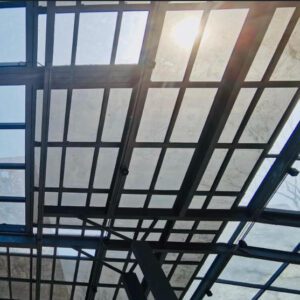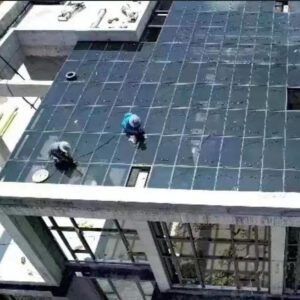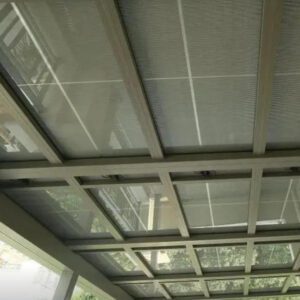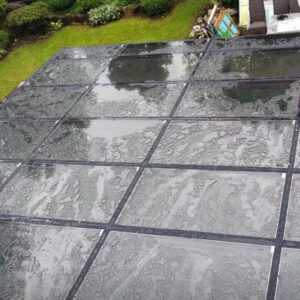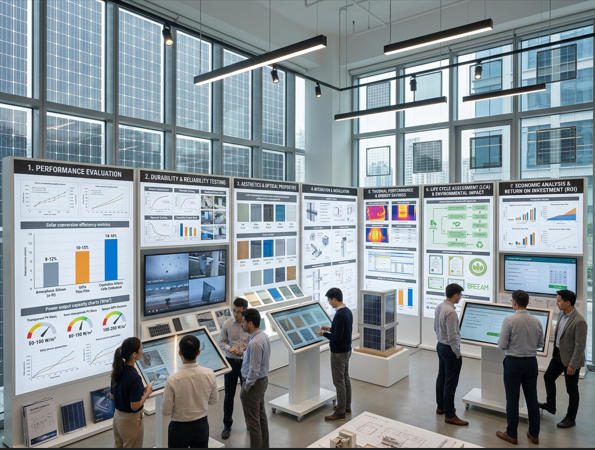
A structured guide for architects, façade consultants, developers, engineers, and owners deciding whether PV glass belongs in a roof, skylight, curtain wall, atrium, canopy, or retrofit façade.
Building-integrated photovoltaics, or BIPV, turn part of a building envelope into a solar generator. Photovoltaic glass, or PV glass, is one of the most visible BIPV materials because it can replace conventional glazing in façades, skylights, canopies, and atriums.
Suitability assessment is critical because PV glass is not only an electrical product. It is also glass, structure, weather barrier, daylight filter, architectural surface, maintenance item, and financial asset.
A project can fail even if the module efficiency is attractive. Common causes include glare complaints, poor daylight comfort, unplanned cable routes, thermal stress, water leakage at framing interfaces, missing fire documentation, and unrealistic payback assumptions.
This article uses a practical assessment framework: performance, aesthetics, integration, economics, and risk. The goal is to help project teams decide whether PV glass is technically suitable, financially defensible, and maintainable over the life of the building.

1) Understanding BIPV and PV Glass Fundamentals
What constitutes PV glass and how it differs from conventional glazing
Conventional glazing controls daylight, views, heat flow, weather, safety, and appearance. PV glass must do those same jobs while also generating electricity.
PV glass is usually laminated safety glass or an insulated glass unit with solar cells, thin-film photovoltaic layers, conductive busbars, wiring leads, and edge seals. It may be transparent, semi-transparent, opaque, colored, patterned, or used as spandrel glass.
Unlike standard façade glass, PV glass needs electrical routing, module testing, inverter compatibility, monitoring, and safe disconnection. The façade consultant and electrical engineer must therefore work together from the first design stage.
Typical BIPV applications and installation contexts
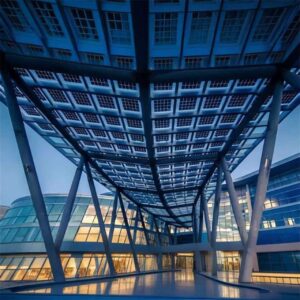
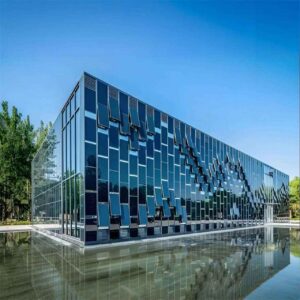
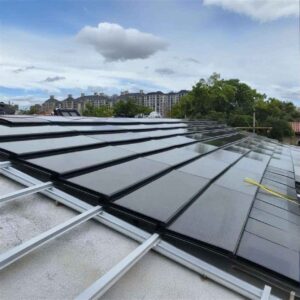
PV glass is used in curtain walls, skylights, atriums, canopies, balustrades, solar shading fins, double-skin façades, parking structures, rooflights, and spandrel panels. The Whole Building Design Guide lists PV glass windows, skylights, awnings, and other building components as BIPV examples in its building-integrated photovoltaics resource.
The best applications usually share three conditions: good solar exposure, a building element that already needs glass or cladding, and a project team willing to coordinate architecture, structure, waterproofing, electrical design, and maintenance access.
Core performance goals for BIPV: power, shading, daylighting
PV glass performance is not only about peak watts. A suitable product may generate electricity, reduce glare, lower cooling loads, provide shade, preserve daylight, and support the design intent.
In office façades, a semi-transparent module may produce less energy than an opaque panel but improve daylight comfort and reduce excessive solar heat. In spandrel zones, opaque PV glass can use more cell coverage because views and transparency are not required.


2) Core Performance Metrics to Evaluate
Electrical metrics: power output, efficiency, temperature coefficients
Start with rated power, measured in watts peak, or Wp. Then review module efficiency, which means the percentage of sunlight converted into electricity.
The U.S. Department of Energy explains PV efficiency in its solar photovoltaic performance basics. For BIPV glass, efficiency must be interpreted carefully because transparent and decorative glass may intentionally sacrifice some output for daylight, views, or color.
Also check the temperature coefficient. Dark, poorly ventilated façade cavities can raise module temperature and reduce output during hot afternoons.
Optical metrics: transmittance, color neutrality, haze, glare
Optical metrics describe how PV glass looks and how it affects occupants. VLT measures visible light transmission. Haze measures light scattering. Color neutrality describes whether glass shifts daylight toward blue, green, bronze, gray, or another tone.
Glare should be checked from both inside and outside. A beautiful solar façade can still create complaints if reflections hit neighboring offices, balconies, roads, or upper-floor workstations.
Thermal and energy performance: U-value, SHGC, daylight factor
Valeur U measures heat transfer through glass. SHGC measures solar heat entering the building. Daylight factor helps evaluate interior daylight availability.
PV glass can improve comfort by shading part of the solar radiation, but it can also reduce daylight if cell spacing is too dense. The correct balance depends on room depth, climate, orientation, work type, and façade design.
| Excel Row | Metric | Plain-English Meaning | Why It Matters | Typical Evidence to Request | Decision Signal |
|---|---|---|---|---|---|
| A2 | Power density | Watts generated per square meter | Shows how much façade area becomes useful solar capacity | Datasheet, flash test report, cell layout | Higher is better only if daylight and heat targets still work |
| A3 | VLT | How much visible light passes through | Controls daylight, privacy, and interior brightness | Optical test report and glass sample | Match to room use, not just appearance |
| A4 | SHGC | How much solar heat enters the building | Affects cooling load and occupant comfort | Thermal simulation and glass performance data | Lower may help cooling-dominated buildings |
| A5 | Valeur U | Heat loss or gain through the glass | Important for heating and cooling energy | Certified glass unit data | Compare against local envelope code |
| A6 | Temperature coefficient | Power loss when the module heats up | Facades and rooflights can run hot | PV module datasheet and thermal model | Lower loss is better in hot climates |
| A7 | Glare risk | Potential for disturbing reflections | Affects approvals, neighbors, and road safety | Glare study or visual simulation | High-risk reflections need design changes |
Bar Chart: Relative Suitability Score by PV Glass Application
Planning example only. Scores assume good solar access, maintainable wiring, code feasibility, and realistic cost assumptions.
3) Aesthetics, Architectural Integration, and Design Constraints
Color, pattern, and transparency options
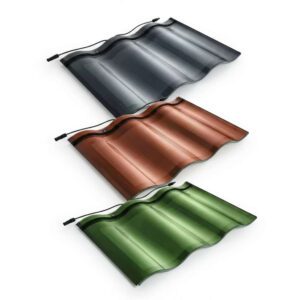
PV glass can be dark blue, black, bronze, gray, green, terracotta, patterned, dotted, striped, or semi-transparent. The visible result depends on cell spacing, backsheet color, glass coating, interlayer, reflections, and viewing angle.
A façade sample should be reviewed in real daylight, not only under showroom lighting. A bronze PV glass that looks warm indoors can appear black or mirror-like outdoors at certain angles.
Alignment with façade performance and daylight strategies
PV glass should support the façade concept. In a deep office floorplate, too little daylight can increase electric lighting demand. In a hotel atrium, too much contrast between PV glass and conventional glass may disrupt the interior atmosphere.
Good design often separates zones: semi-transparent PV glass for daylight areas, opaque PV glass for spandrels, and higher-output modules where views are not needed.
Compatibility with building design guidelines and approvals
Design review boards, heritage committees, airports, and neighbors may care about reflectance, color, and glare. Early mockups reduce late objections.
Jia Mao Bipv supports projects where PV glass needs to match façade color, transparency, size, and output targets. The transparent BIPV glass product page is a useful reference for teams comparing daylight and energy-generation requirements.

4) Structural Integrity and Structural Integration
Load-bearing capacity, wind, and impact resistance
PV glass may carry wind pressure, dead load, maintenance loads, impact loads, and thermal stress. The structural engineer must confirm glass thickness, laminate type, support conditions, deflection limits, and breakage behavior.
For overhead glazing such as canopies and skylights, safety requirements become stricter. Laminated glass behavior after breakage is essential because broken glass must remain supported long enough to protect occupants.
Mounting systems, sealants, and waterproofing considerations
The mounting system must hold the glass, protect edge seals, allow thermal movement, and route cables without damaging waterproofing. Sealants must be compatible with glass edges, interlayers, cable penetrations, and frame materials.
Many BIPV failures begin at interfaces: junction box to frame, wire to curtain wall, glass edge to sealant, or bracket to façade rail. These details deserve shop-drawing level review before procurement.
Acoustic performance and vibration concerns
PV glass can affect acoustic performance, especially near roads, rail corridors, airports, and mechanical equipment. Laminated layers may help reduce sound transmission, but module cavities, frames, and penetrations can create weak points.
Vibration should be checked for canopies, bridges, transit shelters, and lightweight façades. Electrical connections and junction boxes should not be placed where repeated movement can fatigue cables.
5) Durability, Reliability, and Environmental Aging
UV exposure, thermal cycling, and weathering effects
PV glass is exposed to ultraviolet radiation, temperature swings, rain, snow, humidity, wind, pollution, and cleaning chemicals. These stresses can affect glass coatings, interlayers, edge seals, encapsulants, junction boxes, and cables.
Ask for damp heat testing, thermal cycling data, UV exposure results, mechanical load tests, and any relevant glass safety testing. A product that works in a lab sample still needs proof that it can survive the project climate.
MRO implications, replacement cycles, and warranty coverage
MRO planning should answer simple questions. How is the glass cleaned? How is a failed module isolated? Can one unit be replaced without removing a full façade bay? Will replacement glass match the original color after 10 years?
Warranty review should separate product warranty, power warranty, glass breakage, seal failure, water leakage, coating appearance, and labor. These are often covered by different parties.
Reliability indicators and field performance data
Supplier claims are stronger when supported by field data. Ask for installed project references with similar orientation, climate, mounting type, and glass configuration.
If the project is in a coastal, desert, tropical, high-altitude, or cold-climate site, request evidence from comparable environments. Salt spray, sand abrasion, high UV, and freeze-thaw cycles create different failure risks.
6) Building Codes, Standards, and Certifications
Relevant standards for PV glass
PV glass usually intersects multiple code families: glazing safety, laminated glass, fire classification, curtain-wall performance, electrical safety, photovoltaic module testing, and local building energy codes.
Depending on the region, teams may need to review IEC, ISO, NFRC, UL, EN, ASTM, or local standards. The exact list depends on whether the product is used as façade glass, overhead glass, roof glass, balustrade, or cladding.
Fire safety, ignition, and classification considerations
Fire review should address flame spread, ignition behavior, cable routing, rapid shutdown or isolation, façade cavity fire spread, and emergency access. This is especially important for high-rise façades and roof applications.
Fire safety cannot be solved by a datasheet alone. The assembly matters: glass, frame, cavity, insulation, backpan, sealants, fire stops, cable penetrations, and inverter isolation strategy.
Testing protocols and third-party verification processes
Third-party verification reduces risk. Ask for accredited test reports, certification documents, factory quality control records, and project-specific calculations.
The IEA PVPS has published a BIPV technical guidebook overview that gives professionals a broader roadmap for BIPV deployment and integration.
7) System Integration and Electrical Design Considerations
Inverter sizing, stringing, and balance-of-system interactions
PV glass modules must be grouped into strings or connected through module-level electronics. BOS means balance of system: the cables, inverters, connectors, protection devices, monitoring, and mounting components around the modules.
Façades often have mixed orientations and shading. East, south, west, and partially shaded zones should not always be placed on the same inverter input. Poor stringing can reduce output even when the glass itself performs well.
Electrical isolation, safety, and monitoring requirements
Electrical design must include isolation points, labeling, grounding or bonding, overcurrent protection, safe cable routes, waterproof connectors, and monitoring. Maintenance teams need to know which glass unit is connected to which electrical circuit.
Monitoring is valuable because PV glass failures may not be visible. A cracked cell, failed connector, or water-damaged junction box can reduce output while the façade still looks normal.
Hybrid systems, storage compatibility, and grid interconnection
PV glass can be connected to building loads, batteries, hybrid inverters, or grid export systems. Storage is not always necessary, but it can increase self-consumption in buildings with evening loads or demand charges.
For yield modeling and early sizing, use the NREL PVWatts calculator as a starting point. More detailed BIPV projects often need hourly simulation because façades receive sunlight differently from tilted rooftop arrays.
8) Economic Viability and Life-Cycle Cost Analysis
Upfront costs vs. long-term savings and payback periods
PV glass often costs more than conventional glazing. The correct comparison is not PV glass versus a bare solar panel. It is PV glass versus conventional glass plus separate solar generation, shading devices, façade finishes, wiring, and maintenance.
A realistic payback model includes façade cost substitution, annual energy value, demand-charge reduction, incentives, maintenance, cleaning, inverter replacement, insurance, and future glass replacement risk.
Maintenance, replacement, and end-of-life options
End-of-life planning should address glass recycling, PV material recovery, cable removal, inverter replacement, and safe disconnection. A façade unit that cannot be replaced without major scaffolding should carry a higher maintenance-risk allowance.
The owner should also hold spare units or at least define a replacement strategy. If color or transparency shifts between production batches, replacing one visible façade unit after 12 years may be difficult.
Financing, incentives, and risk-adjusted returns
Incentives and financing vary by country, state, and utility. U.S. teams can start with the DSIRE clean energy incentive database. International projects should check national feed-in tariffs, building performance credits, green loans, and carbon reporting value.
Risk-adjusted returns matter. A project with a simple 10-year payback but poor replacement access may be less attractive than a 12-year payback with clearer maintenance, better warranty coverage, and stronger façade integration.
Pie Chart: Recommended Decision Weighting for PV Glass BIPV Suitability
- 22% Energy, daylight, glare, and thermal performance
- 20% Structural, façade, waterproofing, and mounting integration
- 16% Electrical design, monitoring, inverter strategy, and grid connection
- 16% Codes, fire safety, certifications, and third-party testing
- 14% Economics, incentives, payback, and cost substitution
- 12% Maintenance, replacement access, warranty, and procurement risk
9) Site Assessment and Solar Resource Evaluation
Local climate, shading analysis, and façade orientation
PV glass suitability depends heavily on orientation and shading. South-facing façades in the northern hemisphere generally outperform north-facing façades. East and west façades can still be useful because they produce morning and afternoon energy.
Shading from neighboring towers, balconies, trees, fins, parapets, dirt, and interior blinds can reduce output. A façade that looks sunny in a rendering may receive poor winter sun if a nearby building blocks low-angle light.
Mounting angle, tilt, and available façade areas
Vertical PV glass usually produces less annual energy per kWp than an optimally tilted rooftop array. However, façades may have far more area than the roof, and they can produce at different times of day.
The assessment should map usable zones: vision glass, spandrels, rooflights, atrium glass, balcony rails, shading fins, and canopies. Exclude heavily shaded, inaccessible, fire-critical, or maintenance-problem areas.
Projected solar yield modeling and data sources
Early models can use solar resource databases and tools such as PVWatts. Later design stages should use project-specific 3D shading analysis, façade zone grouping, inverter modeling, and hourly energy simulation.
Jia Mao Bipv’s glass-integrated solar panel systems review provides additional context on how façade PV designs combine semi-transparent and opaque zones for better output and architectural fit.

10) Risk Management and Decision Framework
Multi-criteria decision analysis (MCDA) approaches
A multi-criteria decision analysis, or MCDA, helps teams compare PV glass options without letting one metric dominate. Instead of asking, “Which product has the highest wattage?” ask, “Which option gives the best combined score for this building?”
Weight the criteria based on project goals. A public library may value daylight and visual integration more than payback speed. A logistics facility may prioritize output, durability, and maintenance access.
Sensitivity analysis for material degradation and cost scenarios
Sensitivity analysis tests what happens when assumptions change. What if energy prices rise 20%? What if cleaning costs double? What if output degradation is higher than expected? What if one façade zone is shaded by a future neighboring building?
This step is especially important for custom PV glass because long lead times and façade dependencies make late changes expensive.
Stakeholder alignment, procurement, and project governance
PV glass projects need clear ownership. The architect controls appearance. The façade engineer controls envelope performance. The structural engineer checks loads. The electrical engineer designs circuits. The owner pays for maintenance. The supplier provides product documentation.
Procurement should define who is responsible for energy performance, glass breakage, water leakage, cable failures, inverter issues, monitoring, cleaning access, and replacement logistics.
| Excel Row | Assessment Category | Pass Condition | Warning Sign | Responsible Party | Recommended Action |
|---|---|---|---|---|---|
| B2 | Solar resource | Usable zones have clear exposure and modeled annual yield | Large shaded areas counted as productive façade | Energy consultant | Run zone-based shading and yield model |
| B3 | Architecture | Color, transparency, cell pattern, and reflections accepted | Approval based only on small indoor sample | Architect | Review full-size mockup outdoors |
| B4 | Structure | Wind, impact, dead load, and deflection verified | No project-specific structural calculation | Structural engineer | Check glass make-up and support details |
| B5 | Envelope | Waterproofing, sealants, drainage, and cable penetrations detailed | PV wiring added after façade shop drawings | Façade consultant | Coordinate junction box and cable path early |
| B6 | Electrical | Strings, inverters, isolation, monitoring, and labels defined | Mixed orientations on one string without review | Electrical engineer | Group modules by orientation and shading |
| B7 | Codes | Glazing, fire, PV, and local envelope rules documented | Supplier datasheet used as only compliance evidence | Code consultant | Request third-party test reports |
| B8 | Economics | Payback includes façade substitution, maintenance, and replacement | ROI calculated from module output only | Owner / cost consultant | Use life-cycle cost model |
| B9 | Operations | Cleaning, inspection, and replacement access planned | No safe route to replace a failed glass unit | Facilities team | Build maintenance method into design |
Glossary and Hover Tips for Advanced Concepts
Use these definitions when discussing PV glass suitability with owners, design teams, contractors, and approval authorities.
Solar products that become part of the building envelope, such as roof glass, façade panels, skylights, or shading devices.
Glass with photovoltaic cells or layers that generate electricity while serving as a building glass product.
Watts peak: rated module output under standard test conditions.
Visible light transmittance: how much visible daylight passes through the glass.
Solar heat gain coefficient: how much solar heat enters through the glass.
Heat transfer rate through glass. Lower values usually improve insulation.
Balance of system: inverters, cables, connectors, monitoring, protection devices, and related hardware.
Multi-criteria decision analysis: a weighted scoring method for comparing options.
Maintenance, repair, and operations needed to keep the system working after installation.
PV glass suitability assessment should be structured, not improvised. Start with the building’s purpose, solar exposure, façade zones, daylight needs, and design constraints. Then test whether PV glass can meet structural, thermal, optical, electrical, code, maintenance, and financial requirements.
Early integration is the biggest success factor. If PV glass is introduced after façade drawings, structural assumptions, and electrical rooms are already fixed, the project may face expensive redesign or watered-down performance.
A simple decision framework is useful: choose PV glass when it can replace a real building element, receive useful sunlight, meet glazing and fire requirements, integrate safely with the electrical system, preserve architectural intent, and deliver a risk-adjusted life-cycle value.
Need Help Assessing PV Glass for a Real Project?
Jia Mao Bipv can help project teams compare transparent PV glass, laminated BIPV glass, colored solar glass, and façade-integrated solutions. For a useful first review, prepare façade elevations, project location, orientation, transparency target, structural constraints, and expected energy goals.
Review laminated BIPV photovoltaic glass optionsFAQs
What are the most critical metrics when evaluating PV glass for BIPV?
The most critical metrics are power density, visible light transmittance, SHGC, U-value, glare risk, temperature coefficient, structural load capacity, fire classification, and warranty coverage. These should be reviewed together because a high-output glass may not be suitable if it creates poor daylight, excessive heat, or code issues.
How does PV glass impact building energy performance compared to traditional glazing?
PV glass can generate electricity and provide shading, but it may also change daylight, heat gain, insulation, and glare. Compared with traditional glazing, it should be assessed through whole-building energy modeling rather than only PV yield modeling.
What are common challenges in integrating PV glass into existing façades?
Common retrofit challenges include structural capacity, non-standard glass sizes, hidden cable routes, waterproofing changes, inverter placement, code approvals, access for replacement, and matching the appearance of existing glazing.
Is PV glass better for vision glass or spandrel areas?
Spandrel areas are often easier because transparency and views are not required, allowing higher cell coverage. Vision glass can work well when daylight, view quality, glare, privacy, and output are carefully balanced.
How early should PV glass be considered in a project?
PV glass should be considered during concept or schematic design. Early review allows the team to coordinate façade grids, glass sizes, cable paths, inverters, structural loads, fire strategy, and maintenance access before changes become expensive.
Does PV glass require special maintenance?
PV glass requires normal façade cleaning plus electrical monitoring, inspection of wiring and junction boxes, and a replacement strategy. Cleaning methods should follow supplier instructions to avoid damaging coatings, seals, or electrical components.
Can PV glass be used in skylights and canopies?
Yes, but overhead PV glass requires careful review of laminated glass safety, post-breakage behavior, water drainage, snow load, thermal stress, wiring, and safe maintenance access.
How should project teams estimate the ROI of PV glass?
ROI should include avoided conventional glazing or shading costs, annual electricity value, incentives, maintenance, cleaning, inverter replacement, downtime risk, glass replacement access, and end-of-life costs. A life-cycle cost model is more reliable than a simple module payback calculation.
References and Further Reading
- transparent BIPV glass product page
- laminated BIPV photovoltaic glass options
- glass-integrated solar panel systems review
- photovoltaic glass technology breakthroughs
- building-integrated solar cost and ROI guide
- building-integrated photovoltaics resource
- solar photovoltaic performance basics
- NREL PVWatts calculator
- BIPV technical guidebook overview
- DSIRE clean energy incentive database