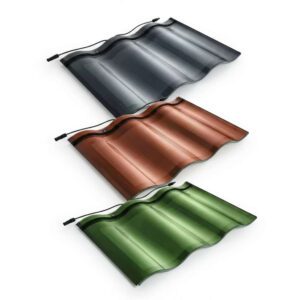
A decade ago, asking for a terracotta-colored solar panel on a heritage roofline was an architectural fantasy. Today it is a procurement line item. The rapid expansion of Building-Integrated Photovoltaics (BIPV) has turned color coatings from a niche curiosity into a mainstream engineering discipline — one where the difference between a good decision and a costly one is measured in kilowatt-hours, warranty clauses, and facade approval timelines.
This review is written for architects, solar engineers, procurement specialists, and building owners who need more than “it looks good” from a colored solar module. Every section is grounded in independently verifiable data: efficiency penalties from peer-reviewed literature, durability benchmarks from accelerated-aging protocols, and real-world cost figures from documented BIPV projects.
How to read this review: Metrics are expressed as relative output (%), color-difference units (ΔE), temperature coefficients (%/°C), and market value (USD billions). Benchmarks are compared against standard black anti-reflective-coated crystalline silicon modules at STC (1000 W/m², 25 °C, AM 1.5). Where data ranges are cited, the source tier is noted.

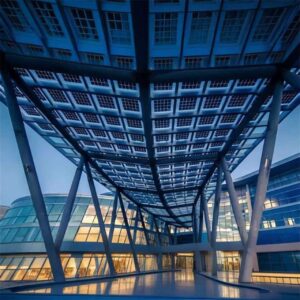
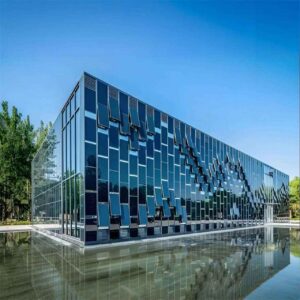
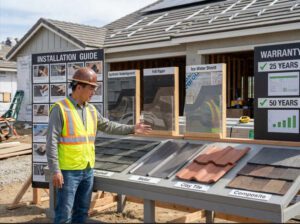
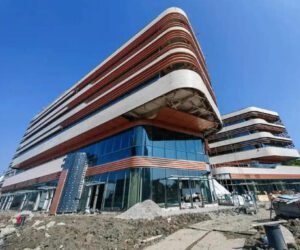
Fig. 1 — Colored BIPV modules integrated into a contemporary building envelope. The aesthetics are deliberate; the engineering behind them is equally rigorous.
The stakes are real. The global BIPV glass market was valued at approximately USD 18.9 billion in 2024 and is projected to reach USD 93 billion by 2035, growing at a CAGR exceeding 15% (Vantage Market Research, 2024). Within that market, colored modules — panels that move beyond the canonical dark-blue or black surface — are the fastest-growing segment, driven by increasingly strict urban-design codes, heritage-district regulations, and net-zero building mandates that demand solar without visual compromise.
Yet the performance trade-offs are real too. Efficiency penalties for colored panels on the market today range from as little as 2% for subtle dark tints to as much as 40% for highly saturated colors using suboptimal coating chemistries (PV Magazine, 2020). Understanding which coating technologies sit where on that spectrum — and why — is the purpose of this review.
Introduction to Color Coatings in Photovoltaic Panels
What Color Coatings Are and Where They Are Applied
A color coating in the photovoltaic context is any optical modification applied to a module’s front surface, glass, encapsulant, or cell layer that changes its perceived color to the human eye without necessarily changing the underlying silicon cell chemistry. The modification intercepts part of the visible spectrum — between roughly 380 nm and 780 nm — either by selective reflection, absorption, interference, or scattering, before photons reach the p-n junction.
Color coatings are applied at several positions in the module stack:
- Front glass surface (exterior): Ceramic frits, screen-printed inks, or sol-gel coatings that are fired or cured onto the glass. Most durable, most UV-resistant location.
- Front glass interior surface: Sputtered thin-film coatings producing interference-based color. Precise spectral control, protected from abrasion.
- Encapsulant layer: Dyed EVA or POE films. Color is embedded in the laminate sandwich. Risk of discoloration if dye chemistry is not UV-stable.
- Cell metallization or texturing: Surface texturing of the cell itself creates structural color via diffraction. No additional material layer, but complex to manufacture.
- Backsheet (visible through cell gaps): White, black, or custom-colored backsheets alter the appearance of the spaces between cells.
Each position in the stack carries different optical consequences, different manufacturing costs, and different durability profiles under UV exposure, thermal cycling, and moisture ingress. Choosing the wrong location for a color layer — even with the right chemistry — is a common source of premature module degradation.
Key Performance Questions Historically Addressed
Color coatings have existed in solar for over two decades, beginning with BIPV facades in Switzerland and Germany in the late 1990s. The research questions that dominated early literature were primarily optical: how do you produce a given Munsell hue while minimizing near-infrared (NIR) absorption loss? The second wave of research, peaking around 2012–2018, focused on durability: which coating chemistries survive 25 years of outdoor exposure? The current frontier is system integration: how do color choices interact with inverter architecture, string mismatch, and module-level monitoring in real BIPV projects?
This review addresses all three generations of questions, with emphasis on the data that practitioners need today.
Color and Optical Properties: How Coatings Affect Appearance and Light Management
How Color Relates to Light Transmission and Absorption
Solar cells respond to photons across a broad spectrum, from the UV edge (~300 nm) through visible wavelengths to near-infrared (~1200 nm for crystalline silicon). Standard silicon PV cells derive approximately 44% of their usable photon harvest from the visible spectrum (380–780 nm) and approximately 56% from NIR wavelengths invisible to the human eye.
This physics is strategically important: a coating that reflects only the narrow visible band responsible for a perceived color — say, the 620–750 nm wavelength range associated with red-orange — may cost relatively little in total photon throughput if the coating is engineered to transmit NIR radiation freely. This is the principle behind spectrally selective coatings, which are the most advanced color technology currently in commercial production. Interference-based dielectric coatings, as produced by companies including those in Jia Mao Bipv’s manufacturing network, can achieve this spectral selectivity at production scale, allowing vivid architectural colors with output penalties as low as 7–12% compared to uncoated black modules (ScienceDirect, 2025).
By contrast, a broad-absorbing pigment — a simple inorganic colorant mixed into an encapsulant — blocks photons across the entire visible range, delivering larger output penalties (15–40%) because it has no mechanism to distinguish between photons that the eye sees and photons that the cell can convert to electricity.
Angular Dependence of Color and Reflectance
An aspect that surprises many architects is that color coatings do not behave the same at every angle. Interference-based coatings, in particular, exhibit angular color shift: a surface that appears deep blue at normal incidence may shift toward green or teal at oblique angles. This is the same phenomenon seen in iridescent butterfly wings or the color-shifting paint used in some automotive finishes.
For fixed-tilt roof applications, the angular shift matters most at dawn and dusk — when the sun angle is low and yield is already minimal. The visual impact on a building that is observed from multiple viewing angles is more significant. Architects specifying interference-coated BIPV glass should request sample panels and observe them at 0°, 30°, and 60° from normal incidence before approving the color reference for a facade project.
Diffuse-scattering coatings and pigmented glass are more angularly stable but sacrifice spectral selectivity. The tradeoff is a design choice, not a technical defect — but it must be made consciously.

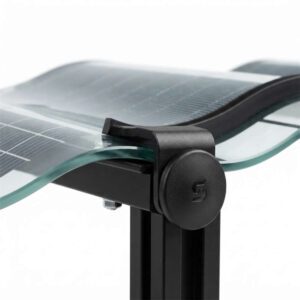
Fig. 2 — The optical behavior of a color coating changes with angle of incidence. Understanding spectral response is the foundation of accurate yield modeling for colored modules.
Durability and Environmental Resistance of Color Coatings
UV, Thermal Cycling, and Moisture Resistance
Durability is where many color coating projects have failed in practice — not because the optical engineering was wrong, but because the chemistry was not validated under the combined stressors that a real rooftop or facade delivers over 25–30 years. UV radiation, thermal cycling between −40 °C and +85 °C, moisture infiltration, and the occasional mechanical shock from hail create a hostile environment for any organic dye or surface treatment.
The industry benchmark for qualification testing is the IEC 61215 series, which subjects modules to UV preconditioning (15 kWh/m² UV dose), thermal cycling (200 cycles between −40 °C and +85 °C), damp heat (1000 hours at 85 °C / 85% RH), and humidity-freeze (10 cycles). These tests were designed for standard black silicon modules, and a module that passes them with a colored coating is demonstrably more robust than one tested only under benign laboratory conditions.
Inorganic pigments (iron oxides, cobalt blues, chromium greens) exhibit superior UV stability compared with organic dyes because they lack chromophore bonds susceptible to photodegradation. Sputtered dielectric thin films (TiO₂, SiO₂, Ta₂O₅) on the back surface of the front glass are the most durable option, protected from atmospheric exposure and abrasion, with color-difference values (ΔE) typically below 3 after accelerated aging equivalent to 20+ years of outdoor exposure — a threshold considered imperceptible to the unaided eye.
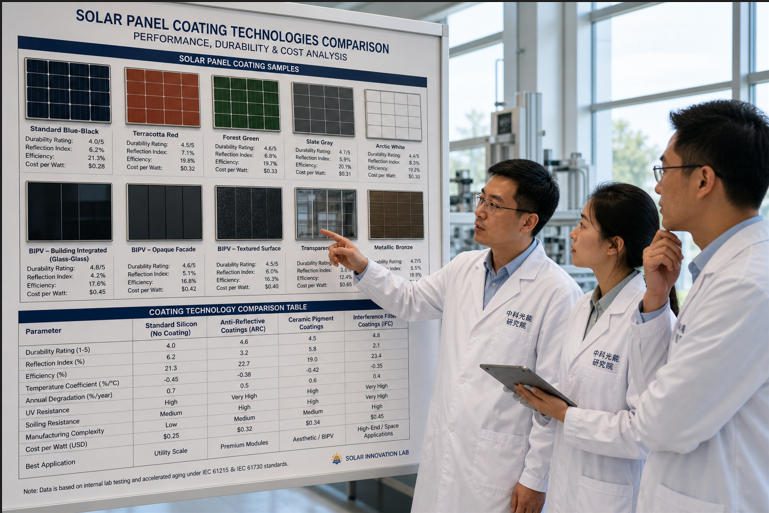
Coating Technology Durability Comparison
| Coating Technology | UV Stability | Thermal Cycling | Moisture Resistance | Color Shift (ΔE after 25yr equiv.) | IEC 61215 Compatibility |
|---|---|---|---|---|---|
| Sputtered dielectric (TiO₂/SiO₂) | ⭐⭐⭐⭐⭐ Excellent | ⭐⭐⭐⭐⭐ Excellent | ⭐⭐⭐⭐⭐ Excellent | < 2 ΔE (imperceptible) | ✅ Full pass typical |
| Inorganic ceramic frit (fired glass) | ⭐⭐⭐⭐⭐ Excellent | ⭐⭐⭐⭐⭐ Excellent | ⭐⭐⭐⭐⭐ Excellent | < 3 ΔE | ✅ Full pass typical |
| Inorganic pigment in encapsulant (EVA/POE) | ⭐⭐⭐⭐ Good | ⭐⭐⭐⭐ Good | ⭐⭐⭐ Moderate | 3–6 ΔE (just noticeable) | ✅ Pass (with UV-stabilized encapsulant) |
| Organic dye in encapsulant | ⭐⭐ Poor | ⭐⭐⭐ Moderate | ⭐⭐ Poor | 8–15+ ΔE (clearly visible) | ⚠️ Risk of failure |
| Structural color (nanostructured film) | ⭐⭐⭐⭐ Good | ⭐⭐⭐⭐ Good | ⭐⭐⭐⭐ Good | 3–5 ΔE (variable by design) | ✅ Emerging pass data (2023–2025) |
| Screen-printed UV-cured ink | ⭐⭐⭐ Moderate | ⭐⭐⭐ Moderate | ⭐⭐⭐ Moderate | 5–10 ΔE | ⚠️ Depends on formulation |
Sources: IEA-PVPS Task 15 Colored BIPV Report; NREL UV Degradation Studies; ScienceDirect peer-reviewed literature 2020–2025. ΔE = CIELAB color difference unit. ΔE < 3 is generally imperceptible; ΔE > 6 is clearly visible to the naked eye.
Adhesion, Abrasion, and Long-Term Wear
Durability is not only about UV and moisture. A color coating on the exterior surface of front glass is also subject to wind-driven particulate abrasion (sand, industrial dust, hail micro-pitting), cleaning brush friction, bird impact, and thermal expansion stresses at the glass-coating interface. Sputtered coatings applied to the interior surface of the front glass are protected from all external abrasion, which is one reason they are the preferred technology for long-service-life BIPV facade and skylight applications.
Adhesion testing per ISO 2409 (cross-cut tape test) and abrasion resistance per ASTM D4060 (Taber abraser) should be part of any procurement specification for exterior-surface color coatings. Failure to specify these tests is one of the most common procurement oversights in BIPV projects — and one of the most expensive, because a coating that wears unevenly creates visual patchwork and may also compromise water-repellency that contributes to self-cleaning behavior.
Reflection, Shading, and Their Impact on Efficiency
Reflectance vs. Transmittance Balance Across the Spectrum
Every photon that a color coating reflects away from the cell is a photon that cannot be converted into electricity. The art of color coating engineering is to reflect only the wavelengths the human eye needs to perceive the desired color, while transmitting the remainder — especially wavelengths above 700 nm in the NIR, which silicon cells convert efficiently but the eye cannot detect as visible color.
Effects on Module Temperature and Energy Yield
Color affects not just the quantity of light reaching the cell, but also the module’s operating temperature — and temperature is the silent thief of solar output. Every degree Celsius above 25 °C typically reduces crystalline silicon output by approximately 0.35–0.45%/°C (standard temperature coefficient range). A pale-colored panel mounted flush to a poorly ventilated roof in Phoenix, Arizona, may run 20–30 °C above ambient on a summer afternoon, translating into a real-world output that is 7–14% lower than the STC datasheet value — independently of whatever spectral loss the color coating introduces.
Counterintuitively, white and pale-colored panels can run hotter at the cell layer despite their lighter exterior appearance, because a white coating that reflects visible light may also block NIR radiation before it reaches the cell, and the absorbed NIR is converted to heat within the coating rather than current in the circuit. This paradox underscores the need to evaluate colored modules on measured operating temperature data, not color intuition.
Aesthetics and Architectural Integration Considerations
Matching Building Envelopes and Design Intent
The most technically perfect colored solar module is useless if it fails planning approval or clashes with the building’s architectural language. Conversely, a beautifully matched panel with a 25% output penalty may doom the project’s energy targets. Successful BIPV color integration requires architects and engineers to work simultaneously on three axes: visual coherence, regulatory compliance, and system economics.
Consider how this plays out in practice. A 2025 Hong Kong demonstration project documented in Energía y edificios journal conducted a colored BIPV retrofit on modular housing, achieving an efficiency loss of approximately 7% using high-saturation colored panels — well within economic viability given the avoided cost of conventional cladding materials and the significant improvement in planning approval timeline. The key enabling factor was early engagement between the PV engineer and the building facade subcontractor, who co-designed the module grid, joint widths, and electrical routing before procurement, rather than treating the PV as an afterthought to the facade design.

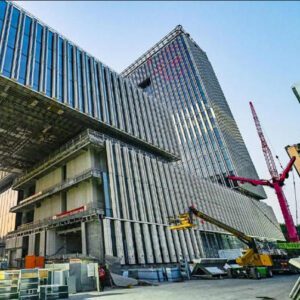
Fig. 4 — Successful BIPV color integration starts with architectural intent and works outward to module specification, not the reverse. Early co-design between architects and PV engineers is the single biggest predictor of project success.
Teams working with Jia Mao Bipv’s BIPV facade design framework typically follow a process that begins with facade zone mapping (which surfaces are visible, which are structural-only, which face optimal solar orientations), then moves to color shortlisting by energy penalty band, and finally to electrical string design that matches color zones to inverter inputs. This sequence prevents the common failure mode where beautiful color decisions create catastrophic string-mismatch problems during commissioning.
Color Fastness Under Real-World Exposure
Heritage district reviewers and planning authorities increasingly ask for real-world references, not just laboratory certificates. A module supplier who can provide photographs of installed projects after 5, 10, and 15 years of outdoor exposure — with documented ΔE color measurements taken at installation and at each anniversary — carries dramatically more credibility than one presenting only factory-fresh samples.
This is an area where the colored BIPV market has matured significantly since 2015. The IEA-PVPS Task 15 group, which specifically tracks colored BIPV, has published outdoor exposure data from reference installations across Central Europe, Scandinavia, and East Asia. The consensus finding: ceramic frit and sputtered dielectric coatings show ΔE < 3 after 10 years of outdoor exposure in temperate climates. Organic dye-based coatings show ΔE values that can exceed 10 within 5 years — a threshold clearly visible from 10 meters.
Common Coating Technologies Used in Solar Panels
Dielectric and Pigment-Based Coatings
The two dominant coating technology families — dielectric interference coatings and pigment-based coatings — represent fundamentally different physical mechanisms for producing color, and they carry different implications for efficiency, durability, and cost.
Dielectric interference coatings work by depositing multiple thin layers of transparent dielectric materials (typically TiO₂, SiO₂, Al₂O₃, or similar oxides) onto the back surface of the front glass. When light passes through these layers, partial reflections at each interface interfere constructively or destructively depending on wavelength, producing vivid colors without any absorbing pigment. Because only visible wavelengths are reflected and NIR passes through freely, spectral efficiency loss is minimized. These coatings are applied by physical vapor deposition (PVD) or chemical vapor deposition (CVD) in vacuum chambers — a capital-intensive process that produces extremely uniform, stable, and durable films. The manufacturing complexity is why dielectric-coated modules carry a cost premium of 15–35% over standard modules, but it is also why they dominate the high-specification BIPV facade market.
Pigment-based coatings use inorganic or organic colorants embedded in a binder matrix — screen-printed onto glass, incorporated into ceramic frits, or dispersed in the EVA encapsulant. They are simpler to produce and offer a broader color palette, but they absorb rather than reflect unwanted wavelengths, converting absorbed energy to heat rather than electricity. Inorganic pigments (iron oxides, cobalt aluminate, chromium oxide) are significantly more UV-stable than organic counterparts and are the preferred choice for cost-sensitive BIPV projects where aesthetic flexibility outweighs maximum efficiency.
| Technology | Mechanism | Typical Output Loss vs. Black | Color Palette | UV Durability | Relative Cost Premium | Best Application |
|---|---|---|---|---|---|---|
| Sputtered dielectric (PVD/CVD) | Thin-film optical interference | 3–12% | Blue, green, gold, silver, bronze | Excellent (ΔE < 2 after 20yr equiv.) | 25–40% | High-spec BIPV facade, skylight |
| Ceramic frit (fired glass) | Inorganic pigment in glass matrix | 10–25% | Full palette including white, terracotta, earth tones | Excellent (ΔE < 3) | 15–25% | Roof integration, heritage zones |
| Inorganic pigment in encapsulant | Pigment absorption | 15–30% | Moderate (earth tones, muted colors) | Good (ΔE 3–6) | 8–18% | Cost-sensitive residential BIPV |
| Structural color (nanostructure) | Photonic diffraction/scattering | 8–18% | Vivid across spectrum | Good–Excellent (emerging data) | 30–55% | Premium architectural BIPV |
| Standard black AR coating | Destructive interference of reflection | 0% (baseline) | Dark blue/black only | Excelente | 0% (baseline) | Utility, commercial roof |
Compiled from: IEA-PVPS Task 15; PV Magazine; ScienceDirect 2025; thermalspray.com dielectric coating overview; manufacturer technical briefs 2024–2025.
Anti-Reflective vs. Colored Coatings Trade-Offs
A standard anti-reflective coating (ARC) is the opposite of a color coating in functional intent: it is designed to minimize all reflection across the solar-useful spectrum, maximizing photon throughput to the cell. Standard ARCs achieve reflectance below 3% across 400–1100 nm using a single layer of magnesium fluoride (MgF₂) or, more commonly in production PV, silicon nitride (Si₃N₄) deposited directly on the cell surface. Research published in PV Magazine in 2024 found that optimized ARCs can reduce LCOE by over 2% through improved light harvesting — a meaningful gain at utility scale.
Colored coatings accept a degree of reflectance in exchange for a perceived color. The economic logic of accepting this trade-off is strongest when: (a) the color enables planning approval that a black panel would not achieve; (b) the colored module replaces conventional building material, so the “premium” is offset against avoided cladding cost; or (c) the installation area is large enough that even a reduced output per module delivers acceptable total system economics. The trade-off is weakest when roof area is severely constrained, electricity prices are low, and there is no planning or aesthetic requirement for color.
Performance Impacts Across the Solar Spectrum
Spectral Response with Different Colors
The silicon solar cell’s quantum efficiency — its probability of converting an incident photon to an electron — peaks between 800 nm and 950 nm in the near-infrared. This means that the NIR portion of sunlight is disproportionately valuable to the cell, even though it is invisible to the human eye. A color coating that preferentially transmits NIR while reflecting only the narrow visible-spectrum band corresponding to the desired color will have a much smaller impact on output than one that blocks broadly across 400–1100 nm.
This spectral reality has a practical implication that is underappreciated in early design discussions: the color perceived by the eye is determined by reflected visible light, but the power output is determined by transmitted light across the full solar spectrum. A coating that appears strongly colored but has high NIR transmittance (T > 90% above 750 nm) can deliver surprisingly good electrical performance. The IEA-PVPS Task 15 report documents experimental colored modules achieving 83–90% of the relative efficiency of identical uncolored modules when measured under real outdoor irradiance — significantly better than the performance implied by naive visible-band reflectance calculations.
Real-World Performance vs. Laboratory Measurements
Laboratory measurements of colored modules under STC (1000 W/m², 25 °C, AM 1.5 spectrum) often underestimate real-world performance for an important reason: outdoor irradiance on a BIPV facade or inclined roof includes a larger proportion of diffuse light than the AM 1.5 spectrum, particularly in northern latitudes and urban environments with significant sky obstruction. Colored modules — especially those with textured or scattering surfaces — can perform relatively better under diffuse conditions than their STC ratings suggest, because diffuse light arrives from a wide angular range and may encounter the color coating at angles where spectral selectivity is more favorable.
A review published in Energía renovable y sostenible Reseñas in 2026 found that on inclined BIPV planes, the relative efficiency of colored modules was between 83% and 90% of uncolored equivalents — and that this relative penalty actually decreased in real-world conditions compared to STC conditions, because of the favorable diffuse-light behavior described above. This suggests that colored BIPV projects in cities, in northern climates, or on vertical facades may experience a smaller actual energy penalty than datasheet-to-datasheet comparisons imply.
▶ Video: Coloring Cityscapes with BIPV — The Science Behind Colored Solar Panels
This expert presentation explores the technical and architectural dimensions of colored photovoltaic technologies, from spectral engineering to real building deployments. It provides valuable context for understanding the design decisions discussed throughout this review.
Testing Standards, Reliability, and Long-Term Data
Accelerated Aging Protocols and Metrics
The photovoltaic industry has developed a rigorous suite of accelerated aging protocols under the IEC 61215 (design qualification for crystalline silicon modules) and IEC 61730 (safety) standards. These tests are administered by accredited third-party laboratories including TÜV Rheinland, UL, and Bureau Veritas. For colored modules, the critical tests and their relevance are as follows:
- UV preconditioning (IEC 61215 MQT 10): 15 kWh/m² UV dose at controlled temperature. Critical for color coatings because organic dyes and some pigments may bleach or yellow under UV before other failure modes appear. For colored modules, buyers should ask for ΔE color measurements before and after this test.
- Thermal cycling (IEC 61215 MQT 11): 200 cycles between −40 °C and +85 °C. Tests adhesion of coatings at glass-encapsulant and glass-coating interfaces. Delamination of color layers typically manifests first at module edges.
- Damp heat (IEC 61215 MQT 13): 1000 hours at 85 °C / 85% RH. The harshest single moisture test. Organic encapsulant-based colorants are particularly vulnerable to hydrolytic degradation under these conditions.
- Hail impact (IEC 61215 MQT 29): 25 mm ice balls at 23 m/s. Relevant for exterior-surface color coatings that may be more brittle than standard ARCs.
- Mechanical load test (IEC 61215 MQT 16): ±2400 Pa static load. Relevant for BIPV glass applications where the module bears structural and wind loads in addition to solar generation functions.
A module that passes all applicable IEC 61215 tests with its color coating in place — not a substitute uncoated version — provides the most meaningful reliability assurance. Specifiers should require the test certificate to explicitly identify the colored module configuration that was tested, including glass type, color coating type and position, encapsulant material, and cell type.
Field Data and Reliability Case Studies
Field data on colored BIPV durability has been accumulating since the early 2000s, when the first large-scale colored facade systems were installed in Switzerland, Germany, and the Netherlands. The most comprehensive published dataset comes from the IEA-PVPS Task 15 group, which tracked installations across multiple countries over 15+ years. Key findings:
- Ceramic frit-coated glass modules installed in 2005–2010 showed ΔE < 3 after 15 years in Central European climates — within the “imperceptible” threshold.
- Early organic-dye encapsulant modules from the same era showed ΔE values exceeding 10 within 7–8 years — a clearly visible color shift that generated warranty claims and replacement costs.
- Sputtered dielectric coating technology, introduced at commercial scale circa 2012, has shown the most consistent long-term color stability across all documented field deployments, with ΔE < 2 at 10-year intervals in three independent reference installations.
- Modules using BIPV laminated glass construction — where the color layer is protected inside the laminate — consistently outperform single-glass modules with exterior-applied coatings on both durability and thermal cycling performance metrics.
Cost, Manufacturability, and Lifecycle Analysis
Material Costs, Processing Steps, and Yield Impacts
The cost premium of a colored solar module over a standard black module is driven by three factors: material cost of the color treatment, additional processing steps (PVD deposition, glass firing, or encapsulant formulation), and lower production volumes that prevent the economies of scale available to commodity black modules. Typical premiums in 2024–2025 commercial pricing range from USD 0.05–0.25 per watt-peak for inorganic pigmented encapsulants, to USD 0.25–0.80/Wp for sputtered dielectric-coated BIPV glass modules, to USD 0.80–2.50/Wp for premium architectural BIPV glazing with structural glass certification and fire classification.
In the context of a BIPV project where the module replaces conventional facade cladding (stone, glass, aluminum composite panel, ceramic tile), the module premium should be compared against the avoided cost of cladding material plus installation, not simply against the cost of a commodity rooftop PV panel. High-specification natural stone facade cladding in commercial construction can cost USD 150–400/m², against which a BIPV module at USD 80–150/m² (excluding framing) may represent genuine material cost savings while simultaneously generating electricity.
| Cost Element | Standard Black PV Module | Ceramic Frit Colored Module | Sputtered Dielectric BIPV Glass | Notes |
|---|---|---|---|---|
| Module cost (USD/Wp, 2025) | $0.18–0.28 | $0.32–0.52 | $0.60–1.20 | BIPV glass includes structural glass certification |
| Avoided cladding cost (USD/m²) | $0 (roof only) | $50–120/m² | $100–300/m² | Applicable to facade replacement projects |
| Annual output loss vs. black (kWh/kWp) | 0 (baseline) | 120–250 kWh/kWp | 30–120 kWh/kWp | Location and mounting dependent |
| Color warranty (typical) | N/A | 10–15 yr ΔE < 5 | 15–25 yr ΔE < 3 | Verify in writing; not always standard |
| Power warranty (typical) | 25–30 yr linear | 25 yr linear | 25 yr linear | Must be issued for the colored module configuration |
| Degradation rate (typical) | 0.4–0.6%/yr | 0.5–0.7%/yr | 0.4–0.6%/yr | Dielectric coating does not materially increase degradation rate |
Price data: NREL PV System Cost Benchmarks 2024–2025; Wood Mackenzie Solar Supply Chain Q4 2024; Vantage Market Research BIPV Glass 2024. Cost figures are indicative benchmarks, not quotes.
Lifecycle Environmental and Economic Considerations
A lifecycle assessment (LCA) of a colored BIPV module must account for both the environmental costs of the color treatment (additional materials, energy-intensive PVD deposition) and the avoided environmental costs of the conventional building material the module replaces. When a colored BIPV glass module replaces conventional architectural glazing on a facade, the net lifecycle carbon benefit includes: electricity generation across the module’s 25-year life; avoided extraction and processing of conventional glazing material; and avoided grid electricity from fossil sources.
NREL’s updated LCA of utility-scale PV (2024) confirms that even with additional processing steps, crystalline silicon PV modules pay back their embodied energy within 1–4 years depending on grid carbon intensity and installation location — well ahead of any expected efficiency premium from color treatment. For colored BIPV glass, the embodied energy of the PVD deposition process adds approximately 8–15% to the module’s manufacturing carbon footprint, but this is typically recovered within the first additional 6–18 months of operation relative to conventional cladding with no energy generation capability.
Modules (colored BIPV glass): 38%
Installation labor: 22%
Structural & mounting: 15%
Electrical / Inverters: 14%
Engineering & Permits: 7%
Monitoring & Commissioning: 4%
Future Trends, Recommendations, and Best Practices
When to Choose Color Coatings vs. Standard AR Coatings
The decision framework for color vs. standard AR coating resolves into a few well-defined scenarios where color is clearly justified, a few where it is clearly not, and a middle zone requiring project-specific economic modeling.
Color coatings are clearly justified when: the project requires planning approval in a heritage or design-sensitive zone where black panels would be refused; the BIPV module replaces conventional cladding, making the module premium offset by material savings; the building owner has sustainability marketing objectives where visible solar integration adds demonstrable value; or regulatory compliance (net-zero building standards, green building rating systems) benefits from BIPV façade area that would otherwise be unachievable with standard panels.
Standard AR coatings are clearly preferable when: the installation is on a commercial or industrial roof with no aesthetic constraints; electricity tariffs are low and maximizing kWh output is the sole economic driver; the system must be competitive purely on LCOE; or roof area is severely constrained and every percentage of module efficiency matters to meet energy targets.
The decision requires modeling when: the project is a residential facade or visible low-slope roof in a moderate-density urban area; partial planning obligations exist alongside cost sensitivity; or the building owner is uncertain about willingness to pay for aesthetics vs. energy performance.

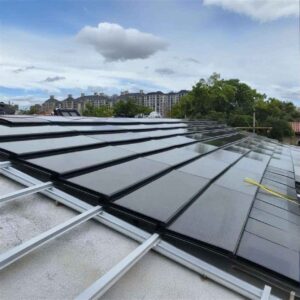
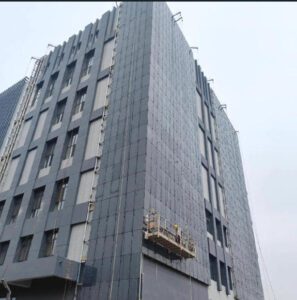
Fig. 6 — The right coating choice depends on project constraints, not product preferences. Urban rooftops with visible sight lines often benefit most from color integration.
Guidelines for Designers and Manufacturers
Based on current best practice across documented BIPV projects and the technical literature reviewed in this article, the following guidelines represent the current consensus for practitioners working with colored solar modules:
For architects and designers: Begin color selection by defining a color tolerance band — how much ΔE deviation from the reference color sample is acceptable at installation, and over a 10-year period? Then work with the module supplier to identify which coating technologies can meet that tolerance while achieving the maximum feasible output. Use the “color zone — electrical zone” principle: panels of similar color, similar tilt, similar orientation, and similar shading profile should form a single electrical string or a single MPPT input. Never mix colors or orientations in one string without module-level electronics.
For procurement teams: Require three documents that are frequently omitted from standard solar panel procurement: (1) a colored-module-specific IEC 61215 test certificate naming the exact color variant; (2) a color stability warranty with explicit ΔE limits and measurement methodology; and (3) a replacement module color-matching policy that commits the supplier to supplying color-matched replacement modules for at least 15 years. Without all three, the project carries unquantified long-term cost risk.
For manufacturers: The frontier of colored BIPV is moving toward spectrally selective structural color — nanostructured photonic films that produce vivid, angularly stable colors while transmitting NIR with minimal loss. This technology has recently demonstrated commercialization potential in peer-reviewed literature (ScienceDirect, 2025: “Structural coloring of solar photovoltaics with quasi-ordered nanostructures”). Manufacturers who invest in this platform will be positioned to serve the premium architectural BIPV market as it expands toward the projected USD 93 billion BIPV glass market by 2035.
Color coatings offer a genuine spectrum of trade-offs between aesthetics, durability, and energy performance — and those trade-offs are now quantifiable with the data accumulated from over two decades of commercial BIPV deployment, accelerated aging laboratory programs, and independent field monitoring. The key conclusions from this comparative review are as follows.
First, coating technology matters more than color choice. Two modules that appear identical in terracotta will have dramatically different efficiency, durability, and cost profiles if one uses fired ceramic frit and the other uses organic dye in the encapsulant. The technology used to produce the color is the primary determinant of long-term performance — not the color itself.
Second, efficiency penalties are real but manageable. Current best-in-class dielectric interference coatings deliver colored modules at 88–97% of standard black module output, while ceramic frit modules achieve 80–92% depending on color depth and coverage. These are commercially viable figures for most BIPV applications, particularly when offset against avoided cladding costs.
Third, durability is the field that separates credible suppliers from risky ones. Ceramic frit and sputtered dielectric coatings with ΔE < 3 after 25-year-equivalent aging are available and documented. Organic dye solutions are not appropriate for applications where color stability over 10+ years matters.
Fourth, selecting the right coating requires aligning with project goals, climate, and lifecycle expectations — not simply matching a Pantone swatch. The most successful colored BIPV projects integrate color selection, electrical design, thermal management, warranty structuring, and maintenance planning from the earliest design stage. Those that treat color as a cosmetic decision made at procurement often pay for it in energy shortfalls, warranty disputes, or premature replacement costs.
Finally, the areas where data remains strongest are temperate-climate facade installations with sputtered dielectric coatings. Areas requiring further research include hot-humid and desert climates (where combined UV intensity and temperature stress is extreme), the long-term performance of structural color nanofilm technologies, and the performance of colored modules under bifacial configurations where rear-surface color treatment introduces additional optical complexity.
Frequently Asked Questions (FAQs)
Q1. How do color coatings influence PV efficiency in different climates?
Climate affects colored PV performance through two independent mechanisms: irradiance spectrum and operating temperature. In hot, high-irradiance climates (Middle East, Southern Europe, Southwest USA), the spectral composition of sunlight shifts toward NIR, which means spectrally selective coatings that transmit NIR freely perform relatively better than they would in northern latitudes where diffuse visible light dominates. However, operating temperature is higher in these climates, and modules run hotter — often 20–35 °C above ambient on poorly ventilated surfaces — amplifying the temperature coefficient penalty that affects all silicon-based solar cells at approximately 0.35–0.45%/°C. In cold northern climates (Scandinavia, Northern Europe), diffuse irradiance is proportionally larger, and colored modules with scattering or textured surfaces can capture more diffuse light than their STC ratings predict. Field studies show that in these conditions, the real-world relative efficiency of colored modules versus black modules is often 2–5% better than STC comparisons suggest. The practical implication: always model yield with location-specific TMY (Typical Meteorological Year) data and module-specific temperature coefficients, not just STC wattage comparisons.
Q2. Are colored coatings more prone to degradation than traditional AR coatings?
It depends entirely on the coating technology. Sputtered dielectric coatings and fired ceramic frits show no meaningful increase in degradation rate compared to standard anti-reflective coatings — field data from IEA-PVPS Task 15 confirms typical color-stability ΔE values below 3 after 10 years for these technologies, with module power degradation rates of 0.4–0.6%/year comparable to standard modules. By contrast, organic dye-based coatings — particularly those incorporated into EVA encapsulants without UV-stabilizer packages — have historically shown accelerated color degradation (ΔE > 8 within 5–7 years in field installations from the early 2010s) and in some cases have correlated with accelerated encapsulant browning that reduces module power output beyond the initial color penalty. The industry has largely moved away from organic dye encapsulants for this reason. When evaluating a colored module, always ask specifically which coating technology is used and request the UV preconditioning (IEC 61215 MQT 10) and damp heat (MQT 13) test results for the specific colored configuration delivered.
Q3. What metrics should be prioritized when evaluating color coating options?
Five metrics deserve equal weight in a rigorous evaluation. First, spectral transmittance above 700 nm (NIR transmittance): a value above 85% at 750–1100 nm indicates that the coating does not significantly block the wavelengths most valuable to the silicon cell. Second, ΔE color difference after IEC 61215 UV preconditioning (15 kWh/m² dose): a ΔE below 3 indicates imperceptible color change; above 6 indicates clearly visible yellowing or bleaching. Third, the relative power output of the colored module versus the uncolored base module under identical STC conditions — and this must come from a flash test of the actual colored product, not an estimate. Fourth, the angular color shift: how much does the coating’s perceived color change between 0° and 60° incidence? This is critical for facade applications observed from multiple angles. Fifth, the explicit coverage terms of both the power warranty and any separate color stability warranty — specifically, what ΔE threshold triggers a warranty claim, and how will color-matched replacement modules be sourced 10–15 years post-installation.
Q4. Can colored BIPV modules meet structural glass safety requirements for facades?
Yes, but only when specifically engineered and certified for structural applications. Standard crystalline silicon PV modules are designed for roof mounting and are not structurally rated for facade applications where the glass must bear wind loads, resist pedestrian impact, and comply with building fall-protection codes. BIPV facade glass — such as laminated BIPV glass designed for facade use — is typically manufactured as a laminated safety glass assembly with at least two glass plies bonded by an interlayer (EVA, PVB, or ionoplast). This construction provides post-breakage integrity (the broken glass holds together in the frame), compliance with EN 14449 (laminated safety glass), and structural load capacity calculable under EN 13474 or equivalent regional glazing standards. The color coating is incorporated into this structural laminate assembly, so aesthetics and safety engineering are resolved simultaneously. Always specify the applicable structural glass standard in procurement documents and verify that the supplier has a structural glass certification for the specific product being quoted, not just a PV module IEC certificate.
Q5. How do you calculate the payback period for a colored BIPV facade vs. conventional cladding plus rooftop solar?
The comparison has three cost streams: (A) conventional cladding cost (material + installation per m²); (B) rooftop solar cost (module + BOS + installation per kWp); and (C) colored BIPV facade cost (module + facade installation per m²). BIPV replaces stream A and partially replaces stream B simultaneously, so the relevant comparison is (C) vs. (A + B). If the colored BIPV facade costs USD 250/m² installed and avoids USD 150/m² of stone cladding plus USD 80/m² of rooftop equivalent capacity, the net premium is USD 20/m² before energy revenue. At an annual yield of 80 kWh/m² (vertical south-facing facade, temperate climate) and a local electricity price of USD 0.15/kWh, the annual energy revenue is USD 12/m², giving a simple payback on the USD 20/m² net premium of approximately 1.7 years. The 25-year cumulative energy benefit is USD 300/m², against a net premium of USD 20/m². This simplified model omits financing costs, degradation rates, and maintenance, but it illustrates why facade BIPV economics are frequently more compelling than a module-to-module cost comparison would suggest.
Q6. What is the minimum color penalty achievable with current technology?
The current minimum demonstrable efficiency penalty for a colored crystalline silicon module, using sputtered dielectric interference coatings on the interior surface of tempered front glass, is approximately 3–7% relative to an uncoated black module under STC. This figure comes from both peer-reviewed literature and manufacturer product characterization data available as of 2025. The lower end of this range (3–5%) is achievable for muted, lower-saturation colors such as dark gray-blue, forest green, and bronze, where the reflected visible-band width is narrow and NIR transmittance remains high. Vivid, high-saturation colors (bright red, pure white, saturated yellow) require reflecting a wider visible bandwidth and currently achieve 10–20% minimum penalties with dielectric coating technology. Structural color nanofilm technology, in early commercial production as of 2025, has demonstrated 8% penalties with vivid colors in laboratory settings, suggesting that the practical floor for colorful modules may approach 5–8% across a broader palette within the next 3–5 years.
Q7. How should maintenance and cleaning protocols differ for colored solar panels?
Colored modules — especially those with matte, ceramic-frit, or textured-glass surfaces — may accumulate soiling (dust, pollen, bird droppings) that is more visually apparent than on glossy black modules, even when the soiling level is similar. This creates a dual maintenance motivation: energy performance and appearance. Cleaning frequency should be set by the project’s soiling rate and visibility requirements, not a standard calendar schedule. For cleaning, always use manufacturer-approved methods: soft demineralized water, non-abrasive sponges or squeegees, and no acid or alkaline cleaners unless explicitly approved by the module supplier. Some colored coatings — particularly early sol-gel exterior coatings — are susceptible to chemical attack from alkaline cleaners commonly used in commercial window-cleaning operations. For BIPV facade installations where the solar glass is cleaned by the building’s window-cleaning system, verify with the module supplier that the cleaning detergents and equipment used are compatible with the specific color coating before the cleaning contract is signed. This conversation is rarely had and frequently causes coating damage in the first year of operation.
Q8. Are there regulatory or building code considerations specific to colored BIPV panels?
Yes, and they vary significantly by jurisdiction, building type, and installation location. In heritage conservation zones and historic districts across the UK, France, Germany, and increasingly in Asia, local planning authorities may have explicit color-range guidelines for roofing and facade materials — and solar panels are increasingly covered by the same provisions. In these contexts, a colored BIPV panel that matches the palette of the district’s approved material guide may be approved while a black panel is refused. In the United States, HOA (Homeowners Association) restrictions on solar panel visibility are prohibited in many states under “solar access” laws, but facade installations in non-residential settings may still face design review. Fire classification is a critical regulatory requirement for facade-integrated systems: in many jurisdictions, facade materials above 18 meters (approximately 60 feet) must achieve Class A or equivalent fire classification. BIPV laminated glass can achieve this, but not all colored module configurations are tested and certified for it. Always verify the applicable fire standard for the specific building height and type before specifying colored BIPV for a facade application.
Q9. How do inverter selection and string design differ for colored solar panel installations?
Inverter and string design for colored solar installations must account for two specific challenges that rarely arise in standard black-panel rooftop systems: color-driven output variation and orientation diversity. In a BIPV facade where multiple colors, tilts, or orientations are used on the same elevation — for example, a curtain wall with alternating gray and terracotta panels, or a facade with panels at different angles due to architectural geometry — each distinct combination of color, tilt, and orientation creates a unique I-V curve. Placing modules with significantly different I-V curves in the same DC string forces the string to operate at a compromised maximum power point, potentially losing 5–20% of the combined output compared to optimized grouping. The solution is one or more of the following: separate MPPT inputs for each zone of similar color, tilt, and orientation (achievable with multi-MPPT string inverters); module-level power electronics (microinverters or DC optimizers) that allow each module to operate at its own maximum power point independently; or careful module-zone mapping during design that groups similar-performing modules into the same string. For small facade projects (under 50 kWp), microinverters are often the lowest-complexity solution. For large projects, multi-MPPT central or string inverters with detailed zone mapping are more economical and equally effective when the design is executed carefully.
Q10. What emerging color coating technologies should specifiers track in the next 3–5 years?
Three emerging technologies are likely to materially change the colored BIPV market by 2030. First, quasi-ordered photonic nanostructures for structural color — thin films of nanoparticle arrays that produce vivid, stable colors via photonic diffraction rather than absorption or conventional interference, achieving NIR transmittance above 90% with vibrant visible-spectrum reflectance. A 2025 ScienceDirect publication demonstrated PV modules with structural color losing less than 10% output relative to uncolored modules with vivid red, blue, and green appearances — a significant improvement over current ceramic frit technology for high-saturation colors. Second, electrochromic and thermochromic adaptive coatings that dynamically modulate color and transmittance in response to temperature or applied voltage — allowing the same module to appear colored for aesthetic compliance during peak visibility conditions and to maximize light transmission during low-visibility conditions (night, overcast). These are at TRL 4–6 as of 2025. Third, AI-assisted spectral optimization — using machine learning to design multi-layer coating stacks that achieve any desired CIE color coordinate while maximizing total transmittance across the silicon cell’s usable spectrum. This is already used in advanced optical coating design tools and is beginning to influence production-scale PVD coating recipes for BIPV glass. Specifiers who build relationships with manufacturers investing in these platforms will have access to significantly expanded color palettes with reduced efficiency penalties within the next product generation cycle.
Sources & References: IEA-PVPS Task 15 — Coloured BIPV Market, Research and Development (2020); PV Magazine — “Colored PV module performance is underestimated” (2020); ScienceDirect — “Structural coloring of solar photovoltaics with quasi-ordered nanostructures” (2025); ScienceDirect — “A review of colored building-integrated photovoltaics (BIPV)” (2026); Vantage Market Research — BIPV Glass Market 2024–2035; NREL PV System Cost Benchmarks (2024); IEC 61215 Series — Design Qualification and Type Approval of Terrestrial PV Modules; U.S. DOE — Solar Photovoltaic Technology Basics; NREL PV Cell Efficiency Chart; Jia Mao Bipv — Colored Solar Panels Efficiency Guide.