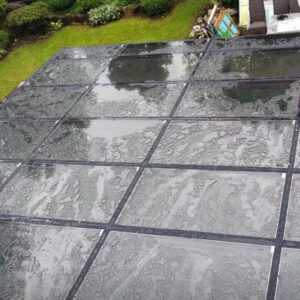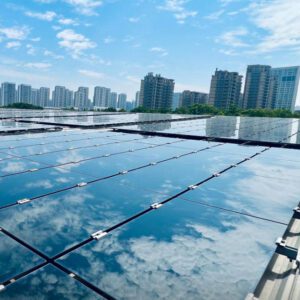
A comprehensive guide for distributors and sellers to understand solar window technology, market readiness, and customer expectations before scaling your inventory

A distributor in Phoenix recently told us he’d fielded fourteen calls in one quarter asking about “the windows that make electricity.” None of those callers were ready to buy — they were testing the market, and so was he. That’s the reality of solar windows in 2026: enormous curiosity, thin product availability, and a wide gap between what marketing videos promise and what a crew can actually bolt into a curtain wall this year.
For distributors, agents, and building contractors working in solar and renewable energy, this gap is either a liability or an opportunity, depending on how well you understand it. Solar windows — sometimes called transparent photovoltaics, or window-integrated PV — sit at the edge of the broader Building-Integrated Photovoltaics (BIPV) category, a market segment that industry analysts at Fortune Business Insights project will climb from roughly $28 billion in 2026 to nearly $86 billion by 2034, growing at a compound annual rate near 15%. That growth curve is real, but it is not evenly distributed across every product type. Rooftop-style BIPV glass, solar roof tiles, and façade cladding are moving faster toward mainstream adoption than fully transparent window glass, which still carries real technical trade-offs.
This matters for your sales strategy in a very literal way. “Transparency” here means two things: the physical clarity of the glass, and the honesty you bring to conversations with architects, developers, and end customers about what the product can and cannot deliver today. Distributors who master both kinds of transparency position themselves as the technical authority in a category everyone is curious about but few people understand correctly.
The goal of this guide is to give you a working, field-tested vocabulary and expectation-setting framework — covering the science, the real numbers, the permitting landscape, and the market timeline — so you can talk to a commercial developer or a glazing contractor without overselling a technology that, in most applications, is still catching up to the hype. We’ll also show where transparent BIPV glass products like those from جيا ماو BIPV already fit into distributor portfolios today, even while fully see-through “invisible” solar windows remain mostly in pilot phases.
1. Understanding Solar Window Technology: The Basics for Sellers
What Are Solar Windows and How Do They Work?
A solar window is a piece of glazing that generates electricity from sunlight while still letting some visible light pass through it. The technical term for this property is visible light transmission, or VLT — a percentage that tells you how much of the light hitting the glass makes it through to the other side. A window with 70% VLT looks close to ordinary clear glass; one with 20% VLT looks like heavily tinted privacy film.
Underneath that visual spectrum sits the electrical engine. Most solar window technologies use one of a handful of approaches: semi-transparent crystalline silicon cells spaced out across the glass (leaving visible gaps between opaque cell strips), thin-film coatings that harvest ultraviolet and infrared light while letting visible light through, organic photovoltaic (OPV) materials that are lightweight and can be tuned for color, or dye-sensitized solar cells that use light-absorbing dye molecules and can be manufactured in different tints and patterns. A newer contender, perovskite solar cells, is drawing significant research funding because its light absorption can be chemically tuned — but most perovskite window products are still working through outdoor durability testing rather than commercial rollout.
The critical engineering insight, echoed by the U.S. Department of Energy’s own solar photovoltaic technology primer, is that visible light and the light used for power generation aren’t identical. Some transparent PV technologies specifically target the UV and infrared bands — wavelengths the human eye doesn’t see anyway — which is how a window can generate power without going completely dark. This is genuinely clever engineering, and it’s also why current transparent PV efficiency numbers look modest compared to opaque rooftop panels: you’re intentionally leaving most of the visible spectrum untouched.
For your distributor pitch, the practical takeaway is this: describe solar windows as a daylighting product that also generates some electricity, not as a rooftop panel replacement. Customers who understand that framing from the first conversation rarely feel misled later.
The Science Behind the Transparency Trade-Off
Here’s the physics that governs every conversation you’ll have about this product category: sunlight carries a fixed amount of energy per square meter, and a photovoltaic cell can only convert light it actually absorbs. If a pane of glass is letting 70% of visible light straight through to the room, it is, by definition, not converting that light into electricity. There is no material innovation that gets around this — 100% transparency and maximum energy generation are mutually exclusive goals, and every manufacturer’s roadmap is really just a negotiation between the two.
Current commercial and near-commercial transparent PV products cluster in a fairly narrow performance band. According to research compiled by RatedPower and peer-reviewed studies published in ScienceDirect, semi-transparent organic cells can reach around 86% transparency but typically convert only about 7-10% of incoming light into electricity, while dye-sensitized cells trade some clarity (roughly 60% VLT) for slightly higher efficiency near 9%. Ubiquitous Energy, one of the more visible companies in this space, has reported figures around 5% efficiency at roughly 50% transparency — which the company translates to about 50 watts per square meter under ideal test conditions. Compare that to a standard opaque monocrystalline rooftop panel, which now routinely exceeds 20-22% efficiency and produces 300-450 watts per module.
That efficiency gap is the single most important number to memorize before you talk to a customer, because it directly shapes ROI conversations. A homeowner who has seen a viral video about “windows that power your house” is picturing rooftop-panel economics. The honest picture is closer to a modest supplemental energy source, best positioned as one part of a larger system rather than the primary generator.
Comparing Solar Windows to Traditional Solar Solutions
When a client asks “why wouldn’t I just put panels on the roof,” the honest answer starts with output density. Rooftop panels remain the most watts-per-dollar and watts-per-square-meter solution available, and that isn’t likely to change soon. Solar roof tiles occupy a middle ground — slightly lower efficiency than standard panels but better aesthetics for HOA-restricted or historic properties, typically running $3.00–$5.00 per watt according to cost breakdowns published in Jia Mao Bipv’s BIPV retrofit cost guide. Solar windows and transparent façade glass sit at the far end, with far lower power density but unique advantages: they replace glass that a building needs anyway, they don’t require additional roof or ground space, and they can transform a glass-heavy commercial tower — the kind of building that has no usable roof space relative to its square footage — into a partial energy generator.
That last point deserves emphasis for a distributor audience. The real commercial argument for transparent BIPV glass isn’t “it generates as much power as rooftop solar.” It’s “this is glass the building already needs, done in a way that also produces some electricity and reduces solar heat gain.” That reframing changes the sales conversation from a losing efficiency argument into a legitimate value-engineering discussion, particularly for architects managing glazing specs on new commercial construction. For a deeper technical comparison of how glass-based PV stacks up against rooftop arrays, see Jia Mao Bipv’s breakdown of the 50x performance claim, which explains why façade-scale glass area can offset lower per-panel efficiency in high-rise applications.
2. Transparency Levels: What Your Customers Actually Get

Tinted vs. Fully Transparent Solar Windows
Almost nothing sold today as a “solar window” is glass you could confuse with ordinary float glass at close range. Most products fall somewhere on a tint spectrum, and understanding where a specific product lands on that spectrum is the difference between a happy customer and a return request.
At the 70%+ VLT range, glass looks close to standard architectural glazing with a light gray or bronze cast — think of the tint level on many modern commercial storefronts. This range is generally the best fit for residential applications where homeowners want natural light and a view, and it produces the lowest power output of the group. In the 50-70% range, the tint becomes noticeably darker, closer to sunglasses-grade tint, and this band tends to be where commercial and mixed-use applications land, because building occupants there are generally more tolerant of reduced brightness in exchange for glare control and moderate power generation. Below 50% VLT, the product starts to resemble heavily tinted privacy glass or dark spandrel panels — appropriate for skylights, canopies, and shading structures where daylight quality matters less than energy output and solar heat rejection.
Climate and region change which end of that spectrum makes sense. In sun-intensive markets like Arizona, Texas, or the Middle East, darker glass often serves double duty by cutting cooling loads, which is a real dollar-value proposition independent of the electricity generated. In northern climates with long gray winters, building owners are far more reluctant to sacrifice daylight, which pushes demand toward higher-VLT, lower-output products or toward BIPV glass placed only on non-critical elevations.
When you’re building a pitch, always describe the specific VLT number and show a physical sample under real daylight — not a rendering, not a photo. Tint perception shifts dramatically depending on ambient light, and a sample that looks acceptable on a showroom lightbox can look markedly darker installed across an entire office façade.
Measuring and Understanding Light Transmission
VLT is a standardized, testable number, but manufacturer claims vary in how rigorously they’re measured. When you’re evaluating a supplier’s technical sheet, look for whether the VLT figure was measured using a recognized optical test method or ASTM standard, whether it reflects the finished laminated assembly (glass plus PV layer plus any coatings) rather than just the raw PV film, and whether the number is a single average or a range across the visible spectrum — because some transparent PV materials absorb certain colors more than others, which can shift how a room’s lighting actually looks and feels, even at a technically accurate VLT percentage.
A useful reality check for distributors: ask every manufacturer for a full-size sample panel, not a business-card-sized swatch, and view it in the actual climate and orientation where it will be installed. Small samples viewed indoors under fluorescent light routinely misrepresent how a large glazed surface will read outdoors. If a supplier resists providing a full-size sample or project-specific mock-up, treat that resistance as a red flag about production maturity, not just a supply constraint.
Real-World Transparency Examples by Use Case
Residential applications generally call for the lightest tint the product line offers, since homeowners rarely want their living room to feel like it’s behind sunglasses; this typically pushes distributors toward 60-70% VLT products used selectively on south- or west-facing windows rather than the entire building envelope. Commercial applications — office towers, retail storefronts, mixed-use developments — tolerate darker glass more easily and often actively want it, since glare control and reduced cooling load carry direct operating-cost value for the building owner. Automotive integration, including solar-assisted sunroofs and rear glass, remains a much smaller and more specialized niche, generally reserved for OEM partnerships rather than aftermarket distribution, and isn’t a near-term volume opportunity for most solar distributors. Skylight and conservatory installations occupy an interesting middle position: they receive strong, consistent overhead sun exposure that improves energy yield, but they also face tougher waterproofing and structural glazing requirements that add engineering complexity most standard vertical window installations don’t require.
3. Performance Limitations: What Solar Windows Can and Cannot Do
Realistic Energy Generation Expectations
The number every prospective customer needs before they commit to a project: current commercial and pilot-stage transparent solar windows generate roughly 5-15 watts per window under good conditions, depending on window size and transparency level, according to figures reported across multiple manufacturer disclosures and industry press coverage. A standard rooftop solar panel generates 300-450 watts. That means it typically takes between twenty and sixty solar windows to match the output of a single rooftop panel — a ratio that should shape every ROI conversation you have.
Seasonal and geographic variation compounds this further. Output drops in winter due to lower sun angles and shorter days, and it drops in cloudy climates because transparent PV, like all photovoltaics, depends on incident light intensity. A homeowner in Seattle should expect meaningfully lower output than one in Phoenix, even with identical glass. When you’re building a proposal, always model output using local solar irradiance data — resources like NREL’s PVWatts calculator provide a reasonable starting point for site-specific estimates, though complex glazing geometry may require more detailed 3D solar modeling for accuracy.
The honest framing for a client conversation is this: solar windows are a supplemental, incremental energy source, not a primary power system. They work best stacked alongside rooftop solar, battery storage, or efficiency upgrades — never sold as a standalone replacement for a home’s electrical needs.
Installation Location Constraints
Not every window in a building is a good candidate, and part of your value as a distributor is helping clients avoid wasting money on poorly placed installations. South-facing orientations (in the Northern Hemisphere) generally produce the strongest output, followed by east and west exposures at reduced levels, with north-facing glass contributing very little regardless of technology. Shading from trees, adjacent buildings, or architectural overhangs can disproportionately hurt transparent PV output, because unlike a rooftop array where a few shaded cells barely dent total output, a poorly designed string of solar window units can see output collapse if even one unit is partially shaded — a wiring and design detail that deserves attention during the proposal phase, not after installation.
Climate zone also matters beyond just sun hours. Hot, dry climates with high solar irradiance and low humidity tend to be the most favorable performance environment. Humid, overcast, or high-latitude regions will always show lower per-window output, which should be reflected honestly in every proposal rather than glossed over with national-average generation figures.
Weather and Environmental Performance
Cloudy-climate performance deserves particular attention because it’s one of the most common objections you’ll hear. Transparent PV does still generate some power in diffuse light conditions, but output drops significantly — often by 30% or more relative to direct-sun performance, depending on cloud density. Snow and heavy dirt accumulation can block light transmission almost entirely in the short term, and unlike a sloped rooftop panel that sheds snow naturally, vertical window glass in snowy climates may or may not clear itself depending on installation angle and building heat.
Long-term durability data remains one of the thinner areas of this market simply because the technology is young. Manufacturers commonly project 25-30 year lifespans, matching traditional solar panel warranty conventions, but independent field data spanning multiple decades doesn’t yet exist for most transparent PV chemistries. This is worth stating plainly to customers rather than repeating manufacturer projections as established fact — a distinction that builds long-term trust even when it complicates the immediate sales pitch.
Electrical Integration Challenges
Solar windows are, underneath the glass, still DC electrical generation devices, and they inherit all the complexity that comes with that. Each active glass unit needs cabling, connectors, and junction boxes that must remain accessible for maintenance without compromising the building’s weatherproofing. Inverter compatibility, battery storage integration, and the choice between grid-tied and off-grid configurations all require the same electrical planning as a rooftop system — arguably more, because retrofitting wiring through existing window frames and mullions is considerably harder than running conduit across an open roof deck. For façade and window-integrated systems specifically, Jia Mao Bipv’s guide to façade modules and inverter design walks through module selection, cable routing, and weatherproofing coordination in more technical depth — useful reading before you commit to quoting a full commercial glazing package.
4. Installation Costs: Breaking Down the Real Numbers

Material Costs for Distributors
Pricing across the BIPV category varies enormously depending on product type, and lumping “solar windows” into a single price bracket will get you in trouble with a client’s finance team. Based on current supplier pricing data compiled across the industry, flexible BIPV panels run roughly $0.22-$0.28 per watt, BIPV roof tiles land around $0.06-$0.33 per watt, and general opaque BIPV cladding products fall in the €200-€625 per square meter range. Transparent glass products used in windows, curtain walls, and skylights sit at the premium end of that spectrum — commercially available BIPV glass curtain wall pricing has been reported in the €520-€1,120 per square meter range, and specialized transparent facade glass can run $6.00-$18.00 per watt when priced by output rather than area, according to cost data referenced in Jia Mao Bipv’s price comparison research.
The following table summarizes typical wholesale pricing bands distributors should expect to see when sourcing across product categories:
| Product Category | Typical Price Range | نطاق الكفاءة | Best-Fit Application |
|---|---|---|---|
| Flexible BIPV panels | $0.22 – $0.28/W | 12–16% | Curved roofs, lightweight structures |
| BIPV roof tiles | $0.06 – $0.33/W | 15–23% | Residential retrofit, HOA-restricted homes |
| Opaque façade cladding | €200 – €625/m² | 12–20% | Commercial curtain walls, spandrel panels |
| Transparent/semi-transparent glass | €520 – €1,120/m² | 5–10% | Windows, skylights, atriums |
| Standard rooftop crystalline panels | $0.35 – $0.55/W | 18–23% | Comparison baseline |
Volume purchasing changes these numbers meaningfully. Suppliers offering repeatable, standardized glass sizes — rather than fully custom cuts — typically pass along procurement savings of 5-15% at moderate volume, while fully custom architectural glass orders can add 1.5-8% to base material cost due to one-off tooling and testing, a pattern documented across multiple BIPV cost studies. This is a strong argument for steering early-stage clients toward standardized module sizes wherever the architecture allows it.
Labor and Installation Expenses
Installing standard opaque BIPV products — roof tiles, cladding panels — is close enough to conventional roofing and siding work that many existing solar and roofing contractors can be trained up relatively quickly. Transparent window and curtain-wall glass is a different story. It typically requires glazing contractors experienced with insulated glass unit (IGU) installation working alongside licensed electricians, because the electrical integration has to be coordinated with the glazing system’s drainage, sealing, and thermal movement details before the frame is closed up. Installation time per window unit is comparable to standard window replacement — often one to two hours — but the electrical commissioning, inverter setup, and system testing can add one to two additional days depending on system complexity and the number of individual glass units being tied together into strings.
Hidden costs that catch distributors off guard include electrical permitting fees, structural engineering review for larger glazed areas, and inspection scheduling delays — all of which should be built into your standard quote template rather than treated as change orders after the fact.
Additional System Costs
Beyond the glass itself, a complete solar window installation needs inverters sized appropriately for the (typically low) output per unit, a monitoring system to track performance across potentially dozens of individual glass units, permitting and engineering review fees, and a clearly defined warranty and maintenance service package. Distributors who bundle these components into a single line-item quote — rather than leaving customers to source inverters and monitoring separately — tend to close deals faster and avoid post-sale disputes about what was actually included.
Total Cost of Ownership for End Customers
The following illustrative cost stack, drawn from BIPV glass cost breakdowns commonly used in project budgeting, shows roughly how a typical transparent solar glass project’s budget divides:
Transparent Solar Glass Project — Typical Cost Allocation
PV glass laminate & module fabrication ████████████████████ 40%
Framing, sealing, spacers, hardware ██████████ 20%
Electrical BOS, inverters, cabling █████████ 18%
Installation & commissioning ███████ 14%
Design coordination & documentation ████ 8%
Indicative allocation only — custom sizing, high-rise access requirements, and low order volumes can shift these percentages meaningfully.
When you’re building bundled pricing strategies, consider offering financing options that spread the premium cost of transparent glass over the same term as a standard solar loan, since customers evaluating solar windows are almost always comparing the sticker price against a mental benchmark of rooftop solar economics — and a stretched-out payment structure narrows that psychological gap even when the underlying technology delivers less energy per dollar.
5. Regulatory and Permitting Landscape
Building Code Compliance Status
Building code acceptance for BIPV glass varies by jurisdiction and product type, and this is an area where “ahead of the adoption curve” genuinely means something for your competitive position. Structural glazing requirements, electrical code provisions for building-integrated generation, and safety-glass certification standards all apply, and a transparent PV product satisfying electrical code doesn’t automatically mean the complete window or curtain-wall assembly has been approved — the full system typically still needs project-specific review by the local authority having jurisdiction (AHJ). States and municipalities with more mature renewable energy permitting infrastructure, and with established solar-friendly zoning, tend to move faster on BIPV approvals generally, though transparent window-specific precedent remains limited even in progressive jurisdictions.
Certification and Testing Standards
For PV module safety, UL 1703 and the newer UL 61730 standard represent the primary U.S. benchmarks, while IEC 61215 and IEC 61730 serve as the international equivalents — UL’s own documentation on the 1703-to-61730 transition is a useful reference for distributors trying to understand which standard a given product actually meets. For building-integrated applications specifically, Jia Mao Bipv’s certification and warranty guide breaks down how PV module certification differs from the safety-glass and fire-classification certifications a complete window assembly also needs.
The practical warning here for distributors: certification status often varies by individual product and specific market, and a manufacturer’s general claim of “UL certified” doesn’t tell you whether the specific transparency level, size, and glass make-up you’re quoting has actually completed testing. Always request the specific certificate number and test report for the exact product configuration you intend to sell, not a general company-level claim.
Permitting Timeline and Requirements
Typical permitting timelines for BIPV projects, including electrical and building permits, run roughly 2-8 weeks depending on jurisdiction and project complexity, broadly similar to conventional solar permitting timelines but sometimes extended by the additional glazing and structural review that window-integrated systems require. Documentation packages generally need to include electrical single-line diagrams, structural glazing calculations, product certification documents, and in most cases a utility interconnection application if the system will feed excess power back to the grid.
Insurance and Warranty Considerations
Distributors carry real liability exposure in this category, and it’s worth addressing directly with your legal or insurance advisor before scaling volume. Manufacturer warranties typically cover product defects and power output degradation over a defined term (commonly 25 years, mirroring standard PV convention), while installer warranties cover workmanship — and the two frequently have different exclusions, different claims processes, and different points of contact. Customers should be advised to notify their homeowner’s or commercial property insurance provider about any solar window installation, since coverage implications vary by policy and provider, and an unreported system modification has, in some documented cases, complicated claims after unrelated property damage.
6. Market Timeline: When Solar Windows Will Actually Be Available
Current Development Stage by Major Manufacturers
The transparent solar window category includes a mix of established BIPV glass manufacturers already shipping commercial product, research-stage companies running pilot installations, and a handful of high-profile names — SolarWindow Technologies and Ubiquitous Energy among them — that have generated significant press coverage while working toward broader commercial scale. It’s worth noting that Ubiquitous Energy closed a $30 million funding round aimed at manufacturing readiness, targeting scaled production, though public timelines for fully mainstream availability have shifted more than once, which is a useful reminder to treat any single manufacturer’s launch date as directional rather than guaranteed. A helpful overview of where several of these companies stand technically is available in IEEE Spectrum’s coverage of solar window development.
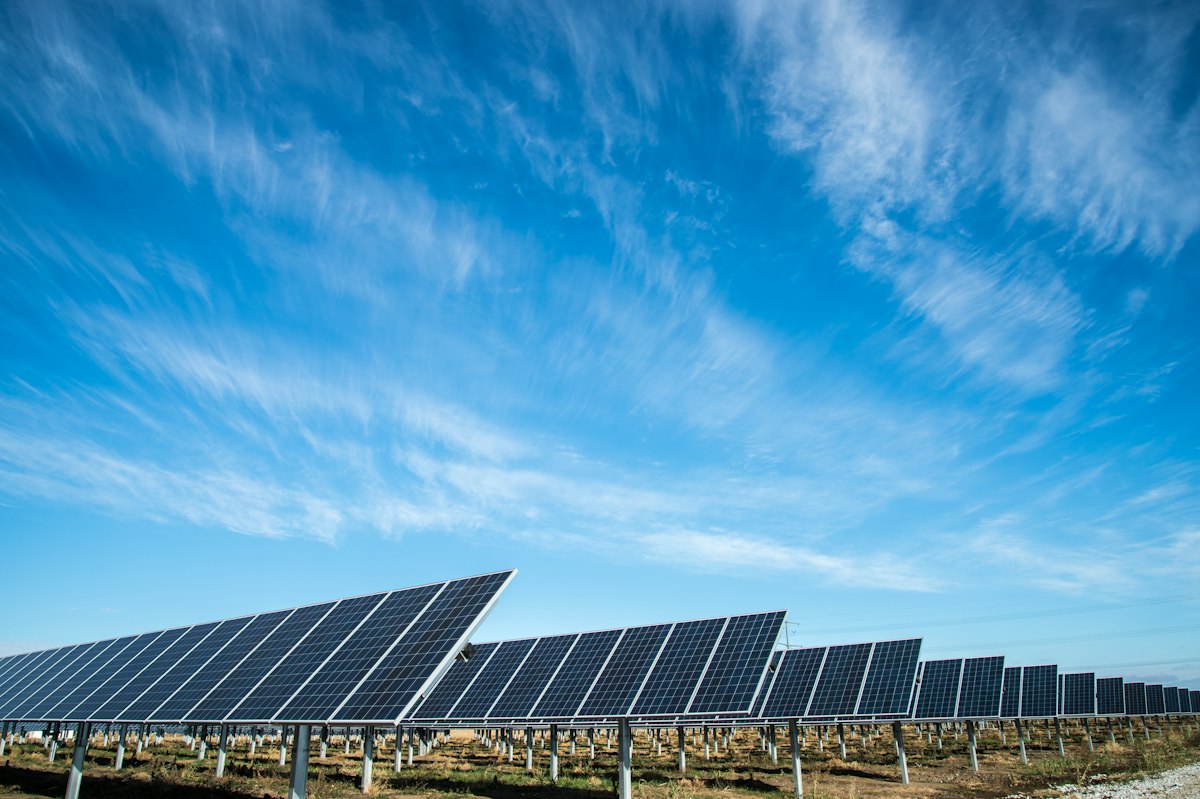
Meanwhile, opaque and semi-transparent BIPV glass — the category that includes standard façade cladding, solar roof tiles, and moderately tinted architectural glass — is already commercially available today from multiple established manufacturers, with repeatable product lines, tested certifications, and real installation track records. This is the important distinction for distributors: fully transparent, “invisible” solar windows remain mostly in pilot and early-commercial phases, while semi-transparent and opaque BIPV glass products are already a viable, sellable category right now.
Scaling and Production Capacity
Manufacturing scale-up for any new photovoltaic chemistry follows a predictable, if frustrating, pattern: pilot production lines prove feasibility, but true cost-competitive scale requires gigawatt-level manufacturing capacity that takes years to build out. Established BIPV manufacturers with existing large-scale production infrastructure — annual capacities in the multi-gigawatt range are increasingly common among leading suppliers — have a real advantage in supply reliability over newer transparent PV startups still running pilot-scale fabrication.
Market Availability by Region
Early-adopter activity for fully transparent window PV concentrates in markets with strong green-building incentive programs, dense urban commercial construction, and progressive energy codes — parts of the U.S. West Coast, the EU, and East Asia lead in pilot deployments. Mainstream residential availability, by contrast, remains further out in most regions. Distributors positioning for first-mover advantage should focus near-term energy on the commercial and institutional segment — universities, corporate campuses, and civic buildings — where budget tolerance for premium, differentiated glazing is higher and where the aesthetic and sustainability-branding value justifies a longer payback period.
Preparing Your Distribution Network Now
The distributors who benefit most when transparent solar windows do reach broader commercial availability will be the ones who started building manufacturer relationships, sales team technical training, and customer education materials well ahead of that inflection point. That preparation work — not inventory speculation — is the smart use of time and capital during this pre-mainstream phase.
7. Customer Expectations: Setting Realistic Goals
What Homeowners Think vs. What Solar Windows Deliver
The most common misconception distributors encounter is a customer assuming solar windows will function like rooftop panels stretched across a wall — full power generation with full clarity. The physics section above explains why that expectation is unrealistic, but the sales-floor version of that explanation needs to be short, honest, and delivered early in the conversation, ideally before a proposal is drafted rather than after a customer has already mentally spent the projected savings.
ROI timeline expectations are the second major mismatch point. Customers who’ve researched rooftop solar often expect a 6-10 year payback window. Transparent solar window products, given their lower power density and higher per-watt cost, frequently carry longer payback horizons, particularly in cloudy or low-irradiance climates — a fact best disclosed proactively rather than discovered by the customer later through their own utility bill tracking.
Ideal Customer Profiles for Solar Windows
The customers who tend to be genuinely satisfied with solar window installations share a few traits: they’re early adopters motivated partly by technology enthusiasm rather than pure financial return, they have specific aesthetic or branding requirements (a LEED-certified corporate headquarters wanting visible sustainability features, for instance), or they’re working on new construction where glazing decisions and electrical routing can be planned from the start rather than retrofitted into an existing structure. Commercial applications generally offer better realistic ROI than residential ones, both because larger glazed areas produce more aggregate power and because commercial energy rates and cooling-load savings can meaningfully offset the technology’s lower per-unit efficiency.
The Conversation Framework for Your Sales Team
Train your team to position solar windows as complementary to, not a replacement for, a building’s primary energy strategy. A useful script structure: acknowledge the customer’s interest and excitement, explain the transparency-versus-output trade-off in plain terms using the wattage comparison from Section 3, present a realistic project-specific output estimate rather than a marketing brochure number, and then discuss where the product genuinely adds value — daylighting quality, glare reduction, architectural differentiation, incremental clean energy — rather than trying to force an ROI case that the numbers don’t support.
Handling Customer Objections
When a customer asks why they wouldn’t just install regular rooftop panels, the honest answer is that in most cases, for pure energy output per dollar, they should — unless roof space is unavailable, restricted, or the building’s glazing already needs replacement and the aesthetic or branding value justifies the premium. When customers ask when prices will come down, the accurate answer references the same manufacturing scale-up dynamics affecting any emerging PV chemistry: meaningful cost reduction generally tracks production volume, and that volume is still building. When asked whether the installation will actually save money, run the numbers transparently using local utility rates and realistic wattage-per-window figures rather than optimistic manufacturer projections — a customer who sees an honest, modest number and still chooses to proceed is a far better long-term reference than one who was oversold.
8. Competitive Positioning and Market Strategy
Where Solar Windows Fit in Your Product Portfolio
Solar windows and transparent BIPV glass work best positioned as a complementary line item alongside your existing rooftop solar, battery storage, and roofing tile offerings — not as a standalone product competing against your own core business. Package deals that bundle a primary rooftop system with a smaller transparent-glass feature installation (a distinctive lobby, a signature skylight, a branded storefront) tend to make more economic sense than positioning solar windows as the primary generation source for a full building.
Differentiation Strategies for Distributors
Very few distributors currently market deep technical expertise in BIPV glass specifically, which creates a real opening. Building content, case studies, and technical documentation around transparency levels, VLT specifications, and realistic ROI modeling — the kind of specificity this article models — establishes authority that generic solar marketing rarely achieves. Jia Mao Bipv’s collection of real-world BIPV case studies is a useful reference point for distributors building their own customer-facing education materials, since it documents actual installed performance data rather than laboratory projections.
Partnership and Co-selling Opportunities
The strongest referral relationships for this category run through architects and glazing consultants specifying materials at the design stage — by the time a building permit is filed, the glazing decision is often already locked. Building relationships with window and curtain-wall manufacturers, licensed electricians comfortable with low-voltage DC systems, and real estate developers planning new commercial construction all create earlier entry points into projects than waiting for retrofit inquiries.
Competitive Threats and Opportunities
Established rooftop solar companies are unlikely to pivot aggressively into transparent glass in the near term, since the economics still favor their existing product lines. The more relevant competitive dynamic is between BIPV glass manufacturers themselves, where technology improvements — particularly around perovskite stability and organic PV durability — could shift which suppliers offer the best combination of transparency, efficiency, and proven field performance within the next few product cycles. Distributors positioning for long-term growth should diversify supplier relationships rather than committing exclusively to a single manufacturer’s roadmap.
9. Practical Implementation: From Distributor to Customer
Building Your Sales Infrastructure
A functional sales infrastructure for this category needs a trained team that can explain VLT and wattage trade-offs without stumbling, current technical documentation and spec sheets pulled directly from manufacturer sources (not marketing summaries), at least one physical demo unit or full-size sample panel for client meetings, and visual marketing materials built around real installed case studies rather than rendered concept images.
Customer Journey and Sales Process
The healthiest sales process for BIPV glass follows a longer arc than typical rooftop solar: an initial education-focused inquiry phase where expectations get calibrated, a site assessment evaluating actual orientation, shading, and structural feasibility, a proposal that clearly separates energy value from aesthetic and branding value, and a coordinated installation phase where glazing and electrical contractors are scheduled together rather than sequentially.
Post-Sale Support and Service
Warranty claims processes, maintenance education, and ongoing performance monitoring all matter more in this category than in conventional rooftop solar, simply because the technology is newer and customers are more likely to have questions as the system ages. Distributors who build a clear post-sale support structure — a defined process for warranty claims, a maintenance schedule communicated at handover, and periodic performance reporting — reduce disputes and build the reference base needed to sell the next project.
Building Case Studies and Social Proof
Documenting actual installed performance, gathering direct customer testimonials, and creating before-and-after visual documentation all compound in value over time, since this category currently suffers from a shortage of credible, non-manufacturer-sourced field data. Every completed installation is genuinely valuable content for your next ten sales conversations.
10. Future-Proofing Your Distribution Strategy
Technology Evolution and Product Roadmap
Ongoing research — including NREL’s work on dynamic photovoltaic window concepts, detailed in its SwitchGlaze research brief — points toward a future where transparency and efficiency trade-offs improve incrementally rather than dramatically overnight. Realistic expectations for the next several years involve gradual efficiency gains, improved color neutrality, and better long-term durability data, rather than a sudden leap to rooftop-panel-equivalent output at full transparency.
Market Growth Projections and Opportunities
Industry-wide BIPV market growth remains strong, with the broader building-integrated photovoltaics category projected to grow at roughly 15-22% annually depending on the source and region through the early 2030s. That growth is disproportionately weighted toward opaque and semi-transparent products already commercially mature, which is exactly where distributors should be building volume today, while treating fully transparent window products as a strategic future category worth monitoring closely.
Adapting Your Business Model
Inventory strategy for this category should favor standardized, repeatable product sizes over speculative custom stock, financing partnerships that make premium glazing accessible to a broader customer base, and a service and maintenance revenue stream that grows in parallel with your installed base rather than depending entirely on new unit sales.
Staying Ahead of Industry Changes
Monitoring manufacturer funding announcements, certification milestones, and pilot project results — along with participation in relevant industry associations — keeps your team ahead of the announcement cycle rather than reacting to it after competitors have already absorbed the news.
Conclusion: Positioning Yourself as the Informed Expert
The distributor who tells a client “these windows will barely dent your electric bill, but here’s exactly why they’re still worth considering for this specific application” will close more long-term business than the one who leans on a manufacturer’s optimistic brochure. Literal transparency — clear communication about VLT, wattage, and realistic ROI — and figurative transparency about where this technology genuinely fits today build the kind of trust that generates referrals rather than returns.
Your competitive advantage right now is simply informed patience: understanding that opaque and semi-transparent BIPV glass is a sellable, mature category today, while fully transparent solar windows remain a strategic future bet worth watching but not yet worth overselling. A practical roadmap for most distributors looks like this: build technical fluency and manufacturer relationships in the next six months, begin quoting semi-transparent BIPV glass for appropriate commercial projects within the next year, and revisit fully transparent window products as a mainstream offering as field data and certification coverage mature over the following two to three years.
Call-to-Action
Ready to position your distribution business at the forefront of solar window and BIPV glass technology?
Download our Solar Window Distributor Readiness Checklist to assess your current capabilities, identify training gaps, and build a realistic timeline for integrating transparent and semi-transparent BIPV glass into your portfolio. Get access to manufacturer contact information, technical specification templates, and early-adopter program opportunities — including a direct line to Jia Mao Bipv’s project inquiry team for feasibility discussions on your next commercial glazing project.
[Download Your Distributor Readiness Checklist Today]
Recommended Video
The video below offers a clear visual walkthrough of how transparent solar window technology actually generates electricity, useful for training your sales team or sharing directly with technically curious clients.
Glossary of Key Terms
Visible Light Transmission (VLT): The percentage of visible light that passes through a glazing product. Higher VLT means clearer glass and typically lower power output.
Solar Heat Gain Coefficient (SHGC): A measure of how much solar heat passes through glass; lower SHGC values reduce cooling loads in warm climates.
Insulated Glass Unit (IGU): A sealed, multi-pane glass assembly used in windows and curtain walls, into which PV layers can be laminated.
Building-Integrated Photovoltaics (BIPV): Solar technology built directly into a building’s structure — such as roof tiles, façade cladding, or windows — rather than mounted on top of it.
Delamination: Layer separation inside laminated glass or PV encapsulation, often visible as bubbling or haze, and a key durability failure mode to test for.
Balance of System (BOS): The inverters, cabling, connectors, and monitoring equipment required to make a PV installation electrically functional, beyond the panels or glass themselves.
الأسئلة المتداولة
1. Are solar windows available for purchase right now? Fully transparent, “invisible” solar windows remain largely in pilot or limited early-commercial phases, with most manufacturers targeting broader availability over the next couple of years. However, semi-transparent and opaque BIPV glass products — including façade cladding, tinted architectural glass, and solar roof tiles — are already commercially available and installable today from established manufacturers.
2. How much energy can a single solar window actually generate? Current transparent window prototypes and early products typically generate 5-15 watts per unit, depending on size and transparency level, compared to 300-450 watts from a standard rooftop solar panel. Meaningful energy contribution requires many windows working together, which is why solar windows are best framed as a supplemental rather than primary power source.
3. Will solar windows work in cloudy climates? Yes, but with meaningfully reduced output — often 30% or more lower than sunny-region performance, since diffuse light carries less usable energy than direct sun. Distributors should always model ROI using local irradiance data rather than national averages when quoting cloudy-climate projects.
4. Can solar windows replace my traditional solar panels? Not at current performance levels. Solar windows work best as a complementary technology alongside rooftop panels, particularly valuable for buildings with limited roof space, glass-heavy commercial façades, or specific aesthetic and branding goals that justify the premium.
5. How much will solar windows cost compared to regular windows? Transparent BIPV glass generally runs several times the cost of standard architectural glass, though pricing varies widely by transparency level, custom sizing, and supplier — see the cost table in Section 4 for detailed breakdowns across product categories. Prices are expected to gradually decrease as manufacturing scale increases across the industry.
6. What transparency level should I recommend to customers? Residential applications typically work best at 60-70% VLT to preserve natural light and comfort, while commercial applications can often tolerate 50-60% VLT or lower in exchange for stronger glare control and higher power density. The right answer always depends on the specific building’s orientation, climate, and occupant needs.
7. How long does installation take? Physical installation time is comparable to standard window or glazing replacement, often one to two hours per unit, but electrical commissioning and system testing for a fully integrated solar window system can add one to two additional days depending on the number of units being wired together.
8. Do solar windows require special permits? Yes. Most jurisdictions require both electrical permits and building or glazing permits, similar in scope to conventional solar installations, with typical timelines running two to eight weeks depending on regional permitting infrastructure and project complexity.
9. What’s the realistic lifespan of solar window products? Manufacturers commonly project 25-30 year lifespans, consistent with standard photovoltaic industry warranty conventions, though independent long-term field data remains limited given how recently much of this technology has reached commercial or near-commercial deployment.
10. Can solar windows be installed by any general contractor? No. Transparent PV glass installation typically requires glazing contractors experienced with insulated glass unit installation working alongside licensed electricians, since electrical integration must be carefully coordinated with sealing, drainage, and thermal movement details in the glazing system.
11. Will installing solar windows affect my property insurance? Potentially, and customers should proactively notify their insurance provider about any BIPV installation. Coverage implications and requirements vary meaningfully by provider and policy, so this conversation should happen before installation rather than being left for a future claims dispute.
12. How do solar windows perform in winter or under snow coverage? Performance typically drops due to lower sun angles, shorter daylight hours, and reduced light intensity, and snow coverage can block light transmission almost entirely while it persists. Customers in snow-prone regions should budget for meaningfully lower winter output in their overall energy projections.
13. What happens if a solar window unit breaks or needs replacement? Replacement costs run higher than standard window glass due to the integrated PV components and electrical connections, and warranty coverage for breakage varies significantly by manufacturer. Distributors should recommend customers order spare units at the time of initial installation to avoid future color-matching and lead-time issues.
14. Can solar windows be used in retrofit projects, or only new construction? Both are technically possible, but retrofits are considerably more complex and costly due to the electrical routing and structural coordination required in an existing building envelope. New construction allows cable pathways, mullion depths, and inverter locations to be planned from the start, which meaningfully simplifies installation.
15. When should I start stocking solar windows in my distribution inventory? Begin building manufacturer relationships and training your sales team now, focusing initial inventory on semi-transparent and opaque BIPV glass products that are already commercially mature — resources like Jia Mao Bipv’s supplier comparison guide can help benchmark current market pricing. Reserve fully transparent window products for pilot-scale test orders rather than large committed inventory until field performance data and certification coverage mature further.