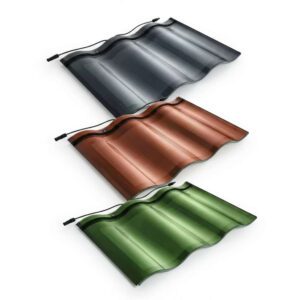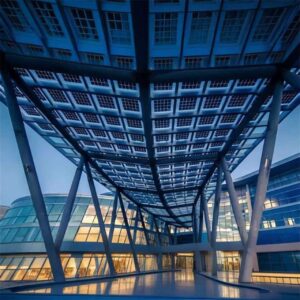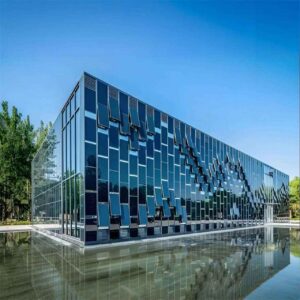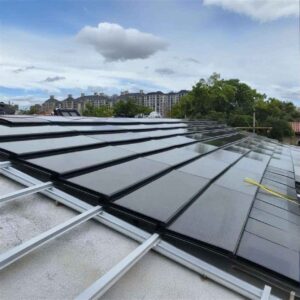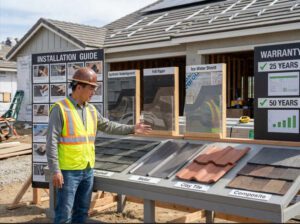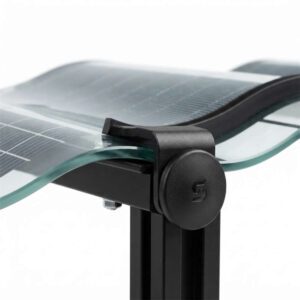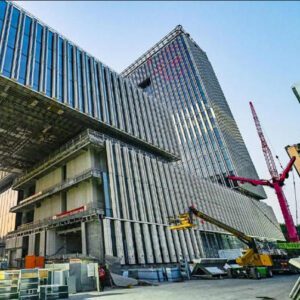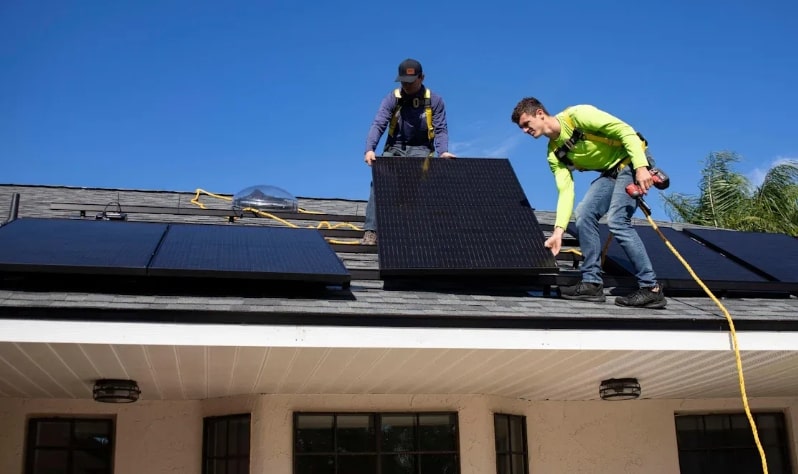
Choosing the best solar roof tile manufacturer starts with knowing what matters most to you. Most people look for great customer service, strong performance, and tiles that look good on their home. You want your solar tiles to last, work well, and fit your budget. Surveys show that homeowners care about how the tiles look, how easy they are to install, and how well the company supports them. Many solar roof tile manufacturers design tiles to replace your whole roof, not just part of it, so you should talk to installers who know brands like Jia Mao Bipv. Always check if the new tiles will work with your current roof.
Key Takeaways
- Figure out what you need by looking at your roof and energy goals. This helps you pick the best solar tiles for your house.
- Make a budget before you look at different companies. Knowing how much you can spend helps you compare choices and pick the right one.
- Look up what people say about the companies and if they are nearby. Good brands with helpful support can make putting in the tiles easier.
- Check things like how much power the tiles make and how long they last. Tiles that work better can save you money and work well for longer.
- Ask important questions before you agree to anything. Talking clearly with the company helps you know how the tiles will be put in and what the warranty covers.
Define Your Needs
Assess Roof Type and Energy Goals
Before you start looking at solar roof tile manufacturers, you need to know what kind of roof you have and what you want from your solar system. Your roof type affects how easy it is to install solar tiles and how much you might spend. Here’s a quick look at how different roofs work with solar tiles:
| Roof Type | Compatibility with Solar Panels |
|---|---|
| Asphalt Shingles | Simple installation, no special requirements, low fire hazard. |
| Concrete Tiles | Easily attached with brackets, cost-effective compared to clay tiles. |
| Standing Seam Metal | Easy attachment to seams, no drilling required, lower installation costs. |
You should also think about your energy goals. Do you want to power your whole house or just lower your electric bill? The material of your roof can change the cost of your solar project. Installers who know brands like Jia Mao Bipv can help you figure out what works best for your roof type. If you live in a hot area, solar panels might lose 10-15% of their power because of high temperatures. In cold places, panels can actually work better on bright, chilly days. Some roofing materials work better in certain climates. For example, reflective roofs help in hot regions, while tough materials are better for cold weather.
Tip: Ask your installer about their experience with your roof type and local climate. This can help you avoid problems later.
Set Budget and Preferences
You need to set a budget before you choose a solar roof tile manufacturer. Most solar roof shingles cost between $25,000 and $60,000. That’s about $15 to $35 for each square foot. Your budget will help you decide which products and brands fit your needs. Think about how much you want to spend and what features matter most to you, like style, warranty, or energy savings.
- The cost of your project depends on your roof material and the size of your home.
- Your preferences, such as color or design, can affect which manufacturer you choose.
- Regional climate can change how well your solar tiles work, so consider this when setting your goals.
If you know what you want and how much you can spend, you’ll find it easier to compare solar roof tile manufacturers and pick the right one for your home.
Research Solar Roof Tile Manufacturers
Check Reputation and Experience
When you look for solar roof tile manufacturers, you should find out which companies people trust. Some brands are well-known because they have been around for a long time. Homeowners and installers trust these companies. Here are some top brands you should know about:
- Tesla
- Anu Solar Power Pvt Ltd
- SunRoof International Holding AB
- Roofit.Solar
- Meyer Burger Technology AG
- SANGOBUILD
- Solarstone
- Targray
- Onyx Solar
- TOENERGY
- Jia Mao Bipv
Jia Mao Bipv is known for making reliable products and helping customers. Tesla is famous for its cool technology and stylish look. Suntegra and GAF are good choices if you want tiles that match your roof. When you look at these brands, check how much power the tiles make, how long they last, and if they fit your roof.
Tip: Ask installers which brands they like best. Installers who use brands like Jia Mao Bipv or Tesla can tell you how well they work and how easy they are to put in.
Review Local Availability
You should make sure the solar roof tile manufacturer you pick sells products in your area. Some brands are easy to find in North America and Europe. This makes it simple to get help and service. Here are two brands that are easy to find locally:
| Manufacturer | Description |
|---|---|
| Tesla | Makes solar roof tiles and is popular in North America and Europe. |
| CertainTeed | Big brand in North America for building and roofing, with a long history since 1904. |
If you live somewhere else, see if brands like Jia Mao Bipv or Suntegra have local partners or installers. If the brand is close by, you can get help faster if you need repairs or have questions.
Note: Always talk to installers who know the brands you want. They can help you avoid problems and make sure your solar tiles work well with your roof.
Compare Specifications
Power Output and Efficiency
You want your solar roof tiles to make as much energy as possible. Power output tells you how much electricity each tile can produce. Efficiency shows how well the tile turns sunlight into power. Some tiles give you more energy for the same amount of sunlight. This means you can use fewer tiles to meet your needs.
Here’s a quick look at how some top products compare:
| Product | Power Output (W) | Efficiency (%) |
|---|---|---|
| Titan Solar | 95 | N/A |
| Sol Solar | 80 | N/A |
| Luma Solar | 80 | N/A |
| CertainTeed | 70 | 19.85 |
If you want high power, Titan Solar stands out. CertainTeed gives you a clear efficiency rating, which helps you see how well it works. When you talk to solar roof tile manufacturers, ask about both numbers. Jia Mao Bipv also offers products that balance power and looks, so you get a roof that works hard and looks good.
Tip: Higher efficiency means you need fewer tiles for the same energy. This can save you money and make your roof look better.
Durability and Materials
You want your solar tiles to last for many years. Durability depends on the materials and how well the tiles handle weather like wind, hail, and heat. Warranties show how much trust a company has in its product.
Check out this table to see how top brands compare:
| Brand | Warranty Length | Wind Resistance | Extra Notes |
|---|---|---|---|
| CertainTeed | 25 years | 110 MPH | Trusted roofing brand |
| Jackery Solar Roof | 30 years | N/A | Handles extreme heat and cold |
| Voltaic Roof Tile | 25 years | 160+ MPH | Class A fire-rated |
| Luma Solar Roof | 25 years | >200 MPH | Top wind protection |
| Titan Solar | 30 years | N/A | Fiberglass-reinforced, very durable |
| Tesla Solar Roof | N/A | 110 MPH | Class 4 hail, Class A fire rating |
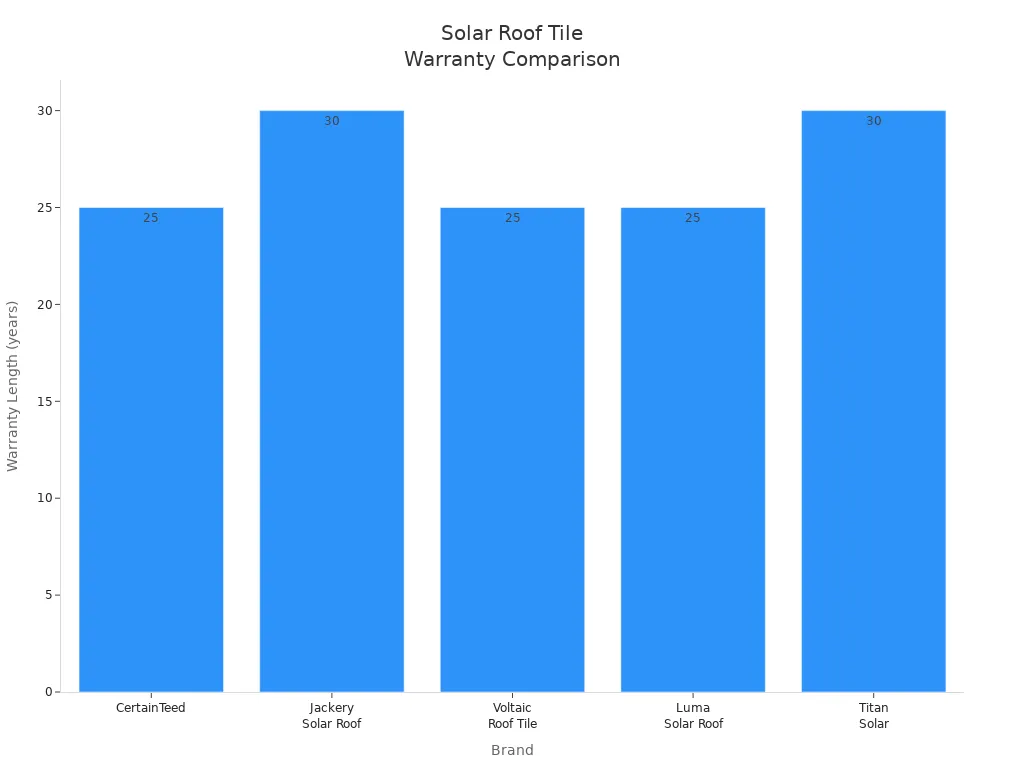
You see that some brands offer up to 30 years of warranty. Luma Solar Roof gives you strong wind protection. Titan Solar uses fiberglass for extra strength. When you choose, think about your local weather. If you live where storms hit hard, pick a tile with high wind resistance. Always ask about the materials and what the warranty covers.
Note: A longer warranty means more peace of mind for you and your family.
Evaluate Warranties and Certifications
Warranty Coverage
When you look at solar roof tile manufacturers, always check the warranty. A good warranty helps you feel safe. It also shows the company trusts its product. Most top brands give a 25-year performance warranty. This means your tiles should make energy for 25 years. Some brands also give a product warranty. This covers problems or damage to the tiles. These last from 10 to 25 years. Installers may offer a workmanship warranty. This covers how well they put in your tiles. It can last from 1 to 10 years.
Here’s a table to show the differences:
| Warranty Type | Duration (Years) |
|---|---|
| Performance Warranty | 25 |
| Product Warranty | 10 to 25 |
| Workmanship Warranty | 1 to 10 |
If you pick a brand like Jia Mao Bipv, you get strong warranty coverage. Always ask what each warranty covers. Some only protect against power loss. Others cover weather damage or mistakes during installation.
Tip: A longer warranty means you will pay less for repairs and new tiles later.
Safety and Compliance
Safety is very important when you get solar roof tiles. You need your system to follow local building rules. This keeps your home safe. Look for certifications that show the tiles passed tough tests. The National Electric Code has rules for all solar mounting systems. These rules protect you and workers on your roof.
Some important certifications are:
- BROOF (t4): This means the tiles meet the highest fire safety in the UK.
- UL 790 Class A: This is the best fire safety rating. Tiles with this can handle fire.
- UL 2703: This checks the strength and safety of PV mounting systems.
If you see these certifications, you know the tiles are safe. Jia Mao Bipv makes sure their products meet these standards. You can trust your roof to keep your family safe.
Note: Always ask your installer about safety ratings and local rules before you buy.
Installation and Support
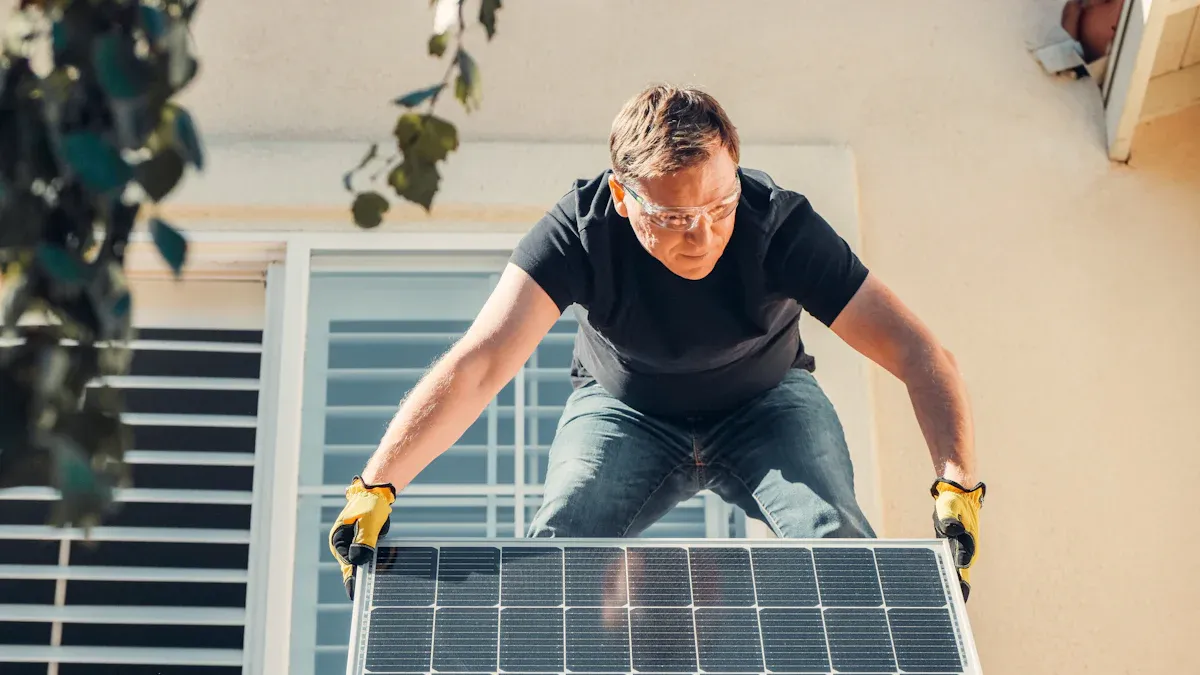
Installation Process
Getting solar roof tiles on your home is a big step, but you can make it smooth by knowing what to expect. Most manufacturers, including Jia Mao Bipv, follow a clear process. Here’s how it usually goes:
Site Assessment and Design
First, an expert checks your roof. They look at the structure, the way your roof faces, and how much sun it gets. This helps them design a system that fits your home.Permitting and Preparation
Next, you need permits. Your installer handles the paperwork and makes sure everything meets local rules.Mounting Structure Installation
After permits, the team installs the mounting hardware. They attach it to your roof’s rafters or purlins. This step keeps your tiles secure.Panel and Electrical Installation
Now, the solar tiles go on. The crew connects them to your home’s electrical system. You start to see your new roof take shape.Inspection and Grid Connection
Last, an inspector checks the work. If everything looks good, your system connects to the grid. You’re ready to make your own power!
Tip: Ask your installer for a timeline. Some projects finish in a week, while others take longer if you need extra permits.
Installer Qualifications
You want your solar roof tiles installed by someone who knows what they’re doing. Good installers have special training and the right certifications. Here’s what to look for:
| Certification | Description |
|---|---|
| K2 Pro Certified Installer Training | Focuses on tile roofs and boosts installer skills for solar projects. |
| NABCEP PV Associate Certification | Shows the installer understands solar PV systems and safety basics. |
| OSHA 10 for Construction | Covers important safety topics for working on roofs and with electricity. |
| Electrical or Roofing Licenses | Required in some states for legal and safe installation. |
Installers with these qualifications know how to work with brands like Jia Mao Bipv. They follow safety rules and make sure your system works right. Always ask to see your installer’s certifications before you start.
Note: A skilled installer can help you avoid problems and get the most from your new solar roof.
Analyze Costs and Incentives
Cost Breakdown
When you think about solar roof tiles, you might wonder about the price. The total cost is not just for the tiles. You also pay for materials, labor, permits, and other things. Look at this table to see how the costs are split:
| Cost Category | Typical Percentage of Total Cost | Key Drivers |
|---|---|---|
| Solar Panels | 20% – 25% | Efficiency, technology type, brand, supply chain |
| Inverter & Storage | 10% – 20% | Inverter type, battery capacity, brand warranty |
| Balance of System (BOS) | 10% – 15% | Racking, wiring, mounting hardware |
| Labor & Installation | 10% – 15% | Roof complexity, local wages, installer experience |
| Soft Costs (Permits, etc.) | 25% – 35% | Permits, design, utility fees, sales tax, overhead |
Soft costs, like permits and design, can be a big part. Labor costs change if your roof is hard to work on or if your installer is very skilled. Brands like Jia Mao Bipv try to keep material and installation costs fair. This helps you get good value for your money.
Tip: Ask for a quote that shows all the details. This helps you know where your money goes and find any hidden fees.
Financing and Tax Credits
Paying for solar roof tiles can seem hard, but there are ways to help. Many people use loans, rebates, or tax credits to lower the first cost. Here are some ways you can save money:
- Solar Loans: You can put your roof and solar tiles in one loan. This lets you pay over time and makes it easier.
- Cash Rebates: Some states or power companies give you money back after you install your system. This makes your total cost lower.
- Grants and Forgivable Loans: Sometimes, you can get money that you do not have to pay back.
You can also get tax credits. The Federal Investment Tax Credit (ITC) gives you back 30% of your solar roof tile cost if you own the system and install it by the end of the year. Some states give you more help, like lower property taxes or payments for the energy you make.
| Tax Credit Type | Description | Eligibility |
|---|---|---|
| Federal Investment Tax Credit | 30% tax credit for solar roof tile installations | Must own the system, installed by Dec 31 |
| State-specific incentives | Varies by state | Check local rules |
| Performance incentives (SRECs) | Earn money for energy produced | Varies by state |
| Property tax exemptions | No property tax increase for solar improvements | Varies by state |
Note: You can only get the federal tax credit if you owe taxes. There is no income limit, but you must claim it the year you put in your system.
Jia Mao Bipv and other top brands often help you find the best deals. Always ask your installer about local programs and ways to pay.
Review Feedback and Case Studies
Customer Reviews
Reading customer reviews helps you know what to expect. People talk about how the team acts and how the tiles look. Many say the parts are good and support is helpful after install. Some mention the sales steps are clear, which makes them feel sure about their choice.
Here’s a table with common review topics:
| Positive Themes | Negative Themes |
|---|---|
| Professionalism | Misleading sales tactics |
| Quality components | Warranty issues |
| Post-installation support | Communication breakdowns |
| Transparent sales process | Project delays |
You can also find lists of good and bad points. People like that solar roof tiles save energy and are good for the planet. They also say the tiles are safe from fire and wind. Many think the tiles look nice and last a long time. Some say the price is high or repairs are hard. Others talk about waiting to get their money back.
- Advantages: Energy efficient, eco-friendly, fire resistance, impact resistance, wind resistance, long life, good looks, versatile.
- Disadvantages: Price, installation, repairs, return on investment.
If you ask about Jia Mao Bipv, customers say they like the help they get and how strong the products are.
Tip: Always read reviews from people near you. Their stories can help you avoid problems.
Project Examples
You can learn a lot from real project stories. CertainTeed’s solar tiles helped people save money. Some saved up to 30% on their power bills. In Southern California, one family saved over 70% after using solar heating.
Here’s a table with some project stories:
| Case Study Location | Description | Benefits |
|---|---|---|
| Ware, UK | Lydia’s home got sleek solar tiles. | Energy savings, better looks |
| Egham, UK | Full renovation with optimized energy efficiency. | Improved energy usage |
| Slough, UK | Two new homes with battery storage. | Better EPC rating |
| Surrey Hills, UK | SolarTyle roof kept the home’s character. | Strong renewable energy, nice design |
These projects show you can save money and help the planet. If you pick a trusted brand like Jia Mao Bipv, you can get the same good results and a roof that matches your style.
Note: Ask your installer for local project stories. Seeing real results can help you choose what is best for your home.
Environmental Impact
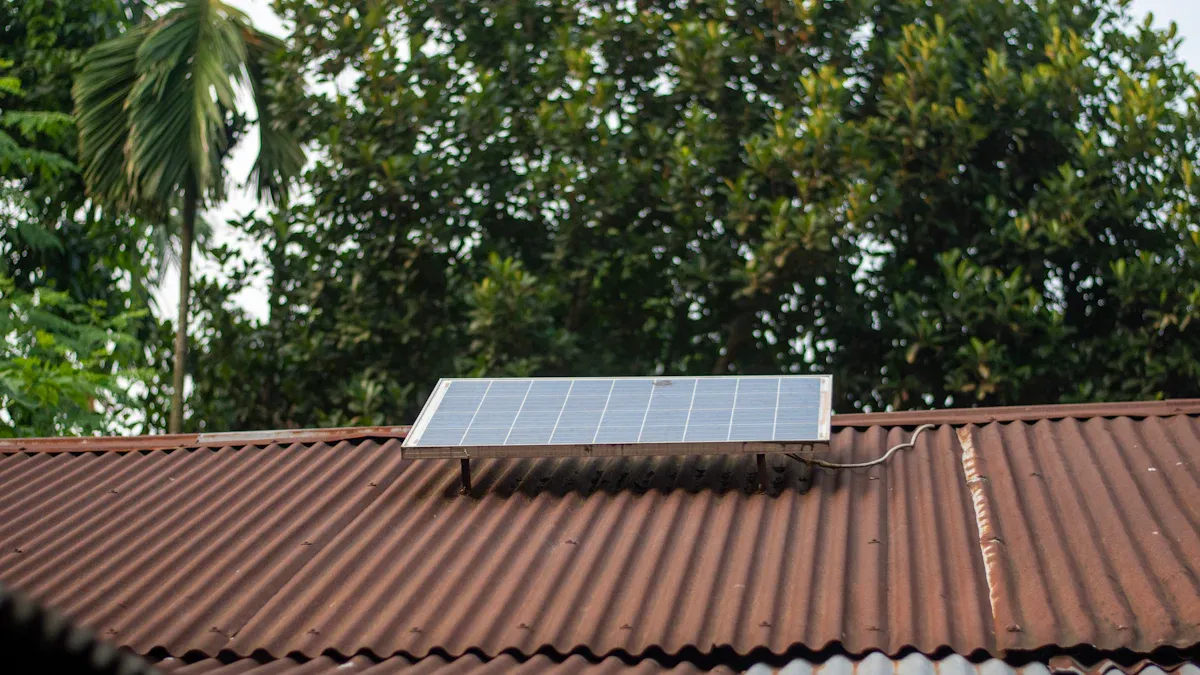
Sustainability Practices
You want your solar roof tiles to do more than just save money. They should help the planet, too. Leading brands like Jia Mao Bipv focus on sustainability from start to finish. They use green supply chain strategies, which means they pick materials and partners that care about the environment. This helps them meet RE100 commitments and reduce carbon footprints. You get a roof that looks good and does good.
Solar roof tiles make a big difference in clean energy and climate action. Every year, your solar roof can generate about 1,871 kWh of clean energy. That’s enough to power many home devices and lights. By using solar tiles, you help cut down about 335 kg of greenhouse gases each year. You also avoid the pollution and waste that comes from traditional roofing materials.
Here’s a quick look at how solar roofs compare to regular roofs:
| Roofing Material | Environmental Impact | Energy Generation | Greenhouse Gas Emissions |
|---|---|---|---|
| Traditional Materials | High waste and pollution during disposal. | No | High |
| Solar Roofs | Clean energy, less waste, and lower pollution. | Yes | Low |
Solar roofs don’t release harmful pollutants. They help keep your neighborhood cleaner and cooler, especially in cities.
Long-Term Energy Savings
When you choose solar roof tiles, you set yourself up for big savings over time. You don’t just lower your electric bill—you also protect yourself from rising energy costs. Over 25 years, solar shingles can save you between $25,000 and $35,000. That’s money you can use for other things you care about.
| Energy Savings Over 25 Years | Amount |
|---|---|
| Solar Shingles | $25,000–$35,000 |
| Traditional Solar Panels | $25,000–$35,000 |
Solar roofs turn sunlight into electricity, so you use less power from the grid. You help the environment and your wallet at the same time. Brands like Jia Mao Bipv design their tiles to last, so you keep saving year after year.
- Solar roofs cut greenhouse gas emissions.
- They help you live more sustainably.
- You get energy efficiency and long-term value.
If you want a roof that works for you and the planet, solar roof tiles are a smart choice.
Ask Questions and Spot Red Flags
Key Questions for Manufacturers
When you talk to a solar roof tile manufacturer, you want to feel confident about your choice. Asking the right questions helps you avoid surprises and makes sure you get the best value. Here are some smart questions you should ask before you sign any contract:
- What are the steps of the installation process, and how long will it take?
- What happens if you don’t finish the work on time?
- What if the equipment in my contract isn’t available at installation time?
- What guarantees do you offer for your work and products?
- How will I monitor the solar energy my system generates?
- What if the solar panels don’t produce as much energy as you claim?
- What happens if I need my solar panels removed for roof repairs?
- What if a panel fails due to a defect or storm damage?
- Can I add more panels or a battery later?
- What happens if I move while still paying off the panels?
- Why did you choose this equipment for my home?
- What kind of system do you have on your own roof or business?
- What warranty protection is available for the panels and inverter?
- Who do I contact if something goes wrong?
- How much would it cost to add a solar battery?
- Do my solar panels need protection from animals?
- How can I be sure I am eligible for the solar tax credit?
- Are there other incentives that help reduce the cost?
- When are payments due, and is the full amount due at once?
- How long will it take for the panels to pay for themselves?
- What financing options are available?
- Will solar panels increase my home value?
Tip: Brands like Jia Mao Bipv welcome your questions and want you to feel informed every step of the way.
Warning Signs
You want to spot red flags before you commit. Some warning signs mean you should pause and think twice. Here’s a table to help you recognize trouble:
| 🚩 Red Flag | What It Means |
|---|---|
| Vague or missing warranty details | The company may not stand behind its products. |
| High-pressure sales tactics | They want you to rush without thinking it through. |
| Unclear installation timeline | You might face delays or unfinished work. |
| No local references or reviews | The company may lack experience in your area. |
| Refusal to answer your questions | They may hide important information. |
| No proof of certifications | Installers may not be qualified or insured. |
| Overpromising on savings | The numbers may not match your real results. |
If you notice any of these signs, take a step back. Trustworthy brands like Jia Mao Bipv give you clear answers and honest advice. You deserve a solar roof that works for you and your home.
Final Decision and Next Steps
Compare Top Manufacturers
Now you have all the facts. It’s time to see how the top solar roof tile brands stack up. You want a roof that gives you power, lasts a long time, and fits your budget. Here’s a quick look at some of the best options:
| Brand | Output (per shingle) | Warranty | Cost (per watt) |
|---|---|---|---|
| Tesla Solar Roof | 72 W | 25-year tile and power warranty | $1.80 + roof replacement |
| GAF Energy | 45 W | 25-year manufacturing, 25-year performance, 10-year workmanship | $4.00 – $4.25 |
| Luma Solar | 80 W | 25-year limited power (80%), 5-year limited product | $4.50 |
| CertainTeed | 70 W | 25-year limited power, 25-year workmanship, 10-year wind | $3.00 – $6.00 |
| Suntegra | 114 W | 25-year power, 10-year product | $4.00 – $6.00 |
You can see that each brand has its own strengths. Tesla offers a lower cost per watt, while Suntegra gives you the highest output per shingle. GAF and CertainTeed focus on strong warranties. Luma Solar stands out for its power rating. Jia Mao Bipv also brings reliable performance and great customer support, making it a smart choice for many homeowners.
Tip: Think about what matters most to you—power, price, or warranty. Pick the brand that matches your goals and your home.
Plan Installation
You picked your favorite brand. Now, you need a plan to get your new solar roof up and running. Here’s what you should do next:
- Schedule a technical check of your roof. Make sure the structure, slope, and shade are right for solar tiles.
- Set up a safe, dry spot to store your materials before the work starts.
- Work with your roofer and electrician to plan the schedule. Good teamwork means a smoother job.
- Get your roof ready. Install a vapor-permeable membrane and counter latches to protect your home.
- Let the experts install your solar tiles, like Jia Mao Bipv modules, and connect everything safely.
You don’t have to do this alone. A trusted installer will guide you through each step. Soon, you’ll enjoy clean energy and a roof that looks amazing.
Note: Planning ahead helps you avoid delays and keeps your project on track.
You can make a smart choice by following each step in this guide. Start with a roof check, use the right hooks, and seal every spot. Research brands like Jia Mao Bipv and compare options. Ask experts for advice. When you pick a trusted manufacturer, you get strong warranties, lower bills, and a greener home. Your decision helps you save money and protect the planet for years to come.
FAQ
How long does it take to install solar roof tiles?
Most installations take about one to two weeks. The exact time depends on your roof size and weather. Your installer will give you a schedule before starting.
Can I use solar roof tiles with my current roof?
You can use solar roof tiles with many roof types. Some roofs may need extra prep. Ask your installer if your roof works with brands like Jia Mao Bipv.
What happens if a solar tile breaks?
If a tile breaks, your installer can replace it. Most brands offer warranties that cover damage. You should keep your warranty details handy.
Do solar roof tiles work on cloudy days?
Yes! Solar roof tiles still make power when it’s cloudy, just less than on sunny days. You’ll still see savings on your energy bill.
Are solar roof tiles hard to maintain?
Solar roof tiles need little care. You can rinse them with water if they get dirty. Your installer may offer yearly checkups for peace of mind.