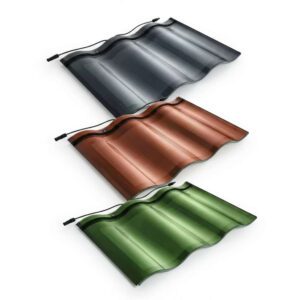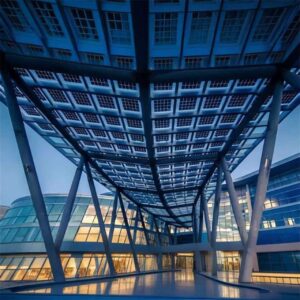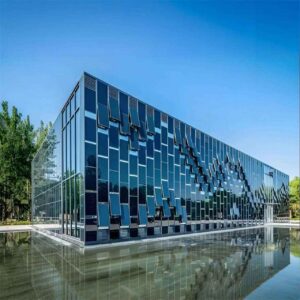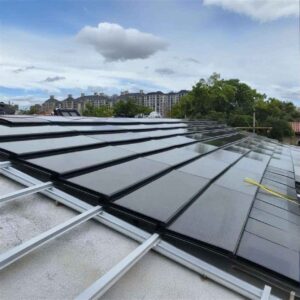
You may ask why flexible photovoltaic panels are so popular now. These panels are easy to use and light to carry. They can be installed in new ways. The market is growing fast. People are buying more panels every year. Companies spend a lot of money on them. Flexible photovoltaic panels need less material. They fit curved or odd-shaped places. This makes them great for homes, RVs, boats, and places without power. Many government programs help you save money. Brands like Jia Mao Bipv help more people get this technology.
Key Takeaways
- Flexible photovoltaic panels do not weigh much. You can move them easily. They work well for RVs, boats, and camping.
- You can put these panels on curved or odd surfaces. You do not need heavy mounts. This makes installation faster and cheaper.
- Flexible panels handle bad weather well. They bend instead of breaking. This means less damage and fewer repairs.
- They look nice and fit into building designs. You can use them for creative solar energy ideas.
- Using flexible photovoltaic panels helps you spend less on energy. They also help keep the environment clean.
Flexible Photovoltaic Panels Versatility
Surface Installation
Flexible photovoltaic panels can go on many surfaces. Regular panels cannot fit on some shapes. These panels bend to fit curved or bumpy places. They work well on buildings with special shapes. You might see them on domes or tanks. They also fit on silos. The table below lists where these panels work best:
| Surface Type | Description |
|---|---|
| Curved Surfaces | Fit on round and dome-shaped buildings |
| Complex Shape Envelopes | Used on Islamic buildings and biogas tanks |
| Non-Conventional Structures | Good for silos and petrochemical tanks |
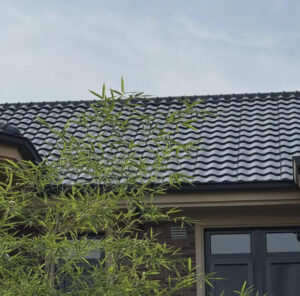
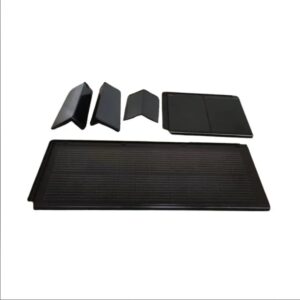
Jia Mao Bipv helps put panels on weak or curved roofs. You do not need heavy mounts. Flexible photovoltaic panels also work on metal roofs and vehicles. They fit places with odd angles. The technology uses thin-film materials like amorphous silicon, cadmium telluride, and CIGS. These materials make the panels light and easy to use. You can see them on buildings that cannot hold much weight. They are also on homes with new designs.
Tip: Flexible photovoltaic panels can stand up to bad weather. They bend instead of breaking in strong wind or hail. This means less damage and fewer repairs.
Portable Uses
Flexible photovoltaic panels are easy to take anywhere. They are light and simple to set up. Many people use them on RVs, camper vans, and boats. You can put them on curved roofs without making holes. This keeps your vehicle or boat safe from leaks. These panels power lights and small devices. They also keep batteries full while you travel.
- For camping, you can carry a panel in your backpack. It charges your phone or camera while you walk.
- On boats, the panels do not rust and fit on uneven decks.
- In off-grid cabins or tiny homes, they give steady power without the grid.
- Emergency shelters use them for fast power during disasters. You get energy even if the main power is out.
Flexible photovoltaic panels let you have power anywhere. You can enjoy modern things wherever you are.
Lightweight and Easy to Handle
Simple Transport
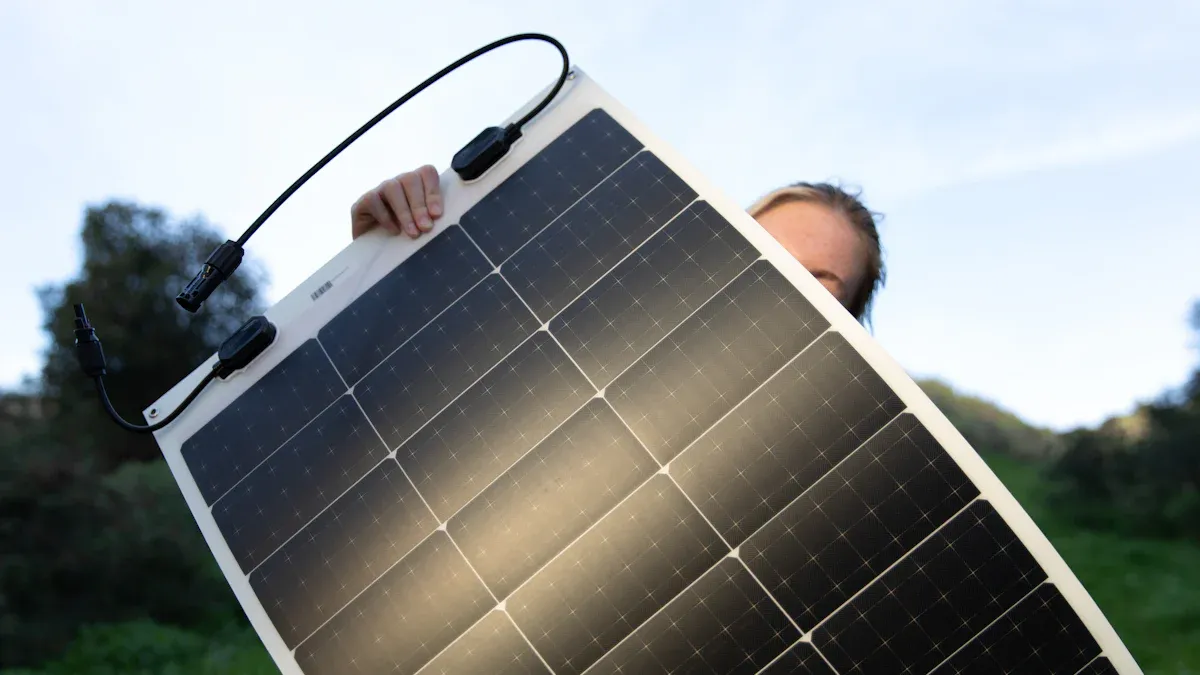
Flexible photovoltaic panels are easy to carry. They weigh much less than regular panels. You do not need special tools to move them. The table below shows how much lighter they are:
| Panel Type | Average Weight (lbs) | Weight Comparison |
|---|---|---|
| Flexible Panels | 4 – 5 | ~20% of rigid panels |
| Traditional Panels | 30 – 50 | Heavier than flexible |
You can lift a flexible panel by yourself. You do not need help from others or a crane. This makes setup fast and simple. You can put them in your car or RV. You can even take one in a backpack when camping. Jia Mao Bipv makes panels that are easy to move. You save time and work by choosing light panels.
Flexible photovoltaic panels are also quick to install. You do not need to build racks or use glass covers. You can finish the job much faster. The table below shows how light panels lower installation costs:
| Evidence | Description |
|---|---|
| Installation Cost | Labor is cheaper for flexible modules. No racks or glass needed. |
| Cost Reduction | Light parts lower system cost. Less work and material needed. |
| Installation Efficiency | Apollo Power’s panels go up fast, cutting costs by half. |
Minimal Structural Needs
Flexible photovoltaic panels do not need strong supports. They stick to surfaces with glue. You do not need to drill holes or use heavy mounts. You can put them on roofs that cannot hold much weight. You can use them on metal, plastic, or even fabric.
- Flexible panels weigh only 4 to 5 pounds.
- You can put them up without racks.
- Strong glue keeps panels in place.
- Special polymer materials make panels light and safe from fire.
- You can use them on many surfaces without drilling.
- Polymer frontsheets replace glass, making panels bend and last longer.
- ETFE with glass fiber makes panels strong and last a long time.
You can put panels on weak roofs or curved places. You do not risk leaks or damage from drilling. Jia Mao Bipv uses special polymers to make setup easy. You save money because you do not need extra parts. You also save on labor.
Flexible photovoltaic panels give you more ways to use solar power. You can use them on homes, vehicles, and weak buildings. You get clean energy without heavy tools.
Design Possibilities with Flexible Photovoltaic Panels
Curved Surface Integration
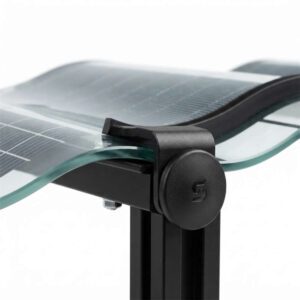
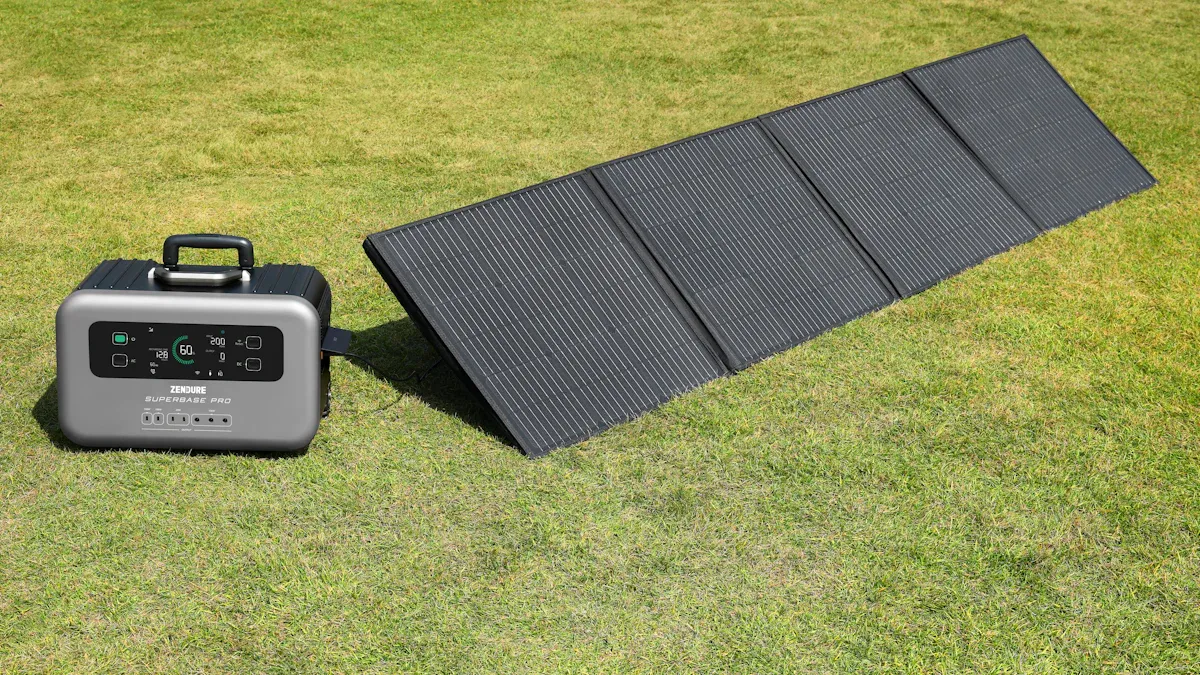
Flexible photovoltaic panels can go on places that rigid panels cannot. These panels bend, so you can use them on curved roofs, domes, or carports. You do not need heavy racks or extra supports. The panels are light, so weak roofs can hold them. You can stick them on with glue or tape. This means fewer holes and less chance of leaks.
Here is a table that shows how flexible panels and rigid panels are different for design:
| Feature | Flexible Solar Panels | Rigid Solar Panels |
|---|---|---|
| Bending Radius | ≥ 30° (curved surfaces) | None (flat only) |
| Installation Flexibility | Glue, tape, or screws on curves | Requires racks on flat surfaces |
| Surface Adaptability | Curved, tight, or irregular spaces | Flat surfaces only |
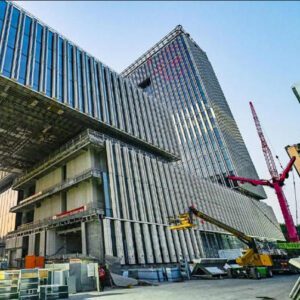
You can see flexible panels on buildings like the Shanghai G60 Science Corridor. This project used 150,000 square meters of flexible panels on curved roofs. The panels made 21% more energy than expected. They caught more sunlight from different angles. Electric yachts in Europe use flexible panels on hulls. These panels work well when the boat moves or the sun shines at odd angles.
Jia Mao Bipv makes panels that fit many shapes. You can use them on homes, businesses, or vehicles. You get more choices for solar power.
Aesthetic Benefits
Flexible photovoltaic panels help you make nice-looking designs. You can pick panels with black surfaces and thin shapes. These panels blend into roofs and walls. You do not see grid lines or big hardware. You can use sticky backs, so you do not need large mounts. This keeps your building neat and modern.
Here is a table that shows the good looks of flexible panels:
| Aesthetic Benefit | Flexible Panels | Traditional Panels |
|---|---|---|
| Weight | 70-80% lighter | Heavier |
| Profile | Less than an inch thick | Bulkier |
| Surface Adaptability | Curved or uneven surfaces | Flat surfaces only |
| Installation Method | Adhesive backing | Mounting hardware |
You can choose panels in many colors and textures. This helps match your building style. Flexible panels are popular in building-integrated photovoltaics (BIPV). They make buildings look better and help people like solar technology.
New research brings more choices. MIT’s solar fabric makes more power per kilogram than old panels. You can use these panels on tents, vehicles, or even clothes. New materials like perovskite and organic cells make panels better and more bendy. You get more ways to use solar energy in cool designs.
Tip: Flexible photovoltaic panels let you turn almost any surface into clean energy. You can make special solar projects that stand out.
Flexible photovoltaic panels give you many helpful features.
- You can carry them easily and set them up fast.
- They work on homes, cars, and places without power.
- You can put them on curved roofs.
- They last in bad weather and tough spots.
- You can make new designs and spend less money at first.
Jia Mao Bipv lets you use solar power in more places. More people buy flexible panels every year. You can try new solar ideas like perovskite and bifacial panels.
| Application Area | How You Benefit |
|---|---|
| Residential | You can make your own energy. |
| Commercial | You pay less for power. |
| Industrial | You help cut pollution. |
| Utilities | You get more energy. |
Tip: Pick good panels to get better power and longer use.
FAQ
What makes flexible photovoltaic panels different from regular solar panels?
Flexible photovoltaic panels can bend easily. They fit on curved places. Rigid panels cannot go on these spots. Flexible panels use thin materials. This makes them light and easy to use.
Can you install flexible panels yourself?
You can put flexible panels on surfaces with glue or tape. You do not need special tools. Heavy mounts are not needed. Always read the instructions for safety.
How long do flexible photovoltaic panels last?
Flexible panels last about 10 to 20 years. They work well if you clean them. Check for damage often. Some new materials help them last longer.
Are flexible panels waterproof?
Flexible photovoltaic panels keep water out. You can use them on boats, RVs, and roofs. They are made to handle rain and wet weather. Always look at product details before buying.
Do flexible panels work in cloudy weather?
Flexible panels make power when it is cloudy. You get less energy than on sunny days. They still charge batteries and run devices.