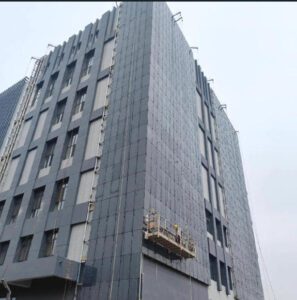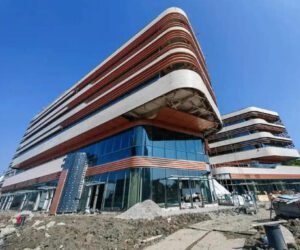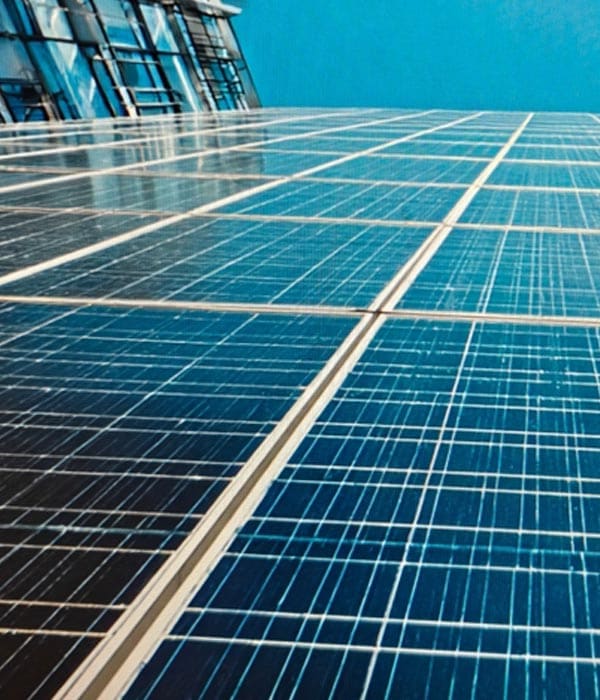

You can change your building from using energy to making energy with integrated photovoltaic systems. These systems make energy and are also important building parts. Right now, buildings use one-third of the world’s energy. They also cause 28% of global CO2 emissions. If you put solar power into windows and walls, you can lower energy use and emissions by up to 40% in buildings with lots of glass. More people want clean, local energy. This has made many businesses, homes, and factories start using these systems quickly.
Key Takeaways
- Integrated photovoltaic systems (BIPV) help buildings make energy. This lowers energy bills and cuts down carbon emissions.
- BIPV materials fit into building designs easily. They can be used as windows, walls, and roofs. They also make electricity.
- Using BIPV can save up to 58% on energy costs. This gives people more money and energy freedom.
- BIPV systems are good for the environment. They use clean solar energy. This makes buildings greener and worth more.
- Regular care and good installation are important for BIPV systems. This helps them work well and last longer.
What Are Integrated Photovoltaic Systems?
BIPV Definition and Features
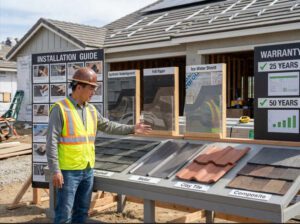
Integrated photovoltaic systems, also called building-integrated photovoltaics (BIPV), change how people use solar energy. These systems do more than make electricity. They are part of your building. You can use them for windows, walls, roofs, or walkways. They fit into the building’s design and structure. You do not need extra solar panels on top.
You can find BIPV materials in many shapes:
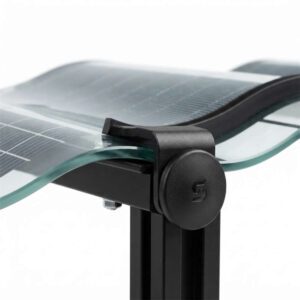
- PV glass windows and skylights
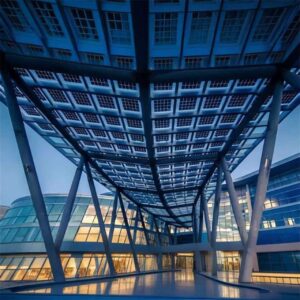
- Awnings and canopies
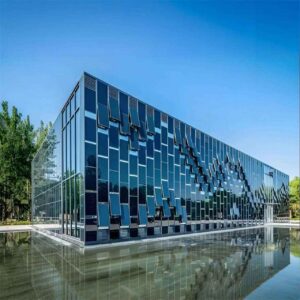
- Balustrades and wall panels
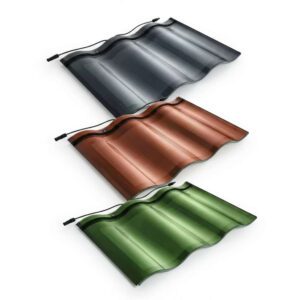
- Shingles and walkable surfaces
These materials work as building parts and make energy. For example, a PV glass window lets in light and makes electricity. Your building looks modern and saves energy.
Tip: Using integrated photovoltaic systems can lower your energy bills. It also helps the environment. Companies like Jia Mao Bipv have solutions for many building styles.
Here are some main features of BIPV:
- Dual use: BIPV is a building part and a power maker.
- Looks good: BIPV matches your building’s style.
- How it’s installed: BIPV is built into the structure.
You can pick from different solar cell materials:
- Crystalline silicon (c-Si): Strong and works well, used in windows and panels.
- Thin-film: Light and bends easily, good for curved places.
- Emerging-PV: New types like dye-sensitized or perovskite cells, which can be clear or bendy.
BIPV vs. Traditional Solar Panels
You may wonder how integrated photovoltaic systems are different from regular solar panels. The biggest difference is how you use them. BIPV is part of the building. Traditional solar panels sit on the roof or ground.
Here is a table to show the differences:
| Feature | BIPV | Traditional Solar Panels |
|---|---|---|
| Integration | Part of the building (windows, walls) | Mounted on top of roof or ground |
| Function | Makes electricity and acts as building part | Only makes electricity |
| Aesthetics | Blends with building design | Stands out, visible on roof |
| Usable Area | Can use whole building envelope | Limited to roof or ground |
| Efficiency | Improving, but often lower | Usually higher |
| Cost | Higher upfront, may save on materials | Lower upfront |
| Durability | Built to last, less maintenance | Proven, easy to replace |
| Regulations | Needs more testing and special standards | Follows standard rules |
You install BIPV as part of the building’s structure. You do not need extra racks or frames. Traditional solar panels need racks and are separate from the building.
When you pick integrated photovoltaic systems, your building looks nice and works hard. You use more of your building’s surface to make energy. You also help the planet by using clean power.
How Integrated Photovoltaic Systems Work
Building Integration
You can add integrated photovoltaic systems to many parts of your building. These systems fit into roofs, walls, and even windows. You do not need to change the look of your building. Here is a table that shows the main ways you can use these systems:
| Method | Description |
|---|---|
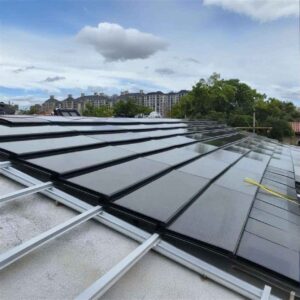
| Standard in-roof systems | Strips of solar cells built into the roof. |
| Semi-transparent systems | Lets sunlight in while making energy, good for windows and skylights. |
| Cladding systems | Used on building walls for both looks and energy. |
| Solar Tiles and Shingles | Replace normal roof tiles, easy to swap out. |
| Flexible Laminates | Thin sheets that stick to many roof shapes. |
| Application Scenarios | Works on flat, curved, or pitched roofs, and on glass walls or skylights. |
When you use these systems, you help your building make its own power. You also improve how your building works. Here are some things to think about:
- You lower your energy bills and help the planet.
- The materials you choose can affect how strong your building is over time.
- Weather and sunlight can change how well the system works after many years.
Jia Mao Bipv offers many options that fit different building styles and needs.
Energy Generation and Flow
You may wonder how these systems turn sunlight into electricity. The process is simple and happens in three main steps:
- The solar panels absorb sunlight.
- The panels create tiny particles called electrons and holes.
- The system separates these particles so they can move and make electricity for your building.
You can use this power right away or send it to the grid. With integrated photovoltaic systems, you turn your building into a clean energy source.
Benefits of Integrated Photovoltaic Systems
Energy Independence and Savings
You can use integrated photovoltaic systems to make your own electricity. This means you do not need as much energy from outside sources. You will save money on your energy bills every year. In tall buildings, you might save between 16% and 58% on energy. This helps you keep more money and protects you if energy prices go up.
- You use less electricity from the grid.
- Your monthly bills get lower.
- You have more control over your energy.
Jia Mao Bipv has ways to help you save money and keep your building strong and new.
Sustainability and Environment
When you pick integrated photovoltaic systems, you help the Earth. These systems use sunlight, which is clean and never runs out. You make your building’s carbon footprint smaller and help the environment. Green building rules like LEED or BREEAM give you points for using these systems. They help you get better ratings and make your property worth more.
- You follow rules like LEED or BREEAM.
- Your building uses energy better.
- Your property becomes more valuable.
Design and Aesthetics
You do not have to lose style to be green. Integrated photovoltaic systems can match your building’s look. You can choose from many designs to fit what you want.
| Design Option | Description |
|---|---|
| Rooftop | Solar panels on the roof, easy for many buildings. |
| Photovoltaic Shade Canopies | PV arrays in patio covers, great for outdoor spaces. |
| Building Integrated Photovoltaics | Stylish modules like roof slates that replace regular materials. |
| Customizable Backsheet and Cell Color | Match PV arrays to your building’s color for a seamless look. |
Your building can look cool and modern. Many companies like how these systems look. They can make your property worth more and give architects more ways to design.
Note: Integrated photovoltaic systems are both energy makers and building parts. You get good looks, savings, and help the planet all at once.
Challenges and Considerations
Design and Installation
Adding integrated photovoltaic systems to your building is not easy. You need to think about how it looks and works. It should be simple to install. You must follow local building codes. These rules keep your building safe. They also help your system fit in with the area.
| Challenge Type | Description |
|---|---|
| Design Improvements | You must balance style, power, and strength. |
| Installation Process | Connect the system safely and use special steps. |
| Systems Integration | Match energy, heating, and cooling with the solar system. |
| Wildlife Impacts | Follow bird-friendly building codes. |
| Cybersecurity | Protect your system from online threats. |
| Performance Metrics | Measure energy and heat benefits. |
| Performance Testing | Test for long-lasting strength. |
Local codes set safety and electrical rules. You must show your plans and pass checks. In old neighborhoods, you may need systems that do not stand out. Jia Mao Bipv can help you follow these rules and meet design needs.
Costs and ROI
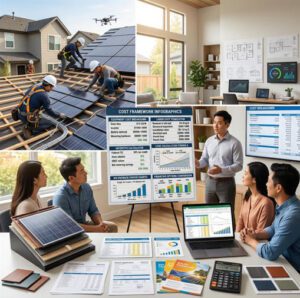
Integrated photovoltaic systems cost more at first. They save you money over time. Here is a table with costs and payback times:
| BIPV Product Type | Cost Range (per m²) | Payback Period (years) |
|---|---|---|
| BIPV Façade | $200 – $625 | 10 – 15 |
| System Type | Cost Range (per sq ft) | Payback Period (years) |
|---|---|---|
| Solar Siding (BIPV) | $8 – $26 | 9 – 13 |
Most people get their money back in 7-12 years. Some solar PV systems pay off in 3-5 years. Jia Mao Bipv has options to help you get the best value.
Maintenance and Durability
You need to keep your system working well. Check it often to find problems early. Clean the panels to help them work better. Watch the inverter and check energy output. Trim trees so they do not block sunlight. Make sure air can move around the system. If you see damage, call an expert to fix it.
- Check your system every year
- Clean panels for better energy
- Watch system output
- Trim trees to stop shading
- Keep air moving around the system
- Fix problems fast
If you take care of your system, it can last many years. Jia Mao Bipv makes systems that are easy to care for and strong for a long time.
Implementing Integrated Photovoltaic Systems
Suitability Assessment
You need to check if your building is ready for integrated photovoltaic systems. Start by measuring at least 0.5 meters from the edges of your roof or wall. Avoid areas with permanent shade, such as balconies or overhangs. Do not place panels near windows, doors, or vents. Make sure your building can hold the extra weight. Always follow fire safety rules for access. If your roof has a solar energy level close to 0.78, it is a great spot for solar panels.
Tip: Buildings facing south, east, or west get different amounts of sunlight. You should look at how much sun your building gets during the day.
Planning and Design
You must plan before you install anything. First, prepare your site and talk with your construction team. Next, choose the right attachment system for your building style. Connect the solar panels to your electrical grid. Make sure your design matches your building’s needs and local codes. Work with experts from Jia Mao Bipv to get the best results.
- Prepare your site and team.
- Pick the right attachment system.
- Connect panels to your electrical grid.
Installation Process
You want your system to work well and look good. Choose BIPV products that fit your energy needs and style. Work with architects, engineers, and solar experts early. Place panels where they get the most sun and avoid shade. Plan your wiring carefully. Add inverters to change DC power to AC for your building. Upgrade your electrical system if needed.
- Select products for energy and style.
- Collaborate with experts.
- Optimize panel placement.
- Plan wiring and add inverters.
Monitoring and Upkeep
You need to keep your system working for many years. Use monitoring tools to check energy output. Clean panels and inspect them often. Try predictive maintenance to fix problems before they grow. For large buildings, use custom metrics and adaptive protocols. This helps you get the most energy and keeps your system strong.
Note: Regular checks and smart maintenance help your system last longer and work better.
Jia Mao Bipv offers support for every step, from planning to long-term care.
Real-World BIPV Examples

Case Studies
You can find integrated photovoltaic systems in buildings worldwide. These examples show how BIPV helps buildings make energy. Many companies, like Jia Mao Bipv, build stylish and energy-saving buildings with BIPV.
Here is a table with some projects:
| Building Example | Application | Benefits |
|---|---|---|
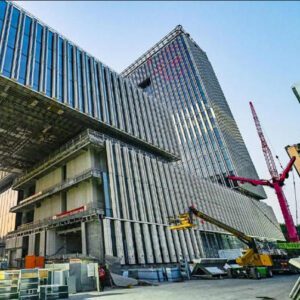
| The Edge, Amsterdam | BIPV facades | Saves energy, looks good, less shading needed |
| Solaria and Onyx Solar | Transparent BIPV glass | Lets in light, makes energy, keeps design simple |
| SunPower solar canopy, San Francisco International Airport | Canopies and awnings | Gives shade, saves energy, improves outdoor areas |
You can learn from these buildings. They use BIPV in facades, glass, and canopies. Each project shows ways to save energy and make buildings look better.
BIPV systems help you use less energy. You can see about 22% less energy use on different floors. Some offices with semi-transparent BIPV facades use 44% less energy than regular glass. BIPV also helps cool buildings by blocking heat from the sun. This keeps your building comfy and lowers air conditioning use.
- BIPV systems turn building surfaces into energy makers.
- You need less power from the grid.
- You get fewer greenhouse gases and save money over time.
- BIPV works in many places and climates.
Jia Mao Bipv has helped many buildings reach these goals. You can use BIPV to make your building greener and nicer. These examples show BIPV is ready now. You can use it today for smart and good-looking buildings.
Tip: If you pick BIPV, your building saves energy and helps the planet.
Integrated photovoltaic systems help your building make its own energy. You get many good things from this:
- You pay less for energy and help the Earth.
- You follow new energy rules and make your building look better.
- You help more buildings use less energy.
The starting price can be high, but there are ways to save money. Incentives and new technology make BIPV cost less. Jia Mao Bipv can show you these choices. You can begin making your building greener and smarter today.
FAQ
What is the main difference between BIPV and regular solar panels?
You use BIPV as part of your building. Regular solar panels sit on top of your roof or on the ground. BIPV looks better and saves space.
How long does a BIPV system last?
Most BIPV systems work for 25 years or more. You keep your system strong by cleaning and checking it often.
Can you install BIPV on old buildings?
You can add BIPV to old buildings. You need to check the building’s strength and follow local rules. Jia Mao Bipv helps you plan and install safely.
Do BIPV systems work in cloudy weather?
BIPV systems still make energy when it is cloudy. You get less power than on sunny days, but your building keeps making electricity.