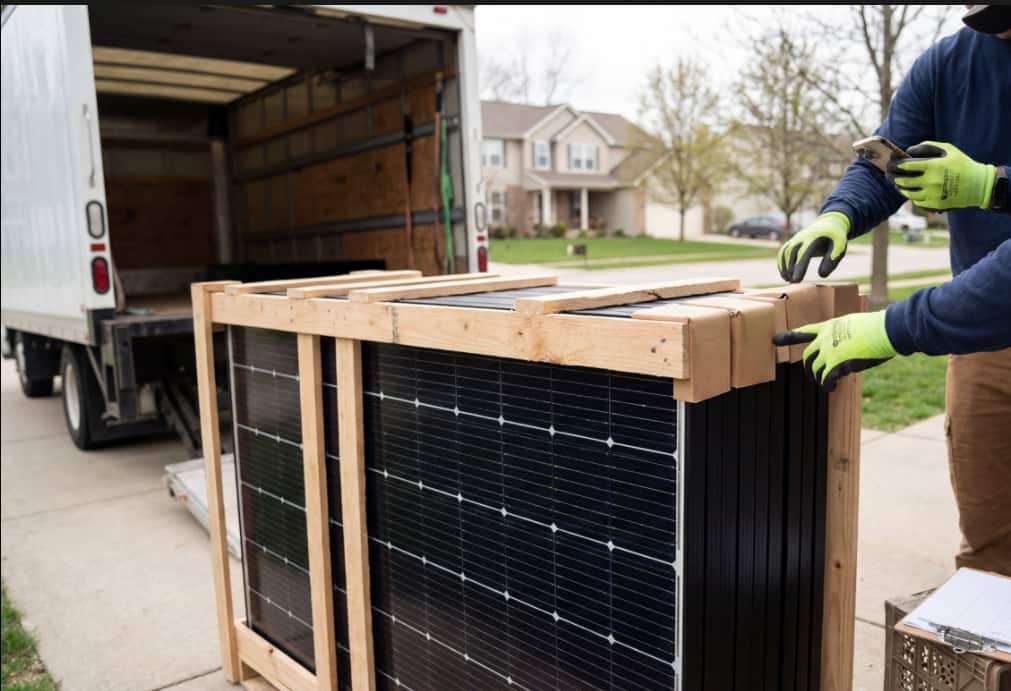
Home delivery inspection of wholesale solar panels on arrival

3 Real Solar Panel Wholesale Experiences You Should Know

Table of Contents

Buying solar panels wholesale can feel like a shortcut to serious savings—until the hidden friction shows up: shipping constraints, paperwork, mismatched expectations on warranty handling, and quality verification. In this article, I’m going to walk you through three real-world experience patterns that show up again and again, so you can borrow the wins and avoid the pain.

Home delivery inspection of wholesale solar panels on arrival

Importantly, these stories include both positive and negative outcomes. The goal isn’t to scare you off—it’s to help you shop smarter, set the right expectations, and build a plan that works whether you’re a homeowner, contractor, or small business buyer.

The sections below provide practical lessons and tips based on actual wholesale buying journeys, including DIY installation realities, supplier service pitfalls, and the value of guided purchasing. Keep these experiences in mind as you plan to buy solar panels wholesale.

First-Time Solar Panel Wholesale Savings

Expert note (to frame expectations): Many industrial PV engineers repeat a version of this idea: “Most ‘bad’ solar purchases aren’t caused by the panel— they’re caused by unclear specs, weak incoming inspection, and assumptions about who owns the risk in shipping and after-sales.”
This becomes especially true in wholesale, where you’re closer to the supply chain and further from hand-holding.

The first experience pattern is what I call the “I can save thousands if I buy like an installer” mindset. It’s real—wholesale purchasing can reduce the hardware portion of your system cost, and it can give you broader choice in module type, wattage bins, inverter ecosystem, and mounting strategy. But it also shifts responsibility onto you: you become the project manager, the logistics coordinator, and (often) the quality inspector.

What first-time wholesale buyers get right

First-timers who succeed tend to treat wholesale like procurement, not like online shopping. They clarify exact SKUs, verify certifications, confirm pallet count and packaging method, and ask “what happens if transit damage occurs?” before paying. They also plan the install as a sequence: roof assessment → electrical plan → permit (if required) → delivery window → staging area → install → commissioning.

Where surprises happen (even with good suppliers)

In wholesale, the “true cost” often shows up in the edges: liftgate delivery fees, residential delivery surcharges, storage if your installer schedule slips, and replacement lead times if a module arrives damaged. Packaging matters more than most people realize; the way modules are palletized and protected can directly influence damage rates in transit. If you want a deeper dive on packaging and why it fails, Sinovoltaics has a straightforward overview you can skim before your order arrives. [Source](https://sinovoltaics.com/solar-basics/basics-of-solar-panel-packaging/)

Buyers who plan for those “edge costs” still come out ahead—and they sleep better. Buyers who don’t plan often feel like savings were “stolen” later by unexpected logistics and rework.

If you’re sourcing through a brand like Jia Mao Bipv, you’ll usually get more structured pre-sale clarification and configuration support than a random spot buy—especially valuable if you’re new to wholesale procurement. As we continue, you’ll see why guidance becomes a form of “insurance” for first-time buyers.


Motivation and Research

In the first-time wholesale story, the motivation is usually simple: “I was quoted X by a local installer, and I’m convinced the hardware isn’t worth that much.” Sometimes that instinct is correct—installer quotes include design, permitting coordination, labor, warranty administration, overhead, and profit. Wholesale buying removes part of the stack, but it also removes some of the safety net.

A practical research checklist (the stuff people skip)

The most effective buyers research across three layers: (1) technical fit, (2) financial reality, and (3) operational risk. Technical fit includes module type (mono PERC, TOPCon, HJT), array layout constraints, inverter compatibility, and temperature coefficients. Financial reality means you separate “module price” from total installed cost. Operational risk includes shipping damage, DOA handling, and lead times for replacements.

Use real-world performance expectations, not marketing numbers

A common wholesale trap is shopping purely on nameplate wattage. In reality, long-term yield matters: degradation, system losses, and maintenance. NREL’s work on PV lifetime and performance loss factors is a solid anchor for expectation-setting; PV modules typically degrade slowly and often lose less than 1% performance per year, but system-level losses can change what you actually see on your meter. [Source](https://www.nrel.gov/pv/lifetime)

Trend awareness: why “today’s deal” may not be tomorrow’s

Pricing volatility is real. The IEA notes sharp module spot price decreases observed in 2023, and ongoing pricing pressure across the market has influenced buying behavior and inventory cycles. This matters for wholesale because you might be tempted to “wait one more month,” but your permitting timeline or installation season might cost more than the price drop saves. [Source](https://www.iea.org/energy-system/renewables/solar-pv)

Mini cost model (paste-friendly table)

Here’s a simple spreadsheet-style breakdown you can paste into Excel. It’s intentionally generic so you can plug in your numbers:

Cost ItemWholesale Buyer NotesYour Estimate ($)
PV modules (panels)Confirm SKU, pallet count, incoterms, insurance 
Inverter(s) / microinvertersMatch with module electrical specs 
Racking / mountingRoof type drives cost & complexity 
Electrical BOS (wire, breakers, combiner)Don’t underestimate small parts 
Shipping & deliveryLiftgate/residential fees can surprise 
Permitting / plans / inspectionsVaries by city/utility 
TotalCompare to turnkey quote 

If your site has specific product pages or case studies you want me to link as internal anchors (you mentioned you’ll paste them), I’ll place them naturally here—e.g., “PV modules wholesale,” “BIPV solutions,” “inverter compatibility guide,” etc.—and point the primary anchor to www.jmbipvtech.com as requested.

Managing Installation Yourself

The second part of the first-time wholesale story is the DIY (or semi-DIY) installation decision. Some buyers do everything themselves. Others hire an electrician for the final tie-in and inspections but handle mounting and module placement on their own. Either way, wholesale only “works” if you manage the install like a project: scope, timeline, tools, helpers, and contingency.

DIY is not just labor—it’s coordination

The friction points usually aren’t the panels—they’re the sequencing. Your delivery might arrive before you’re ready to stage; your electrician might need single-line diagrams; your permit might require stamped drawings; your roof might need reinforcement; and weather can reset your schedule. First-time buyers often underestimate how many “mini decisions” happen on install day.

Safety and compliance: where shortcuts backfire

If you’re mounting modules, you’re working at height with large glass panels. A single drop can destroy a module, injure someone, and erase the savings you were chasing. Compliance is similar: in many regions, the electrical tie-in must be done by a licensed professional. “Wholesale savings” disappears fast when you fail inspection and have to rework conduit runs or labeling.

A short video that helps buyers think clearly

For first-time buyers, I like recommending a simple, practical video on how to evaluate/choose panels so you don’t over-focus on marketing. This one is a clear overview-style piece and fits well as a pre-purchase primer:

Video source: SolarQuotes — “How to Choose the RIGHT Solar Panels for Your Home” [Source](https://www.youtube.com/watch?v=tWCQK1KdHtE)

Planning tool: a simple “risk register”

Below is a lightweight “risk register” you can paste into Excel. This is what experienced installers mentally do—writing it down makes your first wholesale project feel 10x more controllable:

RiskHow it shows upMitigation
Delivery damageCracked glass, bent frame cornersInspect on arrival + photo evidence + clear claim process
Permit delaysInstall schedule slips, storage neededSubmit early, confirm drawing requirements
Mismatch (module ↔ inverter)Clipping, poor performance, shutdownsCross-check electrical specs before purchase
Roof surprisesRot, weak decking, leaks after installRoof inspection + proper flashing & sealing

If you’re buying wholesale through a structured supplier relationship (for example, a brand like Jia Mao Bipv), you can often reduce these risks by getting pre-checklists and configuration verification in advance—this is where guided purchasing begins to pay for itself.

Real Savings and Challenges

Here’s what “real savings” typically looks like in the first-time wholesale story: buyers save most when they control labor costs and avoid expensive change orders. If you already have a qualified electrician and you can handle basic mounting—or if your project is ground-mount and access is easy—wholesale purchasing can feel like unlocking a cheat code.

But savings only count if the system performs

The hard part is that the cheapest module isn’t always the best value. Long-run performance depends on degradation and system losses. NREL’s PV lifetime work helps ground expectations: modules generally degrade slowly (often less than 1% per year), but performance loss at fleet/system level can be influenced by factors beyond the module itself—so your design and install quality matter. [Source](https://www.nrel.gov/pv/lifetime)

A simple “savings vs. stress” bar chart (visual, paste-ready)

This quick chart isn’t scientific—it’s a realistic way to explain why some wholesale buyers feel thrilled while others feel exhausted. You can replace the numbers with your own:


Savings vs. Stress (illustrative)
Turnkey install savings:   ████  (low)
Wholesale + pro install:   ██████
Wholesale + semi-DIY:      █████████
Wholesale + full DIY:      ██████████  (highest potential)

Stress / time demand
Turnkey install stress:    ██    (low)
Wholesale + pro install:   ████
Wholesale + semi-DIY:      ███████
Wholesale + full DIY:      ██████████  (highest)
    

A quick pie chart for “where headaches come from”

If you’ve never bought solar equipment wholesale, this breakdown will feel familiar by week two:


Headache Sources (typical first-time wholesale project)
- 35% Logistics & delivery timing
- 25% Permitting / utility requirements
- 20% Design details (BOS, wiring, labeling)
- 10% Quality inspection & documentation
- 10% Installation scheduling / helpers
    

Market-wide pricing trends can also shape whether wholesale feels “worth it.” The IEA highlights major shifts in PV module spot prices (e.g., large decreases observed in 2023), which influences when buyers choose to stock up versus buy just-in-time. [Source](https://www.iea.org/energy-system/renewables/solar-pv)

Bottom line: wholesale savings are real, but they are earned. If you want the savings without the chaos, your best move is to pair wholesale purchasing with structured guidance—especially on system design compatibility, delivery planning, and acceptance inspection at arrival.

Brand-safe next step (placeholder internal anchors):

When you send your internal links, I’ll naturally weave them in here using descriptive anchor text (e.g., “wholesale solar panels,” “BIPV solutions,” “project guidance,” “quality control checklist”) and ensure the primary anchor points to
www.jmbipvtech.com.


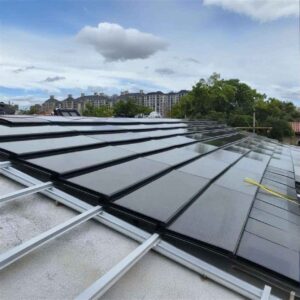
Solar distribution warehouse with pallets, components, and shipping baySupplier Service and Product Quality Issues

The second real-world experience pattern usually starts like this: the buyer finds an attractive wholesale price, pays quickly, and only later realizes the “service layer” is thinner than a turnkey installer. That’s not automatically bad. But wholesale shifts the burden of coordination—shipping terms, inspection standards, documentation, and claims—onto the buyer. If you don’t actively manage that layer, the project can drift from “amazing deal” into “why is this taking so long?”

To keep expectations grounded, it helps to remember that wholesale markets can move fast and suppliers may optimize for speed and volume. The International Energy Agency (IEA) notes that global PV module spot prices saw a sharp decline in 2023, tied to overcapacity and competition, which also changes how inventory cycles, discounting, and fulfillment pressure behave. [Source](https://www.iea.org/energy-system/renewables/solar-pv)

Quick navigation


Expectations vs. Reality

In wholesale solar, expectation gaps usually fall into three buckets: (1) delivery and packaging assumptions, (2) warranty and support assumptions, and (3) documentation assumptions. Buyers often expect the experience to feel like “ordering appliances,” but PV modules ship more like industrial glass—bulk freight, pallets, and handling constraints. Even reputable manufacturers warn that larger-format modules face higher safety risk in certain packaging orientations; LONGi has discussed how packaging method and size can raise safety risk during transport. [Source](https://www.longi.com/in/news/pakaging-for-large-modules/)

Reality #1: Shipping terms decide who owns the headache

A lot of “service disappointment” is actually a contract mismatch. If the order is EXW/FOB style, the buyer may be responsible for a huge portion of logistics and risk; if it’s DDP (delivered duty paid), the seller typically takes on more responsibility. Incoterms exist to define responsibilities in international transactions—if you don’t clarify them, both parties can feel wronged later. A practical starting point is the U.S. International Trade Administration’s overview of Incoterms. [Source](https://www.trade.gov/know-your-incoterms)

Reality #2: “Tier-1” is not an after-sales policy

Many buyers assume a strong brand name equals fast, consumer-style after-sales. In practice, wholesale after-sales may require proof: detailed receiving photos, serial numbers, carton/pallet labels, and a timeline for reporting damage. That’s why structured pre-agreed acceptance criteria matter—before the truck arrives. If you want a buyer-friendly overview of why packaging details matter (separators, corner protection, cartons vs. master cartons), Sinovoltaics’ packaging basics is a good quick read. [Source](https://sinovoltaics.com/solar-basics/basics-of-solar-panel-packaging/)

Reality #3: Certification language is your “translation layer”

If you’re comparing suppliers across regions, certification standards help translate quality claims into verifiable requirements. For example, IEC 61215 is typically discussed as a design qualification/performance and reliability standard, while IEC 61730 focuses on safety qualification. Even if you don’t buy the standard documents themselves, buyer-facing explanations are useful—EnergySage has a plain-language overview of solar panel testing and certifications, including IEC standards. [Source](https://www.energysage.com/solar/solar-panel-testing-certifications/)

In the wholesale world, disappointment usually comes from “silent assumptions.” The cure is simple: turn assumptions into a checklist that both sides acknowledge (incoterms, packaging method, delivery appointment rules, acceptance inspection steps, claim window, and warranty contact path).


Dealing with Customer Service

The second experience pattern becomes painfully clear when something goes wrong: a damaged pallet, missing accessories, a mismatched label, or a delayed container. Customer service in wholesale is often not “bad”—it’s structured differently. You typically need to provide evidence and follow a defined claims workflow. Buyers who treat service requests like an engineering ticket (clear problem statement, photos, serials, timestamps) almost always get better outcomes than buyers who send emotional messages without documentation.

A simple “claims packet” template that works

Paste this into Excel and keep it ready the moment freight arrives:

ItemWhat to recordEvidence
Delivery conditionPallet count, shrink wrap, corner damageWide-angle photos + close-ups
Label/serialsCarton labels, module serial numbersPhotos of every label set
Damage typeCracked glass, bent frame, junction boxMacro photos + timestamp
TimelineWhen noticed + who notifiedEmail trail / ticket ID

Why “incoming inspection” protects you

Many warranty disputes come down to “was it damaged in shipping, in storage, or during install?” Electroluminescence (EL) inspection is often discussed as a method to detect microcracks and hidden defects that visual inspection can miss. If you’re buying wholesale at scale (or buying used/overstock), knowing what EL inspection is—and when to use it—gives you leverage. [Source](https://www.pvknowhow.com/el-inspection-of-pv-modules/)

An industry-style quote you can use naturally

One of the most credible signals in the solar supply chain is third-party testing and certification. As TÜV Rheinland puts it plainly, success in the solar industry starts with testing and certification—this is why buyers who rely on independent verification tend to have fewer surprises later. [Source](https://www.tuv.com/usa/en/photovoltaic-modules.html)

If you want your wholesale purchase to feel “safe,” your goal isn’t to demand luxury-level customer service. Your goal is to build a process that makes claims easy to validate and hard to deny.

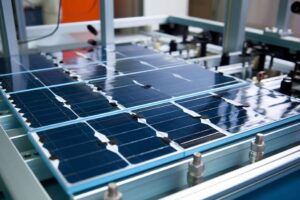
Technician performing electroluminescence inspection on a PV module

Product Quality Concerns

Quality issues in wholesale purchasing usually aren’t dramatic failures—they’re subtle: microcracks, early degradation, mismatched BOMs, or packaging-related stress. The tough part is that subtle issues may not show up on day one. This is why experienced buyers build “quality gates”: verify documentation before shipment, inspect at receiving, and spot-check before installation.

Quality gate #1: Confirm safety and certification pathways

For many markets, safety qualification and recognized certifications matter for permitting and insurance. UL explains that UL 1703 was harmonized to align with IEC 61730-1 and IEC 61730-2, reflecting an industry shift toward harmonized PV module safety qualification. When you see UL 61730 referenced, it’s usually a sign the product is aligned with updated safety approaches for PV modules. [Source](https://www.ul.com/news/ul1703-ul-61730-pv-module-safety-standards-updates-making-transition)

Quality gate #2: Understand degradation basics (without obsessing)

Buyers often panic about degradation, but it’s better to treat it as a planning parameter. NREL notes that PV modules typically degrade slowly—often losing less than 1% performance per year—making early degradation hard to detect. That doesn’t mean “everything is fine,” but it does mean your bigger risk is sloppy system design, poor installation, or shipping damage—not a mysterious overnight module collapse. [Source](https://www.nrel.gov/pv/lifetime)

Quality gate #3: Packaging is part of quality (not separate from it)

Packaging choices (separators, corner protection, carton strategies) directly affect microcrack risk. Sinovoltaics’ packaging basics explains common protective methods such as separators between modules and extra corner protections—simple things that reduce transit damage. [Source](https://sinovoltaics.com/solar-basics/basics-of-solar-panel-packaging/)

If your brand strategy is to reduce buyer anxiety, this is where a guided supplier (like Jia Mao Bipv) can “win” even without being the absolute cheapest price: you’re not just buying modules—you’re buying a smoother quality gate process.

Guided Success with Solar Equipment Wholesale

The third experience pattern is the “guided wholesale” success story. This is what happens when a buyer still wants wholesale pricing and choice, but refuses to gamble on unknown processes. The buyer either works with a supplier that provides structured guidance (configuration checks, packaging clarity, acceptance criteria, and documentation), or they use a marketplace + professional consultant approach.

The cleanest projects I’ve seen share one trait: decisions are made early (equipment match, delivery plan, and inspection plan), not on the roof with a drill in hand.


Finding the Right Supplier

“Right supplier” doesn’t only mean good modules. It means predictable outcomes. In wholesale, you’re optimizing for: consistent documentation, consistent packaging, and consistent accountability. A practical way to filter suppliers is to ask: “What does your process look like when something goes wrong?”

Distribution channels (where suppliers actually come from)

Wholesale solar commonly flows through three channels: (1) direct manufacturer / factory-to-project, (2) regional distributors, and (3) online B2B marketplaces. Each channel has tradeoffs. Marketplaces can widen supplier choice and speed RFQs; distributors often add local stock and support; direct manufacturer paths can offer pricing advantages but require tighter logistics control. EnergyBin’s guide is a helpful introduction to how buying wholesale solar equipment works across the supply chain. [Source](https://resources.energybin.com/solar-resources/the-ultimate-guide-to-buying-wholesale-solar-equipment)

A “supplier scorecard” you can paste into Excel

CriteriaWhat good looks likeScore (1–5)
DocumentationDatasheets, serials, packing list, warranty path 
Packaging clarityDefined pallet method + protections + photos 
Claims workflowClear claim window, evidence rules, response SLA 
Standards alignmentIEC/UL alignment appropriate for your region 
CommunicationOne accountable contact + proactive updates 

Where to verify supplier presence (directory idea)

If you’re validating whether a supplier/manufacturer is real and active across the industry, ENF Solar maintains a directory of solar panel manufacturers and related companies—useful as a cross-checking tool during research. [Source](https://www.enfsolar.com/directory/panel)

And yes—your brand anchor can still be natural: if you want a guided path, start at www.jmbipvtech.com and build your supplier checklist from there.

Incoming inspection for wholesale solar panel delivery

Value of Expert Guidance

Expert guidance pays off in wholesale because it compresses the learning curve. A good guide helps you make fewer irreversible mistakes: ordering incompatible components, missing local compliance requirements, or failing to document receiving condition. This guidance can come from a supplier’s engineering support, a consultant, or a distributor who has seen hundreds of installs.

Guidance reduces “unknown unknowns” (especially standards & safety)

One common place guidance helps: translating certification language into practical buying requirements. UL Solutions’ discussion of the transition from UL 1703 to UL 61730 gives buyers a sense of how PV safety standards have evolved and why it matters for compliance discussions. [Source](https://www.ul.com/news/ul1703-ul-61730-pv-module-safety-standards-updates-making-transition)

Guidance aligns your purchasing with market timing

When you’re buying wholesale, you’re exposed to real market movements. The IEA has highlighted the significant drop in PV module spot prices observed in 2023, tied to oversupply and competition. A guide helps you decide when to buy (lock inventory) versus when to wait (if your schedule allows). [Source](https://www.iea.org/reports/renewables-2023/executive-summary)

A practical “market trends” snapshot (paste-ready)

Below is a simple trend block for readers (and for SEO). It uses source-backed talking points and keeps it readable:


Market trends (high level)
- Global PV module spot prices saw a steep decline in 2023 (oversupply and competition) [IEA].
- Module cost history shows long-term declines across decades [IEA chart].
- In the U.S., module pricing can differ from global spot pricing due to market factors [NREL industry update].
  

Source references for readers who want to go deeper:
IEA Solar PV overview [Source](https://www.iea.org/energy-system/renewables/solar-pv)
• IEA “Renewables 2023” executive summary [Source](https://www.iea.org/reports/renewables-2023/executive-summary)
• IEA chart: evolution of solar PV module cost by data source, 1970–2020 [Source](https://www.iea.org/data-and-statistics/charts/evolution-of-solar-pv-module-cost-by-data-source-1970-2020)
• NREL Spring 2024 Solar Industry Update (module price context) [Source](https://docs.nrel.gov/docs/fy24osti/90042.pdf)

This is also where your brand can sound natural: a supplier like Jia Mao Bipv can position itself as “wholesale + guardrails”—helping buyers capture cost benefits while avoiding the common procurement traps.


Lessons for Future Buyers

If you distill all three experiences into repeatable lessons, you get a simple playbook: (1) buy with documentation, (2) receive with inspection, (3) install with compliance, and (4) measure performance with realistic expectations. This is how you turn wholesale buying from a gamble into a system.

Lesson 1: Treat wholesale like procurement

Don’t buy because the price is good—buy because you can prove what you’re getting. Use certifications as a filter and clarify responsibilities using Incoterms and a claim workflow. (If your team is new to Incoterms, start here.) [Source](https://www.trade.gov/know-your-incoterms)

Lesson 2: Learn the market, but don’t freeze

Yes, module prices move. The IEA notes major price declines in 2023, but project timelines, permits, and labor schedules can matter more than chasing an extra cent per watt. The best buyers decide a “buy window” and execute cleanly. [Source](https://www.iea.org/reports/renewables-2023/executive-summary)

Lesson 3: Build a receiving & quality checklist

Visual inspection plus documentation is your first line of defense; for higher-stakes projects, understand what EL inspection is and why it can reveal microcracks and hidden defects. [Source](https://www.pvknowhow.com/el-inspection-of-pv-modules/)

Lesson 4: Incentives & policy are part of ROI

For U.S. readers, incentives vary by state and utility. DSIRE is widely referenced as a comprehensive source of incentives and policies supporting renewables and efficiency—use it to sanity-check your local savings assumptions before you lock your equipment order. [Source](https://www.dsireusa.org/)

If you want a clean next step for readers: begin with a guided wholesale conversation, map your project constraints, then decide the mix of DIY vs. pro installation that matches your risk tolerance. That’s how first-time buyers become confident repeat buyers.


Distribution Channels (How Wholesale Solar Really Moves)

When readers say “I want to buy wholesale,” they often mean “I want a better price than the local quote.” The way you get there depends on distribution channels, and each channel changes your risk profile.

Channel 1: Direct manufacturer → project

This can offer strong pricing and customization, especially for larger orders, but it increases the importance of clear shipping terms and documentation. It’s also where Incoterms clarity becomes essential for defining responsibilities. [Source](https://www.trade.gov/know-your-incoterms)

Channel 2: Regional distributors

Distributors typically hold inventory, bundle balance-of-system components, and sometimes provide technical support. This is often the smoothest path for contractors who want wholesale pricing but need stable logistics and faster replacement handling.

Channel 3: Online B2B marketplaces & trading platforms

Marketplaces can widen options and enable RFQ-style shopping. EnergyBin is an example of an ecosystem that publishes educational material about buying wholesale solar equipment and the PV supply chain. [Source](https://resources.energybin.com/solar-resources/the-ultimate-guide-to-buying-wholesale-solar-equipment)

A quick “channel fit” table (for readers)

ChannelBest forWatch-outs
Direct manufacturerLarge projects, custom needsLogistics + claims responsibility
DistributorFast delivery, bundled BOSPricing not always lowest
MarketplacePrice discovery, RFQsSupplier variance; verify processes

A guided supplier model (for example, Jia Mao Bipv) can combine the best of these channels: competitive pricing plus structured pre-sale checks, so the buyer doesn’t have to “learn the hard way.”

Market Trends (What’s Shaping Wholesale Solar Buying)

CONCLUSION

These three wholesale experiences point to a clear truth: buying solar panels wholesale can be a smart move, but it’s not automatically “cheaper” unless you manage the parts that installers normally hide from you—logistics, documentation, quality gates, and service workflows.

The first-time savings story shows why wholesale can unlock real value, especially when you’re comfortable coordinating parts of the install. But it also shows why packaging and delivery planning matter as much as your module price. Resources like Sinovoltaics’ packaging overview and manufacturers’ packaging discussions help buyers avoid preventable transit issues. [Source](https://sinovoltaics.com/solar-basics/basics-of-solar-panel-packaging/)

The supplier service and quality story reminds us that wholesale customer service is evidence-driven. If you document the receiving condition and understand practical inspection concepts like EL inspection, your odds of a clean resolution go up. [Source](https://www.pvknowhow.com/el-inspection-of-pv-modules/)

The guided success story ties everything together: guidance is not a luxury—it’s a risk-control tool. Whether that guidance comes from a distributor, consultant, or a supplier that offers a structured process, it reduces the “unknown unknowns” that cause budget creep.

Strong call to action

If you’re planning to buy solar equipment wholesale, don’t start with price—start with process.
Use a supplier checklist, define your shipping terms, plan your receiving inspection, and map your permitting path.
When you’re ready to take the next step, begin with a guided conversation at
www.jmbipvtech.com
and build your system plan around your real constraints (roof, budget, timeline, and risk tolerance).

Solar procurement guidance meeting reviewing documents and specs

FAQ (Quick Answers for Buyers)

1) Is buying solar panels wholesale actually cheaper?
Often yes on hardware cost, but only if you manage shipping, inspection, and scheduling. The “cheapest” quote can lose value if you absorb damage or delays.
2) What’s the biggest hidden cost in wholesale solar purchases?
Logistics + timing: liftgate fees, last-mile delivery constraints, storage costs, and replacement lead times when something arrives damaged.
3) How do I reduce the risk of shipping damage?
Agree on packaging method, inspect immediately upon delivery, and document everything with photos/serial numbers. Packaging best practices like separators and corner protection are commonly referenced in industry guidance. [Source](https://sinovoltaics.com/solar-basics/basics-of-solar-panel-packaging/)
4) What is EL inspection and do I need it?
EL inspection (electroluminescence) can help reveal microcracks/hidden defects not visible to the eye—useful for large orders, used modules, or when damage is suspected. [Source](https://www.pvknowhow.com/el-inspection-of-pv-modules/)
5) How fast do solar panels degrade?
Degradation is typically slow; NREL notes modules often lose less than 1% performance per year, though system-level factors also matter. [Source](https://www.nrel.gov/pv/lifetime)
6) What are Incoterms and why should I care?
Incoterms define buyer/seller responsibilities in shipping. They clarify who pays for what and who carries risk at each stage. [Source](https://www.trade.gov/know-your-incoterms)
7) Where can I check incentives that affect ROI?
In the U.S., DSIRE is a comprehensive database of incentives and policies supporting renewables and energy efficiency. [Source](https://www.dsireusa.org/)
8) How do I sanity-check whether a manufacturer is real?
Use cross-check resources such as ENF Solar’s manufacturer directory as one verification input, and still verify documentation, certifications, and references. [Source](https://www.enfsolar.com/directory/panel)
9) What’s the simplest way to avoid “cheap but wrong” purchases?
Use a supplier scorecard, confirm compatibility, define acceptance criteria, and keep a claims packet template ready before delivery.
10) Where should I start if I want guided wholesale sourcing?
Start with a supplier that offers structured pre-sale guidance and documentation support. You can begin at
www.jmbipvtech.com
and work backward from your project constraints (site, permits, timeline, and budget).


Share

Facebook
Twitter
LinkedIn

CONNECT

We will contact you within 24 hours.

For your urgent inquiries,please contact us through whatsapp No. : +86 18321592370

hold on

There is a latest product catalogue and a special quotation for you Today ,please feel free contact us.

For your urgent inquiries,please contact us through whatsapp No. : : +86 18321592370

about jmbipv