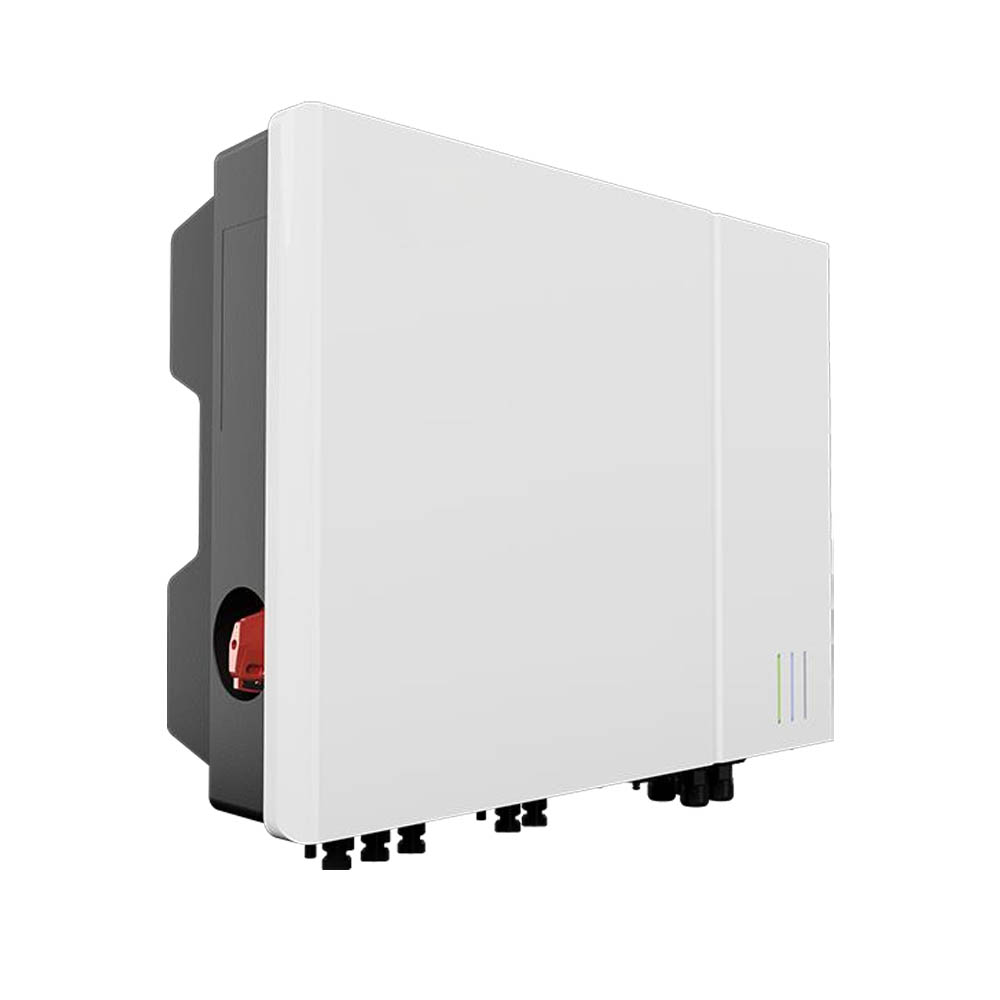
You might ask if solar micro inverters are good for your panels. Many people pick them because each panel works alone. If one panel has a problem, the rest still work. You can check how each panel is doing. You can also add more panels easily. But you might pay more at first. You may need more repairs. Sometimes, you get less power than other systems. In the United States, about 40% of homes use micro inverters. About 60% use string inverters.
Here’s a quick look at what people like and dislike about micro inverters:
| Advantages | Disadvantages |
|---|---|
| One panel’s problem does not stop others | Hard to fix |
| You can watch each panel’s work | Costs more |
| Easy to make the system bigger | More things can break |
| Follows fast shut-down rules | N/A |
| Has a 25-year warranty | N/A |
Key Takeaways
- Micro inverters let each solar panel work on its own. If one panel has a problem, the others still make energy.
- Micro inverters can show live data for each panel. This helps you find and fix problems fast.
- Micro inverters make it easy to add more panels later. You do not need extra inverters to do this.
- Micro inverters are safer but cost more at first. They may also need more care than string inverters.
- Pick the right inverter for your roof, money, and energy plans. Micro inverters are good for roofs with shade or tricky shapes.
What Are Solar Micro Inverters
How Micro Inverters Work
Micro inverters help change solar panel electricity for your home. Each micro inverter connects to one solar panel. This means every panel works by itself. If one panel stops, others keep working. Micro inverters turn direct current (DC) into alternating current (AC). Your house uses AC power. This makes your solar system work better. You get steady power for your home.
Here is how micro inverters change DC to AC:
- Solar panels make DC electricity when sunlight hits them.
- The micro inverter switches the DC back and forth very fast. This makes AC electricity.
- Filters help smooth the AC so it is safe for your home.
- Micro inverters use MPPT to get the most energy from each panel.
You can see how each panel works right away. This helps you find problems fast. You can add more panels later if you want. This helps homeowners and businesses grow their solar systems.
Micro Inverters vs String Inverters
You might wonder how micro inverters are different from string inverters. The main difference is how they connect and handle problems.
| Feature | Microinverters | String Inverters |
|---|---|---|
| Installation Complexity | You need to go on the roof for repairs | Easier to fix, usually on the ground |
| Performance in Shade | Each panel works alone, shade hurts only one | Shade on one panel lowers power for all panels |
| System Expansion | Easy to add more panels | May need a new inverter to add more panels |
- Micro inverters need roof access for repairs, which is harder.
- String inverters are on the ground, so fixing them is easier.
- With micro inverters, each panel works its best, even in shade.
- String inverters need all panels to get sunlight for best power.
Homeowners get more control and safety with micro inverters. Importers and agents may find micro inverters easier to sell for tricky roofs or for people who want to add more panels later.
Advantages of Solar Micro Inverters
Panel-Level Optimization
Micro inverters let each solar panel work by itself. If one panel gets shade or dirt, the others still make power. Your solar system keeps making energy even if one panel has trouble. This helps in places with trees or chimneys that block sunlight.
Microinverters help with shading problems. Each panel works alone, so shade on one does not hurt the others. If one panel is shaded, its microinverter tries to get as much power as it can. The other panels keep making full power because they are not affected.
You get more energy over time. Micro inverters help you control each panel’s output. This saves you money on your electric bill. You can use sunlight early in the morning and late in the day. Your panels work longer each day. Some people see over 5% more energy after switching to panel-level optimization. Importers and agents can tell customers about this benefit. It helps people who want good power in places with mixed sunlight.
Monitoring and Diagnostics
Micro inverters let you watch each panel’s work live. You can find problems fast and fix them before they get worse. This keeps your solar system working well. You do not have to guess which panel is slow or broken.
- Microinverters let you check each panel, so it is easier to find problems and fix them.
- String inverters only check the whole system, so it is harder to find which panel has trouble.
You get alerts and live data for every panel. You, your installer, or your agent can check the system from anywhere. The table below shows how monitoring works with micro inverters:
| Feature | Benefit |
|---|---|
| Envoy as the Hub | Connects microinverters to the internet for checking |
| Serial Number Tracking | Watches each unit for exact data |
| Real-Time Data | Shows live power numbers for clear info |
| Alerts | Finds the exact microinverter with a problem |
| Individual Panel Tracking | Spots problems right away |
| Remote Monitoring | Lets you check performance anytime, anywhere |
Importers and agents use these tools to manage lots of solar panels for clients. This makes service faster and keeps customers happy.
Flexible System Expansion
You can add new solar panels to your system anytime. Micro inverters make this easy because each panel works alone. You do not need a new inverter or to change the whole system. You can put in better panels as technology gets better.
Microinverters let each new panel work by itself. Each panel changes its own electricity without being affected by others. This makes it easy to add new panels to your solar setup without extra parts like another inverter.
- You can add new panels slowly without more inverters.
- You can install bigger solar panels than before.
- Shaded panels do not lower the power of the whole system.
This helps homeowners start small and grow later. Importers and agents can offer upgrades and expansions to customers. This makes it easier to sell more panels over time.
Enhanced Safety Features
Micro inverters make your home and roof safer. They change DC to AC at each panel. AC is safer than DC, so there is less risk of fire or shock. Micro inverters also follow new rules for fast shutdown. This helps first responders stay safe in emergencies.
| Benefit | Description |
|---|---|
| Enhanced safety for first responders | Fast Shutdown lowers the risk of shock, so emergency workers can be safe. |
| Simplified installation and compliance | Built-in Fast Shutdown saves time and meets NEC rules. |
| Improved system reliability | Keeps the system safe when things go wrong, so it works well. |
| Enhanced monitoring and maintenance | Live tracking helps find problems fast, so the system stays safe. |
| Environmental and economic benefits | Less time and cost to install saves money, and safety features give peace of mind. |
You feel safe knowing your solar system is protected. Importers and agents use these safety features to meet local rules and offer better products.
| Evidence | Explanation |
|---|---|
| Independent operation of solar panels | Each panel works alone, so there is less risk of high voltage DC that can cause fires. |
| Compliance with electrical codes | Micro inverters meet new rules for fast shutdown, so first responders are safer. |
| Conversion to AC | Micro inverters change DC to AC, and AC is safer than DC. |
Solar micro inverters give homes and businesses strong benefits. You get panels that work alone, easy checks, simple upgrades, and better safety. These features help you get the most from your solar panels and make micro inverters a smart choice.
Disadvantages of Micro Inverters
Higher Upfront Cost
Micro inverters usually cost more at first than string inverters. You need one micro inverter for each solar panel, so you buy more parts. This makes your whole solar system cost more when you start. The wiring is harder, so it costs more to install. In some places, workers charge more and local rules can raise the price.
Note: Micro inverters can save money by not needing high-voltage DC wires or extra safety gear. String inverters often need more wires and extra parts to be safe, which can make them cost more in the end.
Here is how the installation costs compare:
- Micro inverters cost more to install because the wiring is harder.
- String inverters are cheaper to put in since the wiring is simple.
- Prices change based on where you live, worker pay, and how easy it is to get to your roof.
If you sell or import these, know that the higher price can change how you sell them. Customers may ask why micro inverters cost more. You can tell them the extra money pays for better safety and easier upgrades.
Maintenance and Failure Points
Micro inverters have more parts than string inverters. Each panel has its own device, so more things can break. If a micro inverter stops working, you might have to go on the roof to fix it. This makes repairs harder and costs more. When a micro inverter fails, the average repair bill is higher than for a string inverter. Labor costs are also higher because fixing them takes more time.
- The average repair for a broken micro inverter is $464.90, but for a string inverter it is $432.54.
- Labor costs are higher for micro inverters because repairs are harder.
- You might pay more for service if a micro inverter breaks.
But you do not have to change a big central inverter if only one micro inverter breaks. You can just fix one panel, which saves time and keeps the rest working. Micro inverters let you check each panel, so you find problems faster and do not lose power for long.
If you sell or import these, plan for more service calls and higher repair bills. You may need to teach your team how to fix things on the roof and check each panel.
Lower Power Output
Micro inverters sometimes make less energy than string inverters, especially in big systems. Studies show micro inverters make about 4% less energy than string inverters. Central inverters can make over 5% more energy than micro inverters. Micro inverters also lose more energy.
- Micro inverters make 4.09% less energy than string inverters.
- Central inverters lose 60.4% less energy than micro inverters.
- String inverters lose 43.93% less energy than micro inverters.
If your roof gets lots of sun and no shade, string inverters may give you more energy. Micro inverters work best if some panels get shade or dirt, since each one works alone. If your roof is perfect, string or central inverters may be better for the most power.
If you sell or import these, think about the project type. For big, sunny roofs, string inverters may work better and cost less. For homes with shade or tricky roofs, micro inverters may still be the best pick.
Tip: Always choose the inverter type that fits the roof, sunlight, and what the customer wants. This helps you get the best results from your solar inverters.
Choosing the Right Inverter for Your Home
When to Use Micro Inverters
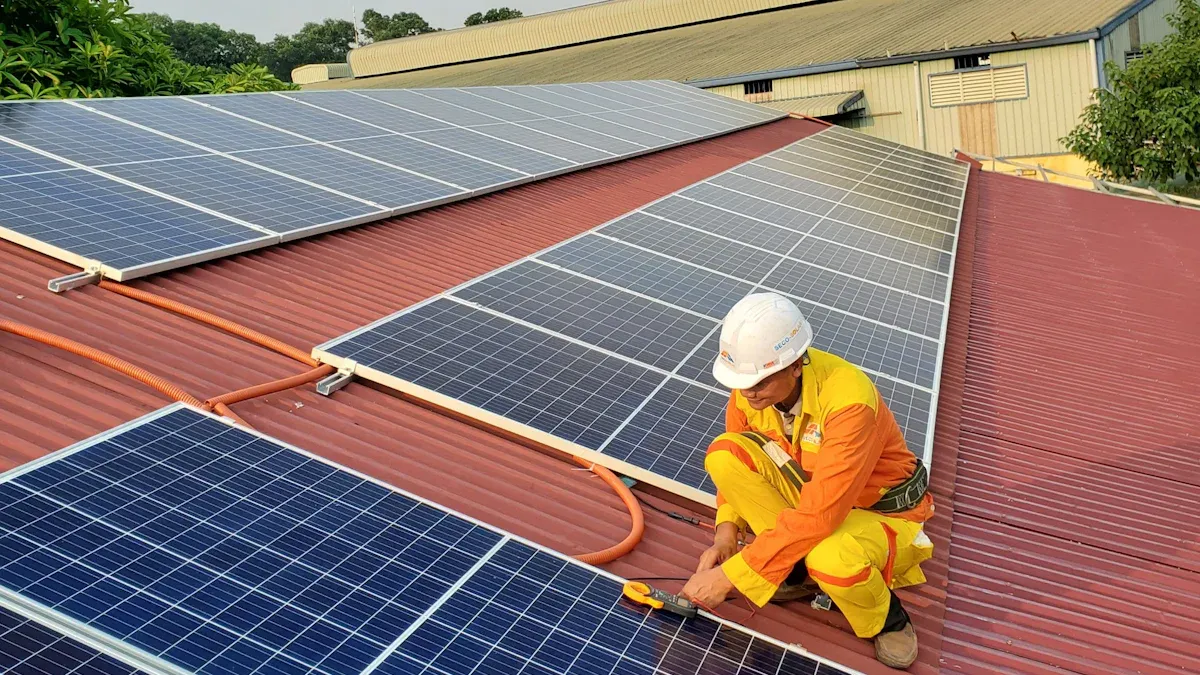
Pick micro inverters if your roof has lots of shapes or trees. They work well for roofs with many angles or shade. Each solar panel works by itself. If one panel gets shade, others still make power. This helps you get more energy when your roof is tricky.
Micro inverters help when panels face different ways or get shade at different times. Each panel works alone, so one weak panel does not hurt the whole system.
If you want to add more panels later, micro inverters make it simple. You can put in new panels without changing the old ones. Brands like Jia Mao Bipv have micro inverters for many roof types. They help you follow safety rules. Importers and agents use micro inverters for roofs with mixed sunlight or changing needs.
When String Inverters Are Better
String inverters are best for flat, sunny roofs. Pick string inverters if all panels face the same way and get sun all day. This saves money at first and makes fixing easier.
- String inverters cost less than micro inverters.
- They are easier to fix because they sit near the ground.
- You get good results with simple roofs and no shade.
Importers and agents pick string inverters for big projects with lots of panels in sunny places. String inverters can be up to 50% cheaper and need fewer parts. This lowers shipping and installation costs.
Key Factors to Consider
Picking the right inverter changes how well your solar panels work and how much you pay. Think about these things:
- The price of the inverter and your budget
- How much shade your roof gets
- The shape of your roof
- How easy it is to add more panels
- Your energy goals for the future
- Local safety rules
- The type of inverter and its features
- How easy it is to check and fix the system
| Aspect | Micro Inverters | String Inverters |
|---|---|---|
| Upfront Cost | Higher | Lower |
| Energy in Shade | Higher | Lower |
| Best for | Shaded or complex roofs | Open, sunny roofs |
| Maintenance | Harder, on the roof | Easier, on the ground |
| Expansion | Easy to add panels | Harder to expand |
Match your inverter to your roof, budget, and plans. Importers and agents help by offering both choices and explaining the good points for each project. Brands like Jia Mao Bipv have options for many needs.
Solar micro inverters give you lots of good things. You can make your solar system bigger easily. You can watch each panel work in real time. They help keep your home safe. But you pay more money at the start. Fixing them is harder and takes more time. Here are the main points:
| Pros | Cons |
|---|---|
| Easy to add more panels | Costs more at first |
| You can see each panel’s power | Repairs are harder on the roof |
| Long warranty and safety features | More parts might break |
Think about what energy you need and how much you want to spend. Plan for the future too. Ask a solar installer for help that fits your home or business.
FAQ
What is a microinverter?
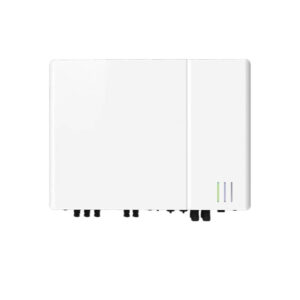
A microinverter is a small device for one solar panel. It changes the panel’s electricity into power for your home. You get more control and better safety. Importers and agents pick them for homes with tricky roofs.
Can you mix different solar panels with microinverters?
Yes, you can use different solar panels together. Each panel works by itself. You do not have to match every panel. This makes it easy to upgrade or grow your system. Importers and agents give customers more choices.
How long do microinverters last?
Most microinverters work for about 25 years. Many brands offer a long warranty. This matches how long most solar panels last. Homeowners and businesses do not need to replace them often.
Do microinverters work in all countries?
Yes, microinverters work in many places. You should check local rules and power needs. Importers and agents must make sure the product fits before selling or installing.
Are microinverters hard to repair?
Microinverters are harder to fix because they are on the roof. You may need special tools or a trained worker. Importers and agents should plan for service and help when selling these systems.


-300x300.jpg)