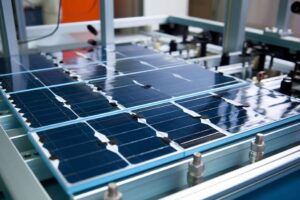
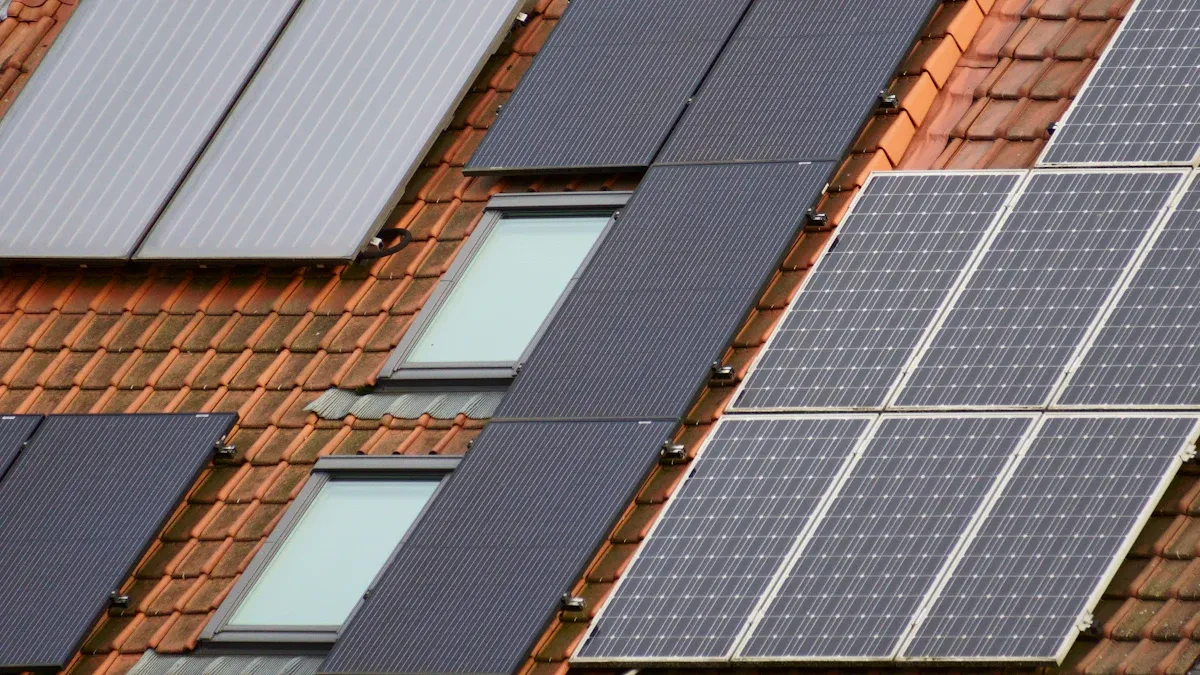
Bipv technology trends are changing building design and energy use in 2026. You can see solar panels on walls, roofs, and windows. This helps both new buildings and old ones look better. Recent studies say using renewable energy in modern buildings needs special care for history and style. You get more help from private investors and government money. Companies like Jia Mao Bipv work to make solar solutions safe, work well, and look nice. You can find good chances if you own property, build buildings, or work in construction.
Основные выводы
- BIPV stands for Building Integrated Photovoltaics. It mixes solar power with building materials. This makes buildings look better and work better.
- BIPV helps you save money on energy bills. It also makes your building worth more. It is a good choice for both new and old buildings.
- Transparent solar panels let sunlight in and make electricity. They are great for cities where space is small.
- Smart IoT technology lets you check your energy use right away. This helps you use less energy and waste less.
- Picking eco-friendly BIPV materials can cut down your building’s carbon footprint a lot. It also helps you reach your green goals.
What Is BIPV and Its Importance
BIPV Defined
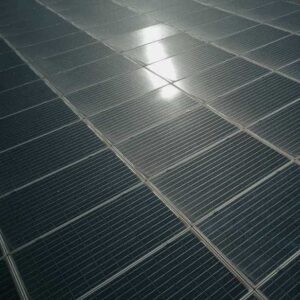
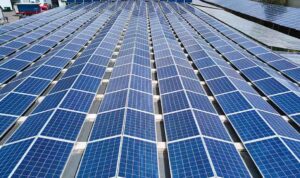
You might ask what BIPV stands for. BIPV means Building Integrated Photovoltaics. These are solar systems built into parts of buildings like roofs, walls, or windows. They are not added later like regular solar panels. Instead, they are part of the building’s design from the start. This way, buildings can look modern and make clean energy.
Here is a table that shows why BIPV is special:
| Аспект | Описание |
|---|---|
| Definition | Building Integrated Photovoltaics (BIPV) are solar collectors built into a building’s envelope. |
| Functionality | BIPV acts as both a building material and a source of electricity, protecting you from weather. |
| Интеграция | You find BIPV in rooftops, facades, and windows, not as separate panels. |
| Visual Appeal | BIPV adds beauty and function to your building’s design. |
Companies like Jia Mao Bipv work hard to make these systems safe and nice to look at.
Benefits for Modern and Historic Buildings
BIPV technology trends help people use less energy and protect nature. You can put BIPV in new buildings or old ones. Here are some main benefits:
- You make clean energy right where you need it.
- You pay less for energy and help the planet.
- You can pick colors and shapes to match your building.
- You might make your property worth more by saving energy.
- You help your building get green certifications, which matter today.
Tip: BIPV systems can lower building costs because you use fewer regular materials.
Old buildings can use BIPV too. Many cities have rules to let you add solar without changing how the building looks. Studies show BIPV works well with old styles and gives good technical and money benefits.
BIPV technology trends let you mix beauty, history, and caring for the earth in every project.
Key BIPV Technology Trends 2026
BIPV technology trends are changing fast. New products and smart systems help buildings save energy. These trends make buildings look modern and work well in cities.
Transparent Solar Panels
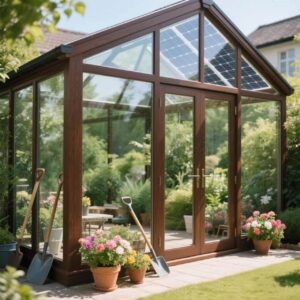
Transparent solar panels change how you use windows and skylights. You can make electricity inside, even with little sunlight. These panels fit into your building’s design. They do not block light or change how things look. You use them in windows and glass walls to make energy and keep natural light. Skylights can power lights and climate systems. In cities, space is small, so every surface matters.
Transparent solar panels help lower your building’s carbon footprint. You use less fossil fuel and make your building more efficient. You use renewable energy for lights, heating, and cooling. Many smart buildings use these panels in their energy systems. Companies like Jia Mao Bipv offer panels that match modern buildings and help the planet.
Note: Transparent solar panels let you use solar energy and keep style and comfort.
Advanced Materials and Safety
New materials make BIPV technology safer and stronger. You want your building to last and keep people safe. Some new things include laminated safety glass for strength and protection. Airtight materials keep out water and handle heat and cold. Special coatings fight bad weather and help panels last longer.
These changes mean solar panels last longer and need less fixing. You meet tough safety rules for new and old buildings. Jia Mao Bipv and other companies use these materials to make products that work in hard places and keep buildings safe.
Smart Integration and IoT
Smart integration with IoT makes BIPV technology better. You can watch and control your building’s energy use all the time. Smart systems help you by tracking how much energy you make and use. Advanced inverters link your building to smart grids and devices. Flexible solar technology works with energy systems to save more energy.
You get alerts if something needs fixing. You can change settings to save energy. This helps you use energy where you need it and waste less. In cities, smart BIPV systems help manage power in small spaces.
| Trend Description | Details |
|---|---|
| Solar Energy Integration Beyond Electricity | Solar energy now helps with food and sustainability. This makes buildings stronger and cheaper to run. |
| New Product Development | You see new things like thin-film modules, flexible panels, IoT monitoring, and 3D-printed BIPV modules. |
| Smart Systems | Smart systems make things work better and give real-time data for more efficiency. |
You get buildings that use less energy, cost less, and fit well in busy cities because of these BIPV technology trends.
Design, Efficiency, and Aesthetics
Flexible and Customizable Modules
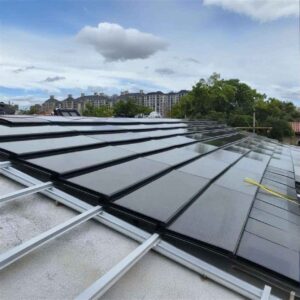
You can pick BIPV modules that match your building’s style. Flexible modules work where regular panels cannot fit. Some buildings use solar roofing tiles instead of old roof materials. Glass curtain walls can replace normal glass in tall buildings. Skylights and atriums give you sunlight and solar power together. Sunshades and fences also make energy and look nice.
Here is a table that shows how BIPV modules are different from normal solar panels:
| Характеристика | Normal Solar Panel | BIPV (Building Integrated Photovoltaics) |
|---|---|---|
| Main Function | Power generation only | Power + Building Material |
| Установка | Mounted on roof or ground | Integrated into structure |
| Customization | Limited | Full color, size, transparency options |
| Эстетика | Intrusive | Blends into architecture |
| Fire Safety | Flammable materials | Non-flammable laminated glass |
| Гидроизоляция | Depends on mounting | Fully sealed system |
| Structural Use | Non-load bearing | Load-bearing capability |
| Weak Light Performance | Бедный | Превосходно |
| Hot Spot Risk | Выше | Нижний |
| Application Flexibility | Roofs only | Roofs, facades, windows, skylights, fences |
Jia Mao Bipv gives you modules with many colors, textures, and shapes. You can make your building look special and unique.
Seamless Integration in Facades and Windows
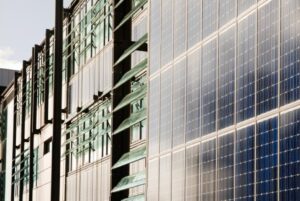
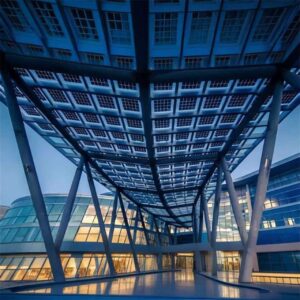
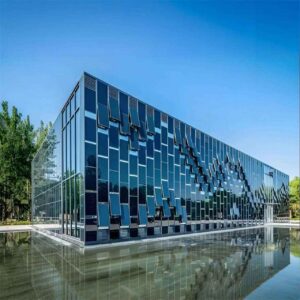
You can use BIPV systems in facades and windows without changing the building’s look. Translucent thin-film solar panels can take the place of regular windows. Ultra-thin solar cells work for skylights and greenhouses. You can add photovoltaic panels to old buildings to make them look better.
Tip: Pre-panelized BIPV panels save time and make installation simple. Stick-built panels let you change and customize during building.
BIPV systems are both energy sources and building parts. You save money on materials and electricity. Your building looks more beautiful too.
Performance in Diverse Climates
BIPV modules work well in many climates. You get steady energy even in weak light or cloudy days. In mild areas, energy changes with the seasons. In hot summers and cold winters, south-facing PV-louvers help control energy use. Studies show BIPV technology trends help buildings work better in different climates.
Jia Mao Bipv makes products that handle heat, cold, and moisture. You can trust these systems to work in your city, no matter the weather.
Sustainability and Lifecycle
Eco-Friendly Materials
When you pick BIPV systems, you help the earth. These systems use eco-friendly materials in buildings. They connect green goals with good design. You see less pollution and fewer carbon emissions. BIPV modules use photovoltaic cells in roofing materials. They do not use regular glass or tiles. This makes your building look nicer and creates clean energy. You can lower your building’s carbon footprint by up to 40% over its life.
- BIPV systems help you use less fossil fuel.
- You can reach net-zero energy by making power from sunlight.
- These systems help cool cities and support clean energy goals.
Tip: BIPV modules save energy and make your building look better.
Recycling and End-of-Life
You need to think about recycling when you plan your BIPV project. Good recycling plans start early, from planning to taking down panels. You should add recycling to your permits and work with approved recyclers before you start. EPCs design with recycling in mind and check how long each part lasts. O&M teams work with recyclers to act fast if panels break. They keep track of parts for reuse or recycling.
- Make recycling plans during project design.
- Work with recyclers before you install panels.
- Track parts for quick recycling or reuse.
Note: Recycling helps protect the earth and meet green building rules.
Lifecycle Cost and Impact
BIPV systems help you save money over time. These systems cost less per square meter than regular solar panels. You also get your money back faster.
| Тип системы | Средняя стоимость квадратного метра |
|---|---|
| Системы BIPV | $250 – $400 |
| Традиционные солнечные панели | $2,000 |
| Тип системы | Срок окупаемости (годы) |
|---|---|
| Установки BIPV | 7,5 - 16 |
| Традиционные солнечные панели | 8 - 21 |
You pay less for energy and help the planet. BIPV systems from Jia Mao Bipv give you value for many years and support a cleaner world.
Market Drivers and Challenges
Policy and Funding
Governments and banks support BIPV technology. Many countries give tax breaks and cheap loans. They also offer rewards for energy communities. These rules help you pay less to install BIPV systems. Private investors are important too. In 2023, new companies raised over $870 million for BIPV materials and software. Worldwide, people spent $9.5 billion on making and installing BIPV. Big real estate companies now use BIPV in their plans. They often work with brands like Jia Mao Bipv to meet new rules.
| Country | Policy/Mechanism Description | Year(s) Active |
|---|---|---|
| Italy | Subsidies for new technologies that help BIPV grow. | 2000s onwards |
| Spain | Rules say non-residential buildings must use PV power and allow BIPV façades. | 2006-2019 |
| Germany | Laws help BIPV roofs and give bonuses for façade installations. | 2003, 2004 |
| France | Feed-in tariffs and support for good BIPV projects. | 2006 onwards |
| EU | Rules for energy saving and using renewable energy in buildings (EPBD). | Recent |
Tip: Local rewards and funding can help you when you pick BIPV solutions.
Urban Adoption and Growth
Cities everywhere use BIPV technology in new buildings. You see solar walls and roofs in homes and public places. In the EU, 65% of new public buildings used BIPV in 2023. China started over 300 smart city projects with BIPV. In the U.S., 12% of new net-zero homes used solar shingles or roof PV. Europe is ahead, with Germany and Italy setting green building rules. Asia Pacific grows quickly because of government help and lots of new buildings. Brands like Jia Mao Bipv help cities reach energy goals and grow in a green way.
| Region | Adoption Rate | Year |
|---|---|---|
| EU | 65% of new public buildings used BIPV | 2023 |
| China | Over 300 smart city projects with BIPV | 2023 |
| U.S. | 12% of new net-zero homes used solar shingles or roof PV | 2023 |
Barriers to Implementation
You might face problems when you put in BIPV systems. High costs and slow money returns can make people wait. Technical problems like power loss and hard setups need skilled workers. Some buildings cannot hold BIPV systems. Rules are often confusing, so planning is tough. There is not much data on how BIPV works over time. Architects sometimes worry about how BIPV will look on buildings.
| Barrier Type | Описание |
|---|---|
| Economic | High cost at first, slow payback, hard to earn money from PV electricity. |
| Technical | Power loss, weak building structures, not enough standard products or care. |
| Regulatory | Hard rules, not enough standards for PV and building needs. |
| Social | People may not accept BIPV, do not know much, or worry about looks. |
Note: You can solve many problems by working with skilled BIPV providers like Jia Mao Bipv and learning about new rules and technology.
You notice bipv technology trends changing building design. Homes and offices use solar cells and smart systems now. This helps you save energy and money. Properties sell for more and get leased faster. Jia Mao Bipv helps you use these new ideas in projects and renovations.
Here is a quick look at what you get:
| Benefit | Impact |
|---|---|
| Energy Savings | Up to 30% lower costs |
| Property Value | 5%–10% higher sale price |
| Construction Speed | 30% faster with prefabrication |
You can look for new smart technology and green designs. These trends help you make good investments and eco-friendly buildings.
ЧАСТО ЗАДАВАЕМЫЕ ВОПРОСЫ
What is BIPV?
BIPV stands for Building Integrated Photovoltaics. You use BIPV to make solar energy part of your building’s walls, roofs, or windows. This helps you save energy and improve your building’s look.
How do BIPV systems help you save money?
You lower your energy bills by making electricity from sunlight. BIPV systems also replace regular building materials, so you spend less on construction. Over time, you see more savings.
Tip: You can ask Jia Mao Bipv for cost estimates and savings details.
Can you install BIPV in old buildings?
Yes, you can add BIPV to historic buildings. You keep the original style and still make clean energy. Many cities allow BIPV upgrades that protect the building’s look.
Are BIPV systems safe for your building?
BIPV modules use strong materials like laminated glass. You get protection from weather and fire. Jia Mao Bipv designs products that meet safety standards for homes and offices.
What makes BIPV different from regular solar panels?
| Характеристика | BIPV | Regular Solar Panel |
|---|---|---|
| Looks | Blends in | Stands out |
| Функция | Dual purpose | Power only |
| Установка | Built-in | Added later |
You choose BIPV for style and energy savings.


-300x300.jpg)