When you pick a solar system for your home, you have an important choice to make between micro inverters for solar panels and string inverters. Both options have their advantages and disadvantages. Micro inverters for solar panels operate independently with each panel, meaning every solar panel functions on its own. In contrast, string inverters manage a group of panels together, so if one panel underperforms, it can negatively impact the others. Many people prefer micro inverters for solar panels because they allow you to:
- Monitor the power output of each panel individually at home.
- Maintain system functionality even if one panel is shaded.
- Easily expand your solar system by adding more panels later.
Consider your roof shape, shading, and energy needs before making your decision. The best choice is the one that suits your home.
Principais conclusões
- Micro inverters let each solar panel work alone. This helps make more energy if one panel is in shade.
- String inverters cost less and are simple to put in. They work well for roofs that are flat and have little shade.
- Think about your roof shape and shade before you pick an inverter. Micro inverters are best for roofs that are not simple.
- Micro inverters have longer warranties and are more reliable. They can last up to 25 years. String inverters last about 10 to 15 years.
- Look at how much energy you need and if you want more panels later. Micro inverters make it easy to add panels in the future.
Microinverter vs String Inverter: Key Differences
How Micro Inverters for Solar Panels Work
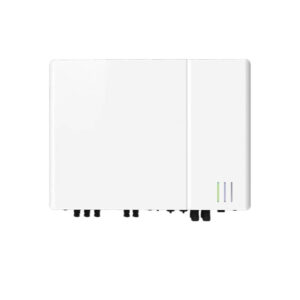
Micro inverters are attached to each solar panel. Each one changes the panel’s DC electricity into AC electricity right there. This lets every panel work by itself. If one panel gets shade or dirt, the other panels still make energy. You can check how each panel is doing at any time. Micro inverters make it simple to add more panels later if you want a bigger system. They also have longer warranties, which usually last as long as the panels.
Dica: Micro inverters are a good pick for homes with tricky roofs or places that get shade during the day. You get more energy because each panel works on its own.
How String Inverters Operate
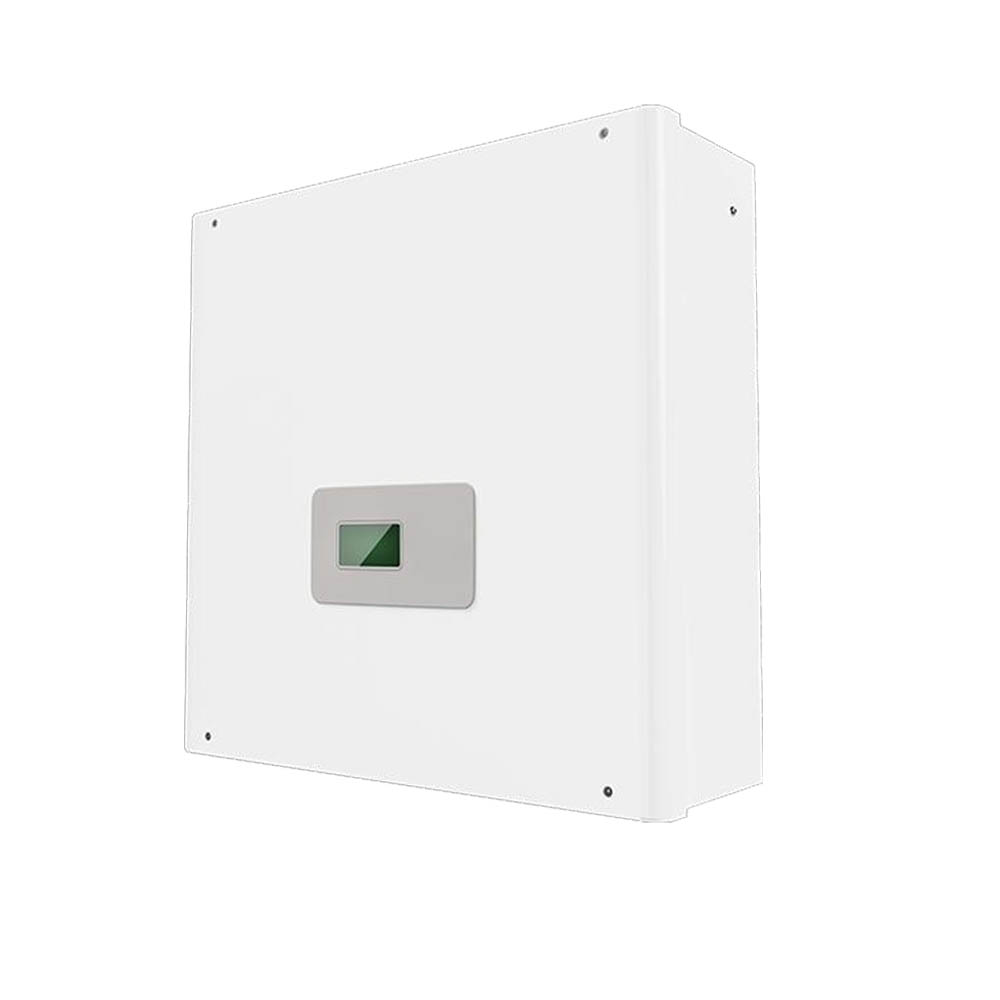
String inverters are different. You connect a few panels together in a “string.” The inverter is put in one place, often near your electric panel. It changes all the DC electricity from the string into AC electricity. If one panel in the string has trouble, like shade or dirt, the whole string makes less power. You can only see how the whole string is working, not each panel. String inverters cost less at first and are easier to put in, but their warranties are usually shorter.
| Recurso | Microinverters | String Inverters |
|---|---|---|
| Eficiência | Each panel works by itself | Weakest panel affects the whole string |
| Garantia | 20-25 anos | 10-12 years |
| Monitoring | Each panel | Whole string |
| System Resilience | One panel stops, others keep working | One panel stops, whole string is affected |
Which System Fits Your Roof Best?
If your roof has lots of angles, things in the way, or gets shade, micro inverters help you get more energy. You can put panels in different spots and still get good results. For simple roofs with no shade and panels facing the same way, string inverters work well and save money. When you look at micro inverter vs string inverter, think about your roof, your money, and how much you want to check your system. Jia Mao Bipv says micro inverters are best for homes with tricky roofs or if you want to add more panels later.
Microinverter Pros and Cons
Advantages of Micro Inverters
Micro inverters for solar panels give homeowners many good things. You get more control over your solar system. Your system works better if your roof has shade or different angles. Here are the main advantages:
Panel-Level Optimization
Each microinverter works with just one panel. If one panel gets shade or dirt, the others still work well. This setup stops big drops in power from small problems.Higher Energy Production
Micro inverters for solar panels can help you make more energy. Studies show homes with microinverters get 20% more power on roofs with no shade. On shaded roofs, they get up to 26% more power than central inverters.Condition Microinverter Performance Central Inverter Performance Unshaded 20% increase Baseline Shaded 26% increase Baseline You get more electricity if your home has trees or chimneys that make shadows.
Expandability and Flexibility
You can add more panels to your system any time. Micro inverters for solar panels make it easy to grow your system as your needs change. This is great for families who want to start small and add more later.Improved Monitoring
Micro inverters for solar panels let you check each panel’s performance. You can find problems fast and fix them before they hurt your total power. This helps your system run well.Better Safety
Micro inverters for solar panels change electricity right at the panel. This lowers the risk of high-voltage DC on your roof. Your system is safer for you and your family.Great for Complex Roofs
If your roof has many angles or gets some shade, micro inverters for solar panels work better than string inverters. You get more power from every panel, no matter where you put it.Longer Lifespan and Reliability
Microinverters often last as long as your solar panels, up to 25 years. Reports say microinverters break less often than string inverters. Some brands, like Enphase, last a very long time and almost never fail. This means you will need fewer repairs and spend less on maintenance.
Note: In California, homes with micro inverters for solar panels made more power, especially in shady places. This shows they work well in real life.
Disadvantages of Micro Inverters
Micro inverters for solar panels have many good points, but there are some downsides too.
Higher Upfront Cost
Micro inverters for solar panels cost about 30% more than string inverters. This higher price makes your first payment bigger, even if you save money later.More Components
You need one microinverter for each panel. More parts mean more things that could break, even if only one panel stops working. This can lead to more service calls over time.Complex Maintenance
If a microinverter breaks, you may need to go on the roof to fix it. Repairs can take longer and cost more because each unit sits under a solar panel. Some installers say this makes fixing things harder than with a single string inverter.Disadvantage Descrição Complex Maintenance Harder to reach for repairs, so labor costs and service are higher. More Potential Failure Points More parts mean more repairs, but only one panel is affected each time. Clipping Issues If a panel makes more power than the microinverter can handle, some energy is wasted. Clipping Issues
Sometimes, a panel makes more power than the microinverter can use, especially when the sun is strong. This wastes energy, called “clipping.” You can stop this by matching your microinverters to your panels.Limited Battery Interface
Some micro inverters for solar panels do not connect easily to battery systems. This can limit your choices if you want to store extra power.Potential for More Points of Failure
Even though microinverters are reliable, having more devices means more things could break. But reports show microinverters still break less often than string inverters.
Tip: Jia Mao Bipv says you should check your roof and energy needs before picking micro inverters for solar panels. The best choice depends on what your home needs.
When you look at microinverter pros and cons, think about your budget, your roof, and how much you want to check your system. Micro inverters for solar panels give you more power, better checking, and higher efficiency, but they cost more at first and are harder to fix.
String Inverter Pros and Cons
Benefits of String Inverters
Some people pick string inverters for their solar system. They have some strong good points. Many homeowners like them because they are simple and save money. Here are some main benefits:
Lower Cost
String inverters cost less than microinverters. You only need one or two for your whole system. This helps you save money on equipment and setup.Simpler Installation
Installers can put in string inverters fast. You do not need to put a device on every panel. This makes the job quicker and easier for most homes.Fewer Components
With string inverters, there are fewer parts on your roof. This means less chance of something breaking. There are also fewer things to check during maintenance.Easier Maintenance
If your inverter needs fixing, you can get to it easily. It is near your electric panel or in your garage. You do not need to climb on the roof to fix it.Good Performance in Many Conditions
String inverters can make more energy by 4-8% with multiple MPPTs. They work well on uneven ground and help with shade problems. If one string has trouble, the other strings keep working. Your whole system does not stop.
Here is a quick look at how long it takes to install and how hard it is:
| Inverter Type | Installation Time | Additional Components Required | Complexity Level |
|---|---|---|---|
| String Inverters | Generally quicker | Yes (for rapid shutdown) | Mais alto |
| Microinverters | Mais fácil | No | Inferior |
Tip: Jia Mao Bipv says string inverters are good for homes with simple roofs and little shade. You can get a system that works well and costs less.
Drawbacks of String Inverters
String inverters also have some important bad points. You should know these before you pick what is best for your home.
| Drawback | Descrição |
|---|---|
| Vulnerability to Partial Shading | If one panel gets shade, the whole string loses power. Even a small shadow can lower your energy a lot. |
| Limited Monitoring and Fault Detection | You cannot see how each panel is working. This makes it hard to find problems fast, so you might lose energy. |
| Single Point of Failure | If your string inverter fails, your whole system stops making electricity. You might lose money and need repairs. |
| Efficiency Degradation with Temperature | High heat can make your inverter less efficient and shorten its life. You might see less power on hot days. |
| Limited Expansion and Flexibility | Adding more panels later can be hard. You need to match the new panels to your old ones, which limits your options. |
You should also know about system downtime. If your string inverter fails, your whole solar system stops working. Microinverters do not have this problem. If one microinverter fails, the rest of your panels keep making power. Research shows string inverters fail more often than microinverters.
Here is a summary of the main drawbacks:
- You lose more power if one panel gets shade or dirt.
- You cannot check each panel’s performance.
- Your whole system stops if the inverter fails.
- High heat can lower efficiency.
- It is hard to add more panels later.
When you look at string inverter pros and cons, you see they work best for simple, sunny roofs and people who want to pay less at first. If you want easy fixing and fewer parts, string inverters might be good for you. If your roof has shade or you want to add more panels later, you may want to look at other choices.
Cost and Installation Factors
Upfront Costs
When picking solar panel inverters, you should check the starting price. Microinverters usually cost more than string inverters. For a 5kW solar system, microinverters can cost $3,500 to $5,000. String inverters are cheaper, costing $2,000 to $2,500. So, you might pay $1,500 to $2,500 more for microinverters. The table below shows how much more you could spend:
| Inverter Type | Cost Range for 5kW System |
|---|---|
| Micro Inverters | $3,500 – $5,000 |
| String Inverters | $2,000 – $2,500 |
| Average Cost Difference | $1,500 – $2,500 |
You pay more at first for microinverters. Some people think it is worth it for better energy and more control. Jia Mao Bipv says you should look at your budget and how much energy you want before choosing.
Installation Space and Complexity
You also need to think about space and how hard it is to install. Microinverters go on or near each solar panel. Each one works with just one panel, so you use more roof space. String inverters connect to many panels at once, so they use less space.
- Microinverters are put right on each solar panel, so they use more roof space.
- String inverters stay in one place and work with many panels, saving space.
How you install solar panel inverters can change labor costs. Microinverters are easier to install, so the job is faster and labor costs are lower. String inverters need more wires and planning, so they take longer and cost more to put in.
| Inverter Type | Installation Complexity | Labor Cost Impact |
|---|---|---|
| Microinverter | Inferior | Efficient installation, quicker labor time |
| String inverter | Mais alto | Increased labor due to complex wiring |
When you plan your solar panel inverters, think about your roof space, how easy it is to install, and how much energy you want. Jia Mao Bipv says you should talk to a solar expert to find what works best for your home.
Maintenance and Reliability
Service and Repairs
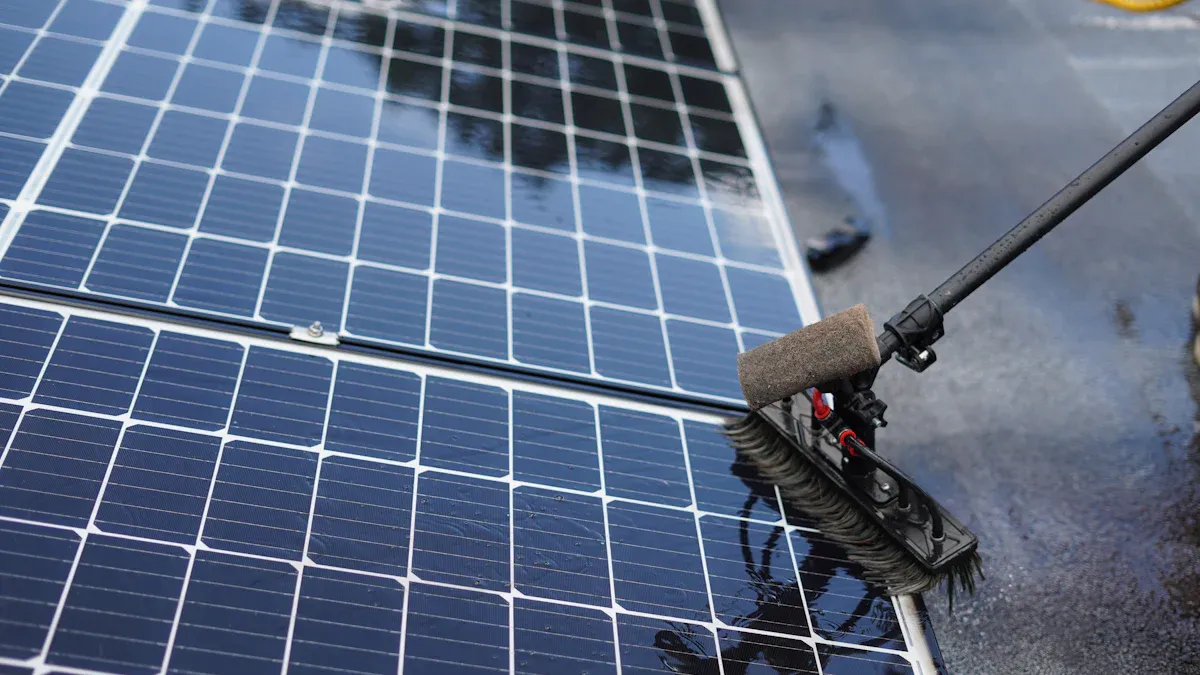
When you pick a solar system, you want it easy to fix. Micro inverter systems and string inverter systems need different care. Micro inverter systems have more parts. Each panel has its own inverter. If one inverter breaks, only that panel stops. You might have to take off the panel to get to the inverter. This makes fixing it harder and takes longer.
String inverter systems use one main inverter for many panels. If this inverter breaks, the whole system stops. The good thing is you can reach the inverter easily. Fixing it is faster and simpler. You do not need to climb on the roof.
Here is a table to help you compare:
| Inverter Type | Service Complexity | Repair Time | Access Difficulty |
|---|---|---|---|
| Microinverters | Higher due to individual units | Longer due to panel removal | Difficult, requires panel removal |
| String Inverters | Simpler with one central unit | Quicker due to single unit | Easier, direct access to inverter |
Micro inverter systems can have some common problems. You should look out for these:
- Overheating
- Loss of power output
- Communication failures
- Intermittent shutdowns
If you see any of these, call your installer or a trusted brand like Jia Mao Bipv. Regular checks help your inverter system work well.
Warranties and Longevity
You want your solar system to last many years. The warranty and how long it lasts are important. Micro inverter systems usually have a 25-year warranty. String inverter systems often have a 10-12 year warranty. This means you might need to replace a string inverter once or twice during your solar panel’s life.
Aqui está uma rápida olhada no average warranty periods:
| Type of Inverter | Average Warranty Period |
|---|---|
| Microinverters | 25 years |
| String Inverters | 10-12 years |
How long they last is also different. Micro inverter systems last about 20 to 25 years. String inverter systems last about 10 to 15 years. You may need to plan for a new one if you pick a string inverter.
| Inverter Type | Expected Lifespan |
|---|---|
| Micro Inverters | 20 to 25 years |
| String Inverters | 10 to 15 years |
If you want less worry about repairs, micro inverter systems help you feel safe. Jia Mao Bipv says you should check your warranty before you buy. A longer warranty can save you money and trouble later.
Choosing Solar Panel Inverters for Your Home
System Size and Roof Layout
You need to look at your roof and how big your system will be before you pick an inverter. If your roof has lots of angles or gets shade, microinverters work better. These inverters can handle panels that face different ways and get shade. String inverters are best for simple roofs where all the panels face the same way and there is not much shade. If you want to make the most energy, microinverters help each panel do its best, even if some get shade.
Aqui está uma tabela para ajudá-lo a comparar:
| Fator | Microinverters | String Inverters |
|---|---|---|
| Shading Patterns | Performs well in shaded conditions | Performance drops with shading |
| Panel Orientation | Handles varying orientations | Best for uniform orientation |
| System Expansion Plans | Ideal for future expansion | Less flexible for expansion |
| Budget Constraints | Higher initial cost, better returns | Lower upfront cost, possible future costs |
| Monitoring Preferences | Allows individual panel performance | No individual panel monitoring |
Tip: If your roof is tricky or you want to add more panels later, microinverters might be the best choice for your home solar system.
Energy Goals and Future Expansion
Think about how much energy you want and if you want to make your system bigger later. Microinverters make it easy to add more panels when you need them. You do not have to change the whole system to grow. String inverters are good for big systems from the start, but adding more panels can be hard and may need new wires.
- Microinverters are great for small or growing systems. You can add panels when your needs change.
- String inverters save money for big systems. They are best if you do not want to add more panels later.
- Microinverters let you check how each panel is working. This helps you find problems and keep your system working well.
| Recurso | String Inverter | Microinverter |
|---|---|---|
| Performance | Good on simple roofs, limited by weakest panel | Excellent on all roofs, each panel at max output |
| Shade Tolerance | Poor, shade affects whole string | Excellent, shade does not affect other panels |
| Monitoring | System-level only | Panel-level, see each panel’s output |
Note: Jia Mao Bipv says you should make a checklist before you choose. Look at your roof, your budget, your energy goals, and if you want to add more panels. Pick the inverter that fits your needs.
Checklist for Choosing Your Inverter:
- Look at your roof for shade and angles.
- Decide if you want to make your system bigger later.
- Set your budget for now and for the future.
- Pick how you want to check your system.
- Check the warranty and support from brands like Jia Mao Bipv.
You can use this checklist to help you pick the best inverter for your home and energy needs.
You now know microinverters make more energy and are more reliable. They work best if your roof has shade or lots of angles. String inverters cost less and are good for simple, sunny roofs. The table below shows microinverters last longer and break less often.
| Inverter Type | Failure Rate (first 2 years) | Reliability Score |
|---|---|---|
| Microinverters | Less than 1 in 800 | Higher than string inverters |
| String Inverters | About 1 in 350 | Lower than microinverters |
- Microinverters let you add more panels and keep each one working alone.
- String inverters are easier to fix if you have a big, simple roof.
- Microinverters give your home more safety.
You should ask a solar expert like Jia Mao Bipv before you decide. Choose the inverter that fits your roof, money, and what you want later.
PERGUNTAS FREQUENTES
What is the main difference between micro inverters and string inverters in a solar energy system?
You connect micro inverters to each solar panel. String inverters connect to a group of panels. Micro inverters let each solar panel work alone. String inverters make all panels work together. This affects how your solar energy system handles shade and performance.
How does built-in panel monitoring help with my solar setup?
Built-in panel monitoring lets you see how each solar panel works. You can spot problems fast. This helps you keep your solar system running well. Jia Mao Bipv offers solar solutions with strong monitoring features for your peace of mind.
Can I expand my solar system later if I start small?
Yes, you can add more solar panels to your system. Micro inverters make this easy. You just add another solar panel with its own inverter. String inverters need more planning for expansion. Jia Mao Bipv can help you plan for future solar growth.
What happens if one solar panel gets shaded or dirty?
If you use micro inverters, only the shaded solar panel loses power. The rest keep working. With string inverters, one shaded solar panel can lower the power for the whole group. You get better performance with micro inverters on tricky roofs.
How long do solar inverters last, and what about warranties?
Micro inverters often last 20 to 25 years. String inverters last about 10 to 15 years. Warranties match these times. You may need to replace a string inverter during your solar system’s life. Jia Mao Bipv gives you advice on picking the right warranty.


-300x300.jpg)