You see renewable energy paving solutions getting noticed in cities and towns. People want cleaner energy and better roads. These pavements can make electricity and cut down pollution. You might also have problems like high prices and bad weather.
Many communities now try to make streets and sidewalks help the environment.
Key Takeaways
- Renewable energy paving solutions make clean electricity. This helps us use less fossil fuels. It also lowers greenhouse gas emissions. These pavements can help cool cities. They reflect sunlight and stop heat from building up. Smart pavements have sensors. These sensors help manage traffic and make roads safer. Cities can plan repairs better with them. Renewable paving costs more at first. But it can save money later. It needs less maintenance and helps with stormwater. Think about local weather and traffic before choosing paving solutions. This helps make sure they work well.
Pros of Renewable Energy Paving Solutions
Clean Energy Generation
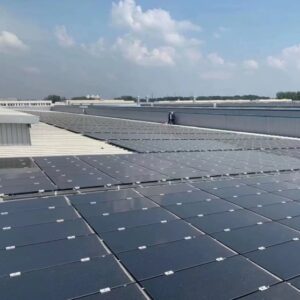
Renewable energy paving solutions help cities make clean electricity. These pavements often have solar panels inside them. The panels turn sunlight into power right on the street. This means cities use less fossil fuel and get better roads. Some solar roads use recycled materials, so less trash goes to landfills. Here are some ways these pavements help the environment:
- Solar roads can lower greenhouse gas emissions.
- They use recycled materials when built.
- They help cities improve roads and make clean energy.
You might ask how much electricity these pavements make. Some solar paving can make between 2,093 and 3,088 kilowatt-hours per square meter each year. This is enough to power streetlights, traffic lights, or even homes nearby.
Lower Carbon Emissions
Choosing renewable energy paving solutions helps lower carbon emissions over time. These pavements may cause more carbon during production than regular asphalt. But they make up for it by making clean energy later. Over their life, they help cut total carbon emissions. This is good for cities that want to fight climate change.
Urban Heat Island Reduction
Cities are often hotter than the countryside because of all the pavement. Renewable energy paving solutions can help cool cities down. Some pavements have coatings that reflect sunlight away. This keeps the ground cooler and stores less heat.
Many cities have seen real changes. For example, Boston got 1.7°C (3°F) cooler and Phoenix got 2.1°C (3.7°F) cooler after using these pavements.
Here is a table that shows how different coatings and cities compare:
| City | Temperature Reduction (°C) | Temperature Reduction (°F) |
|---|---|---|
| Boston | 1.7 | 3 |
| Phoenix | 2.1 | 3.7 |
| Project Type | Temperature Difference (°F) |
|---|---|
| Cool Pavement Coating | 10 |
| Asphalt Type | Temperature Difference (°F) |
|---|---|
| Reflective Coating | 5 |
Reflective pavements work best in hot, sunny places with lots of roads. They do not give shade like trees, but they help keep cities cooler.
Smart Integration
Renewable energy paving solutions can do more than make electricity. They can also collect data and help city workers. Smart pavements have sensors that watch traffic, road conditions, and weather. This data helps plan repairs, manage traffic, and keep roads safe.
- These pavements let cities make clean energy nearby.
- They help cities use less fossil fuel.
- Smart grids use the energy better, so city systems work well.
Sensors in the pavement count cars, check speed, and see what kinds of vehicles pass. This helps city workers fix problems before they get worse. It also saves money by planning repairs at the right time.
Permeable Pavers Benefits
Permeable pavers are another part of renewable energy paving solutions. These pavers let water go through, which helps stop flooding and cuts runoff. They drain water much faster than regular concrete or asphalt.
| Paving Material | Percentage of Void Space | Drainage Rate |
|---|---|---|
| Permeable Concrete and Asphalt Paver System | 8-20 percent | 6.4 inches per hour |
| Porous Concrete and Asphalt Pavers | 15-25 percent | 6.4 inches per hour |
| Flexible Porous Pavers | Up to 92 percent | Over 32.5 inches per hour |
Flexible porous pavers have almost four times more empty space than regular concrete blocks. Some systems let more than 800 inches of water per hour pass through. This means they handle heavy rain much better than regular pavements.
- Permeable pavers let stormwater soak into the ground, which helps groundwater.
- They can cut runoff by 24% to 75%, depending on where you use them.
- These systems help stop sewer backups and lower the risk of flooding.
Using renewable energy paving solutions with permeable pavers helps your city stay dry and safe during storms. It also makes the pavement last longer and protects city drains.
Cons of Renewable Energy Paving Solutions
High Initial Cost
Renewable energy paving solutions cost a lot to put in. They are much more expensive than regular roads. Cities and towns may find the price hard to handle. When you look at the cost per square meter, regular asphalt and concrete are cheaper. Here is a table that shows what each paving type costs:
| Paving Type | Cost per Square Meter (£) |
|---|---|
| Traditional Concrete | 60-80 |
| Traditional Asphalt | 50-70 |
| Permeable Concrete Blocks | 80-110 |
| Resin-Bound Gravel | 70-90 |
| Grass/Gravel Reinforcement | 30-60 |
Even the priciest regular options cost less than most renewable energy paving solutions. This makes it tough for cities to pick these new pavements. Some government programs give money to help. For example, the Inflation Reduction Act gives a 30% tax credit for renewable energy systems. NYSERDA’s Clean Energy Communities can give up to $300,000 for clean energy projects. These programs help lower the cost, but you still need to spend more at first.
Sustainability Concerns
You might think all renewable energy paving solutions are good for the planet. But some use materials that are hard to recycle or take lots of energy to make. Making these pavements can cause more carbon emissions than regular asphalt. Over time, the clean energy they make can help balance out the early pollution. Still, you need to look at the whole life of the pavement to know if it is really sustainable.
Some pavements use recycled materials, which helps cut down on waste. Others need special parts that are not easy to reuse. You should always check what goes into the pavement and how it affects the environment from start to finish.
Maintenance Challenges
Renewable energy paving solutions often need more care than regular roads. They have special parts, like solar panels or sensors, that can break or wear out. Fixing these parts can cost more and take longer than fixing a regular road.
- Reflective pavements can save money compared to regular asphalt in some cases.
- Porous pavements usually cost more to keep up over their lifetime, especially in parking lots.
- Resin pavements cost a bit more than regular asphalt, but there is not enough data to know how well they last.
You may need workers with special skills to fix these pavements. This can be hard for small towns or cities with little money.
Efficiency Limits
These pavements do not always make a lot of energy. How much energy they make depends on many things. The type of devices inside the pavement and the amount of traffic both matter. For example, piezoelectric pavements make more energy when heavy vehicles drive over them. The speed of the cars, how often they pass, and the number of wheels all change how much energy you get.
- More traffic can mean more energy, but too much can wear out the pavement faster.
- Light traffic or slow speeds may not make enough energy to be useful.
- The energy output is not always steady or easy to predict.
You need to think about where you put these pavements to get the best results.
Weather Dependency
Weather is very important for how well renewable energy paving solutions work. Solar pavements need sunlight to make power. If there is a lot of rain, snow, or clouds, these pavements may not work as well. Cold weather can also hurt the panels or make them less efficient.
If you live in a place with cold winters or many cloudy days, you may not get as much from these pavements. You should always check the local weather before picking this kind of road.
Tip: Always pick the paving solution that fits your local weather and traffic needs for the best results.
Comparison to Traditional Paving
Environmental Impact
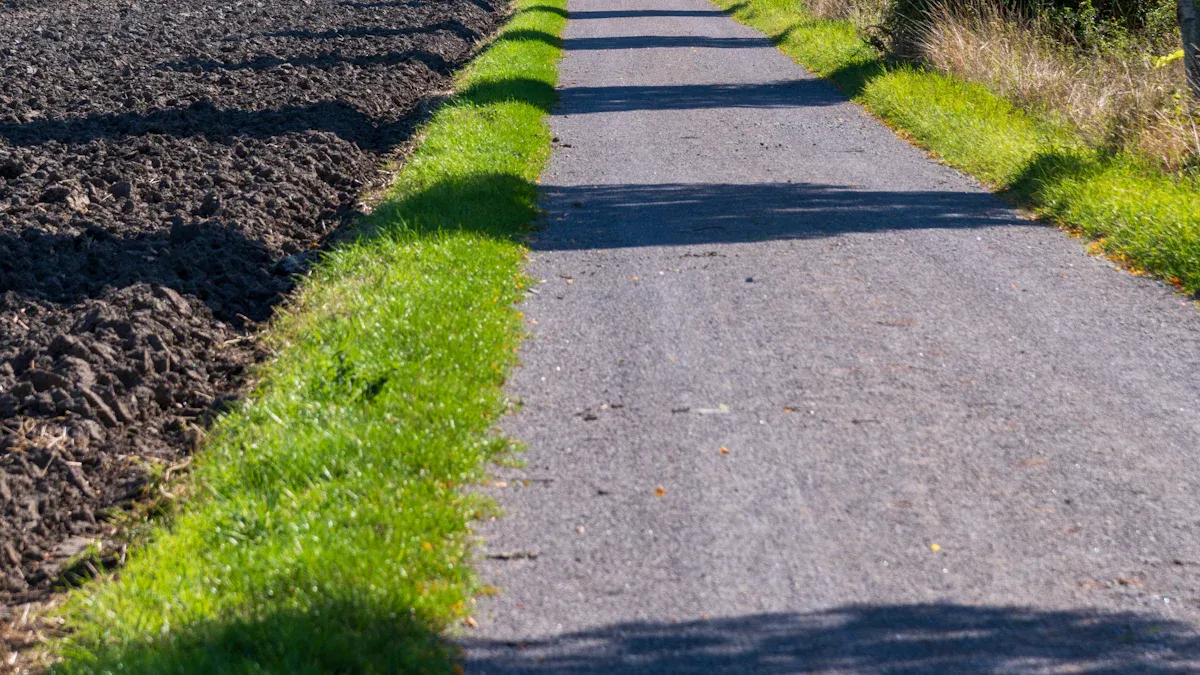
There are big differences in how these pavements affect the environment. Traditional asphalt and concrete make more pollution and carbon emissions. They also cause more water to run off, which can lead to floods and dirty rivers. Renewable energy paving solutions help control stormwater better. Permeable designs let water go into the ground, so there is less runoff. This helps nature and keeps cities cleaner. These pavements also help cool cities and lower greenhouse gases. Kinetic pavements can turn people walking into clean energy, which makes cities greener.
- Permeable paving helps stop stormwater problems.
- Renewable options keep cities cooler and air cleaner.
- Traditional paving makes more pollution and runoff.
Durability and Maintenance
You want roads and sidewalks that last a long time. Concrete pavers can last 30 to 40 years. Asphalt usually lasts 15 to 20 years. You can replace single concrete pavers, so there is less waste. Asphalt needs big sections fixed, which costs more and makes more waste. Gravel needs to be topped up often and does not last as long. Renewable energy paving solutions use strong materials and smart designs. Some need special care, but many last longer and need fewer repairs.
| Paving Option | Lifespan | Maintenance Needs | Stormwater Management |
|---|---|---|---|
| Concrete Pavers | 30-40 years | Replace single pavers | Water filters through, less runoff |
| Asphalt | 15-20 years | Resurface large areas | Impermeable, more runoff |
| Gravel | Varies | Needs frequent replenishment | Less sustainable long-term |
Cost Over Time
You might think traditional paving is cheaper at first. Asphalt costs the least to start. Over 20 years, permeable pavements save money because they need less fixing. You also spend less on cleaning stormwater. Renewable energy paving solutions cost more at the start, but they save money later. You pay less for repairs and have fewer flooding problems.
Tip: Think about the total cost, not just the first price. Saving money over time can make renewable options a smart pick.
Application Suitability
You need to choose the right pavement for your needs. Traditional paving is good for highways and heavy trucks. Renewable energy paving solutions work best in cities, parks, and paths. Permeable pavers are great for parking lots and rainy places. Kinetic pavements are good where people walk or ride bikes. These new pavements help people walk and bike more, which keeps your community healthy.
- Use traditional paving for heavy traffic areas.
- Pick renewable options for city streets, sidewalks, and parks.
- Permeable and kinetic pavements are best for clean energy and better water control.
Choosing Renewable Energy Paving Solutions
Key Factors
You should think about many things before picking a paving solution. Your choice depends on what your city needs and your goals. Here is a table that lists important things to look at:
| Factor | Description |
|---|---|
| Environmental Impact | See how the materials affect nature and the planet. |
| Material Sourcing | Make sure the materials come from safe and fair places. |
| Durability | Check how long the pavement lasts and works well. |
| Maintenance | Think about how much work and money it takes to keep the pavement nice. |
| Compliance with Regulations | Follow rules like LEED and BREEAM for green building standards. |
| Total Cost of Ownership | Balance the first cost with savings and benefits over time. |
| Energy Consumption | Look at how much energy is needed to make and move the materials. |
| Water Usage | See how much water is used to make the paving materials. |
| Recyclability | Pick materials you can recycle when the pavement gets old. |
| Certifications | Find labels that show the pavement is good for the environment. |
Tip: Always ask about certifications and if you can recycle the pavement before you choose.
Best Use Cases
Some paving solutions work better in certain places. Permeable pavers help in parking lots and places with lots of rain. Smart pavements are good for busy city streets where you need to watch traffic. Solar pavements are best in sunny spots with lots of space. Kinetic pavements are great for walkways and bike paths where people move all day.
- Use permeable pavers in places that flood a lot.
- Pick solar pavements for sunny sidewalks and plazas.
- Try kinetic pavements in parks and busy paths.
Future Trends
New ideas and technology are changing how cities use paving. More cities want smart roads that collect data and make energy. Builders use better materials that last longer and help the environment. You may see more pavements with sensors and solar panels soon. Cities will pick solutions that save money and protect nature.
Cities plan to use more smart and green paving as technology gets better. 🌱
You know that renewable energy paving solutions give clean power and help the air. They also help cities not get too hot. But they can cost more money and need more fixing. Bad weather can also make them work less well.
- Pros: Clean power, less pollution, better water control
- Cons: High price, more upkeep, weather limits
You should think about what your city needs and what you want. If you care about helping the planet, these paving solutions could be a good pick for you. 🌱
FAQ
What is a renewable energy paving solution?
A renewable energy paving solution is pavement that makes clean energy. These pavements have solar panels or special materials inside. They help cities get power from sunlight or from people walking.
How long do these pavements last?
Most renewable energy pavements last between 15 and 25 years. Some, like permeable pavers, can last even longer. You might need to fix or change sensors or panels during this time.
Can you use these pavements in cold or rainy places?
You can use these pavements in many different climates. Solar pavements work best in places with lots of sun. In cold or rainy places, they might not make as much energy. Always check your local weather before you choose.
Are renewable energy pavements safe to walk or drive on?
These pavements are safe for walking and driving. Many have rough surfaces so people do not slip. Cities test them to make sure they are safe.
Do these pavements need special care?
You need to check and clean these pavements more than regular roads. Solar panels and sensors might need repairs sometimes. Cleaning them often helps them work better and last longer.




-300x300.jpg)