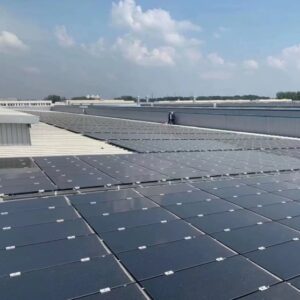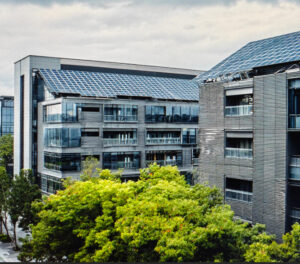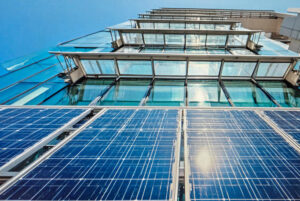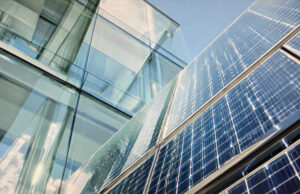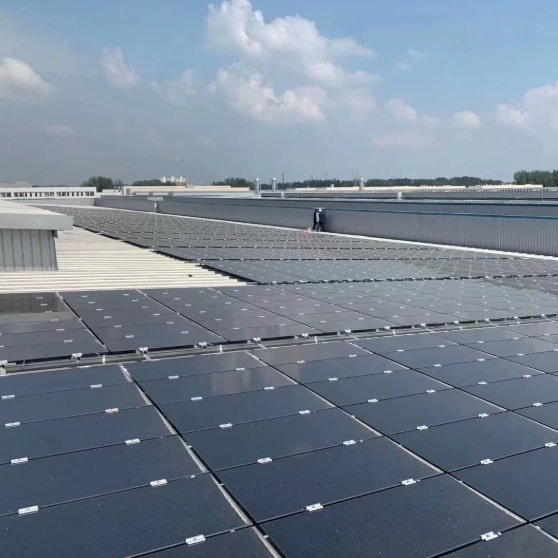
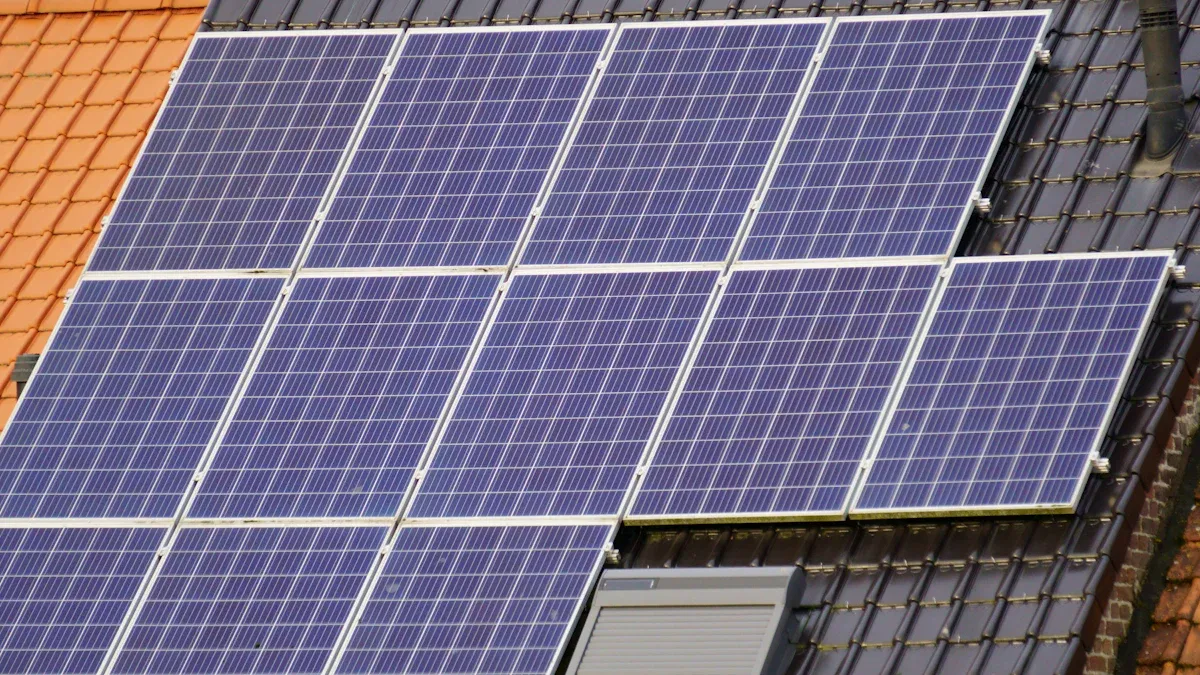
You see fast changes in photovoltaic glass making in 2025, driven by the innovations from photovoltaic glass manufacturers. The market grows significantly, reaching USD 12,500.0 million, with a growth rate of 7.0% each year.
| Metric | Value |
|---|---|
| Photovoltaic Glass Market Value (2025) | USD 12,500.0 million |
| Photovoltaic Glass Market Forecast CAGR | 7.0% |
Several factors contribute to this growth:
- Asia Pacific holds the largest market share.
- North America is experiencing the fastest growth.
- The introduction of new products and a focus on sustainability are crucial for photovoltaic glass manufacturers.
Key Takeaways
- The photovoltaic glass market will grow a lot. It may reach USD 12,500 million by 2025. This growth happens because of new ideas and green actions.
- New coatings and treatments help solar panels work better. They let in more light and make cleaning easier. This means the products last longer.
- Thinner, ultra-clear glass lets more sunlight reach solar cells. This helps make 2%-3% more energy than regular glass.
- Being green is very important. Makers use green materials and recycling to cut down pollution. They want to help the planet with better habits.
- Smart machines and digital tools help make glass faster and better. They lower mistakes and make sure the glass is high quality for many uses.
Technology Advances in PV Glass
Novel Coatings and Surface Treatments
There are new coatings and treatments for photovoltaic glass. These coatings help solar panels catch more sunlight. They also help the panels stay clean for a longer time. Companies like 3M, Changzhou Almaden, Schott AG, and Fraunhofer-Gesellschaft made these coatings last year. The table below shows how these new coatings make solar panels work better:
| Innovation Type | Description | Impact on Efficiency |
|---|---|---|
| Advanced Anti-Reflective Coatings | Multi-layer systems using magnesium fluoride and silicon nitride to minimize reflection across the solar spectrum. | Increases light transmission to photovoltaic cells, enhancing energy conversion efficiency. |
| Self-Cleaning and Hydrophobic Coatings | Coatings that prevent dirt and water accumulation, utilizing nanostructured materials. | Maintains optimal light transmission, ensuring high solar energy conversion efficiency over time. |
| Wavelength Conversion Coatings | Coatings that optimize the solar spectrum for better energy conversion, including down-conversion and up-conversion materials. | Significantly enhances solar energy conversion efficiency by transforming poorly utilized wavelengths. |
These coatings help solar panels last longer and work better. Photovoltaic glass manufacturers use these new materials to make their glass stronger and more efficient. Companies like Jia Mao Bipv use these coatings to stay ahead of others.
Thinner and Ultra-Clear Glass
Solar technology now uses thinner and ultra-clear glass. This glass lets more sunlight reach the solar cells. It helps solar panels make 2%-3% more power than regular glass. Here are some benefits:
- Ultra-clear glass helps solar cells get more light.
- Stronger glass is made with better tempering.
- Some glass types clean themselves and manage light better.
- Eco-friendly ways to make glass help the planet.
Ultra-clear, low-iron glass cuts down on reflection and absorption. More sunlight gets to the solar cells, so panels work better. Photovoltaic glass manufacturers use these new glass types to make solar panels that last longer and work better.
High-Transparency TCO and Dual-Glass Modules
High-transparency TCO coatings and dual-glass modules are new in solar panels. NSG Group will open a new TCO glass factory in the U.S. in March 2025. This will help make more TCO glass. The table below shows how these coatings are better than old ones:
| Property | High-Transparency TCO Coatings | Traditional Coatings |
|---|---|---|
| Light Transmission | Exceeds 98% | Lower than TCO coatings |
| Durability | Enhanced mechanical durability | Generally lower durability |
| Maintenance | Self-cleaning properties | Higher maintenance required |
High-transparency glass can help solar panels make up to 30% more power. New anti-reflective coatings and textured surfaces help more light get in. Double-glass modules make solar panels stronger and help them last longer in tough places.
Photovoltaic glass manufacturers like Jia Mao Bipv use these new ideas to meet the need for clean energy. You get solar panels that work better, last longer, and are easier to take care of.
Sustainability in Manufacturing
Green Materials and Recycling
More companies now use green materials in photovoltaic glass. Many factories recycle old glass to make new panels. This saves resources and keeps waste out of landfills. Recycling is sometimes hard because some glass has antimony. This makes recycling cost more and take longer. New recycling methods are needed to fix this problem. Companies must work together to find solutions. Closed-loop recycling lets you use the same materials many times. Jia Mao Bipv is a leader in this area. They invest in better recycling technology and work with partners to improve recycling.
Energy-Efficient Production
Factories now use new ways to save energy when making glass. Electric, oxy-fuel, and hybrid melting help lower carbon emissions. The table below shows some top methods:
| Technology Type | Description |
|---|---|
| Glass Melting | Electric, oxy-fuel, and hybrid melting technologies aimed at reducing carbon emissions. |
| Glass Conditioning | Electric and gas forehearths, feeders, and stirrers to boost efficiency. |
| Float Process | Innovations in float glass furnaces, tin baths, and annealing lehrs to improve production. |
Factories are using more electrical power now. High-efficiency SCR power controllers help save energy. These tools make glass production work better. Research says you can save 10% more energy by using best practices. This includes better batch mixes and using renewable energy like hydrogen.
Lowering Carbon Footprint
Lowering the carbon footprint helps the planet. Vitro updated its Environmental Product Declaration in 2024. Their flat glass now has a Global Warming Potential of 1,240 kilograms of CO2 equivalent. This is 13% less than the industry standard. Some companies move factories closer to where panels are used. This can cut the climate impact by 23%. ChromoGenics says their glass makes up to 80% less CO2 than other dynamic glass. Using photovoltaic glass in buildings saves energy and cuts emissions for many years.
🌱 Tip: Buying glass from companies that care about sustainability helps you support a cleaner world.
Smart Automation and Digitalization
Data-Driven Production
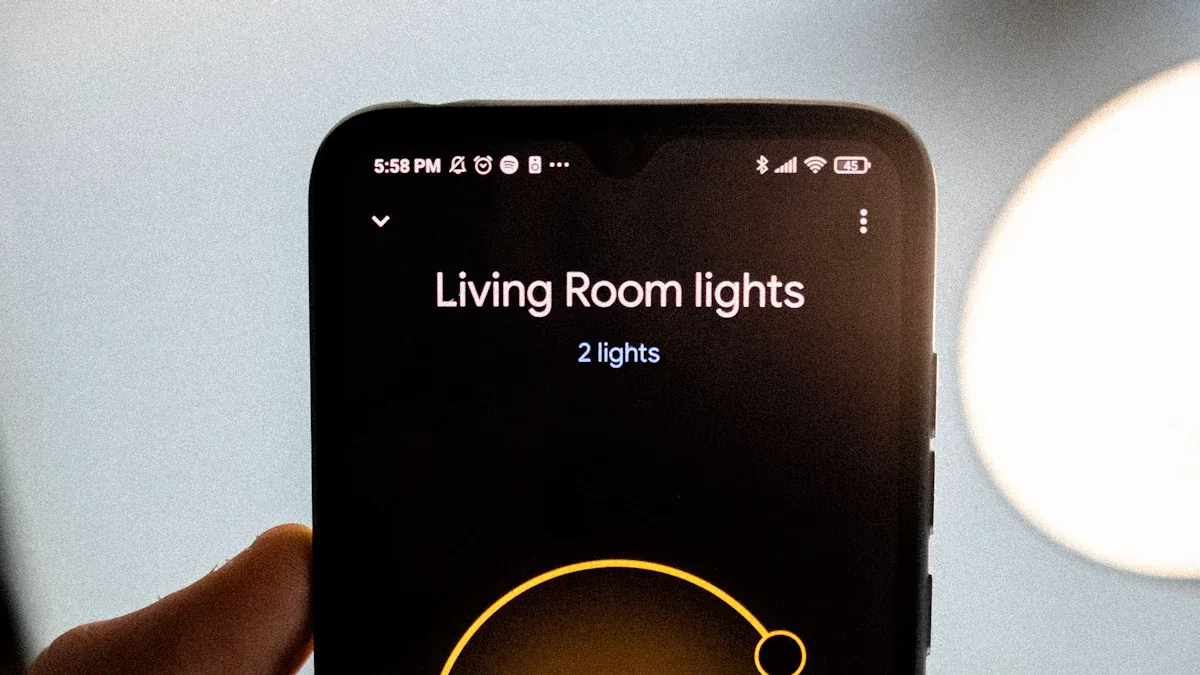
Factories now use more digital tools to make photovoltaic glass. These tools help track each step in making the glass. Digital twins let you test changes before doing them for real. This saves both time and money. Visualization platforms show you the whole process, from start to finish. Data-driven production helps you find problems early and fix them fast. Here is a table that shows how automation helps your production:
| Benefit | Description |
|---|---|
| Increased Speed | Automation boosts speed and accuracy during the solar panel assembly process. |
| Consistent Quality | Robots ensure each panel receives the same treatment for high quality. |
| Reduced Human Error | Automation minimizes mistakes, lowering repair needs and costs. |
| Faster Production | Machines speed up steps, so you deliver products to market quickly. |
You can also use special platforms, like digital product passports or online marketplaces. These tools help you reuse panels and manage resources better. They also support sustainability.
Automated Quality Control
Automated quality control uses smart cameras and AI to check glass. Machine vision finds tiny defects that people might miss. New cameras can see problems deep inside the glass. AOI systems now spot defects as small as 0.20 mm. This means you get better quality and fewer bad panels. AI can also predict when machines need fixing. This keeps your line running well. Companies like Jia Mao Bipv use these systems to meet strict standards.
- Machine vision finds very small defects.
- AI and automation help reduce waste and improve accuracy.
- Real-time monitoring helps you avoid big mistakes.
🛠️ Note: Automated inspection systems help keep your products the same and your customers happy.
Cost and Inventory Optimization
You can save money by automating steps like cell soldering and lamination. This cuts down on mistakes and makes products more alike. Good material handling with special equipment lowers damage and waste. Automation can make your work up to 20% more efficient. It can also lower labor costs by up to 40%. You get faster production and less material loss. Predictive analytics help you plan inventory. This way, you always have what you need and do not overstock. Photovoltaic glass manufacturers use these ideas to stay ahead and meet demand.
- Automation makes complex assembly lines work better.
- Good material handling can lower loss by up to 5%.
- Checking equipment often keeps quality high.
💡 Tip: Using automation and digital tools helps you save money, improve quality, and deliver products faster.
Market Trends and Policy Drivers
Global Market Growth and Demand
The photovoltaic glass market is growing very fast worldwide. Experts think it will reach $18.8 billion by 2025. The market will keep growing at 18.8% each year until 2032. This happens because there are more solar projects and better technology. You can see the main numbers in this table:
| Metric | Value |
|---|---|
| Projected Market Size | US$ 18.8 billion |
| Compound Annual Growth Rate | 18.8% (2025-2032) |
Many things help the market grow. More people and companies care about the environment now. Solar panels are cheaper, so more people can buy them. In North America, there are more solar projects and government help. The U.S. wants all electricity to be clean by 2035. This means more need for good glass. Photovoltaic glass manufacturers like Jia Mao Bipv make better products to help.
Emerging Markets and Opportunities
There are new chances in places like Latin America, the Middle East, and Africa. These areas are growing fast because they need more energy and want clean power. The table shows where growth is happening:
| Region | Key Countries | Growth Drivers |
|---|---|---|
| Latin America | Brazil, Mexico, Argentina | Industrial growth, government support for innovation |
| Middle East & Africa | UAE, Saudi Arabia, South Africa | New infrastructure, economic changes |
These places need more energy, have new rules, and use better glass. Many countries use smart glass that cleans itself and lasts longer. Over one million people still do not have electricity. Small solar systems help people in faraway places. Companies, governments, and researchers work together more now.
- Energy needs are going up in Asia, Africa, and Latin America.
- Governments give money to help pay for solar projects.
- New technology makes solar glass lighter and stronger.
Policy Incentives and Regulation
Rules and rewards from governments change the market. Many governments help solar energy with laws and tax breaks. These rules help people invest in solar glass. The table below shows some important rules:
| Region | Policy Incentive/Regulation | Impact on Photovoltaic Glass Industry |
|---|---|---|
| EU | Renewable Energy Directive (RED II) | More solar panels, higher demand for PV glass |
| U.S. | Investment Tax Credit (ITC) | Financial help for solar, more advanced glass needed |
| China | Renewable Energy Law | Mandatory solar use, more local production |
| India | National Solar Mission | Large solar projects, more glass for big systems |
These rules make solar glass more popular. Lower prices and more help from governments make the market bigger. You can expect more changes as countries want more clean energy.
🌍 Tip: Watch for new rules and trends to find the best chances in solar glass.
Impact on Photovoltaic Glass Manufacturers
Adoption of New Technologies
Photovoltaic glass manufacturers are changing how they work. Companies spend money on research to make glass that is strong and light. They want the glass to be very clear too. They use nanotechnology to make special coatings. These coatings let in more light and can bend without breaking. Some coatings can fix small scratches by themselves. They also help keep the glass clean. Factories use smart machines and sensors to watch each step. This helps them make better glass and waste less.
| Evidence Description | Key Focus Areas |
|---|---|
| Manufacturers are investing in R&D to develop durable, lightweight, and transparent solar solutions. | Innovation in product development and integration with AR devices. |
| Advancements in nanotechnology have led to highly transparent, flexible photovoltaic coatings. | Enhancing energy harvesting capabilities without compromising visual clarity. |
| Integration of smart coatings with self-healing and anti-reflective properties. | Improving durability and user comfort for outdoor applications. |
| Adoption of Industry 4.0 principles utilizing IoT-enabled manufacturing processes. | Ensuring quality control and reducing waste to optimize supply chain resilience. |
Jia Mao Bipv uses these new tools to make better glass for everyone.
Competitive Strategies
Top companies use smart ways to be different. They spend money on research to make their products better. They use new things like bifacial glass and smart building ideas. They work with builders to find more customers. These steps help them sell better products and reach more people.
Industry Outlook for 2025
There are many chances to grow in 2025. Experts think the solar photovoltaic glass market will get much bigger. It could go from $17.09 billion in 2025 to almost $196.89 billion by 2034. That means it could grow by over 31% each year. More people want clean energy now. Governments also help with solar power. You can use solar glass in new buildings and places without power lines. Friendly rules make it easier to make and sell glass. But there are still some problems, like hotspots on panels. Companies must keep making their products better to stay strong.
🚀 Tip: Watch for new trends and work with others to lead in solar glass.
Applications and End-User Impact
Building Integration
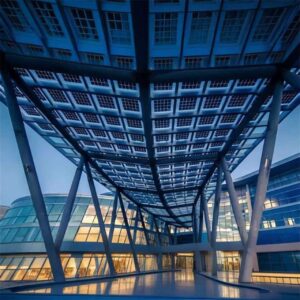
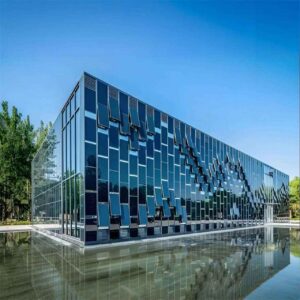
Photovoltaic glass is changing how buildings look and work. Architects use it in walls, skylights, and even floors you can walk on. The glass comes in many shapes, colors, and how much you can see through it. This means you can pick glass that matches your building’s style. It helps you make modern spaces that also save energy. When you use this glass, your building can make its own electricity from sunlight. This lowers your energy bills and helps the planet. Companies like Jia Mao Bipv make glass for many building needs. You get something that looks nice and works well.
Solar Installations
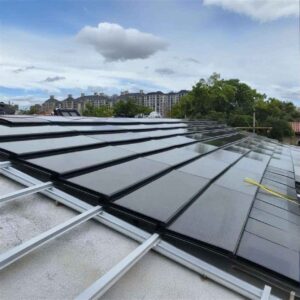
Photovoltaic glass is used in many solar projects today. Installers put it on rooftops, carports, and greenhouses. This glass is good for places that need both light and power. For example, a greenhouse with this glass lets in sunlight for plants and makes clean energy. You can also see it at bus stops or on noise barriers by highways. These projects show how solar glass is part of daily life. Jia Mao Bipv gives strong and efficient glass that lasts a long time.
Benefits for Stakeholders
Photovoltaic glass gives many benefits to everyone involved. You can use it in many parts of a building. The glass makes clean energy, so you save money on electricity. You can choose the look to match your design. It also keeps buildings warm in winter and cool in summer. Most projects pay for themselves in about four years. You can get up to 20% back each year.
| Benefit Description | Details |
|---|---|
| Versatile Installation | You can use photovoltaic glass in walls, skylights, and floors for more design choices. |
| Energy Generation | The glass makes clean energy from sunlight and lowers your bills. |
| Customization | You can pick how clear, what shape, and what color the glass is. |
| Thermal Insulation | The glass helps keep buildings warm in winter and cool in summer. |
| Quick ROI | Most projects pay for themselves in about four years, with up to 20% yearly returns. |
💡 Tip: Picking photovoltaic glass helps make buildings smarter and better for the planet.
You see big changes in photovoltaic glass manufacturing in 2025. New technology, green methods, and smart automation shape the industry. Companies like Jia Mao Bipv lead with strong ideas and products. If you stay updated, you make better plans and smart investments. Think about how these trends can help your work or business. For more learning, check industry news or talk with experts in solar glass.
FAQ
What makes photovoltaic glass different from regular glass?
Photovoltaic glass lets sunlight go through and makes electricity. You can get energy from windows or walls in your building. Jia Mao Bipv uses special coatings to help the glass work better.
How does Jia Mao Bipv improve solar panel efficiency?
Jia Mao Bipv uses very clear glass and advanced coatings. These things help the panels catch more sunlight. You get more energy and panels that last longer.
Can you recycle photovoltaic glass?
Most photovoltaic glass can be recycled. Some types need special steps because they have extra materials. Jia Mao Bipv works on new recycling technology to make this easier.
Is photovoltaic glass safe for buildings?
Photovoltaic glass is strong and safe for buildings. Manufacturers test it to make sure it can handle hits and bad weather. Jia Mao Bipv follows strict safety rules.
How long does photovoltaic glass last?
Photovoltaic glass usually lasts more than 25 years. It is tough and can clean itself. Jia Mao Bipv gives warranties so you know it will last a long time.


-300x300.jpg)