The Future of Smart Building Technology
Photovoltaic glass windows are revolutionizing the way we think about building energy efficiency and sustainable architecture. These innovative transparent solar panels combine the functionality of traditional windows with cutting-edge solar energy harvesting technology, creating a dual-purpose solution that’s ideal for modern construction projects.
As the demand for renewable energy solutions grows, more homeowners, architects, and commercial developers are embracing these energy-efficient windows. They offer an environmentally friendly alternative that significantly reduces energy consumption and carbon footprint while maintaining aesthetic appeal and functionality.
This breakthrough technology represents a significant stride in the fight against energy dependence and climate change, making sustainable construction more accessible and practical than ever before.

Executive Summary
Photovoltaic glass windows deliver multiple benefits for modern buildings:
- Dual Functionality: Generate clean electricity while providing natural light and maintaining clear views
- UV Protection: Shield interiors from harmful ultraviolet radiation while producing renewable energy
- Enhanced Performance: Improve overall building energy efficiency and reduce carbon emissions
- Design Flexibility: Offer extensive customization options for facades and architectural integration
- Smart Integration: Connect with building management systems for real-time optimization
- Strong ROI: Despite higher initial costs, government subsidies and long-term savings justify the investment
- Increasing Accessibility: Continuous material improvements and efficiency gains are driving down prices
What Are Photovoltaic Glass Windows?
Defining Next-Generation Building-Integrated Photovoltaics (BIPV)
Photovoltaic glass windows represent the forefront of sustainable architecture and building-integrated photovoltaics (BIPV). Unlike traditional solar panels that must be mounted separately, these innovative windows incorporate solar energy technology directly into the building envelope.
These advanced windows function as both conventional glazing and power generators, setting them apart from other energy efficiency solutions. They maintain transparency while capturing solar energy, making them perfect for applications where traditional solar panels aren’t feasible.
 Key Features of Photovoltaic Glass Windows
 Key Features of Photovoltaic Glass Windows
The distinguishing characteristics of photovoltaic glass windows include:
- Transparent Solar Cell Technology: Advanced materials that allow light transmission while generating electricity
- Customizable Specifications: Adjustable size, shape, transparency levels, and power output
- High Energy Efficiency: Superior performance compared to conventional windows
- Multi-Functional Design: Simultaneous energy production and natural daylighting
- Architectural Versatility: Seamless integration with various building styles
As adoption increases globally, these windows are redefining urban skylines and setting new standards for energy-efficient building solutions. They represent a practical, scalable approach to addressing the world’s growing energy demands.
How Photovoltaic Glass Windows Work
The Technology Behind Transparent Solar Panels
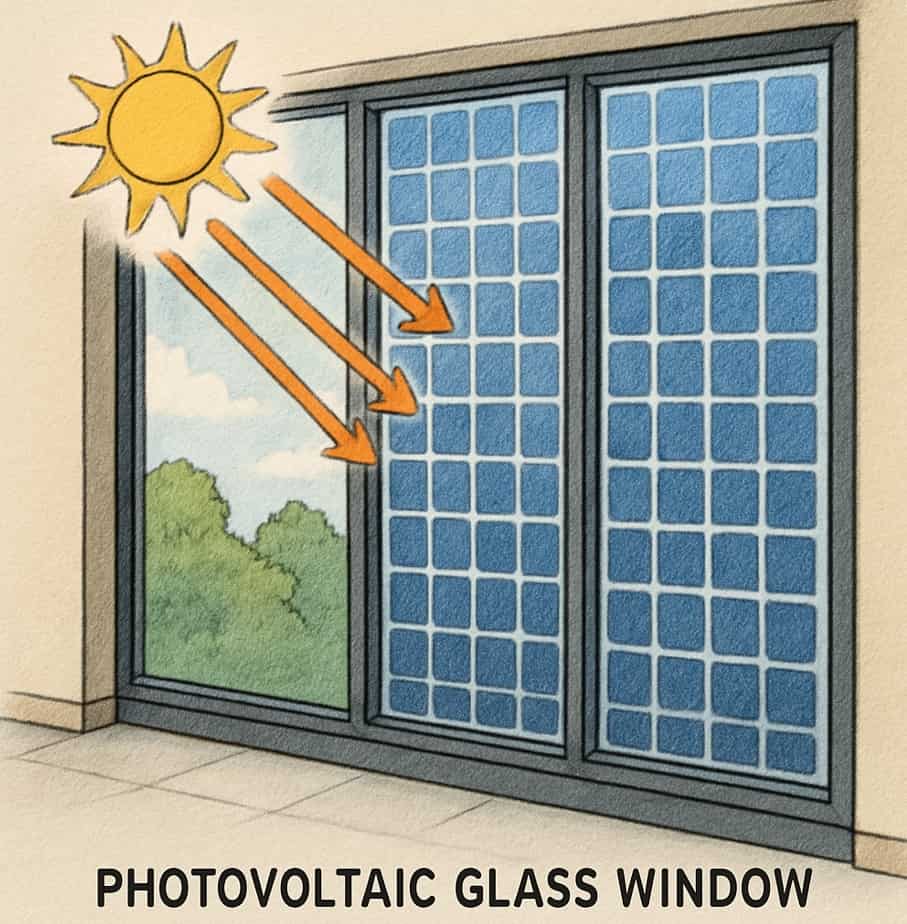
Photovoltaic glass windows operate using sophisticated semiconductor technology integrated within glass layers. The core component is the transparent solar panel, which is carefully embedded between protective glass sheets to capture sunlight while maintaining visual clarity.
The Energy Conversion Process
When sunlight passes through the glass, it strikes specialized solar cells made from semiconductor materials—typically silicon-based or emerging perovskite compounds. These cells convert photons into electrical current through the photovoltaic effect, generating clean, renewable electricity.
The electricity produced can be:
- Used immediately to power building systems and appliances
- Stored in battery systems for later use
- Fed back into the electrical grid for credits
Despite their complex technology, these windows maintain remarkable transparency. Special coatings and innovative materials preserve their appearance as conventional windows while enabling green power generation.
Factors Affecting Performance
Several elements influence the efficiency and output of photovoltaic glass windows:
- Sunlight Exposure: Direct sun hours and intensity
- Installation Angle and Orientation: South-facing installations typically perform best
- Climate Conditions: Temperature, humidity, and weather patterns
- Glass Transparency Level: Balance between visibility and power generation
- Technology Type: Different solar cell technologies offer varying efficiency levels
Smart Building Integration
When connected to intelligent energy management systems, photovoltaic glass windows deliver even greater value. This integration enables:
- Real-time monitoring of energy production
- Automated optimization of power consumption
- Predictive maintenance alerts
- Integration with HVAC and lighting systems
This coupling enables modern buildings to achieve true energy efficiency, reducing dependence on traditional power sources while maximizing the value of renewable solar energy.
Advantages of Photovoltaic Glass Windows
Comprehensive Benefits for Modern Architecture
Photovoltaic glass windows offer numerous advantages that make them increasingly attractive for contemporary building projects:
Energy Efficiency and Cost Savings
The primary benefit is substantial energy generation that directly reduces electricity bills. By harnessing abundant sunlight, these windows can offset 20-40% of a building’s energy consumption, depending on installation size and location.
Environmental Sustainability
These windows actively contribute to environmental protection by:
- Generating clean, renewable energy
- Reducing carbon emissions and greenhouse gases
- Decreasing reliance on fossil fuel-based electricity
- Supporting corporate sustainability goals
This makes them ideal for green building certifications like LEED, BREEAM, and other environmental standards.
Enhanced Natural Lighting
Photovoltaic windows allow natural light penetration while providing:
- Reduced glare compared to standard glass
- UV protection for interior furnishings
- Improved occupant comfort and wellbeing
- Decreased need for artificial lighting
This balance of light and energy creates healthier, more productive environments for occupants.
Design Flexibility and Customization
Architects appreciate the extensive customization options available:
- Various transparency levels (from 10% to 60% visible light transmission)
- Multiple sizes and shapes to fit any architectural vision
- Different tints and colors for aesthetic preferences
- Integration with existing building designs
This flexibility enables innovative architectural design that was previously impossible.
Increased Property Value
Buildings equipped with photovoltaic glass windows command premium valuations:
- Energy-efficient properties attract environmentally conscious buyers
- Reduced operating costs improve investment returns
- Modern technology enhances building appeal
- Competitive advantage in real estate markets
 Photo by Kyle Brinker on Unsplash
Summary of Key Benefits
- Energy Efficiency: Significant reduction in electricity costs
- Carbon Footprint Reduction: Measurable environmental impact
- Enhanced Natural Lighting: Better indoor environments
- Design Flexibility: Unlimited customization possibilities
- Property Value Increase: Higher resale and rental values
- Energy Independence: Reduced grid reliance
- Long Lifespan: 25-30 year operational life
- Low Maintenance: Minimal upkeep requirements
Overall, photovoltaic glass windows represent a smart investment that aligns perfectly with sustainable building objectives. Developers who embrace this technology contribute to a greener, healthier future while enjoying tangible financial benefits.
Types and Customization Options
Diverse Technologies and Design Possibilities
One of the greatest strengths of photovoltaic glass windows is their remarkable flexibility. Multiple types and extensive customization options make them suitable for virtually any architectural application.
Transparent Solar Panel Technologies
Several photovoltaic technologies are available, each with unique characteristics:
Crystalline Silicon Cells
- Highest efficiency (15-20% for transparent versions)
- Proven reliability and longevity
- Moderate transparency levels
Thin-Film Photovoltaics
- Lower efficiency (8-12%) but better aesthetics
- Higher transparency potential
- Flexible applications
Perovskite Solar Cells
- Emerging technology with high efficiency potential
- Excellent transparency options
- Lower manufacturing costs
Organic Photovoltaics (OPV)
- Maximum transparency possible
- Lightweight and flexible
- Shorter lifespan but improving
The choice depends on project priorities: cost, performance, aesthetics, or specific application requirements.
Customization Parameters
Builders and architects can adjust numerous parameters:
Transparency Levels
- Range from 10% to 60% visible light transmission
- Balance between view and power generation
- Custom tinting options available
Dimensions and Shapes
- Standard window sizes to custom facades
- Curved or flat glass configurations
- Skylights, curtain walls, and specialty applications
Frame Integration
- Compatible with various frame materials
- Seamless architectural integration
- Weather sealing and structural support
Power Output
- Optimized for specific energy needs
- Scalable installations
- Grid-tied or off-grid configurations
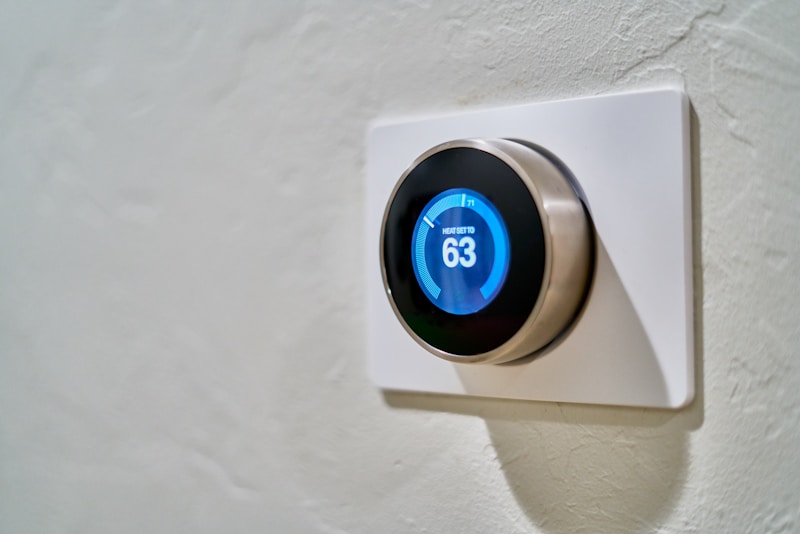 Photo by K8 on Unsplash
Key Customization Options Summary
- Choice of solar cell technology (silicon, thin-film, perovskite, organic)
- Adjustable transparency levels (10-60% VLT)
- Various shapes, sizes, and configurations
- Multiple tint and color options
- Compatibility with architectural features
- Integration with smart building systems
- Different frame and mounting systems
Seamless Architectural Integration
Through careful selection and customization, photovoltaic glass windows harmonize beautifully with both new construction and retrofit projects. This versatility ensures both aesthetic appeal and optimal functionality for any architectural vision.
Applications in Modern Architecture
Transforming Buildings Across Multiple Sectors
Photovoltaic glass windows are reshaping architectural possibilities across residential, commercial, and institutional projects. Their ability to combine energy efficiency with sleek design makes them ideal for contemporary construction.
Versatile Building Integration
These innovative windows can be incorporated into various building elements:
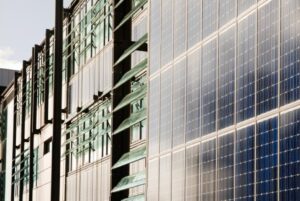
Facades and Curtain Walls
- Complete building envelope coverage
- Maximum energy generation potential
- Striking architectural statements
Skylights and Atriums
- Natural lighting with power generation
- Reduced heat gain compared to standard glass
- Beautiful interior spaces
Balconies and Railings
- Transparent safety barriers that generate power
- Space-efficient solar installations
- Enhanced property aesthetics
Canopies and Awnings
- Shade provision with energy production
- Weather protection
- Outdoor comfort enhancement
 by Kyle Brinker (https://unsplash.com/@kyle_brinker)Urban Applications
In dense urban environments where roof space is limited, photovoltaic glass facades offer critical advantages:
- Vertical surface solar harvesting
- No additional land requirements
- Optimal use of building envelopes
- Increased total energy capture
This innovation enables cities to generate renewable energy without compromising urban design or functionality.
Sector-Specific Applications
Commercial Office Buildings
- High-rise towers and skyscrapers
- Corporate headquarters
- Business parks
- Reduced operational costs
Residential Properties
- Modern single-family homes
- Multi-unit apartment buildings
- Luxury condominiums
- Energy-independent living
Public and Institutional Buildings
- Government facilities
- Cultural centers and museums
- Educational institutions
- Healthcare facilities
Retail and Hospitality
- Shopping malls and retail centers
- Hotels and resorts
- Restaurants and entertainment venues
- Sustainable brand messaging
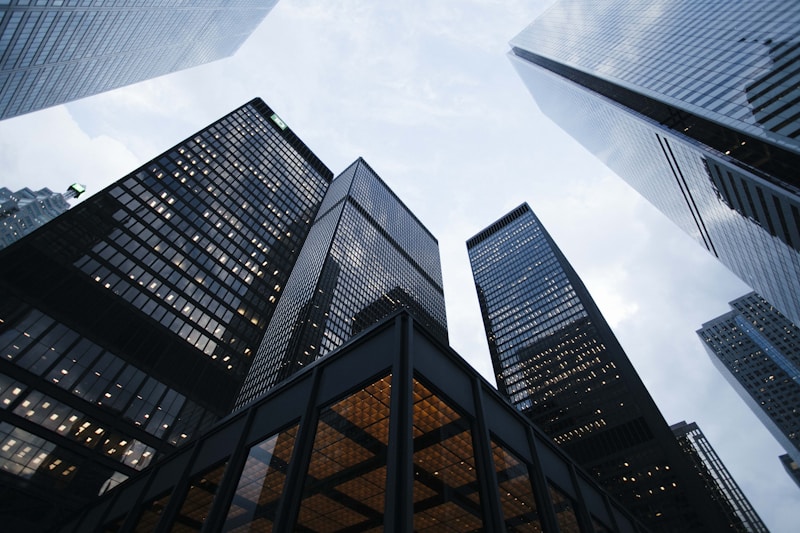 Photo by Jason Oh on Unsplash
Sustainable Architecture Leadership
Photovoltaic glass technology aligns perfectly with sustainable architecture goals:
- Net-zero energy building targets
- LEED and green building certifications
- Carbon footprint reduction objectives
- Corporate sustainability commitments
Real-World Examples
Notable installations worldwide demonstrate the technology’s potential:
- The Edge building in Amsterdam (most sustainable office building)
- Shanghai Tower incorporating BIPV technology
- Copenhagen International School facade
- Numerous residential and commercial projects globally
As demand for sustainable construction intensifies, photovoltaic glass windows are becoming fundamental to eco-friendly design and architectural innovation.
Energy Efficiency and Environmental Impact
Quantifiable Benefits for Buildings and the Planet
Photovoltaic glass windows deliver measurable improvements in both energy efficiency and environmental performance, making them essential for sustainable development.
Energy Generation and Savings
These windows provide significant energy benefits:
Power Production
- Generate 50-150 watts per square meter (depending on technology and transparency)
- Annual production: 60-200 kWh per square meter in optimal conditions
- Can offset 20-40% of building energy consumption
Reduced Artificial Lighting
- Natural daylighting decreases electrical lighting needs by 30-50%
- Combined savings from power generation and reduced lighting consumption
- Lower HVAC loads due to reduced heat gain
Grid Independence
- Decreased reliance on fossil fuel-based electricity
- Reduced vulnerability to power outages
- Energy security and resilience
Environmental Impact Reduction
The environmental benefits extend far beyond energy savings:
Carbon Footprint Reduction
- Typical installation offsets 2-5 tons of CO2 annually
- 25-year lifespan prevents 50-125 tons of emissions
- Contributes to climate change mitigation
Resource Conservation
- Reduces demand on power generation infrastructure
- Decreases transmission losses
- Conserves fossil fuel resources
Urban Heat Island Mitigation
- Reflects heat rather than absorbing it
- Cooler building surfaces
- Improved urban microclimates
 Photo by Dima Solomin on Unsplash
Net-Zero Energy Building Contribution
Photovoltaic glass windows are crucial for achieving net-zero energy buildings:
- Significant on-site renewable energy generation
- Reduced energy demand through daylighting
- Integration with other energy-efficient systems
- Path to energy-positive buildings
Sustainable Urban Development
Cities adopting this technology benefit from:
Improved Air Quality
- Reduced power plant emissions
- Decreased urban pollution
- Better public health outcomes
Energy Infrastructure Relief
- Lower peak demand on electrical grids
- Distributed generation reduces transmission needs
- Enhanced grid stability
Climate Action Progress
- Measurable progress toward emission reduction targets
- Demonstration of climate leadership
- Accelerated clean energy transition
Long-Term Environmental Benefits
- Reduction in greenhouse gas emissions: Measurable annual CO2 offset
- Lowered energy consumption: 20-40% reduction possible
- Increased renewable energy utilization: Direct solar harvesting
- Contribution to sustainable urban development: Cleaner, more resilient cities
- Resource efficiency: Optimal use of building surfaces
- Circular economy support: Recyclable materials and long lifespan
These windows don’t just transform energy consumption—they make us better environmental stewards. They are leaders in smart, sustainable building practices that address global climate challenges.
 by K8 (https://unsplash.com/@k8)
Installation and Integration with Smart Building Systems
Professional Installation for Optimal Performance
Successful implementation of photovoltaic glass windows requires careful planning, professional installation, and strategic integration with building systems.
Installation Considerations
Several factors determine optimal installation outcomes:
Site Assessment
- Solar exposure analysis
- Building orientation evaluation
- Shading analysis throughout the year
- Local climate considerations
Structural Requirements
- Load-bearing capacity verification
- Frame compatibility assessment
- Weather sealing specifications
- Building code compliance
Electrical Integration
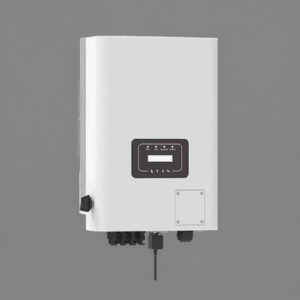
- Inverter selection and placement
- Wiring and conduit planning
- Grid connection or battery storage
- Safety disconnect systems
New Construction vs. Retrofit
New Construction Advantages
- Design integration from the beginning
- Optimized orientation and placement
- Cost-effective installation
- No structural modifications needed
Retrofit Considerations
- Existing structure assessment
- Frame adaptation requirements
- Potential building envelope modifications
- Phased installation options
 Photo by Jack Lucas Smith on Unsplash
Smart Building System Integration
A major advantage of modern photovoltaic glass systems is their compatibility with intelligent building management:
Energy Management Systems (EMS)
- Real-time power generation monitoring
- Consumption tracking and optimization
- Automated load balancing
- Predictive analytics for energy planning
Building Automation
- Integration with HVAC systems
- Lighting control coordination
- Shade and blind automation
- Temperature optimization
Data Analytics
- Performance monitoring dashboards
- Energy production forecasting
- Maintenance alert systems
- ROI tracking and reporting
Key Integration Aspects
- System Compatibility: Works with existing building infrastructure
- Real-Time Monitoring: Continuous performance tracking
- Automated Optimization: Self-adjusting for maximum efficiency
- Remote Management: Cloud-based control and monitoring
- Predictive Maintenance: Early problem detection
- Energy Storage Integration: Battery system coordination
Professional Installation Process
- Site Survey and Planning: Detailed assessment and design
- Permitting and Approvals: Building codes and utility requirements
- Structural Preparation: Frame installation and support
- Glass Installation: Precision mounting and sealing
- Electrical Connection: Wiring, inverters, and safety systems
- System Testing: Performance verification
- Integration Setup: Smart system connection and calibration
- Training and Documentation: Owner education and manuals
Maintenance and Support
- Regular cleaning for optimal light transmission
- Periodic electrical system inspections
- Performance monitoring and optimization
- Warranty support and service
Using these windows in conjunction with smart technology provides unprecedented control over energy consumption and building performance. This partnership is crucial to contemporary green architecture and sustainable building operations.
 by Jason Oh (https://unsplash.com/@jason_oh)
Cost, Incentives, and Return on Investment
Understanding the Financial Picture
While photovoltaic glass windows require higher upfront investment than conventional glazing, the long-term financial benefits and available incentives make them increasingly attractive.
Initial Cost Considerations
Price Range
- $300-$1,000+ per square meter installed (depending on technology and specifications)
- 30-50% premium over high-performance standard windows
- Costs decreasing as technology matures and production scales
Cost Variables
- Solar cell technology type
- Transparency level and efficiency
- Custom sizes and shapes
- Installation complexity
- Geographic location
- Project scale (larger projects = lower per-unit costs)
Government Incentives and Subsidies
Numerous financial incentives reduce effective costs:
Federal Programs
- Investment Tax Credit (ITC) – up to 30% in many countries
- Accelerated depreciation for commercial properties
- Renewable energy grants
- Energy efficiency rebates
State and Local Incentives
- Additional tax credits
- Performance-based incentives
- Net metering programs
- Property tax exemptions
- Expedited permitting
Utility Company Programs
- Rebates for renewable energy installation
- Demand response programs
- Time-of-use rate optimization
- Grid services compensation
 Photo by Pascal Meier on Unsplash
Return on Investment Analysis
Direct Energy Savings
- Electricity bill reduction: $500-$2,000+ annually per average installation
- Avoided utility rate increases over time
- Peak demand charge reductions for commercial buildings
Payback Period
- Typical payback: 8-15 years (with incentives)
- Accelerated payback in high-electricity-cost areas
- Improving as costs decrease and incentives increase
Long-Term Value Creation
- 25-30 year operational lifespan
- Continued savings after payback
- Minimal maintenance costs
- Energy hedge against rising electricity prices
Property Value Enhancement
Studies show energy-efficient buildings command premium values:
- Residential properties: 3-6% higher resale values
- Commercial buildings: 7-10% higher valuations
- Increased rental rates and occupancy
- Faster sales and leasing
Total Cost of Ownership
When evaluating photovoltaic glass windows, consider:
Costs
- Initial purchase and installation
- Inverter replacement (once during lifespan)
- Minimal cleaning and maintenance
- Insurance (often negligible increase)
Benefits
- Energy cost savings
- Government incentives
- Increased property value
- Tax advantages
- Avoided carbon costs
- Brand/reputation value
- Occupant satisfaction
ROI Factors Summary
- Energy savings over 25+ years: $15,000-$50,000+ depending on installation size
- Government incentives: 30-50% cost reduction possible
- Property value increase: 3-10% premium
- Maintenance savings: Lower than traditional windows
- Carbon credit potential: Emerging monetization opportunities
- Brand value: Sustainability leadership
Making the Financial Case
For both residential and commercial applications, energy-efficient photovoltaic glass offers compelling economics:
- Attractive ROI in most markets
- Multiple revenue and savings streams
- Risk mitigation against energy cost volatility
- Alignment with ESG and sustainability goals
- Competitive advantage in green building markets
As electricity prices rise and technology costs fall, the financial advantages continue improving, making photovoltaic glass windows an increasingly sound investment.
Challenges and Future Developments
Overcoming Barriers and Advancing Technology
While photovoltaic glass windows offer tremendous potential, several challenges remain that researchers and manufacturers are actively addressing.
Current Technical Challenges
Efficiency Limitations
- Transparent solar cells inherently less efficient than opaque panels
- Trade-off between transparency and power generation
- Optimal balance varies by application
Climate Variability
- Performance fluctuations in different weather conditions
- Reduced output in cloudy or northern climates
- Seasonal variation in energy production
Cost Barriers
- Higher initial investment than standard windows
- Technology still evolving and improving economies of scale
- Installation expertise not universally available
Durability Concerns
- Long-term performance data still accumulating
- UV degradation of some materials
- Thermal stress management
Ongoing Research and Development
Significant progress is being made in multiple areas:
Efficiency Improvements
- New materials and cell designs increasing output
- Tandem and multi-junction cell technologies
- Nano-structured coatings enhancing light capture
- Target: 25%+ efficiency for transparent cells
Material Science Advances
- More durable encapsulation materials
- Self-cleaning coatings
- Enhanced UV resistance
- Improved weather resistance
Manufacturing Innovation
- Roll-to-roll production techniques
- Automated quality control
- Reduced material waste
- Lower production costs
Smart Integration
- Advanced power management electronics
- AI-optimized performance
- Predictive maintenance algorithms
- Enhanced grid integration
Future Technological Developments
Exciting possibilities on the horizon include:
Enhanced Low-Light Performance
- Better energy capture in diffuse light conditions
- Extended operational hours
- Improved performance in northern latitudes
Dynamic Transparency
- Electrically adjustable tint levels
- Responsive to lighting and temperature needs
- Smart glass integration
Energy Storage Integration
- Built-in battery technology
- Seamless renewable energy storage
- 24-hour power availability
Advanced Customization
- Programmable aesthetics
- Color-tunable cells
- Artistic and decorative options
Emerging Technologies
- Quantum dot solar cells
- Plasmonic enhancement
- Bio-inspired designs
- Transparent perovskite tandem cells
Market Development Trends
Increasing Adoption
- Growing project pipeline worldwide
- Major architectural firms embracing technology
- Government mandates for renewable energy in buildings
Cost Reduction Trajectory
- Projected 40-60% cost decrease over next 5-10 years
- Economies of scale from mass production
- Technology maturation and competition
Standardization
- Industry standards development
- Installation best practices
- Performance certification programs
- Quality assurance protocols
Regulatory and Policy Evolution
Building Codes
- Integration of BIPV requirements
- Energy efficiency mandates
- Renewable energy targets for new construction
Incentive Programs
- Expansion of financial support
- Performance-based incentives
- Green building certification credits
Research Focus Areas
- Increased efficiency in varied conditions: Year-round optimization
- Enhanced customization options: Greater design flexibility
- Integration with emerging smart technologies: IoT and AI
- Cost reduction through manufacturing innovation: Mass market accessibility
- Improved durability and lifespan: 40+ year targets
- Recycling and circular economy: End-of-life sustainability
 by Jack Lucas Smith (https://unsplash.com/@jacklucassmith)
Despite current challenges, the future for photovoltaic glass windows is exceptionally bright. Continuous research and development efforts are making this technology more efficient, affordable, and accessible. As innovations emerge, adoption will accelerate, transforming how buildings generate and consume energy.
Frequently Asked Questions (FAQ)
Q1: How long do photovoltaic glass windows last?
Photovoltaic glass windows typically have a lifespan of 25-30 years, similar to traditional solar panels. The glass itself can last even longer, with the solar cells maintaining 80-90% of their original efficiency after 25 years. Most manufacturers offer warranties of 20-25 years on power output and 10-15 years on materials and workmanship.
Q2: Can photovoltaic glass windows work in cloudy or northern climates?
Yes, photovoltaic glass windows can generate electricity even in cloudy conditions, though at reduced capacity. While they perform best with direct sunlight, modern technologies can capture diffuse light effectively. In northern climates, careful orientation and tilt optimization can maximize annual energy production. Newer technologies are specifically designed to improve low-light performance.
Q3: How much electricity can photovoltaic glass windows generate?
Power generation varies based on several factors including window size, transparency level, geographic location, and orientation. Typically, photovoltaic glass generates 50-150 watts per square meter. A standard home installation of 20-30 square meters could produce 1,000-4,500 watts, potentially offsetting 20-40% of household electricity consumption annually.
Q4: Are photovoltaic glass windows suitable for retrofit projects or only new construction?
Photovoltaic glass windows work for both new construction and retrofit applications. While new builds allow optimal design integration, retrofits can successfully replace existing windows with photovoltaic alternatives. Retrofit considerations include structural assessment, frame compatibility, and electrical integration. Professional installation ensures proper fit and performance in either scenario.
Q5: Do photovoltaic glass windows require special maintenance?
Maintenance requirements are minimal. Regular cleaning (2-4 times annually depending on location) maintains optimal light transmission and power generation. Use non-abrasive cleaners and soft cloths. Periodic electrical system inspections (annually) ensure safe operation. Many modern systems include self-monitoring that alerts owners to any performance issues. Overall maintenance costs are lower than traditional windows.
Q6: How much do photovoltaic glass windows cost compared to regular windows?
Photovoltaic glass windows typically cost $300-$1,000+ per square meter installed, representing a 30-50% premium over high-performance standard windows. However, government incentives (often 30-50% of costs), energy savings, and increased property values significantly offset initial expenses. Costs are decreasing as technology matures, with payback periods of 8-15 years typical in most markets.
Q7: Can I sell excess electricity generated by photovoltaic glass windows back to the grid?
In most regions, yes. Net metering programs allow building owners to sell excess electricity back to utilities, receiving credits on their bills. Requirements vary by location and utility company. Some areas offer premium rates for renewable energy. Your installer can help navigate local regulations and optimize your grid connection for maximum financial benefit.
Q8: Will photovoltaic glass windows make my room too dark?
No, photovoltaic glass windows are designed to maintain comfortable natural lighting. Transparency levels range from 10% to 60% visible light transmission (VLT), with most installations using 30-40% VLT—similar to tinted windows. This provides ample natural light while reducing glare and heat gain. You can customize transparency levels based on room function and lighting preferences.
Q9: Are photovoltaic glass windows safe during storms or extreme weather?
Yes, photovoltaic glass windows are engineered to meet or exceed standard building codes for safety glass. They undergo rigorous testing for impact resistance, wind loads, and thermal stress. Tempered or laminated glass construction provides excellent durability. They perform as well as or better than conventional windows in extreme weather, with additional UV protection benefits.
Q10: Do photovoltaic glass windows qualify for green building certifications like LEED?
Absolutely. Photovoltaic glass windows contribute points toward LEED, BREEAM, Green Globes, and other green building certifications. They specifically help with:
- Energy and Atmosphere credits (renewable energy)
- Materials and Resources (sustainable products)
- Innovation in Design
- Regional Priority credits
Many projects achieve higher certification levels specifically due to BIPV integration.
Q11: How do photovoltaic glass windows perform compared to rooftop solar panels?
While rooftop panels are typically more efficient (15-22% vs. 10-18% for transparent glass), photovoltaic windows offer unique advantages:
- Utilize otherwise unused vertical surfaces
- Provide dual functionality (glazing + power)
- No roof space required
- Ideal for buildings with limited roof area
- Better aesthetics for many applications
Both technologies can complement each other in comprehensive renewable energy strategies.
Q12: What happens to photovoltaic glass windows at the end of their life? Are they recyclable?
Yes, photovoltaic glass windows are largely recyclable. The glass, aluminum frames, and most electronic components can be recovered and reused. Manufacturers increasingly design for circular economy principles. Some companies offer take-back programs. Recycling rates for solar glass exceed 90% for materials, making them an environmentally responsible choice throughout their lifecycle.
Q13: Can photovoltaic glass windows be combined with window films or shades?
Adding films or shades can reduce power generation efficiency, but strategic combinations are possible. Automated shading systems can optimize between daylighting, thermal comfort, and power production. Interior sheer curtains have minimal impact. Consult with your photovoltaic glass provider to design solutions that meet both aesthetic and performance goals.
Q14: How quickly is photovoltaic glass window technology improving?
The field is advancing rapidly. Efficiency improvements of 0.5-1% annually are common, with some breakthrough technologies promising 20%+ gains. Costs are dropping 10-15% every few years. New materials like perovskites show tremendous promise. Expect continued improvements in efficiency, durability, aesthetics, and affordability over the coming decade.
Q15: What size installation is needed to make a meaningful impact on energy bills?
Even modest installations can reduce energy costs. A typical residential installation of 15-25 square meters can offset 15-30% of electricity consumption. Commercial buildings with larger facade areas see proportionally greater benefits. The key is matching system size to energy needs and available surface area. Professional energy audits help optimize installation size for maximum ROI.
 by Pascal Meier (https://unsplash.com/@zhpix)
The Future of Energy-Saving Windows
A Transformative Technology for Sustainable Buildings
Photovoltaic glass windows represent a paradigm shift in how we design, construct, and operate buildings. By seamlessly integrating solar energy generation with essential building functions, they offer a compelling solution to global energy and environmental challenges.
Key Takeaways
Proven Benefits
- Significant energy cost reduction (20-40% typical savings)
- Measurable environmental impact (2-5 tons CO2 offset annually)
- Enhanced occupant comfort through optimized daylighting
- Increased property values and market competitiveness
Growing Accessibility
- Costs decreasing as technology matures
- Government incentives improving financial viability
- Expanding installer networks and expertise
- Diverse options for every architectural application
Bright Future Ahead
- Rapid technological improvements in efficiency and durability
- Expanding applications across building sectors
- Stronger regulatory support and building code integration
- Mass market adoption approaching
Why Now Is the Time to Adopt
Several converging trends make this the ideal time for photovoltaic glass windows:
- Climate Urgency: Buildings must become part of the climate solution
- Energy Costs: Rising electricity prices improve ROI
- Technology Maturity: Proven performance and reliability
- Financial Incentives: Strong government and utility support
- Market Demand: Growing consumer preference for sustainable buildings
The Role in Building’s Future
Photovoltaic glass windows are not just a trend—they’re an essential component of the transition to clean energy and sustainable construction. As the technology continues advancing, we can expect:
- Universal Integration: Standard in new construction within 10-15 years
- Smart City Infrastructure: Key element of urban renewable energy systems
- Architectural Innovation: Enabling previously impossible designs
- Energy Independence: Moving buildings toward net-zero and net-positive status
Taking Action
Whether you’re a homeowner, architect, developer, or facility manager, photovoltaic glass windows from JM BIPV Tech offer a practical path toward sustainability goals. The combination of environmental responsibility, financial returns, and architectural beauty makes them a wise investment in our collective future.
Final Thoughts
The future of energy-efficient buildings is transparent—literally. Photovoltaic glass windows demonstrate that we don’t have to choose between aesthetics and sustainability, or between functionality and environmental responsibility. They prove that innovative technology can deliver on all fronts simultaneously.
As we face mounting climate challenges and energy demands, solutions like photovoltaic glass windows show us the way forward. They represent more than just technological achievement; they embody our commitment to building a sustainable, prosperous future for generations to come.
The window to a cleaner energy future is here—and it’s generating power while you look through it.
Ready to explore photovolt
aic glass solutions for your project? Contact JM BIPV Tech today for expert consultation and customized design options.
Additional Resources and Further Reading
Industry Standards and Certifications
Understanding the standards that govern photovoltaic glass windows helps ensure quality installations:
International Standards
- IEC 61215: Photovoltaic module performance standards
- IEC 61730: Solar panel safety qualifications
- ISO 9001: Quality management systems
- ISO 14001: Environmental management standards
Building Codes
- International Building Code (IBC) compliance
- National Electrical Code (NEC) requirements
- Local jurisdiction specifications
- Fire safety and structural standards
Green Building Certifications
- LEED (Leadership in Energy and Environmental Design)
- BREEAM (Building Research Establishment Environmental Assessment Method)
- Green Globes
- Living Building Challenge
- WELL Building Standard
Technical Specifications to Consider
When evaluating photovoltaic glass window systems, key specifications include:
Performance Metrics
- Power Output: Watts per square meter (W/m²)
- Efficiency Rating: Percentage of sunlight converted to electricity
- Visible Light Transmission (VLT): Percentage of visible light passing through
- Solar Heat Gain Coefficient (SHGC): Heat transmission measurement
- U-Value: Thermal insulation performance
- Color Rendering Index (CRI): Quality of light transmitted
Durability Specifications
- Wind Load Resistance: Pascals or pounds per square foot
- Impact Resistance: According to safety glass standards
- Temperature Range: Operating temperature extremes
- Humidity Resistance: Moisture penetration protection
- UV Resistance: Degradation prevention rating
Electrical Characteristics
- Voltage Output: Open circuit and operating voltage
- Current Rating: Short circuit and operating current
- Temperature Coefficients: Performance variation with temperature
- Inverter Compatibility: DC to AC conversion requirements
Installation Best Practices
Professional installation following industry best practices ensures optimal performance:
Pre-Installation
- Comprehensive site assessment and solar analysis
- Structural engineering review and approval
- Electrical system design and permitting
- Utility interconnection application
- Building permit acquisition
During Installation
- Proper handling to prevent glass damage
- Weather-appropriate installation timing
- Precision alignment and leveling
- Waterproofing and weather sealing
- Electrical safety protocols
- Quality assurance inspections
Post-Installation
- System commissioning and testing
- Performance verification
- Owner training and documentation
- Final inspections and approvals
- Warranty registration
- Monitoring system setup
Maintenance Guidelines
Proper maintenance maximizes performance and longevity:
Regular Tasks
Cleaning: 2-4 times annually or as needed
- Use soft cloth or squeegee
- Mild, non-abrasive cleaning solutions
- Deionized water for best results
- Early morning or evening to avoid thermal shock
Visual Inspections: Quarterly
- Check for cracks or damage
- Inspect seals and weatherstripping
- Look for discoloration or delamination
- Examine electrical connections
Annual Professional Service
- Electrical system testing
- Inverter performance check
- Thermal imaging inspection
- Frame and mounting inspection
- Performance analysis and reporting
Monitoring Best Practices
- Daily automated monitoring through smart building systems
- Monthly performance review
- Comparison to expected output
- Early detection of degradation
- Documentation for warranty claims
Case Studies: Real-World Success Stories
Commercial Office Building – New York City
- Installation Size: 500 m² curtain wall
- Technology: Thin-film photovoltaic glass
- Results:
- 45,000 kWh annual generation
- $12,000 yearly energy savings
- 23 tons CO2 offset annually
- LEED Platinum certification achieved
- 11-year payback period
Residential Home – California
- Installation Size: 35 m² south-facing windows
- Technology: Crystalline silicon transparent cells
- Results:
- 6,300 kWh annual production
- 35% electricity bill reduction
- Net metering credits during peak generation
- Home value increase of $18,000
- 9-year ROI with incentives
University Building – Germany
- Installation Size: 1,200 m² facade and skylight
- Technology: Perovskite-silicon tandem cells
- Results:
- 115,000 kWh yearly generation
- €28,000 annual savings
- Educational showcase for sustainability
- Research platform for BIPV technology
- 85% student satisfaction with natural lighting
Shopping Center – Australia
- Installation Size: 800 m² atrium glazing
- Technology: Organic photovoltaic cells
- Results:
- 52,000 kWh annual production
- Reduced HVAC loads by 22%
- Enhanced customer experience
- Marketing value for green branding
- 13-year payback with government rebates
Environmental Impact Calculator
Estimate your project’s environmental benefits:
Carbon Offset Formula
- Annual kWh generation × local grid carbon intensity (kg CO2/kWh)
- Example: 10,000 kWh × 0.45 kg CO2/kWh = 4,500 kg (4.5 tons) CO2 offset
Tree Equivalent
- Approximately 50-100 trees planted per ton of CO2 offset
- Example: 4.5 tons = 225-450 tree equivalents
Vehicle Miles Avoided
- 1 ton CO2 ≈ 2,500 miles of average car driving
- Example: 4.5 tons = 11,250 miles not driven
Choosing the Right Partner
Selecting qualified professionals ensures project success:
Criteria for Manufacturers
- Proven track record and references
- Comprehensive warranties
- Quality certifications
- Technical support availability
- Financial stability
- Innovation and R&D investment
Installer Qualifications
- Licensed and insured
- NABCEP or equivalent certification
- BIPV-specific training
- Portfolio of completed projects
- Positive customer reviews
- Post-installation support
Working with JM BIPV Tech As a leading provider of photovoltaic glass solutions, JM BIPV Tech offers:
- Cutting-edge transparent solar technology
- Customized design services
- Expert installation guidance
- Comprehensive warranty protection
- Ongoing technical support
- Proven global project experience
Financing Options
Multiple financing mechanisms make photovoltaic glass windows accessible:
Purchase Options
- Cash Purchase: Maximum long-term savings
- Home Equity Loan: Tax-deductible interest
- Construction Loan Integration: Include in new build financing
- Green Mortgages: Special rates for energy-efficient properties
Alternative Financing
- PACE Loans: Property Assessed Clean Energy financing
- Leasing: Lower upfront costs, maintenance included
- Power Purchase Agreements (PPA): Pay only for electricity generated
- Energy Service Agreements: Performance-based contracts
Commercial Financing
- Accelerated Depreciation: MACRS tax benefits
- Green Bonds: Sustainability-linked financing
- ESG Investment: Corporate sustainability budget allocation
- Tenant Pass-Through: Energy savings shared with tenants
Regulatory Landscape
Understanding regulations helps navigate implementation:
Federal Policies
- Investment Tax Credit (ITC) for solar installations
- Commercial building energy efficiency deductions
- Federal procurement preferences for green buildings
- Research and development incentives
State and Local Regulations
- Renewable Portfolio Standards (RPS)
- Building energy codes
- Solar access rights
- Net metering policies
- Interconnection standards
International Frameworks
- European Green Deal targets
- Carbon pricing mechanisms
- Building energy performance certificates
- International renewable energy agreements
Future Trends to Watch
Emerging Technologies
- Transparent Perovskite Cells: Potentially 30%+ efficiency
- Quantum Dot Integration: Enhanced light spectrum capture
- Smart Tinting: Dynamic transparency adjustment
- Wireless Power Transfer: Elimination of visible wiring
- AI Optimization: Machine learning for performance maximization
Market Evolution
- Mass Production: Costs approaching standard high-performance glass
- Standardization: Modular, plug-and-play systems
- Integration: Seamless incorporation with IoT ecosystems
- Aesthetic Innovation: Designer patterns and colors
- Global Expansion: Emerging market adoption acceleration
Policy Developments
- Mandatory BIPV: Requirements for new construction
- Enhanced Incentives: Increased financial support
- Carbon Pricing: Additional economic drivers
- Grid Services: Revenue from demand response and storage
- International Cooperation: Technology sharing and standards
Getting Started: Step-by-Step Guide
Phase 1: Research and Planning (1-2 months)
- Define energy goals and sustainability objectives
- Assess building characteristics and solar potential
- Research local incentives and regulations
- Establish budget parameters
- Identify potential partners and manufacturers
Phase 2: Design and Engineering (2-3 months)
- Conduct professional solar site assessment
- Develop customized system design
- Select appropriate technology and specifications
- Perform financial analysis and ROI modeling
- Secure preliminary approvals
Phase 3: Procurement and Permitting (1-2 months)
- Finalize contracts with suppliers and installers
- Submit building and electrical permits
- Complete utility interconnection applications
- Secure financing if needed
- Order materials with lead time consideration
Phase 4: Installation (1-4 weeks)
- Site preparation and safety setup
- Structural modifications if required
- Window installation and weatherproofing
- Electrical system integration
- Quality control and commissioning
Phase 5: Activation and Optimization (1 month)
- Final inspections and approvals
- Utility interconnection and net metering setup
- System activation and testing
- Monitoring system configuration
- Owner training and documentation
Phase 6: Ongoing Operation (25+ years)
- Regular maintenance schedule
- Performance monitoring and optimization
- Warranty and service management
- Documentation for incentive programs
- Efficiency upgrades as technology advances
Common Myths Debunked
Myth 1: “They’re too expensive for average homeowners”
- Reality: With incentives, payback periods of 8-12 years are common, making them accessible for many homeowners. Total cost of ownership is competitive with premium standard windows.
Myth 2: “They make rooms too dark”
- Reality: Transparency levels of 30-50% provide ample natural light similar to tinted windows, while reducing glare and improving comfort.
Myth 3: “They don’t generate enough power to matter”
- Reality: Typical installations offset 20-40% of building electricity consumption—significant savings over 25+ year lifespan.
Myth 4: “The technology is unproven and risky”
- Reality: Building-integrated photovoltaics have decades of proven performance. Modern systems have comprehensive warranties and documented reliability.
Myth 5: “They only work in sunny climates”
- Reality: While optimal in sunny regions, modern photovoltaic glass functions effectively in varied climates, including northern latitudes and areas with frequent cloud cover.
Myth 6: “Maintenance is complicated and expensive”
- Reality: Maintenance requirements are minimal—simple periodic cleaning and occasional inspections. Costs are lower than traditional windows over their lifetime.
Myth 7: “They’ll be obsolete in a few years”
- Reality: While technology improves, current systems remain valuable throughout their 25-30 year lifespan. Efficiency gains are incremental, not revolutionary.
Myth 8: “Installation disrupts building operations”
- Reality: Professional installations, especially in new construction, cause minimal disruption. Retrofits can be phased to minimize impact.
Glossary of Key Terms
- BIPV (Building-Integrated Photovoltaics): Solar technology integrated into building materials
- VLT (Visible Light Transmission): Percentage of visible light passing through glass
- SHGC (Solar Heat Gain Coefficient): Measure of solar heat transmission
- Inverter: Device converting DC electricity from solar cells to AC for building use
- Net Metering: Program allowing excess electricity sales back to the grid
- PV (Photovoltaic): Technology converting light directly into electricity
- kWh (Kilowatt-hour): Unit of electrical energy consumption or generation
- U-Value: Measure of heat loss through glass (lower is better)
- Amorphous Silicon: Type of thin-film solar cell technology
- Crystalline Silicon: Traditional solar cell technology with higher efficiency
- Perovskite: Emerging solar cell material with high efficiency potential
Take the Next Step Toward Sustainable Building
Photovoltaic glass windows represent one of the most exciting innovations in sustainable architecture. Whether you’re planning a new construction project, renovating an existing building, or simply exploring options for reducing energy costs and environmental impact, now is the time to act.
Why Choose JM BIPV Tech?
JM BIPV Tech stands at the forefront of photovoltaic glass technology, offering:
✓ Industry-Leading Products: Cutting-edge transparent solar solutions with proven performance
✓ Custom Design Services: Tailored systems optimized for your specific needs and aesthetic vision
✓ Expert Support: Comprehensive technical assistance from initial consultation through installation and beyond
✓ Quality Assurance: Rigorous testing and certification ensuring long-term reliability
✓ Global Experience: Successful projects across residential, commercial, and institutional sectors worldwide
✓ Competitive Pricing: Cost-effective solutions without compromising on quality or performance
✓ Sustainability Commitment: Genuine dedication to environmental stewardship and clean energy advancement
Start Your Journey Today
Don’t wait to harness the power of the sun through your windows. Contact JM BIPV Tech to:
- Schedule a Consultation: Discuss your project goals and explore possibilities
- Request a Site Assessment: Get professional evaluation of your building’s solar potential
- Receive Custom Proposal: Obtain detailed design and financial analysis
- Access Resources: Download specifications, case studies, and technical documentation
- Connect with Experts: Speak with experienced professionals who can answer your questions
Visit JM BIPV Tech or contact our team to begin your photovoltaic glass window project.
The future of building energy is transparent, sustainable, and within reach. Photovoltaic glass windows offer a practical pathway to energy independence, environmental responsibility, and architectural innovation. By embracing this technology today, you’re investing in a cleaner, more prosperous tomorrow—one window at a time.
Transform your building into a power generator. Explore photovoltaic glass solutions with Jia Mao BIPV Tech now.


-300x300.jpg)