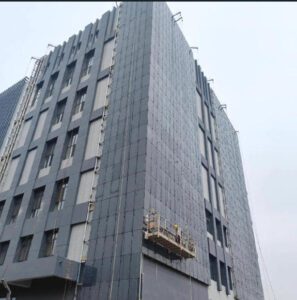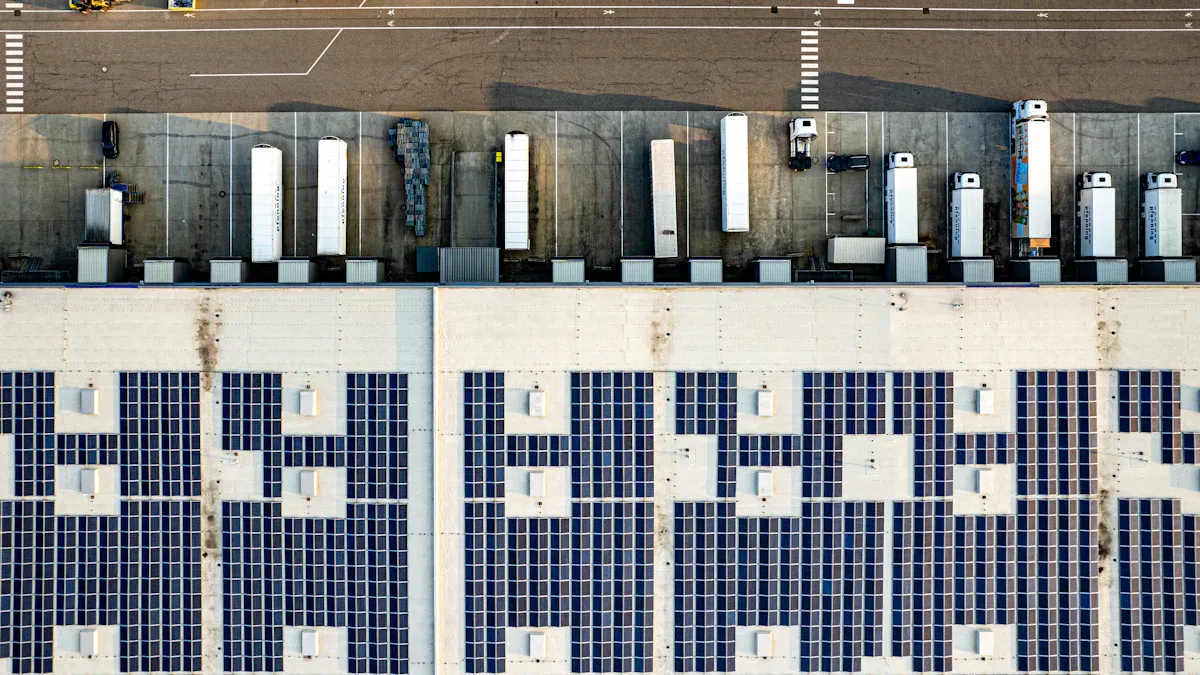
You see buildings today doing more than just keeping out rain. With building integrated photovoltaics, roofs and windows can make electricity from sunlight. This technology helps you save energy. It also keeps your space safe and comfortable. Here are some new ideas:
| Innovation Type | Description |
|---|---|
| Hybrid BIPV Solutions | Makes energy and also keeps heat in and blocks noise. |
| Transparent PV Glass | Puts solar power into windows and skylights. |
| Digital Monitoring Systems | Watches energy use right now to help save more. |
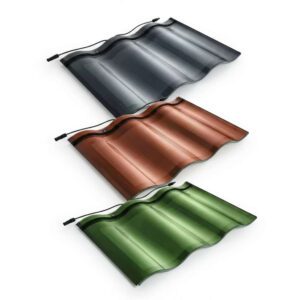
- Solar roof tiles take the place of normal tiles.
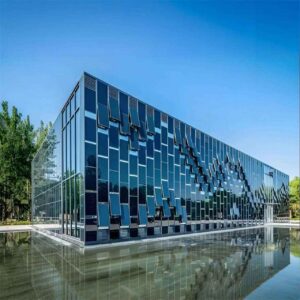
- Walls and skylights can now make electricity.
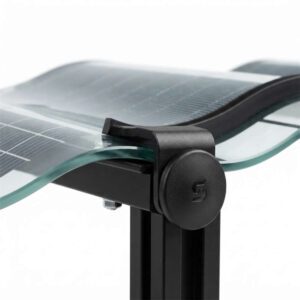
- Bendable solar films work on curved surfaces.
These new things help buildings get smarter and better for the planet.
Key Takeaways
- Building integrated photovoltaics (BIPV) make roofs and windows create energy. This helps you spend less money on energy bills.
- New materials like transparent solar glass and perovskite cells help buildings use energy better. They also make buildings look nicer and work smarter.
- Flexible solar solutions can fit many building shapes. They are easy to put in and help make more energy.
- Smart energy systems let you check and control how much energy you use. This helps you save more and makes your carbon footprint smaller.
- BIPV systems work for both new and old buildings. This makes them a good choice for green building projects.
Building Integrated Photovoltaics Innovations
Advanced Materials
New materials are changing how buildings use solar energy. Onyx Solar makes glass that turns building exteriors into electricity makers. You can use this glass in new or old buildings. It saves energy and keeps heat inside. The glass also looks nice, so you do not lose style.
Perovskite-based solar cells are a big step forward. These cells work well for windows and colorful walls. They cost less and work better than older types. You can put photovoltaic systems right on your building. This lets you make power from sunlight without hurting nature. You can choose the size that fits your building.
- Onyx Solar’s photovoltaic glass saves energy and adds insulation.
- Perovskite solar cells work well and cost less.
- You can use these systems for small homes or big offices.
When you use new materials, you swap normal parts for energy-making ones. Now, your walls and windows do more than protect you—they help power your life.
Transparent & Semi-Transparent Tech
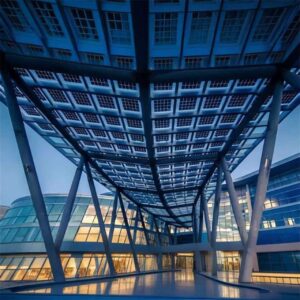
Transparent and semi-transparent tech lets you use sunlight in new ways. These systems fit into windows, skylights, and building fronts. You get natural light inside and make electricity too. This means you use less fake light and save energy.
Transparent BIPV modules let daylight into your space. You get bright rooms and lower energy bills.
Here is how these technologies help your building:
| Evidence Description | Impact on Natural Lighting and Energy Generation |
|---|---|
| Transparent and semi-transparent BIPV modules let natural light pass through | Brings in daylight and cuts down on fake lighting, making rooms brighter. |
| BIPV systems make clean electricity on-site without extra land | Makes energy while using the building you already have, making it more efficient. |
| BIPV helps energy use by using daylight | Lowers cooling needs and boosts building energy, giving two benefits: energy and light. |
You can use these systems in offices where people need light during the day. They help you save on cooling and make buildings more comfy. Remember, energy made depends on sunlight, temperature, and humidity. Sometimes, real results are not the same as lab tests.
Flexible Solutions
Flexible solutions give you more choices for different building shapes. You can pick thin laminates for curved roofs or solar tiles for flat roofs. These products work for homes and offices.
- Flexible laminates fit many roof shapes.
- In-roof systems blend with roof materials.
- Semi-transparent systems work for greenhouses and places needing light.
- Cladding systems cover walls and building fronts.
- Solar tiles and shingles take the place of regular roofing.
Homes often use roofing products. Offices use wall and cladding systems. Flexible panels are lighter and easier to put up than stiff ones. You can even stick them on yourself. They weigh less, but may not last as long or work as well as stiff panels.
| Feature | Flexible Panels | Rigid Panels |
|---|---|---|
| Installation Complexity | Easier, often DIY, stick-on | Harder, needs special hardware |
| Efficiency | Usually lower | Usually higher |
| Lifespan | Shorter | Longer |
| Weight | Much lighter | Heavier |
| Ideal Applications | Curved roofs, vehicles, portable devices | Flat roofs, fixed places |
You can pick what works best for your building. Flexible building integrated photovoltaics help you use more surfaces for energy, making your building smarter and better.
Aesthetics & Integration
Design-Driven Products
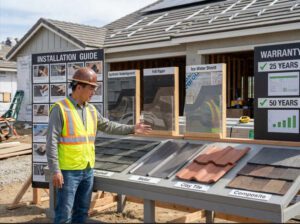
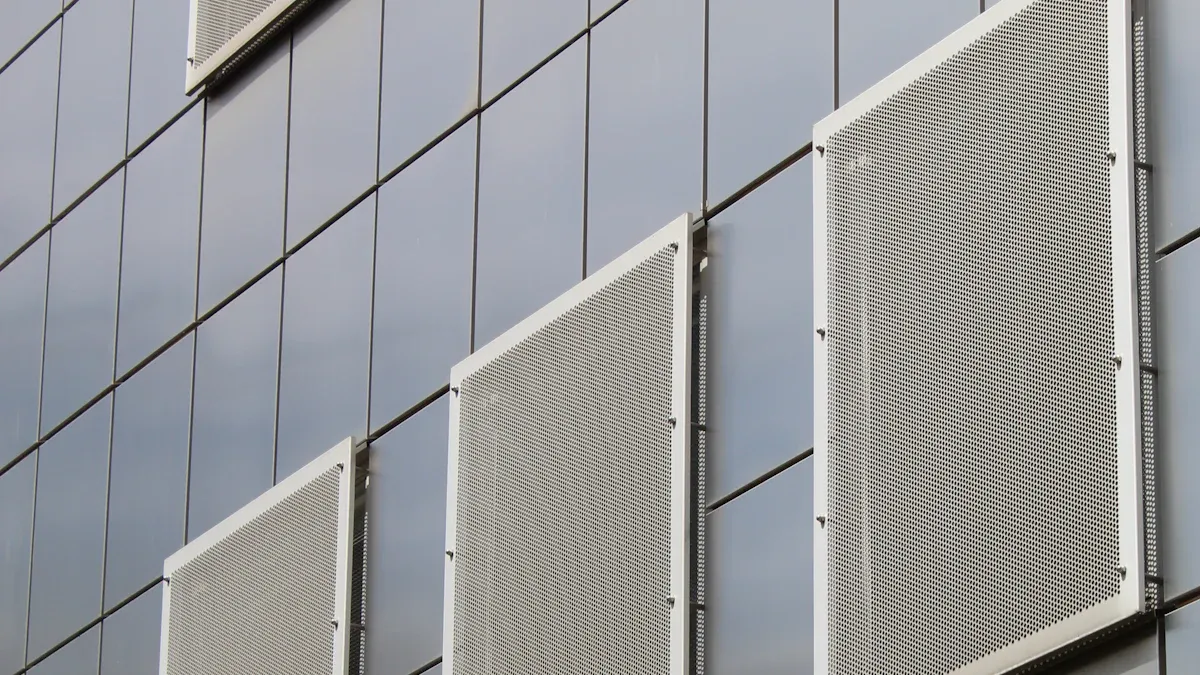
You want your building to look good and work well. Today, you can choose solar products that match your style. Solar panels do not have to look plain or stand out. You can pick colors, shapes, and finishes that fit your building. Some companies offer solar glass that looks like regular windows. Others make solar tiles that blend with your roof. You get energy from the sun and keep your building beautiful.
Tip: You can ask your architect to show you samples of solar products that match your design ideas.
Customization Options
You can customize building integrated photovoltaics to fit your needs. Architects and developers like this because it gives them more choices. You can change the color, shape, and texture of solar panels. This helps your building look unique and modern. You also save space because solar panels can take many forms. Some solar windows help control indoor temperature, so you use less heating and cooling.
| Aspect | Description |
|---|---|
| Aesthetic Appeal | You can match the color, shape, and texture to your building for a better look. |
| Space Efficiency | Solar panels come in many forms, so you do not lose space or style. |
| Dual Functionality | Solar windows help save energy and keep rooms comfortable. |
You can work with designers to choose the best options for your project.
Seamless Envelope Integration
You want your solar panels to fit perfectly with your building. Seamless integration means you do not see wires or frames. The panels look like part of the roof, wall, or window. You get a strong and weatherproof building. Here are ways to make integration smooth:
- Frameless solar panels blend with building materials.
- Special mounts hold panels tight to surfaces.
- Insulation layers keep energy inside and support the panels.
- Power optimizers and inverters fit into the building safely.
- Sealants and waterproofing protect against rain and heat.
- You can use these systems on roofs, walls, windows, and shades.
You get a building that looks clean and modern. You also make sure your solar system lasts a long time.
Efficiency & Performance
High-Efficiency Cells
You want your building to make lots of energy. High-efficiency solar cells help with this. These cells use new designs and materials. They catch more sunlight and make more electricity. Some cells have special coatings. These coatings help them reflect less light. Other cells use layers that trap sunlight inside. Some cells work well even on cloudy days. You need fewer panels when you use high-efficiency cells. This saves space and keeps your building neat.
Smart Energy Systems
Smart energy systems help you manage your building’s power. You can see how much energy you use. You can also store extra power for later. These systems use sensors and software. They help your building use energy better. You can see real-time data and change how you use power.
Smart energy systems let you control energy with your phone or computer.
Here are ways smart energy systems help building integrated photovoltaics:
- You help your building use energy in a smart way.
- You help your community use its own energy.
- You make your building use energy better.
| Aspect | Description |
|---|---|
| Innovative Technologies | New tools help you manage energy better. |
| Modeling Techniques | You can check your system and make changes for more power. |
| Control Techniques | Smart controls let you change energy use for best results. |
Durability & Weather Resistance
You want your building to last and stay safe. Building integrated photovoltaics protect against weather and fire. These systems use strong glass and special layers. They keep out water and block harmful sunlight. You get better fire safety and waterproofing than normal solar panels.
| Feature | Normal Solar Panels | BIPV |
|---|---|---|
| Fire Resistance | Low | High (glass + PVB, fire rated) |
| Waterproofing | Moderate | High (sealed building integration) |
| UV Resistance | Poor | Excellent (PVB is UV stable) |
| Structural Strength | Weak | High (tempered glass core) |
You can trust BIPV systems because they pass tough tests. They last more than 25 years. Your building stays strong and keeps you safe from rain, wind, and sun.
Applications
Residential
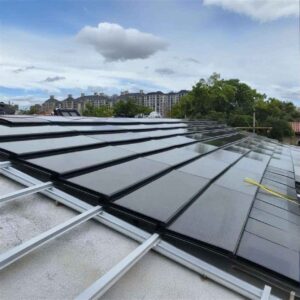
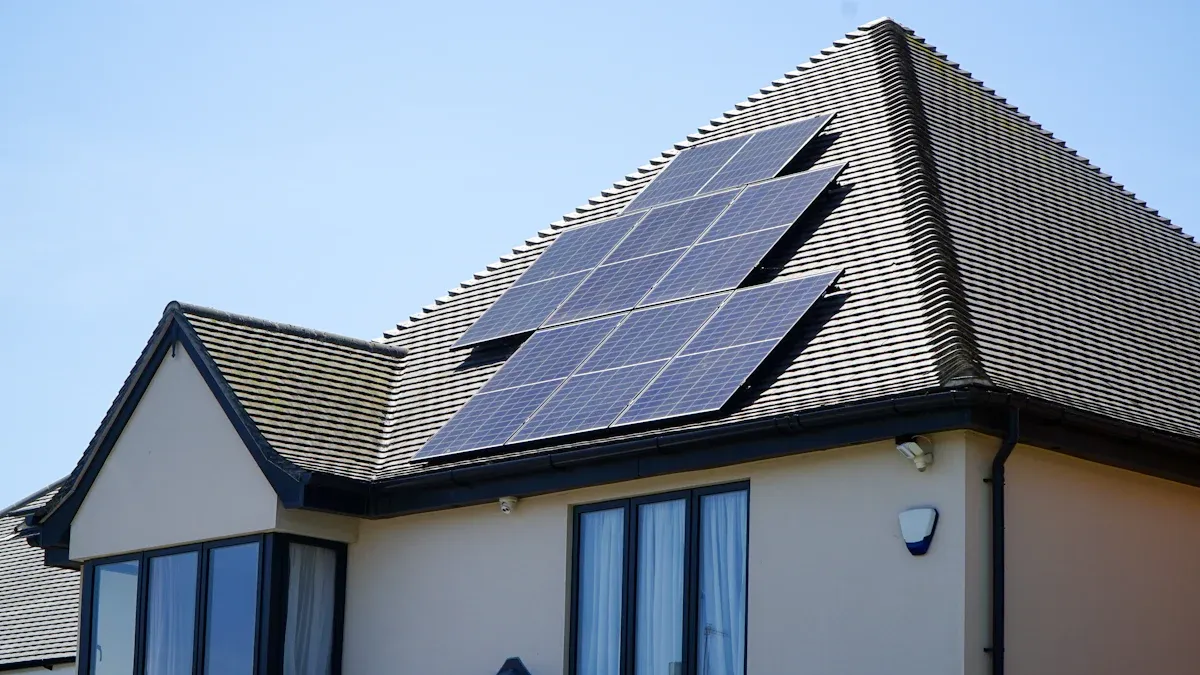
You can use building integrated photovoltaics (BIPV) in your home in many ways. Many people choose to add solar panels to their roofs, façades, or even windows. These systems let your house make its own electricity. You help the environment and lower your energy bills at the same time. More people want homes that use less energy and meet net-zero goals. This trend is strong in cities in Asia-Pacific and Europe. People in these places want to save money and follow new rules about clean energy. You can join this movement by choosing BIPV for your next home project.
Commercial & Industrial
Businesses and factories also use BIPV to meet their energy needs. You can see solar panels built into office buildings, shopping centers, and warehouses. These systems help companies use less power from the grid and cut down on pollution. Many companies want to show they care about the planet. BIPV helps them reach their sustainability goals.
| Practice | Description |
|---|---|
| Integrate BIPV | Add solar materials to roofs, walls, or windows. These parts look good, protect the building, and make electricity. |
- You can turn large surfaces into energy sources.
- You help your business save money and meet green standards.
Retrofitting
You do not need a new building to use BIPV. You can add these systems to older buildings too. Retrofitting comes with some challenges, but new designs make it easier. You can pick products that look better and last longer. Safer and faster installation methods help you avoid problems.
- Improved BIPV products now look better and work longer.
- New ways to install and maintain BIPV make the process safer and faster.
- You can connect BIPV to your building’s energy system for better results.
Tip: If you want to upgrade your building, ask about BIPV options that fit your style and needs.
Benefits
Cost & ROI
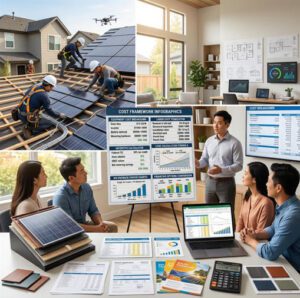
You may ask if building integrated photovoltaics cost more than normal materials. The first price is higher, but you get more than just a wall or roof. You also get a power source that saves you money over time. Here is a table showing the average cost for each material:
| Material Type | Cost per square meter (€/m2) |
|---|---|
| BIPV (eFacade LITE) | 55.30 (after ITC) |
| BIPV (eFacade) | 96.95 (after ITC) |
| Traditional Brick | 12 – 35 |
| Aluminum Cladding | 30 – 70 |
| Glass Curtain Wall | 50 – 120 |
| Fiber Cement Panels | 20 – 50 |
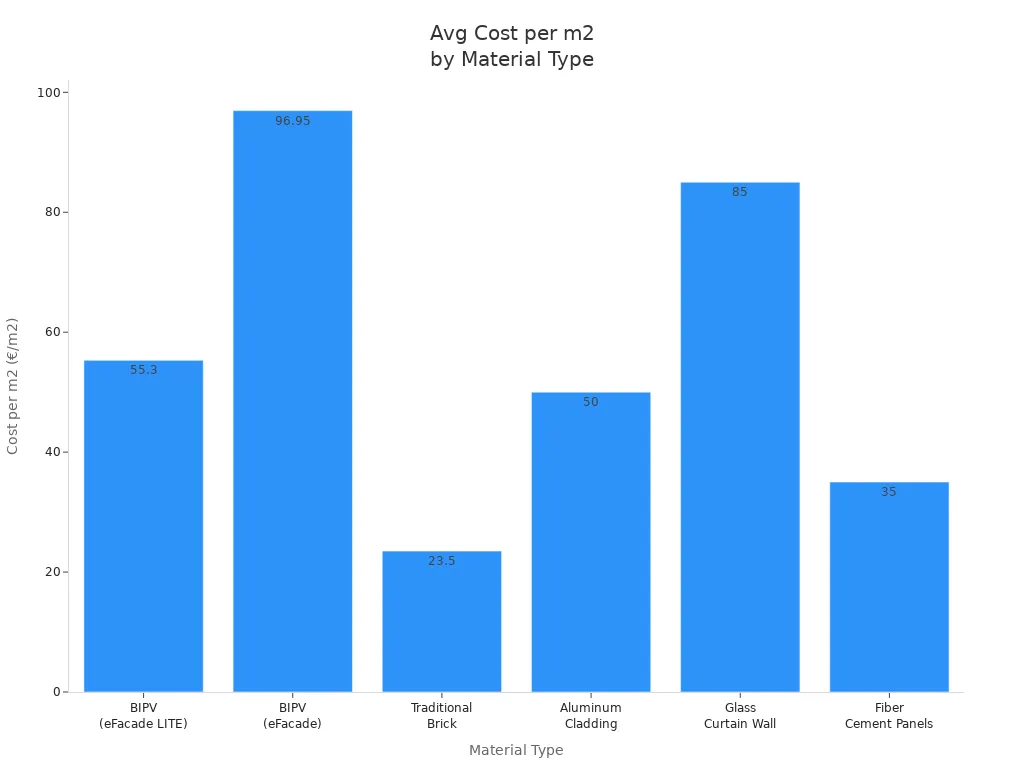
You pay more at the start for BIPV. But you save money on your energy bills every month. Over time, you get your money back as you use less power from the grid.
Energy Savings
BIPV helps your building use less energy every year. You need less heating and cooling. You also make your own electricity. Studies show you can save a lot:
| Study | Energy Savings (%) | Description |
|---|---|---|
| Huang et al. | Up to 81.63% heat gain reduction, 32.03% heat loss reduction | PV glass units improve thermal efficiency and power production. |
| Shi et al. | 2.76% to 105.74% | PV-louvers cut energy use in different climates. |
| Cannavale et al. | 4% passive energy use drop, 15% net energy cut | Semi-transparent PV glazing in Italy reduced energy use. |
| Olivieri et al. | 18% to 50% | BIPV windows saved energy compared to regular glass in Madrid. |
You can see your energy bills go down. Your building stays comfortable all year.
Sustainability
BIPV helps the planet. You use fewer new materials and make less trash because solar panels are part of your building. You also make clean energy, so you lower your carbon footprint.
| Benefit | Description |
|---|---|
| Reduced Carbon Footprint | You help cut greenhouse gas emissions. |
| Energy Efficiency | Your building uses energy better and wastes less. |
- You use less space and fewer materials.
- You make less waste when you build.
- You help save natural resources for the future.
Building integrated photovoltaics make your building greener and smarter. You help fight climate change and help your community.
Overcoming Barriers
Installation
When you put in building integrated photovoltaics, you might have some problems. High energy costs can worry people. Some people do not like how the panels look. Work can bother people living or working in the building. The table below shows some problems and ways to fix them:
| Challenge | Solution |
|---|---|
| Energy cost allocation | Offer Power Purchase Agreements (PPAs) or Solar Lease options to reduce tenant costs. |
| Aesthetic concerns | Use low-profile solar panels or BIPV for a sleeker appearance. |
| Disruptions during installation | Schedule installation work during off-peak hours to minimize disruptions for tenants. |
You should also think about money, new products, the environment, and rules. Companies now let you pay in smaller amounts. Some products look better than before. You can ask workers to come when it is quiet. This way, they do not bother people as much.
Tip: Talk to your installer about the best time to start. This helps your building stay calm and busy at the right times.
Regulations
Sometimes, rules make it hard to use building integrated photovoltaics. Some problems are high starting costs, lower efficiency, and tricky setups. The table below shows some common problems with rules:
| Barrier Type | Description |
|---|---|
| High Initial Installation Costs | Upfront costs are significantly higher compared to conventional PV modules, limiting adoption. |
| Efficiency Concerns | BIPV systems may have lower efficiency levels than traditional rooftop solar systems. |
| Complex Installation & Maintenance | BIPV requires specialized design and construction expertise, complicating integration and maintenance. |
| Limited Awareness | Lack of awareness about BIPV’s benefits is slowing growth in emerging economies. |
You can learn about new rules and rewards for using BIPV. Some governments give you money back or tax breaks. There are more classes for people who install these systems. These changes help you pick BIPV for your building more easily.
Maintenance
You want your building integrated photovoltaics to last a long time. The good news is, they do not need much work. You clean the panels and check them once a year. The table below shows what you might need to do and how much it costs:
| Maintenance Activity | Cost Range | Frequency |
|---|---|---|
| Routine Cleaning | $150 – $300 | Annually |
| Annual Inspections | $150 | Annually |
| Inverter Replacement | $1,000 – $3,000 | Every 5 to 10 years |
| Miscellaneous Repairs | $200 – $1,000 | Annually (as needed) |
You spend less on upkeep than with old systems. Over time, you pay about $0.02 to $0.05 for each kWh to keep things running. Simple checks each year keep your building safe and your power working.
Note: Cleaning and checking your system every year helps it work better and last longer.
Research & Trends
Emerging Tech
New technology is changing how buildings use solar power. Scientists are making BIPV systems work better and easier to put in. Some solar panels for windows let in most of the light but still make power. These panels can let in up to 70% of sunlight. Quantum dot solar cells might reach up to 50% efficiency by 2030. Perovskite-silicon tandem cells could reach 35% efficiency by 2027. The price for these cells may drop below $0.10 for each watt.
- Better materials help BIPV systems work well.
- AI and machine learning help you save energy right away.
- New building materials put solar power into walls and roofs.
- Transparent solar panels work for windows and skylights.
- Quantum dot solar cells help cities make more power.
- Perovskite-silicon tandems make power cheaper and better.
As these new technologies get better, buildings will use more surfaces to make solar power.
Smart Buildings
BIPV can help make your building smarter. Smart buildings use walls and windows to make energy. Sensors and software track how much energy you use all the time. BIPV glass gives you power and makes your building look cool. You can reach net-zero energy goals faster. Architects use these systems to design buildings that save energy and look nice.
Smart buildings help you use less energy and save money.
Market Growth
The BIPV market is getting bigger very fast. In 2023, the market was worth $15.1 billion. Experts think it will grow to $42.0 billion by 2029. The market grows by almost 20% every year. More people want green buildings. There are more products and lower prices now.
- The BIPV market grows by 19.7% each year from 2024 to 2029.
- More countries are helping with solar building projects.
Government Initiatives & Industry Collaboration
Governments and companies are helping people use BIPV. France pays a lot for solar power from buildings. India started a program in 2024 to give free electricity to homes with rooftop solar. Many groups work together to make BIPV better.
| Initiative Name | Description |
|---|---|
| Feed-in Tariff (France) | Pays more for electricity from building solar panels. |
| PM Surya Ghar Muft Bijli Yojana (India) | Gives free electricity to homes with rooftop solar. |
| Collaborating Entity | Focus Area |
|---|---|
| Fraunhofer CSP | Makes BIPV materials and manufacturing better. |
| Baltic Renewable Partners | Works on adhesives and connections for panels. |
| Institute for Solar Energy Research | Improves materials for building facades. |
| MN Metall | Makes aluminum parts for BIPV. |
| Solarnative | Helps put photovoltaics into building designs. |
| VHF Plan Liesenhoff | Studies how to use BIPV in buildings. |
You get help from new rules, better products, and teamwork. This makes BIPV easier to use and costs less.
New ideas in building integrated photovoltaics help buildings use energy better. You see new materials and designs that make buildings look nicer and work harder.
- You can make your own energy and help the planet.
- Your building is worth more when BIPV panels fit in well.
- Architects can try new and different building styles.
The BIPV market is getting bigger as prices go down and technology gets better. You will find more ways to save energy and make your building worth more in the future.
FAQ
What is building integrated photovoltaics (BIPV)?
You use BIPV to make electricity from sunlight. These systems replace regular building materials like roofs or windows. You get energy and protection at the same time.
Can you install BIPV on old buildings?
You can add BIPV to older buildings. New products fit many styles and shapes. You improve energy use and keep your building looking good.
How long does BIPV last?
You get strong panels that last over 25 years. You clean and check them once a year. You save money and energy for a long time.
Does BIPV work in cloudy weather?
You still make electricity on cloudy days. High-efficiency cells help you get power even with less sunlight. You see lower output, but your system keeps working.
What maintenance does BIPV need?
You clean panels and check systems every year.
You replace inverters every 5 to 10 years.
You spend less on upkeep than with regular solar panels.