You may wonder if a hybrid or off-grid solar energy inverter suits your home best. Your answer depends on how close you live to the power grid, your budget, and your energy goals. Think about what matters most for your lifestyle. If you want expert advice, Jia Mao Bipv can help you explore your options.
Key Takeaways
Hybrid inverters work with the grid and batteries. They give you more choices for power. Pick this if you want backup power.
Off-grid inverters give full energy freedom. They are best for places far from the grid. These use only solar and battery power.
Think about where you live and how much energy you need. Cities may do better with hybrid systems. Country areas may need off-grid systems.
Money matters a lot. Off-grid systems cost more at first because of batteries. Hybrid systems can cost less if you have grid access.
Look at how you use energy each day. Knowing your power habits helps you pick the best inverter for you.
Hybrid vs. Off-Grid Solar Energy Inverter
What Is a Solar Energy Inverter?
A solar energy inverter lets you use power from your solar panels at home. Solar panels make direct current (DC) electricity. But homes use alternating current (AC) electricity. The inverter changes DC into AC. You need an inverter to use solar power for lights and appliances.
Hybrid Inverter Overview
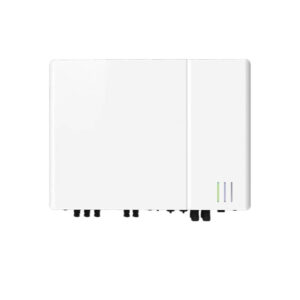
A hybrid inverter links your solar panels to the grid and batteries. You can use solar energy in the daytime. Extra power goes into batteries for later. If you need more power, the hybrid inverter uses the grid. This inverter gives you choices. You can use solar, battery, or grid power.
Here are the main functions of a hybrid inverter:
| Function | Description |
|---|---|
| DC-to-AC Power Conversion | Converts direct current (DC) from solar panels into alternating current (AC) for home use. |
| Regulation of the Power Supply | Manages varying power output from solar panels based on sunlight availability. |
| Power Monitoring | Monitors system performance and identifies faults through software or apps. |
| Maximum Power Point Tracking (MPPT) | Optimizes energy production by adjusting to conditions for maximum efficiency. |
Hybrid inverters help you get more from your solar panels. You can check your energy use and see your savings. Jia Mao Bipv has hybrid inverter options that make solar energy easy to manage.
Off-Grid Inverter Overview
An off-grid inverter works without any grid connection. You only use solar panels and batteries for power. This inverter is good for faraway places or where there is no grid. Off-grid inverters must always give steady power.
Key features of off-grid inverters include:
| Feature | Description |
|---|---|
| High Efficiency | Achieves up to 99.9% efficiency with advanced MPPT technology. |
| Reliable Output | Delivers high-quality pure sine wave AC power for dependable performance. |
| Safety and Compliance | Holds certifications for international safety standards. |
| User-Friendly Design | Easy to install and operate for homes and businesses. |
| Battery Compatibility | Supports many battery types and works with battery management systems. |
| Intelligent Features | Offers remote monitoring and smart activation for lithium-ion batteries. |
Off-grid inverters give you energy freedom. You do not have to worry about blackouts or grid problems. Jia Mao Bipv can help you pick an off-grid system that works for you.
Key Differences
You might ask how hybrid and off-grid solar energy inverters are different. Here are the main differences:
- Grid Connection: Hybrid inverters connect to the grid and batteries. Off-grid inverters work only with batteries and solar panels.
- Backup Power: Hybrid inverters use the grid as backup. Off-grid inverters rely only on stored battery power.
- Cost: Hybrid systems may cost less if you already have grid access. Off-grid systems need more batteries, which can raise the price.
- Reliability: Off-grid inverters provide power even if the grid fails. Hybrid inverters switch between solar, battery, and grid power for steady supply.
- Adaptability: Hybrid inverters suit homes with changing energy needs. Off-grid inverters work best for places without grid access.
Tip: If you want choices and backup from the grid, a hybrid inverter may be best. If you want full independence, try an off-grid inverter.
Picking the right solar energy inverter depends on where you live, your budget, and your energy needs. Jia Mao Bipv can help you look at your options and find what works best for your home.
Hybrid Solar Inverter Pros and Cons
Hybrid Inverter Advantages
When you pick a hybrid solar energy inverter, you get many good things. Many people feel more in control of their energy. They can make and keep their own electricity at home. You do not have to count on the grid if the power goes out. You also do not worry as much about changing electricity prices. This helps you feel calm and safe.
Here are the main good points:
- You pay less for your power bills. Hybrid inverters help you use less grid electricity.
- You might get money back or special deals. These can help you get your money back faster.
- Most people get their money back in 5 to 8 years. This means you do not wait too long to save.
- You can check how much energy you use and save. Many systems have easy apps for this.
- Jia Mao Bipv has hybrid choices that help you use solar energy and save more.
Tip: Hybrid inverters let you pick where your power comes from. You can use solar, battery, or grid power when you need it.
Hybrid Inverter Disadvantages
There are some hard parts with hybrid solar energy inverters. Some people have trouble with batteries not working well together. If you use the wrong battery, your system might not work right or could break. Hybrid inverters have a lot of parts inside. You may need to fix them often, which can cost more and be tricky.
Here are some common problems:
- Backup power is not always enough. How much power you get in an outage depends on your battery size. Sometimes it is not enough for everything.
- Problems with software can happen. Bugs can make things stop working, and updates might not fix it.
- The inverter can lose power as it gets older. It may not work as well after some years.
- New rules can make it harder to set up or connect to the grid.
Note: Make sure your battery works with your system and plan for repairs before you get a hybrid inverter.
Off-Grid Solar Inverter Pros and Cons
Off-Grid Inverter Advantages
If you want full control of your home’s energy, off-grid solar energy inverters can help. These inverters let you live without worrying about blackouts or high bills. The system stores solar power in batteries. You will have energy when you need it.
Here are some main advantages:
- You can make your own power and lower your bills.
- Off-grid systems give steady power, even during storms or blackouts.
- These systems are good for the environment because they make clean energy.
- It is easy to install, and you do not need much help. Maintenance is simple and does not take long.
- You can change your system to fit your home’s needs. This helps you use energy wisely.
- Homes with off-grid systems can be worth more because they are sustainable.
Tip: Off-grid solar energy inverters are best for faraway places or where the grid is not reliable. Jia Mao Bipv can help you find a system that gives you energy freedom.
Off-Grid Inverter Disadvantages
You should know about the hard parts before picking an off-grid system. The biggest problem is the high starting cost. You need many batteries and other equipment, so you pay more at first than with grid-tied systems.
- You spend more at the start because batteries and controllers are expensive.
- Battery storage costs a lot, and the price can go up fast.
- You will need to buy new batteries over time, which can cost more later.
- Off-grid systems may not work well for homes that use a lot of energy unless you buy more batteries.
Here is a table that shows how changing batteries can affect your budget:
| Scenario | Action | Cost Impact |
|---|---|---|
| Inverter Layer Needs Update/Repair | Replace only the inverter top layer | Lowers the cost from $5,000 to $1,500 |
| One Battery Layer Degrades | Swap out just the battery module | You pay for only 25% or less of total storage |
Note: Plan ahead for battery changes and upgrades. This will help you avoid problems and keep your system working well.
Jia Mao Bipv can help you understand the costs and pick the best solar energy inverter for your home.
Choosing the Right Solar Energy Inverter
Location and Grid Access
Where you live is important when picking a solar energy inverter. If your home is in a city or suburb, you probably have a good grid. In these places, grid-tied or hybrid systems work well. You can use the grid for backup and do not need as many batteries. If you live far away from the grid, you need an off-grid system. This gives you full control but you must plan for more batteries. Some places have grids that stop working a lot. In these areas, hybrid systems give you backup power and more choices.
Here is a table that shows how where you live changes your choice:
| Geographic Region | System Type | Reason for Choice |
|---|---|---|
| Urban/Suburban | Grid-tied | Reliable grid access and lower costs |
| Remote Locations | Off-grid | No grid access, need for independence |
| Areas with Unreliable Grid | Hybrid | Frequent outages, need for backup and grid interaction |
Tip: Check if your grid is reliable before you decide. Jia Mao Bipv can help you pick the best system for your area.
Budget and Cost Factors
How much money you have matters when you choose a solar energy inverter. Off-grid systems cost more because you need extra batteries and controllers. The total price for off-grid systems can be from $6,600 to $39,000. Hybrid systems usually cost less if you already have grid access. The cost to install a solar inverter is between $1,500 and $4,000. The inverter itself costs between $800 and $3,000.
Government help can make your costs lower. Federal programs like tax credits, state rebates, and local grants can help you save money. For example, a 30% federal tax credit can save you thousands of dollars. If you spend $30,000, you could get $10,000 back, so you only pay $20,000.
| Type of Incentive | Description |
|---|---|
| Federal Programs | Investment tax credits for big savings |
| State/Provincial Programs | Rebates, grants, and credits for renewable energy |
| Local Programs | Extra rebates or easier permits |
Note: Ask about deals in your area. Jia Mao Bipv can help you learn about costs and find savings.
Energy Independence
Many people want energy independence. You may want to avoid blackouts or high power bills. About 73% of people say energy independence is a main reason for getting solar panels. Hybrid and off-grid systems both help you be independent. Hybrid inverters use solar, batteries, and the grid during outages. Off-grid inverters use only batteries for backup power.
| Type of Inverter | Power Source During Outages |
|---|---|
| Hybrid Solar Inverter | Solar panels, batteries, and grid |
| Off-grid Solar Inverter | Batteries only |
Alert: If you want the most independence, pick an off-grid system. If you want backup and more options, a hybrid system may be better for you.
Lifestyle Needs
How you live and use energy matters when you choose. Most homes make the most solar energy from 10 AM to 3 PM. People use the most energy in the morning and evening. This means you need to save energy for later. Battery storage lets you keep extra energy for when you need it.
Think about these questions:
- Do you want to save money on your bills? (Most people do.)
- Do you need backup power for blackouts? (Many people say yes.)
- Do you want to live off the grid or just use it less?
- How much energy do you use each day?
Tip: Look at your energy use and how you live before you choose. Jia Mao Bipv has systems for many needs and can help you reach your energy goals.
Checklist for Choosing Your Solar Energy Inverter:
- Where do you live? (City, far away, or place with grid problems)
- What is your budget for setup and repairs?
- Do you want full energy independence or just backup power?
- How much energy do you use in the morning and evening?
- Are there any rebates or deals in your area?
- Do you want a system that is easy to check and upgrade?
If you answer these questions, you can find the right solar energy inverter for you. Jia Mao Bipv can help you at every step and make sure you choose well.
Decision Checklist
Key Questions
When you pick a solar energy inverter, ask yourself some questions. These questions help you find what works best for your home and how you live. Here is a list to help you:
- What size hybrid inverter fits your home?
- Is your inverter good enough to save you money?
- Will your solar system work with your battery choice?
- What warranty should you look for in 2026?
- Does a hybrid inverter have the monitoring you want?
- Are safety certifications needed for your system?
- Who should put in your inverter system?
- What maintenance keeps your solar inverter working well?
Tip: You can ask Jia Mao Bipv for help with these questions and get expert advice.
Solar experts say you should also think about these things:
- Roof design and shading: Look at your roof and see how much shade it gets.
- System size and scalability: Think about how big your system is and if you want to make it bigger later.
- Energy usage patterns: Check when you use the most electricity.
- Monitoring preferences: Decide how much you want to watch your system’s performance.
- Budget and return on investment: Think about how much you pay at first and how much you can save.
- Grid reliability and backup needs: Think about how often you need backup power.
Quick Guide Table
You can use this table to compare hybrid and off-grid solar inverters. It shows the main features, costs, and how each type fits different needs.
| Feature | Hybrid Inverter | Off-grid Inverter |
|---|---|---|
| Initial Cost | Higher inverter cost, lower battery requirement | Lower inverter cost, higher battery investment |
| System Complexity | More electronics and smart controls | Simpler setup, careful sizing needed |
| Expandability | Easy to expand with panels or batteries | Limited by inverter and battery capacity |
| Energy Independence | Partial (still grid-connected) | Complete (self-sufficient) |
| Maintenance | Low — grid support reduces battery wear | Higher — deep battery cycling shortens lifespan |
Note: Use this table to match your needs with the right inverter. Jia Mao Bipv can help you look at your choices and make a smart decision.
Picking a hybrid or off-grid solar inverter depends on what you need. You should think about how much electricity you use. Look at when you use the most power and what you want later. Here is a simple table to help you compare:
| Aspect | Hybrid Inverters | Off-Grid Inverters |
|---|---|---|
| Power Supply | Limited backup | Continuous operation |
| Surge Capacity | Often limited | Higher surge capacity |
| Best For | Occasional blackouts | Frequent, long outages |
You can ask Jia Mao Bipv to help you find the right inverter. Always look at how well it works, the warranty, and if it is safe. A solar expert can help you pick the best one for your home.
FAQ
What is the main difference between hybrid and off-grid solar inverters?
Hybrid inverters connect to both the grid and batteries. Off-grid inverters work only with batteries and solar panels. You choose based on your location and energy needs.
Can you upgrade your system later if you start with a hybrid inverter?
You can add more solar panels or batteries to most hybrid systems. Jia Mao Bipv offers flexible options that let you expand your setup as your needs grow.
How long do solar inverter batteries last?
Most batteries last five to ten years. You should check your system often. Jia Mao Bipv can help you find batteries with longer lifespans and good warranties.
Do you need professional help to install a solar inverter?
You should ask a certified installer for help. Proper installation keeps your system safe and working well. Jia Mao Bipv provides expert support for every step.



-300x300.jpg)