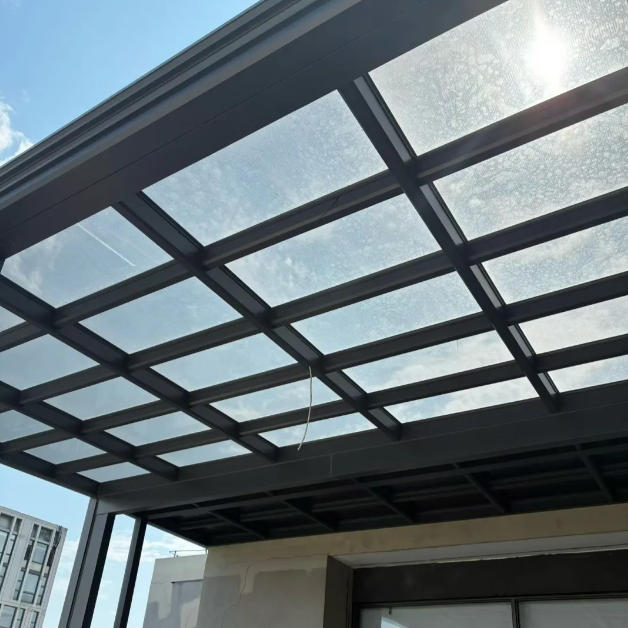
As a distributor or agent in the new energy sector, you’re facing increasing competition and evolving customer demands. Solar glazing represents a high-margin opportunity to diversify your product line, attract environmentally-conscious buyers, and position yourself as a comprehensive energy solutions provider—not just another product reseller.
Solar glazing transforms building surfaces into revenue-generating assets — and opens a completely different customer conversation for distributors.
Why Solar Glazing Matters to Your Distribution Business Right Now
Walk into any major commercial construction tender in 2025 and you’ll see a consistent pattern: architects and developers are no longer specifying solar panels as an afterthought. They’re integrating energy-generating materials directly into the building skin from day one.
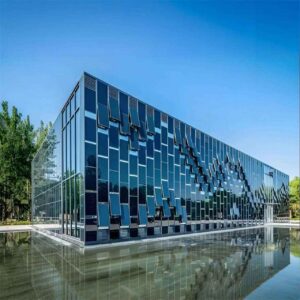
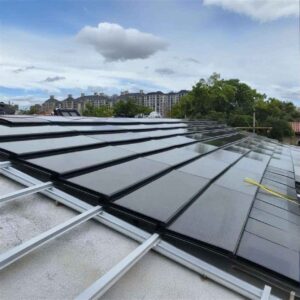
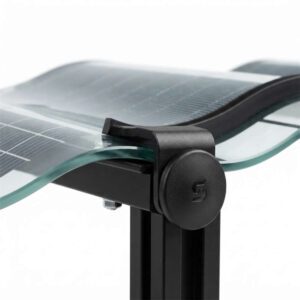
Solar glazing — photovoltaic (PV) technology embedded directly into glass used for facades, windows, skylights, and canopies — is the product category making that integration possible. It generates electricity while simultaneously serving as a structural glazing material. That dual function is exactly what separates it from traditional solar, and exactly why it commands a different conversation, a different customer, and a different margin structure.
For distributors and agents operating in the new energy market, the timing matters. The global BIPV glass market was valued at USD 7.21 billion in 2024 and is projected to reach USD 63.54 billion by 2034, growing at a CAGR of 21.88% (Market Research Future, 2024). The distributors establishing supply chains, customer relationships, and technical expertise in this category now will be the ones holding the commercial relationships when the market hits mainstream scale.
This guide is written for distributors, agents, installers, and contractors who are evaluating whether and how to add solar glazing to their existing new energy portfolio. It covers the market opportunity, the distribution challenges it solves, the customer segments it unlocks, and a step-by-step strategy for building a profitable solar glazing operation without overextending your existing business.
1. The Market Opportunity You’re Missing: Why Solar Glazing Is Your Next Growth Driver
The New Energy Market Is Shifting — Are You Keeping Pace?
The new energy distribution market is bifurcating at an accelerating pace. On one side: commodity panel distribution, where margins have compressed significantly as hardware costs dropped and competition intensified. On the other: integrated building energy solutions, where the product is specified by architects and engineers rather than purchased by homeowners comparing quotes online.
Solar glazing lives entirely in the second category.
Unlike standard rooftop panels — where your customer knows the wattage they need and shops five distributors simultaneously — solar glazing is specified by design professionals who need a supplier with technical credibility, customization capability, and reliable project support. That specification-driven sales process fundamentally changes your competitive environment.
What this shift means practically: A commercial developer who has worked with you on a solar glazing facade project is not going to run an open tender next time. They’ll call you. That relationship dynamic doesn’t exist in commodity panel distribution.
The BIPV market data from Fortune Business Insights shows the global BIPV market growing from USD 23.41 billion in 2025 to USD 85.9 billion by 2034 — a compound annual growth rate that puts this squarely in the category of growth markets where early positioning creates lasting advantage.
Why Your Competitors Are Already Moving Into Solar Glazing
The profit margins that make solar glazing worth your attention
Distributors who have transitioned from commodity panels to solar glazing consistently report margin improvements in the 20–35% range over their traditional panel portfolio (Jia Mao BIPV internal distributor data, 2025). The reason is structural: solar glazing is purchased as a premium building material with dual functionality, not as commodity wattage.
A commercial client who is replacing an entire building facade with glazing panels is already spending on architectural glass. When that glass generates electricity, the incremental cost is justified against both the energy savings and the avoided cost of conventional glazing. The framing is fundamentally different from “how much per watt.”
The table below illustrates the typical margin structure difference:
| Product Category | Typical Distributor Gross Margin | Sales Cycle | Decision Maker |
|---|---|---|---|
| Standard residential panels | 8–15% | 2–6 weeks | Homeowner |
| Commercial PV arrays | 12–20% | 8–16 weeks | Procurement/FM team |
| Solar glazing (residential) | 25–35% | 4–8 weeks | Architect + homeowner |
| Solar glazing (commercial facade) | 28–42% | 3–6 months | Architect + developer |
| BIPV skylight systems | 30–45% | 2–5 months | Architect + contractor |
Sources: Jia Mao BIPV distributor data; Market Research Future BIPV Glass 2024; industry interviews.
How early movers are capturing market share before saturation hits
In most regional markets outside of Europe’s most advanced BIPV markets, the number of distributors actively specializing in solar glazing is still in the single digits. That’s a 12–18 month window before the category hits mainstream distribution attention.
Early-mover distributors in Southeast Asian and Middle Eastern markets who added solar glazing to their portfolios in 2022–2023 are now reporting that 30–45% of their new commercial inquiries come from referrals by architects who have worked with their products — a referral channel that commodity panel distributors simply don’t build.
Understanding Your Customer’s Real Problem
Builders and architects want integrated solutions, not fragmented products
The fastest-growing pain point among commercial developers and architects in 2025 is coordination complexity. Managing a structural glazing contractor, a separate solar PV contractor, and an MEP (mechanical, electrical, plumbing) engineer who needs to integrate both — while keeping a project timeline intact — is one of the most common reasons commercial projects run over budget.
When you show up as a distributor who can provide integrated solar glazing that handles both the glazing and the generation function simultaneously, you’re not just offering a product. You’re offering a reduction in coordination risk. That’s a value proposition that gets you in front of decision-makers much faster.
Homeowners are tired of complicated energy upgrades — they want simplicity
In the residential retrofit and luxury home segments, the objection to solar isn’t usually cost — it’s disruption and aesthetics. High-net-worth homeowners don’t want industrial-looking panel arrays on a custom-designed home. They want clean, integrated energy generation that looks intentional rather than bolted on.
Solar glazing — as a window, skylight, or roof material that happens to generate electricity — addresses that objection directly. Your conversation shifts from “solar panels” to “smarter building materials,” which is a conversation that premium residential buyers have regularly with their architects.
2. How Solar Glazing Solves Your Core Distribution Challenges
Challenge #1 — Margin Compression in Traditional Solar Products
The margin compression story in commodity solar distribution is not new, but it is accelerating. Module prices dropped approximately 40% between 2022 and 2024 (IEA data), and that compression flowed directly into distributor margins as customers gained price transparency through online comparison tools and multiple competing bids.
Solar glazing operates in a different competitive environment entirely.
How solar glazing products command premium pricing without customer resistance
The key is the dual-function value proposition. A standard commercial facade glazing project for a mid-size office building might use tempered low-e glass at $80–$120/m². The same facade specification using solar glazing glass costs $280–$450/m², but that comparison is misleading — because the solar glazing eliminates a separate PV system that would cost $60–$120/m² in its own right, while simultaneously meeting planning requirements for energy performance that the conventional glass doesn’t satisfy.
When you present the cost of solar glazing in the context of what it replaces — not as an addition to conventional glazing — customer resistance drops dramatically.
Real numbers: Expected margin improvements for distributors adding solar glazing
| Metric | Traditional Panel Distribution | After Adding Solar Glazing |
|---|---|---|
| Average gross margin (%) | 10–14% | 22–32% (blended portfolio) |
| Average transaction value | $8,000–$25,000 | $35,000–$250,000+ |
| Referral rate | 15–20% of new business | 35–50% (specification-driven) |
| Customer repeat purchase rate | 25–35% (next system) | 65–75% (ongoing project pipeline) |
| Annual revenue per active account | $18,000–$45,000 | $75,000–$400,000+ |
Note: Commercial facade and skylight projects tend to anchor the upper end of these ranges. Residential retrofit projects typically sit at the lower-to-mid range.
Challenge #2 — Customer Retention and Upselling Limitations
Why offering only panels leaves money on the table
A typical residential solar customer purchases once, gets connected to monitoring, and then has limited ongoing needs that require your involvement. The sales relationship is essentially transactional. Once the system is commissioned, there’s no natural next conversation — and your competitor can call them just as easily as you can when their system needs upgrading.
Solar glazing creates a fundamentally different customer relationship. A developer who uses your solar glazing on one commercial project has multiple buildings, multiple renovation cycles, and an architect relationship that spans years. The first project is the beginning of the relationship, not the end of it.
How integrated glazing solutions increase customer lifetime value
Research on B2B customer lifetime value consistently shows that customers who purchase integrated, multi-component solutions have 2–4x higher lifetime value than those making single-product purchases (Leadfeeder, B2B CLV analysis, 2024). The mechanism is straightforward: integrated solutions create switching costs, build institutional knowledge of your technical capabilities, and generate ongoing service requirements.
A commercial client who has integrated your solar glazing into three buildings knows your product line, trusts your technical support, and has trained their facilities team on your monitoring systems. The cost of switching to a competitor — even one offering a 10% price discount — is simply too high to justify for most buyers.
Challenge #3 — Standing Out in a Crowded New Energy Market
Differentiation through product bundling and comprehensive offerings
When your competitor is also offering 400W monocrystalline panels, bifacial modules, and string inverters, the product list looks identical to a commercial buyer. The only differentiation is price, lead time, and relationship — and two of those three are constantly under competitive pressure.
Solar glazing changes the category entirely. If you’re the distributor in your market who can specify, supply, and support BIPV facade systems, skylight installations, and transparent solar canopy projects, you’re not competing with commodity panel distributors — you’re competing with architectural product suppliers and specialist glazing contractors. That’s a much smaller, less price-sensitive competitive set.
Positioning yourself as a solutions provider, not a commodity seller
The language shift that consistently works in distributor repositioning: stop presenting yourself as a supplier of solar products and start presenting yourself as a provider of building energy performance outcomes. “We supply systems that allow your buildings to meet net-zero requirements without compromising facade design” is a categorically different value proposition than “we supply solar panels at competitive prices.”
That language repositioning is credible only when you have solar glazing in your portfolio. It’s difficult to be an integrated energy solutions provider when your product range stops at the roof.
3. Attracting New Customer Segments Through Solar Glazing

The Commercial Real Estate Market — Your Untapped Goldmine
Why commercial architects and developers prefer integrated solar solutions
The commercial real estate market has been moving toward integrated, energy-positive building design for several years — driven by a combination of mandatory energy performance standards, ESG (Environmental, Social, Governance) reporting requirements for institutional owners, and tenant demand for LEED or BREEAM-certified spaces.
Research published in Science Direct shows that ventilated solar facades can achieve energy savings of 20–55% compared to conventional buildings (ScienceDirect, 2024). Cell analysis in One Earth journal found that photovoltaic windows can reduce building energy use and CO₂ emissions by up to 40% in highly glazed commercial buildings (Cell Press, 2022).
For architects who are required to hit specific energy performance targets, solar glazing is not optional — it’s often the most elegant solution that simultaneously meets structural, aesthetic, and energy requirements.
How solar glazing opens doors to larger, longer-term contracts
A residential solar sale is typically a single transaction worth $15,000–$45,000. A commercial glazing project for a mid-size office building — say, 2,000–5,000 m² of facade glazing — generates contract values of $500,000–$2,500,000 from a single project. The sales cycle is longer (3–6 months), but the economics justify significant investment in relationship development.
More importantly, commercial developers and institutional landlords typically have ongoing development pipelines. An architect firm that specifies your product on one project and is satisfied with your technical support and supply reliability will specify you again on the next project — and the one after that — without a competitive tender.
The Residential Retrofit Market — Where Premium Pricing Lives
Why homeowners will pay more for aesthetically integrated solar solutions
A 2024 analysis of premium residential solar adoption patterns consistently shows that homeowners with household incomes above $150,000 are significantly more likely to pay a 30–40% premium for solar solutions that match the aesthetic quality of their home’s existing architecture (EnergySage market data, 2024).
For this segment, the objection to solar is rarely financial. It’s visual. Panels on a custom architect-designed home look wrong, and no amount of ROI calculation resolves that objection.
Solar glazing resolves it entirely. A skylight that generates electricity looks like a premium skylight, not a solar array. A south-facing glazed conservatory or porch that powers the home’s electricity load looks like intentional architectural design. The premium pricing this aesthetic integration commands — often $180–$300/m² above standard glazing — flows directly to your margin.
The renovation and remodeling segment that traditional solar agents ignore
Home renovation contractors are one of the most consistently overlooked channels for solar glazing distribution. A kitchen renovation that opens the ceiling creates a natural opportunity for a solar skylight. A home extension with south-facing glazing is a natural BIPV application. A complete facade renovation is a natural solar glazing specification moment.
Traditional solar agents don’t reach renovation contractors because their product doesn’t fit into renovation workflows. Solar glazing does. A distributor who builds a trade relationship with 20–30 active renovation contractors in their region has a referral pipeline that commodity panel agents can’t access.
The Luxury and High-End Building Market
How solar glazing appeals to premium builders who won’t compromise on design
Premium builders and custom home constructors operate in a market where both their clients and their own professional reputation require that every product specified meets the highest aesthetic and technical standards simultaneously.
Standard solar panels fail the aesthetic test for this market. Solar glazing passes it — particularly products that use cell arrangement and transparency customization to create intentional architectural patterns rather than visible grid layouts.
Des fabricants comme Jia Mao BIPV offer customization of cell arrangement, glass tinting, and transparency levels from 10% to 90% — giving architects the design flexibility they need to integrate solar generation without visual compromise. For premium builders, that customization capability is table stakes.
Building relationships with architects and designers — your real decision-makers
In the luxury building market, the architect is almost always the specifying authority. The developer or homeowner defers to their architect on material selections that affect both performance and aesthetics. This means your sales effort in the luxury segment should be directed primarily at architects and interior designers, not at the end client.
The most effective strategy for building architect relationships: invite architects to product presentations that demonstrate the customization range of your solar glazing products, provide specification-ready product data sheets in the formats architects use (LEED documentation, U-value data, SHGC calculations), and make the specification process as low-friction as possible. Architects specify what they know. Make your product the one they know best.
4. Increasing Sales and Revenue Per Customer
The Upsell Strategy That Actually Works
How to position solar glazing as the natural next step in customer conversations
The most natural upsell from conventional panel sales to solar glazing happens in the context of building expansion or renovation. When an existing panel customer is extending their building or renovating a facade, the conversation becomes: “You’ve already invested in rooftop generation. For this new section, we can integrate generation directly into the glazing and eliminate the need for a separate panel installation.”
That framing is not a product pitch — it’s a solution to the project coordination problem the customer is already thinking about.
For customers who haven’t previously purchased from you, the entry-point conversation is: “What are your energy performance requirements for this building, and what constraints do you have on aesthetics and planning approval?” Both questions lead naturally to solar glazing as part of the answer.
Moving customers from single-product purchases to multi-solution contracts
The commercial customers who generate the highest long-term revenue for distributors are those who use a single supplier for multiple product categories across multiple projects. Building that multi-category relationship requires demonstrating capability across panels, inverters, monitoring, and glazing — not just one.
Solar glazing is the product category that most effectively anchors this multi-solution positioning, because it requires technical integration with both the building fabric and the electrical system. A customer who trusts you to manage that integration is highly unlikely to break the relationship apart to save a few percent on any individual component.
Bundling Strategies That Boost Average Transaction Value
Creating package offerings that make customers feel they’re getting better value
The most consistently successful bundling approach in solar glazing distribution combines: solar glazing panels + compatible inverter/storage system + monitoring software + first-year service plan into a single project proposal. The customer sees a complete energy performance outcome, not a list of products.
The table below shows a typical transaction value comparison between unbundled and bundled approaches for a mid-size commercial project:
| Project Approach | Components | Customer Perception | Typical Contract Value |
|---|---|---|---|
| Unbundled (product-only) | Solar glazing panels only | “I still need to source everything else” | $45,000–$90,000 |
| Partially bundled | Glazing + inverter system | “Simpler, but still gaps” | $70,000–$140,000 |
| Fully bundled | Glazing + inverter + monitoring + service year | “Complete solution, one point of contact” | $95,000–$200,000+ |
The fully bundled approach also generates significantly faster sales cycles because the customer doesn’t need to evaluate multiple suppliers simultaneously — reducing decision fatigue and competitive exposure.
How bundling reduces customer objections and accelerates sales cycles
The most persistent objection in commercial solar glazing sales is “we need to coordinate too many moving parts.” Bundling directly addresses this objection. When your proposal includes the glazing specification, the electrical integration, and the monitoring setup as a single deliverable with single-point accountability, the coordination complexity objection disappears.
Internal data from distributors using bundled proposals report 20–30% shorter sales cycles et 15–25% higher close rates compared to product-only proposals for the same customer segment.
Recurring Revenue Opportunities Through Maintenance and Monitoring
Why solar glazing systems create ongoing service relationships
Solar glazing installed on a commercial facade is not a set-and-forget product. Performance monitoring, annual panel cleaning (particularly relevant for vertical and inclined installations), electrical system inspections, and warranty management all require ongoing supplier involvement. For distributors, this creates a natural recurring revenue stream that commodity panel sales rarely generate.
A typical annual service plan for a 500 m² commercial solar glazing installation — covering remote performance monitoring, two physical inspections, panel cleaning, and inverter health checks — is priced at $3,500–$7,500 per year. Across a portfolio of 20 commercial accounts, that’s $70,000–$150,000 in predictable annual revenue that exists independently of new project sales.
Building predictable, recurring revenue streams your competitors don’t have
Recurring service revenue serves two strategic purposes beyond its direct financial value. First, it creates regular customer touchpoints that keep you front-of-mind when the next project or expansion comes up. Second, it makes your business more attractive for financing, strategic partnerships, or eventual exit — because recurring revenue is valued at a multiple of 3–5x versus transactional revenue in distribution business valuations.
Competitors who sell commodity panels and move on have no mechanism to build this recurring revenue stream. It’s structurally unavailable to them without a product category that requires ongoing performance management.
5. Competitive Advantages That Protect Your Market Position
Why Your Competitors Can’t Easily Replicate Your Solar Glazing Offering
The supplier relationships and technical expertise that create barriers to entry
Solar glazing is not a product category where a competitor can simply sign up a distributor account and start selling next week. Effective solar glazing distribution requires: trained technical sales staff who understand both glazing specifications and PV system integration; supplier relationships with manufacturers who offer customization capability, project engineering support, and reliable supply chains; and a reference project portfolio that demonstrates installation competence to skeptical architects and developers.
Building these capabilities takes 6–12 months minimum. A competitor who isn’t already building them is 12–18 months behind you — and every month you’re winning customer relationships they can’t access.
How early adoption gives you a 12–18 month competitive advantage
In most regional markets outside Western Europe, solar glazing distribution is currently in the early-adopter phase. The window to establish category leadership before the market reaches mainstream distribution is narrow. Market Research Future’s data shows the BIPV glass market accelerating from $7.21B (2024) to $63.54B (2034) — the inflection point where multiple distributors will flood the market is still ahead.
The distributors who move now will have the manufacturer relationships, the architect specification track record, and the customer testimonials that make it difficult for later entrants to compete on anything other than price. And in a specification-driven market, price is rarely the primary decision variable.
Building Brand Authority in the New Energy Space
Positioning yourself as the go-to expert, not just another distributor
Brand authority in the solar glazing market is built through three consistent activities: delivering technically superior project support, creating educational content (case studies, specification guides, performance data) that architects and developers use, and building a visible presence in professional networks where design professionals operate.
A distributor who publishes a detailed case study on a completed solar glazing facade project — including performance data at 6 and 12 months post-installation — generates more architect inquiries per dollar invested than any amount of general advertising. Architects share useful technical resources. They don’t share product catalogs.
How comprehensive product offerings attract better agents and resellers to your network
The best-performing sub-agents and resellers in any distribution network gravitate toward principals who offer product breadth, technical support, and marketing resources. A distributor who can offer solar panels, solar glazing, battery storage, and monitoring systems is categorically more attractive to recruit and retain as agent partners than one offering only panels.
Solar glazing in your portfolio makes you a more compelling principal — and the quality of your agent network is ultimately the ceiling on your distribution revenue.
Creating Switching Costs That Lock In Your Customers
Why customers who buy integrated solutions stay longer and buy more
The switching cost created by integrated solar glazing relationships is primarily technical and relational, not contractual. A developer whose facilities team is trained on your monitoring platform, whose MEP engineers know your product specifications, and whose architect partner has used your customization service on three projects has a very high friction cost to switching to a competitor — regardless of whether any contract prevents them from doing so.
This is the most durable form of customer retention, because it doesn’t depend on contractual lock-in that creates resentment, but on genuine technical interdependence that creates loyalty.
The customer stickiness that comes from being their primary energy solutions partner
Customers who work with you across multiple product categories — glazing, generation, storage, monitoring — think of you as their energy solutions partner, not their solar supplier. That positioning makes you the first call when any energy-related question comes up, including new building projects, renovation planning, and efficiency audits. The commercial value of being the first call versus being one of five competing bids is measurable in win rate and margin preservation.
6. Technical Knowledge and Support — Your Competitive Moat

Why Technical Expertise Matters More Than You Think
How understanding solar glazing installation builds trust with your agents
Your distribution network only performs as well as your agents’ confidence in the products they’re selling. An agent who is uncertain about how solar glazing integrates with a curtain wall system, or who can’t answer questions about U-values (a measure of how well a material prevents heat from passing through it), SHGC (Solar Heat Gain Coefficient — the fraction of solar radiation admitted through a window), or power output per m², will hesitate to recommend the product in high-stakes commercial conversations.
Every time an agent loses a solar glazing opportunity because they couldn’t answer a technical question confidently, you lose both the revenue and the relationship momentum that conversation could have generated.
Technical training investment has a directly measurable return in this category. Distributors who have implemented structured solar glazing technical training for their agent networks report 35–55% higher agent activation rates — meaning a significantly higher percentage of trained agents go on to generate their first solar glazing sale within 90 days.
Training your sales team to speak credibly about integrated solutions
The core technical knowledge your team needs covers five areas: how solar glazing generates power and what factors affect output; the glazing performance parameters that architects use in specification (U-value, SHGC, Visible Light Transmittance, or VLT); how solar glazing integrates with standard curtain wall and structural glazing systems; what monitoring and performance verification looks like post-installation; and how to frame the ROI conversation in terms that resonate with both financial buyers (developers, building owners) and technical specifiers (architects, engineers).
None of this requires your team to become engineers. It requires them to be confidently conversant — which is achievable with focused training over 8–12 weeks.
Supporting Your Distribution Network Without Overextending
Creating resource materials and training that scale with your growth
The practical challenge for growing distributors is that you can’t personally accompany every agent to every architect meeting. The solution is systematized support: create a solar glazing specification toolkit that agents can use independently, including product data sheets in architect-ready formats, project sizing calculators, ROI frameworks, and reference project photos.
A library of well-structured specification resources allows your agent network to self-serve for the majority of standard inquiries, reserving your direct technical support for the complex or high-value projects that justify your involvement.
Partnering with manufacturers to provide technical backing you don’t have to build
One of the most underused competitive strategies in solar glazing distribution is leveraging manufacturer technical support as an extension of your own capability. Strong manufacturer partners like Jia Mao BIPV provide project engineering support, customization consultation, and technical specification assistance as part of the distributor relationship — giving your network access to deep technical expertise without requiring you to build it entirely in-house.
When evaluating manufacturer partnerships, explicitly ask: “What technical support do you provide to your distribution partners’ agents and customers?” The answer reveals whether the relationship is transactional or genuinely collaborative.
Troubleshooting Common Objections With Data and Case Studies
How to handle “it’s too expensive” conversations with confidence
The “it’s too expensive” objection in solar glazing almost always means one of two things: the customer is comparing solar glazing against standard glazing on a per-m² basis without accounting for energy value, or they’re comparing it against a conventional rooftop solar system without accounting for the avoided glazing cost.
The counter-framework: present a full cost comparison that includes the cost of the conventional glazing it replaces, the value of the energy it generates over 10 years (at current utility rates with a conservative 4% annual rate increase), and any incentives available in the jurisdiction. For most commercial projects, this analysis shows a payback period of 5–10 years and a net present value well above the conventional alternative.
Real-world performance data that justifies premium pricing to skeptical buyers
Generic performance claims don’t close commercial deals. Project-specific data does. Before your next architect or developer pitch, prepare a one-page performance summary from a comparable completed installation: building type, facade area, annual energy generation (kWh), equivalent energy bill reduction (in local currency), and months post-installation. If you can add a brief quote from the building owner or project architect, the persuasive effect is significantly higher.
Jia Mao BIPV’s published real-world BIPV case studies provide the kind of documented performance data that your agents can adapt into market-specific presentations — a ready-made starting point for your technical sales collateral.
7. Building Your Solar Glazing Distribution Strategy
Assessing Your Current Distribution Network and Readiness
Honest questions to ask before adding solar glazing to your portfolio
Before investing in stock, training, and marketing, answer these questions with data rather than optimism. How many of your current agents are actively involved with commercial construction projects, not just residential solar? Do you have any existing relationships with architectural firms or commercial developers in your region? What is your current capacity to provide project-level technical support for a product that has a longer sales cycle and more complex installation coordination than standard panels?
If the honest answers reveal gaps, that’s valuable information — not a reason to avoid solar glazing, but a guide to what investments you need to make first. A distributor who adds solar glazing without building the technical support infrastructure to back it up will burn relationships faster than they build them.
Which of your existing agents are ready for this shift, and which need support
Not all agents in your network will naturally migrate to solar glazing. Identify the agents who already have relationships with construction professionals, who consistently sell higher-value projects, and who demonstrate comfort with longer sales cycles and more technical conversations. These are your solar glazing champions — invest disproportionately in their training and support.
The agents who are strongest in residential volume sales may not be the right fit initially. Solar glazing requires a different selling skill set, and forcing the product on agents who aren’t ready generates frustrated agents and poorly handled customer conversations.
Selecting the Right Manufacturer Partners
What to look for in a solar glazing supplier beyond just product quality
Product quality is the baseline — not the differentiator. The questions that actually determine whether a manufacturer partnership adds or subtracts value from your distribution operation: Can they customize panel size, transparency, color, and cell arrangement to meet specific architectural requirements? What are their lead times for custom orders, and how reliable is that commitment? What project engineering support do they offer to distributors and their customers? How do they handle warranty claims, and what is their track record of honoring performance guarantees?
A manufacturer who can provide 22%+ monocrystalline cell efficiency, 10%–90% transparency options, and 25-year performance guarantees backed by documented quality controls — as Jia Mao BIPV’s manufacturing specifications show — is a partner whose capability you can credibly present to commercial clients.
Negotiating terms that protect your margins and give you competitive advantage
The terms that matter most in solar glazing distributor agreements: regional exclusivity or preferential pricing in your core markets (even partial exclusivity on specific product lines has significant value in a specification-driven sales process); minimum order volume commitments that are realistic for your current business size with ratchet provisions for growth; co-marketing support that reduces your own marketing investment; and clear warranty escalation paths that don’t leave you managing manufacturer disputes alone in front of your customers.
Volume commitments are your strongest negotiating tool — manufacturers need distribution partners who move product consistently, and they’ll offer meaningful concessions to secure that commitment.
Structuring Your Go-to-Market Approach
Starting with your strongest market segments and expanding strategically
The most common mistake in solar glazing launch strategies is attempting to serve commercial, residential, and luxury markets simultaneously with limited resources. The result is a diluted effort that doesn’t generate enough reference projects in any single segment to build credibility.
Start with the market segment where you have the strongest existing relationships and the most relevant reference projects. If you have commercial developer contacts, lead with commercial facade projects. If your network is stronger in luxury residential, lead with premium skylight and conservatory applications. Depth in one segment generates referrals and case studies that make expansion into adjacent segments significantly easier.
How to avoid spreading yourself too thin while building momentum
A practical framework for phased market entry: in months 1–3, focus exclusively on generating your first 2–3 reference projects, even at reduced margin if necessary, to establish a track record. In months 4–8, use those reference projects to approach adjacent customers and expand your agent training to a broader group. In months 9–18, use the established case study library and trained agent network to systematically expand into secondary market segments.
Each phase builds the credibility that the next phase depends on.
8. Training Your Team and Agents for Success
Why Your Sales Team’s Current Knowledge Isn’t Enough
The specific skills and product knowledge your team needs to sell solar glazing
Solar glazing requires a sales approach that combines product knowledge (glazing performance parameters, PV system integration, monitoring), regulatory knowledge (local building energy codes, planning requirements, available incentives), and design sensitivity (understanding what architects are optimizing for and how to present products in those terms).
Your team’s current solar panel knowledge covers approximately 40% of what they need. The gap is primarily in glazing performance specifications and architectural selling skills — not in solar fundamentals, which transfer directly.
How to identify and develop your solar glazing champions within your organization
Look for team members who demonstrate curiosity about the technical integration questions rather than impatience with them; who already have relationships with any construction or design professionals; and who show genuine interest in building a specialty rather than maximizing transaction volume. These individuals will become the technical anchors of your solar glazing operation — train them first and deeply, then use them to train others.
Creating Effective Agent Training Programs
Hands-on training that builds confidence without overwhelming your network
The most effective agent training format for solar glazing combines: a half-day product knowledge session using physical samples and installation examples; a site visit to a completed solar glazing installation (even if you need to arrange access to a manufacturer’s reference project); role-play sessions on the key objection scenarios; and a specification toolkit walk-through so agents know how to navigate the product data independently.
Agents who have held the product, seen an installation, and practiced the objection conversations are dramatically more likely to initiate solar glazing conversations with their customers than agents who only received a slide deck presentation.
Ongoing support systems that keep your agents selling effectively
Post-training, the support system that has the highest impact on sustained agent performance is a dedicated technical support channel — a specific person or contact they can reach when a technical question comes up in a customer conversation. The fear of being caught without an answer is the primary reason trained agents still avoid solar glazing conversations. Remove that fear with a reliable support backstop.
Building Sales Collateral That Converts
What marketing materials actually work for B2B energy solution sales
The materials that consistently drive commercial solar glazing inquiries: project case studies with specific performance data (not generic “approximately X% energy savings” but “this 340 m² installation in [city] generated 87,400 kWh in its first year, reducing the building’s energy bill by $14,200”); specification sheets in architect-ready formats; ROI calculators that allow architects to input their own project parameters; and comparison matrices showing solar glazing against conventional glazing plus separate solar installation.
The materials that consistently don’t work: generic product brochures with rendering images and no performance data; sales presentations focused on company history and manufacturing capability rather than customer outcomes; and testimonials without specific project details.
How to avoid generic manufacturer materials and create your own competitive narrative
Manufacturer materials are designed to work for all distributors globally — which means they’re optimized for no distributor specifically. Your competitive advantage is your local market knowledge, your reference projects in your region, and your specific agent network relationships. Your best collateral reflects all of those: local case studies, locally-relevant energy cost data, and references from architects and developers your prospects already know.
Invest in one or two well-produced local case studies before you invest in any other marketing content. They will outperform every generic brochure at every stage of the sales cycle.
9. Marketing and Lead Generation for Your Solar Glazing Business
Reaching Architects and Builders — Your Primary Decision-Makers
Why traditional solar marketing doesn’t work for solar glazing
Traditional solar marketing — Google ads targeting homeowners searching “solar panels near me,” door-to-door residential canvassing, price-comparison focused digital advertising — reaches none of your target customers for solar glazing. Architects don’t respond to homeowner-targeted ads. Commercial developers don’t make glazing decisions based on Google searches.
Reaching design professionals requires a different channel strategy entirely: presence in architectural industry publications and trade associations; direct engagement at industry events like Greenbuild, ArchDaily conferences, and RIBA CPD (Continuing Professional Development) sessions; and a content strategy that makes your technical expertise discoverable through the channels architects actually use for specification research.
Digital strategies that get you in front of commercial and residential designers
The highest-ROI digital strategies for reaching architects and specification professionals: LinkedIn content targeting architecture and construction industry professionals with technical case study content (not promotional advertising); CPD-accredited educational sessions (architects are required to complete ongoing education hours — providing accredited content puts your product knowledge in front of captive, highly qualified audiences); and specification platform listings on tools like NBS Source and Archiproducts, where architects search for products by technical specification rather than by marketing.
Demonstrating ROI to Your Target Customers
Creating case studies and performance data that address specific customer concerns
The ROI conversation with commercial developers focuses on four numbers: the premium over conventional glazing, the annual energy bill reduction at current utility rates, the payback period, and the building’s improved energy performance rating (which affects rental rates, asset valuations, and refinancing terms in most commercial real estate markets).
For a well-specified commercial solar glazing installation, these numbers typically show: a 15–25% premium over conventional glazing specification, annual energy reductions of 20–40% for heavily glazed buildings (Cell Press, 2022 data; ScienceDirect, 2024), payback periods of 5–10 years, and meaningful improvement in BREEAM or LEED energy performance scores that directly support green building certification.
How to quantify energy savings, aesthetic value, and long-term financial benefits
| Value Component | Quantification Method | Typical Range |
|---|---|---|
| Direct energy savings | Annual kWh generated × local utility rate | $8–$22 per m² per year |
| Avoided conventional glazing cost | Standard specification glazing price × m² | $80–$120 per m² |
| Green building certification uplift | LEED/BREEAM points improvement × certified rate premium | 3–8% rental rate improvement |
| Carbon reduction value | Tonnes CO₂ avoided × carbon credit price | Market-dependent |
| Maintenance savings vs. blind/shading | Eliminated shading system + energy for powered blinds | $3–$8 per m² per year |
Present this as a 10-year total value table rather than a simple per-m² cost comparison — the full picture is always more favorable to solar glazing than the first-cost comparison.
Positioning Yourself as the Expert in Your Market
Content and thought leadership that build credibility with high-value prospects
Architects and commercial developers seek out distributors who demonstrate genuine expertise, not those who simply have a product catalog. Content that builds that expertise perception: technical articles on solar glazing integration in specific building types; performance data from local installations; analysis of local building energy code requirements and how solar glazing helps projects comply; and educational posts on LinkedIn that address real specification questions.
The goal is not to create demand for solar glazing in general — the market is already moving. The goal is to be the distributor who is synonymous with solar glazing expertise in your geographic market when an architect or developer starts that specification process.
Why becoming known for solar glazing expertise attracts better customers and agents
Expertise positioning functions as a two-way filter: it attracts customers and agents who value technical depth and are willing to pay for it, while filtering out the price-only buyers who would compress your margins and consume disproportionate support resources. A distributor known for solar glazing expertise will attract commercial developers and luxury builders — not homeowners price-comparing on a solar comparison website.
That’s exactly the customer mix that supports the margin structure solar glazing distribution is designed to deliver.
10. Measuring Success and Scaling Your Solar Glazing Business

The distributors who scale solar glazing successfully are the ones who measure the right metrics from the start — not just units sold.
Key Metrics You Should Be Tracking
Revenue per customer, margin contribution, and customer acquisition cost by segment
The five metrics that most accurately predict the health of a solar glazing distribution operation:
| Metric | Definition | Target Range |
|---|---|---|
| Average transaction value (ATV) | Total project revenue ÷ number of projects | $85,000–$350,000 (commercial) |
| Gross margin by product line | Gross profit ÷ revenue per category | 25–40% (solar glazing) |
| Customer acquisition cost (CAC) | Total sales & marketing spend ÷ new customers | Less than 8% of first-year revenue |
| Customer lifetime value (CLV) | Average annual revenue × average customer lifespan | 4–8× first project value |
| Referral rate | % of new customers from existing customer referrals | Target >35% at maturity |
Track these metrics by customer segment (commercial vs. residential vs. luxury) from the start — aggregate numbers hide segment-specific performance variations that are critical for resource allocation decisions.
How to know if solar glazing is actually working for your distribution business
Solar glazing is working when: your margin contribution from solar glazing projects exceeds your blended portfolio margin within 12 months; your architect and developer inquiry rate is growing without proportional increase in marketing spend (indicating word-of-mouth and specification referrals are activating); and your solar glazing agents are generating repeat inquiries from the same clients rather than continuously sourcing new ones.
If these indicators are not appearing within 18 months, the issue is almost always one of three things: insufficient technical support for agents, inadequate reference project development in the first 6 months, or misalignment between the product offer and the dominant customer segment in your market.
Scaling What Works Without Losing Quality
When and how to expand your solar glazing offerings to new markets
The right moment to expand geographically or into adjacent market segments is when you have: at least 3 completed reference projects with documented performance data; a trained agent team that is generating repeat business without requiring constant direct support; and a manufacturer partnership that can reliably supply additional volume with consistent lead times.
Expanding before these conditions are met risks replicating early-stage quality issues in new markets, where you don’t yet have the relationship equity to recover from them.
Maintaining product quality and customer satisfaction as you grow
The most common quality failure as solar glazing distribution scales: installation quality inconsistency as the volume of subcontracted installation teams grows beyond what you can directly supervise. Protect against this by creating a certified installer program — a defined qualification process for installation teams, with documented standards, training requirements, and ongoing audit mechanisms.
Customers who experience excellent product performance but poor installation quality will attribute both failures to your brand, regardless of who installed the system.
Adjusting Your Strategy Based on Real Market Feedback
How to listen to your agents and customers to improve your approach
Establish a quarterly structured feedback loop with your top 10 agents: what objections are they hearing most frequently, what competitor offers are they losing deals to, and what additional support would have the highest impact on their close rate. This information is more valuable than any market research report because it reflects the specific dynamics of your actual market.
Similarly, a systematic 6-month post-installation survey to every commercial customer — asking about specification experience, installation quality, and ongoing performance — gives you the operational feedback needed to continuously improve every stage of the customer experience.
Staying ahead of market changes and evolving customer preferences
The two market developments most worth monitoring for solar glazing distributors in 2025–2026: the evolution of building energy performance regulations in your key markets (increasingly mandatory energy performance requirements are the primary driver of solar glazing specification in commercial construction), and the development of perovskite-silicon tandem cells (which could push solar glazing efficiency above 30% commercially within 3–5 years, significantly expanding the product’s value proposition).
The IEA-PVPS Technical Guidebook on BIPV (published February 2025) is the most authoritative current reference for tracking technology and market developments in this category.
Watch: Solar Glazing and BIPV in Commercial Building Design
This webinar covers how BIPV solar glazing integrates with advanced building energy systems — a useful technical reference for distributors preparing for architect-level conversations about solar glazing specification.
“BIPV, Advanced Glazing and Energy Solutions” — Covers integration with building energy systems, facade design, and carbon cost analysis. Essential viewing before your first commercial architect presentation.
Your Path Forward in the New Energy Market
Solar glazing isn’t just another product to add to your catalog and wait for inquiries. It’s a strategic repositioning of what your distribution operation does and who it serves.
By integrating solar glazing into your portfolio with the right manufacturer relationships, trained agent network, and market-specific go-to-market strategy, you gain access to commercial contract values that commodity panel distribution can’t match, customer relationships that renew and expand rather than terminate after installation, and a defensible market position built on technical expertise and reference project credibility.
The BIPV glass market’s trajectory from $7.21B in 2024 to $63.54B by 2034 is not a distant opportunity. The commercial developers, architects, and luxury builders who will drive that growth are making supplier decisions right now — and they’re choosing the distributors who are already demonstrating technical capability and project delivery credibility.
The distributors who move now will be the ones those customers call first in 18 months. The ones who wait will be competing for the accounts that the early movers didn’t have capacity to serve.
Your competitive window is open. The question is how wide it stays by the time you decide to move.
Ready to explore how solar glazing can transform your distribution business? Schedule a consultation with the Jia Mao BIPV team to assess your specific market opportunity, identify your strongest customer segments, and develop a customized go-to-market strategy tailored to your distribution network.
Or explore the full range of solar glazing and BIPV product specifications to assess which product categories align with your current customer base and target market segments.

Glossary of Key Solar Glazing Terms
Solar Glazing: Glass products that incorporate photovoltaic cells to generate electricity while simultaneously serving as windows, facade panels, skylights, or roof glazing. Also known as BIPV glass (Building-Integrated Photovoltaic glass). Unlike roof-mounted panels, solar glazing is the building material — it doesn’t sit on top of existing structure.
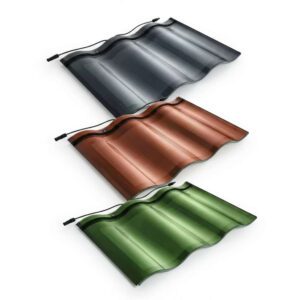
BIPV (Building-Integrated Photovoltaics): Solar technology integrated directly into building materials rather than mounted separately. Solar glazing is one category of BIPV; BIPV roof tiles are another. The defining characteristic is that the solar element serves a structural or architectural function simultaneously.
U-value: A measure of how well a glazing material prevents heat from passing through it. Lower U-values indicate better thermal insulation. Architects use U-values to assess glazing compliance with building energy codes. For reference: standard double-glazing achieves U-values of 1.2–1.6 W/m²K; high-performance solar glazing products achieve U-values of 0.7–1.1 W/m²K.
SHGC (Solar Heat Gain Coefficient): The fraction of solar radiation admitted through a window or glazing panel — both directly transmitted and absorbed and subsequently released inward. SHGC ranges from 0 (no solar heat gain) to 1 (all solar radiation transmitted). For temperate climates, lower SHGC is generally preferred for west and east facades; higher SHGC on south-facing facades can contribute to passive heating.
VLT (Visible Light Transmittance): The percentage of visible light that passes through a glazing product. Higher VLT means more natural daylight inside the building. Solar glazing products offer VLT ranges from 10% (nearly opaque) to 90% (nearly clear), allowing architects to balance daylight, privacy, and energy generation.
Specification: The formal process by which architects select and specify building products for a construction project. Products that are “specified” by an architect are required components of the project — the builder must source that specific product or an approved equal. Achieving architect specification is the primary goal of B2B marketing in the glazing and building materials sectors.
LEED/BREEAM: Industry-standard green building certification systems (LEED: Leadership in Energy and Environmental Design, US-originated; BREEAM: Building Research Establishment Environmental Assessment Method, UK-originated). Solar glazing contributes points toward certification in both systems through energy generation and reduced carbon footprint.
12 Frequently Asked Questions About Solar Glazing for Distributors and Agents
1. What exactly is solar glazing, and how is it different from traditional solar panels?
Solar glazing integrates photovoltaic technology directly into glass and glazing materials used in windows, skylights, and facades. Unlike traditional rooftop panels, solar glazing serves a dual purpose — it provides natural light and weather protection while generating electricity. For distributors, this means you’re offering an architectural solution, not just an energy product. The specification process is driven by architects and designers rather than homeowners, the contract values are typically 3–10x higher than residential panel sales, and the customer relationship model is fundamentally ongoing rather than transactional.
2. What kind of margins can I expect from solar glazing products compared to traditional solar?
Solar glazing typically commands 20–35% higher gross margins than traditional panel sales because customers view it as a premium building material with dual functionality. The exact margin depends on your supplier relationships, order volume, and market positioning. Early adopter distributors report blended portfolio margins improving from 10–14% (panels only) to 22–32% after integrating solar glazing at meaningful portfolio share. Commercial facade projects tend to yield the highest margins; residential skylight projects the fastest sales cycles.
3. Who are my best customers for solar glazing — residential or commercial?
Both markets are valuable, but for different reasons. Commercial projects (office buildings, retail, hospitality, education) offer larger contract values of $200,000–$2M+ and longer sales cycles of 3–6 months. Residential retrofit and luxury home markets offer faster sales cycles of 4–8 weeks and premium pricing at $180–$300/m² above conventional glazing. The best starting point is whichever segment aligns with your existing agent network. If you have commercial developer contacts, lead there. If your network is in luxury residential, start with skylight and conservatory applications.
4. How much technical training do my sales team and agents need to sell solar glazing?
Your team needs conversational competence across five areas: how solar glazing generates power and what factors affect output; the glazing performance parameters architects use (U-value, SHGC, VLT); integration with curtain wall systems; monitoring and performance verification; and ROI framing for different buyer types. This is achievable in 8–12 weeks of structured training. You don’t need to turn your team into engineers — you need them to speak confidently and know how to escalate technical questions to the right support channel. Strong manufacturer partners like Jia Mao BIPV provide technical backing for the complex queries.
5. What’s the typical sales cycle for solar glazing projects?
Commercial facade and curtain wall projects typically take 3–6 months from initial architect conversation to contract signature. Residential premium retrofits and skylight installations move faster at 4–8 weeks. The longer commercial timeline is actually an advantage — it gives you time to build architect and developer relationships that generate multiple project specifications over years, not just one sale. A single well-managed commercial architect relationship can generate 5–15 project specifications over a 5-year period.
6. How do I handle price objections when solar glazing costs more than traditional windows?
Frame the conversation around total value, not upfront cost. The correct comparison is not “solar glazing vs. conventional glazing” — it’s “solar glazing vs. conventional glazing PLUS a separate solar installation PLUS ongoing energy costs.” Present a 10-year total cost of ownership that includes: conventional glazing cost + separate PV system cost + energy bills at current rates + projected rate increases. Against that baseline, solar glazing’s payback period is typically 5–10 years, with meaningful positive net present value over a 25-year building life. ROI calculators that allow the customer to input their own project parameters are more persuasive than any fixed case study.
7. What manufacturer partnerships should I prioritize, and how do I negotiate better terms?
Prioritize manufacturers who offer: technical customization capability (size, color, transparency, cell arrangement); documented project engineering support for distributors; supply chain reliability with real lead time commitments; and strong performance warranty documentation (look for 25-year performance guarantees backed by verifiable quality control data). When negotiating, lead with your distribution reach and agent network scale — manufacturers need reliable channel partners more than they need spot buyers. Regional exclusivity, volume discount tiers, and co-marketing support are all negotiable; approach each with realistic volume commitments rather than aspirational projections.
8. Can I add solar glazing to my existing agent network, or do I need different agents?
You can work with your existing agents, but not all of them will be the right fit immediately. Identify agents who already engage with commercial construction professionals or luxury residential architects — these are your solar glazing champions. Invest disproportionately in their training and provide dedicated technical support. Agents strongest in residential volume canvassing may need a different motivation structure and longer development timeline before they’re effective in solar glazing’s specification-driven sales environment.
9. What kind of marketing and lead generation works best for solar glazing?
Architect-targeted content and professional network engagement consistently outperforms traditional solar marketing for this category. The most effective channels: LinkedIn content targeting architecture and construction professionals; CPD-accredited educational sessions for architects (required continuing education hours create captive, highly qualified audiences); presence in specification platforms like NBS Source and Archiproducts; industry event presence at construction and architecture trade shows; and project case studies shared through architectural association channels. Traditional homeowner-targeted Google advertising generates almost no useful inquiries for solar glazing.
10. How do I position myself as different from other distributors entering the solar glazing market?
Differentiation comes from three sources: (1) Superior technical support for your agents and their customers — being the distributor who can always answer the hard question; (2) Strong documented reference projects in your specific market — local case studies always outperform generic manufacturer materials; and (3) Comprehensive bundling strategies that make you a single-point-of-contact energy solutions provider rather than a component supplier. The distributors who are hardest to compete with are those who have made themselves genuinely useful to the architects and developers who drive specification decisions.
11. What are the biggest risks or challenges I should anticipate when adding solar glazing?
The three most common failure modes: overestimating near-term demand before the education and relationship work has been done (solar glazing requires market development, not just product listing); choosing a manufacturer partner based primarily on price rather than technical support capability and supply reliability; and failing to develop adequate reference projects in the first 6 months, leaving your agents without credible evidence to show skeptical buyers. Start conservatively, generate 2–3 well-documented reference projects, and scale based on demonstrated demand rather than projected optimism.
12. How long before I see meaningful revenue and profit from solar glazing?
Most distributors with adequate technical support and at least 5–8 active trained agents see their first meaningful solar glazing sales within 3–4 months of launch. Reaching 15–20% of portfolio revenue from solar glazing typically takes 12–18 months. Early movers who commit dedicated resources to architect relationship development and agent training see faster results than those who add solar glazing to their catalog without a focused go-to-market investment. The 12–18 month trajectory is the realistic expectation for operations taking a strategic rather than passive approach.