How transparent solar glazing technology is opening new revenue streams for distributors and creating competitive advantages in the architectural market
 Solar glass is no longer a specialty product for flagship projects. It is becoming the specification standard for architects and developers who are building for the next 30 years.
Here is a question worth taking seriously: when an architect in your region specifies solar glazing for a commercial project next month, will your business be the first call they make — or will they already be working with a competitor who got there first?
The global BIPV glass market was valued at $14.2 billion in 2026 and is forecast to reach $63.3 billion by 2033. The BIPV facade segment alone is growing at 21.3% CAGR, with commercial buildings already accounting for 34.7% of total market share. This isn’t speculative demand — it’s projects that are being specified, budgeted, and built right now across commercial real estate, government infrastructure, and agricultural development.
For distributors and agents, the strategic importance of solar glass isn’t the technology itself. It’s what the technology enables: larger deal sizes, longer-term supply relationships, premium margins, and access to an entirely different class of customer — architects, commercial developers, building contractors, and municipal procurement teams — who are underserved by the existing supply chain.
This article breaks down the five highest-opportunity application categories for solar glass, the real-world projects that prove commercial viability, the specific objections your customers will raise, and the actionable strategy to position your distribution business at the center of this market before your competitors catch on.
Understanding Solar Glass Technology: What Your Clients Really Need to Know
The Basics Your Sales Team Should Master:
Transparent solar PV glazing — also called photovoltaic glass, BIPV glass, or solar glazing — is glass that contains embedded solar cells capable of converting sunlight into electricity. Unlike conventional solar panels, which are opaque modules mounted on top of existing roof or wall surfaces, solar glass replaces conventional building materials entirely. It functions simultaneously as the building envelope (providing weatherproofing, thermal insulation, and structural integrity) and as a power-generating asset.
The key performance metrics that architects and specifiers actually need from your sales conversations are: Visual Light Transmittance (VLT) — the percentage of visible light passing through the glass, typically ranging from 10% to 60% depending on cell density; Puissance de sortie, measured in watts per square meter (Wp/m²), typically 40–100 Wp/m² for semi-transparent applications; U-Value, the thermal insulation performance; and Solar Heat Gain Coefficient (SHGC), which determines how much solar heat passes through the glass into the building interior.
These are the numbers that appear in building energy models, LEED certification calculations, and facade engineering drawings. Distributors who can discuss these specifications confidently — and provide datasheets that present them clearly — immediately differentiate themselves from those selling on price alone.
Why do architects specify solar glass specifically? Three reasons, in order of priority: first, it allows them to generate renewable energy without sacrificing usable building area (unlike rooftop panels, which compete with HVAC equipment and access routes); second, it contributes measurably to green building certification scores (LEED, BREEAM, EDGE) that their developer clients require; third, it provides aesthetic flexibility — solar glass can be specified in custom colors, transparency levels, and module sizes that conventional panels cannot match.
The Competitive Advantage for Your Distribution Network:
The premium on solar glass versus standard high-performance architectural glazing typically runs 20–40% on a per-square-meter basis. For a 500 m² facade project, that premium — which is what you capture on your margin — is the difference between a standard glazing transaction and a significantly more profitable one.
More importantly, the BIPV glass market is characterized by a structural supply gap. Most glazing distributors don’t stock or confidently specify BIPV glass. Most solar panel distributors don’t speak the language of facade engineering. The distributor who sits in the intersection — who understands both the solar performance specifications and the architectural glazing requirements — operates in a competitive space of one in most regional markets.
The BIPV facade market growing at 21.3% CAGR is not moving toward commodity pricing. It is moving toward specialization premium, where knowledgeable distributors command better terms with architects who need expert guidance.
Common Misconceptions That Cost You Sales:
Three objections appear consistently in distributor conversations about solar glass, and each one is based on a misunderstanding that a well-prepared sales team can dismantle in under two minutes.
“Solar glass is too expensive” conflates product cost with project economics. When solar glass replaces conventional glazing that the developer was purchasing anyway, the incremental cost is only the premium over standard glass — not the full system cost. For a project where conventional curtain wall glass would have cost $60/m², solar glass at $90/m² is a $30/m² incremental investment, not a $90/m² one. Over a 25-year building life, the energy output from that $30/m² premium can generate returns that make the investment economically obvious.
“It only works on south-facing surfaces” is a panel-era assumption that doesn’t apply to glazing. Facade applications on east, west, and north-facing surfaces all generate meaningful output, because diffuse light and indirect solar radiation contribute to generation throughout the building day. Projects in Scandinavia — where direct solar irradiance is significantly lower than southern Europe — are generating measurable energy returns from all-facade BIPV installations. This expands your addressable market to every facade of every commercial building, not just the optimal solar orientation.
“Installation is too complex” is a concern that comes from contractors who haven’t installed it before, not from those who have. The installation process for solar glass follows standard glazing installation procedures with one additional step: electrical connection. Modular BIPV systems are specifically designed to be installed by glazing contractors using conventional curtain wall equipment, with electrical integration handled as a separate trade package.
Application #1 — Skylights and Roof Glazing: The Highest-Visibility Revenue Opportunity
 Skylight applications combine maximum solar exposure with premium architectural specification — making them the highest-margin entry point for solar glass distributors.
Why Skylights Are Your Easiest Entry Point:
Skylights represent the ideal starting product for distributors entering the solar glass market. The structural rationale is clear — the horizontal orientation maximizes solar irradiance relative to any other building surface. The commercial case is well-established. The installation complexity is lower than vertical facade systems, because the glazing is supported on a structural frame that is designed specifically for the load. And the per-unit margins are higher than window applications, because skylight glazing projects tend to involve larger individual panels and more specialized specifications.
Residential and commercial demand for skylight glazing is accelerating on two parallel tracks. In residential, premium home builders and renovation contractors are specifying solar skylights as a feature product that combines daylighting benefits with energy generation — and that carries a retail premium far above conventional velux-style windows. In commercial, architects are designing atrium spaces, office lobbies, and retail environments where natural light is a design priority and solar generation is a sustainability credential.
Real-World Reference: The Edge, Amsterdam:
The Edge in Amsterdam — rated the world’s most sustainable office building by BREEAM — features over 13,000 m² of glass across its facades and roof systems, with solar panels incorporated across both the roof and south-facing facade. The building uses 70% less electricity than a typical office building of comparable size. The south wall is a deliberate mix of solar panels and windows, with the solar-integrated surfaces providing both power generation and shading for the interior.
For your architect clients, this project answers the “has it been done at scale?” question definitively. A distributor who can walk an architect through the specification logic of The Edge — the interplay between VLT, shading coefficients, and power output on a large commercial facade — is speaking the language of the people who make specification decisions.
The procurement process for a project at this scale involves facade engineering consultants, building energy modelers, glazing subcontractors, and the architect’s practice over an 18–24 month design and procurement cycle. Distributors who insert themselves into the specification process early — providing datasheets, energy modeling inputs, and reference project data — are influencing which products get specified before any competitive tender opens.
How to Position Skylight Solutions to Your Customer Base:
For residential architects and home renovation contractors, the pitch centers on three elements: premium aesthetic appeal (natural light with a visible sustainability feature), energy bill impact (quantified in annual kWh generation for the roof area), and product differentiation that helps the contractor win projects from clients who want a “smart home” feature.
Creating a single-page specification guide that covers the top three skylight configurations — residential flat roof, commercial atrium, and agricultural greenhouse — with key performance data, structural load requirements, and compatible frame systems gives your contractor customers a document they can take directly to an architect meeting. That document, with your branding on it, positions you as a technical resource rather than just a product supplier.
Bundling solar skylights with compatible electrical components — micro-inverters or optimizer units, monitoring systems, and DC cable management — increases average order value and eliminates the specification friction that comes from a contractor having to source electrical components separately.
Installation and Logistics Considerations Your Team Needs to Understand:
Solar glass weighs approximately 30–50% more per square meter than single-pane glazing, depending on cell density and frame type. For retrofit applications on existing roofs, a structural engineering assessment is a prerequisite — and helping your contractor customers understand this requirement before they commit to a project specification prevents the painful conversations that happen when structural limitations are discovered after the design is complete.
For your supply chain, skylight applications tend to involve custom panel dimensions specified by the architect. Building inventory of standard sizes while offering a lead time guarantee for custom sizes — supported by a manufacturer relationship with genuine production capacity — is the operational capability that separates reliable distributors from those who create project delays.
Application #2 — Building Facades: Where Volume Meets Visibility
Why Facade Integration Is Transforming Your Market:
Facade-integrated solar glass is the highest-volume application category in the BIPV market and the one with the most transformational implications for distributor business models. A single commercial tower project can require 3,000–15,000 m² of glazing. At an average premium of $30–$50/m² above conventional glass, a single project can generate margin that exceeds an entire year of residential glass supply.
Commercial developers are increasingly seeing BIPV facade ROI in the 8–12 year range for large projects — a payback period that competes favorably with other energy efficiency investments and that can be structured into the building’s financial model from the outset. The energy the facade generates directly reduces the building’s operating cost, which improves the building’s capitalization rate (the ratio of net operating income to property value) — a metric that commercial developers and their investors track closely.
Facade retrofit opportunities in existing building stock are equally significant. In Europe and North America, billions of square meters of commercial building facades are scheduled for recladding over the next two decades as energy efficiency standards tighten and existing curtain wall systems reach end of life. Recladding with BIPV glass replaces a pure-cost renovation with an energy-generating asset.
Real-World Reference: One World Trade Center, New York:
One World Trade Center features an extensive glass facade system using single-glazed, laminated, low-iron, frameless glass panels — achieving both the aesthetic transparency required by the design and the structural performance required by building codes in a seismically and wind-load demanding environment. The building achieved LEED Gold certification, with the glazing system contributing to both energy performance and daylighting targets.
The project’s scale — 1,776 feet of tower with full glass cladding — demonstrates what facade-integrated glazing procurement looks like at the extreme end of the market. For a distributor, the relevant insight is not that you need to supply skyscrapers. It’s that the specification logic, procurement process, and technical requirements that define One WTC are the same ones operating at smaller scale in every commercial facade project your region produces. Understanding how the specification process works at this level makes you more credible with the architects and facade consultants working on mid-market projects.
Real-World Reference: The Crystal, London:
The Crystal in London — designed by Wilkinson Eyre for Siemens as a demonstration of sustainable building technology — is a 6,300 m² glass-clad structure that generates approximately 20% of its electricity needs from 1,580 m² of photovoltaic roof panels integrated into its uniquely curved form. Six different types of highly insulated glass were used in the cladding, each with varying transparency levels calibrated to solar gain management and interior views.
The Crystal illustrates a critical insight for distributors selling to architects: solar glass specification is not a binary “solar vs. non-solar” decision. It’s a nuanced selection process where different glass types with different performance profiles are deployed in different positions across the facade. The architect needs a distributor who can help them navigate that selection — not one who offers a single product and hopes it fits.
Selling Facade Solutions to Your Contractor and Developer Networks:
Breaking down the economics for cost-conscious developers requires reframing what is being compared. The relevant comparison for a facade BIPV project is not “solar glass versus conventional glazing.” It’s “solar glass versus conventional glazing plus a separate rooftop PV installation.” When the facade is replacing conventional glass anyway, the solar glass premium buys integrated power generation that would otherwise require a separate rooftop system — with its own installation cost, structural loading, maintenance access requirements, and visual impact.
Managing supply for large, phased commercial projects — where Phase 1 might be a 1,200 m² east facade and Phase 2 is a 2,400 m² west facade scheduled 18 months later — requires a manufacturer relationship with guaranteed allocation and a logistics capability that can coordinate deliveries to a live construction site. This is where a distributor partnership with a manufacturer like Jia Mao BIPV, with 3 GW annual production capacity and a fully digitalized manufacturing tracking system, provides the supply reliability that large project contractors require.
Application #3 — Greenhouse and Agricultural Structures: An Emerging Vertical You’re Missing
 Agrivoltaic greenhouse installations combine food production with energy generation — creating repeat-order relationships with buyers who are less price-sensitive than residential customers.
Why Agricultural Solar Glass Is Becoming a Major Growth Channel:
Agrivoltaics — the practice of combining agricultural production with solar energy generation on the same land area — is emerging as one of the fastest-growing application categories for BIPV glass. In greenhouse and controlled-environment agriculture applications, semi-transparent solar glass panels replace or supplement conventional greenhouse glazing, generating electricity while allowing sufficient light transmission to maintain crop productivity.
In the Netherlands, agrivoltaics has moved beyond pilot projects. Greenhouse operators are installing solar glass as a standard element of new greenhouse construction, using the dual income stream (crop revenue plus electricity generation) to improve the economics of operations that are otherwise heavily energy-intensive. The Dutch greenhouse sector — the world’s most technically advanced — validates the technology’s agricultural viability in the most demanding commercial setting.
The buyer profile in agricultural solar glass is distinct from residential and commercial segments in ways that matter for distribution economics. Agricultural buyers — greenhouse operators, vertical farming companies, agricultural cooperatives — are commercially sophisticated, are accustomed to large capital investments in controlled environment infrastructure, and are motivated primarily by operational economics rather than aesthetics. They buy on lifecycle cost, not upfront price. This makes them less price-sensitive in the way residential buyers are, and more receptive to ROI-based conversations that show how solar glass improves the long-term financial performance of their facility.
Government subsidies and sustainability mandates are accelerating adoption in multiple key markets. In the EU, agrivoltaic installations qualify for agricultural land-use subsidies in addition to standard renewable energy incentives. In India, the government’s PM-KUSUM program specifically supports solar integration with agricultural infrastructure. In Australia and Japan, urban farming operations are qualifying for sustainability certification programs that drive specification of integrated solar systems.
Real-World Reference: Greenhouse Solar Glass, Netherlands:
The “Greenhouse of the Future” prototype developed in the Netherlands features specially designed solar glass panels scaled to 1 x 1.2 meters — larger than earlier research prototypes — optimized for the Dutch greenhouse’s structural grid system. The glass maintains sufficient light diffusion to support tomato, cucumber, and pepper production while generating meaningful electricity output from the glazed roof surface.
For distributors, the implication is clear: agricultural solar glass requires product specifications tuned to the agricultural context — specific VLT ranges that support crop photosynthesis (typically 40–60% for most commercial crops), structural formats compatible with greenhouse frame systems, and durability profiles designed for high-humidity environments. Distributors who stock product with agricultural certification documentation are entering a market that most glazing distributors are completely unprepared to serve.
The procurement cycle for greenhouse solar glass is different from commercial construction: purchases are often tied to planting cycles and seasonal infrastructure timelines, and successful initial projects frequently lead to multi-greenhouse rollout contracts. One greenhouse operator who has a positive first installation experience becomes a multi-year, multi-facility customer.
Real-World Reference: Urban Farming Operations, Singapore and Japan:
Vertical farming operations in high-density urban environments — where every square meter of facility area carries a significant rent cost — represent a premium-pricing application for solar glass. When the glazed walls and roof of a vertical farm are generating electricity, the energy cost of the intensive LED lighting, HVAC, and irrigation systems is partially offset by the building envelope itself. In Singapore’s climate (high irradiance year-round) and Japan’s urban farming sector (driven by food security policy), these operations are paying premium prices for solar glass that meets the dual performance requirements of energy generation and agricultural light management.
How to Build Relationships in the Agricultural Sector:
Agricultural equipment suppliers, greenhouse construction companies, and agricultural cooperative purchasing organizations are the entry channels for this vertical. These are not customers you’ll reach through the same channels as commercial architects — they read sector-specific trade publications, attend agricultural trade shows (like Fruit Logistica in Germany, or Asia Agri-Tech), and make purchasing decisions through engineering consultants who specialize in controlled environment agriculture.
Creating a single technical resource document — covering the recommended solar glass specifications for greenhouse applications, the structural compatibility requirements, and a worked example showing the energy economics of a 5,000 m² greenhouse retrofit — gives you a credible entry point into conversations with agricultural buyers who are evaluating solar glass for the first time.
Application #4 — Canopies, Pergolas, and Outdoor Structures: High-Visibility, Easy-to-Specify Solutions
Why Outdoor Structures Are Your Fastest-Growing Opportunity:
Solar glass canopies and pergolas occupy a unique position in the BIPV market: they are architecturally simple, visually prominent, and — critically for distributors — far easier to specify and install than integrated facade or skylight systems. There is no facade engineering to coordinate, no building envelope performance to model, and no structural retrofit to assess. The canopy sits on its own structural frame, the solar glass roof generates electricity, and the electrical integration is relatively straightforward.
The solar canopy market was valued at $2.88 billion in 2025 and is projected to reach $8.5 billion by 2035 — an 11.5% CAGR that reflects the convergence of outdoor living trends, sustainability requirements, and the practical appeal of shade structures that pay for themselves over time.
For commercial applications, solar glass canopies serve a marketing function that most building-integrated solar cannot: they are visible, legible as sustainability infrastructure to passing customers or employees, and create a branded outdoor space that enhances the user experience of a retail, hospitality, or corporate environment. For a shopping center developer, a solar glass canopy at the building entrance generates both electricity and brand differentiation — which is why it often gets approved even in contexts where a rooftop solar installation would be rejected for aesthetic reasons.
Real-World Reference: Solar Glass Canopies, Commercial Applications:
Long Beach Airport’s solar canopy installation — completed as part of a public infrastructure sustainability program — is now generating electricity that meets approximately 70% of the airport’s electricity demand. The canopy format was specifically chosen because it could be installed above existing parking and pedestrian areas without requiring modification to existing building structures.
In Birmingham, UK, commercial solar canopy installations are being funded partly through regional sustainability grants, with the commercial solar canopy cost running approximately £900–£1,400 per kWp installed. After grant funding, several Birmingham commercial operators achieved net installation costs that produced sub-10-year payback periods on the energy savings alone — before accounting for shading value, EV charger integration, or publicity benefit.
Real-World Reference: Residential Solar Pergolas, California and Australia:
In California’s residential market, solar pergolas are growing rapidly as a premium product for homeowners who have already installed rooftop panels and are adding outdoor living structures. The solar glass pergola generates additional energy while creating a shaded outdoor dining or entertainment space — a dual-function addition that justifies a significantly higher spend than a conventional pergola.
In Australia, the residential solar canopy market is following a similar trajectory, accelerated by outdoor living culture and high electricity prices that make the energy generation component economically material. Solar carports online in Australia report strong demand from homeowners seeking to cover parking areas while generating power for EV charging — an application that neatly solves two residential priorities simultaneously.
Positioning Canopy Solutions to Your Customer Base:
Landscape architects and outdoor living contractors are the primary specification influencers for residential canopy applications — and they are a customer segment that most solar glass distributors have not identified or targeted. Creating visual marketing materials that lead with the aesthetic rather than the technology, supported by energy performance data in an accessible format, gives this customer group what they need to specify solar glass canopies to their own clients.
Managing inventory for canopy applications is more straightforward than facade or skylight projects, because standard panel dimensions (typically 1.0m x 1.65m or 1.0m x 2.0m) cover the majority of residential and light commercial canopy applications. Holding 30–60 days of standard panel inventory eliminates the lead-time objection that causes landscape contractors to specify conventional glazing instead of solar glass.
Application #5 — Parking Structures and Transportation Hubs: High-Volume, Predictable Demand
 Municipal parking and transit applications offer the most predictable, large-volume procurement pipeline in the solar glass market — with government sustainability mandates creating structural demand.
Why Parking and Transit Applications Represent Massive Opportunity:
Municipal and corporate parking structures represent one of the most predictable demand channels in the solar glass market. The structural requirements are standardized, the applications are repeatable, government sustainability mandates create non-discretionary procurement pressure, and contract sizes are large enough to be commercially significant without reaching the complexity of major commercial building projects.
Maryland’s Energy Administration, for example, offers grants of up to $550,000 for solar canopy installations — the kind of subsidy that makes the economics of solar glass parking structures compelling enough to survive municipal budget scrutiny. Similar programs exist across European municipalities, driven by EU building performance directives that are creating statutory requirements for new parking structures to incorporate renewable energy generation.
The standardization of parking structure applications is a distribution advantage. Unlike bespoke facade projects that require custom specifications for each building, parking canopy projects follow predictable structural patterns — column spacing, span dimensions, load requirements — that allow distributors to develop standard product packages covering 80% of municipal applications. That standardization accelerates your sales process and reduces the per-project engineering cost that otherwise makes small commercial projects uneconomical to pursue.
Real-World Reference: Marché Gare, Switzerland:
Marché Gare in Switzerland demonstrates the solar glass canopy application at commercial scale — a parking and transit structure where the photovoltaic glazing canopy serves the triple function of weather protection, aesthetic architecture, and electricity generation. The project illustrates how solar glass canopies can transform functionally necessary infrastructure into sustainability-generating assets without adding significant structural complexity.
For distributors pursuing municipal procurement opportunities, this project type is a valuable reference. Municipal project committees frequently require evidence of comparable completed projects before committing to a specification. A distributor who maintains a library of international reference projects — with documented energy performance, installation specifications, and photographs — can provide the assurance that procurement committees need to advance an unfamiliar product category.
Real-World Reference: Amsterdam Airport Schiphol:
Amsterdam Schiphol installed 3,000 m² of solar panels at Schiphol-Northwest through its airport sustainability program, and continues to expand its on-site renewable generation. The airport’s experience also highlighted an important technical consideration for solar glass distributors: the Schiphol case generated significant discussion about solar panel glare and its impact on air traffic operations — an issue that specifically applies to conventional panel installations and that solar glass (with its controlled reflectance properties and diffuse transmission characteristics) is technically better positioned to avoid in aviation-adjacent applications.
This is a genuine product differentiation point for distributors selling into transportation infrastructure: solar glass’s lower specular reflectance compared to conventional solar panels makes it more suitable for applications near airports, roads, and railway lines where glare is a safety concern.
Building Relationships With Municipal and Transportation Authorities:
Municipal procurement operates on timelines and through channels that are quite different from commercial construction. The decision-makers are city planning departments, sustainability officers, and facilities management teams — not architects or developers. The procurement mechanism is typically a formal RFP or tender process, often with pre-qualification requirements.
Getting into the consideration set for municipal solar glass procurement requires being visible to the right people before the RFP opens. Attending city sustainability conferences, contributing to local renewable energy task forces, and developing a case study document that presents the financial and operational case for solar glass parking canopies in language appropriate for a municipal council report are the relationship-building investments that pay off when procurement cycles open.
Creating long-term supply agreements with municipal clients — where the initial project is structured as Phase 1 of a multi-year program — provides the revenue predictability that makes your business planning substantially more stable than project-to-project commercial sales.
Additional High-Opportunity Applications — Bonus Revenue Streams
Application #6 — Atrium and Interior Skylighting Systems:
Commercial office buildings, hotels, and retail environments are increasingly specifying solar glass for internal atrium roofs — where the combination of natural light penetration and energy generation creates measurable employee wellness benefits alongside the sustainability credential. Research consistently shows that daylighting in commercial offices reduces absenteeism and improves productivity — claims that facilities managers and HR directors find compelling when evaluating building renovation investments. The science behind transparent BIPV and how it works in these applications is worth building into your sales materials for this segment.
Mid-market commercial projects — 1,000–5,000 m² atrium applications in office parks, hotels, and mixed-use developments — offer faster decision cycles than major commercial towers, while still generating deal sizes that are substantially more valuable than residential applications.
Application #7 — Noise Barriers and Sound-Dampening Structures:
Germany is actively installing solar panels integrated into highway noise barriers along major corridors. Feasibility studies show that 30 kilometers of solar noise barriers could generate up to 24 megawatts of electricity — transforming existing infrastructure obligations into revenue-generating assets. PV-integrated noise barrier systems are now being offered as turnkey products for highway and railway operators in Europe, with established manufacturers like Kohlhauer developing standardized systems for the transportation sector.
For distributors with relationships in civil engineering and infrastructure contracting, this application category offers government-funded procurement at significant scale, with the added distributor advantage that the technical requirements are specialized enough to create genuine barriers to entry for competitors.
Application #8 — Bridge and Pedestrian Walkway Glazing:
Infrastructure modernization projects across Europe and Asia are specifying solar glass for pedestrian bridge enclosures, walkway roofing, and covered transit connections. These installations are high-visibility — they are used daily by thousands of people — and they create a public demonstration of solar glass technology that influences commercial specifier awareness. The engineering requirements for structural glazing in pedestrian infrastructure are specialized, which is exactly the kind of application where a knowledgeable distributor creates genuine value and commands corresponding margins.
Application #9 — Stadium and Sports Facility Roofing:
According to SEIA, 32% of NFL stadiums now have on-site solar installations. The Norwegian national football stadium has incorporated 1,242 solar panels into its roof design. For solar glass specifically, sports facility applications represent projects with premium budgets, long design lead times, and high media visibility. An iconic stadium installation in your region generates awareness for solar glass technology across the entire architectural and construction community — and the relationship built through one stadium project often leads to referrals across the broader sports and entertainment facility sector.
Application #10 — Museum and Cultural Institution Skylights:
Heritage institutions and new-build cultural buildings place the highest emphasis on daylighting quality and aesthetic integration — which are precisely the characteristics that solar glass is optimized for. A museum skylight that allows 45% VLT while generating electricity is not a compromise product for a design-conscious client; it’s a technically superior solution to a conventional skylight that generates nothing. Premium pricing in this segment reflects both the design value and the project complexity — and the long project timelines (18–36 months from initial concept to installation) create opportunities for sustained relationship development with the architects and design teams who lead these commissions.
How to Overcome the Biggest Barriers Your Customers Face
“We Don’t Have Technical Expertise to Specify These Products”:
This is the most common barrier — and the one that creates the most durable competitive advantage for distributors who solve it. Create application-specific, one-page specification guides for each of your top three application categories. Each guide should cover: the recommended product range for that application, key performance specifications in the format architects use (VLT, U-value, Wp/m², SHGC), structural load data, and a reference project with documented outcomes.
Offer a free design consultation service where you review a project’s architectural drawings and recommend solar glass specifications — with no commitment required. This service costs your team time but creates a relationship and a specification influence that is worth far more than the time investment. Architects and contractors who receive genuinely useful technical guidance at the specification stage return as customers, and they refer their peers.
Training programs for contractor partners — covering installation sequencing, electrical integration, and quality control for solar glass projects — create switching costs that protect your customer relationships from competitive entry. A contractor who has been trained on your product specifications and installation process is not going to switch to a competitor for a 3% price saving.
“Solar Glass Is Too Expensive Compared to Standard Glazing”:
Build an ROI calculator that your sales team can complete in a 15-minute customer meeting. The inputs are: project glass area in m², local electricity tariff ($/kWh), estimated annual irradiance for the installation location, and the premium over standard glazing. The output is: annual energy value generated, simple payback period, 25-year net benefit, and IRR. When a cost-conscious developer sees that a $45/m² premium over standard glass generates $8/m² per year in electricity value, the conversation shifts from “can we afford this?” to “what do we need to get this specified?”
Financing options — solar lease structures, power purchase agreements (PPAs) for commercial applications, and government incentive programs — are the mechanisms that remove the upfront cost barrier for buyers who understand the lifecycle economics but face capital allocation constraints. Position yourself as the distributor who understands the financing landscape in your market, not just the product.
“We’re Worried About Installation Complexity and Liability”:
Create a comprehensive installation guide for your most common application categories — available as a downloadable PDF for your contractor customers. Cover: site preparation, panel handling and storage, frame compatibility, electrical integration sequence, and quality inspection checklist. This document reduces callback risk for your contractors and positions you as the resource that keeps their projects on track.
An installer certification program — even an informal one based on a half-day training session and a competency checklist — creates a network of contractors who are confident in your product, refer your product to their clients, and provide you with word-of-mouth market intelligence about where demand is building. Contractors who have been through your training program are also less likely to use a competitor’s product on future projects.
“We Can’t Find Reliable Suppliers Who Understand Our Market”:
This is the problem your distribution business exists to solve. Articulate it explicitly in your market positioning. The architect or contractor saying this has tried to source solar glass and encountered one or more of: products not suited to their application, specifications that didn’t match what was delivered, lead times that disrupted project schedules, or suppliers who couldn’t provide the technical documentation their building permit required.
A supply relationship with a manufacturer operating at the scale and specification depth of Jia Mao BIPV — with documented 3 GW annual capacity, a full product range from transparent BIPV glass panels to solar facades and roof tiles, and manufacturing traceability through a digitalized MES system — gives you the ability to make commitments about product availability, specification consistency, and documentation that customers who have been burned by unreliable supply chains will find genuinely compelling.
Inventory buffers that guarantee 4–6 week availability on standard sizes eliminate the lead-time objection that causes architects to specify conventional glazing on time-critical projects. The cost of carrying that inventory is a marketing investment — it’s the physical demonstration of your reliability promise.
Building Your Go-to-Market Strategy: From Product Knowledge to Revenue Growth
🎥 Watch: BIPV Facade Design — 8 Solar Glass Typologies Explained
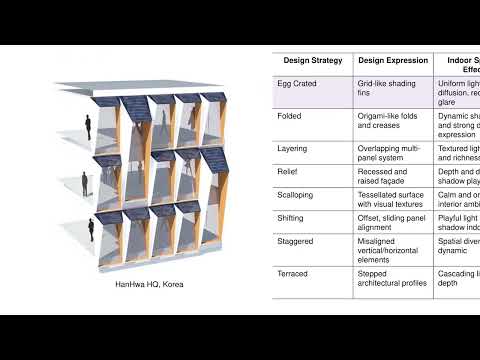
This video walks through the key design strategies and real project typologies for BIPV facades — essential context for distributors positioning solar glass to architects and developers.
Positioning Yourself as the Category Expert:
Content that educates your market is the most efficient marketing investment available to a regional distributor. A case study from a completed local solar glass installation — with documented energy output, installation timeline, and client testimonial — generates inbound architect and contractor inquiries that no amount of cold outreach can match. One well-documented local case study is worth more than 100 generic product brochures.
Speaking engagements at architecture firm CPD sessions, construction industry breakfast events, and sustainable building conferences position you as the technical authority in your region. Architects and developers who have heard you speak about solar glass applications are three times more likely to call you when a project specification comes up than if they found you through a web search.
Developing Relationships With Key Specifiers:
The following table maps the key specifier relationships by application category and the most effective engagement channel for each:
| Application | Primary Specifier | Best Engagement Channel | Content That Opens Doors |
|---|---|---|---|
| Skylights | Residential architects, home builders | CPD sessions, home builder associations | Specification guide + residential case study |
| Facades | Commercial architects, facade consultants | Architecture firm presentations, RIBA/AIA events | Energy performance data + landmark project references |
| Agricultural glass | Greenhouse constructors, agricultural engineers | Agri-tech trade shows, cooperative purchasing groups | Agrivoltaic ROI model + crop yield data |
| Canopies/pergolas | Landscape architects, outdoor living contractors | Trade magazines, contractor associations | Visual portfolio + installation guide |
| Parking/transit | Municipal facilities managers, civil engineers | Government sustainability conferences | Municipal case study + grant funding guide |
| Stadiums/cultural | Sports facility architects, cultural institution trustees | Architecture media, project-specific outreach | Premium project references + aesthetic portfolio |
Supporting Your Contractor and Builder Network:
Your contractors are your distribution channel’s last mile. Every installation they complete is a demonstration of your product, your logistics capability, and your technical support. Contractors who have a positive first experience with your solar glass products become advocates — referring their peers, specifying your products proactively on subsequent projects, and providing you with advance intelligence on upcoming project opportunities.
Invest in making their first installation succeed: provide installation support on the first project, check in during the electrical integration phase, and follow up after commissioning with a quality review. That investment in one project’s success creates a contractor relationship that generates 5–10 future projects.
Creating Demand Through Visibility and Education:
Local case studies — even a single residential canopy installation with good photography and a documented energy output reading — create social proof that is directly relevant to your target customers. Publish these on your website, share them through industry association channels, and use them in every architect and contractor meeting. The insight that the project is local and the customer is contactable for a reference visit is worth more than any international flagship project reference.
Partnerships with complementary product suppliers — structural glazing frame manufacturers, electrical systems integrators, green building certification consultants — create referral networks that generate inbound opportunities from customers who would never have found you directly.
The Application Decision Matrix: Matching Your Market Position to Entry Points
| Application | Deal Size Range | Sales Cycle | Installation Complexity | Margin Premium | Best First Customer |
|---|---|---|---|---|---|
| Skylights | $15,000–$250,000 | 2–6 months | Low–Medium | 25–40% | Residential architects, home builders |
| Facades | $200,000–$5M+ | 12–24 months | High | 30–50% | Commercial developers, facade contractors |
| Agricultural glass | $50,000–$500,000 | 3–9 months | Medium | 35–50% | Greenhouse constructors, agri-cooperatives |
| Canopies/pergolas | $8,000–$150,000 | 1–4 months | Low | 20–35% | Landscape architects, outdoor contractors |
| Parking/transit | $100,000–$2M+ | 6–18 months | Medium | 25–40% | Municipal facilities, corporate campuses |
| Sound barriers | $200,000–$10M+ | 12–36 months | High | 35–55% | Highway authorities, civil contractors |
| Stadiums | $500,000–$20M+ | 18–36 months | High | 40–60% | Sports facility architects, club management |
Your Action Plan: Moving From Knowledge to Revenue
Immediate Actions — Next 30 Days:
Begin with an audit of your existing customer relationships. For each active account, identify: does this customer have projects in the pipeline where solar glass could be specified? Have they mentioned solar integration, sustainability targets, or LEED/BREEAM certification goals? Have they asked about solar glazing options that you couldn’t answer confidently?
Identify five to ten architects, developers, or contractors in your market who are most active in commercial construction, renovation, or infrastructure. These are your priority first contacts. Your goal in the next 30 days is to secure an introductory meeting with at least three of them — not to sell, but to understand their upcoming project pipeline and whether solar glass is a product category they’ve been thinking about.
Create one simple, professional specification guide for your most accessible application category — whether that’s skylights for your residential architect network, canopies for your outdoor living contractor base, or facade panels for your commercial developer relationships. One page, with clear performance data and a local contact for specifications support.
Short-Term Strategy — Next 90 Days:
Document a case study from any completed solar glass installation you can access — even a reference project from a manufacturer partner — that is relevant to your regional market. Present it in a format that makes the economics and the visual outcome clear.
Develop a training session for your sales team on the top three objections they’ll encounter (cost, installation complexity, performance in your climate) and the specific responses that move conversations forward. Run it as a role-play session, not a presentation.
Establish working relationships with two to three contractors who are willing to be the first installers of solar glass in your market. Offer them training support, technical documentation, and a margin protection on the first project in exchange for their willingness to develop the capability.
Long-Term Positioning — 6–12 Months:
By month six, you should have at least one completed local installation that you can use as a case study. Commission professional photography. Document the energy output at 30 and 60 days post-commissioning. Get a testimonial from the client. This single case study will anchor your market positioning for the next two to three years.
Build inventory buffers that provide 4–6 week guaranteed availability on your standard product range. This is the operational credibility that converts interested architects into committed specifiers. For transparent solar glass panels and facade systems specifically, where custom dimensions are common, having a reliable manufacturing partner with documented lead times gives you something concrete to commit to.
Develop long-term supply agreements with your top two or three contractors and developer clients. These don’t need to be complex — even a simple preferred supplier arrangement with volume commitments and pricing stability provisions creates the relationship foundation that makes switching to a competitor unattractive.
Why This Moment Matters for Your Business:
The solar glass market is at the inflection point. Commercial buildings dominated by 34.7% market share in 2024. The BIPV facade market is growing at 21.3% CAGR. Government mandates across Europe, Asia, and North America are systematically writing solar integration requirements into building codes — requirements that architects and developers cannot ignore.
The distributors who establish themselves as solar glass specialists in the next 12 months will find themselves holding a position that competitors will spend years trying to replicate. The technical knowledge, the contractor relationships, the architect trust, and the local case study library are all assets that compound over time — and that cannot be easily duplicated by a late entrant who decides to enter the market once demand is obvious.
The applications we’ve covered are not theoretical. They are being specified and built in your market now — by architects who either have a trusted solar glass distributor or are working with a competitor of yours who happened to be in the room first.
Ready to Build Your Solar Glass Strategy?
Start with one conversation. Identify one architect, contractor, or developer in your network who has a project coming up where solar glass is relevant. Create one specification guide. Schedule one meeting.
The distributors who dominate the next decade of solar glass adoption will look back on this period as when the market was still wide open — when the relationships that defined their business were first established.
Your next step: Visit Jia Mao BIPV at www.jmbipvtech.com to review product specifications, explore application case studies, and connect with a team that can support your solar glass distribution strategy with manufacturer-level technical depth.
Glossary of Key Terms
BIPV (Building-Integrated Photovoltaics): Solar technology embedded directly into building materials — glass facades, skylights, roofing — that replaces conventional building components while generating electricity.
VLT (Visual Light Transmittance): The percentage of visible light that passes through solar glass. Higher VLT means more natural light penetration. Ranges from ~10% (dark, high-power) to ~60% (highly transparent, lower power output).
Wp/m² (Watts-peak per square meter): The maximum power output of solar glass under standard test conditions. Typical semi-transparent BIPV glass generates 40–100 Wp/m² depending on technology and transparency level.
U-Value: A measure of thermal insulation performance. Lower U-value = better insulation. Solar glass U-values typically range from 0.7 to 2.0 W/m²K depending on glazing configuration.
SHGC (Solar Heat Gain Coefficient): The fraction of solar radiation admitted through glazing, both directly transmitted and absorbed. Relevant to building energy modeling and climate-specific specification.
Agrivoltaics: The co-location of solar energy generation and agricultural production on the same land area, using solar panels or solar glass to generate electricity while maintaining crop or livestock productivity beneath or through the solar structure.
Curtain Wall: A non-structural exterior cladding system for commercial buildings, typically composed of glass panels in an aluminum frame system. BIPV glass is frequently specified as the glazing component of curtain wall systems.
LEED / BREEAM: International green building certification systems. LEED (Leadership in Energy and Environmental Design) is predominant in North America; BREEAM (Building Research Establishment Environmental Assessment Method) is predominant in the UK and Europe. BIPV glass installations contribute to certification scores in multiple categories.
PPA (Power Purchase Agreement): A financing structure in which a third party owns the solar installation and sells the generated electricity to the building owner at a fixed rate, eliminating the need for upfront capital expenditure.
CPD (Continuing Professional Development): Mandatory ongoing training for architects and other licensed professionals. Hosting CPD sessions on solar glass applications is a standard method for distributors to gain access to architecture firms.
Questions fréquemment posées
Q1: What is the actual energy output of transparent solar glass, and how does it compare to conventional opaque solar panels?
Semi-transparent solar glass typically generates 40–100 watts per square meter under peak conditions, depending on cell density and transparency level. Conventional opaque solar panels generate 150–220 Wp/m² — a higher absolute output. But the comparison is misleading for building applications. Solar glass is replacing conventional glazing that generates zero energy while still providing weather protection, thermal performance, and daylighting. The relevant question is not “is solar glass as efficient as a panel?” but “what is the value of the electricity generated by glass that was being purchased anyway?” Research on transparent BIPV systems demonstrates that for commercial facade and skylight applications, the energy value generated over a 25-year building life makes the premium over standard glazing economically justified in most markets with electricity tariffs above $0.08/kWh.
Q2: Does solar glass perform well in cloudy or low-irradiance climates?
Yes — and this is one of the most important misconceptions to correct in your sales conversations. Solar glass generates electricity from diffuse light (scattered light in overcast conditions), not only from direct sunlight. Multiple commercial BIPV installations in Scandinavia, the UK, and Germany — markets with significantly lower irradiance than the Mediterranean or Southeast Asia — are generating economically meaningful electricity output across their full-year operation. The Edge in Amsterdam (rated the world’s greenest office building) operates in a northern European climate with frequent overcast conditions. The practical implication for distributors: your addressable market is not limited to high-irradiance geographies. Every commercial building market with an electricity tariff above approximately $0.07/kWh can support a viable economic case for solar glass.
Q3: What is the expected lifespan and degradation rate of solar glass installations?
Standard industry warranties on BIPV glass products are 25–30 years, consistent with conventional solar panel warranties. Annual power degradation is typically 0.4–0.6% per year — meaning a solar glass installation at Year 25 is generating 88–90% of its original rated output. This longevity characteristic is critically important for commercial and institutional buyers making decisions based on 25-year lifecycle costs. The glass substrate itself (tempered or laminated safety glass) has an architectural lifespan of 40+ years in most commercial applications — meaning the BIPV glass will reach end of its solar performance warranty while still functioning perfectly as a glazing element.
Q4: What structural modifications are typically required for solar glass installation in existing buildings?
The structural requirements vary significantly by application. Skylight retrofits generally require minimal structural modification — the solar glass panels are typically within the weight range that existing roof structures were designed to accommodate, though a structural engineer review is recommended for any retrofit. Facade integration on existing buildings may require additional anchor points or revised facade framing to accommodate the weight of solar glass panels (typically 20–35 kg/m² for laminated BIPV glass versus 15–25 kg/m² for conventional double-glazing). Canopy and pergola applications are the simplest: the canopy structure is designed from the outset to support the solar glass load, and no modification to existing building structure is required. For distributors, the practical guidance is to flag the structural assessment requirement to architect and contractor customers early — before they have committed to a specification — so that it doesn’t create a project delay when discovered during detailed design.
Q5: What maintenance does a solar glass installation require over its lifetime?
The maintenance requirement for solar glass is minimal — comparable to conventional glazing maintenance. The primary maintenance activity is cleaning, typically 2–4 times per year depending on local air quality and rainfall patterns. Dust, bird droppings, and urban particulate accumulation reduce light transmission and therefore energy output; regular cleaning maintains performance at rated levels. Unlike conventional solar panels, which often require specialized cleaning equipment and access systems, solar glass that is integrated into a building facade or skylight is typically accessible through the same window cleaning systems already in place. This is a genuine selling point for commercial facilities managers who are evaluating long-term operating costs.
Q6: How should distributors position solar glass versus conventional solar panels to customers who are considering both?
They are different products for different applications — not competing products. The correct framing: conventional solar panels are the right choice when the goal is maximum energy generation on a dedicated surface area (unused roof space, ground-mount installations). Solar glass is the right choice when energy generation needs to be integrated into a functional building element — a window, a facade, a skylight, a canopy — where a conventional panel cannot be deployed without sacrificing the building function. For many commercial buildings, both are appropriate: panels on the flat roof areas where access allows, solar glass on the facades and skylights where architectural integration is required. A distributor who can position both product categories to the right applications is more useful to an architect than one who advocates for only one technology.
Q7: What are the key certifications and standards that solar glass products need to meet for commercial building applications?
The core certification requirements for commercial BIPV glass applications include: IEC 61215 (crystalline silicon PV module design qualification — verifies 25+ year performance durability), IEC 61730 (PV module safety qualification — required for building integration where public access is possible), EN 12600 / ANSI Z97.1 (safety glazing standards — required for any glazing application accessible to building occupants), and regional building code compliance (varies by market). For green building certification contributions, LEED and BREEAM have specific documentation requirements for the energy modeling inputs that solar glass installations provide. Distributors should ensure their manufacturer partners hold the certifications relevant to their primary markets and can provide the documentation package required by commercial building permit applications. The Jia Mao BIPV product library provides detailed technical documentation supporting commercial specification requirements.
Q8: How do distributors identify and approach architects who are specifying solar glass?
The highest-yield approach is to identify architects who are already working on projects with sustainability mandates — buildings targeting LEED, BREEAM, or EDGE certification, new commercial developments in markets with renewable energy integration requirements, or renovation projects where facade recladding is planned. These architects are already thinking about solar integration; your value is in helping them navigate the product selection and specification process rather than introducing the concept from scratch. Local architecture association events, sustainable building conferences, and published planning applications for large commercial projects are the intelligence sources that reveal which architects and projects are in the relevant pipeline. Registering for CPD presentation opportunities with architecture firms is the single most efficient first step for distributors who want direct access to specification decision-makers.
Q9: What is the realistic payback period for commercial solar glass installations?
Payback periods for commercial solar glass installations vary significantly by application, climate, electricity tariff, and available incentives. For well-specified commercial facade and skylight installations in markets with electricity tariffs above $0.10/kWh, typical payback periods range from 8–15 years — with shorter paybacks in high-irradiance markets (Southeast Asia, Middle East, Southern Europe, Australia) and longer paybacks in lower-irradiance markets (Northern Europe, Pacific Northwest). Government incentive programs — tax credits, accelerated depreciation, renewable energy grants — can reduce effective payback periods by 20–35% in markets where these programs apply. For distributor conversations with commercial buyers, the most persuasive presentation is a scenario model showing payback period sensitivity to electricity price increases: in markets where electricity tariffs are rising at 4–6% per year, the payback period calculation at today’s prices understates the actual future value of the energy savings.
Q10: How is the solar glass market expected to evolve over the next five years, and what does it mean for distributor strategy?
The BIPV glass market is forecast to grow from $14.2 billion in 2026 to $63.3 billion by 2033 — a trajectory driven by three converging forces: tightening building energy performance regulations in Europe, Asia, and North America that are systematically writing solar integration requirements into building codes; growing corporate sustainability commitments that drive demand for green building features in commercial real estate; and improving product economics as manufacturing scale reduces solar glass costs relative to conventional glazing alternatives. For distributor strategy, the implication is that the market opportunity is structural and durable — not a temporary incentive-driven demand spike. Distributors who invest in building expertise, contractor relationships, and specification influence in the next 12–24 months are positioning for a decade of above-market growth rather than a short-term opportunity. The applications documented in this article — skylights, facades, agricultural glass, canopies, and parking structures — will all be larger markets in 2030 than they are today. The question is not whether to enter this market, but how quickly.
For product specifications, technical data sheets, and distributor resources covering the full range of solar glass applications, visit Jia Mao BIPV at www.jmbipvtech.com. Additional technical resources are available through the IEA PVPS Task 15 BIPV technical reports, BREEAM’s green building assessment resourceset Solar Power Europe’s Global Market Outlook.