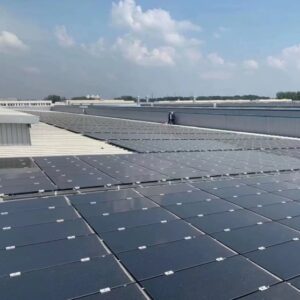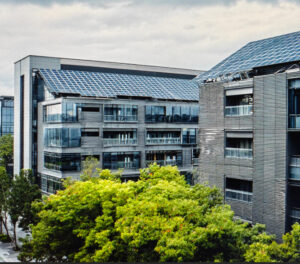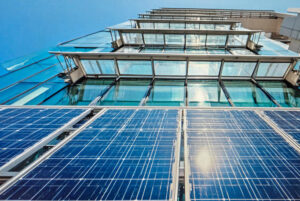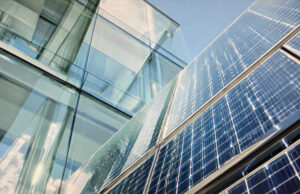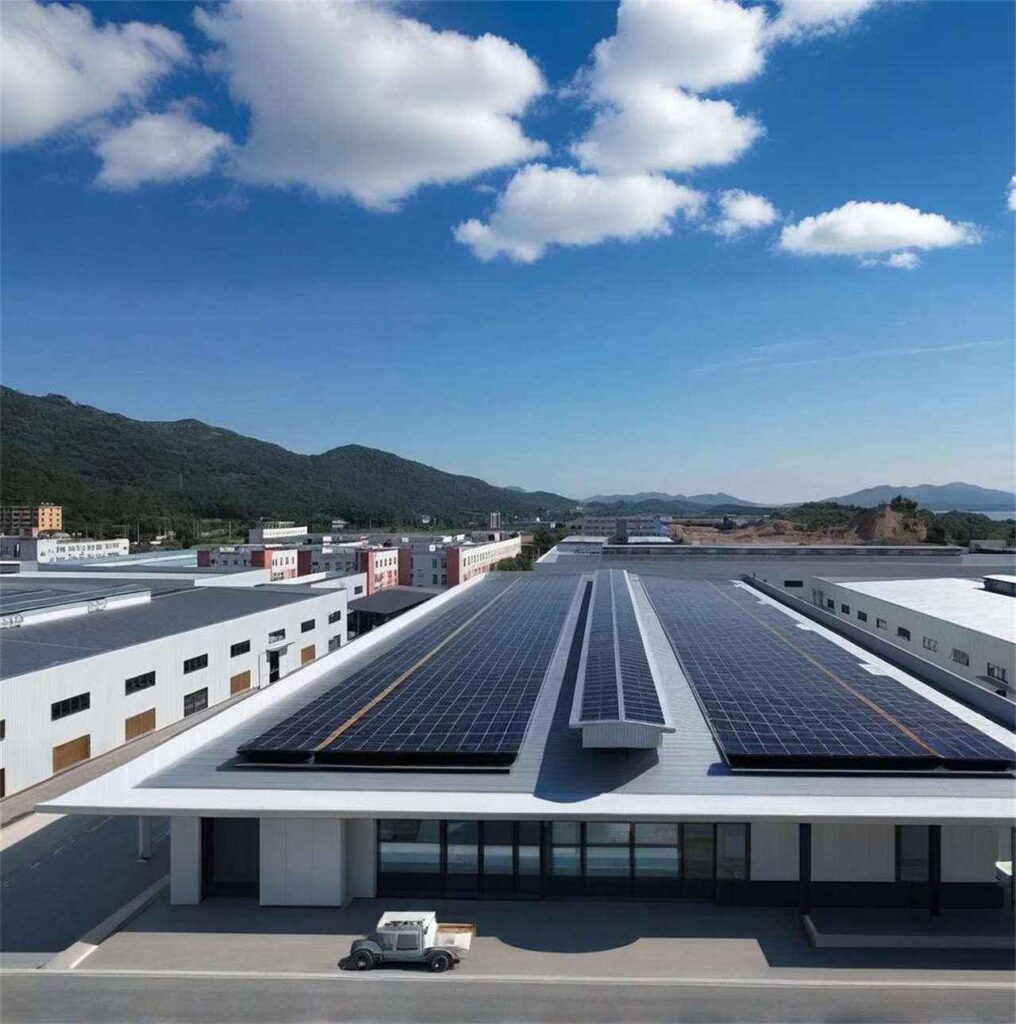
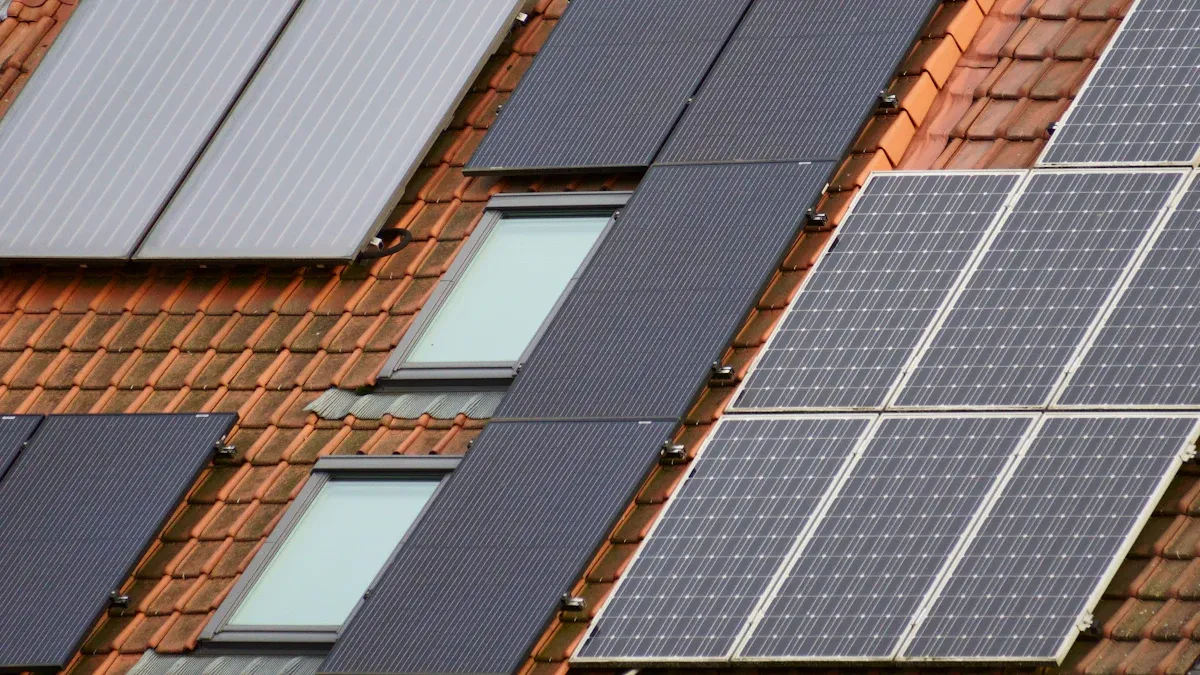
You help shape how buildings look and work with BIPV system design. Many architects use BIPV to make buildings aesthetically pleasing while also saving energy. In the European Union, most new public buildings had solar panels in 2023. In the U.S., some new net-zero homes featured solar roofs as part of their BIPV system design. When you plan a BIPV system design, you decide how sunlight and shade can help save energy. Good choices can lower heating, cooling, and lighting needs.
| Category | Statistical Insight |
|---|---|
| EU BIPV Mandate Compliance | Most new public buildings in the EU had rooftop or wall solar panels in 2023. |
| Residential BIPV Integration (U.S.) | Some new net-zero homes in the U.S. had solar roofs or solar shingles in 2023. |
Key Takeaways
- Think about BIPV at the start. This helps your building look nice and saves energy.
- Pick good materials and colors for BIPV panels. Make sure they fit your design and work well.
- Put BIPV panels in sunny spots. This helps them make more energy.
- Use shading devices to block too much light and heat. This makes your building more comfortable and saves energy.
- Clean and check BIPV panels often. This keeps them working well for a long time.
Seamless BIPV Integration
Aesthetic Harmony
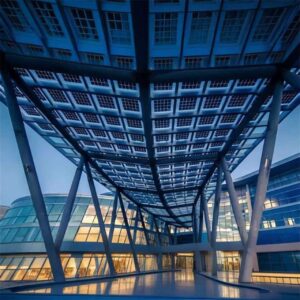
If you plan BIPV early, your building can look nice and work well. Adding solar panels to the design helps the building stand out and saves energy. Some architects use curved photovoltaic canopies, like at the California Academy of Sciences, for a special look and to make over 200,000 kWh each year. You can pick colored panels or different shapes to match your ideas. Jia Mao Bipv gives you choices to help you change how your project looks and feels.
- Put BIPV panels on the roof or walls.
- Choose colors and finishes that fit your style.
- Ask experts for help with hard problems and keep the building looking good.
Envelope Integration
Using BIPV in awnings, canopies, and ventilated façades turns regular parts into energy makers. This saves space and helps the building work better. You can swap normal materials for solar panels to get more options. Think about where the sun is to get the most energy all year.
| Challenge Type | Description |
|---|---|
| Aesthetic considerations | You need to keep the look even and pick tints that match your style. |
| Technical complexity | You must make sure it is as easy to install as regular systems. |
| Regulatory and standardization | You face problems with rules and building codes. |
| Performance and maintenance | You need products that work well and last as long as regular ones. |
| Design challenges | You must follow rules for air flow, wind safety, and electrical plans. |
Function and Visual Balance
You can choose materials to get both style and good performance. Tempered glass is strong and clear. Polymer rear sheets are light and bend easily. Metal composites make things sturdy. Anti-reflective coatings stop glare and keep the building looking nice. Custom interlayers let you add logos or special colors.
| Material Type | Visual Appeal | Functional Performance |
|---|---|---|
| Tempered Glass | Very clear and strong | Lasts a long time |
| Polymer Rear Sheets | Light and bends easily | Works for many things |
| Metal Composites | Makes things strong | Adds stiffness |
| Anti-reflective Coatings | Less glare, looks better | Lets more light through |
| EVA | Cheap and used a lot | Keeps solar cells safe |
| PVB | Clear, good for walls | Makes things look better |
| Custom Interlayers | Lets you pick colors or logos | Controls light and color |
You can talk to companies like Jia Mao Bipv to find the best mix of looks and how well your building works.
Smart Material Choices
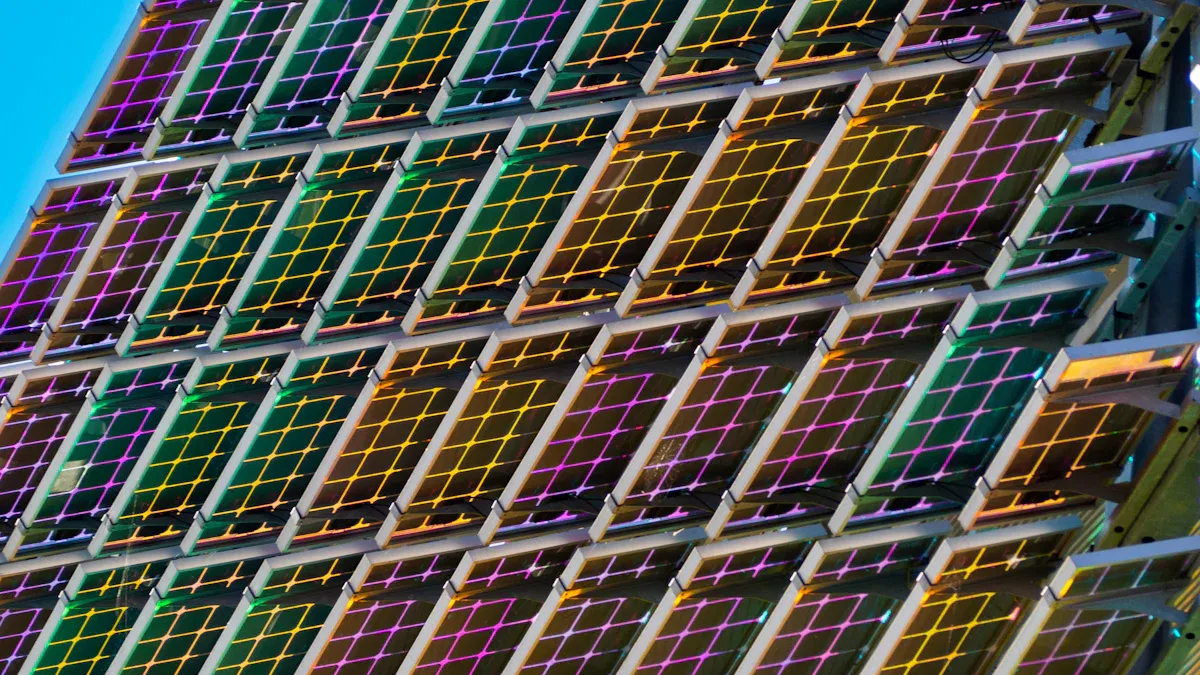
BIPV Technology Options
You have different BIPV technologies to pick from. Crystalline silicon panels make more energy. Thin-film PV panels make less energy but fit special shapes. The table below shows how these materials work:
| BIPV Material | Energy Conversion Efficiency |
|---|---|
| Crystalline Silicon | Higher efficiency |
| Thin-Film PV | Lower efficiency |
BIPV often costs less than using regular building materials and separate solar panels. BIPV takes the place of old materials and fits into the building. You can save money and get tax credits. BIPV systems pay for themselves in 4 to 11 years, so you see savings soon.
- BIPV helps make more energy on building walls.
- Using regular materials and solar panels costs more than BIPV.
Durability & Weather Resistance
You need BIPV materials that last and keep your building safe. Top BIPV products go through tough tests for fire, impact, wind, and weather. They must pass standards like UL 1703 and UL 790. The table below lists important tests:
| Testing Aspect | Description |
|---|---|
| Fire Testing | Tests under UL 1703 and UL 790 standards |
| Impact Testing | Checks ability to withstand impacts |
| Wind Resistance | Assesses performance in high wind conditions |
| Weather Protection | Ensures resistance to rain, snow, and UV |
| Durability | Evaluates longevity and structural integrity |
| Electrical Safety | Meets NEC and other safety standards |
BIPV modules must fight rust, water, and sunlight damage. You want materials that stay strong and look good for many years.
Material-Style Match
You can pick BIPV materials for almost any building style. Jia Mao Bipv has panels in lots of colors, textures, and shapes. You can make panels look like wood, marble, or brick. Solar skin technology lets you keep a classic look and still make energy. The table below shows ways to change BIPV:
| Customization Aspect | Description |
|---|---|
| Colors | Many color options to match your design |
| Textures | Textures like wood or stone available |
| Shapes | Panels shaped for different styles |
You can use BIPV in new or old building designs. You get both style and good use when you pick the right materials.
BIPV System Design Basics
Panel Placement & Sunlight
You can get more energy if you put panels in the right spot. Panels on the side of a building get more sun than those on the roof. This works well in many places. Look for spots with lots of sunlight during the day. Microinverters and power optimizers help each panel work better, even if some are in shade. Landscaping helps too. Trim trees and bushes so sunlight reaches your panels. Clean panels often so they keep working well.
Tip: Put panels where they get lots of sun and little shade. Use devices that help panels work better in hard spots.
Jia Mao Bipv has solutions for different building shapes and sun patterns. You can ask their team for help finding the best spot for your bipv system design.
| Panel Placement Type | Energy Production Potential | Notes |
|---|---|---|
| PV on Top (PVOT) | Lower | More shading, less sunlight |
| PV on Side (PVOS) | Higher | Better sunlight, less shade |
Shading Strategies
You need to control shade so your bipv system design works well. Tall buildings and trees can block sunlight in cities. Photovoltaic-integrated shading devices (PVSDs) turn extra sunlight into energy. These devices also help control heat and light inside. Brise–Soleil systems work better than regular PV façades or roofs. They cut down glare and direct sunlight, making rooms more comfy.
- Use PVSDs to make energy from extra sunlight.
- Pick Brise–Soleil systems for better comfort and efficiency.
- Put shading devices where they block the most unwanted sun.
If you plan your shading early, you get more energy and a nicer space. Jia Mao Bipv can help you pick shading devices that match your building style and needs.
Passive Solar Integration
You can make your bipv system design stronger by using passive solar features. These features help control temperature and make panels work better. Ventilated façades and spaced panels let air flow and keep panels cool. Cooler panels make more energy. Studies show passive solar integration can lower panel temperature by 23 °C. You get 12.6% more output power and 27.4% higher electrical efficiency.
| Aspect | Result |
|---|---|
| Temperature Reduction | 23 °C lower panel temperature |
| Output Power Improvement | 12.6% more output power |
| Electrical Efficiency Increase | 27.4% higher efficiency |
Think about which way your building faces. South-facing panels get the most sun, but east and west sides work too. The table below shows how orientation affects heat loss:
| Orientation | Heat Loss Factor (W/m²K) |
|---|---|
| East | 13 |
| South | 17 |
| West | 27 |
Use this information to plan your bipv system design for the best results. Jia Mao Bipv can help you choose the right orientation and passive solar features for your project.
Note: Good airflow and smart orientation help panels last longer and work better.
By following these steps, you make your bipv system design work better and last longer. You save energy, spend less money, and make your space more comfortable.
Design Flexibility
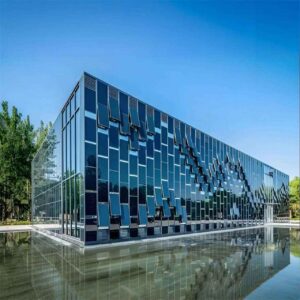
Color & Transparency
You can pick BIPV panels in lots of colors. You can also choose how much light comes through. This helps you match your building’s look. It also lets you control how bright rooms are. Some panels keep their color for more than ten years. They do not fade, even in strong sunlight. You should buy panels that meet safety rules like IEC and UL. Good panels work well and reach 18% efficiency. They also give at least 10% bifacial gain. You can check prices and installation costs for special colors.
| Design Option | Description |
|---|---|
| Colored BIPV Panels | Stay bright for over 10 years; pick panels that do not fade |
| Adjustable Transparency | Choose panels with 20%-80% transparency for more choices |
| Standards Compliance | Make sure panels meet IEC and UL rules |
| Performance Metrics | Look for 18% efficiency and ≥10% bifacial gain |
| Cost-Efficiency | Compare prices and installation for special colors |
Tip: Colored or see-through panels can make rooms bright or show off cool features.
Custom Forms
You can make BIPV panels in many shapes and sizes. This helps you fit panels on roofs, walls, or windows. Custom shapes make your building look different. They can cost more than regular panels. You need skilled workers to put them in place. Roofing crews handle layout and waterproofing. Electricians do the wiring and connect to the grid. Even though it is tricky, it can be faster than adding solar panels later.
- Labor costs include:
- Roofing crew for layout and waterproofing
- Electricians for wiring and grid connections
You should plan for extra costs like safety checks and consulting fees. Custom BIPV shapes help you make cool designs. You need to save money for the extra work.
Manufacturer Collaboration
You get better results if you work with BIPV makers early. Early teamwork helps you lower carbon emissions. It also helps you follow new rules, like carbon taxes. This makes your company look good and helps your ESG ratings. You can find more design choices and make your building work better. Jia Mao Bipv works with architects to make custom BIPV solutions. Their team helps you pick panels and plan your project from the start.
- Early teamwork with manufacturers:
- Lowers carbon emissions
- Makes your brand look better
- Helps you compete in the market
- Gives you more design choices
Note: Talk to manufacturers early to get the best results and make your building special.
Performance & Maintenance
Access & Cleaning
You need to clean your BIPV panels often. Dirt and dust block sunlight and lower energy. Cleaning helps panels last longer and work better. If you let dust build up, you lose power and money. Plan for easy cleaning when you design your bipv system design. Easy access means you can clean panels more often. This keeps them working well. Jia Mao Bipv makes panels that are easy to reach and take care of. This helps your building look nice and make energy.
Tip: Clean panels often so you do not lose power and your system stays strong.
Performance Monitoring
You can use smart tools to check your BIPV panels every day. Sensors measure temperature, sunlight, and power. You see this data on web dashboards. This helps you know when something is wrong. IoT-based systems help you spot problems fast. These tools show how dust or weather changes your panels. You can fix issues quickly and keep your system working well.
| Technology | Description |
|---|---|
| IoT-based Monitoring | Sensors check current, voltage, temperature, and environment. Data goes to web dashboards. |
| Real-time Performance Assessment | Measures temperature and power. Shows how cleaning and weather change output. |
| Performance Monitoring | Tracks weather and system data. Helps you keep panels working well. |
Maintenance Planning
Think about maintenance early in your project. Good planning helps you avoid problems and keeps your system safe. Pick a spot for your solar array with lots of sun and little shade. Work with trained experts for design, installation, and care. They know the newest technology and safety rules. Both BIPV and regular solar panels need extra waterproofing and can add weight to your roof. Make sure your building can handle these changes. Jia Mao Bipv can help you plan for easy care and long-lasting performance.
- Pick a site with lots of sunlight.
- Hire certified experts for setup and care.
- Check waterproofing and roof strength before you start.
Note: Plan early and check often to keep your BIPV system working well for many years.
Applications Across Building Types
Residential Applications
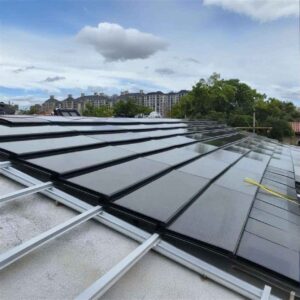
You can use BIPV in homes to make energy. It also helps your house look better. Roofing BIPV is popular for houses. You can pick solar roof tiles or shingles. These take the place of regular roofing. They work as a roof and as solar panels. You can also use BIPV for windows and walls. Photovoltaic windows let light in and make energy. Wall systems can replace normal siding. They help power your home too.
- Roofing BIPV takes the place of regular tiles or shingles.
- Windows with photovoltaic layers give light and energy.
- Wall systems make energy and keep your home safe.
| Application Type | Description |
|---|---|
| Roofing | BIPV can take the place of regular roofing. It makes energy as part of the roof. |
| Windows | Photovoltaic technology can be used in windows. It gives light and makes energy. |
| Walls | BIPV can be used in wall systems. It replaces regular materials and makes energy. |
Jia Mao Bipv has panels for many home styles. You can choose colors and shapes that match your house.
Commercial Applications
You see BIPV in offices, stores, and big buildings. Commercial projects use BIPV for more than energy. These buildings may use BIPV in parking lots or large façades. You need to think about how BIPV looks and works in the city. Commercial buildings need more energy. Their designs are more complex.
| Aspect | Residential Buildings | Commercial Buildings |
|---|---|---|
| Application | Mostly for energy and looks | Used for energy and city improvement |
| Design Considerations | Focus on how it looks with the home | Focus on how it works and fits in the city |
| Performance Expectations | Lower energy needs and simple designs | Higher energy needs and complex designs |
Tip: Make sure BIPV fits well with the building’s design for homes and businesses.
Jia Mao Bipv works with architects to make custom solutions for commercial spaces.
Public & Institutional Use
You find BIPV in schools, hospitals, and government buildings. These projects help cut greenhouse gas emissions. They also meet green building standards. BIPV uses vertical space well and keeps buildings safe from weather. You get energy independence and a modern look. Public buildings have some challenges. They cost more at first and use complex technology. You must follow rules and codes.
| Benefits | Challenges |
|---|---|
| Cuts Greenhouse Gas Emissions | Costs more at first |
| Meets Green Building Standards | Technology is complex |
| Uses vertical space well | Rules can be hard to follow |
| Looks good with little change | N/A |
| Protects from weather | N/A |
| Has many uses | N/A |
| Gives energy independence | N/A |
Jia Mao Bipv helps public projects meet tough standards. They help make buildings that do many things.
You can help your building look special if you plan BIPV early and pick good materials. The table below lists important steps you should follow:
| Actionable Step | Description |
|---|---|
| Material Selection | Choose materials that look nice and work well. |
| Solar Orientation | Put panels where they get the most sun. |
| Customization | Change BIPV to match your design ideas. |
| Maintenance and Monitoring | Make it easy to care for and check often. |
Jia Mao Bipv helps you make buildings that save energy and look nice. Using BIPV means you help the planet, improve how your building works, and keep your design looking new for a long time.
FAQ
What is BIPV and how does it work?
BIPV stands for Building-Integrated Photovoltaics. You use BIPV panels as part of your building’s roof, walls, or windows. These panels turn sunlight into electricity. Jia Mao Bipv offers many options for different building styles.
Can you customize BIPV panels for your project?
Yes, you can choose colors, shapes, and transparency. Jia Mao Bipv helps you match panels to your design. You pick what fits your building best.
How do you keep BIPV panels clean and working well?
You clean panels often to remove dust and dirt. Easy access helps you do this quickly. Jia Mao Bipv designs panels that are simple to reach and maintain.
Are BIPV panels safe for all weather?
BIPV panels pass tests for fire, wind, and rain. You get strong panels that last many years. Jia Mao Bipv meets safety standards like UL and IEC.
Where can you use BIPV in your building?
You install BIPV on roofs, walls, windows, or even canopies. Jia Mao Bipv offers solutions for homes, offices, and public buildings.


-300x300.jpg)