Solar glass roofing has moved beyond the prototype stage. In 2026, building-integrated photovoltaic (BIPV) roofing products are being specified in commercial towers in Dubai, residential subdivisions in Texas, and heritage renovation projects across the EU. The global BIPV market — valued at approximately USD 34.78 billion in 2025 — is projected to reach USD 250.91 billion by 2035, expanding at a CAGR of 21.85%, according to Precedence Research. That growth rate tells a straightforward story: solar glass roofing is no longer a niche curiosity.
But choosing the right brand is still difficult. Efficiency ratings, temperature coefficients, facade integration options, warranty coverage, and total cost of ownership vary dramatically from one manufacturer to the next. A Tesla Solar Roof tile operating at 72 W per unit in Arizona faces entirely different performance demands than an Onyx Solar amorphous silicon panel installed on a curtain wall in Oslo. Selecting the wrong product can mean a 30–40% shortfall in projected energy yield or a payback period that stretches from 8 years to 15.
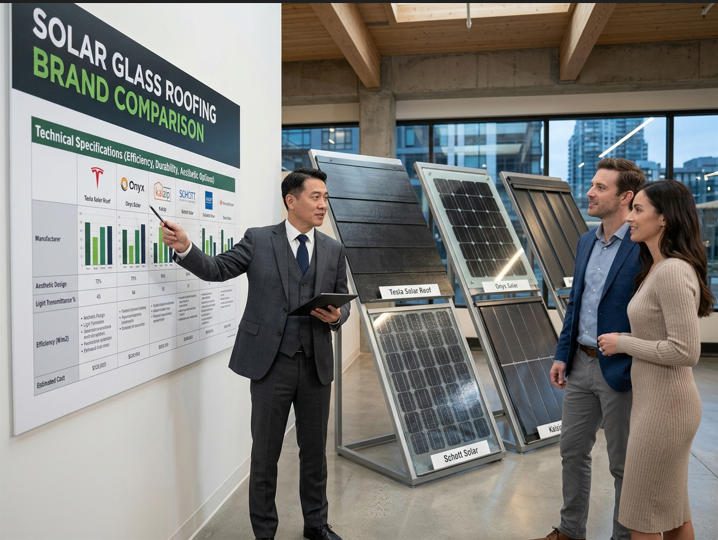
This guide provides a brand-by-brand technical comparison of the leading solar glass roofing materials available in 2026. It covers market context, evaluation criteria, detailed product profiles for Tesla Solar Roof, Onyx Solar, Schott AG, Kalzip PV, and several other integrated solutions — including emerging BIPV specialists like Jia Mao BIPV. It also includes a cost-and-ROI analysis, a decision framework for selecting the right system, and a checklist to guide your purchasing process.
Market Overview and Trends
Market Growth Drivers and Readiness for Adoption
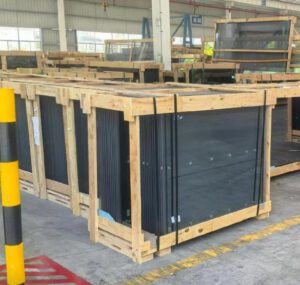
Three converging forces are accelerating adoption of solar glass roofing materials. First, government mandates: the EU’s revised Energy Performance of Buildings Directive (EPBD) requires all new buildings to be zero-emission by 2030, and California’s Title 24 already mandates solar on new residential construction. Second, material science breakthroughs have pushed monocrystalline BIPV cell efficiency above 22%, closing the gap with conventional rack-mounted panels that once held a significant performance advantage. Third, costs have declined — module prices for BIPV glass dropped approximately 18% between 2023 and 2025 as manufacturers scaled production. Suppliers such as Jia Mao BIPV, with an annual production capacity of 3 GW from their Shanghai facility, are contributing to that cost compression through automated manufacturing and digitalized quality control.
Investor confidence has followed. Venture capital and project finance deals in the BIPV sector exceeded USD 2.1 billion globally in 2024, more than double the 2021 figure. Architects who once treated solar glass as an experimental add-on are now including it in standard specification packages for commercial projects.
Segments and Typical Use Cases
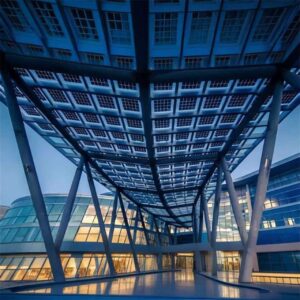
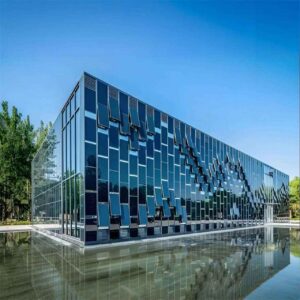
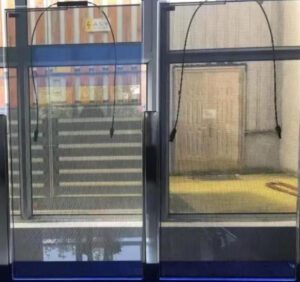
Solar glass roofing materials serve three primary segments, each with distinct technical and economic requirements. The residential segment, the largest by unit volume, focuses on solar roof tiles and shingles that replace conventional roofing. Products like the Tesla Solar Roof dominate here, with homeowners prioritizing curb appeal, warranties, and installer availability. The commercial segment emphasizes large-area glazing systems — skylights, curtain walls, and flat-roof BIPV membranes — where energy yield per square meter and building code compliance drive selection. The architectural and institutional segment represents the highest-value projects: museums, airports, university campuses, and corporate headquarters where custom colors, transparency levels, and facade integration are non-negotiable. Manufacturers like Onyx Solar and Jia Mao BIPV’s colored glass line have developed product portfolios specifically for this segment, offering transparency options ranging from 10% to 90%.
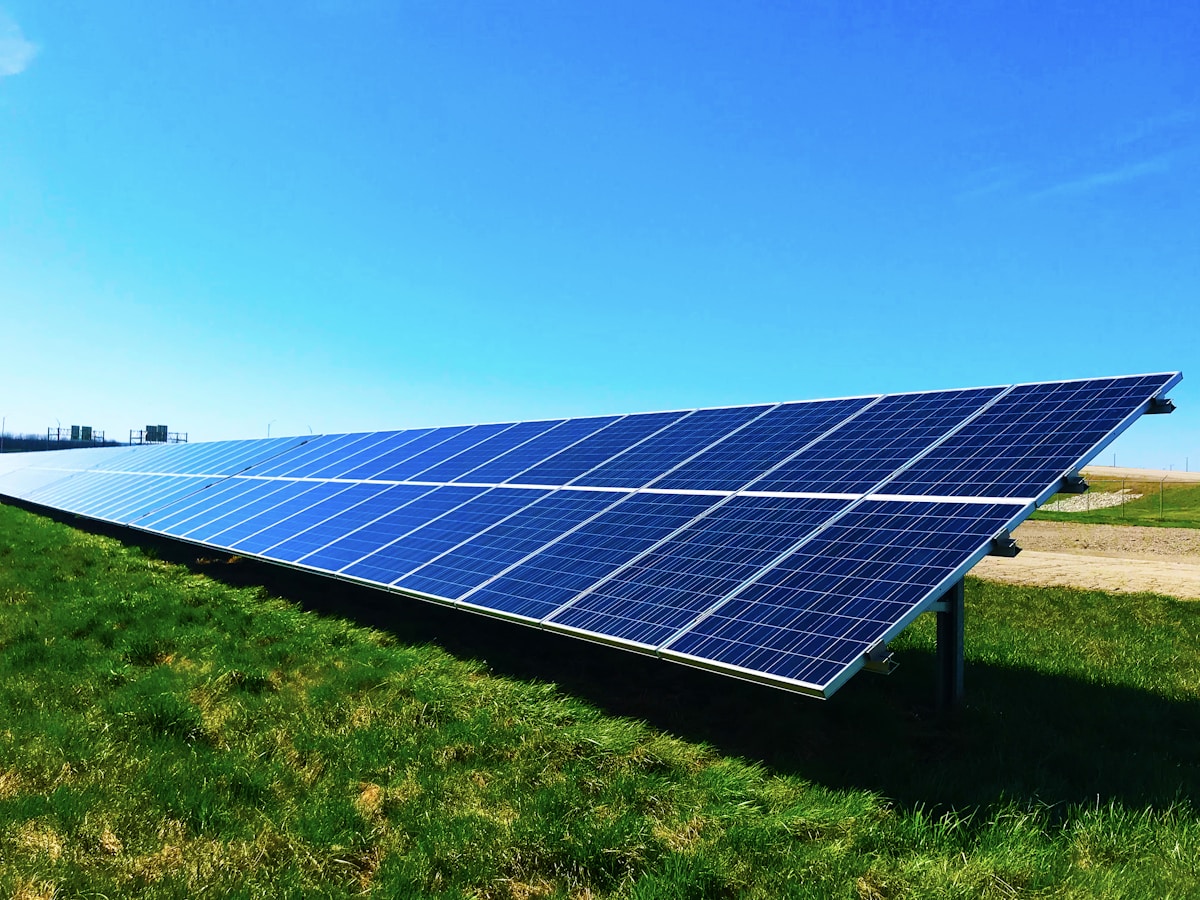
Evaluation Criteria for Solar Glass Roofs
Energy Yield, Efficiency, and Performance Standards
Cell efficiency is the metric that attracts the most attention, but energy yield — measured in kWh per kWp per year — matters more in practice because it accounts for real-world conditions including shading, orientation, and temperature. A panel rated at 22% efficiency under Standard Test Conditions (STC: 25°C, 1000 W/m², AM 1.5) may deliver substantially different results on a south-facing roof in Phoenix versus a northwest-facing installation in Hamburg. The temperature coefficient — typically expressed as a percentage loss per degree Celsius above 25°C — is particularly critical for solar glass roofing because BIPV products sit flush against the building envelope and lack the ventilation gap that rack-mounted panels enjoy. Look for temperature coefficients of Pmax at or below -0.35%/°C; Onyx Solar’s amorphous silicon products achieve -0.19%/°C, which translates to meaningfully higher output in hot climates.
Certifications provide the performance floor. IEC 61215 validates design qualification and type approval, while IEC 61730 covers safety requirements. For building integration, look for compliance with local structural codes and fire classifications — the European B1-grade flame-retardancy standard, or UL 790 Class A in North America.
Aesthetics, Integration with Facade, and Color Options
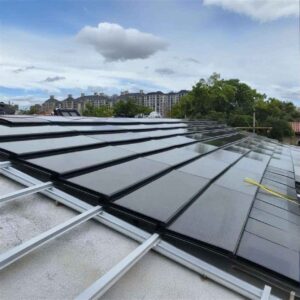
The entire value proposition of solar glass roofing — versus simply bolting conventional panels onto a rack — hinges on aesthetics and integration. Evaluation should consider available color palettes (some manufacturers offer only black and dark gray; others provide custom RAL colors), transparency levels for daylighting applications, visible cell patterns or the availability of invisible busbar technology, and how the product interfaces with standard curtain wall or roofing framing systems. A product that requires proprietary mounting hardware and specialized installation crews will add weeks to project timelines and thousands to labor costs.
Durability, Warranty, and Maintenance Implications
Solar glass roofing products must simultaneously perform as building envelope components and as power generators for 25 years or more. Warranty structures typically include a product warranty covering manufacturing defects (10–25 years) and a performance warranty guaranteeing minimum power output at year 25 (usually 80–85% of nameplate). Durability testing should cover hail resistance (IEC 61215 mandates 25 mm ice balls at 23 m/s), wind load capacity (look for 2400 Pa or higher for standard roofing applications), and resistance to Potential Induced Degradation (PID). Self-cleaning coatings, which reduce maintenance frequency by 25–30%, are available from several manufacturers and should be factored into total cost of ownership.
Tesla Solar Roof
Product Lineup and Core Specifications
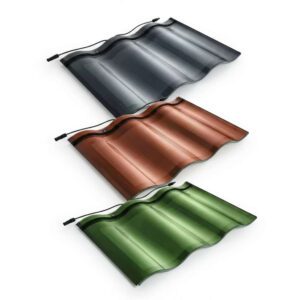
Tesla’s Solar Roof remains the most recognized name in the residential solar glass roofing category. The current product line consists of active solar tiles (each producing approximately 72 W) and inactive glass tiles that match the active tiles visually, creating a uniform roof appearance. Tesla uses monocrystalline silicon cells with estimated efficiency in the 14–18% range at the tile level — lower than conventional panels, but the trade-off is complete roof integration. The tiles measure 15 × 45 inches, feature a tempered glass surface rated for Class 3 hail (up to 1.75-inch diameter ice), and carry a 25-year tile, power, and weatherization warranty. Tesla’s own Powerwall battery storage is typically sold as part of the system package.
Installation Considerations and Timelines
Installation is performed exclusively by Tesla-certified crews, which limits geographic availability and creates lead times that frequently extend to 3–6 months from contract to activation. The installation process requires a full roof tear-off and replacement, which means the Solar Roof is most cost-effective when the existing roof is already at end of life. On a typical 2,000 sq. ft. home, on-site installation takes 1–3 weeks depending on roof complexity. Permitting and utility interconnection add additional time that varies by jurisdiction.
Strengths, Limitations, and Ideal Project Profiles
Tesla’s primary strength is brand recognition and its integrated ecosystem — solar tiles, Powerwall, and a single app for monitoring. The limitation is cost: at approximately USD 6–8 per watt of solar capacity installed (versus $2.75–$3.50 for conventional rack-mounted panels), the Tesla Solar Roof is among the most expensive solar options per watt. A 7 kW system on a new-construction home may run USD 50,000–$70,000 before incentives. The ideal project profile is a homeowner building new or replacing a failing roof who places high value on aesthetics and is willing to pay a significant premium over conventional solar to achieve a seamless all-glass appearance.
Onyx Solar
Product Range and Glass PV Options
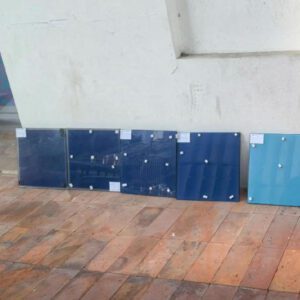
Onyx Solar, headquartered in Ávila, Spain, is one of the longest-operating BIPV glass manufacturers, with over 15 years of experience and installations in more than 60 countries. Their product range covers crystalline silicon (c-Si) and amorphous silicon (a-Si) photovoltaic glass in configurations including ventilated facades, curtain walls, skylights, canopies, walkable floors, and roof tiles. Onyx Solar’s glass is available in multiple transparency levels and an extensive color palette — white, polar gray, blue, sand, terracotta, marble brown, and custom options — making it one of the most architecturally versatile BIPV products on the market.
Photovoltaic Performance and Temperature Behavior
Onyx Solar’s amorphous silicon (a-Si) products operate at 5–10% cell efficiency — significantly lower than crystalline silicon alternatives — but compensate with a temperature coefficient of Pmax at just -0.19%/°C, which is roughly half the thermal loss of conventional crystalline panels. In hot climates (average cell operating temperatures above 50°C), this translates to 8–12% more annual energy yield relative to what the efficiency rating alone would suggest. Their crystalline silicon products achieve higher baseline efficiency but with a higher temperature coefficient. For architects and engineers evaluating total annual kWh production rather than peak-watt nameplate ratings, the a-Si option can be the more productive choice in specific climate zones.
Case Studies and Typical Installations
Notable Onyx Solar installations include the Larsen & Toubro corporate campus facade in India, walkable photovoltaic floors at George Washington University, and a government building facade in Malta. These projects demonstrate the product’s strength in institutional and commercial applications where visual integration, not maximum wattage per square meter, is the primary specification driver.
Dow Building-Integrated PV Solutions
Technology Highlights and Performance Benchmarks
Dow’s direct BIPV manufacturing ended in 2016 when the company discontinued its Powerhouse solar shingle line after less than five years on the market, citing installation complexity and competitive pressures. However, Dow remains deeply embedded in the BIPV supply chain through its DOWSIL™ PV product line — a suite of six silicone-based sealants, adhesives, and encapsulants specifically engineered for photovoltaic module assembly. These materials are used by numerous BIPV manufacturers to bond, seal, and protect solar glass assemblies.
Customization Options and Facade Integration
Dow’s current relevance to the solar glass roofing market is as a materials science partner rather than a finished product manufacturer. Their structural silicone sealants enable frameless glass-to-glass bonding in curtain wall BIPV systems, and their encapsulant films are rated for 25+ years of UV resistance. For specifiers, the presence of DOWSIL materials in a BIPV product is a positive indicator of encapsulation quality and long-term reliability. Manufacturers including Jia Mao BIPV use high-grade imported encapsulant films (POE-based) in their lamination process, delivering UV aging resistance improvements of up to 40% compared to standard EVA encapsulants — an approach aligned with the performance benchmarks Dow’s materials helped establish.
Schott Solar Glass (Schott AG)
Glass Technologies and PV Compatibility
Schott AG, the German glass manufacturer founded in 1884, provides high-performance cover glass engineered for photovoltaic applications. Their SCHOTT® Solar Glass product line is optimized for light transmittance, mechanical strength, and long-term weathering resistance. The glass achieves transmittance levels above 91% with anti-reflective coatings, which directly translates to higher cell output compared to standard soda-lime glass covers. Schott’s low-iron formulations reduce absorption losses that would otherwise cost 2–4% of potential energy yield over the module’s lifetime.
Design Flexibility and Architectural Suitability
Schott’s solar glass is used as a component by BIPV module manufacturers rather than sold as a complete roofing system. Its architectural value lies in offering tempered and laminated configurations that meet curtain wall structural standards, compatibility with both crystalline and thin-film cell technologies, and availability in various thicknesses from 2.0 mm to 4.0 mm for weight-sensitive roofing applications. Specifiers working with BIPV integrators should inquire whether Schott glass is used in the module stack-up, as it represents a premium material choice.
First Solar–Glass Integrated Solutions
Framework, Modules, and System Compatibility
First Solar is primarily known as the world’s largest manufacturer of cadmium telluride (CdTe) thin-film photovoltaic modules for utility-scale applications. Their relevance to the solar glass roofing market comes through partnerships — notably with Vitro Architectural Glass on the Solarvolt BIPV module, which combines Vitro’s architectural glazing expertise with thin-film PV technology. CdTe thin-film technology offers lower per-watt costs than crystalline silicon, a better temperature coefficient (typically -0.28%/°C for Pmax), and a uniform dark appearance that architects tend to prefer for facade applications.
Installation Considerations and Service Network
Because First Solar does not directly sell a finished BIPV roofing product to end users, project teams work through glazing contractors and BIPV integrators who specify First Solar–compatible modules. Installation follows standard curtain wall or structural glazing procedures. The service network depends on the integrator rather than First Solar directly, so verifying local installer capability and post-installation support terms is essential during procurement.
Kalzip PV Glass (Kalzip-Style PV Roofing Systems)
Metal Roofing with PV Glass Integration
Kalzip, a subsidiary of Hydro (formerly Norsk Hydro), offers aluminum standing-seam roofing systems with integrated photovoltaic modules. Their product line includes Kalzip AluPlusSolar (PV cells laminated directly onto the aluminum roofing sheet) and Kalzip SolarClad (a retrofit PV system bonded to existing metal roofing). These products are engineered for large commercial and industrial roofs — warehouses, distribution centers, airport terminals — where lightweight construction and long unsupported spans are required.
Maintenance and Long-Term Durability
Kalzip’s aluminum substrate provides inherent corrosion resistance, and the standing-seam design eliminates roof penetrations that create leak risk. The PV modules are bonded rather than mechanically fastened, which reduces thermal bridging. Maintenance requirements are minimal: periodic inspection of electrical connections and cleaning of the PV surface. The aluminum sheets are available in any RAL color with polyester coating, and can be formed into curved profiles — an option that conventional glass-on-glass BIPV modules cannot match. For curved or barrel-vault roof geometries, Kalzip is one of very few options that combine PV generation with architectural roofing.
Other Major Glass Manufacturers’ Solar Offerings
Portfolio Highlights and Global Support
Beyond the brands profiled above, several other companies offer notable solar glass roofing products. Pilkington (part of NSG Group) manufactures Sunplus™ BIPV, an architectural glass with embedded PV cells designed for facades and roof glazing. LONGi, the world’s largest solar wafer manufacturer, entered the BIPV market with its own integrated roofing products leveraging high-efficiency HPBC cell technology. GAF Energy, a roofing materials company, offers the Timberline Solar shingle — a nailable solar shingle that installs like a standard asphalt shingle and produces 45 W per unit. SunStyle offers a Swiss-engineered solar roof tile system with dragon-scale aesthetics and IEC 61215/61730 certification.
Warranty and Service Considerations
Warranty coverage among these manufacturers ranges from 10 to 30 years for product defects and 25 to 30 years for power output guarantees. LG, once a significant solar panel manufacturer, exited the solar business entirely in 2022; existing LG panels are still under warranty but no new product is available. This serves as an important reminder: the financial stability and long-term commitment of the manufacturer matters as much as the warranty document itself. When evaluating lesser-known brands, ask for evidence of production scale, financial audits, and existing project references. Manufacturers like Jia Mao BIPV publish their complete product portfolios with technical datasheets and maintain a 3 GW annual manufacturing capacity — indicators of operational maturity that de-risk long-term warranty claims.
Cost Considerations, ROI, and Total Cost of Ownership
Upfront Costs, Incentives, and Financing Options
Upfront cost is the single largest variable in solar glass roofing economics, and the range is wide. The table below provides representative cost data for the major product categories.
| Product Type | Cost per Watt (USD) | Typical System Size | Total Installed Cost (Before Incentives) | Federal ITC (30%) | Net Cost After ITC |
|---|---|---|---|---|---|
| Tesla Solar Roof | $6.00 – $8.00 | 7 kW | $50,000 – $70,000 | $15,000 – $21,000 | $35,000 – $49,000 |
| Onyx Solar (c-Si Glass) | $5.50 – $9.00 | Custom | Project-dependent | 30% | Project-dependent |
| Kalzip AluPlusSolar | $4.50 – $7.00 | 50–500 kW | $225,000 – $3,500,000 | 30% | $157,500 – $2,450,000 |
| GAF Timberline Solar | $3.80 – $5.50 | 8 kW | $30,400 – $44,000 | $9,120 – $13,200 | $21,280 – $30,800 |
| Conventional Rack-Mount Panels | $2.75 – $3.50 | 8 kW | $22,000 – $28,000 | $6,600 – $8,400 | $15,400 – $19,600 |
| Jia Mao BIPV Glass Modules | $3.50 – $6.00 | Custom | Project-dependent | 30% | Project-dependent |
The U.S. federal Investment Tax Credit (ITC) at 30% applies to all qualifying solar installations through 2032, significantly improving payback. State and local incentives — including SRECs, property tax exemptions, and accelerated depreciation for commercial projects — can reduce net cost by an additional 10–25% depending on jurisdiction.
Expected Payback Periods and Lifetime Value
Payback period depends on system cost, local electricity rates, incentive availability, and actual energy production. Based on national average residential electricity rates of $0.16/kWh and an 8 kW system, the following estimates apply.
Chart 1: Estimated Payback Period by Product Type (Years)
5
10
15
20
25
Years
Tesla Solar Roof
12 – 18 yrs
Onyx Solar
10 – 15 yrs
Kalzip PV
8 – 13 yrs
GAF Timberline
8 – 12 yrs
Jia Mao BIPV
7 – 11 yrs
Conventional Panels
6 – 10 yrs
These payback estimates assume the solar glass roofing product replaces a roof that would otherwise need replacement. If the existing roof has 15+ years of remaining life, the incremental cost of BIPV over simple panel installation lengthens payback significantly. Commercial projects with accelerated depreciation (MACRS 5-year schedule in the U.S.) typically achieve faster payback than residential installations.
Over a 30-year system life, a well-specified solar glass roofing system generating 10,000 kWh/year at $0.16/kWh produces approximately $48,000 in electricity value — before accounting for electricity price escalation, which has averaged 2.5% annually over the past decade. With escalation, lifetime value can exceed $65,000.
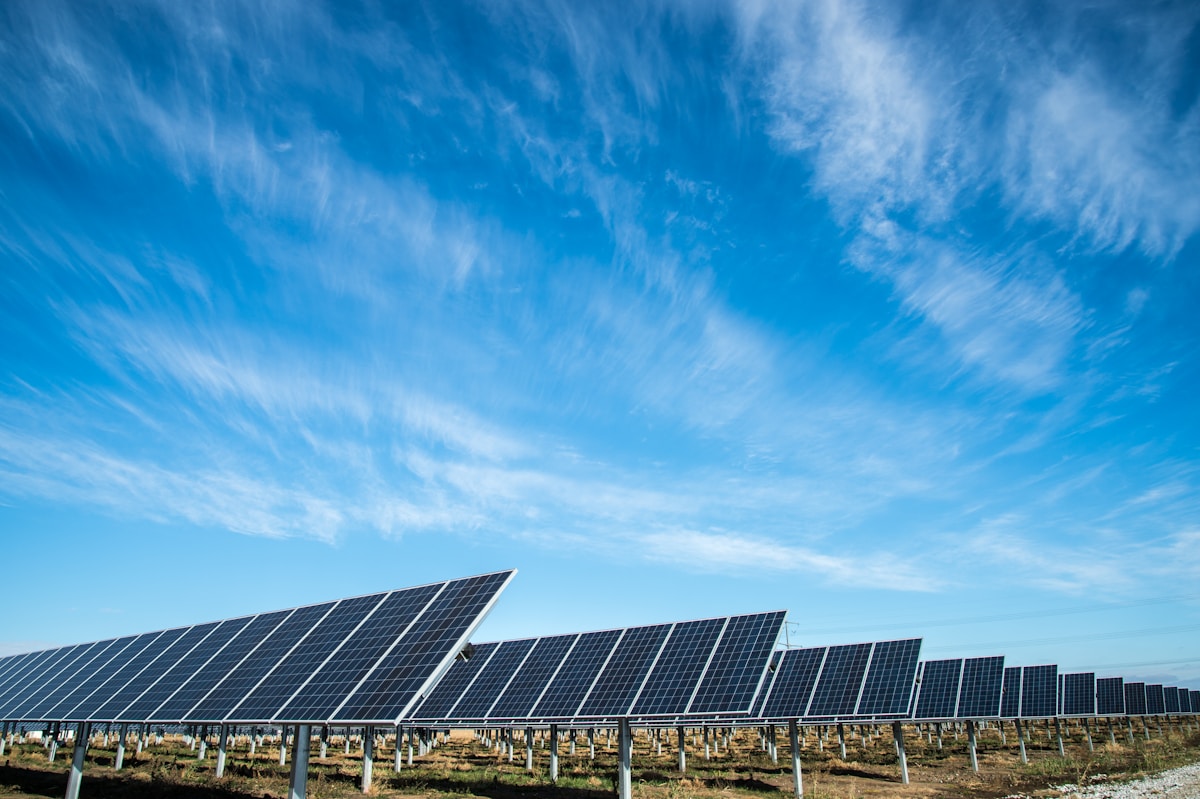
Choosing the Right Brand: Decision Framework
Site Factors, Climate, and Energy Targets
The right solar glass roofing product depends on the intersection of site conditions and project goals. Climate drives the cell technology decision: in hot regions (annual average temperatures above 25°C), products with low temperature coefficients — such as Onyx Solar’s a-Si glass (-0.19%/°C) or CdTe thin-film modules (-0.28%/°C) — will outperform standard crystalline silicon products on an annual kWh basis. In cooler, high-latitude locations where peak irradiance is limited, higher-efficiency crystalline silicon cells (above 20%) are the better choice because maximizing output during limited sunshine hours is the priority.
Roof orientation and tilt matter. South-facing roofs (in the Northern Hemisphere) at a 30° tilt produce roughly 100% of theoretical maximum output; east- or west-facing installations lose 10–15%, and flat installations lose 5–10% depending on latitude. For flat commercial roofs, ballasted mounting with slight tilt may outperform flush-mounted BIPV glass if energy yield is the primary objective.
Energy targets — partial offset versus net-zero — determine system sizing. A project targeting 100% electricity offset requires a thorough load analysis and may need to combine roof-area BIPV with facade-mounted units. Manufacturers such as Jia Mao BIPV offer transparent BIPV glass for facades and skylights that complement roof-based systems, enabling architects to maximize solar capture across the entire building envelope.
Chart 2: BIPV Market Share by Application Segment (2026)
BIPV Market
Roofing (45%)
Facades (28%)
Skylights (15%)
Other (12%)
Procurement, Engineering Approval, and Support Network
Procurement timelines for solar glass roofing products range from 4 weeks for stock items from high-capacity manufacturers to 16+ weeks for custom-engineered facades. Request samples, technical datasheets, and wind/snow load calculations before committing. Engineering approval typically involves structural review (dead load of BIPV system plus wind and snow loads), electrical review (string sizing, inverter compatibility, rapid shutdown compliance), and fire safety review (classification of the PV module as a roofing material). Work with manufacturers that provide engineering support documentation. Jia Mao BIPV, for instance, offers a step-by-step design and installation guide and assigns technical teams for project-specific structural calculations.
Risk Assessment, Certifications, and Warranty Terms
Risk assessment should address manufacturer financial stability (will the company exist to honor a 25-year warranty?), certification completeness (IEC 61215, IEC 61730, and applicable building codes), installation crew qualifications, and availability of replacement components. The table below summarizes certification and warranty data across the profiled brands.
| Marca | IEC 61215 | IEC 61730 | Hail Rating | Product Warranty | Performance Warranty (Year 25) |
|---|---|---|---|---|---|
| Tesla Solar Roof | Yes | Yes | Class 3 | 25 years | ≥80% of rated power |
| Onyx Solar | Yes | Yes | 25 mm @ 23 m/s | 10 years | ≥80% of rated power |
| Kalzip PV | Yes | Yes | Per EN 13583 | 20 years (roof system) | ≥80% of rated power |
| GAF Timberline Solar | Yes | Yes | Class 3 | 25 years | ≥85% of rated power |
| SunStyle | Yes | Yes | Class 4 | 10 years | ≥80% of rated power |
| Jia Mao BIPV | Yes | Yes | 25 mm @ 23 m/s | 25 years | ≥80% of rated power |
Watch: Building-Integrated Photovoltaics Explained
For a visual overview of how BIPV systems work and integrate with building design, watch this presentation from the PluggedIn Energy Podcast covering the latest developments in solar glass roofing technology:
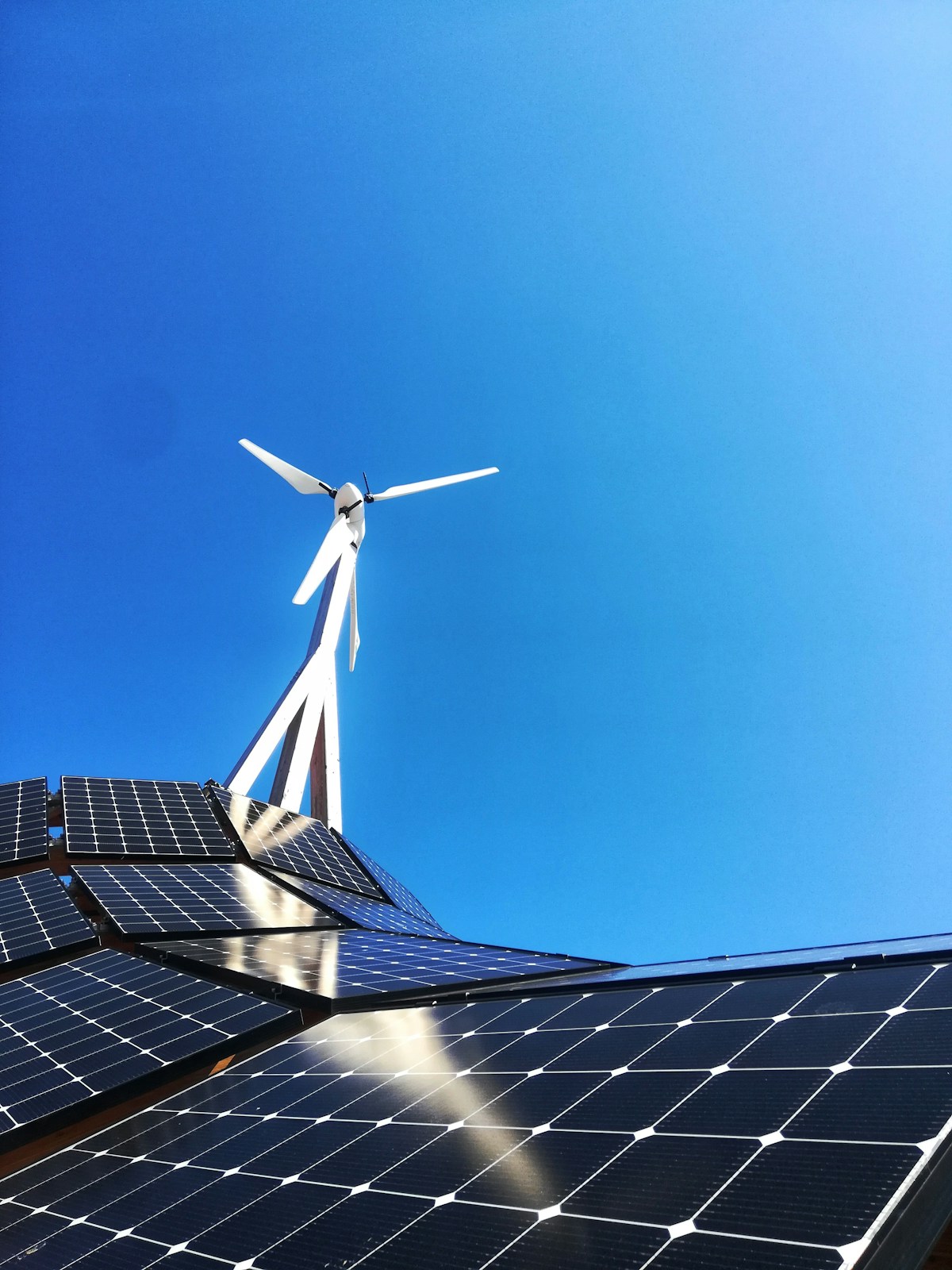
No single brand dominates every solar glass roofing application. Tesla’s Solar Roof excels in residential aesthetics but carries a steep per-watt cost premium. Onyx Solar leads in architectural versatility and hot-climate performance. Kalzip is the logical choice for large-area commercial metal roofs. Schott provides premium glass components to BIPV assemblers. First Solar’s CdTe technology, accessed through partnerships, offers thin-film benefits for facade glazing. And manufacturers like Jia Mao BIPV deliver a competitive balance of cost, customization, and certified performance — particularly for projects that require custom sizing, color matching, or integrated facade-plus-roof solutions backed by a 3 GW production base.
The key takeaways from this comparison are straightforward. Efficiency alone does not determine the best product — annual energy yield, temperature behavior, and integration ease matter more in practice. Cost per watt is a useful starting metric, but total cost of ownership — including roof replacement savings, incentives, maintenance, and 30-year energy production — is the proper basis for comparison. Warranty terms are only as reliable as the manufacturer behind them; verify production scale and financial stability. And finally, climate, orientation, and building type should drive product selection, not brand marketing.
Decision Checklist for Solar Glass Roofing
| Step | Action Item | Key Question |
|---|---|---|
| 1 | Site Assessment | What is the roof orientation, tilt, area, and structural load capacity? |
| 2 | Climate Analysis | What is the annual average temperature and irradiance at the site? |
| 3 | Energy Target Definition | Are you targeting partial offset, net-zero, or net-positive? |
| 4 | Aesthetic Requirements | Do you need custom colors, transparency, or specific tile profiles? |
| 5 | Budget and ROI Modeling | What is the total installed cost after incentives, and what is the payback? |
| 6 | Certification Verification | Does the product carry IEC 61215, IEC 61730, and applicable fire ratings? |
| 7 | Warranty and Manufacturer Due Diligence | What are the product and performance warranty terms, and is the manufacturer financially stable? |
| 8 | Installer Qualification | Is the installer certified by the manufacturer and experienced with BIPV? |
| 9 | Request Quotes and Site Audits | Have you obtained at least three competitive quotes with site-specific designs? |
| 10 | Contract Review | Does the contract include performance guarantees, maintenance terms, and escalation procedures? |
The next step is to engage directly with manufacturers. Request samples, technical datasheets, and project-specific quotes. For custom BIPV glass solutions, contact Jia Mao BIPV for a consultation tailored to your project’s specifications. For general solar roofing comparisons, use platforms like EnergySage or SolarReviews to obtain multiple installer quotes in your area.
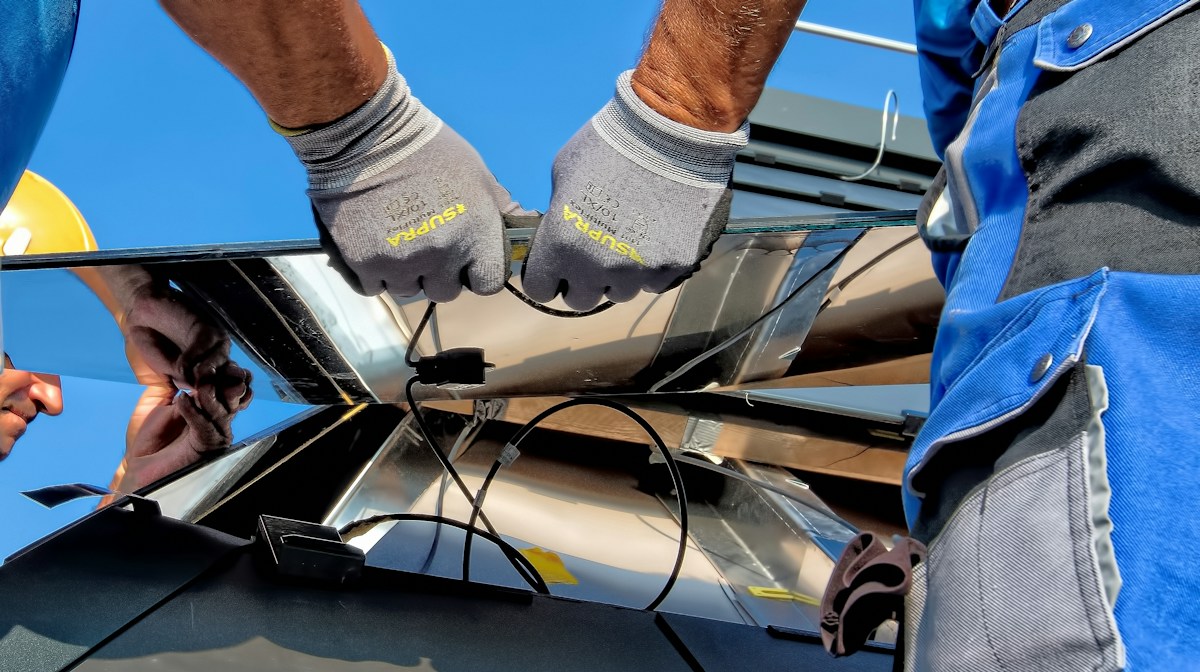
Frequently Asked Questions (FAQ)
1. What criteria should I compare when choosing solar glass roofing?
The most important criteria are energy yield (kWh/kWp/year, not just nameplate efficiency), temperature coefficient of Pmax, certifications (IEC 61215, IEC 61730), hail and wind load ratings, product and performance warranty terms, aesthetic options (color, transparency), total installed cost per watt, manufacturer financial stability, installer availability in your region, and compatibility with your building’s structural and electrical systems. Prioritize annual energy production over peak efficiency ratings, because real-world conditions — temperature, shading, orientation — determine actual output.
2. How does solar glass roofing compare to conventional solar panels in terms of efficiency?
Conventional rack-mounted solar panels achieve 20–23% module efficiency, while solar glass roofing products typically range from 5% (amorphous silicon BIPV glass) to 18% (monocrystalline solar tiles). The lower efficiency is offset by the fact that BIPV replaces both the roofing material and the solar system, eliminating the cost of a separate roof. Additionally, some BIPV products — particularly thin-film and a-Si types — lose less output in high temperatures, partially closing the gap in hot climates.
3. What is the typical payback period for a solar glass roof?
Payback periods range from 7 to 18 years depending on the product, system size, local electricity rates, and available incentives. A Tesla Solar Roof in a high-electricity-cost state (California, Connecticut) with a full 30% ITC may achieve payback in 12–14 years. A Jia Mao BIPV glass system installed on a commercial building with MACRS accelerated depreciation can reach payback in 7–11 years. Conventional rack-mounted panels typically pay back in 6–10 years. The key variable is whether the BIPV system replaces a roof that already needs replacement — if so, the incremental cost over a standard re-roof is much lower.
4. Are solar glass roofing materials durable enough for harsh climates?
Yes, when properly certified. Products carrying IEC 61215 certification have passed mechanical load tests (2400 Pa front/rear load), hail impact tests (25 mm ice ball at 23 m/s), thermal cycling (200 cycles from -40°C to +85°C), and damp heat exposure (1000 hours at 85°C/85% RH). Tesla Solar Roof tiles are rated for Class 3 hail and 130+ mph winds. Kalzip’s aluminum-based PV roofing systems withstand extreme wind loads on commercial structures. For regions with heavy snowfall, verify that the BIPV product’s structural load rating exceeds local snow load requirements.
5. Can solar glass roofing be customized for different building designs?
Most BIPV glass manufacturers offer extensive customization. Onyx Solar provides custom colors, transparency levels from 10% to 40%, and configurations for facades, skylights, and walkable floors. Jia Mao BIPV’s colored glass products are available in multiple tones with adjustable transparency from 10% to 90%, and their panels can be custom-sized to match specific curtain wall or facade grid dimensions. Kalzip’s PV roofing sheets can be formed into curved profiles. Custom orders typically add 4–8 weeks to lead time.
6. What certifications should I look for in solar glass roofing products?
At minimum, require IEC 61215 (design qualification and type approval) and IEC 61730 (safety qualification). In the United States, UL 61730 and UL 790 (fire classification) are required. For building envelope applications, verify compliance with local structural codes, wind load ratings per ASCE 7, and fire classifications (Class A per UL 790 or BROOF per EN 13501-5 in Europe). Additional certifications like MCS (UK), CEC (Australia), or TÜV Rheinland provide further quality assurance.
7. How does the temperature coefficient affect solar glass roofing performance?
The temperature coefficient of Pmax indicates how much power output decreases for each degree Celsius above 25°C. A typical crystalline silicon BIPV module has a coefficient of -0.34% to -0.40%/°C, meaning at 45°C (a common operating temperature on a sun-exposed roof), output drops by 6.8%–8.0%. Onyx Solar’s amorphous silicon products have a coefficient of just -0.19%/°C, reducing that loss to approximately 3.8%. In regions where roof surface temperatures regularly exceed 50°C, this difference can amount to a 5–10% annual yield advantage for low-coefficient products.
8. Is it better to install solar glass roofing on a new build or as a retrofit?
Solar glass roofing is most cost-effective on new construction or full roof replacements, because the BIPV product replaces the conventional roofing material — eliminating the cost of standard tiles, shingles, or metal sheets. On a retrofit where the existing roof is in good condition, adding rack-mounted panels is almost always cheaper per watt. If the existing roof needs replacement within the next 5 years, combining re-roofing with BIPV installation makes strong economic sense.
9. What maintenance does solar glass roofing require?
Maintenance requirements are minimal. Most solar glass roofing products should be inspected annually for physical damage, electrical connection integrity, and soiling. Cleaning frequency depends on local conditions — dusty or pollinated environments may require 2–4 cleanings per year, while areas with regular rainfall may only need 1 annual cleaning. Products with self-cleaning coatings (such as those available from Jia Mao BIPV, which reduce maintenance costs by approximately 30%) need less frequent attention. Inverter and electrical system maintenance should follow manufacturer guidelines, typically involving annual inspection.
10. Which solar glass roofing brand offers the best value for commercial projects?
Value for commercial projects depends on the specific application. For large flat or standing-seam metal roofs, Kalzip PV offers one of the lowest cost-per-watt options with proven performance in warehouse and industrial settings. For commercial facades and curtain walls requiring custom aesthetics, Onyx Solar and Jia Mao BIPV provide the broadest design flexibility with competitive pricing — Jia Mao BIPV’s 3 GW annual manufacturing capacity enables economies of scale that smaller BIPV manufacturers cannot match. For standard commercial rooftops where aesthetics are secondary, conventional high-efficiency panels remain the most cost-effective choice per watt installed.