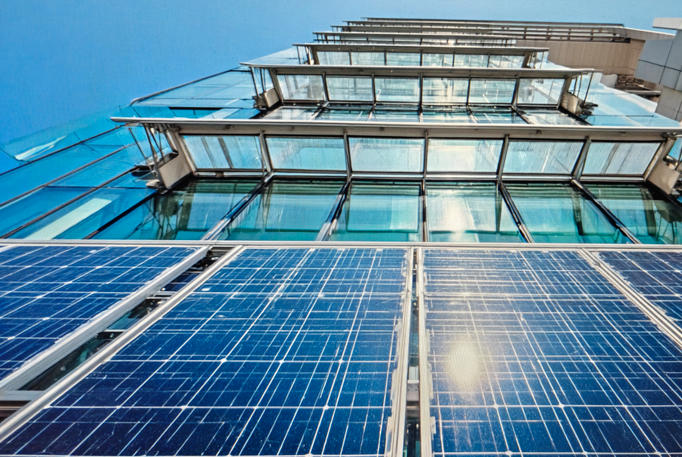
A homeowner in Denver, Colorado received two quotes for a 7.5 kW solar installation in late 2025. The first was a conventional rack-mounted rooftop system at $2.75/W installed — $20,625 before incentives. The second was a BIPV roof-tile system at $4.20/W installed — $31,500 before incentives. The BIPV quote looked 53% more expensive. But the homeowner’s existing clay tile roof needed replacement within three years at an estimated cost of $18,000. When that avoided roofing cost was subtracted from the BIPV price, the net premium dropped to $13,500 — just $1.80/W. After the 30% federal ITC (claimed before the residential credit expired in December 2025), the BIPV system’s effective cost was $9,450, while the rack-mounted system was $14,438 — and the BIPV owner still didn’t need a new roof.
That example illustrates why a wattage-based cost estimate for BIPV cannot be done by simply multiplying a $/W figure. You must account for the building materials the BIPV replaces, the specific product type (roof tiles, facade panels, transparent skylights), installation complexity, local incentives, and the performance factors unique to your site. This guide provides a structured method to do exactly that — converting your home’s annual energy consumption into a required wattage target, mapping that target to specific BIPV product costs, and building a realistic budget that accounts for every variable.
Understanding BIPV and Retrofit Objectives
What Is BIPV and How It Differs from Traditional PV Installation
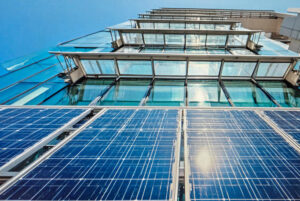
Building-Integrated Photovoltaics (BIPV) are solar modules that replace conventional building materials — roof tiles, facade cladding, skylights, spandrel panels, canopies — while simultaneously generating electricity. Unlike traditional Building-Applied Photovoltaics (BAPV), which are mounted on top of an existing roof using racks and rails, BIPV serves a dual structural and energy-production role. The Whole Building Design Guide (WBDG) defines BIPV as photovoltaic collectors that are “an integral part of the building envelope.”
This dual function is the core economic differentiator. When you install rack-mounted panels, you pay for the panels plus the existing roof (or facade) that remains underneath. When you install BIPV, you pay for the BIPV product minus the conventional material it eliminates. A Jia Mao Bipv cost breakdown shows BIPV hardware at $3,000–$5,000/kW versus $1,000–$2,500/kW for BAPV — but when the avoided cost of cladding ($12–$70/sq ft for brick, aluminum, or glass curtain wall) is credited, the net BIPV premium shrinks to $500–$1,500/kW for many retrofit scenarios.
Common Retrofit Scenarios
Residential BIPV retrofits typically fall into three categories:
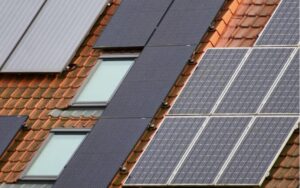
Rooftop integration: BIPV roof tiles or shingles replace aging asphalt, clay, or slate roofing. This is the most common residential application. The entire roof surface — or the south- and west-facing planes — becomes the solar array. Products like Jia Mao Bipv’s solar roofing tiles deliver 150–180 W/m² while functioning as code-compliant roofing material with wind-pressure resistance up to 4.0 kPa.
Facade integration: BIPV facade panels replace exterior cladding on one or more wall surfaces. South-facing facades in northern-hemisphere locations capture approximately 65–70% of the energy that an optimally tilted rooftop would produce (ScienceDirect, 2025). This is relevant for homes with limited roof area but significant wall exposure.
Skylight integration: Transparent BIPV glass replaces conventional skylight glazing, generating 50–130 kWh/m²/year depending on transparency level (40–70%) while maintaining natural daylighting.
Key Metrics: Wattage, Capacity Factor, and Performance Expectations
Three numbers govern every BIPV cost estimate:
Wattage (kW): The rated DC power output of the system under Standard Test Conditions (STC: 1,000 W/m² irradiance, 25 °C cell temperature). A 7.5 kW system has 7,500 watts of peak DC capacity.
Capacity factor: The ratio of actual annual energy production to the theoretical maximum if the system ran at full rated power 24/7. Residential rooftop PV in the U.S. has a capacity factor of 14–22%, depending on location. BIPV facade systems run lower (8–15%) due to non-optimal tilt angles.
Specific yield (kWh/kWp/year): Annual energy production per kilowatt-peak installed. In Phoenix, a south-facing rooftop array produces approximately 1,700–1,900 kWh/kWp/year. In Seattle, it is closer to 1,100–1,300 kWh/kWp/year. A south-facing vertical BIPV facade produces roughly 65–70% of the rooftop figure.
Determining Desired System Size and Energy Goals
How to Estimate Annual Energy Usage and Target Production
Start with your electricity bills. Pull the last 12 months of utility statements and total your annual consumption in kWh. The average U.S. household consumes approximately 10,500 kWh/year (EIA), but actual usage varies widely: 4,710 kWh/year for a 1,000 sq ft home, 9,420 kWh/year for 2,000 sq ft, and 14,130 kWh/year for 3,000 sq ft (EnergySage).
Decide what percentage of this consumption you want to offset. A 100% offset is ideal but may not be feasible if your available BIPV area is limited. Most residential BIPV retrofits target 60–100% offset.
Convert Energy Goals to Required Wattage (kW) and Panel Count Ranges
Use this formula:
Required kW = Annual kWh target ÷ Specific yield (kWh/kWp/year) ÷ System losses (typically 0.80–0.86)
System losses account for inverter efficiency (~96–97%), wiring losses (~2%), soiling (~2–5%), temperature derating (~5–10%), and degradation over time.
| Home Size | Annual Usage (kWh) | 100% Offset Target | Required kW (Phoenix, 1,800 kWh/kWp) | Required kW (Seattle, 1,200 kWh/kWp) | Panel Count (400 W panels) |
|---|---|---|---|---|---|
| 1,000 sq ft | 4,710 | 4,710 kWh | 3.1 kW | 4.6 kW | 8–12 |
| 1,500 sq ft | 7,065 | 7,065 kWh | 4.6 kW | 6.9 kW | 12–18 |
| 2,000 sq ft | 9,420 | 9,420 kWh | 6.2 kW | 9.2 kW | 16–23 |
| 2,500 sq ft | 11,775 | 11,775 kWh | 7.7 kW | 11.5 kW | 20–29 |
| 3,000 sq ft | 14,130 | 14,130 kWh | 9.2 kW | 13.8 kW | 23–35 |
Assumptions: System performance ratio of 0.85, panel wattage 400 W. Actual counts vary by BIPV product dimensions and efficiency.
Impact of Climate, Orientation, and Shading on Size
Orientation has a major impact on BIPV output. A south-facing rooftop at optimal tilt (latitude minus ~15°) captures the most energy. A south-facing vertical facade captures approximately 65% of that yield. East and west facades capture 40–50%. North facades in the northern hemisphere are generally not viable for BIPV energy generation. Shading from trees, neighboring buildings, or roof obstructions must be analyzed with tools like Aurora Solar or PVsyst. Even 10% annual shading can reduce a string-connected BIPV array’s output by 15–25% due to the weakest-link effect.
Estimating BIPV Wattage Capacity (Soft and Hard Factors)
Panel/Wall Area Limits and Product Types
BIPV products vary dramatically in watts-per-square-meter depending on technology:
| BIPV Product Type | Cell Technology | Efficiency | Power Density (W/m²) | Cost Range ($/W) |
|---|---|---|---|---|
| Opaque BIPV Roof Tiles | Monocrystalline N-type | 20–22% | 150–200 | $3.00–$5.00 |
| Semi-Transparent Facade Panel | Monocrystalline (spaced cells) | 10–16% | 80–140 | $4.00–$8.00 |
| Transparent Skylight Glass | Thin-film (CdTe/a-Si) | 5–10% | 40–80 | $6.00–$12.00 |
| Custom Colored Facade | Mono with pearlescent coating | 14–18% | 100–160 | $5.00–$10.00 |
| Flexible BIPV Membrane | CIGS thin-film | 12–15% | 90–130 | $3.50–$6.00 |
For a 2,000 sq ft home requiring 6.2 kW (Phoenix), you would need approximately 31–41 m² of opaque BIPV roof tiles at 150–200 W/m². That is roughly 330–440 sq ft of roof area — well within the available south-facing surface of most two-story homes.
Building Envelope Integration Constraints and Compatibility
BIPV modules must integrate with existing structural framing, waterproofing membranes, flashing, and ventilation pathways. Roof tiles require battens and underlayment compatible with the BIPV manufacturer’s specifications. Facade panels must fit within the curtain-wall mullion spacing or cladding rail system. Jia Mao Bipv’s tempered laminated glass is engineered for curtain-wall integration with 25-year adhesive-strip sealing that meets waterproofing grades and B1-grade flame retardancy.
Safety, Code, and Fire-Rating Considerations Impacting Capacity
The IBC and NEC impose setback requirements (typically 3 ft from ridge, hips, and valleys for fire access) that reduce usable roof area. The “33% rule” in some jurisdictions limits solar coverage to 33% of roof plan-view area before additional fire-path clearances apply. These constraints can reduce your installable wattage by 20–40% compared to a simple area-times-power-density calculation. Always verify with your local authority having jurisdiction (AHJ) before finalizing system size.
Cost Components of a BIPV Retrofit
Hardware and Modules: Panel/Wall Elements and In-Situ Mounting
Hardware typically accounts for 43–77% of total BIPV system cost (Jia Mao Bipv cost analysis). The dominant cost is the BIPV module itself:
| Component | Cost Range | % of Total System Cost |
|---|---|---|
| BIPV Modules (roof tiles / facade panels) | $3,000–$5,000 per kW | 43–55% |
| Mounting / Integration Hardware | $300–$800 per kW | 8–12% |
| Inverter (microinverter or string) | $0.13–$0.35 per W | 7–12% |
| Wiring, Conduit, Junction Boxes | $200–$500 per kW | 4–7% |
| Battery Storage (optional) | $534 per kWh | 0–20% (if included) |
Inverter, Electrical Wiring, and Grid Interconnection
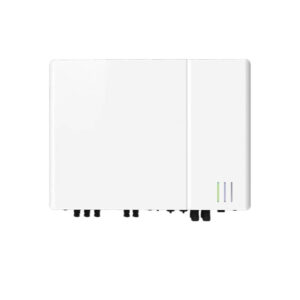
Microinverters ($0.35/W) are preferred for BIPV because of non-standard module sizes and mixed orientations. String inverters ($0.13–$0.17/W) are cheaper but less flexible for multi-orientation BIPV arrays. Jia Mao Bipv’s hybrid inverter line supports both DC-coupled battery storage and multi-MPPT inputs, making it suitable for combined roof + facade BIPV installations. Grid interconnection costs (meter upgrade, utility application fees) add $500–$1,500 depending on jurisdiction.
Installation, Facade Integration, and Labor Costs
Labor for BIPV installation is higher than for rack-mounted panels because of the building-envelope integration work — waterproofing, flashing, structural attachment, and aesthetic finishing. Typical figures:
| System Type | Material ($/sq ft) | Labor ($/sq ft) | Total ($/sq ft) |
|---|---|---|---|
| BIPV Roof Tiles (retrofit) | $8–$14 | $3–$6 | $11–$20 |
| BIPV Facade Panels (retrofit) | $6–$10 | $2–$4 | $8–$14 |
| BIPV Integrated Cladding | $8–$12 | $3–$5 | $11–$17 |
| Premium BIPV (custom colors) | $12–$18 | $5–$8 | $17–$26 |
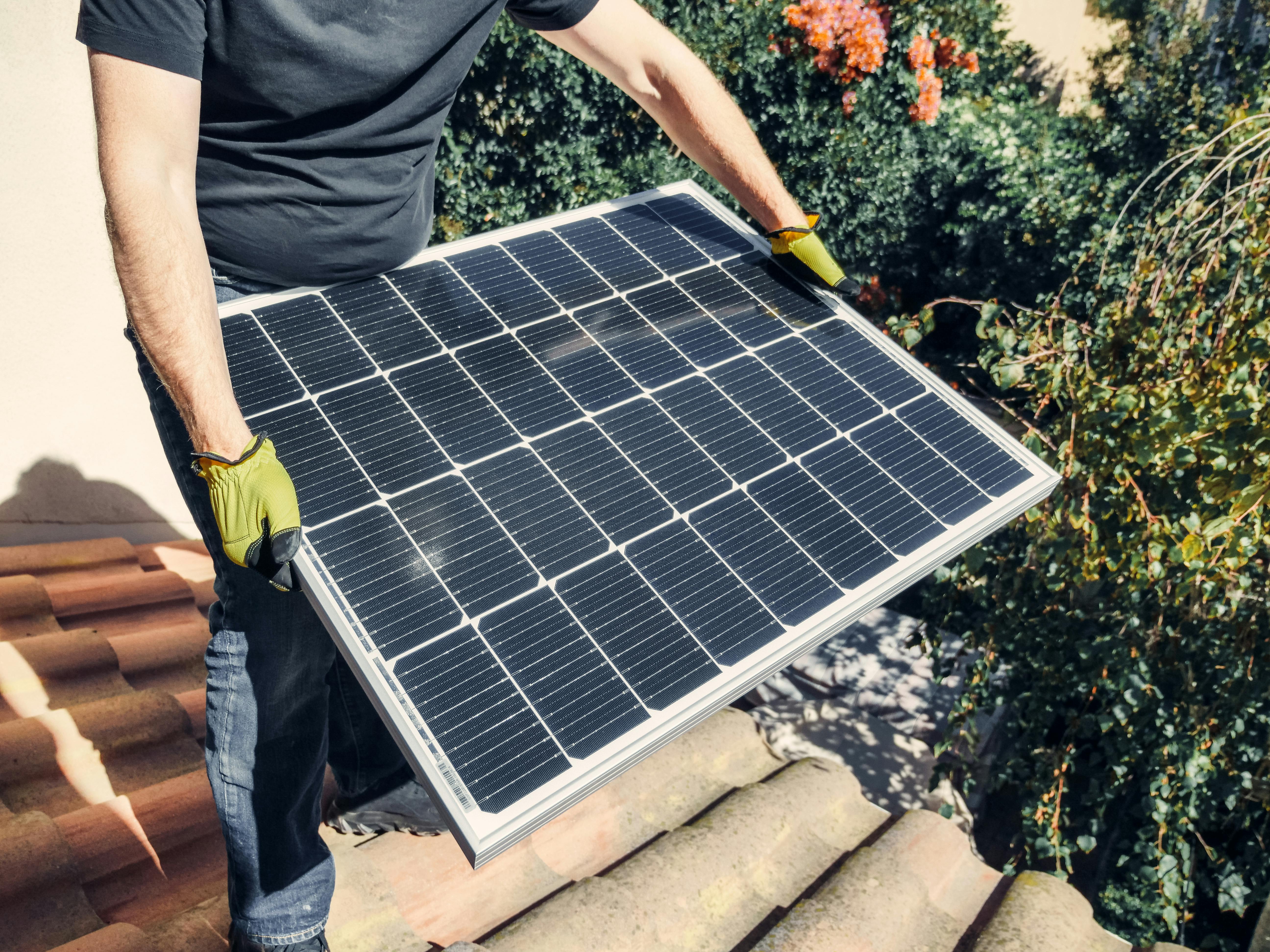
However, BIPV installation replaces — rather than adds to — the conventional roofing or cladding installation. A retrofit that removes old asphalt shingles and installs BIPV roof tiles in their place eliminates the separate roofing contractor bill, which can offset $5,000–$18,000 depending on roof size and material type.
LCCA and Financing Implications (Lifetime Cost Analysis)
Levelized Cost of Energy (LCOE) Basics for BIPV
LCOE divides the total lifecycle cost of the system (installation, maintenance, inverter replacement, degradation losses) by the total energy produced over its lifetime. For residential BIPV in the U.S.:
Conventional rooftop PV LCOE: $0.05–$0.08/kWh (utility-scale) to $0.08–$0.12/kWh (residential, per BloombergNEF 2026).
Residential BIPV LCOE: $0.08–$0.15/kWh when material-offset credits are applied. Without material offsets, BIPV LCOE rises to $0.12–$0.22/kWh. This range is already competitive with grid electricity in 30+ U.S. states where retail rates exceed $0.13/kWh.
Incentives, Rebates, and Tax Credits Influencing Upfront and Long-Term Costs
Important 2026 update: The 30% Residential Clean Energy Credit (Section 25D) expired on December 31, 2025, for homeowner-owned systems (IRS). However, the commercial Investment Tax Credit (Section 48E) remains available at 30% for qualifying installations. Homeowners who finance through third-party ownership structures (PPAs or leases) may still access the commercial ITC through their financing provider. State-level incentives (SRECs, net metering, property tax exemptions) continue to vary. Check the DSIRE database for your state’s current programs.
For projects installed before the residential credit expiration, the 30% ITC reduced the effective cost of a $40,000 BIPV retrofit to $28,000 — equivalent to knocking $1.50/W off an 8 kW system.
Financing Options and Payback Period Estimation
BIPV payback periods depend heavily on whether you credit the avoided material cost. Research published in ScienceDirect places BIPV payback at 14–18 years without material offsets, with an internal rate of return (IRR) of 5.3–5.9%. When material offsets and incentives are applied, payback compresses to 10–14 years, with IRR rising to 13–28%. Solar loan options (10–25 year terms, 4–7% APR) allow monthly payments below the avoided utility bill from day one in most high-irradiance locations.
Cost Breakdown by Category — Pie Chart
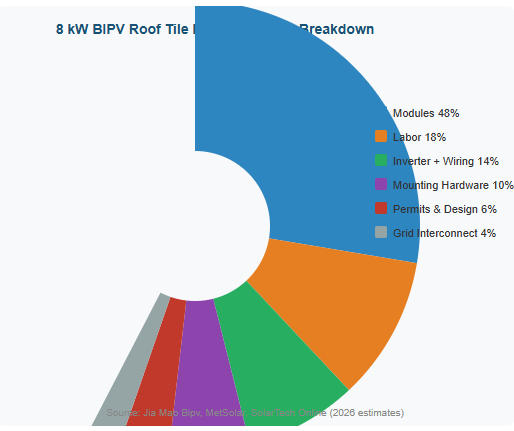
The pie chart below shows where your money goes on a typical 8 kW residential BIPV roof-tile retrofit, before incentives.
8 kW BIPV Roof Tile Retrofit — Cost Breakdown
Source: Jia Mao Bipv, MetSolar, SolarTech Online (2026 estimates)
Performance Factors That Affect Wattage-to-Cost Calculations
Temperature Coefficients and Degradation Over Time
BIPV modules integrated into building envelopes run hotter than free-standing panels because of reduced rear-side ventilation. Research shows BIPV surface temperatures can reach 63 °C under peak conditions (ScienceDirect, 2025). With a typical temperature coefficient of −0.30%/°C, a module operating at 63 °C (38 °C above STC) loses approximately 11.4% of its rated output during peak hours. This is why your cost estimate must use derated wattage, not nameplate wattage, for energy production calculations.
Annual degradation rates for quality BIPV modules are 0.3–0.5%/year. Jia Mao Bipv’s N-type high-efficiency panels specify ≤1.0% first-year degradation and ≤0.4%/year thereafter, retaining approximately 90% of rated power at year 25.
System Efficiency, Balance-of-System Losses, and Real-World Derating
Total system losses from DC generation to AC delivery typically range from 14–20%:
| Loss Factor | Typical Range | Impact on 8 kW System (kWh/yr) |
|---|---|---|
| Inverter efficiency loss | 3–4% | −360 to −480 |
| Temperature derating | 5–12% | −600 to −1,440 |
| Wiring / connector losses | 1–2% | −120 to −240 |
| Soiling (dust, pollen) | 2–5% | −240 to −600 |
| Mismatch / shading | 1–5% | −120 to −600 |
| Annual degradation (year 1) | 1% | −120 |
| Total system loss | 14–20% | −1,560 to −3,480 |
Apply a performance ratio of 0.80–0.86 to your nameplate wattage when calculating expected annual production.
Monitoring and Warranty Considerations
A monitoring system ($200–$500) is essential for verifying that your BIPV array produces as projected. Panel-level monitoring (via microinverters) catches underperformance immediately. Warranties for BIPV modules typically cover 25–30 years of performance, with inverter warranties at 10–25 years depending on type. Budget for one inverter replacement at year 12–15 if using a string inverter — approximately 17% of initial system cost.
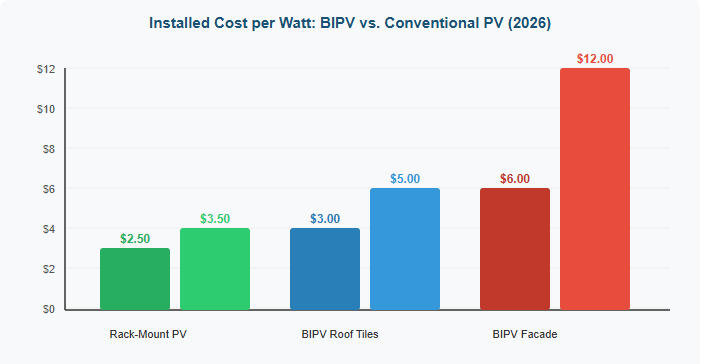
BIPV vs. Conventional PV — Installed Cost Comparison Bar Chart
Installed Cost per Watt: BIPV vs. Conventional PV (2026)
Source: SolarTech Online, Jia Mao Bipv, EnergySage, Straits Research (2026)
Note: BIPV costs must be evaluated net of the building materials they replace. A $5.00/W BIPV roof tile replaces $5–$18/sq ft of roofing material, while a $2.75/W rack-mount system adds cost on top of the existing roof.
Roof and Facade Considerations for BIPV Sizing
Surface Area Assessment and Orientation Rules of Thumb
Measure the total south- and west-facing roof area in square feet. Subtract 20–35% for code-required setbacks, vents, and obstructions. Multiply the usable area (converted to m²) by the BIPV product’s power density (W/m²) to get maximum installable wattage. For a 600 sq ft (55.7 m²) south-facing roof plane with 30% setbacks, usable area is 39 m². With 175 W/m² BIPV roof tiles, maximum capacity is 6.8 kW.
Weight, Structural Implications, and Permitting Requirements
BIPV roof tiles add 10–15 kg/m² to the roof load — similar to or lighter than concrete tiles (40–60 kg/m²) but heavier than asphalt shingles (10–12 kg/m²). A structural engineer review ($300–$800) may be required for older homes. Permitting adds $500–$2,000 and typically takes 2–6 weeks depending on local AHJ familiarity with BIPV products.
Aesthetic Goals and Potential Premium Value
BIPV retrofits can increase property value by 15–30%, according to market analyses cited in BIPV industry research. Homes with BIPV roof tiles that visually match the neighborhood aesthetic — particularly in HOA-controlled communities — avoid the pushback that rack-mounted panels sometimes face. Jia Mao Bipv’s product catalog includes color-matched BIPV options in terracotta, slate grey, and matte black, allowing integration with existing architectural styles.
Estimating Installation Time, Permits, and Project Management
Typical Project Phases and Milestones
A residential BIPV retrofit follows this timeline:
| Phase | Duration | Key Activities |
|---|---|---|
| Site Assessment & Design | 1–2 weeks | Roof measurement, shade analysis, structural review, product selection |
| Permitting & Utility Application | 2–6 weeks | Building permit, electrical permit, utility interconnection application |
| Material Procurement | 2–6 weeks | BIPV modules, inverters, mounting hardware, wiring |
| Existing Roof Removal (if retrofit) | 1–3 days | Strip old roofing, inspect deck, install underlayment |
| BIPV Installation | 3–7 days | Mount BIPV tiles/panels, wire strings, install inverter(s) |
| Inspection & Commissioning | 1–2 weeks | Electrical inspection, building inspection, utility meter activation |
| Total Project Duration | 8–18 weeks |
Permitting, Inspections, and Grid Interconnection Processes
Expect at least two inspections: a building/structural inspection and an electrical inspection. Some jurisdictions require a third fire-safety inspection for BIPV. Grid interconnection involves submitting a utility application, installing a bi-directional meter (for net metering), and receiving Permission to Operate (PTO). PTO timelines range from 1 week to 8 weeks depending on the utility.
Case Study Framework: Building a Hypothetical BIPV Cost Model
Step-by-Step Template: Input Assumptions, Compute Wattage, Map to Costs
Use this template for your own home. The example below is a 2,000 sq ft home in Charlotte, NC (specific yield: 1,400 kWh/kWp/year).
| Input / Calculation | Value | Source / Notes |
|---|---|---|
| Annual electricity consumption | 9,420 kWh | 12-month utility bill average |
| Offset target | 90% | Decision: cover 90% of usage |
| Annual production target | 8,478 kWh | 9,420 × 0.90 |
| Specific yield (Charlotte, NC) | 1,400 kWh/kWp/year | NREL PVWatts for south-facing 25° tilt |
| Performance ratio | 0.83 | Includes temperature, soiling, wiring losses |
| Required system size | 7.3 kW | 8,478 ÷ (1,400 × 0.83) |
| BIPV product: opaque roof tiles | 175 W/m² | Jia Mao Bipv monocrystalline roof tiles |
| Required roof area | 41.7 m² (449 sq ft) | 7,300 W ÷ 175 W/m² |
| Module cost @ $4.00/W | $29,200 | 7,300 × $4.00 |
| Inverter + wiring | $3,650 | ~$0.50/W (microinverters) |
| Mounting hardware | $2,920 | ~$400/kW × 7.3 |
| Labor (installation) | $5,840 | ~$0.80/W for retrofit |
| Permits & design | $2,500 | Local AHJ + engineering |
| Grid interconnection | $1,000 | Utility application + meter |
| Gross system cost | $45,110 | |
| Minus: avoided roofing cost (449 sq ft) | −$6,735 | $15/sq ft for new asphalt shingle roof |
| Net BIPV cost | $38,375 | |
| Annual energy savings (@ $0.12/kWh) | $1,017 | 8,478 kWh × $0.12 |
| Net metering credits | $250/year | Estimated surplus energy credits |
| Total annual benefit | $1,267 | |
| Simple payback (no incentives) | 30.3 years | $38,375 ÷ $1,267 |
| Payback (with state SREC at $50/MWh) | 22.2 years | +$424/yr SREC income |
| Payback (with ITC 30% — 2025 install) | 13.8 years | Net cost drops to $26,863 |
Sensitivity Analysis: How Changes in Wattage, Incentives, and Labor Affect Total Cost
The table below shows how the Charlotte example shifts when key variables change:
| Variable Changed | Scenario A (Base) | Scenario B (+20% wattage) | Scenario C (−15% labor) | Scenario D (ITC 30%) |
|---|---|---|---|---|
| System size (kW) | 7.3 | 8.8 | 7.3 | 7.3 |
| Gross cost | $45,110 | $54,132 | $44,234 | $45,110 |
| Net cost (after material offset) | $38,375 | $46,047 | $37,499 | $26,863 |
| Annual benefit | $1,267 | $1,520 | $1,267 | $1,267 |
| Simple payback (years) | 30.3 | 30.3 | 29.6 | 21.2 |
The ITC incentive has by far the largest impact on payback, followed by wattage scaling (which increases both cost and production proportionally). Labor reductions have a modest effect because labor is only ~13% of total cost.
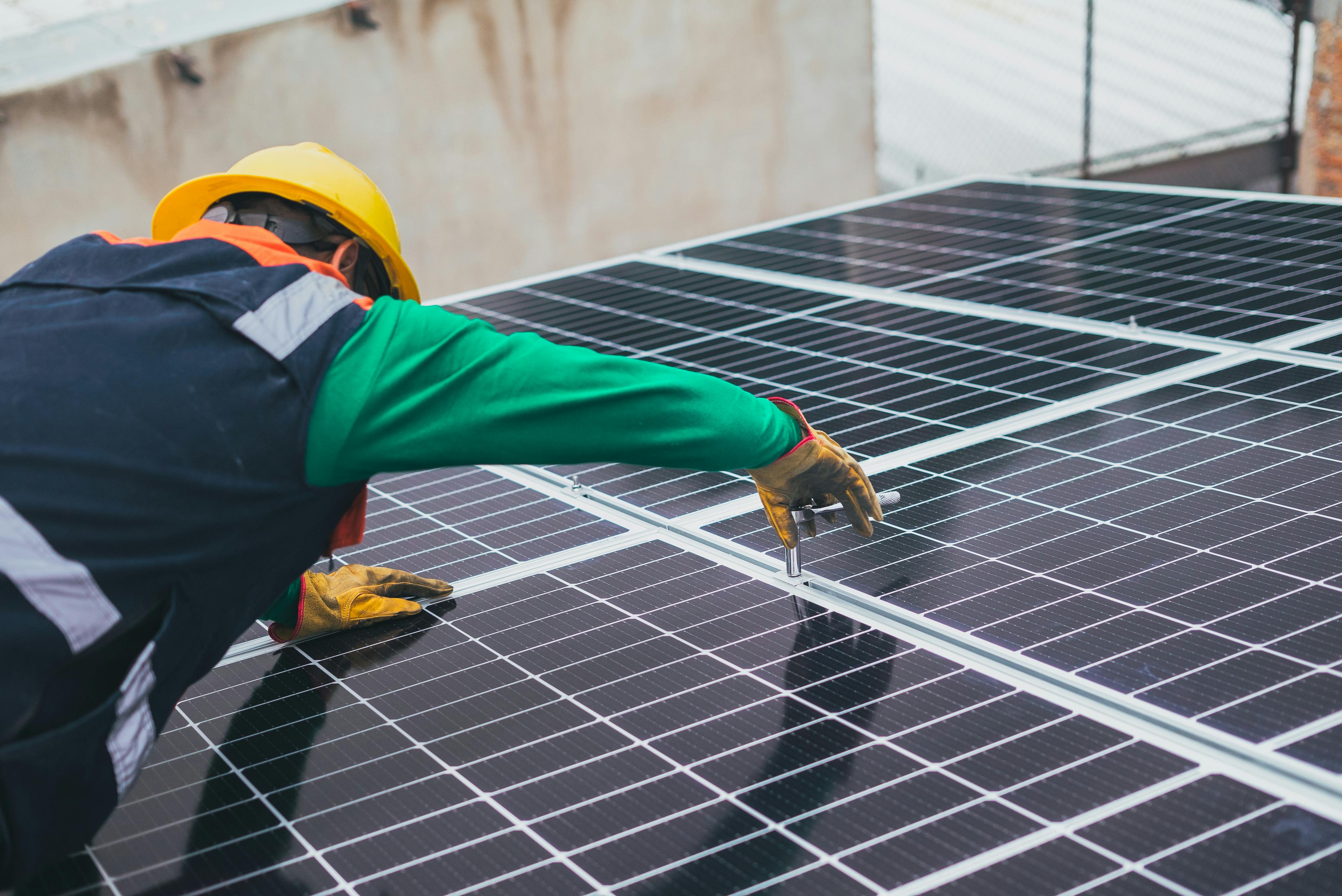
Video: Understanding Building-Integrated Photovoltaics
This video explains how BIPV facade systems deliver environmental benefits, support LEED certification, and provide a pathway for sustainable building design:
Next Steps, Tools, and Worksheets for Readers
Simple Worksheets or Online Calculators to Start Estimating
Use NREL PVWatts to model annual production for your specific location, tilt, and orientation. Enter your required kWh, and the tool outputs the kW needed. Then multiply by the $/W range for your chosen BIPV product from the tables above. For a quick estimate, the formula is: Annual kWh target ÷ (Local specific yield × 0.83) × $/W = Gross cost estimate.
How to Gather Quotes and Compare Bids Effectively
Request at least three quotes. Each should itemize: module cost, inverter cost, mounting hardware, labor, permitting, design/engineering, and grid interconnection fees separately. Compare on a net $/W basis after subtracting avoided material costs. Ask whether the quote includes a production guarantee (kWh/year) and what the warranty terms are for the BIPV modules specifically (not just the cells). Jia Mao Bipv provides itemized quotations that separate the BIPV module cost from integration hardware, making apples-to-apples comparisons straightforward.
Questions to Ask Installers and What a Competitive Bid Looks Like
A competitive BIPV bid in 2026 should include: BIPV module brand and model with datasheet, inverter brand and type, itemized cost breakdown (not a single lump sum), projected year-1 production (kWh) with a performance guarantee, full warranty terms (module, inverter, workmanship, weatherproofing), permitting timeline estimate, and the installer’s BIPV-specific installation experience (number of BIPV projects completed). If the bid is a single number with no breakdown, ask for line-item detail before comparing.
Estimating the wattage-based cost of a BIPV retrofit starts with your utility bill, not a $/W sticker price. Convert your annual kWh consumption into a required system size using your local specific yield and a realistic performance ratio of 0.80–0.86. Map that wattage target to the cost range for your chosen BIPV product type — $3.00–$5.00/W for roof tiles, $4.00–$8.00/W for semi-transparent facades, $6.00–$12.00/W for transparent skylights — and subtract the building materials the BIPV replaces.
Climate, orientation, shading, and the 2026 incentive landscape (with the residential ITC expired but state programs and commercial credits still available) all shape the final number. The case study model in this guide gives you a copy-paste template to build your own estimate. For a professional assessment that accounts for your specific roof geometry, structural capacity, and local code requirements, contact an experienced BIPV supplier like Jia Mao Bipv, who can provide a site-specific wattage and cost proposal with itemized pricing.
Frequently Asked Questions (FAQ)
1. What is the difference between BIPV and conventional PV in terms of cost per watt?
Conventional rack-mounted residential PV costs $2.50–$3.50/W installed in 2026 (EnergySage). BIPV costs $3.00–$5.00/W for roof tiles and $6.00–$18.00/W for facade or transparent glass products (SolarTech Online). However, BIPV replaces conventional building materials (roofing, cladding, glazing), so the net cost premium after material-offset credit is typically $0.50–$2.00/W for roof applications. The comparison must always be done on a net basis.
2. How do shading and orientation affect the wattage estimate for a BIPV retrofit?
A south-facing rooftop at optimal tilt produces the highest specific yield (e.g., 1,800 kWh/kWp/year in Phoenix). A south-facing vertical facade produces approximately 65–70% of that. East/west facades capture 40–50%. Shading from trees or structures can reduce output by 15–25% on a string-connected system. Always run a shade analysis (Aurora Solar, PVsyst, or Solar Pathfinder) before sizing the system.
3. Which incentives are commonly available for residential BIPV projects?
The 30% federal Residential Clean Energy Credit (Section 25D) expired December 31, 2025. As of 2026, homeowners may still access the commercial ITC (Section 48E at 30%) through third-party ownership structures (leases, PPAs). State-level incentives (SRECs, net metering, property tax exemptions) vary — check the DSIRE database for your state. Some states also offer additional rebates for BIPV specifically as a building-material innovation.
4. How long does a BIPV system last compared to conventional panels?
BIPV modules typically carry 25–30 year performance warranties, compared to 25 years for most conventional panels. The building-envelope component (waterproofing, structural attachment) should also be warranted for 25+ years. Degradation rates for quality BIPV products are 0.3–0.5%/year, retaining approximately 87–93% of rated power at year 25.
5. What is the typical payback period for a residential BIPV retrofit?
Without material-offset credits or incentives: 18–30 years. With material-offset credits (replacing a roof that needs replacement anyway): 14–22 years. With material offsets plus ITC (for 2025 installations): 10–14 years. IRR ranges from 5.3–5.9% (no offsets) to 13–28% (with full offsets and incentives). The Jia Mao Bipv cost guide provides detailed payback scenarios.
6. Can I do a partial BIPV retrofit — just the south-facing roof — instead of the entire house?
Yes, and this is the most common approach. Most residential BIPV retrofits cover only the south- and/or west-facing roof planes, which capture 80–95% of available rooftop solar energy. Remaining roof planes use conventional materials. This approach minimizes cost while maximizing energy production per dollar invested.
7. How does BIPV affect my home’s resale value?
BIPV can increase property value by 15–30% according to market studies, because it provides both a new roof/facade and an energy-producing asset. Homes with BIPV may qualify for green mortgages with lower interest rates. Appraisers using the income approach value the system based on its projected energy savings over remaining lifespan.
8. What building codes and standards apply to BIPV installations?
BIPV must comply with the International Building Code (IBC) for structural and fire requirements, the National Electrical Code (NEC) for wiring and rapid shutdown, and product-level certifications (UL 61730 for module safety, IEC 61215 for design qualification). No single “BIPV standard” exists — the system must meet multiple overlapping requirements. The U.S. DOE identifies this regulatory complexity as one of the key barriers to faster BIPV adoption.
9. How do I choose between BIPV roof tiles and BIPV facade panels?
Choose roof tiles if your roof is due for replacement and has good south/west exposure. Choose facade panels if your roof area is limited but you have substantial south-facing wall area. Roof tiles deliver higher energy density (150–200 W/m²) at a lower $/W ($3.00–$5.00) than facade panels (80–140 W/m² at $4.00–$8.00/W). Facade panels are best justified when they replace expensive cladding materials like aluminum ($30–$70/sq ft) or glass curtain wall ($50–$120/sq ft).
10. What should I look for in a BIPV supplier’s quote?
An itemized breakdown of module cost, inverter cost, mounting hardware, labor, permitting, and grid interconnection — not a single lump-sum number. The quote should include the BIPV module datasheet with efficiency and warranty terms, projected year-1 production (kWh) with a written performance guarantee, and the installer’s BIPV project portfolio. Suppliers like Jia Mao Bipv provide this level of transparency in their proposals, including production modeling customized to your site.


-300x300.jpg)