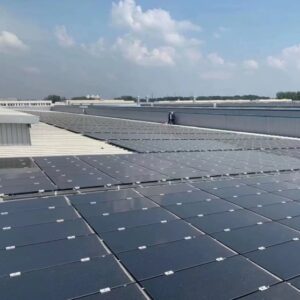
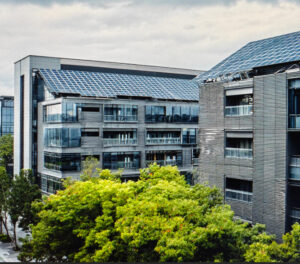
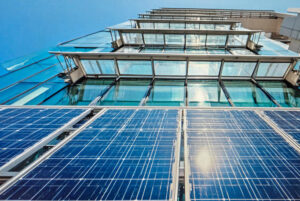
Architectural solar glass gives many benefits to commercial buildings. It helps save energy and lets in more sunlight. The glass keeps rooms comfy and can lower electric bills. Many people like its modern style and how it matches many buildings. But, you may pay more at first and face some problems when installing it. Studies show it saves energy and makes spaces nicer, but experts want more research on how it works over time. Here is a quick look:
| Benefits | Drawbacks |
|---|---|
| Big energy savings | Not enough research |
| Better comfort indoors | More studies needed |
| More visual comfort | Few studies on some types |
Key Takeaways
- Architectural solar glass helps save energy. It blocks heat and makes electricity. This can lower your utility bills.
- The first cost is higher. But you can get help with money. Loans and rebates can make it cheaper.
- You need to take care of it often for best results. Many solar glass products need less care than regular glass.
- The glass makes rooms more comfortable. It controls temperature and cuts down glare. This helps people feel better inside.
- You can choose different styles and colors. This makes it easy to match many building looks.
Architectural solar glass benefits
Energy efficiency
Architectural solar glass helps your building use less energy. This glass stops a lot of heat from coming inside. It also makes electricity from sunlight. When you look at regular glass, it lets in more heat. Solar glass keeps out more heat and saves more energy.
| Feature | Traditional Glass | PV-Coated Glass |
|---|---|---|
| Solar Heat Gain Coefficient | > 0.20 | < 0.20 |
| Contribution to Energy Costs | $50 billion/year | Significant savings due to reduced SHGC and energy generation |
Solar glass keeps buildings cooler in summer and warmer in winter. Your air conditioning and heating do not have to work as much. You use less energy and pay less for power.
Cost savings
Architectural solar glass helps you save money in many ways. It makes electricity, so you need less from the power company. It also keeps heat in or out, so you pay less for heating and cooling. Your HVAC system does not have to work as hard, so it lasts longer.
- Solar window films stop heat, so you save on electric bills right away.
- Better insulation means you pay less for heating and cooling over time.
- Your HVAC system needs fewer repairs and lasts longer.
You can get your money back after a few years. Most people see payback in 6 to 10 years. Some get their money back in just 3 to 5 years, depending on where they live and what system they use.
| Benefit | Description |
|---|---|
| Energy Savings | Solar glass panels generate electricity, reducing reliance on traditional energy sources. |
| Aesthetic Appeal | Enhances the building’s appearance, attracting eco-conscious customers. |
| Integration into Facades | Can be seamlessly integrated into building designs, maximizing energy efficiency. |
Solar energy systems like architectural solar glass give steady, clean power. They help run lights and HVAC systems, which saves money for many years.
Occupant comfort
Architectural solar glass helps keep your building comfortable all year. It controls the temperature and cuts down on glare from the sun. Some types, like Suntuitive Dynamic Glass, change with the weather. They can block up to 90% of the sun’s heat, so rooms stay cool in summer and warm in winter.
- Dynamic glass keeps the inside temperature steady, no matter the weather.
- Solar control glass reflects sunlight, so rooms are bright but not too hot.
- Smart windows can block up to 93% of solar heat and cut glare, making it easier to work or relax.
With less glare and better temperature, people feel better and can focus more.
Sustainability
If you want to help the planet, architectural solar glass is a good choice. It helps buildings earn green awards like BREEAM, LEED, and Passivhaus.
| Certification | Description |
|---|---|
| BREEAM | Building Research Establishment Environmental Assessment Method |
| LEED | Leadership in Energy and Environmental Design |
| Passivhaus | A standard for energy-efficient buildings |
- Solar glass makes clean energy and lowers pollution.
- Regular building materials use more energy and make more greenhouse gases.
- Using solar glass means your building is better for the environment.
Jia Mao Bipv is a company that makes new kinds of architectural solar glass. Their products help buildings use less energy and be more green.
Design flexibility
You can pick from many styles when you use architectural solar glass. It works with lots of building designs. Some products, like Solarvolt™ BIPV Glass Systems, come in different colors and shapes. You can even add patterns or pictures.
| Design Option | Description |
|---|---|
| Solarvolt™ BIPV Glass Systems | Available in various formats including spandrel glass and customizable aesthetics. |
| Glass Substrates & Low-e Coatings | Can be tailored with any Vitro low-emissivity coating and glass substrate for design needs. |
| Photovoltaic (PV) Types | Options include monocrystalline, polycrystalline, and striped monocrystalline for different aesthetics and performance. |
| Solar Cell Arrangement | Customizable arrangements in rows or patterns to enhance design integration. |
- Colored solar glass can match almost any color you want.
- Some glass looks like granite or wood.
- You can add special designs or pictures for a unique look.
- The glass still saves energy, even with these choices.
Building-Integrated Photovoltaics (BIPV) let you mix solar technology with your building’s style. You get both a nice look and good function.
Daylighting
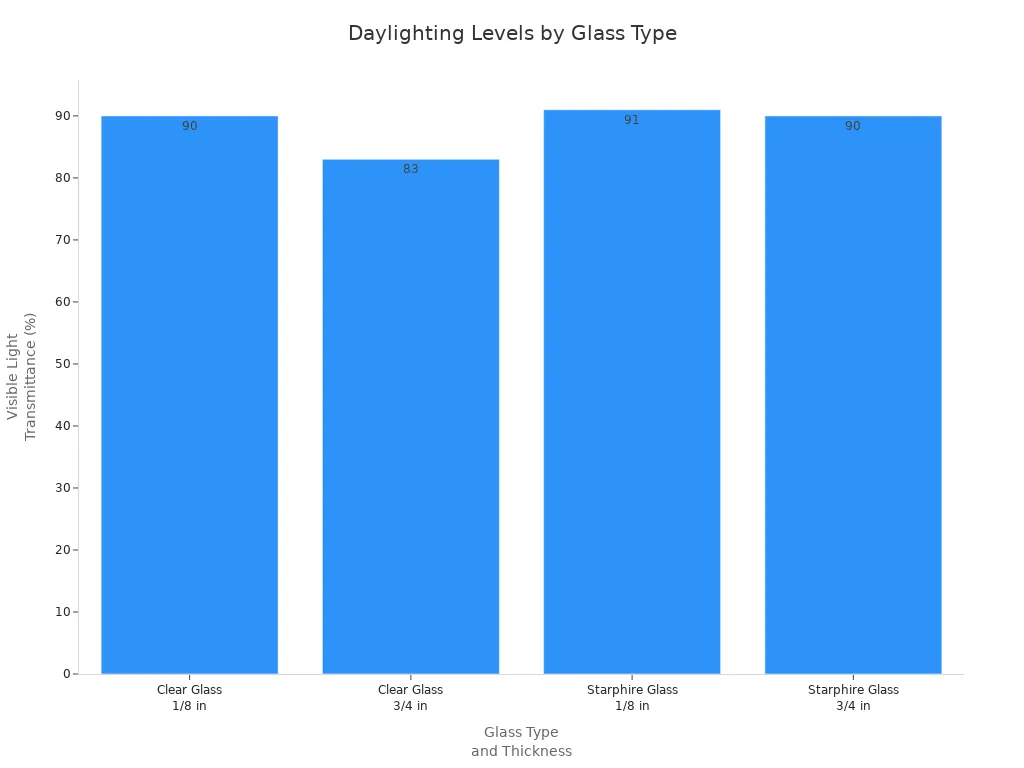
Architectural solar glass lets in more sunlight than regular glass. This makes your building brighter and you need less electric light. Low-iron glass, like Starphire, lets in even more light.
| Glass | Thickness (inches) | Visible Light Transmittance (VLT) |
|---|---|---|
| Clear Glass | 1/8 | 90% |
| Clear Glass | 3/4 | 83% |
| Starphire® | 1/8 | 91% |
| Starphire® | 3/4 | 90% |
More daylight makes people feel healthier and happier. Studies show workers in bright buildings have less eyestrain and feel less sad.
In a 2019 study, workers exposed to natural light reported a 48% reduction in eyestrain and a 77% decrease in feelings of depression. This underscores the significant health benefits associated with daylight exposure in office environments.
Daylight also helps people feel better, be more creative, and sleep well. It helps everyone work and feel their best each day.
Architectural solar glass drawbacks
Higher initial cost
Architectural solar glass costs more at first than regular glass. This is because it uses advanced technology and needs special installation. Many people worry about paying more in the beginning. You can use loans or leases to help pay over time. Some programs let you get solar glass with no money down. Local rebates, grants, and tax credits can also lower the price. These options make it easier for people to buy solar glass without spending too much at once.
Tip: Ask your installer if there are rebates or payment plans. You could save more money than you think.
Performance variability
How well architectural solar glass works can change for different reasons. Your building and where you live can affect the results. Here are some things that change how solar glass works:
- Material properties like how much light passes through and how strong it is
- Weather and climate in your area
- Building design, including which way it faces and how it looks
- How you use the glass in your building
- How clear you want the glass to be
- The type of photovoltaic technology used
- Which way your building faces
- Rules or style choices for your building
The weather and where you live matter a lot. For example, Mitrex panels can shed snow and work in low light in cold places like Toronto. In hot and dusty cities like Dubai, panels have heat-resistant and self-cleaning coatings. These features help solar glass work well in many places, like by the sea, in the mountains, or in cities. You should check if your building and location are good for solar glass.
Maintenance needs
Architectural solar glass needs some care to keep working well. You should do simple maintenance tasks. Most solar glass can clean itself, so you do not need to wash it often. Still, you should check the system and rinse the panels every few months. Maintenance costs are usually less than for regular glass because solar glass is stronger.
| Maintenance Practice | Description |
|---|---|
| Preventative Maintenance | Regular checkups to make sure everything works. |
| Standard Inspection | Look at the electrical parts and panels to check for problems. |
| Cleaning Frequency | Wash the panels at least twice a year, depending on where you live. |
| Clearing Vegetation | Cut back plants or branches that block the sun. |
| Connection Checks | Check wires and connections after storms or bad weather. |
Jia Mao Bipv makes solar glass that is strong and can clean itself. You spend less time and money taking care of it. Checking and cleaning the glass helps it last longer and work better.
Installation factors
Putting in architectural solar glass is harder than installing regular glass. You need workers with special skills and tools. It can take more time, especially for big buildings. Some old buildings need to be fixed before you add solar glass. You should check the rules and codes in your area before you start. Some places have strict rules for solar glass.
Note: Work with experts who know about solar glass. Good planning can stop delays and extra costs.
You might have problems with wiring and hooking up the solar panels to your building’s power. Careful work keeps everyone safe and helps the glass work its best. Jia Mao Bipv can help you with the steps and give advice.
Quick comparison table
If you want to know the main good and bad things about architectural solar glass, look at this table. It shows the pros and cons side by side. This makes it easy to see if solar glass is right for your building.
| 👍 Pros | 👎 Cons |
|---|---|
| Improved energy efficiency | Higher initial cost |
| Reduced energy bills | Special cleaning requirements possible |
| Enhanced indoor comfort | Performance can vary by location |
| UV protection | Installation takes more planning |
| Modern design options | May need expert installers |
| More natural daylight | Maintenance checks needed |
| Supports green certifications | Not always suitable for every building |
There are many good things about architectural solar glass. You use less energy and save money. Your building feels nicer inside. The glass blocks UV rays and lets in more sunlight. You can pick from lots of styles and colors. Solar glass can help your building get green awards like LEED or BREEAM.
But there are some hard parts too. You pay more when you buy it. Some kinds need special cleaning. The glass works best in some places. You need skilled workers to put it in. You have to check and clean the glass to keep it working. Not every building can use solar glass right away.
Tip: Jia Mao Bipv makes strong solar glass for many building styles. Their products help you save energy and get green building awards.
Key points to remember:
- Solar glass helps you save energy and looks modern.
- It costs more at first and you need experts to install it.
- Cleaning and checking the glass keeps it working well.
This table helps you see the good and bad sides. You can decide what is best for your building.
You now know the main good and bad things about architectural solar glass. It helps save energy and makes buildings look modern. You also get more comfort inside. But it can cost more at first and needs special workers to install. You should think about these things before you choose:
- How your building faces and its design
- U-value for keeping heat in or out
- How it looks and how strong it is
| Benefits | Drawbacks |
|---|---|
| Saves money over time | Costs more at the start |
| Uses energy better | Not as good as roof panels |
| Looks new and stylish | Might break more easily |
| Helps green buildings | Needs experts to plan |
Jia Mao Bipv has options for many kinds of buildings. If you want a space that is greener and brighter, architectural solar glass might be a good idea. Take some time to think about what you need. You can pick what works best for your project and helps the planet.
FAQ
How does architectural solar glass save energy?
Solar glass turns sunlight into electricity. You use less power from the grid. Jia Mao Bipv designs glass that helps you cut energy use every day.
Is architectural solar glass hard to clean?
Most solar glass cleans itself with rain. You check it a few times each year. Jia Mao Bipv offers glass with self-cleaning features for easy care.
Can you install solar glass on any building?
You need experts to check your building first. Some older buildings need upgrades. Jia Mao Bipv helps you find the best fit for your project.
Does solar glass work in cloudy weather?
Solar glass still makes energy when it is cloudy. You get less power than on sunny days. Jia Mao Bipv products work well in many climates.


-300x300.jpg)