Boost Customer Satisfaction, Reduce Warranty Claims, and Build Recurring Revenue Through Maintenance Excellence

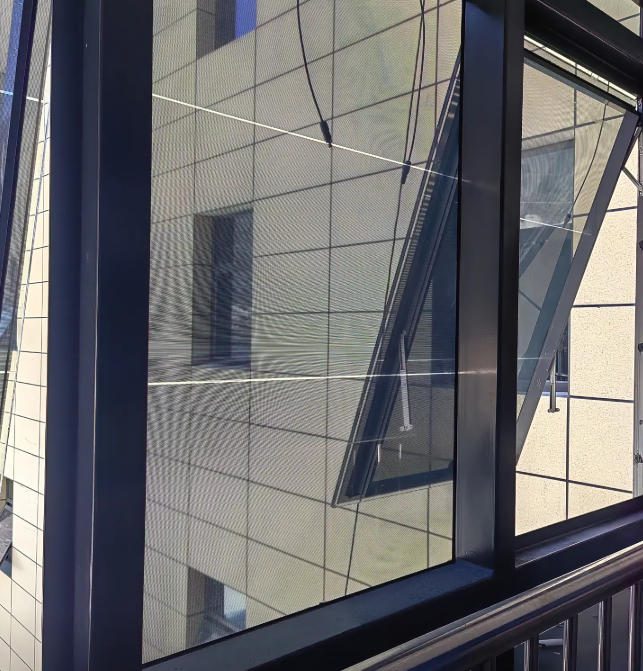
A certified technician conducting a post-installation performance audit on a commercial BIPV glazing facade — the kind of systematic maintenance that prevents warranty claims and generates recurring service revenue.
Why Solar Panel Window Maintenance Matters to Your Bottom Line
Here is a situation that plays out in solar distribution businesses every quarter. A customer calls three months after installation. Their energy production numbers look lower than projected. They are frustrated. They are questioning their purchase decision. And depending on how that phone call goes, they either become your most loyal repeat customer — or a one-star review that costs you the next five deals.
The difference between those two outcomes is almost never the product. It is almost always maintenance education.
Dust and soiling cause 15–25% performance loss in moderate climates, according to research published in Sustainability (MDPI). In arid and industrial regions, that figure climbs to 50%. A customer who understands this — who receives a cleaning schedule, a performance monitoring guide, and a clear escalation protocol — stays satisfied and stays loyal. One who receives only a product manual and a warranty certificate quietly disengages, and their first sign of trouble becomes your worst-case scenario.
This guide is built on one core argument: maintenance is not a cost center for your distribution business. It is your most underutilized profit center.
The global solar O&M market reached $14.51 billion in 2024 and is projected to reach $32.63 billion by 2034 (Precedence Research). The distributors and agents positioning themselves inside that growth now — with structured maintenance programs, tiered service packages, and systematic customer engagement — are building recurring revenue streams that make them acquisition-proof from competitors who only compete on product price.
Every section of this guide addresses a real business challenge you face: customer retention, warranty management, service differentiation, and the recurring revenue that turns a transactional distribution business into a relationship-based one.
Who this guide is for: Solar product distributors, regional agents, and commercial builders who supply and support solar panel window (BIPV glazing) installations. This is a business operations document, not a consumer care guide. Every recommendation is calibrated to your profitability, your reputation, and your customer lifetime value.
Understanding Solar Panel Windows — What Your Customers Need to Know (And What You Need to Sell Better)
How Solar Panel Windows Work and Why Maintenance Affects Performance
Before you can educate your customers on maintenance, your team needs to understand exactly why maintenance affects performance at the physics level — not just in general terms.
The energy conversion basics: A solar panel window is a glazing unit containing photovoltaic cells — semiconductor devices that release electrons when photons from sunlight strike them. Those electrons flow as direct current (DC), which an inverter converts to alternating current (AC) for building use. This process is continuous and automatic. What interrupts it is anything that reduces the number of photons reaching those cells.
Glossary — BIPV (Building Integrated Photovoltaics): Photovoltaic technology embedded into building materials — glass, facades, roofing — rather than mounted on top of them. A solar panel window is a BIPV product: it is simultaneously the building’s glazing and its energy generation system.
That is why dirt matters at a physics level. A film of dust, salt residue, pollen, or industrial particulate matter sitting on the glass surface functions as a partial light blocker. Photons that would have reached the PV cells are absorbed or scattered by the contaminant layer instead. The cells still work — they just work with less input.
Real performance metrics from the field:
Research published in a 2025 peer-reviewed study in Renewable and Sustainable Energy Reviews(ScienceDirect) found that dust accumulation reduces PV efficiency by up to 50% in arid regions. For solar windows in urban commercial environments, a 3-month period without cleaning typically results in a 10–13% power loss relative to a freshly cleaned installation.
That is not a product failure. That is a maintenance gap. And when a customer calls you about a 12% output drop, the first question your team should be trained to ask is: “When was the last time the glass was cleaned?”
Your competitive advantage — positioning as the maintenance expert:
Most solar window distributors hand over a product manual and move on to the next sale. The distributors who retain 80%+ of their customer base for second purchases, referrals, and upgrades are the ones who become the ongoing technical authority their customers rely on. Maintenance education is the most cost-effective mechanism to build that authority. It costs you a well-designed customer onboarding packet and a follow-up call schedule. It returns years of loyalty.
The True Cost of Neglect — Revenue Opportunities You Are Missing
Warranty claim patterns and how to prevent them:
The majority of solar window warranty claims fall into two categories: seal failures and performance degradation. Both are almost entirely preventable with proper maintenance — and both are expensive when they are not.
A failed IGU (Insulated Glass Unit) seal that is caught early — identified as beginning moisture infiltration during a routine visual inspection — can be addressed with resealing at a cost of $200–$400 per unit. The same failure discovered six months later, after condensation between the panes has damaged the internal gas fill and coating, requires full glass replacement at $800–$2,500+ per unit plus access equipment and labor.
Glossary — IGU (Insulated Glass Unit): A sealed multi-pane glass assembly with a gas-filled cavity between the panes for thermal performance. Solar windows are manufactured as IGUs with the PV cells laminated into one pane. A failed seal allows moisture to enter the cavity, causing condensation, coating damage, and thermal performance loss.
Every warranty claim you prevent through maintenance education is a direct saving to your business — in claim processing time, in replacement product costs, in the reputational cost of a frustrated customer, and in the lost referral that customer would have generated if their experience had been positive.
Customer frustration points that lead to negative reviews:
Performance below initial projections. Condensation appearing in the glass. A frame that is showing early corrosion signs. These are not catastrophic failures — they are ordinary maintenance issues that, communicated clearly to the customer before they notice them, are minor annoyances. Discovered by the customer without any prior explanation, they feel like product defects.
The distributor who educates customers proactively — “In your coastal environment, you may notice early signs of salt crystallization on the glass surface every 3–4 weeks. Here is what that looks like and here is the right way to address it” — transforms a potential complaint into a demonstration of competence.
How maintenance education increases customer lifetime value:
A customer who understands their solar window system — who monitors their output, cleans their glass on schedule, and calls you when something looks different rather than when the system has failed — is a customer whose system performs well for 25 years. That customer becomes a case study. They refer colleagues. They upgrade to battery storage. They commission the solar glazing on their next building.
The customer who receives no maintenance education watches their system gradually underperform, loses confidence in the product category, and never buys from you again. The difference in lifetime value between those two outcomes, across a customer base of 100 installations, is substantial enough to make maintenance programming one of the highest-return investments in your distribution business.
Pre-Installation Guidance — Setting Customers Up for Success Before Problems Start
What to Tell Customers Before Installation
The best time to set maintenance expectations is before the contract is signed — not after the installation team has left the site. Customers who understand maintenance requirements upfront treat them as part of the product experience. Customers who discover them afterward often feel misled, even if the requirements are entirely reasonable.
Environmental factors that affect longevity by location:
| Environment Type | Primary Maintenance Challenge | Impact on Schedule | Additional Cost vs. Standard |
|---|---|---|---|
| Coastal (0–5 km from sea) | Salt spray crystallization on glass and frames | Clean every 2–3 weeks | +60–80% annual maintenance cost |
| Coastal (5–10 km from sea) | Moderate salt accumulation | Clean every 3–4 weeks | +30–40% annual maintenance cost |
| Industrial/Urban | Particulate matter, exhaust residue | Clean monthly | +20–30% annual maintenance cost |
| Arid/Desert | Sand and dust accumulation | Clean every 2–4 weeks | +40–60% annual maintenance cost |
| Temperate/Suburban | Pollen, bird debris, general atmospheric | Clean 2–4 times per year | Baseline |
| Cold/Northern | Ice formation, freeze-thaw cycling | Seasonal inspection focus | +15–25% annual maintenance cost |
Source: Solar in Coastal Salt Mist — cleaning frequency guide and industry O&M benchmarks.
Share this table with customers at the proposal stage. A building owner in Miami who knows upfront that their coastal location requires bi-weekly glass maintenance will plan for it. One who discovers this after installation will call it a product problem.
Realistic expectations about maintenance frequency and costs:
For a typical commercial installation in a temperate suburban environment, annual maintenance costs run approximately 0.5–1.0% of the initial installation cost — consistent with premium curtain wall glazing maintenance standards. A $300,000 solar window installation should budget $1,500–$3,000/year for professional maintenance. For coastal and industrial sites, plan for 1.5–2.0% annually.
Position these costs against the performance penalty for neglect: a 15% efficiency loss on a system generating $25,000 of annual electricity value costs $3,750/year in lost output — far exceeding any reasonable maintenance budget.
Documentation your customers should understand before signing:
Two separate warranty documents cover every solar window installation: the glass and product warranty (typically 10–15 years, covering delamination, seal failure, and manufacturing defects) and the PV performance warranty (typically 25 years, covering minimum power output). Make sure your customers understand which document covers which issue, and what maintenance requirements they must meet to keep each warranty valid. Warranty voidance due to undocumented or improper cleaning is one of the most avoidable and frustrating outcomes in the industry.
Installation Best Practices That Reduce Future Maintenance Issues
Proper positioning and angle optimization:
Solar windows installed in vertical facade applications shed contaminants naturally with rain — the vertical surface angle does not allow dust and debris to accumulate the way a tilted rooftop panel does. For any sloped applications (skylights, canopies, atriums), a minimum tilt angle of 10–15° is recommended to allow rainwater runoff to carry surface contaminants. Document the final installed angle in your project completion record — this data becomes part of the maintenance baseline for that installation.
Protective measures during installation that prevent premature wear:
Frame and seal integrity at installation time determines the maintenance challenge for the following 25 years. Ensure every installation includes: proper butyl tape and structural sealant application at all frame-to-glass interfaces (no gaps, no voids, no contamination of sealant surfaces before curing), edge seal inspection of every IGU before glazing (reject any units with visible bubbles, moisture intrusion, or coating defects at the edge), and a documented commissioning checklist confirming that all electrical connections are weatherproofed and accessible for future inspection.
Creating a maintenance baseline for each customer:
At commissioning, record the system’s baseline performance data: kWh output per day, per circuit, under measured irradiance conditions. This baseline is the reference point against which all future performance monitoring is measured. A system that was generating 47 kWh on a clear October day at commissioning should be generating 47 kWh ± natural degradation (0.45–0.5%/year) on comparable clear October days five years later. Without a commissioning baseline, performance degradation is invisible until it becomes severe.
Monthly Maintenance Routines — Your Customers’ First Line of Defense
Visual Inspection Protocols Your Customers Can Perform
The most valuable maintenance habit you can build in your customers costs nothing except five minutes per month. A simple ground-level visual inspection — or a walk past the glazed facade — catches the early signs of problems that become expensive if missed.
What to look for during a visual inspection:
- Surface soiling: Visible dust layers, bird droppings, pollen accumulation, or salt crystallization on the glass surface. Any soiling visible from ground level indicates efficiency loss has already begun.
- Discoloration or haze: Foggy patches, cloudy areas, or a milky appearance within the glass pane (not on the surface) — this indicates moisture infiltration between the panes through a failed seal.
- Frame and seal condition: Cracked, shrinking, or detaching sealant at glass-to-frame interfaces; rust or oxidation on aluminum or steel frame components; gaps or separation at corner joints.
- Visible physical damage: Chips, cracks, or impact marks on the glass surface, however small. Even a hairline crack in the glass surface can admit moisture to the laminate and accelerate delamination.
- Condensation patterns: Morning condensation on the exterior surface is normal. Condensation between the panes that persists after the exterior has dried indicates a failed IGU seal — requires professional attention.
How to document issues (photos, dates, performance metrics):
Provide each customer with a simple inspection log — either a printed form or a shared digital document. Each monthly entry records: date, weather conditions, notes on any observed changes, and one photograph of the full glazed area. This log serves two critical functions. First, it creates the evidence trail needed to support warranty claims — a timestamp sequence of photos showing the progression of a seal failure from early moisture signs to full condensation is precisely what a manufacturer needs to process a warranty replacement. Second, it catches gradual changes that are invisible inspection-to-inspection but clear when comparing photos from January to July.
When to escalate issues to you for professional service:
Build a clear escalation protocol into your customer onboarding documentation. As a general rule: surface soiling → customer-managed cleaning; performance drop under 5% from baseline → monitor for one cycle; performance drop over 5% from baseline or persistent for more than one billing cycle → call distributor; any condensation between panes → call distributor immediately; visible cracks, frame corrosion, or detaching sealant → call distributor immediately.
This protocol reduces the number of unnecessary service calls while ensuring real problems reach you before they escalate into warranty claims.
Cleaning Best Practices Without Damaging the Glass
Improper cleaning is responsible for a significant share of solar window warranty claims that should never have happened. Anti-reflective coatings, hydrophobic self-cleaning layers, and IGU edge seals are all vulnerable to the wrong cleaning methods — and the damage is not always immediately visible.

Proper solar window cleaning technique: a soft squeegee, mild neutral pH solution, and controlled pressure protect the anti-reflective coating and IGU edge seals that define the product’s 25-year performance.
Safe cleaning solutions and tools:
- ✅ Soft microfiber cloths or chamois-style squeegees — zero abrasion on glass surface
- ✅ Plain water or mild neutral pH detergent (pH 6–8 range) — safe for all coatings
- ✅ Manufacturer-approved cleaning solutions — confirm compatibility for each specific product
- ✅ Deionized or softened water for final rinse in hard water areas — prevents mineral deposit buildup
What to absolutely avoid:
- ❌ Abrasive pads, steel wool, or rough sponges — scratches anti-reflective coatings permanently
- ❌ Strong solvents (acetone, paint thinner, undiluted alcohol) — dissolves coating layers
- ❌ High-pressure washers — forces water under edge seals and into IGU cavities
- ❌ Sharp implements to remove bird droppings or deposits — scratches glass
- ❌ Cleaning during peak heat hours on hot days — thermal shock from cold water on hot glass can stress the glass
Frequency recommendations by environment:
| Environment | Recommended Cleaning Frequency | Method | Professional Needed? |
|---|---|---|---|
| Hot coastal (0–5 km) | Every 2–3 weeks | Soft cloth + deionized water rinse | Above ground floor: yes |
| Coastal (5–10 km) | Every 3–4 weeks | Soft cloth + neutral detergent | Above ground floor: yes |
| Desert/arid | Every 2–4 weeks | Dry microfiber first, then damp cloth | Large arrays: yes |
| Industrial/urban | Monthly | Neutral detergent + soft squeegee | If particulate heavy: yes |
| Temperate suburban | 2–4 times per year | Water + mild detergent | Optional |
| Rainy temperate | 1–2 times per year | Supplement rain cleaning with inspection | Optional |
DIY vs. professional cleaning — when to recommend each:
Ground-floor solar windows accessible from the inside or exterior ground level: customer DIY is appropriate with proper materials and instructions. Any solar window above ground floor, on a high-rise facade, or requiring access equipment: professional cleaning is essential — both for safety and to protect the system from pressure-washing damage. For high-rise commercial accounts, cleaning should be integrated into the building’s existing facade maintenance program under your supervision.
Seasonal Maintenance — Protecting Against Climate-Specific Threats
Spring and Summer Care — Heat and UV Protection
Managing thermal stress and expansion/contraction:
BIPV glass, like all glazing, expands and contracts with temperature changes. On a south-facing commercial facade in summer, glass surface temperatures can reach 70–80°C in full sun — creating thermal expansion cycles that stress sealant joints at the glass-frame interface. The silicone sealants used in premium solar window installations are formulated for this thermal cycling, but they require inspection.
Each spring, before peak heat season, schedule an inspection of all frame-to-glass sealant lines. Look for cracking, chalking, or separation — signs that the sealant is reaching the end of its thermal cycling capacity. Early sealant replacement (a relatively low-cost intervention) prevents the moisture infiltration that triggers IGU seal failure and full glass replacement.
Preventing algae and mold growth in humid climates:
In subtropical and humid temperate regions, the combination of moisture and organic material (pollen, dust) on glass surfaces can support algae and mold growth — particularly on the lower edges of window panels where water pools after rain. Algae visible as green or brown staining not only reduces light transmission but can chemically degrade anti-reflective coatings over time.
Prevention: a mild biocide solution applied to affected areas quarterly in high-humidity regions. The same manufacturers who supply commercial window cleaning products for hotels and high-rises supply these solutions — compatible options are available for most major BIPV glass products. Confirm compatibility with your specific product coatings before recommending any additive.
Monitoring for heat-related seal degradation:
Summer is when edge seals experience maximum thermal stress. Add a summer-specific checkpoint to your customer inspection protocol: at the hottest point of the year (typically July–August in the Northern Hemisphere), look for any new moisture signs, frame cracking, or sealant separation that was not present in the spring inspection. Problems identified in August can be addressed before winter moisture infiltration turns them into major failures.
Fall and Winter Challenges — Moisture, Ice, and Debris
Preventing water damage and ice buildup:
As temperatures drop, any moisture that has infiltrated a compromised seal will freeze — expanding within the IGU cavity and accelerating glass stress. The fall inspection, conducted before the first freeze, is the most critical preventive maintenance event of the year for cold-climate installations. Identify any seal anomalies and address them in September–October, when contractors are available and temperatures are above sealant cure thresholds (most silicone sealants require ambient temperatures above 5°C to cure properly).
For sloped BIPV applications (skylights, canopies), ensure drainage pathways are clear of leaf debris before the first snowfall. Blocked drainage combined with ice formation can create ponding water conditions that stress seals designed for drainage, not immersion.
Clearing debris without pressure washing:
Fallen leaves and light debris on accessible solar window surfaces can be removed with a soft brush or leaf blower on low setting. Never use a pressure washer to clear debris from solar window surfaces — the force penetrates frame joints and edge seals. For high-value commercial facades, a seasonal soft-wash professional service using low-pressure application (under 40 PSI) is the appropriate debris clearing method.
Protecting against freeze-thaw cycles that crack glass:
A crack that appears in a solar window pane after a winter cold snap is usually not a sudden impact crack — it is the result of moisture that infiltrated a micro-defect in the glass or sealant during autumn, froze and expanded during winter, and propagated the crack over multiple freeze-thaw cycles. This is entirely preventable with the fall inspection and seal repair protocol described above. For your customers in freeze-prone climates, the fall maintenance visit is the single highest-value service intervention of the year.
Coastal and Harsh Environment Considerations
Salt spray mitigation strategies for seaside installations:
Salt crystallization on glass surfaces is more damaging than ordinary dust because salt crystals are physically abrasive and hygroscopic — they continue to absorb moisture and expand after deposition. On frames, salt accelerates corrosion of aluminum and compromises the finish of anodized coatings.
Coastal maintenance protocol recommended by PVKnowhow’s salt-mist solar installation guide:
- Clean glass with deionized or low-mineral-content water to prevent secondary mineral deposits from tap water
- Apply a hydrophobic glass treatment after each cleaning cycle — reduces salt adhesion and extends effective clean duration
- Inspect frame anodizing and sealant quarterly rather than annually
- For installations within 500 meters of the sea, use marine-grade silicone sealants for any maintenance resealing work
Pollution and particulate matter in industrial areas:
Industrial facilities near steel mills, chemical plants, cement works, or heavy traffic corridors produce particulate contaminants that include carbon, metal oxides, and sulfur compounds — all of which are more chemically aggressive than ordinary atmospheric dust. For solar windows in these environments, monthly professional cleaning with a detergent specifically formulated for industrial soiling (confirm product compatibility) is standard, and annual frame inspections should include assessment of coating integrity on both glass and frame surfaces.
High-wind region precautions and inspection schedules:
Strong wind events deposit debris at high velocity and can physically dislodge improperly sealed frame components. Post-storm inspection protocols for high-wind regions should include: checking all frame fasteners and perimeter sealant for impact damage, verifying that electrical conduit penetrations through the building envelope are intact, and examining the glass surface for impact chips that are not always visible from ground level without binoculars.
Troubleshooting Common Problems — Your Service Revenue Stream
Identifying Performance Degradation Early
Energy output monitoring and what numbers indicate problems:
A well-configured solar window monitoring system provides circuit-level data — output from each string of windows in real time, accessible via a web dashboard or mobile app. The most useful performance metric for ongoing monitoring is specific yield — kWh generated per kW of installed capacity per day. This normalizes output for weather variability, allowing meaningful comparison across days, weeks, and seasons.
| Performance Signal | Likely Cause | Recommended Action | Urgency |
|---|---|---|---|
| Specific yield drops 5–10% vs. baseline | Surface soiling | Schedule cleaning | Low — within 2 weeks |
| Specific yield drops 10–20% after cleaning | Shading change or connection fault | Professional inspection | Medium — within 1 week |
| Specific yield drops >20% after cleaning | Delamination, major connection fault, or inverter issue | Emergency service call | High — within 48 hours |
| One circuit down, others normal | Connection fault in that circuit | Professional electrical inspection | High — within 48 hours |
| All circuits down simultaneously | Inverter fault or grid disconnect | Inverter diagnostics first | High — within 24 hours |
Condensation between panes — causes and solutions:
Condensation appearing between the glass panes of a solar window IGU is an unambiguous sign of seal failure. The gas fill (argon or krypton) in the cavity has been replaced by moist air, and moisture has entered the sealed space. This is a warranty defect — it is not a maintenance failure and should not be attributed to customer behavior.
When a customer reports condensation between the panes, your response sequence is: document with timestamped photographs, reference the IGU product warranty (this is typically covered under the glass manufacturer’s product warranty for 10–15 years), initiate the warranty replacement process with the manufacturer, and arrange professional installation of the replacement unit. Clear, fast handling of this issue is one of the strongest trust builders in a distributor relationship.
Discoloration and coating deterioration — cosmetic vs. functional:
Light yellowing at the very edges of a laminated solar window, particularly in older installations, is often cosmetic — the edge encapsulant showing early UV exposure. If the yellowing is contained to the edge and the electrical output remains consistent with baseline, this is a monitoring concern, not an emergency. If the discoloration is spreading toward the center of the glass, if output has dropped, or if the glass shows delamination (layers visibly separating), this is a functional defect requiring warranty assessment.
Seal and Frame Issues — Preventing Major Failures

Frame-to-glass sealant integrity is the most critical maintenance point in a solar window system — a small investment in annual inspection and resealing prevents the most expensive failure modes.
Early warning signs of seal failure:
Seal failure rarely happens suddenly. It progresses through recognizable stages: first, minor fogging at the glass edge in cold weather that clears by midday (early moisture infiltration); then persistent haze or fog patches at the edges; then progressive clouding toward the center; and finally full condensation between the panes with visible moisture droplets. Each stage is more expensive to address than the one before it.
Train your customers to recognize stage one — intermittent edge fogging — and report it immediately. At that stage, resealing the exterior sealant line may arrest further progression, avoiding a full IGU replacement.
Frame corrosion and material-specific care:
Thermally broken aluminum frames — the standard for commercial BIPV glazing — are highly corrosion-resistant in most environments but require attention in coastal and industrial settings where chloride and sulfur compounds attack the anodized finish. Annual inspection of anodizing condition and prompt touch-up of any breaches (using manufacturer-approved coating products) prevents the frame degradation that accelerates structural joint failure.
For any steel hardware in the system (fasteners, clips, brackets), verify that specified stainless steel grade (316 stainless for coastal, 304 for inland) was used at installation. Substitution of lower-grade hardware is a common cost-cutting shortcut in competitive installations — and a common source of warranty disputes 5–8 years later.
Preventative measures that extend component lifespan:
The single highest-value preventative measure for seal and frame longevity is keeping all frame drainage channels clear. Every curtain wall glazing system has designed drainage pathways to allow incidental moisture to escape from the frame cavity. When these channels are blocked by debris, silicone overspray from installation, or mineral deposits, water accumulates at the base of the frame and accelerates seal and sealant deterioration. A 10-minute drainage channel inspection and clear-out at each annual maintenance visit prevents one of the most common frame failure sequences.
Electrical and Connection Problems
Checking connections and wiring integrity:
Solar window electrical systems include multiple potential failure points: module-level connectors (typically MC4 or equivalent), string combiner connections, DC isolator switches, DC-to-AC inverter connections, and monitoring device communications. Annual inspection of all accessible connections — looking for corrosion, loose terminations, or damaged insulation — is a standard component of any professional O&M program.
Most electrical faults in solar window systems are low-level — a slightly loose connector causing increased resistance and partial power loss — rather than catastrophic failures. They are also the faults most likely to be missed by customers relying solely on total output monitoring, because a 5% output loss from one circuit may be invisible in the total system number. Circuit-level monitoring makes these faults visible and detectable.
Temperature sensor functionality and recalibration:
Some solar window monitoring systems include ambient temperature sensors used for performance normalization calculations. These sensors can drift over time — producing apparent performance anomalies that are actually calibration errors rather than actual output changes. Annual sensor calibration verification is a low-cost step that prevents false alarms from triggering unnecessary (and expensive) field visits.
When to call in specialized technicians:
Your maintenance team can handle cleaning, visual inspection, frame and seal assessment, and connection continuity checks. The following situations require a licensed electrician or PV system specialist:
- Any work inside the inverter enclosure
- Replacement of DC isolators or fuse equipment
- Wiring repairs or connector replacements on roof- or facade-mounted wiring
- Any situation involving live DC wiring
- Monitoring system reconfiguration or inverter parameter changes
Maintain a working relationship with at least one qualified electrical contractor in each geographic service area. Being able to dispatch a qualified specialist within 48 hours of a customer’s electrical fault report is a meaningful service differentiator and a warranty protection measure.
Creating a Customer Maintenance Plan — Your Retention Tool
Developing Customized Maintenance Schedules
Not all solar window installations have the same maintenance needs. A one-size-fits-all maintenance schedule wastes money for low-demand customers and fails high-demand ones. The value your distribution business delivers is a maintenance program calibrated to each customer’s specific conditions.
Assessment framework for maintenance schedule development:
Conduct a 4-factor assessment for each new installation at commissioning:
- Location and environment — coastal, urban, industrial, or temperate; specific pollution or salt spray exposure
- Building height and access complexity — ground-accessible vs. requiring elevated access equipment
- Installation orientation and tilt — vertical facade (self-cleaning to a degree) vs. sloped skylight (debris accumulating)
- Customer management capability — does the customer have facilities management staff who can execute a basic cleaning and inspection protocol, or will all maintenance need to be professionally delivered?
From this assessment, build a written maintenance schedule document that becomes part of the customer’s product file — specifying cleaning frequency, inspection intervals, what to check at each visit, and the escalation protocol for any issues found.
Documentation systems that track maintenance history:
Maintain a maintenance record for every customer installation in your CRM or service management system. Each record should capture: date of service, work performed, performance data recorded at service visit, any issues identified and their status, and the date of the next scheduled service. This documentation serves three business functions simultaneously: it provides the paper trail needed to support warranty claims, it demonstrates your value as a service provider (a customer who sees their 3-year service record understands concretely what they are getting from their maintenance relationship with you), and it enables you to identify systemic patterns — if multiple installations in the same region are showing the same issue, you have a supplier conversation to initiate.
Service Package Options That Generate Recurring Revenue
🎬 Watch: How to Build Recurring Revenue with Solar O&M Service Plans
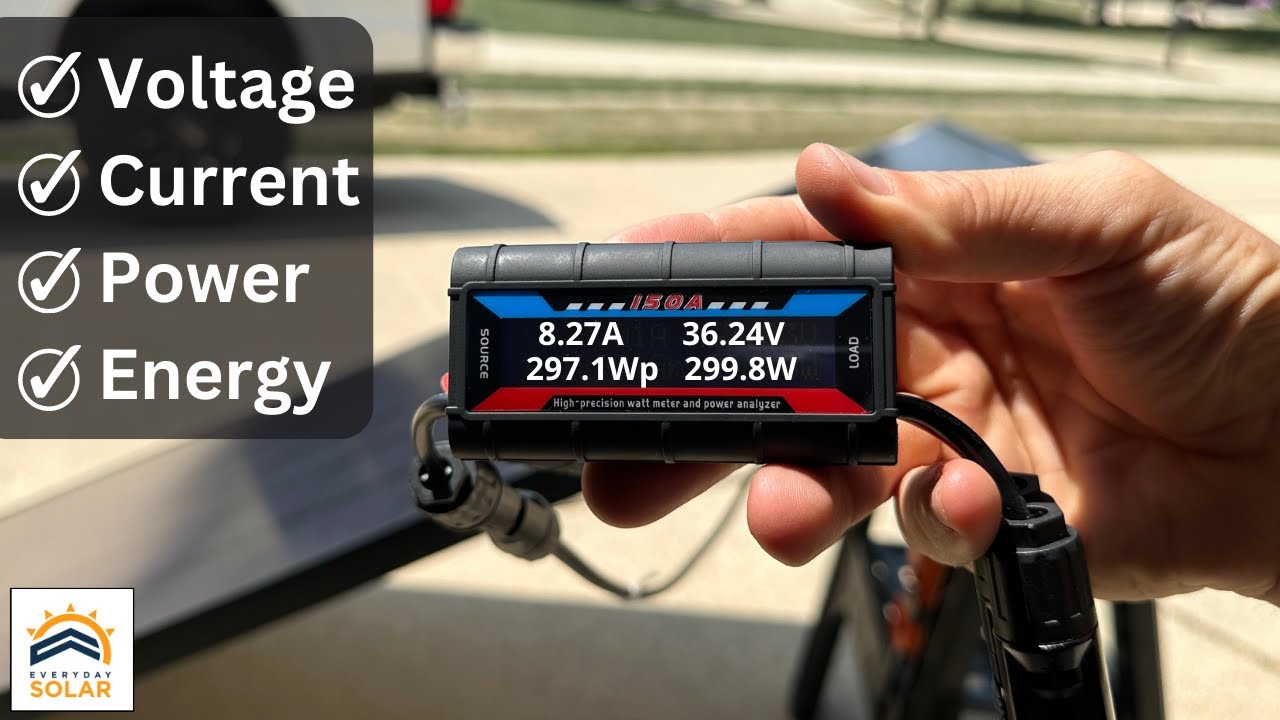
▶ Click to watch: Practical strategies for building and pricing solar O&M service packages — directly applicable to solar window distribution businesses looking to generate recurring revenue from their installed customer base.
The most successful solar O&M programs use a tiered service structure that gives customers a choice at a price point appropriate to their risk tolerance and budget. Based on market data from EnergyScape Renewables, the industry benchmark structure is:
| Service Tier | Annual Price Range | What Is Included | Best For |
|---|---|---|---|
| Basic | $150–$350/year | Annual performance review, monitoring check, written report, phone support | Low-risk temperate installations with owner-managed cleaning |
| Standard | $400–$700/year | All Basic + bi-annual professional inspection, connection integrity check, inverter diagnostics | Urban and suburban commercial installations |
| Premium | $800–$1,500/year | All Standard + quarterly inspection, professional cleaning (2x/year), priority response (48-hour), component benchmarking, annual certification report | Coastal, industrial, high-rise, or large commercial installations |
| Comprehensive | $1,500–$3,500/year | All Premium + monthly monitoring review, same-day emergency response, predictive replacement scheduling, full warranty management | Mission-critical commercial or high-value residential |
The revenue math for your distribution business:
If you have 100 active solar window customers and convert 70% to service contracts (a realistic conversion rate for customers who receive a strong maintenance pitch at installation), at an average contract value of $500/year, that is $35,000 in recurring annual revenue — from your existing customer base, with minimal customer acquisition cost.
Scale to 300 customers and you are looking at $105,000/year in maintenance revenue — a meaningful second revenue stream that keeps your business stable through any slow period in new installation sales.
For detailed guidance on building a solar service package program, Payaca’s solar business diversification guide covers the operational and pricing considerations applicable to distributors moving into service revenue.
Communication Strategies That Keep Customers Engaged
Automated reminders for seasonal maintenance tasks:
Set up automated email or SMS sequences in your CRM that trigger at the right points in the maintenance calendar. A fall maintenance reminder in September, a spring inspection reminder in March, and a mid-summer performance check reminder in July keep your brand visible and prompt your customers to schedule service before they have a problem — rather than calling you after one.
The most effective reminders include a specific data point: “Based on your installation date and your climate zone, your next professional inspection is due in October. At this stage of the annual cycle, we typically identify seal condition issues before winter freeze risk — catching them now costs significantly less than addressing them after the first cold snap.”
Performance reports that demonstrate maintenance ROI:
Once per year, send each maintenance customer a performance summary report: their system’s annual kWh output compared to the baseline from commissioning, the efficiency maintained versus expected degradation, the maintenance events performed during the year, and any issues identified and resolved. Quantify the value where possible: “Your system generated 94.3% of its Year 1 commissioning baseline in Year 4 — compared to the industry average of 98% without maintenance and 88% for unmaintained comparable installations. The maintenance program has preserved approximately $1,240 in annual energy value relative to an unserviced system.”
That number — $1,240 in preserved value from a $600/year maintenance contract — is the ROI conversation that keeps customers renewing their service agreement.
Advanced Maintenance Techniques — Differentiating Your Service Offering
Professional Cleaning Equipment and Methods
Soft-wash vs. pressure-wash — the definitive answer:
There is no scenario in which a high-pressure washer (above 40 PSI) should be used on a solar window installation. Edge seals are designed to resist water infiltration from rain at atmospheric pressure — not from directed water jets at 1,500–3,000 PSI. A single pressure-wash session can force moisture past an edge seal that would have remained intact for another decade under normal weather exposure.
Soft-wash systems — low-pressure pumps delivering water at 15–40 PSI with a professional surfactant solution — are the appropriate professional cleaning method for solar glazing. For high-rise applications where water delivery is from an elevated access platform, a telescoping water-fed pole system using purified water (total dissolved solids under 20 ppm) produces streak-free results without solvents or surfactants.
Specialized coatings and protective treatments:
After professional cleaning, application of a hydrophobic glass treatment extends the effective clean interval by 30–50% by causing water droplets to bead and roll, carrying surface contaminants with them. These treatments — products like the titanium dioxide-based self-cleaning coatings used on premium architectural glass — are compatible with most anti-reflective coatings but must be confirmed compatible with the specific BIPV glass product.
Position coating application as an add-on service to each professional cleaning visit. At $50–$120 per application depending on glass area, it improves the customer’s performance between visits and adds a meaningful margin contribution to each service call.
Cost-benefit analysis for customers considering upgrades:
When a customer’s older BIPV glass installation shows signs of coating degradation but remains structurally and electrically sound, an enhanced maintenance program — including coating re-application and more frequent professional inspections — may extend useful performance life by 5–8 years compared to deferred maintenance. The financial case: 5 additional years at the current energy generation value, versus the capital cost of early glass replacement. In most cases, the extended maintenance approach wins significantly.
Diagnostic Tools and Performance Monitoring
Thermal imaging to detect problem areas:
A FLIR or equivalent thermal imaging camera used during an annual inspection can identify issues invisible to the naked eye: hot spots in the PV cells (indicating localized delamination or cell degradation), electrical connection points running above normal temperature (indicating resistance faults), and areas of the IGU with compromised gas fill (showing different thermal signature than intact units).
According to Oxmaint’s thermal imaging analysis, professional thermal imaging predictive maintenance detects 85–90% of electrical faults before failure occurs. At a professional thermal imaging service cost of $300–$600 per inspection for a mid-size commercial installation, the fault detection value — preventing a single inverter failure or fire risk incident — justifies the cost in almost every case.
Energy output analysis and benchmarking:
Collecting and analyzing monthly output data across your entire installed customer base creates something individually no customer can access: a comparative performance benchmark. If 30 of your 100 customers are in similar climate zones with similar installation specifications, you can identify whether one customer’s 12% output drop is an isolated system issue or part of a broader seasonal pattern. This fleet-level analysis capability is a genuine differentiator that no individual building owner or smaller competitor can replicate.
Predictive maintenance using performance data:
Modern solar monitoring platforms provide the data foundation for transitioning from reactive maintenance (responding to failures) to predictive maintenance (identifying systems approaching failure before they fail). A system whose specific yield is declining at 1.8%/year instead of the expected 0.45%/year is showing an abnormal degradation signature — one that points to developing delamination, a connection fault, or shading change. Identifying this trend at Year 3 means an inexpensive intervention. Missing it until Year 7 means a full-scale investigation and potential glass replacement.
For distributors with a data analytics capability or a relationship with an engineering firm that can provide fleet analysis, predictive maintenance is both a premium service offering and a warranty risk management tool.
Repairs vs. Replacement — Making the Right Call for Customers
This is one of the most relationship-sensitive conversations in your service business. A customer who receives a repair recommendation that extends their system’s performance by 7 years trusts you completely. A customer who receives an unnecessary replacement recommendation — when repair would have served — feels sold to. And a customer who receives an inadequate repair that fails within two years and now requires full replacement feels failed.
Cost-benefit analysis framework for the repair vs. replace decision:
| Situation | Repair Cost | Replacement Cost | Recommended Action |
|---|---|---|---|
| Minor edge sealant cracking, no moisture ingress | $150–$400 | $800–$2,500+ | Repair — high ROI |
| Condensation between panes, within warranty | $0 (warranty claim) | N/A | Warranty replacement |
| Condensation between panes, post-warranty | $800–$2,500 (full IGU) | Same as replacement | Replacement — seal re-do doesn’t fix IGU |
| Output drop from single connection fault | $150–$350 | N/A | Repair — electrical fix |
| Output drop from delamination, >20% | N/A | Full glass replacement | Replacement — delamination is not reversible |
| Frame corrosion, structural concern | $400–$1,200 | $2,000–$5,000+ | Assess severity — repair if structural integrity intact |
Upgrade opportunities when replacement is necessary:
A replacement event is your highest-value sales opportunity in the customer lifecycle. When a solar window pane reaches end of life or suffers physical damage, the replacement can be specified to the current generation of BIPV glass — which may offer significantly improved efficiency, better VLT, or enhanced self-cleaning coatings compared to what was installed 10 years earlier. The upgrade conversation: “The replacement glass costs approximately 15% more than a like-for-like unit, but generates 22% more electricity and comes with a fresh 25-year performance warranty. Over the remaining life of your installation, the upgrade pays for itself in less than 4 years.”
Products from Jia Mao Bipv’s current BIPV glass lineup include updated specifications that can often directly replace older units within existing frame systems — making upgrade replacements straightforward in most curtain wall configurations. For product compatibility assessment, the BIPV glass product range provides current specifications for distributor technical review.
Building Your Maintenance Business — Scaling Beyond the Initial Sale

Training Your Team to Deliver Expert Maintenance Services
Certification programs and continuing education:
Your maintenance service team needs competencies in two domains: glazing systems (understanding frame types, sealant chemistry, IGU construction) and solar PV systems (understanding DC electrical safety, inverter diagnostics, output monitoring). These are rarely combined in a single standard certification program.
The most practical training path: NABCEP (North American Board of Certified Energy Practitioners) PV Maintenance Technician certification for the electrical domain, combined with hands-on manufacturer training on the specific BIPV glass products you distribute. Most major BIPV manufacturers including جيا ماو BIPV offer distributor and installer training programs that cover product-specific maintenance procedures — take advantage of these programs and document your team’s completion as a credential you present to commercial customers.
Standardized inspection checklists and procedures:
Every service visit should follow a documented protocol — the same checklist, in the same order, for every installation. This standardization serves three functions: it ensures nothing is missed regardless of which technician performs the visit, it produces consistent documentation that builds the maintenance record, and it enables quality control review by comparing completed checklists across technicians and identifying skill gaps.
Develop a master inspection checklist covering: glass surface condition, frame and sealant integrity, drainage channel condition, connection integrity spot-check, inverter status review, monitoring platform verification, output data recording against baseline, and customer education notes. Make this checklist part of every service contract deliverable — the customer receives a completed copy at the end of each visit.
Customer communication and upselling techniques:
The most effective upsell in a maintenance visit is not a pitch — it is an observation. “During today’s inspection, I noticed the sealant at the northwest corner is showing early signs of UV degradation. It’s not a problem yet, but if we reseal it now, we’re looking at $200. If we wait until moisture has entered, we’re looking at a full IGU replacement at $1,800. Want me to do the reseal today while I’m here?”
That is not upselling. That is the expert advisory relationship your customers need and will pay for.
Marketing Your Maintenance Services to Existing Customers
Case studies showing performance improvements:
Build a library of maintenance case studies from your installed base. The format is simple: before-and-after energy output data showing the performance impact of a professional cleaning cycle, a seal repair that averted a full glass replacement, or a connection repair that restored 8% output loss. These case studies do not need to be elaborate — a half-page PDF with a before-and-after output chart and a one-paragraph description of what was found and fixed is sufficient and highly persuasive.
Share these case studies in your monthly email newsletter, on your LinkedIn profile, and in every proposal conversation where a customer asks “Is maintenance really necessary?”
Before-and-after energy efficiency data:
A powerful conversion tool for maintenance service upsell: show a potential service customer the output data from a comparable installation in their climate zone — one maintained on schedule versus one that received no professional maintenance. The difference at Year 3 is typically 8–15% in cumulative generation. At typical commercial electricity rates, that gap represents thousands of dollars in lost energy value. Converted to a dollar figure specific to their installation size, this data consistently motivates maintenance contract sign-up.
Testimonials emphasizing cost savings and peace of mind:
Collect testimonials at the moment of highest customer satisfaction — immediately after a service visit that identified and resolved a problem. The testimonial structure that works: “We noticed a performance drop and weren’t sure what was causing it. The maintenance team came out, identified a loose connection in the third string, and had it fixed the same day. Our output was back to baseline within the week — and the whole service call cost less than a month’s worth of energy savings from the system.”
That testimonial answers the three questions every prospective maintenance customer is asking: Does it actually work? Is it responsive? Is it worth the cost?
Creating Competitive Advantage Through Service Excellence
Response time commitments and guarantees:
In a service business, response time is as important as technical quality. A commitment to respond to any reported performance anomaly within 24 hours (phone/email), to provide a site visit within 48–72 hours for priority issues, and to complete resolved repairs within 5 business days gives customers the confidence to commit to a long-term service relationship. Formalize these commitments in your service contract language — not as aspirational targets but as guaranteed service levels.
Transparent pricing and no-surprise service models:
The fastest way to erode a service relationship is to present an invoice that looks different from what the customer expected. Transparent pricing means: clear service contract pricing with specific inclusions and exclusions, written estimates for any out-of-scope work before it is performed, and no emergency rates or hidden travel charges for customers within your service area. Customers who trust your pricing renew their contracts without negotiation. Customers who feel surprised by invoices call competitors.
Loyalty programs that reward long-term customers:
A customer on their fifth consecutive annual service contract has demonstrated that they value the relationship. Reward that loyalty in a way that reinforces the behavior: a 10% renewal discount at Years 3 and 5, priority scheduling for any urgent service needs, complimentary annual performance report upgraded to include 5-year trend analysis, or early access to new service offerings. These modest incentives cost less than the customer acquisition cost of replacing a churned customer and communicate that your company values long relationships, not just initial transactions.
Addressing Customer Pain Points — The Problems You Solve
“I Don’t Know How to Maintain These Systems” — Your Education Solution
This is the most common customer pain point in the post-installation phase — and the most easily resolved. The customers who feel this way are not asking for technical depth. They are asking for confidence that they know what to do and when.
Comprehensive onboarding materials:
At system handover, provide every customer with a physical or digital onboarding package that includes: a 2-page visual inspection guide (photographs of what normal vs. abnormal looks like for seals, glass surface, and frame condition); a cleaning instructions card appropriate to their location; their personalized maintenance schedule with key dates; the escalation protocol for different types of issues; and your direct service contact information.
Make the onboarding package look professional — it represents your brand every time the customer references it over the next 25 years. A well-designed, laminated quick-reference card on the inside of an equipment cupboard door is more useful than a 50-page PDF that sits unopened in a drawer.
Regular check-ins to ensure customer confidence:
Build a 30-day post-installation check-in call into your standard customer management workflow. This call has one purpose: “Are you confident about your maintenance responsibilities? Do you have any questions about what you saw in your first month of monitoring data?” Most customers have at least one question they did not ask at installation. Answering it proactively — before it becomes a concern — strengthens the relationship and often surfaces the service contract upsell opportunity naturally.
“Will This Void My Warranty?” — Your Peace-of-Mind Guarantee
Warranty anxiety is a rational response to a complex product with multiple warranty documents covering different components. Your role is to make the warranty landscape navigable for your customers — not to hand them a stack of documents and wish them luck.
Clear documentation of approved maintenance procedures:
Produce a one-page document for each product line you distribute that summarizes: approved cleaning methods and materials (and explicitly excludes disapproved ones), the inspection schedule required to maintain warranty validity, the process for reporting a potential warranty defect and initiating a claim, and who is responsible for which part of the claim process (manufacturer vs. installer vs. distributor). This document should be reviewed and approved by the manufacturer’s warranty department — and that approval should be documented.
Your commitment to protecting their investment:
Position your maintenance service program explicitly as warranty protection: “Our maintenance program is designed to keep your installation compliant with all warranty conditions — so that if you ever need to make a claim, your documentation is complete and your maintenance history supports the claim. We’ve never had a valid warranty claim denied for a customer who was on our maintenance program.”
That statement — if true for your business — is one of the most powerful service selling points available. Build the processes necessary to make it true.
“How Do I Know If Something’s Wrong?” — Your Monitoring Solution
Customers who do not know how to read their monitoring data are effectively flying blind. A system generating 20% below baseline is invisible to a customer who does not check their monitoring platform or does not know what baseline to compare against.
Early warning systems and performance alerts:
Modern solar inverters and monitoring platforms support automated alert configuration: email or SMS notifications triggered when specific yield drops below a defined threshold (typically 10–15% below rolling 30-day average for weather-normalized output). Configure these alerts for every customer installation at commissioning. A customer who receives an automated alert “Your system generated 18% below its 30-day average yesterday — this may indicate soiling, shading, or a technical issue — contact your service provider” calls you before a minor issue becomes a significant one.
Quick response protocols that minimize downtime:
For commercial installations where energy output directly affects operating costs, rapid response to performance alerts is a contractual and commercial priority. Your premium service tier should guarantee a same-business-day phone response to any performance alert and a 48-hour site visit for alerts that are not resolved remotely.
The cost of providing this response level is modest — a well-organized service dispatch system and a relationship with qualified local technicians. The value to the customer is substantial: confidence that their energy investment is protected and that problems are caught and resolved before they accumulate into significant financial losses.
Your Path to Sustainable Growth Through Customer Success
Maintenance expertise is not a support function in your solar window distribution business. It is your competitive moat — the capability that most competitors do not have and cannot quickly develop, and that your customers value most once they experience it.
The economics are clear. A distributor who sells 50 solar window installations per year and provides no maintenance service has 50 customers. Five years later, they may still have 50 customers — or fewer, if customer satisfaction has eroded. A distributor who sells 50 installations per year and builds a maintenance program around them has 50 installations generating recurring service revenue, a case study portfolio growing with every maintenance success, and a referral network of satisfied customers who trust them with the next project.
The three investments that build this position:
First, systematic customer education that starts before installation and continues through the product’s life — customers who understand their system stay satisfied and stay loyal. Second, a tiered service program that converts installations into recurring revenue relationships — each service contract is both immediate income and a retention mechanism. Third, diagnostic and monitoring capabilities that catch problems early — every problem caught before it escalates is a warranty claim avoided, a customer experience protected, and a case study created.
Solar panel windows from reputable manufacturers including جيا ماو BIPV are designed to perform for 25+ years. Your maintenance program is what ensures they actually do — and what ensures your customers are still your customers when they come back for the next project, the next building, or the referral they send your way.
Ready to Build a Maintenance-First Business Model?
The solar O&M market is heading toward $32.63 billion by 2034. The maintenance revenue from your existing installed base is available to capture right now — without a single new installation sale.
Four steps to start today:
1. Download the Distributor’s Maintenance Service Playbook — complete with inspection checklists, customer communication templates, seasonal maintenance calendars, and tiered pricing frameworks. Request it through the Jia Mao Bipv distributor resources portal.
2. Audit your current customer base — identify every installation that is not currently enrolled in a maintenance program. These are your immediate service contract conversion opportunities.
3. Explore solar window technical resources — including installation guides, maintenance specifications, and product compatibility data through Jia Mao Bipv’s solar window technical library.
4. Review buyer checklist resources — use the solar windows buyer’s checklist to understand what your customers’ expectations look like at purchase — and what maintenance commitments they have already read about before your first conversation.
Don’t let maintenance be the missed opportunity in your distribution business. Build the program that makes your customers stay — and send their colleagues your way.
Glossary of Key Terms
| Term | Plain-Language Definition | Why It Matters for Maintenance |
|---|---|---|
| BIPV | Building Integrated Photovoltaics — PV cells embedded in building glass | Solar windows are BIPV; they need glazing AND solar maintenance skills |
| IGU (Insulated Glass Unit) | Multi-pane sealed glass assembly with gas cavity | Seal failure in the IGU is the most common warranty event; early detection saves thousands |
| Specific Yield | kWh generated per kW of installed capacity per day | The most reliable performance metric for detecting early degradation |
| SHGC | Solar Heat Gain Coefficient — how much solar heat enters through glass | Higher SHGC in summer means more heat and more cooling cost; glass coatings can degrade |
| Delamination | Separation of glass laminate layers — visible as bubbles or haze | A manufacturing/degradation defect; not repairable — requires glass replacement |
| Edge Seal | Sealant at the glass-frame interface that keeps moisture out | The first maintenance inspection point; early failure is cheap to fix |
| Hydrophobic Coating | A water-repelling surface treatment that makes water bead and roll off | Reduces cleaning frequency 30–50%; check for coating integrity annually |
| Anti-Reflective Coating | Microscopic coating that reduces glare and improves light transmission | Damaged by abrasive cleaning; preserve with soft-wash protocol |
| O&M | Operations and Maintenance — the ongoing service management of installed systems | Your recurring revenue model; global market worth $32.63B by 2034 |
| Soft-Wash | Low-pressure cleaning (15–40 PSI) with surfactant — the correct method for solar glass | Protects seals that would be damaged by pressure washing |
| Thermal Imaging | Infrared camera inspection revealing temperature anomalies invisible to the eye | Detects 85–90% of electrical faults before they cause failure |
| Specific Yield Baseline | The system’s commissioning-day output, used as the reference for all future comparison | Without a baseline, performance degradation is invisible until severe |
Frequently Asked Questions: Solar Panel Window Maintenance
Q1. How often should solar panel windows be cleaned to maintain optimal efficiency?
Cleaning frequency depends primarily on your installation’s environment. In temperate suburban locations with regular rainfall, 2–4 professional cleanings per year maintain optimal efficiency. Coastal installations within 5 km of the sea require cleaning every 2–3 weeks because salt crystallization accumulates rapidly and is more abrasive than ordinary dust. Industrial and urban environments should plan for monthly cleaning due to particulate and exhaust residue. Arid and desert regions also require 2–4 week intervals depending on dust event frequency. The financial logic: a 15% efficiency loss from soiling on a system generating $25,000 of annual energy value costs $3,750/year in lost output — making even monthly professional cleaning economically justified for commercial installations.
Q2. What cleaning products are safe for solar panel windows, and what should I avoid?
Safe options: plain water, mild neutral pH detergent (pH 6–8), manufacturer-approved cleaning solutions, and deionized water for the final rinse in hard water areas. These products clean effectively without damaging anti-reflective coatings, hydrophobic treatments, or IGU edge seals. Avoid without exception: abrasive scrubbing pads, steel wool, undiluted alcohol, acetone, paint thinner, strong alkaline or acid cleaners, and any product not confirmed compatible with your specific glass coatings. High-pressure washers (above 40 PSI) are also excluded — they force water under edge seals. When in doubt, contact your distributor or manufacturer for product-specific approved cleaning material lists.
Q3. Can I clean solar panel windows myself, or should I hire a professional?
Ground-floor windows accessible from the exterior or from inside a room without access equipment can generally be managed by a trained facilities team member using the approved materials listed above. Any window above ground level requires professional cleaning for two reasons: safety (working at height requires certified training and appropriate fall arrest equipment) and technique (professionals use proper water-fed pole systems that protect seals while achieving streak-free results at height). For commercial buildings with high-rise facades, integrate solar window cleaning into your existing building facade maintenance program under distributor supervision. The cost of a professional cleaning visit ($150–$450 for a typical commercial installation) is substantially less than the cost of an improper cleaning that damages a coating or seal.
Q4. How do I know if my solar panel windows are damaged or failing?
Monitor three signals simultaneously. First, performance data: a drop in specific yield of more than 10% from your commissioning baseline (after accounting for seasonal variation and weather differences) warrants investigation. Second, visual observation: condensation or fog appearing between the glass panes (not on the exterior surface) is an unambiguous IGU seal failure and requires professional assessment immediately. Discoloration appearing within the glass layers — yellowish or cloudy areas that are not on the surface — indicates delamination. Third, physical inspection: cracks, chips, or impact marks on the glass surface; sealant that is cracking, shrinking, or separating from the frame; frame corrosion or oxidation at joints. Any of these conditions warrants a professional service call rather than customer-managed maintenance.
Q5. Will regular maintenance void my warranty?
No — properly conducted maintenance protects your warranty rather than voiding it. Most manufacturer warranties include maintenance conditions: if the product is damaged by improper cleaning (abrasive materials, high-pressure washing), the damage is excluded from warranty coverage. Following the manufacturer’s approved maintenance protocol — soft materials, approved cleaning solutions, professional service for height access — keeps you in compliance. More importantly, documented maintenance records strengthen warranty claims by demonstrating that the system was properly cared for. If a seal fails within the warranty period and you have a complete maintenance record showing proper care, the warranty claim is clear-cut. Without a maintenance record, warranty adjudicators may attribute the failure to neglect.
Q6. What is the difference between condensation inside the panes and exterior moisture?
Exterior condensation — moisture that forms on the outer glass surface on cool mornings and disappears as the glass warms — is completely normal and indicates the glass surface is below the dew point temperature of the surrounding air. It causes no damage and requires no action. Condensation between the panes — moisture that appears between the glass layers and does not disappear when the exterior surface dries — is fundamentally different. It indicates the sealed gas cavity of the IGU has been compromised, allowing moist air to replace the inert gas fill. This is a manufacturing defect or seal failure, depending on age and cause, and is covered by the product warranty within the coverage period. Contact your distributor immediately for professional assessment and warranty claim initiation.
Q7. How do coastal or salty environments affect solar panel window longevity?
Coastal environments create two primary stress mechanisms. Salt crystallization on glass surfaces is physically abrasive during cleaning if improper materials are used, and chemically aggressive to frame finishes over time. Salt spray also penetrates micro-gaps in sealant lines more aggressively than fresh water, accelerating seal degradation. For installations within 5 km of the sea, the expected maintenance intensity is 3–4 times higher than a temperate inland installation — both in cleaning frequency and inspection intensity. Frame inspection should move from annual to quarterly; sealant integrity assessment should be performed at every service visit. Products from manufacturers including جيا ماو BIPV are manufactured with marine-environment suitability ratings for coastal commercial applications — confirm specific product salt-mist testing ratings before specifying for coastal projects.
Q8. Can extreme weather damage solar panel windows, and how do I prevent it?
Commercial-grade BIPV glass is engineered to withstand wind loads, hail, thermal cycling, and UV exposure consistent with the most severe regional building codes. However, extreme weather events outside the design envelope — hurricane-force debris impacts, ice storms that exceed design load assumptions, or unprecedented thermal events — can cause physical damage that requires prompt inspection and professional assessment. The primary preventive measure is pre-storm preparation: confirm all frame fasteners and perimeter sealant are intact before a major storm event (the fall inspection fulfills this function for winter storms). Post-storm, conduct a visual inspection for impact chips, sealant separation, or frame distortion before the next monitoring cycle obscures any output anomalies caused by damage.
Q9. What is the average lifespan of solar panel windows with proper maintenance?
Quality BIPV glass from established manufacturers is warranted for 25 years of minimum PV performance (80% of initial output) and designed to remain structurally sound for the full life of the building — potentially 40 years or more. With proper maintenance — cleaning on the recommended schedule, annual professional inspection, prompt seal repair when early signs appear, and connection integrity audits every 2–3 years — a solar window installation can perform above its warranty minimum throughout its warranted life and beyond. The key maintenance contribution to longevity is early intervention: seal failures caught at the incipient stage and repaired for $200–$400 extend component life by 5–8 years. The same failure addressed after full moisture infiltration requires $800–$2,500 glass replacement.
Q10. How much money will proper maintenance save on energy bills?
Research cited in the MDPI sustainability study on PV cleaning frequency found that properly maintained PV installations in urban environments produce 10–13% more energy than comparable unmaintained installations over a 3-month dirty period. For a commercial solar window installation generating $30,000 of annual electricity value, a 12% maintenance-related performance difference is worth $3,600/year. Against a $600/year standard maintenance contract, that is $3,000 in net annual benefit from maintaining the product correctly — a 500% return on maintenance investment. Over 25 years at moderate electricity rate escalation, the compounding effect of maintained vs. unmaintained performance can represent tens of thousands of dollars in cumulative energy value difference.
Q11. What should I do if I notice a drop in energy production?
Follow a 3-step diagnostic sequence before calling a professional. First, check the glass surface — is the drop coinciding with heavy pollen season, a particularly dusty period, or visible soiling on the glass? If yes, schedule a cleaning and monitor for 2 weeks. Second, check the monitoring platform — is the drop across all circuits, or isolated to one string? A single-string drop points to a connection issue in that circuit. A drop across all circuits points to an inverter, weather, or shading issue. Third, compare to historical data — is this drop unusual, or does it follow the expected seasonal curve for your installation’s location and orientation? A drop that persists after cleaning and exceeds 10% below the adjusted seasonal baseline warrants a professional service call. Provide your technician with the specific monitoring data — circuit-level output numbers and the date the drop appeared — to accelerate diagnosis.
Q12. Are there any DIY maintenance tasks I should never attempt?
Never attempt: any work inside the inverter enclosure (live DC voltages are present at all times while the sun is shining, regardless of whether the AC isolator is turned off); any repair or replacement of electrical connectors, fusing, or wiring on the solar circuit; resealing of an IGU that has failed (the internal gas fill cannot be restored without factory equipment); glass removal or replacement of any kind; and cleaning of any glass above ground level without proper elevated access equipment and fall arrest training. The DC voltage produced by a solar window array in direct sun can be lethal — respect it as you would any unprotected live electrical system. All electrical work on solar window systems must be performed by a licensed electrician with solar PV experience.
Q13. How do I monitor solar panel window performance between inspections?
Set up a monthly monitoring review routine using your system’s monitoring platform (web dashboard or mobile app). Each month, record the total kWh generated, compare to the same month in the previous year (or to the commissioning baseline adjusted for seasonal variation), and note any days where output was significantly below the surrounding days’ trend. Enable automated performance alerts on your monitoring platform — threshold alerts that trigger an email or SMS notification when daily yield drops more than 15% below the 30-day rolling average. This alert configuration means you are informed of anomalies within 24 hours rather than discovering them during a quarterly manual review. For commercial installations with multiple monitored circuits, circuit-level daily review is standard in premium maintenance contracts.
Q14. What is the cost of professional maintenance vs. DIY maintenance for solar panel windows?
Professional annual maintenance for a residential or small commercial solar window installation runs $150–$800/year depending on service tier, building height, and location. DIY maintenance — cleaning materials, inspection tools, and time — costs approximately $50–$150/year for an owner-managed program on an accessible ground-floor installation. The cost comparison favors DIY at surface level, but professional maintenance provides three additional values that change the calculation: technical expertise to identify early-stage problems (a $200 seal repair identified by a professional vs. a $1,800 IGU replacement discovered by the customer when it fails), warranty compliance documentation, and the safety assurance of proper elevated access for any above-grade glass. For commercial buildings where all glazing is above ground level, professional maintenance is not optional — it is a safety and liability requirement.
Q15. Can maintenance extend the life of solar panel windows beyond the warranty period?
Yes — and this is one of the strongest arguments for structured maintenance programs. The 25-year PV performance warranty represents the manufacturer’s statistical confidence in the product under normal conditions. With proactive maintenance — optimized cleaning frequency, prompt seal repair, annual electrical audit, and thermal imaging diagnostics — well-maintained installations routinely perform above warranty minimum at Year 25 and continue to generate meaningful energy output into Years 27–35. The marginal cost of maintenance in Years 23–27 is the same as in Years 1–5, but the value of the additional performance years — 5 more years of electricity generation from a fully depreciated asset — is entirely net-positive return. For commercial building owners with long investment horizons, this extended performance case is a compelling reason to invest in maintenance from installation day one.
Q16. How do I prepare solar panel windows for winter and summer seasons?
Winter preparation (September–October in Northern Hemisphere): Conduct a thorough seal inspection and reseal any compromised sealant lines before temperatures drop below sealant cure threshold (5°C). Clear all frame drainage channels. Inspect electrical connections for any summer-season loosening from thermal cycling. Document commissioning baseline for winter-season performance comparison.
Summer preparation (April–May): Inspect sealant condition after winter thermal stress. Check for algae or mold growth at frame bases in humid climates. Apply hydrophobic coating treatment after spring cleaning to prepare glass for high-dust summer months. Verify monitoring alerts are configured for summer irradiance season — output should track upward from spring levels; a flat or declining trend in June–July is a diagnostic signal worth investigating.
Q17. What certifications or qualifications should a maintenance professional have?
For the electrical components of solar window maintenance: NABCEP (North American Board of Certified Energy Practitioners) PV Maintenance Technician certification is the recognized professional standard. Any replacement or repair of electrical components (connectors, wiring, fusing) requires a licensed electrician with solar PV endorsement in most jurisdictions. For the glazing components: a professional glazing contractor credential (state-licensed in jurisdictions that require this) ensures that any seal work or glass handling is performed to building code standards. Manufacturer-specific installer certification — training provided directly by the BIPV glass manufacturer, confirming familiarity with the specific product’s maintenance requirements and approved service procedures — is an additional quality assurance credential worth requesting. When evaluating a maintenance service provider, ask for all three: NABCEP certification, glazing contractor license, and manufacturer training documentation.