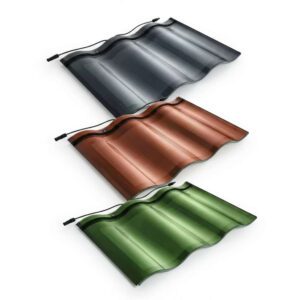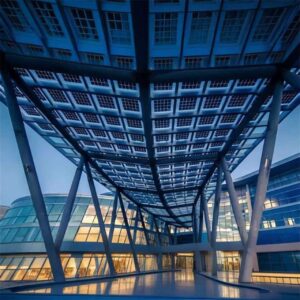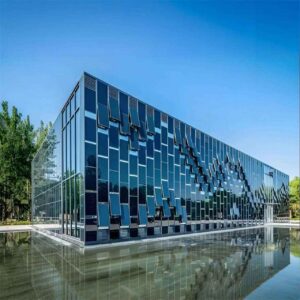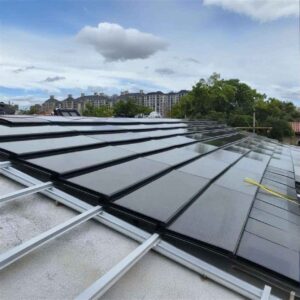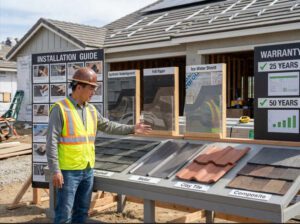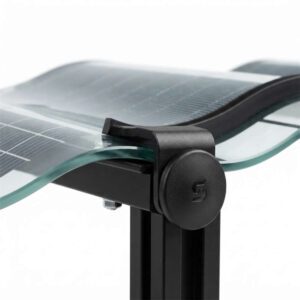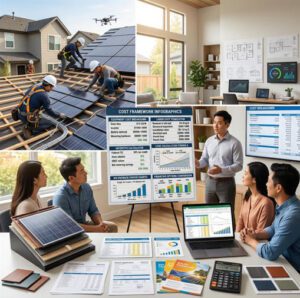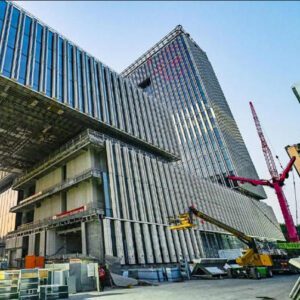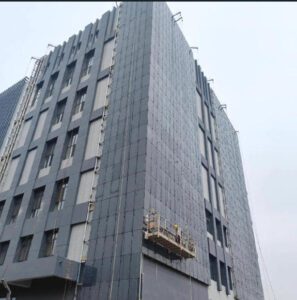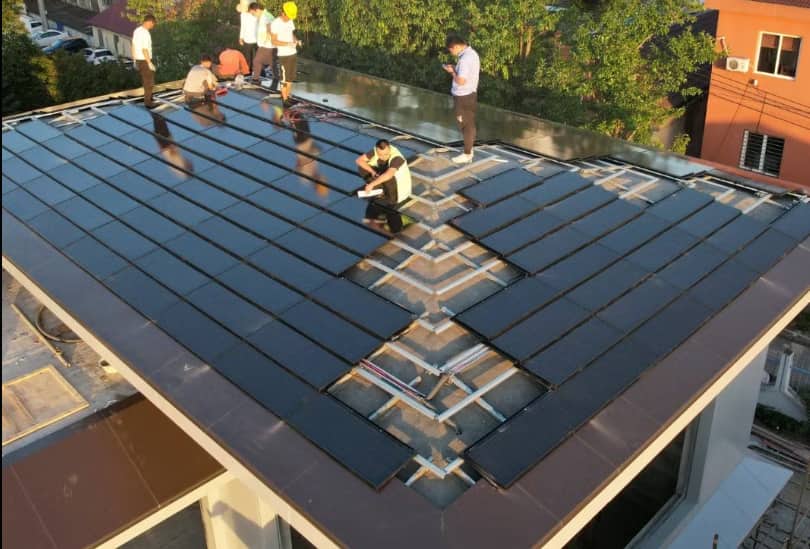
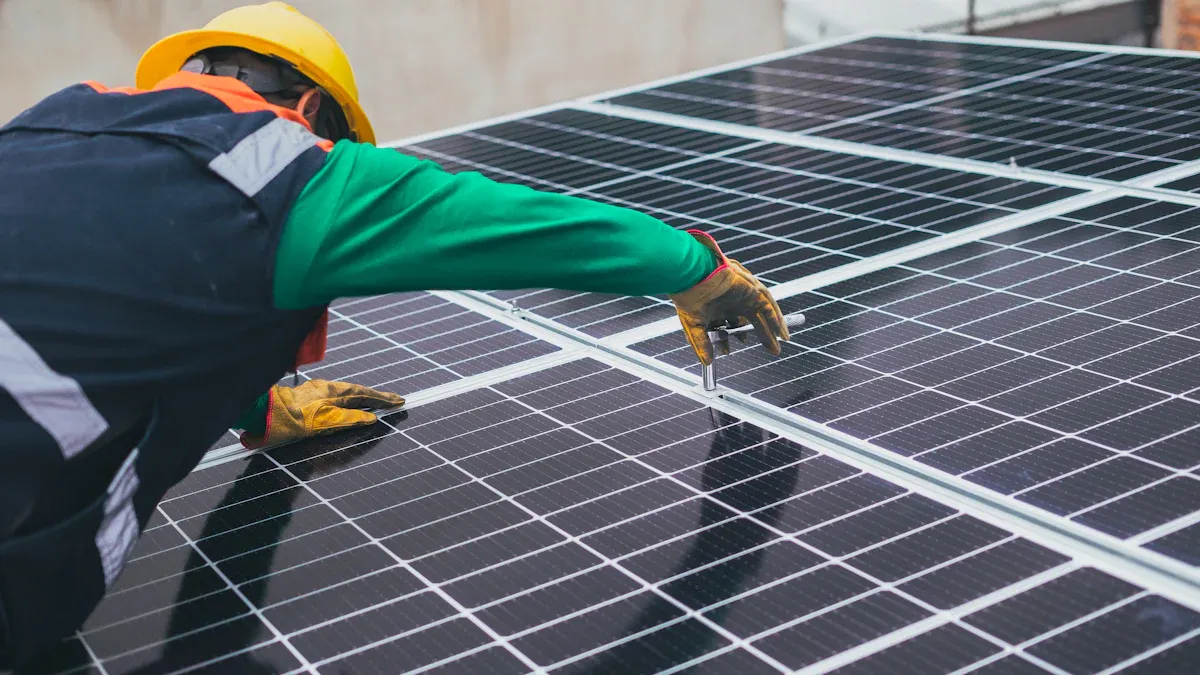
You can connect building-integrated photovoltaics to your building’s electrical system if you follow a good plan. Many new buildings use bipv panel installation, especially in green commercial buildings. You need experts to make sure your solar energy system is safe and works well. When you put in photovoltaics, you make clean power at your building and pay less for electricity. The panels fit in with your building’s look and help use energy in a better way. Jia Mao Bipv gives you panels that help you save energy and keep your building looking nice.
الوجبات الرئيسية
Begin with a good plan for BIPV panel setup. Check your building’s energy needs and how much sunlight it gets. This helps you get more clean energy.
اختر strong BIPV panels and connectors that fit your building. Make sure they follow safety rules so they last a long time.
Follow local laws and rules for BIPV setups. Doing this keeps things safe and helps you reach your green goals.
Keep BIPV panels working well with regular care. Clean them every two years. Watch for any drop in energy they make.
Get help from trained experts for setup and care. Their skills keep your BIPV system safe and working right.
Planning BIPV Panel Installation
Assessing Building Requirements
Start with a simple plan for bipv panel installation. Set your energy goals first. Decide if you want to use less energy or reach net-zero. Look at how your building faces the sun. Buildings facing south get more sunlight. This helps make more clean energy. Work with energy consultants to check sunlight with simulations. These show how much power your panels can make.
The solar cladding must work well and look good. It should not ruin the building’s style while making energy.
Check the site before installing panels. Make sure your roof or walls are strong enough. Look for shade from trees or other buildings. Review local codes and permits. This step may take longer in busy cities or old neighborhoods.
| العامل | الوصف |
|---|---|
| Site Assessment | Check if the roof or wall is ready for panels. |
| System Design | Fit panels with the building and get the most sunlight. |
| Energy Goals | Set your targets for using clean energy. |
| Regulatory Approvals | Follow building codes and get permits. |
| Architectural Design | Keep the building looking nice and working well. |
Choosing Panel Types and Connectors
Pick panels and connectors that fit your building. Choose panels that match your design and work well. Jia Mao Bipv has panels that look good and make clean energy. Pick materials that last and look nice. Make sure your connectors are safe and meet standards like UL and TÜV. Choose connectors that handle the right voltage and current. Check if they can resist heat, humidity, and UV rays.
| Consideration Type | Key Points |
|---|---|
| Quality and Certification | Use strong materials and check certification and testing. |
| System Design Parameters | Make sure voltage, current, and cables fit together. |
| Environmental Factors | Check if panels can handle temperature, humidity, and UV rays. |
| اعتبارات التثبيت | Know what tools you need and make sure installers are skilled. |
| Long-term Support | Pick trusted brands, check warranty, and see if parts are easy to get. |
Sustainability Benefits
Bipv panels help you use clean energy and lower your carbon footprint. You can cut city CO2 emissions by 35.50%. Using clean energy means you use less regular power and pay less carbon tax.
- UL 7103, UL 61730-1, UL 61730-2, UL 790, and UL 580 are important for bipv panel installation.
- Bipv systems make your building better for the environment.
- Builders and developers become leaders in green building.
- Bipv panel installation helps you earn green building awards.
Careful planning helps you use clean energy and makes your building more efficient.
Designing Wiring and Panel Strings
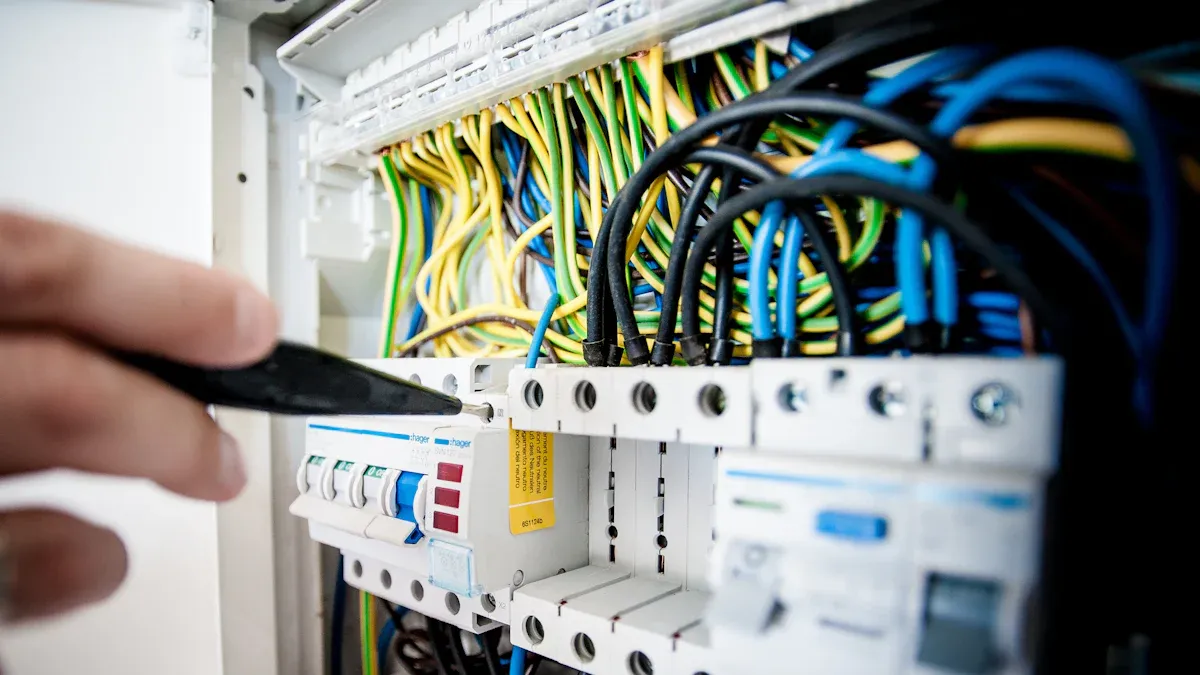
String Configuration Basics
You need to plan how to connect your BIPV panels. String configuration means linking panels together in a group. Each group sends power to your building. You must decide how many panels go in each string. Jia Mao Bipv offers panels that work well in many setups. You should check the voltage and current for each string. This step helps you avoid wiring problems and keeps your system safe.
Tip: Draw a simple diagram to show how your panels connect. This makes installation easier.
Determining Maximum Panels per String
You must know the most panels allowed in each string. The number depends on panel voltage and inverter limits. If you add too many panels, your system can get damaged. You should read the panel datasheet and check the inverter specs. Most installers use 8 to 12 panels per string, but your building may need more or less. You must also check local codes.
- Make sure your wiring can handle the total voltage and current.
- Keep strings short if your building has shade or a complex roof.
Series vs. Parallel Connections
You can connect panels in series or parallel. Each method has good and bad points. Series connections link panels end-to-end. Parallel connections join panels side-by-side. The table below shows the differences:
| Connection Type | Advantages | Disadvantages |
|---|---|---|
| Series | Higher voltage output, Smaller, less expensive wiring, Better performance in low light, More efficient for long distances, Simpler installation with fewer parts | Whole string stops working if one panel is shaded, One panel failure can stop the whole string, Needs MPPT charge controllers, Higher voltage needs extra safety, Less flexible for expansion |
| Parallel | Works well with partial shading, One panel failure doesn’t stop others, Consistent voltage output, Easier to expand system, Works with less expensive PWM controllers | Needs thicker, more expensive wiring, Higher current causes more losses, Installation is more complex with extra parts, Limited by maximum controller current, Not great for early or late day performance |
You must pick the best method for your building. Series works well for simple roofs with little shade. Parallel works better if your building has shade or you want easy expansion. Always check your wiring and safety before making a final choice.
Routing and Protection of Wiring
Maintaining Water and Air Barriers
You must protect your building from water and air leaks when you install BIPV panels. Good sealing keeps your building safe and energy efficient. Use special gaskets and sealants around all entry points. Check that every hole for cables stays tight and dry. If you do not seal these spots, water can get inside and cause damage. You should always follow the building envelope design. This step helps your building last longer and keeps your energy bills low.
Selecting Conduits and Protection Devices
You need to choose the right materials for your wiring. Use PV wire or USE-2 cables because they last a long time and resist sunlight. These cables meet UL 4703 standards for safety. Support your cables with EMT, which stands for Electrical Metallic Tubing. EMT protects your cables from bumps and weather. Jia Mao Bipv recommends these materials for strong and safe installations.
- PV wire: Good for outdoor use and UV resistant
- USE-2 cable: Works well for solar panels
- EMT: Shields cables from damage
Always check that your protection devices match your system’s voltage and current.
Ensuring Wiring Accessibility
You should make sure your wiring stays easy to reach. BIPV systems let you keep electrical functions off during installation. This design means you can access wiring from the top after you finish the panels. You will not have hidden wires, so you can fix problems quickly. Easy access helps you stay safe and makes maintenance simple.
Electrical Integration with Distribution Panels
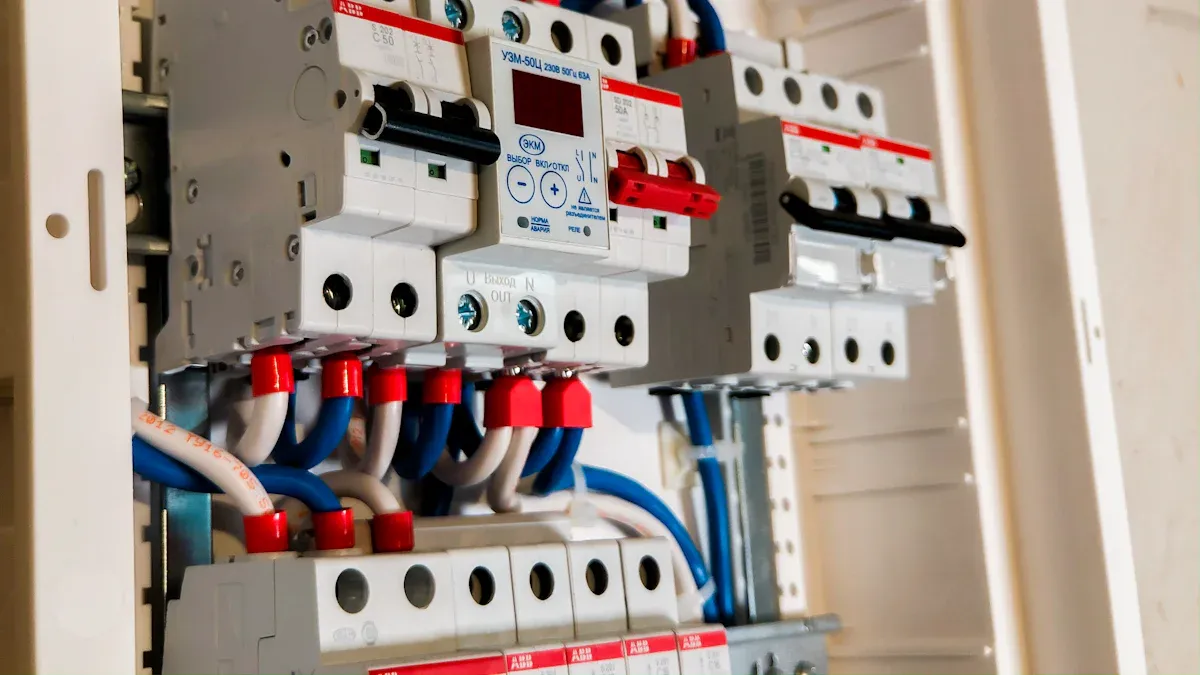
Connecting to Distribution Panels
You must connect BIPV panels to your building’s distribution panels safely. This step is important for every installation. You need to follow the National Electrical Code rules. NEC section 705.12(B)(3) says you must not go over the busbar’s ampacity. The 120% rule keeps the busbar safe. You add 125% of the circuit current to the overcurrent device rating. The total must be less than 120% of the busbar rating. NEC section 705.20 says you need disconnecting means to isolate the source output conductors. Use proper wiring methods from NEC section 705.25. Flexible cords and cables are allowed if they meet standards.
You may face problems during integration. Technical complexity can make things hard. You might need extra contractors, which costs more money. Customized BIPV products often need new certifications. Permitting can be tough because solar standards are not always clear. Sometimes, building orientation lowers efficiency and energy yields. This affects cost-effectiveness and sustainability. Jia Mao Bipv helps you solve these problems with certified products and expert support.
Tip: Always check your panel datasheets and local codes before you install. This keeps your system safe and reliable.
Inverter Setup and Selection
You must pick the right inverter for your system. The inverter changes DC power from BIPV panels into AC power for your building. This step is key for using sustainable energy. You can choose from different inverter setups. The table below shows common configurations:
| Configuration Type | Advantages | Disadvantages |
|---|---|---|
| String Inverters with Multiple MPPTs | Better power tracking | Complex orientation and component selection |
| High-Frequency Transformer Topology | Easy installation | Low market share and efficiency issues |
| Transformerless Topology + Power Frequency Transformer | Mature products, cost-effective | Needs external transformer, larger volume |
String inverters with multiple MPPTs help you track power better. They boost efficiency and let you use more sustainable energy. High-frequency transformer setups are easy to install but may not work as well. Transformerless setups are cost-effective and reliable. You must check your building’s needs and pick the best inverter for your installations. Jia Mao Bipv gives guidance to help you choose the right inverter.
Synchronizing with Building Power
You must synchronize your BIPV panel output with your building’s power supply. This step makes sure your system works with the grid and supports renewable energy goals. You use a DC-DC converter with MPPT to optimize power. The converter changes solar energy into DC and connects it to the grid or load. Smart monitoring solutions give you real-time data on system performance. You can integrate your system with building management systems. Automated adjustments help you optimize energy generation based on environmental conditions.
The control system must switch between BIPVs and the network without interruption. You can manage energy supply and demand by considering real-time electricity prices. This lets your system provide energy during peak hours when grid prices are high.
You must keep your wiring neat and easy to reach. This helps you fix problems quickly and maintain your system. You support sustainable energy use and improve efficiency. Jia Mao Bipv recommends using smart control systems to maximize your system’s performance.
You can achieve reliable integration by following these steps. You make your building more efficient and support sustainable energy. Careful installation and smart system design help you reach your sustainability goals.
Compliance, Testing, and Maintenance
Meeting Local Codes and Standards
You must follow local codes for bipv installations. These rules keep your building safe. They help you use sustainable energy. Every country or region has its own rules. The table below shows important codes and standards:
| Code/Standard | الوصف |
|---|---|
| Canadian Electrical Code (CEC) | Lists safety and installation rules for BIPV in Canada. |
| National Electrical Code (NEC) | Sets safety rules for BIPV in the US. |
| International Building Code (IBC) | Covers structural parts of BIPV systems. |
| International Residential Code (IRC) | Applies to residential BIPV system setups. |
| NEC Article 690 | Lists wiring and safety rules for solar PV systems. |
| NEC Article 705 | Covers power sources connected to the grid. |
You should check with your local authority before you start. Jia Mao Bipv can help you understand these rules. They make sure your project follows every requirement.
System Testing and Commissioning
You need to test your system before using it. Testing makes sure your BIPV panels work well. It checks if they connect safely to your building. You should check all wiring and connections. You should also check inverters. Use special tools to measure voltage and current. Make sure your system makes enough sustainable energy. You must check if your system can switch between the grid and your panels. After testing, keep a record of all results. This helps you track performance and fix problems later.
Tip: Always ask a trained professional to check your system before turning it on.
Ongoing Maintenance
You must keep your BIPV panels clean and working well. This helps support sustainability. Regular maintenance helps you get the most from your system. Here are some important steps:
- Clean your panels at least once every two years. If you see many birds nearby, clean them every year.
- Remove bird droppings, leaves, and other debris.
- Ask a trained professional to check your system often.
- Monitor your system for any drops in energy output.
Many building owners face challenges with BIPV systems. The design and installation can be complex. You need trained professionals for maintenance. Sometimes, technical barriers make repairs harder. Jia Mao Bipv offers support to help you solve these problems. They help keep your system running smoothly.
You can add BIPV panels to your building’s electrical system by doing these steps:
- Connect inverters to panel strings so power changes safely.
- Use MC4 connectors to link panels and make strings.
- Put conduit in place to keep wires safe from the solar array to the electrical room.
- Check fire safety rules and electrical codes, like rapid shutdown and setbacks.
| Safety & Code Compliance | Key Points |
|---|---|
| Fire Safety | Make sure firefighters have clear paths. Follow rules for where modules go. |
| Electrical Codes | Use NEC 690 wiring methods. Add AFCI and GFP to protect your system. |
BIPV lets your building make energy and helps with sustainability goals. Jia Mao Bipv gives expert help and certified products.
Always ask trained professionals who know BIPV systems for help.
الأسئلة الشائعة
What is the main benefit of BIPV panels?
You get clean energy right from your building. BIPV panels help you save money on electricity. They also make your building look modern and support green goals.
How do I know if my building is ready for BIPV panels?
Check your roof or walls for strength and sunlight. You should ask a professional to inspect your building. Jia Mao Bipv can help you with this step.
Do BIPV panels need special maintenance?
You need to keep your panels clean. Remove dirt, leaves, and bird droppings. You should check your system often for any problems. Regular care helps your panels last longer.
Can I use BIPV panels with my current electrical system?
Yes, you can connect BIPV panels to most modern systems. You must follow local codes and use the right inverters. Always ask an expert before you start.
Who should install BIPV panels?
A trained professional should install your BIPV panels. This keeps your system safe and working well. Jia Mao Bipv offers expert support for your project.