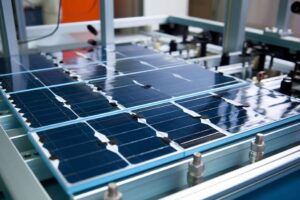
The world of solar energy can feel like learning a new language. You read about “monocrystalline” versus “polycrystalline,” and there also is the mysterious-sounding “amorphous.” And it almost always leaves you feeling more confused than when you began. But determining the best energy solution need not be rocket science. It sounds like you need a balance between versatility, weight and performance in low light conditions so your answer probably lies with amorphous PV panels (otherwise known as thin film silicon).
So, how do you go about that?This handy guide will help to cut through the noise and bring out some actionable suggestions on keeping it simple. Whether you are designing a curved roof, a boat, or even Building Integrated Photovoltaics (BIPV), getting to grips with the nuances of thin film technology is important.
Industry Insight:
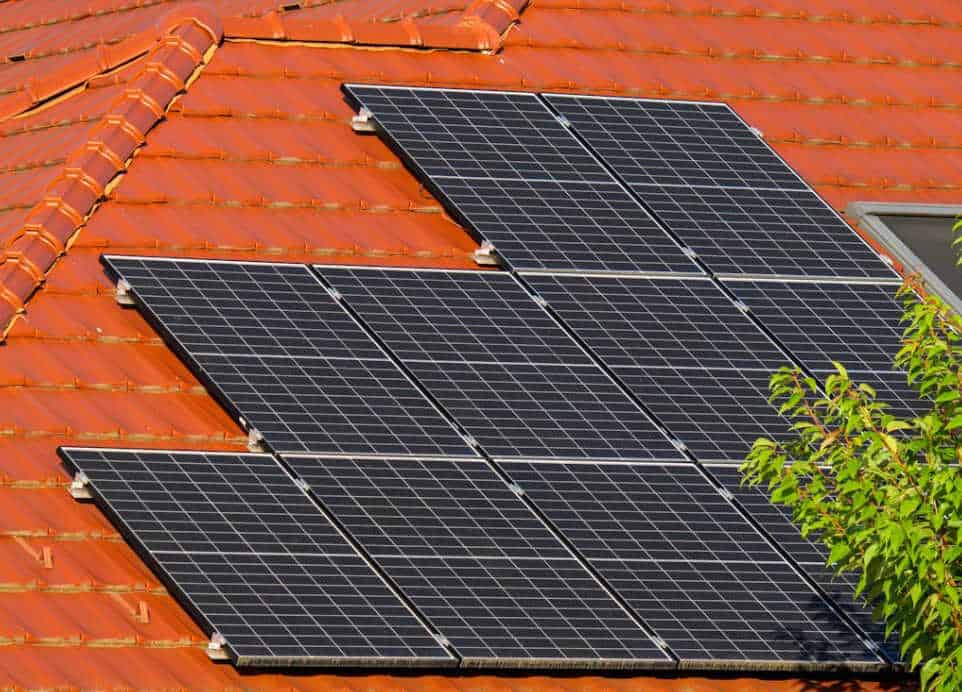
“The biggest fallacy of the solar industry is that standard laboratory efficiency is the only number that counts. In practice, if there’s shading, high heat and/or surface irregularity in the real world — where amorphous silicon sometimes outperforms on a year-long basis because it doesn’t shut down when it gets hot — even a temporary shading condition can result in amorphous silicon delivering more energy than crystalline renders under similar conditions.”
Dr. Elena Rostova, Analyst in Renewable Energy Systems.
Here at Jia Mao BIPV we like our customers to be knowledgeable. In addition, there are also unique advantages of amorphous panels like flexibility and high-temperature performance that regular glass panels don’t have. Thin film techniques are necessary to move beyond conventional rooftops, as described by the U.S. Department of Energy.
In this guide, we’ll take you through thinking about what you actually need in a security camera and comparing technical specs — and try to make sense of the installation process so that at least something is a little bit easier.
Identify Your Needs
Before you so much as glance at a single price tag or even begin contemplating the system specifications, you need to know what you want the rig to accomplish. Amorphous PV panels do not represent a “one size fits all” solution; instead they are a tool kit for specific energy challenges.
Use Cases: Where Amorphous Shines
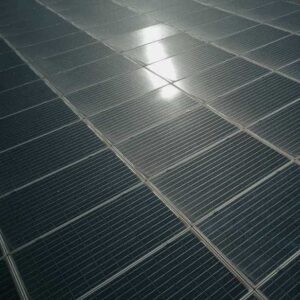
The first thing you need to decide is where the panels will reside. Amorphous silicon (a-Si) is instead deposited on flexible substrates such as stainless steel or plastic, and not on stiff glass-encased panels. That’s a world of difference that rigid panels can’t even come close to.
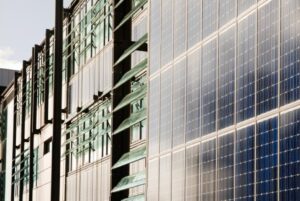
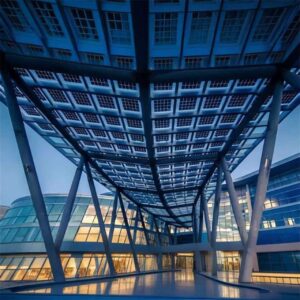
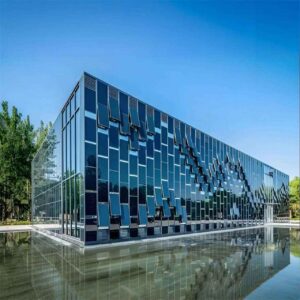
Building Integrated PV (BIPV): These are essentially solar products for architects, builders or homeowners who want to integrate solar power directly in the building envelope – think glass facades or solar roof tiles – in which case amorphous technology is a much better solution due to its aesthetically pleasing look and smooth integration. Take a look at our dedicated BIPV and flexible roofing solutions to see how these are integrated with today’s architecture.
Mobile Apps (RV & Marine): Vehicles and boats tend to vibrate while they’re used, also typically have curves and surfaces. Since amorphous panels are lighter than crystal sets, they burn through less fuel and can absorb the inevitable micro-cracks on a highway or the open water.
Low Light Conditions: are you in a location with less than average sunshine? do your panels not face true south or have more than average trees, buildings or walls blocking the sun? if so you probably experience “diffuse light” and amorphous panels work better than crystalline as mentioned earlier, holding voltage.
Power Needs: Calculating Your Load
You must be aware how much energy you are using. After all, you don’t want to throw down your savings or take out a loan for a system that won’t even run your refrigerator — but also not one big enough to waste money. Begin by auditing your daily watt-hour consumption.
Daily Energy Consumption Audit]
Use this table to calculate your specific requirements.
| Device Category | Rated Watts (W) | Hours Used/Day | Daily Consumption (Wh) |
| LED Lighting (x4) | 10W | 5 | 200Wh |
| Laptop Computer | 65W | 4 | 260Wh |
| Small Refrigerator | 50W (Average) | 24 | 1,200Wh |
| Phone Charger | 15W | 2 | 30Wh |
| Ventilation Fan | 25W | 8 | 200Wh |
| Total Daily Need | 1,890Wh |
Note: There is a 20-25% reserve when making the final calculation due to system inefficiencies and battery charging efficiency.
Space Limits and Geometry
Another thing is to measure how much surface space you have. Because they are less energy-dense, or watt-heavy, than crystalline panels, you need more of them to produce the same amount of power and, therefore, more physical space on your vehicle. But they can work in spaces that rigid panels cannot — like the Airstream trailer’s curved roof or the vertical facade of a warehouse.
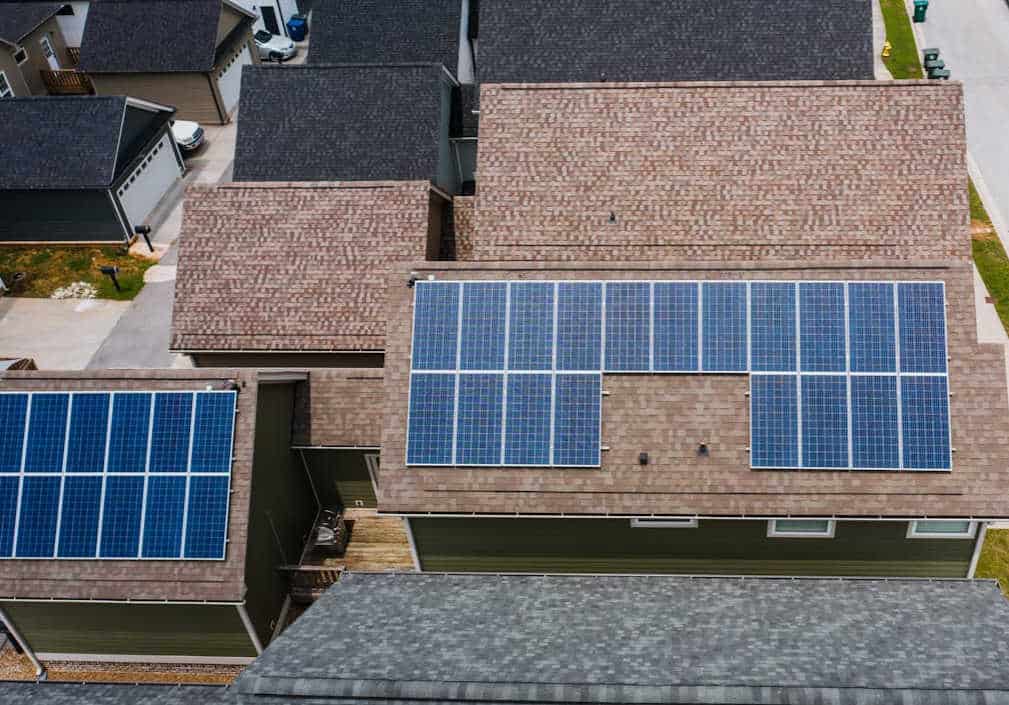
If your roof space is small but dead flat, you might be better off with rigid panels. But if you have enough odd or curved space to fill, the flexible amorphous panels that partners of Jia Mao BIPV will offer are definitely a winner hands down.
Comparing Amorphous PV Panels
So now that you’ve got some idea about what you’re looking for, let’s compare the hardware itself. All thin-film panels are not created equal. Here, we consider the most important metrics: efficiency, durability, weight and cost.
Efficiency: The Myth vs. Reality
Let’s get the elephant out of the room; the standard efficiency. Meanwhile, old monocrystalline panels tend to offer efficiencies around 20-22%. The amorphous silicon is generally between 7 and 13%. On paper, that sounds like a disadvantage.
But there’s a catch: “Rated Efficiency” is based on the Standard Test Conditions (STC) — lab conditions, essentially, that entail an instantaneous and practical surfeit of bright and cool light (25°C). In the actual world things cook panels. When exposed to the sun, temperatures on roofs can be a scorching 60-80°C.
[Bar Graph: Power Stability Under High Temperature (75°C)]
This chart shows how much power a panel loses when it gets hot.
Amorphous (a-Si)
████████████████████ (92% Retention)
Monocrystalline
████████████████░░░░ (78% Retention)
Polycrystalline
███████████████░░░░░ (75% Retention)
Analysis: Though a-Si is initially less efficient, the fact that it keeps working hard just when you need power most (that’d be during scorching-heat sizzling summer days when you’re running the A/C) makes it a top choice for hot climates. Data from NREL (NREL (National Renewable Energy Laboratory). holds this up.
H A R | Durability|Made For The Real World
Durability is a massive factor. Due to the fact that there are no brittle silicon wafers in amorphous panels, these are highly impact resistant.
No Micro-Cracks: Other panels crack with tiny micro-cracks which then break glass in the wind. Amorphous panels from the best suppliers are nearly immune to this.
Shade: This is an important factor. A leaf falling on a traditional solar panel can cause the string to go dark. With amorphous panels, the whole panel is connected differently so that even if one part of it is shaded, the rest can keep generating power.
Flexibility & Weight
This is the exclusive sales feature to many of our customers here at Jia Mao BIPV. The panels are flexible and can be brought into a shape which is preferably slightly bent to the curving of an area (usually upto 30° or more lines of depth, depending on the substrate).
Load weight: 1.Crystalline panels-weighs approximately 10-15kg per sq metre. weight The weight of the panels -amorphous flexible are able to weigh as little as 2-3kg a panel per square meter.
Installation Tips
Now that you understand the tech, let’s talk about getting it on your roof. One of the biggest benefits to amorphous PV panels is just how easy they are to install.
Easy Setup: The “Peel-and-Stick” Revolution
The “peel-and-stick” approach is a game changer for many DIYers and commercial retrofits. It does so long-lasting glue already pre-applied to the back of the panels.
[Pie Chart: Installation Time Comparison]
Seeing is believing the savings in labor of adhesive installations.
Conventional Racking (Drilling, Railing, Bolting): 70% of the Time
Peel and Stick (Clean, Roll): 30% of Time
(Analysis: Adhesive-backed technology cuts installation labor in half or more, effectively slashing total project cost.)
Preparation of surface is the key: The bonding effectiveness depends on degree of substrate preparation. Whether you are using it on a metal standing seam roof or TPO membrane, the surface most be cleaned with isopropyl alcohol.
No Penetrations: Huge win for waterproofing. Because you don’t have to drill holes for mounting rails, you drastically reduce your chances of developing leaks in the roof.
System Compatibility
Although it is a simple physical install, there are some important electrical considerations.
MPPT Controllers: We highly recommend an MPPT (Maximum Power Point Tracking) charge controller. MPPT controllers are MUCH better than PWM’s at converting the “unusual” voltage of amorphous panels to something more useful for charging your battery banks.
Brands & Warranties
In the solar business hardware is a long-term committed because you want to amortizes out over 25-plus years. You are not purchasing a phone that you will discard in two years; you are buying an energy infrastructure that should serve for decades.
Trusted Brands
As a distributor for Tier 1 manufacturers, at Jia Mao BIPV you can count on the flexible substrates and photovoltaic layers to adhere to ISO standards. Bearing in mind the best practices discussed above, look for a material such as ETFE (Ethylene Tetrafluoroethylene) when you are shopping around.
ETFE vs PET: Cheap panels use PET (which yellows and cracks within 3-5 years). ETFE is self cleaning, has about 95 percent transparency and lasts for over 20 years.
Warranty Details
You want an average clause to seek would be an “80% power output at year 25.” And watch out for the “Stabilization Period” too. Amorphous silicon suffers from a phenomenon known as the Staebler-Wronski effect: efficiency initially drops for several weeks then stabilizes at a lower level. That’s how it is, actually it should be like that.
Final Decision
You’ve crunched the numbers, measured your roof and scoped out the specs. It is time to decide. To make it easier, we’ve put together a “Smart Choice Checklist” to confirm that your decision is legit before you hit add to cart.
Smart Choice Checklist
If you can tick 4 boxes of 5, then Amorphous PV is for you.
[ ] Surface Detail: The surface of my installation is irregular, flexible or unable to support much weight.
[ ] Shady Area: Do you know of any trees, masts or other objects which may cast a shadow over your location?
[ ] High Heat: Not so used, I there is a lot of times that it exceeds the 30°C Did high [ ] Drugstore brands are fine.
[ ] Aesthetics: I prefer a solar design that appears to be there, but blends in well with the roofline.
[ ] Ease of Install: I do not wish to penetrate my roof, as it can void the warranty.
Mistakes to Avoid
Mixing Types of Panels: Do not wire an amorphous panel in the series with a monocrystaline panel.
Voltage Ignored: Make sure your inverter can handle the higher voltages that thin film generally run. Learn more about inverter pairing on Solar Power World.
The key is to match the technology to the application, when it comes to selecting a solar solution. Rigid crystalline panels are the go to for power plants, amorphous PV panels are by far the reigning King of versatility. They go where other panels can’t, wrapping around curves, floating on lightweight structures and producing consistent power even when heatwaves or clouds obscure the sun.
By incorporating the simple tips discussed in this guide (recognizing your load, respecting special installation considerations, and selecting superior materials like ETFE) you will be able to assemble a system that is durable, efficient and visually appealing.
Do not be paralyzed by the complexity of solar specs. If you have a special custom request, curved roof or high-end BIPV integration, get in touch!
Time to turn your surface into a power source?
Find out more about our innovative solar range at www. jmbipvtech. com. The Professionals at Prince Can Help: Not sure which part you need or how it’s used?
FAQ :
And to help serve you better, we’ve listed the most common amorphous solar technology questions in quick-to-answer format so that you can get on with life and your decision!
Q1: How long to amorphous solar panels last compared to rigid panels?
A: Yes, 20-25 years for high-quality amorphous panels with ETFE coating. They are less efficient, but they have similar lifespan/decay rates as rigid panels.
Q2: Are the flexible amorphous solar panels durable and can they be walked on?
A: Typically yes, if applied to a perfectly flat, rigid surface (like a boat deck) and you have soft-soled shoes on of course. But before doing so, make sure to consult the actual datasheet of Jia Mao BIPV.
Q3: Why Are Amorphous Panels Superior in the Shade?
A: They have an “internal cell structure” which helps it to beat the shaded portions quite easily than the crystalline cells. While no solar panel functions in the dark, amorphous panels collect far more energy at sunrise, sunset and on cloudy days than do traditional models.
Q4: Do I have to use a special inverter for thin-film panels?
A: Sometimes. Because thin-film panels carry higher voltage, you’ll want to ensure that your inverter or charge controller are configured for “thin-film” or “high-voltage” input.
Q5: How to clean amorphous PV panels?
A: Because they are flat and in many cases unframed, they’re naturally “self-cleaning” (wet dirt washes off the surface easily). For hand washing, simply use water and a gentle sponge.
Q6: What is the price difference between amorphous and monocrystalline?
A: Amorphous panels can be costlier per watt (at least in terms of manufacturing costs), but the total installed cost tends to be less expensive, since you save money on racking and mounting hardware, as well as a little bit on labor.


-300x300.jpg)