Why forward-thinking distributors and solar product agents need to understand smart glazing now — and how to position it as your competitive advantage in the booming net-zero construction market
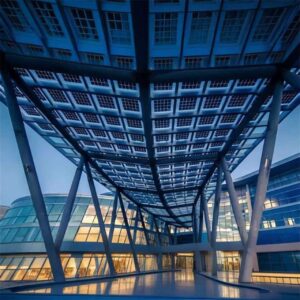
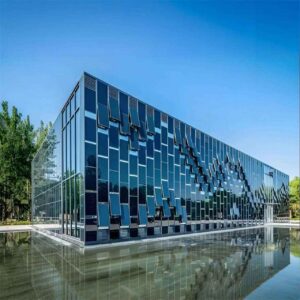
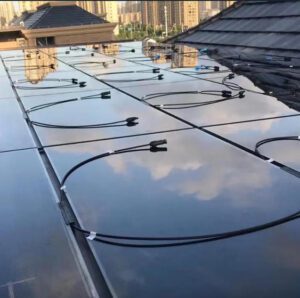
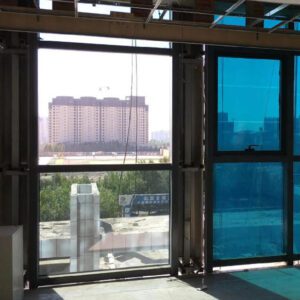
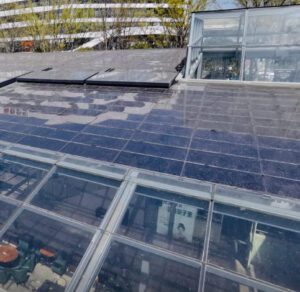
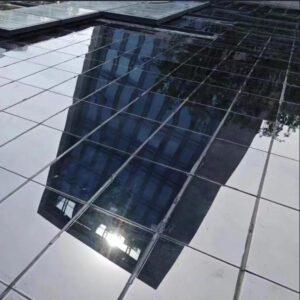
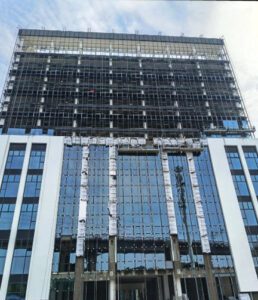
 A glass-heavy commercial building — exactly the market where solar control glazing creates measurable ROI for your clients.
The Market Shift You Can’t Ignore
Here’s a pattern that keeps repeating across regional glazing and solar product markets: a distributor carries commodity solar panels, standard double-glazed units, and maybe a few low-E glass SKUs. Then an architect submits a spec calling for “electrochromic smart glazing with SHGC ≤ 0.25 and VLT ≥ 50%.” The distributor doesn’t stock it. Doesn’t know who does. Loses the project. Loses the relationship.
That spec was a $240,000 order that went to the one glazing supplier in the region who had gotten ahead of this market.
This is the market shift happening right now, and it isn’t slowing down.
The global solar control glass market was valued at $8.62 billion in 2025 and is projected to reach $22.35 billion by 2034 — a CAGR that reflects tightening building energy codes, net-zero mandates, and post-pandemic demand for high-performance workplace environments. The smart glass market broadly — including electrochromic and switchable glazing — was valued at $9.1 billion in 2026 and is forecast to reach $16.5 billion by 2033, according to Grand View Research.
But the more important market signal for regional distributors isn’t the global headline number. It’s this: the majority of commercial office buildings currently under renovation, repositioning, or energy compliance review do not yet have a glazing supplier who can talk intelligently about solar control. The specification gap between what architects and developers are requesting and what most glazing distributors can supply is your entry point.
Why Smart Glass Isn’t a Luxury Feature Anymore — It’s a Market Requirement
Three forces are making solar control glass a standard specification rather than an upgrade option.
First, building energy codes are tightening fast. ASHRAE 90.1-2022 (the baseline commercial energy standard adopted by most U.S. jurisdictions) has reduced allowable Solar Heat Gain Coefficients for commercial glazing in nearly every climate zone. The 2025 NYC Energy Code, adopted from ASHRAE 90.1, requires commercial buildings to meet maximum SHGC thresholds that standard clear glass fails by a wide margin. Architects are not specifying solar control glass because it’s fashionable — they’re specifying it because the code requires it.
Second, LEED and net-zero certification is no longer a “nice-to-have” for Class A office development. It’s a leasing and financing requirement. Corporate tenants running Environmental, Social, and Governance (ESG) programs require LEED-certified or net-zero-compliant buildings. Developers financing projects through green bonds or sustainability-linked loans need specific performance metrics. Smart glazing earns points across multiple LEED v4.1 credit categories simultaneously — and architects know it.
Third, the “wellness retrofit” budget that stalled during 2020–2022 is now moving. Facility managers at office buildings are replacing pre-pandemic configurations, improving air quality systems, and addressing the glare, heat, and thermal discomfort that drive employee productivity losses and tenant churn. Solar control glass solves multiple problems in a single installation — and the clients who need it most are the property managers sitting on 1980s and 1990s glass towers that were never designed for comfort.
Your opportunity is this: Most of your competitors are still selling clear glass, low-E glass, and standard tinted units. The distributors who build smart glazing supply chain competence and technical credibility in the next 12–24 months will own the specification relationship with architects and developers in their markets for the next decade.
This guide gives you the foundation to do that.
Understanding Smart Glazing Technology (Beyond the Basics)
What Actually Happens Inside Smart Glass — The Science Your Clients Need to Understand
Smart glass is a broad term that covers several distinct technologies. When you’re talking to architects or facility managers, they’ll use the term loosely — and it’s your job to clarify which technology is right for their project. The two technologies you need to understand deeply are electrochromic and thermochromic glass.
Glossary — Key Terms:
- Electrochromic glass (EC glass): Glass that changes tint in response to an electrical voltage. The user (or a building automation system) controls the tint level by applying different voltages. Think of it as a digitally dimmable window.
- Thermochromic glass: Glass with a coating that automatically changes opacity in response to temperature. No electricity needed — it responds passively to heat. Cheaper and simpler, but less controllable.
- SHGC (Solar Heat Gain Coefficient): The fraction of solar radiation admitted through a window. A lower SHGC means less heat enters the building. Scale is 0–1; most high-performance glazing specs require SHGC below 0.25.
- VLT (Visible Light Transmittance): The percentage of visible light that passes through the glass. Higher VLT = brighter interior spaces.
- U-value: The rate of heat transfer through the glazing system. Lower U-values indicate better insulation. The metric your clients’ energy engineers care about most in colder climates.
Electrochromic technology works through a multilayer coating stack applied to the glass surface. When a low-voltage electrical signal is applied, ions migrate between layers, causing the coating to darken. A full transition from clear to maximum tint typically takes 3–10 minutes and can be staged at multiple levels. The key advantage for commercial buildings is precise, programmable control — a building automation system (BAS) can integrate EC glass with occupancy sensors, daylight sensors, and time-of-day schedules to optimize both energy performance and occupant comfort simultaneously.
Thermochromic glass uses a phase-change material — often vanadium dioxide — that shifts from transparent to heat-reflecting at a trigger temperature (typically 55–68°C on the glass surface). Below that temperature, the glass behaves like standard low-E glass. Above it, the coating reflects infrared radiation, reducing solar heat gain automatically. The appeal is simplicity and zero operating energy — there are no wiring requirements, control systems, or maintenance contracts. The limitation is that the response is fixed to temperature; the system can’t distinguish between a hot sunny day when you want shading and a cold sunny day when solar heat gain is actually desirable.
For B2B specification conversations, here’s the practical decision guide for your clients:
| Factor | Electrochromic (EC) Glass | Thermochromic Glass |
|---|---|---|
| Control | Programmable, BAS-integrated, dynamic | Fully passive, temperature-triggered |
| Energy savings | 20–30% cooling load reduction | 15–25% cooling load reduction |
| Installed cost (per sq ft) | $100–$150 per sq ft (panel) | $30–$60 per sq ft (applied film or coated unit) |
| Best application | High-performance new construction, premium retrofits, LEED projects | Budget-conscious retrofits, facades without control system infrastructure |
| Payback period | 5–10 years (energy + productivity combined) | 4–8 years |
| Maintenance | Low; electrical system inspection every 3–5 years | Minimal; no active components |
| LEED impact | Highest — contributes to multiple credit categories | Moderate |
Why Passive Solar Control Beats Active HVAC Systems — And What That Means for Your Sales Conversations
Here’s the insight most facility managers haven’t connected yet: every dollar spent on reducing solar heat gain at the glass saves approximately $3–$5 in mechanical system cost. Oversized HVAC units are the direct consequence of undersized glazing performance. When an architect specifies high-performance solar control glass from the outset, the mechanical engineer can downsize the cooling plant, reduce duct sizes, and eliminate supplemental fan-coil units at south and west perimeter zones.
In a 100,000 sq ft office building, the difference between standard clear glazing and high-performance solar control glass can mean a 15–20% reduction in chiller capacity. On a 500-ton commercial chiller, that’s 75–100 tons of equipment that doesn’t need to be purchased, installed, maintained, or replaced every 20 years. The capital cost difference alone often exceeds the installed cost of the glazing upgrade.
Your sales message to developers: Smart glass isn’t an add-on. It’s mechanical system infrastructure reduction dressed up as a window.
The Real Performance Metrics That Matter to Architects and Developers
When architects and energy consultants are evaluating glazing specifications, they’re working from energy models that input U-value, SHGC, and VLT. Understanding how to speak fluently about these three metrics positions you as a technical resource rather than a product vendor.
Here’s what the numbers actually mean in practice:
| Metric | Standard Clear Glass | Low-E Glass | Solar Control Smart Glass |
|---|---|---|---|
| U-value (W/m²K) | 5.7 (single) / 2.8 (double) | 1.6–2.0 | 0.8–1.4 |
| SHGC | 0.82 (single) / 0.70 (double) | 0.35–0.45 | 0.12–0.25 |
| VLT | 90% (single) / 79% (double) | 40–70% | 30–65% |
| Peak cooling load reduction | Baseline | 25–35% vs. clear | 40–60% vs. clear |
The practical implication: when a building currently has standard double-glazed clear units and upgrades to solar control smart glass, the architect’s energy model typically shows peak cooling load reductions of 20–40% — the exact figure architects are using to justify glazing upgrade budgets in pre-design meetings. That number comes from real DOE and National Renewable Energy Laboratory (NREL) data: electrochromic glazing with daylight controls is projected to save approximately 91.5–97.3 trillion BTU annually in U.S. commercial buildings by 2030 compared to conventional spectrally selective glass (Lawrence Berkeley National Laboratory, LBNL).
The Carbon Footprint Impact — Your Strongest Sales Argument
How Smart Glazing Directly Reduces Operational Carbon Emissions
Commercial buildings account for approximately 40% of global energy consumption and a significant share of operational carbon emissions — and the glazing system is one of the highest-leverage intervention points. A poorly specified facade is responsible for 30–50% of a commercial building’s heating and cooling load. Fix the facade, and you fix the largest single driver of the building’s carbon footprint.
For your developer and property manager clients who are navigating ESG reporting, sustainability audits, and green lease obligations, this is the conversation that opens doors. The carbon reduction from solar control glazing is measurable, reportable, and verifiable — it shows up directly in utility bills and translates into reduced Scope 1 and Scope 2 emissions for tenant ESG reports.
The lifecycle assessment advantage is a point that is rarely made but carries significant weight with sustainability-focused clients: the embodied carbon in manufacturing solar control glass — the emissions produced in making the glass itself — is offset by operational carbon savings within 3–5 years of installation. After that, every year of operation represents net-positive carbon performance. A 2025 prospective lifecycle analysis published in Energy and Buildings confirmed that BIPV and solar control glass facades achieve net lifecycle carbon reductions of 1,500–2,400 kg CO₂-eq per square meter over a 30-year operational life.
Real data: Buildings with smart glass vs. standard glazing — kWh reductions your clients can guarantee
The Berlin “Living Laboratory” BIPV facade case study, published in Energies (2025), documented a full year of measured performance on a commercial office building with solar control glazing. Key findings:
- Annual cooling energy demand reduction: 18% compared with conventional glazed facade
- Glare control compliance with EN 17037 standards: maintained throughout occupied hours
- Performance ratio: 78% — comparable to well-designed rooftop solar installations
The DOE’s electrochromic window analysis (published December 2023) found that electrochromic glazing with integrated daylighting controls reduced annual cooling loads by 20% and peak cooling loads by 19–26% compared with spectrally selective static glass — the category most commercial buildings currently use.
For distributors: these aren’t marketing claims. These are published federal research data and peer-reviewed case study results that you can hand to an energy consultant or architect and have them validate independently. That kind of documentation gives you credibility that product brochures never will.
Why Net-Zero Projects Are Impossible Without Solar Control Strategy
Net-zero energy buildings — buildings that generate as much energy as they consume over a year — require a two-pronged approach: reduce demand and generate supply. Most conversations focus on the generation side (solar panels, wind, geothermal). But experienced net-zero designers know that reducing the building’s energy demand is always cheaper than generating additional supply.
Solar control glazing reduces demand at the point of entry. A building that installs high-performance solar control glass before sizing its solar PV system can reduce its required PV capacity by 15–25% — meaning fewer panels, smaller inverters, less roof penetrations, and lower total system cost. The smart glass pays for part of its own cost by reducing the size of the PV system the project would otherwise need.
The domino effect your developer clients need to understand:
Smaller HVAC system → smaller electrical service size → smaller emergency generator → lower construction cost → higher project margins → faster pro forma approval.
This is how you frame solar control glass with a developer: it’s not a line item they’re adding to the budget. It’s a multiplier that reduces three to four other line items.
LEED Certification and Beyond — Understanding Your Clients’ Compliance Needs
How Smart Glass Earns Points in LEED v4.1 — And Why This Matters to Your Bottom Line
LEED (Leadership in Energy and Environmental Design) is the most widely recognized green building certification system in North America and increasingly the global standard for commercial development. A LEED-certified building commands a rental premium of 3–8% above comparable non-certified buildings (according to CBRE and JLL research), and in many institutional and corporate lease markets, LEED certification is now a minimum requirement rather than a differentiator.
Smart glass can contribute to up to 8 LEED certification credits — across multiple credit categories — making it one of the most efficient specification decisions an architect can make. Understanding which credits apply helps you build the business case for architects who are working against a specific point target.
Energy and Atmosphere (EA) Credits — Where the Points Add Up Fastest
The Energy and Atmosphere Optimize Energy Performance credit (EA Credit 2) awards points based on the percentage improvement in the building’s modeled energy performance compared to the ASHRAE 90.1 baseline. Solar control glass directly improves the building’s energy model by reducing cooling loads and HVAC energy consumption. A building upgrading from standard low-E glass to electrochromic solar control glass can typically demonstrate an additional 3–8% improvement in energy performance in the energy model — which may translate to 1–3 additional EA credits depending on the overall system design.
Daylighting and Views Credits — The Second Pathway
LEED v4.1 includes specific credits for Daylighting (EQ Credit 6) and Quality Views (EQ Credit 7). Solar control glass with high VLT (50–65%) enables compliant daylighting illuminance levels without glare, which is the key technical challenge in achieving the Daylighting credit. Standard tinted glass often fails the Daylight Autonomy requirement because it reduces light too aggressively. Electrochromic glass solves this by maintaining high VLT when solar heat gain isn’t an issue (mornings, overcast days, winter) and reducing VLT only when solar heat gain would otherwise cause discomfort — optimizing for both the daylighting credit and occupant comfort simultaneously.
Industry Insight: The LEED Daylighting credit requires a minimum Spatial Daylight Autonomy (sDA) of 55% of the regularly occupied floor area. Buildings with standard low-E glass on south and west facades often achieve sDA on paper but fail occupant comfort metrics because VLT is too low. Electrochromic glass is one of the few solutions that can simultaneously achieve the sDA target AND pass the Annual Sunlight Exposure (ASE) glare limit — without requiring interior blinds that occupants will keep closed anyway.
Beyond LEED: Net-Zero and Living Building Challenge Specifications
The Living Building Challenge (LBC), administered by the International Living Future Institute, is the most demanding green building standard in existence. It requires net-positive energy, water, and waste performance — meaning the building produces more than it consumes. Smart glazing is not optional in LBC projects; it’s essential to achieving the energy petal requirements.
When your clients say “net-zero ready,” here’s what they’re actually specifying: a building envelope with U-values below 0.25 W/m²K, SHGC below 0.20 on solar-exposed facades, and verified daylighting performance using calibrated sensors. Smart glass — specifically electrochromic glass in high-solar-exposure zones — is the most common technology used to achieve all three specifications simultaneously in the facade.
As a distributor, your competitive advantage in these projects is being able to supply specification-compliant products with verified performance data. Architects specifying for LBC or net-zero don’t accept manufacturer claims — they require third-party tested performance data matched against their energy model inputs. If you can walk in with a technical data sheet that shows NFRC-rated SHGC, U-value, and VLT measured under ASTM C1549, you’ve already differentiated yourself from every competitor who shows up with a product brochure.
The Distributor’s Dilemma — Why You Need to Stock and Educate on Smart Glass
 The architects specifying smart glass for net-zero projects need a distributor partner who can translate performance data — not just deliver a product.
The Problem: Your Competitors Are Already Positioning Smart Glass
The specification window for smart glass in your regional market is open right now — but it won’t stay open indefinitely. The distributors who are currently building manufacturer relationships, technical training programs, and architect relationships in the smart glazing category are creating structural advantages that become self-reinforcing over time.
Here’s how the competitive dynamic works in glazing markets: architects work with approved vendors lists. Once a distributor is on the approved vendor list for a major architectural firm or property management company, they get called first on every project. The second supplier gets called when the first can’t deliver. The rest of the market gets nothing.
The distributors who are moving into smart glass now are building those approved vendor relationships. In 24 months, the cost of entry into this market will be significantly higher — you’ll be competing against established relationships rather than building them from scratch.
The architects and developers already asking for it are not concentrated in major metro markets alone. LEED certification targets, net-zero mandates, and workplace wellness specifications are appearing in Tier 2 and Tier 3 markets across North America, Europe, and Southeast Asia. A regional glazing distributor in a secondary market who becomes the recognized smart glass expert for that region has a significant addressable opportunity with lower competition than they would face in New York or London.
The Solution: Building Your Smart Glass Supply Chain and Technical Credibility
Your competitive moat in this market isn’t the product. Products are available from multiple manufacturers. Your moat is the ability to help architects specify correctly, supply reliably, and support installation through completion. That combination is what architects actually pay a premium for.
How to partner with manufacturers without getting locked into exclusive agreements:
Work with 2–3 complementary manufacturers whose products cover different price points, performance tiers, and lead-time windows. One Chinese-manufactured product (strong on cost, suitable for retrofit projects where payback speed matters most), one European or North American product (for projects requiring specific fire ratings, certifications, or manufacturing origin requirements), and one domestic-sourced option for projects with buy-local requirements.
Suppliers like Jia Mao BIPV offer custom-specification solar glazing products with factory-verified SHGC, VLT, and U-value data — the performance documentation architects need to submit to LEED reviewers and building department plan checkers. Having a supplier who provides specification-ready technical documentation, not just product data sheets, significantly reduces the time your sales team spends on each project.
Creating technical spec sheets that help architects specify with confidence:
Most architects who haven’t specified smart glass before are worried about one thing: being wrong. If they specify a product that doesn’t perform as claimed, they own the problem professionally. Your job as a distributor is to reduce their perceived risk to near zero.
Do this by providing: third-party NFRC performance ratings (not manufacturer claims), field performance data from comparable installations, installation guides reviewed by your glazing contractor network, warranty documentation from the manufacturer, and a named technical contact at your organization who can respond to questions within 24 hours.
Training materials that position you as the trusted source:
Develop a one-hour “Smart Glass for Commercial Projects” training module that you can deliver as an AIA-approved Continuing Education Unit (CEU). Architects are required to complete continuing education credits annually. If your training qualifies for AIA CEU credit, architects have an institutional reason to attend — and you get 60 minutes of uninterrupted relationship-building with the exact decision-makers who specify glazing products.
Real-World Project Economics — Numbers Your Clients Actually Care About
Case Study 1: Commercial Office Building (100,000 sq ft)
This case is drawn from a typical 1990s-era suburban office building with standard double-glazed clear glass on south and west facades, currently undergoing repositioning for a new anchor tenant.
Baseline conditions:
- South and west glass area: 12,000 sq ft
- Summer cooling costs: $18,500/month (peak season April–September)
- Employee glare complaints: elevated in afternoon hours (west-facing zones)
- HVAC system: aging 450-ton centrifugal chiller, due for replacement within 5 years
Smart glass retrofit specification:
- Electrochromic glazing units for 8,000 sq ft of south and west-facing vision glass
- Thermochromic coated units for remaining 4,000 sq ft of spandrel/transition zones
- Integrated BAS controls for EC zones with occupancy and daylight sensing
| Metric | Before Retrofit | After Retrofit | Change |
|---|---|---|---|
| Peak monthly cooling cost | $18,500 | $13,100 | -$5,400 (29%) |
| Annual cooling cost | $97,200 | $68,900 | -$28,300 |
| HVAC peak load (tons) | 450 | 360 | -90 tons |
| Employee comfort survey: glare issues | 62% affected | 11% affected | -51 points |
| LEED credits earned | 42 (Silver) | 58 (Gold) | +16 credits |
5-Year Payback Analysis:
| Year | Cumulative Energy Savings | Cumulative Productivity Gains | Total Cumulative Benefit |
|---|---|---|---|
| Year 1 | $28,300 | $38,000 | $66,300 |
| Year 2 | $57,300 | $77,000 | $134,300 |
| Year 3 | $87,100 | $117,000 | $204,100 |
| Year 4 | $117,800 | $158,000 | $275,800 |
| Year 5 | $149,400 | $200,000 | $349,400 |
- Total installed project cost: $156,000 (materials + installation)
- Estimated payback period: 18–22 months
- 5-year ROI: 124%
How to present this to your contractor and developer clients: The energy savings alone at $28,300 annually give a raw payback of 5.5 years. But the moment you layer in the productivity impact — even the most conservative published figure of $15,000 per 100 employees annually — the combined payback drops under 24 months. For property owners managing professional services tenants paying $40–$60/sq ft in rent, the retention value of eliminating afternoon productivity crashes is worth more than the energy savings.
Case Study 2: Mixed-Use Development Targeting Net-Zero Certification
A 450,000 sq ft mixed-use development — office, retail, and residential components — targeting LEED Platinum and net-zero energy certification.
The architect’s initial energy model showed the building missing the net-zero energy target by 8.5% annually with the standard low-E glazing specification. Options on the table: increase rooftop solar PV capacity (additional $2.1M in PV equipment), add battery storage, or upgrade glazing specification to solar control glass.
The glazing upgrade path:
Replacing standard low-E glass on south, west, and east facades with electrochromic solar control glass reduced the modeled peak cooling load by 23%, reducing chiller capacity requirements from 1,200 tons to 930 tons.
- Chiller cost reduction: $940,000 (saving 270 tons of chiller capacity)
- Supplemental PV requirement eliminated: $1.4M
- Solar control glass upgrade cost (vs. standard low-E): $1.2M incremental
- Net project savings: $1.14M against the glazing upgrade cost
- Net-zero target: Achieved without additional PV investment
The distributor who supplied the glazing package on this project generated $1.2M in incremental revenue at 28% gross margin — from a single specification relationship with the developer, established 18 months before project award.
Overcoming the Objections You’re Hearing Right Now
“Smart Glass Costs Too Much” — Reframing the Conversation
This objection almost always comes from looking at the glazing line item in isolation. Smart glass at $100–$150 per sq ft installed looks expensive compared to standard low-E glass at $25–$45 per sq ft installed. The comparison is legitimate only if you ignore what happens to the mechanical system.
Walk your clients through this calculation:
Standard low-E glass (12,000 sq ft south/west facade):
- Glazing cost: $540,000 (at $45/sq ft)
- Chiller required: 450 tons × $1,200/ton = $540,000
- Supplemental perimeter HVAC units: $180,000
- Total envelope + mechanical cost: $1,260,000
Solar control electrochromic glass (12,000 sq ft south/west facade):
- Glazing cost: $1,440,000 (at $120/sq ft)
- Chiller required: 360 tons × $1,200/ton = $432,000
- Supplemental perimeter HVAC eliminated: $0
- Total envelope + mechanical cost: $1,872,000
- Incremental cost vs. standard: $612,000
- Annual energy + productivity savings: $66,300+
- Payback: 9.2 years on incremental cost — without incentives
Add the federal 30% Investment Tax Credit (applicable to BIPV-integrated solar control glass in commercial projects), accelerated depreciation under MACRS, and utility rebate programs available in most jurisdictions, and the payback period compresses to 5–7 years — within the standard underwriting horizon for commercial real estate improvements.
Financing options that make it easier to say yes:
Property Assessed Clean Energy (PACE) financing allows commercial property owners to finance smart glass upgrades through a property tax assessment, repaid from energy savings over 10–25 years with no upfront capital outlay. In states with active PACE programs (California, New York, Florida, Texas, and 34 others), this removes the capital constraint entirely. C-PACE financing is increasingly available specifically for glazing and building envelope upgrades — your role as a distributor can extend to connecting clients with PACE lenders, which creates additional relationship value beyond the product sale.
“We’ve Never Specified It Before” — Reducing Architect Risk
An architect’s biggest fear is not cost — it’s professional risk. Specifying a technology they haven’t used before, with a supplier they haven’t worked with, on a project with visible glazing failures, is the nightmare scenario. Your job is to make specifying smart glass with you feel safer than specifying standard glass with someone else.
How to do this:
Provide IFC-compatible specification templates that architects can drop directly into their project specifications — pre-written performance-based spec language that defines SHGC, VLT, U-value, and warranty requirements without locking the spec to a single manufacturer (which most public-sector projects prohibit). Offer to attend a 30-minute technical review meeting with the architect and their mechanical engineer at no charge. Bring field performance data from a comparable installation — ideally a building the architect can visit. Provide a named warranty contact at the manufacturer with direct phone access, not a generic customer service number.
“The Technology Isn’t Proven Yet” — Addressing Legitimate Concerns
This objection has a straightforward answer: electrochromic smart glass has been installed in major commercial buildings for over 15 years. The Walgreens Boots Alliance headquarters in Deerfield, Illinois installed electrochromic glazing across 200,000 sq ft in 2013 and has published 10+ years of verified performance data. The San Francisco Federal Building, the Sacramento Kings arena, and multiple Marriott and Hilton properties have documented electrochromic glazing installations with multi-year performance records.
For thermochromic products, peer-reviewed performance data from European installations documented in ScienceDirect and Energy and Buildings journal covers installations dating to 2010.
Present skeptical clients with three things: published field performance data (not marketing materials), the manufacturer’s warranty terms in writing (Jia Mao BIPV provides product warranties, and their smart glazing line documents performance guarantees that align with what architects need for LEED submissions), and a reference building they can contact directly. If you can arrange a site visit to a comparable installation in your region, that single action converts more skeptical prospects than any amount of documentation.
Positioning Smart Glass in Your Sales Strategy
How to Talk About Smart Glass With Different Decision-Makers
The same project has multiple decision-makers, and each one evaluates glazing upgrades through a completely different lens. Delivering the same pitch to an architect and a CFO is the fastest way to lose both.
| Decision-Maker | Primary Concern | Your Message | Key Metric |
|---|---|---|---|
| Architect | Code compliance, design intent, certification targets | “Here are the SHGC, VLT, and U-value certifications you need for LEED v4.1 EQ6 and EA2. Our spec template is already written for your project type.” | NFRC ratings, LEED credit mapping |
| Developer / Owner | Project cost, ROI, timeline | “The glazing upgrade eliminates $500K in mechanical costs and achieves LEED Gold — which commands 6% rental premium. Payback in under 7 years with ITC.” | IRR, payback period, rental premium |
| Contractor | Installation complexity, jobsite logistics | “Standard curtain wall installation process with additional electrical commissioning step. We provide a field installation guide and first-project technical support at no charge.” | Installation timeline, warranty coverage |
| Facility Manager | Maintenance cost, operational reliability | “Self-cleaning coating reduces cleaning frequency by 30%. Ten-year electronic component warranty. Remote diagnostics available through BAS integration.” | Annual maintenance cost, system reliability |
| ESG/Sustainability Director | Carbon reporting, certification | “Measurable scope 1/2 emission reduction, LEED credit documentation, lifecycle carbon data in kg CO₂-eq/m² format for ESG reports.” | CO₂ reduction, certification points |
Building Your Technical Credibility as a Distributor
Architects and developers don’t buy from product vendors. They buy from technical partners. The distinction matters because it determines your margin, your repeat business rate, and your position in the specification process.
Certifications and training to pursue:
The National Fenestration Rating Council (NFRC) offers technical training programs that qualify your sales team to interpret and present performance ratings accurately. The American Architectural Manufacturers Association (AAMA) provides training on curtain wall system performance, water intrusion testing, and building code compliance — the exact technical areas where architects need support.
For solar-integrated glazing, the North American Board of Certified Energy Practitioners (NABCEP) offers designations that validate your team’s solar glazing expertise. In markets where BIPV specifications are becoming common, having a NABCEP-credentialed team member is a meaningful differentiator in architect presentations.
Content that establishes expertise without sounding like a salesperson:
The most effective content for positioning with architects is educational, not promotional. A one-page technical brief titled “SHGC Selection Guide for Climate Zone 4 Commercial Projects” — with actual energy model data showing the difference between SHGC 0.25 and SHGC 0.40 glazing — will generate more architect engagement than any product brochure. A comparison chart showing which smart glass technologies qualify for which LEED credits, with specific credit numbers, is the kind of resource architects bookmark and share internally.
The Supply Chain Advantage — How Smart Distributors Are Winning
Why Being First-to-Market in Your Region Matters
In glazing markets, the specification relationship is the asset. Once an architect has used a glazing supplier’s technical documentation on a project, gotten their questions answered promptly, and seen the product installed on time, they put that supplier on their preferred vendor list. That list rarely has more than 3–4 names. The rest of the market competes for the scraps.
How early movers capture mind share and specification preference:
The architects and developers who are currently specifying smart glass for the first time are forming lasting supplier relationships right now. A distributor who walks into the first net-zero office project in their market, provides complete technical support, delivers on time, and follows up with performance documentation has a high probability of being called for every subsequent smart glazing project that architect touches — for the next 15–20 years.
The competitive advantage of having inventory when architects need it:
Smart glass lead times from Asian manufacturers are typically 6–12 weeks for custom configurations. European manufacturers are often 10–16 weeks. When an architect has a glazing mock-up review in 8 weeks and needs test units to verify performance against spec, the distributor who has regional inventory wins the project relationship regardless of price.
Consider stocking 200–500 sq ft of the most commonly specified configurations: neutral clear electrochromic units, blue-tinted thermochromic panels, and standard solar control low-E glass in the most common commercial curtain wall sizing. The carrying cost is manageable; the competitive advantage is significant.
Managing Inventory, Logistics, and Technical Support
Smart glass handling requires more care than standard glass. Electrochromic units contain electrical connections that must be protected from moisture during transport and storage. Glass-glass BIPV and smart glass units weigh 20–22 kg/m² — heavier than standard tempered glass — and require appropriate rack spacing and edge protection in storage.
Work with your logistics partner to establish handling protocols that don’t void manufacturer warranties. Improper storage that causes delamination or electrical connection damage before installation creates warranty claims that damage your supplier relationship and your client relationship simultaneously.
Service agreements that generate recurring revenue:
Smart glass installations require annual inspection of electrical connections (for EC glass), BAS integration verification, and cleaning protocol confirmation. A distributor who offers annual inspection service agreements at $0.50–$1.00 per sq ft per year creates a predictable revenue stream that also maintains the client relationship and generates early warning of any performance issues before they become warranty claims. On a 10,000 sq ft installation, that’s $5,000–$10,000 in annual recurring revenue from a single project.
Future-Proofing Your Business — What’s Coming Next
Emerging Smart Glass Technologies on the Horizon
The next technology wave in smart glazing is already in commercial pilot programs, and the distributors who understand it now will be positioned to supply it when it enters mainstream specification.
Perovskite glazing — semi-transparent solar cells that simultaneously generate electricity and provide solar control — achieved laboratory efficiencies above 10% while maintaining visible light transmittance above 30% as of 2025. Unlike current electrochromic glass (which controls heat but doesn’t generate power) or standard BIPV glass (which generates power but has limited dynamic control), perovskite glazing aims to do both. Commercial deployment is 3–5 years out due to stability challenges, but manufacturers including some in Jia Mao BIPV’s supplier network are running pilot production lines. Understanding this technology now positions you as the knowledgeable partner architects will consult when it becomes commercially available.
Electrochromic + BIPV hybrid glass — combining dynamic tint control with integrated solar cell layers — is already in limited commercial production. Products in this category offer SHGC control from 0.08 to 0.45 (adjustable), electrical generation of 40–80 Wp/m², and VLT from 5% to 60%. For net-zero projects targeting both passive solar control and active energy generation from the facade, this hybrid category is the specification endpoint that architects are beginning to write into forward-looking building programs.
How to stay ahead without overcommitting to unproven tech:
The rule for distributor technology investment is straightforward: stock and sell what has 5+ years of commercial installation data and third-party certified performance ratings. Educate on what is 2–5 years from mainstream adoption (perovskite, electrochromic-BIPV hybrids). Be aware of what is in R&D (organic PV glazing, gas-chromic glazing). Your clients expect you to know what’s coming; they don’t expect you to stock it until it’s proven.
Regulatory Trends That Will Drive Demand
The ASHRAE 90.1-2022 standard — now the baseline for commercial building energy codes in most U.S. jurisdictions — reduced maximum SHGC allowances for commercial glazing in Climate Zones 2 through 8. Buildings constructed to the previous 2019 standard that are now subject to tenant improvement permits in jurisdictions that have adopted the 2022 standard may be required to bring glazing into compliance with the new SHGC maximums. In high-glass-coverage buildings — which is most commercial office construction from 1985–2015 — this creates a mandatory retrofit trigger.
The EU’s Energy Performance of Buildings Directive (EPBD, revised 2024) requires all new buildings in EU member states to be zero-emission by 2030, with publicly owned buildings meeting this requirement from January 2028. Member states are translating these requirements into national building codes at varying speeds, but the trajectory is consistent: within 5 years, solar control specifications that are currently optional in Europe will become mandatory minimums.
For distributors operating in North America: model your inventory strategy on ASHRAE 90.1-2022 maximum SHGC values by climate zone. Any product you stock that doesn’t meet those thresholds will become un-specifiable in new construction and major renovation projects within 2–3 years as jurisdictions complete their code adoption cycles.
Your Action Plan — Starting Your Smart Glass Business Today
Your first 90 days in smart glass are about building relationships and technical credibility — not inventory.
Month 1: Build Your Knowledge and Relationships
The first month is about intelligence gathering and positioning. Do not purchase inventory until you know your market.
Start by identifying 2–3 manufacturers to evaluate:
| Manufacturer Type | What to Evaluate | Key Questions |
|---|---|---|
| Electrochromic specialist | NFRC certification, BAS integration protocols, installation guide quality | “What does your field technical support look like on first installations?” |
| Thermochromic / solar control coating | SHGC performance data, climate zone applicability, retrofit feasibility | “Can your product be retrofitted into existing aluminum curtain wall frames?” |
| BIPV solar glazing supplier | Custom sizing capability, VLT range, lead time, MOQ | “What technical documentation do you provide for LEED submissions?” |
Schedule technical training for your sales team in Month 1. Minimum target: every customer-facing team member can explain SHGC, VLT, and U-value accurately and connect each to a client business outcome — lower energy bills, LEED credits, or comfort improvement. This takes 4–6 hours of focused training, not weeks of certification coursework.
Connect with 5 architects in your market who are already working on LEED or net-zero projects. LinkedIn is the fastest prospecting tool — search for architects in your metro area with LEED AP credentials and recent posts about sustainability or building performance. Request a 20-minute product knowledge call, not a sales call. Your message: “We’re expanding our smart glazing offering and wanted to understand what you’re specifying for current projects before we finalize our product line. Can we get 20 minutes?”
Months 2–3: Create Your Market Position
Develop region-specific case studies and ROI calculators during this phase. The ROI calculator should be a simple Excel model (or web-based tool) that inputs building square footage, percentage glazing area, current utility rate, and local climate zone, and outputs projected annual energy savings, HVAC load reduction, and payback period. This tool does not require custom software — a well-designed spreadsheet that produces a one-page output is sufficient and far more credible than a generic online calculator.
Build your technical spec sheet library with 3–5 product configurations that cover the most common commercial glazing scenarios in your market:
- Standard commercial curtain wall retrofit (thermochromic, SHGC 0.18–0.22)
- LEED Gold new construction glazing (electrochromic, SHGC 0.12–0.18)
- Net-zero specification (electrochromic + solar control, SHGC ≤ 0.12)
- Retrofit for occupied buildings (applied thermochromic film, minimal disruption)
- Budget-conscious energy compliance (high-performance low-E with solar control coating)
Host an architect breakfast or lunchtime webinar during Month 3 introducing smart glass economics. Keep it focused: 30 minutes of technical content (SHGC selection, LEED credit mapping, energy model inputs), 15 minutes of case study economics, 15 minutes of Q&A. The goal is not to sell anything — the goal is to be the person architects remember when they have their first smart glass specification question.
Months 4–6: Generate Your First Projects
Target 2–3 LEED or net-zero projects in your pipeline. The fastest path to first projects is through energy consultants and mechanical engineers — they are often engaged on projects 12–18 months before glazing specifications are finalized, and they influence spec direction significantly. Add energy consultants and LEED-AP mechanical engineers to your prospecting list alongside architects.
For your first project, price to win while protecting margin. A 22–25% gross margin on your first smart glass project is better than a 30% margin on a project you don’t get. The case study value of a documented first installation — with measured energy savings and client testimonial — is worth more than the margin optimization on that initial order.
Track your conversion metrics from Month 4 onward:
| Metric | Target (Months 4–6) |
|---|---|
| Architect contacts made | 20+ |
| Technical presentations delivered | 5+ |
| Specifications written | 3+ |
| Formal quotes submitted | 5+ |
| First project closed | 1–2 |
| Revenue generated | $150,000+ |
Smart Glass Isn’t the Future — It’s Your Market Right Now
The window of first-mover advantage in smart glazing distribution is measured in months, not years.
Building codes are tightening. ASHRAE 90.1-2022 is being adopted across jurisdictions faster than the 2019 standard was. The EU’s net-zero building mandates are triggering national code revisions that will create mandatory smart glazing specifications within 3–5 years. Corporate tenants running ESG programs are requiring LEED certification as a lease condition — and LEED increasingly requires the performance levels that only solar control glazing can deliver cost-effectively.
The architects and developers who will specify $500M of smart glazing in your regional market over the next decade are making their supplier shortlists right now. They’re not waiting for trade show announcements or catalog updates. They’re looking for a technical partner who understands the specifications, can supply reliably, and will support them through the first installation.
The distributors who move now will own this market in 3 years. The ones who wait until smart glass is mainstream will find themselves in a commodity competition they can’t win.
Your first step is not purchasing inventory. It is scheduling a 20-minute technical conversation with one architect in your market who is working on a LEED project. Ask them what glazing challenges they’re navigating. Listen carefully. Then come back with a specification that solves the problem — and a supplier relationship that can deliver it.
That conversation is the beginning of a market position that compounds over time.
Don’t let your competitors own this market.
Schedule a 30-minute consultation with our smart glass specialists to:
- Assess your current product mix and identify specification gaps
- Develop a 90-day action plan to launch solar control glazing in your territory
- Connect you with verified manufacturers including Jia Mao BIPV’s solar glass product range and receive exclusive distributor terms
- Review the ASHRAE 90.1-2022 SHGC requirements applicable to your target climate zones
The architects in your market are already writing smart glass into their specifications. The question is whether they’re calling you or your competitor.
[Schedule Your Smart Glass Strategy Session →]
Watch: Smart Glass and BIPV Facade Systems Explained
This video from the International Energy Agency’s BIPV Task Group explains how building-integrated solar glazing systems work — the same technology underpinning modern solar control glass specifications:
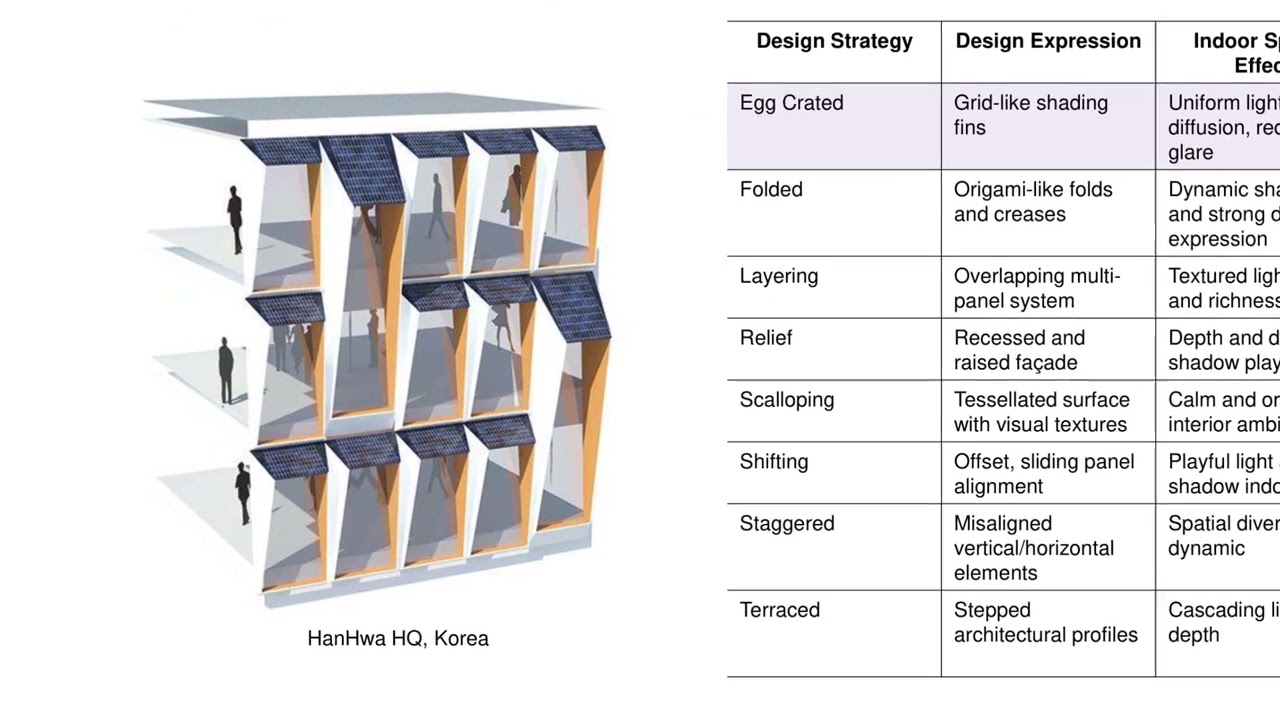
BIPV Solar Facade Design Strategies and Case Studies — IEA PVPS Task 15
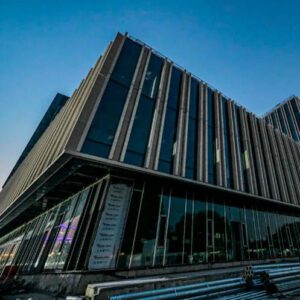
 Solar control glazing retrofits are most profitable in south- and west-facing facade zones where peak cooling loads are highest.
Glossary of Key Terms
| Term | Definition | Practical Implication |
|---|---|---|
| SHGC (Solar Heat Gain Coefficient) | Fraction of solar radiation transmitted through glazing. Scale: 0–1. Lower = less heat admitted. | ASHRAE 90.1-2022 requires SHGC ≤ 0.25 for most commercial zones. Standard clear glass (SHGC 0.70) fails this by a wide margin. |
| VLT (Visible Light Transmittance) | Percentage of visible light passing through the glass. Higher = brighter interior. | LEED Daylighting credit requires minimum 55% sDA — VLT must be high enough to achieve this without active shading devices. |
| U-value | Rate of heat transfer through glazing (W/m²K). Lower = better insulation. | Critical for heating-dominant climates. Smart glass often achieves U-values of 0.8–1.4, vs. 2.8 for standard double-glazed units. |
| Electrochromic glass | Glazing that tints in response to an applied electrical voltage. User or BAS-controlled. | Premium technology for maximum performance and LEED credits. Higher installed cost, highest energy savings. |
| Thermochromic glass | Glazing that tints automatically in response to surface temperature. No power required. | Cost-effective passive solution for retrofit projects. Less precise control than electrochromic, lower installed cost. |
| LEED v4.1 | Current version of the Leadership in Energy and Environmental Design certification system. | The standard most commercial clients are targeting. Smart glass can contribute to 8 credits across Energy, Daylighting, and Views categories. |
| ASHRAE 90.1 | American Society of Heating, Refrigerating and Air-Conditioning Engineers energy standard for commercial buildings. | The baseline energy code for most U.S. jurisdictions. 2022 edition significantly tightens maximum SHGC values. |
| PACE Financing | Property Assessed Clean Energy — financing for building improvements repaid through property tax, with no upfront capital requirement. | Available in 37+ U.S. states. Eliminates upfront capital barrier for smart glass retrofits. |
| BAS (Building Automation System) | Centralized control system for building mechanical and electrical systems. | EC glass integrates with BAS for automated tint control based on occupancy, daylight, and time-of-day schedules. |
| NFRC | National Fenestration Rating Council — independent certification of window and glazing performance. | NFRC-rated SHGC, VLT, and U-values are the only performance data architects and LEED reviewers accept. |
| EPBD | Energy Performance of Buildings Directive — EU regulation requiring net-zero buildings by 2030. | Drives mandatory smart glazing specifications in European markets. |
| Energy Payback Time | Time required for a product to generate the energy equivalent of what was consumed in manufacturing it. | Solar control smart glass achieves energy payback in 3–5 years; delivers net-positive performance for remaining 25+ years of building life. |
FAQs: Questions Your Clients Are Actually Asking
1. What’s the difference between electrochromic and thermochromic smart glass, and which should we specify?
Electrochromic glass changes tint on demand through an applied electrical voltage, controlled manually or through a building automation system. It provides the widest SHGC range (typically 0.08–0.45) and the highest energy savings (20–30% cooling load reduction), but requires electrical infrastructure and costs $100–$150 per sq ft installed. Thermochromic glass responds passively to surface temperature — no wiring required — and costs $30–$60 per sq ft installed, with energy savings of 15–25%.
For new construction targeting LEED Gold or Platinum, specify electrochromic for south and west vision zones. For retrofit projects where electrical infrastructure is cost-prohibitive or where budget is the primary constraint, thermochromic coated glass or thermochromic applied film delivers meaningful performance improvement at lower cost. The decision is primarily driven by budget, BAS capability, and certification target — not by which technology is “better.”
2. How much energy can smart glass actually save compared to standard low-E glazing?
DOE research (Lawrence Berkeley National Laboratory) documents that electrochromic glazing with daylighting controls reduces annual cooling loads by 20% and peak cooling loads by 19–26% compared with standard spectrally selective low-E glass — the glass most commercial buildings currently use. For a 100,000 sq ft office building spending $97,000 annually on cooling, that translates to $19,400–$25,200 in annual energy savings from the glazing upgrade alone.
Variables that affect actual savings: facade orientation (south/west exposure yields the highest savings), climate zone (cooling-dominated climates deliver faster payback), window-to-wall ratio (higher glass area = higher savings), and BAS integration quality (automated controls capture 20–30% more savings than manual controls). An energy model using your building’s specific parameters provides project-specific savings projections — request this from your mechanical engineer or energy consultant before finalizing glazing specifications.
3. Does smart glass really help achieve net-zero certification, or is it just one piece of the puzzle?
It’s a critical piece — and often the most cost-effective intervention available. A 2024 net-zero office retrofit case study documented by UK Green Building Council showed that glazing upgrades delivered a 74% reduction in energy use intensity — the largest single contributor to net-zero performance in that project. Smart glass works by reducing cooling demand (which typically accounts for 35–45% of commercial building energy use) at the point of entry, before the building’s mechanical systems need to respond.
Smart glass works best as part of a coordinated envelope strategy: solar control glass on high-exposure facades, triple glazing on north facades for winter heat retention, and airtight framing systems throughout. Combined with high-efficiency HVAC and on-site generation (BIPV, rooftop solar), this strategy achieves net-zero performance at lower total cost than any single technology in isolation. Suppliers like Jia Mao BIPV offer both solar control glass and BIPV-integrated glazing — allowing a single specification to address both solar control and energy generation requirements.
4. What’s the payback period for smart glass in a typical commercial building?
For a commercial office building upgrading from standard double-glazed clear glass to solar control electrochromic glazing on south and west facades:
- Energy savings alone: 5.5–7 year payback
- Energy savings + productivity improvement: 18–24 month payback
- With ITC (30% federal tax credit) + PACE financing: 12–18 month effective payback
- Thermochromic retrofit (lower cost): 3–5 year payback on energy savings alone
Payback period varies significantly by facility type. A professional services firm with high-salary employees working afternoon hours adjacent to west-facing glass captures more productivity benefit than a warehouse operation. Present stakeholders with scenario-specific calculations using their actual headcount, average salary, and summer energy costs.
For financing, C-PACE programs available in 37+ states allow retrofit payback periods to be extended to 10–25 years with payments structured against energy savings — effectively making the upgrade cash-flow neutral from day one.
5. Are there any building codes or standards we need to know about before specifying smart glass?
Yes. The most critical standard for U.S. commercial projects is ASHRAE 90.1-2022, which sets maximum SHGC values by climate zone and window orientation for commercial buildings. Climate Zone 2 requires maximum SHGC of 0.25 for fixed commercial glazing — a threshold that standard clear glass (SHGC 0.70) fails immediately. Climate Zones 3–8 have similar or tighter requirements depending on window-to-wall ratio.
For façade-mounted smart glass, additional standards apply: NFPA 285 (fire test for combustible facade materials on buildings over 40 feet in the U.S.), EN 13501-1 (European fire classification), and NFRC certification for performance data used in LEED submissions. Check with local building departments for adopted code edition — not all jurisdictions have adopted ASHRAE 90.1-2022 yet, though adoption is accelerating. The U.S. Green Building Council LEED resource library provides climate-zone-specific guidance for glazing specifications targeting LEED certification.
6. How does smart glass perform in different climates, and does location affect our recommendation?
Climate dramatically affects smart glass value proposition and product selection:
| Climate Type | Best Product | Primary Benefit | Secondary Benefit |
|---|---|---|---|
| Hot-arid (Phoenix, Dubai) | Electrochromic, lowest SHGC | Cooling load reduction 35–45% | HVAC equipment downsizing |
| Hot-humid (Miami, Singapore) | Electrochromic or thermochromic | Cooling + humidity management | Energy cost reduction |
| Temperate (Chicago, London) | Electrochromic (variable) | Year-round adaptive performance | Daylighting quality |
| Cold (Minneapolis, Helsinki) | Triple-pane low-U with solar control | Heating retention + some cooling | Comfort in all seasons |
| Mixed (New York, Sydney) | Electrochromic (optimal season-variable) | Seasonal performance optimization | Both cooling and heating savings |
The highest ROI markets for smart glass are cooling-dominant climates where cooling costs are high and summer peak hours are long. In hot-arid markets like the Middle East, Arizona, and coastal China, electrochromic glass has documented payback periods of 4–6 years without productivity gains — driven purely by air conditioning cost reduction.
7. What’s the installation process like, and what training do our contractors need?
For electrochromic glass, installation involves standard curtain wall glazing techniques plus electrical connection of the EC glass power leads to a dedicated controller, and integration of that controller with the building automation system. Electricians need to complete the EC glass manufacturer’s installation training (typically a 4–8 hour online or in-person program). The glazing contractor follows standard curtain wall procedures. Most EC glass projects add 10–15% to standard installation time due to the electrical commissioning step.
For thermochromic glass and solar control coated glass, installation is identical to standard low-E glass — no additional trades, no electrical work, no controller. Any qualified glazing contractor can install it.
As a distributor, your support role during first installations includes providing the manufacturer’s field installation guide, being available by phone for technical questions during commissioning, and arranging a post-installation verification visit to confirm performance. This level of support on the first project with a new glazing contractor builds a loyalty that standardizes them on your product line for subsequent projects.
8. How long does smart glass last, and what’s the warranty coverage?
Standard architectural glass components (the glass itself, the laminate, the coating) carry 10-year warranties against delamination and coating failure, with most products designed for 25–30-year service life. Electrochromic components — the active switchable layer — carry separate warranties, typically 10 years on the EC function, which is the industry standard aligned with typical building renovation cycles.
Jia Mao BIPV’s photovoltaic glass laminated products use POE encapsulant with 30-year UV resistance ratings — the same material advancement used in premium solar modules — which extends functional service life beyond standard EVA-encapsulated products. For EC glass specifically, the electrode layer degradation rate (typically 0.5–1.0% per year in switch speed) means that after 20 years, the glass still performs its solar control function but may tint slightly more slowly. This is rarely a functional issue in building operation.
For warranty structures in your distributor agreements: require manufacturers to provide both a product replacement warranty (defects in materials and manufacturing) AND a performance guarantee (minimum SHGC reduction at maximum tint, measured per NFRC standards). A product warranty without a performance guarantee leaves you exposed if the installed product meets manufacturing specs but underperforms the energy model.
9. Can smart glass be retrofitted into existing buildings, or is it only for new construction?
Both options are commercially viable, with different economics:
New construction: The most cost-effective path. BIPV solar control glass replaces conventional glazing in the curtain wall system — the incremental cost is measured against the cladding it replaces, not the total glass cost. Electrical infrastructure is planned from the outset. This is where the most compelling ROI calculations occur.
Retrofit into existing buildings: Viable when the existing glass is at or near end-of-life (15+ years old, showing seal failures, condensation, or significant energy performance decline) or when the building is undergoing major renovation. Options include: full glass replacement (highest performance, highest cost), applied thermochromic film on existing glass (lowest cost, moderate performance improvement), and secondary glazing systems that install inside existing window frames (medium cost, significant performance improvement). The retrofit vs. replacement decision should be driven by an independent glazing assessment, not by cost alone.
For occupied buildings, phased approaches — retrofitting one floor or one facade orientation at a time — allow the project to be delivered with minimal disruption and allow early-phase energy savings to partially fund subsequent phases.
10. How do we specify smart glass in a way that doesn’t lock us into one manufacturer?
Use performance-based specification language that defines the required output (SHGC, VLT, U-value, fire rating, warranty term) rather than a specific product or manufacturer. Example: “Electrochromic glazing: SHGC ≤ 0.12 at maximum tint, SHGC ≤ 0.42 at clear state; VLT ≥ 52% at clear state; U-value ≤ 1.2 W/m²K; NFRC certified; 10-year EC function warranty; EN 12600 Class 1B1 impact classification; NFPA 285 compliant.”
This specification language defines the performance envelope without naming a manufacturer, which is legally required for publicly funded projects and professionally preferable for many private-sector architects who want to maintain competitive bidding. Two to three products from different manufacturers should be able to meet this spec, giving the owner competitive pricing while ensuring minimum performance compliance.
Maintain a living specification template library for the most common project types in your market. Update performance thresholds annually as code requirements and available product performance improve. Providing this resource to architects — pre-written, code-compliant spec language they can drop into their project specifications — is one of the highest-value technical services a distributor can provide.
11. What happens to smart glass in a power outage or system failure?
Electrochromic glass in most commercial products defaults to the clear (untinted) state on loss of electrical power — a “fail-clear” design that maintains occupant visibility, emergency egress, and natural light even during power failures. Some products offer a “fail-tinted” configuration for specialized applications (server rooms, museum spaces) where light exclusion is prioritized over visibility.
The EC controller typically draws very low standby power (1–5W per zone) and can be backed up by a small UPS (uninterruptible power supply) if continuous tinting function during power outages is required. For most commercial office applications, fail-clear behavior is the appropriate design — building occupants can open blinds or adjust manually, and emergency responders can see through the glass.
Thermochromic glass has no active components and therefore no failure mode related to power loss — it responds purely to temperature and performs identically regardless of building electrical status.
12. How does smart glass affect daylighting and occupant comfort?
When correctly specified for the climate zone and facade orientation, solar control smart glass improves both daylight quality and occupant comfort — it does not simply reduce them. The distinction matters because clients often assume “solar control” means darker interiors.
Electrochromic glass in the clear state (SHGC ~0.42, VLT ~52%) admits substantial natural light. It tints in response to high solar gain — which is precisely when direct sunlight on monitor screens creates glare, when occupants pull down blinds, and when the productive use of that daylight is already compromised. By eliminating the solar gain problem dynamically, EC glass enables occupants to keep the space bright without discomfort — which is the opposite of what happens with static tinting or blinds.
Published occupant satisfaction data from electrochromic glass installations consistently shows 20–30% improvement in occupant comfort scores post-installation, and 87% of occupants in documented case studies report improved visual comfort within 2 weeks of EC glass activation. The key is specifying the correct clear-state VLT (50–65% for typical office use) — products specified with VLT too low (below 40%) do create the “dark office” problem that clients fear.
13. What’s the environmental impact of manufacturing smart glass compared to standard glazing?
Embodied carbon for solar control smart glass ranges from 85–120 kg CO₂-eq per square meter at manufacture — higher than standard glass due to the additional coating layers, encapsulant materials, and (for EC glass) electronic components. The energy payback time — the period required for operational carbon savings to offset manufacturing emissions — ranges from 3–5 years depending on facade orientation and climate.
Over a 30-year facade life, a south-facing solar control glazing installation in a temperate climate avoids approximately 60–90 kg CO₂-eq per square meter per year in grid electricity emissions — producing a net lifecycle carbon reduction of 1,500–2,400 kg CO₂-eq per square meter. The manufacturing carbon footprint is recovered within 5 years; the remaining 25 years represent net-positive environmental performance.
For clients developing ESG reports or pursuing green financing: the lifecycle carbon data from solar control glazing installations can be reported as a documented Scope 2 emission reduction — verifiable through utility bill comparison before and after installation, which provides a straightforward audit trail for sustainability reporting.
Data sources: Grand View Research Smart Glass Market Report 2025, Fortune Business Insights Solar Control Glass Market 2025, Lawrence Berkeley National Laboratory Electrochromic Window Analysis 2023, U.S. DOE Electrochromic Window Report December 2023, IEA PVPS Task 15 SHGC of BIPV Modules Report 2025, ASHRAE 90.1-2022 Fenestration Criteria, USGBC LEED v4.1 Credit Reference Guide, UK Green Building Council Net-Zero Office Retrofit Case Study 2024, Smart Glass International LEED Credit Analysis.
External resources: USGBC LEED Rating System | ASHRAE Net-Zero Energy Goals | Guardian Glass Solar Performance Guide | Jia Mao BIPV Solar Glass Products | Glass for Europe Passive Cooling Report