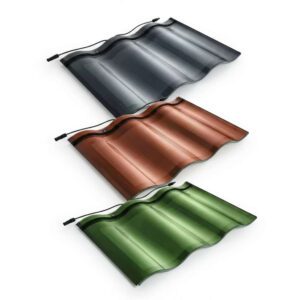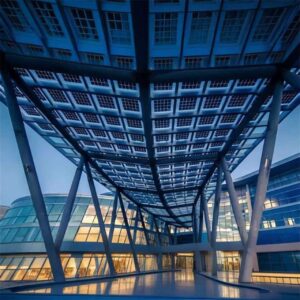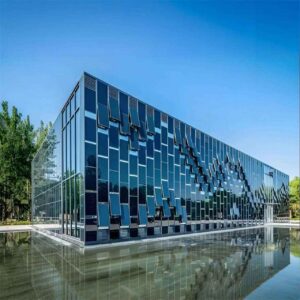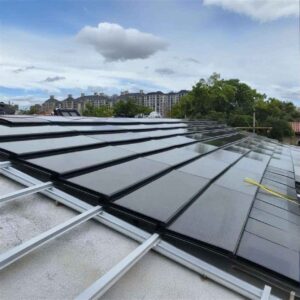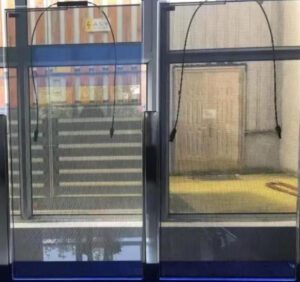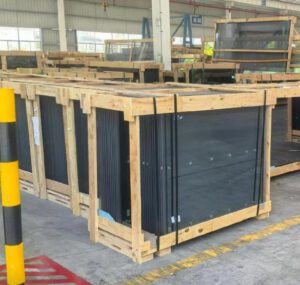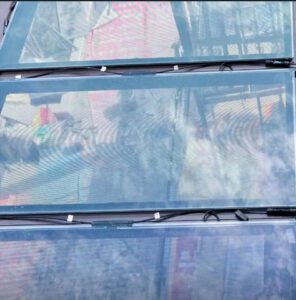
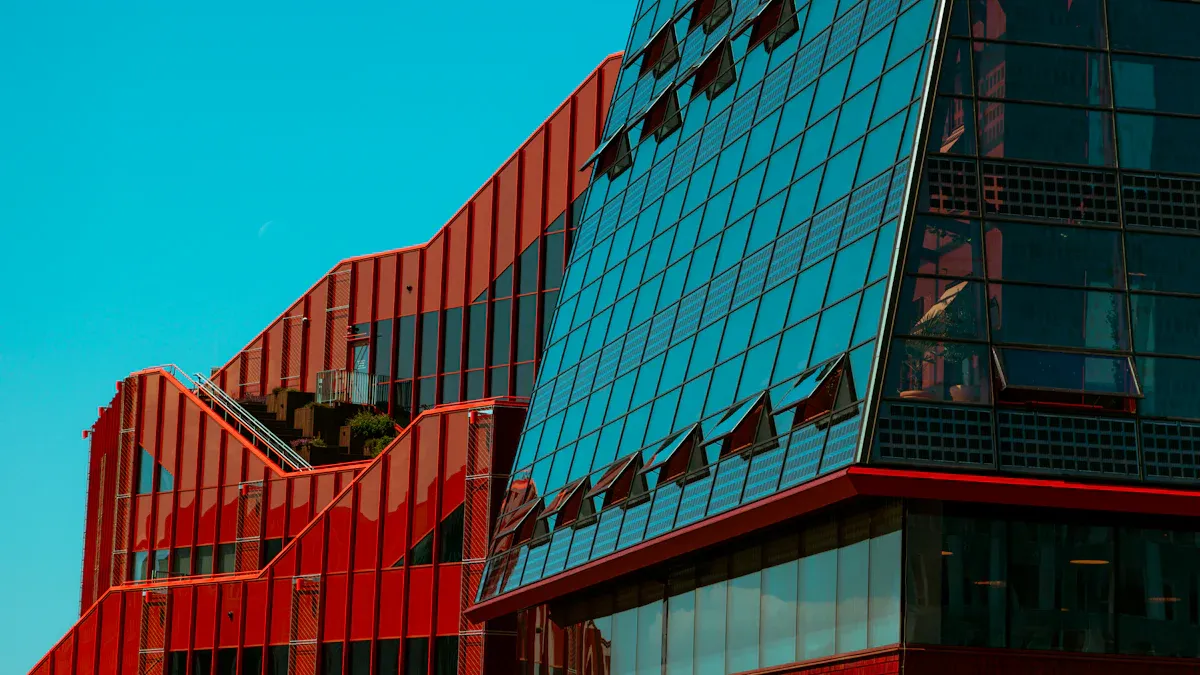
You want your building to stand out and perform well. Choosing the right solar glass facade can help you achieve this. Today, nearly 40% of new commercial buildings feature solar elements like these facades. Dynamic facades can cut energy use by over 70% in summer months and cover up to 16% of energy needs. You can also lower your building’s carbon footprint and boost its value. With companies like Jia Mao Bipv, you get solutions that match your design and energy goals.
Key Takeaways
- Pick a solar glass facade that matches your building type and use. Every building is different, so think about daylight, comfort, and safety.
- Learn about important numbers like U-value and Solar Heat Gain Coefficient (SHGC). These numbers help you pick the best glass for saving energy and staying comfortable.
- Follow your local building codes and rules. This keeps your building safe and can help you get green awards like LEED or BREEAM.
- Think about how solar glass facades help in the long run. They might cost more at first but can save energy and make your building worth more later.
- Look at ways to change how your solar glass facade looks and works. You can pick colors, how clear the glass is, and panel types to fit your design and energy needs.
Project Needs
Building Type and Use
You need to pick a solar glass facade that fits your building’s job. Office buildings, schools, and homes all need different things. Offices often want more daylight. Hospitals care more about comfort and safety. The table below lists important things to check for each building type:
| Performance Metric | Description |
|---|---|
| U-value | Shows how much heat goes through the glass. Lower numbers mean better insulation. |
| Solar Heat Gain Coefficient (SHGC) | Tells how much solar heat gets inside. Lower numbers help keep rooms cool. |
| Visible Transmittance (VT) | Shows how much sunlight comes in. Higher numbers make rooms brighter. |
Check these numbers when you pick your facade. Jia Mao Bipv has products for many building types. You can ask their team if you do not know which numbers are best for your project.
Design Goals
You should decide what you want for your building. Many people want to use less energy and save money. Some want to use renewable energy or make the building look new and modern. Here are some common goals for solar glass facades:
- Save energy with high-performance glass.
- Add renewable energy features like building-integrated photovoltaics (BIPV).
- Use natural airflow with windows or louvers.
Think about the future too. Builders now use materials that last long, can be recycled, and keep people safe and healthy. These choices can also save money later. Jia Mao Bipv can help you reach these goals with custom solutions.
Local Codes
You have to follow local building rules and standards. These rules keep people safe and help buildings use less energy. Many cities want new buildings to meet green standards like LEED or BREEAM. The table below shows how different glass types help you get these certifications:
| Glass Type | Contribution to Certifications |
|---|---|
| Guardian ClimaGuard | Keeps heat inside in winter and blocks heat in summer. Helps meet LEED and BREEAM rules. |
| Guardian SunGuard | Uses special coatings to save energy. Supports green building standards. |
BIPV facades change how buildings use sunlight and heat. They make your building efficient and special. They also help you get points for green building certifications.
You should talk to your local building office before you start. Jia Mao Bipv can help you follow all the rules and guide you through the process.
Solar Glass Technical Specs
Panel Types
You can pick from different solar glass panels. Each type works best for certain needs. The main choices are semi-transparent, double-glass, and BIPV panels. Jia Mao Bipv has many options for your project.
Here is a table that shows the most common panel types and their efficiency:
| Type of Solar Panel | Efficiency |
|---|---|
| Monocrystalline panels | 20%+ |
| Polycrystalline panels | 15-20% |
| Thin-film panels | 15-20% |
| Bifacial panels | 11% more than comparable types |
| Transparent panels | 1% (fully transparent), 20% (semi-transparent) |
Monocrystalline panels work the best. Polycrystalline and thin-film panels are also used a lot. Bifacial panels take in sunlight from both sides. This helps them make more energy. Transparent panels let in more light but do not make much energy. Semi-transparent panels can reach 20% efficiency. This is good for saving energy and letting in daylight.
You can use solar glass for windows, walls, or curtain walls. This lets you make your building look new and save energy.
Tip: Ask Jia Mao Bipv which panel type matches your building’s style and energy needs.
Energy Output
You should know how much energy your solar glass can make. Most solar facades make 150 to 300 kWh per square meter each year. Some products, like Clearvue PV Solar Windows, can make up to 33 watts per square meter.
How much energy you get depends on where your building is. The sun’s angle and your building’s direction matter too. If you live in a sunny place, your panels will make more energy. Buildings that face south get the best results.
- Solar facades make 150 to 300 kWh per square meter each year.
- Clearvue PV Solar Windows can reach 33 Wp/m².
- Energy changes with location, direction, and sun angle.
Note: Talk to your architect or a solar expert to find the best spot for your panels.
Dimensions and Glazing
You can choose the size and thickness of your solar glass panels. Most panels come in standard sizes. Jia Mao Bipv can make special panels for unique projects.
The glazing you pick changes how much light and heat come inside. Double or triple glazing keeps your building warm in winter and cool in summer. Solar control glass lets in daylight but blocks a lot of heat. This keeps rooms bright and lowers air conditioning costs.
- Solar control glass cuts glare and keeps rooms cool.
- Double or triple glazing helps save energy.
- You can use solar glass for windows, walls, or special designs.
Picking the right glazing can help you save money and make your building more comfortable.
If you know these technical specs, you can choose the best solar glass facade for your project. You will get better energy use, more comfort, and a modern look.
Design and Customization
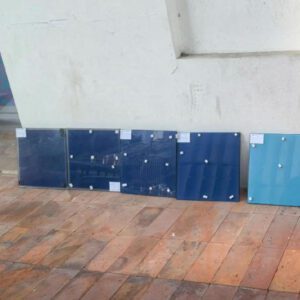
Color and Transparency
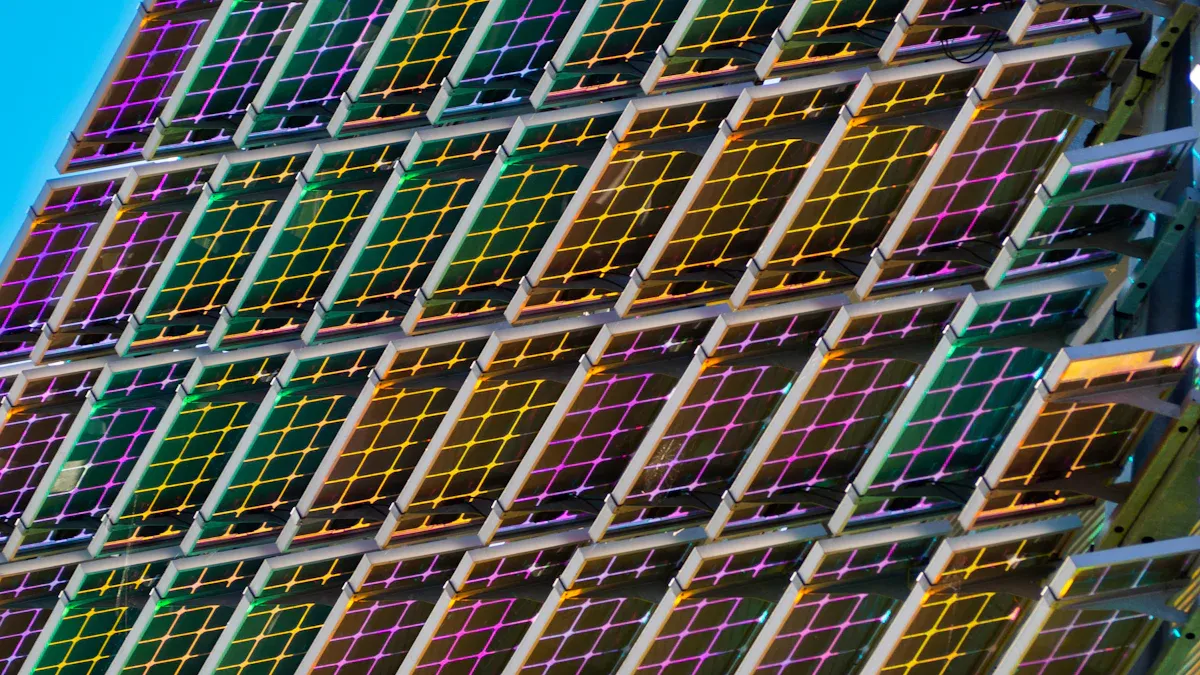
You have many color and transparency choices for your solar glass facade. This helps your building look the way you want. It also helps meet your project’s needs. Some colors people like are:
- White
- Polar gray
- Blue
- Sand
- Terracotta
- Marble brown
- Corten steel
You can pick how much light comes through the glass. Some panels let in lots of daylight. Others give you more privacy. These choices help you control how your building feels inside.
The color and transparency you pick can change energy output. It also changes how your building looks. The table below gives more details:
| Aspect | Impact |
|---|---|
| Energy Generation | Colored coatings can lower energy output by 10% to 30%. |
| Aesthetics | Colored BIPV makes buildings more attractive and encourages people to use solar glass. |
| Market Preferences | Many people prefer black and red panels over blue, which can increase adoption rates. |
Sizing and Integration
Solar glass panels come in many sizes and shapes. This means you can fit them into almost any building. Jia Mao Bipv can make special panels for your project.
Planning your facade can be tricky. There are no single rules for solar glass facades. You must follow both construction and solar industry standards. This can make things harder and sometimes cost more. You should work with experts who know these rules. They will help your panels fit your building.
Architectural Features
Solar glass facades can make your building better in many ways. They do more than save energy. The table below shows some features you can improve:
| Architectural Feature | Description |
|---|---|
| Building-Integrated Photovoltaics | Solar panels become part of the building’s surface, adding both function and style. |
| Transparent/Semi-Transparent PV Glass | Lets in natural light while making electricity, perfect for windows and skylights. |
| Enhanced Aesthetics | Blends with your building’s design, making it look modern and unique. |
| Vertical Solar Facades | Saves space and supports creative building shapes. |
You can use solar glass to show off your brand. Some companies, like Jia Mao Bipv, let you add logos or patterns to your panels. This can make your building stand out. It also shows you care about clean energy.
Installation and Performance
Mounting Systems
You need a strong and reliable mounting system for your solar glass facade. The right system keeps your panels safe and helps them last longer. Many builders use aluminum alloys because they are light, strong, and do not rust. Sealing systems made from EPDM or silicone rubber stop water and UV rays from getting in. Stainless-steel fasteners hold everything together and do not corrode. You must make sure your mounting system meets building codes and PV safety standards. Jia Mao Bipv offers mounting solutions that balance strength, durability, and style.
- Aluminum alloys give good support and resist corrosion.
- EPDM or silicone rubber seals protect against UV damage.
- Stainless-steel fasteners keep the system secure.
- Always check for code compliance.
Orientation and Shading
The way you place your solar glass panels changes how much energy they make. If you face panels toward the sun, you get more power. The Solar Heat Gain Coefficient (SHGC) and U-value tell you how much heat and sunlight come through your glass. Lower SHGC and U-value numbers help keep your building cool and save energy.
Shading also matters. Self-shading facades can block extra heat and improve energy use. You can add louvers, fins, or overhangs to block direct sunlight. Using daylight modeling tools helps you find the best spot for your panels. Good shading can cut cooling costs by 5% to 15%.
- Use low-emissivity glass for better insulation.
- Try double or triple glazing for more comfort.
- Add shading devices to block harsh sun.
Durability and Safety
You want your solar glass facade to last and stay safe. Regular cleaning keeps your panels working well and looking good. For tall buildings, you may need special cleaning equipment. You should check and replace gaskets and sealants every ten years. These parts keep water and air out.
Solar glass facades pass strict fire and weather tests. Many products resist strong winds, hail, and extreme temperatures. Some systems even meet fire safety standards like NFPA 285 and EN 13501-1. If you add green walls, plan their layout to keep smoke and heat under control during a fire.
| Feature | Details |
|---|---|
| Fire Safety | Meets NFPA 285, EN 13501-1 |
| Wind Load Resistance | Up to 8000 Pa |
| Hail Resistance | Withstands 25mm hail at 83 km/h |
| Temperature Range | -40°C to +85°C |
| Maintenance | Clean panels, replace seals every 10 years |
Jia Mao Bipv can help you choose safe and durable systems for your project.
Cost and Value
Upfront Costs
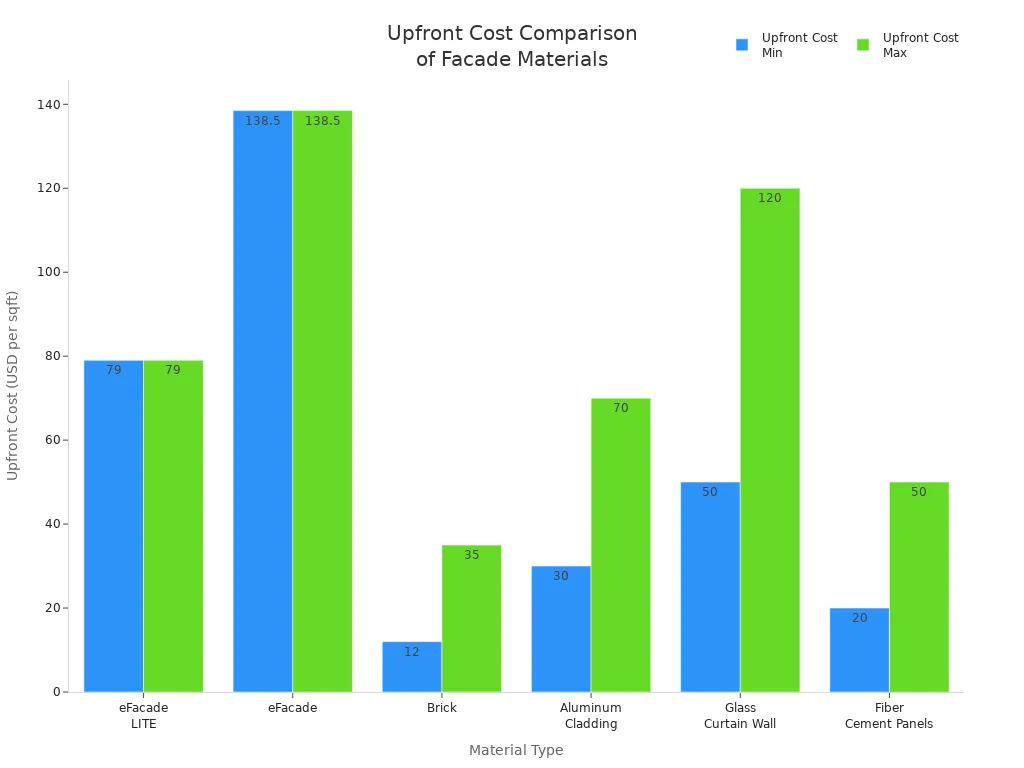
When you start your project, you should check the first costs. Solar glass facades with BIPV systems cost more than regular materials. BIPV facades cost from €200/m² to €625/m². In the U.S., the average price is about $244 for each square meter. Custom designs can be even more expensive. BIPV curtain walls can cost up to €1,120/m². These prices are higher than brick or aluminum cladding.
| Material Type | Upfront Cost (per sqft) | Cost After ITC (per sqft) |
|---|---|---|
| eFacade LITE | $79 | $55.30 |
| eFacade | $138.50 | $96.95 |
| Brick | $12 – $35 | N/A |
| Aluminum Cladding | $30 – $70 | N/A |
| Glass Curtain Wall | $50 – $120 | N/A |
| Fiber Cement Panels | $20 – $50 | N/A |
Incentives and Savings
You can pay less if you use government programs. In the U.S., the Solar Investment Tax Credit gives you back 30% of your solar costs. Canada has a similar 30% Clean Technology Investment Tax Credit. These programs help make solar glass facades cheaper.
| Incentive Name | Description | Applicable Region |
|---|---|---|
| Solar Investment Tax Credit (ITC) | Offers a minimum of 30% tax credit for qualified clean energy installations, including solar PV. | United States |
| Clean Technology Investment Tax Credit | A refundable tax credit of 30% on capital costs for investments in eligible clean technologies. | Canada |
You also save money over time. Solar facades lower your power bills and can make your building worth more. Many owners see these savings grow each year.
ROI and Lifecycle
You might pay more at first, but you get value later. Over 30 years, energy savings can make solar facades as good as regular materials. The Investment Tax Credit helps lower your first costs, so you get your money back faster. Jia Mao Bipv helps you pick products that last long and work well, so you get the most for your money.
Tip: Always look at the total cost over time, not just the first price. Saving money later and using incentives can really help.
You can choose the right solar glass facade by following a few clear steps.
- Start with a needs assessment for your building.
- Review technical and design options with experts like Jia Mao Bipv.
- Check local codes and plan for long-term value.
When you make informed choices, you help your building save energy and look modern for years.
FAQ
What is a solar glass facade?
A solar glass facade is a building surface made of glass panels that generate electricity from sunlight. You get both energy savings and a modern look. Jia Mao Bipv offers many options for different building types.
How long does a solar glass facade last?
Most solar glass facades last 25 to 30 years. You can expect strong performance and low maintenance. Jia Mao Bipv designs panels to stay durable and safe for many years.
Can I customize the look of my solar glass facade?
Yes! You can choose colors, shapes, and transparency levels. Jia Mao Bipv helps you match your building’s style and brand. You can even add logos or patterns to your panels.
Do solar glass facades work in cloudy weather?
Solar glass facades still generate power on cloudy days, but less than on sunny days. You will see some energy savings all year. Jia Mao Bipv can help you pick the best panels for your local climate.
Are there financial incentives for installing solar glass facades?
Yes, you can get tax credits and rebates in many places. These programs lower your upfront costs. Jia Mao Bipv can guide you through the process and help you find the best incentives.