You can make a successful integrated photovoltaics company by taking important steps. First, study the market. Next, make a good business plan. Focus on technology. Make sure you follow all rules. Build a team with good skills. Work with other companies. Create strong marketing plans. The industry is growing fast. The market could reach $182.88 billion by 2035. More people are using it around the world.
| Year | Market Size (in billion USD) | CAGR (%) |
|---|---|---|
| 2023 | 15.1 | N/A |
| 2029 | 42.0 | 19.7 |
| 2035 | 182.88 | 18.33 |
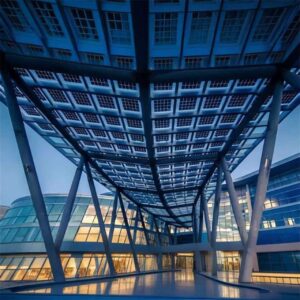
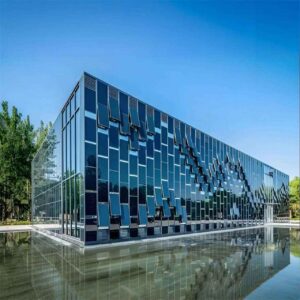
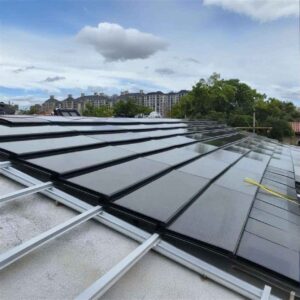
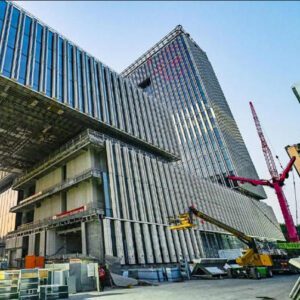
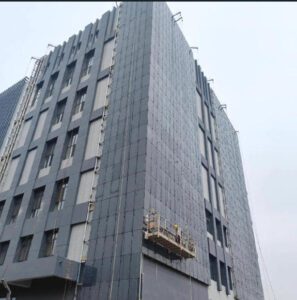
Top companies like Jia Mao Bipv and others help lead the market. Tall buildings in Dubai use lots of solar glass to make clean energy. Industrial parks in Asia add more solar power with BIPV rooftops. When you mix solar panels with building materials, you save energy. This also helps build in a way that is better for the planet.
Key Takeaways
- Look at the market to see what people want. This helps you make a good business plan.
- Pay attention to technology and new ideas. Put money into research to make your products better. This helps your company be different from others.
- Make a team with people who have different skills. Working together helps solve problems and make better products.
- Follow the rules and get the right certifications. Doing this keeps things safe and helps customers trust you.
- Make strong plans for marketing. Teach people about integrated photovoltaics so more customers will come.
Integrated photovoltaics market overview
What is integrated photovoltaics
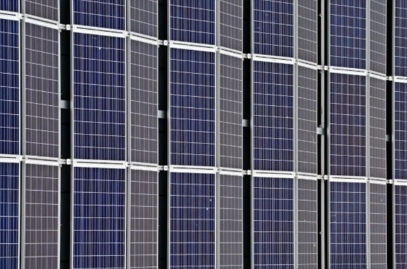
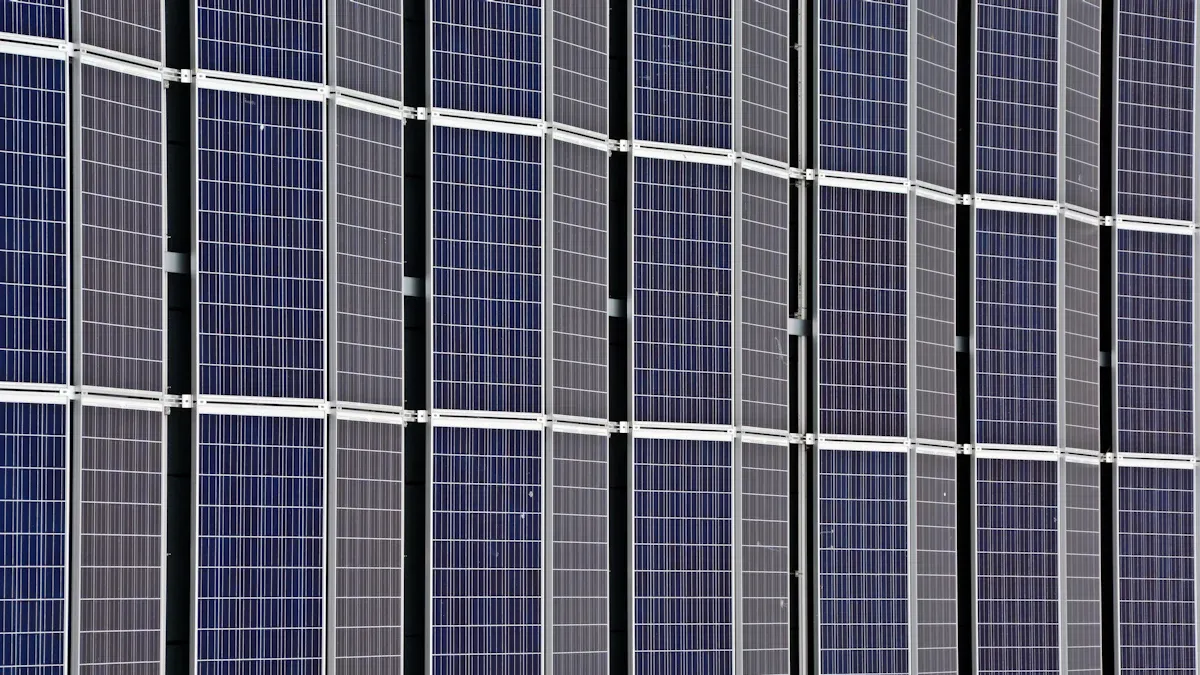
Integrated photovoltaics means solar technology is part of a building. These systems can be in walls, roofs, or windows. They do not look like regular solar panels on top of roofs. Instead, they are built into the building’s design. This makes buildings look modern and lets them make their own energy.
| Feature | BIPV (Integrated Photovoltaics) | Traditional Solar Panels |
|---|---|---|
| Integration | Built into building design | Mounted externally |
| Aesthetics | Seamless, modern look | Visible panel structure |
| Function | Structure + energy | Energy only |
| Space Requirement | Uses façade & vertical space | Needs roof space |
| Installation | During construction/renovation | After construction |
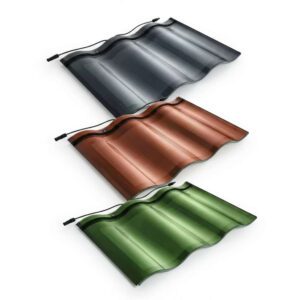
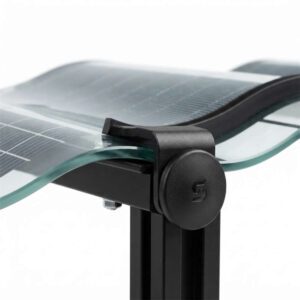
Some products are photovoltaic glass, solar roof tiles, and clear greenhouse panels. These products help buildings use less energy and look nicer.
Target customers
You may ask who uses integrated photovoltaics. Many people and groups want these systems. Homeowners like BIPV because it looks good and saves money. Businesses want green buildings that cost less to run and look special. Factories and industrial parks use BIPV to cut energy bills and reach clean energy goals.
| Customer Segment | Specific Needs |
|---|---|
| Residential | Off-grid solutions, energy storage |
| Commercial | Enhanced aesthetics, cost savings |
| Industrial | Utility-scale projects, renewables |
In Asia-Pacific, many businesses use integrated photovoltaics. This area leads the market because of new technology and strong government help. Countries like China, India, and Japan build more solar buildings each year.
Market trends
There are big changes in the integrated photovoltaics market. More cities use BIPV on buildings to make energy. This makes city skylines look better and helps the earth. In crowded cities like those in India, BIPV works well because it does not need extra space.
Top companies lead these changes. Jia Mao Bipv, Onyx Solar, Mitrex, and BIPVco are leaders. Other big names are Jinko Solar, JA Solar, Trina Solar, and LONGi. These companies make new products and help the market grow.
Tip: If you pick integrated photovoltaics, you help lower carbon emissions and support green building rules.
| Trend | Description |
|---|---|
| Solar energy demand rises | More people want renewable energy |
| BIPV technology improves | New designs work better and look nicer |
| Urban integration grows | Cities use BIPV to make buildings produce energy |
| Focus on energy efficiency | Buildings use less power and save money |
| Green building compliance | More rules support sustainable construction |
Business planning
Business models
Picking the right business model is important for your company. The model you choose decides how you earn money and grow. Some companies save money by using BIPV instead of normal building materials. Others make money by selling the electricity their systems create. You can also charge more for buildings with BIPV or work with utility companies to offer leases.
Here is a table that shows common business models and how they affect profits:
| Business Model Type | Description | Impact on Profitability |
|---|---|---|
| Cost Avoidance | Replacing building materials with BIPV | Reduces overall costs, increases profitability if material value is high |
| Revenue Generation | Income from electricity produced | Directly contributes to profitability, especially with high self-consumption |
| Premium Pricing | Selling buildings at a premium due to BIPV features | Potential for higher rental fees and sale prices, attracting high-paying tenants |
| Leasing Arrangements | Partnerships with utility companies | Provides steady income and reduces upfront costs for consumers |
Tip: You can use more than one model to fit your market. For example, Jia Mao Bipv uses cost avoidance and premium pricing to be different.
Value proposition
You need to show why people should pick your products. In this market, you can stand out with new technology, special designs, and good partnerships. Many companies spend money on research to make better and more flexible products. You can also make products that fit each building’s look and needs.
Here are ways companies make themselves different:
| Differentiation Strategy | Description |
|---|---|
| Innovation | Invest in R&D to improve efficiency, durability, and design flexibility. |
| Customization | Offer customizable and attractive products for different clients. |
| Strategic Partnerships | Work with other companies to boost your abilities and reach more customers. |
| Integration with Technologies | Combine BIPV with energy management, storage, and smart systems for extra value. |
- Make products locally to avoid supply chain problems.
- Use new ideas and partnerships to grow your business.
- Change your products to fit local needs and rules.
Note: Customers want products that save energy, look nice, and last long. If you focus on these things, you will get more buyers.
Financial planning
You need a simple plan for your money. Start by writing down all your costs, like research, materials, and workers. Plan how you will pay for these things. You can use your own money, get loans, or find investors. Make sure you know how much money you will get from selling products, saving energy, or renting systems.
Set goals for sales and profits. Check your spending and income every month. This helps you see if your business is doing well. You can change your plan if you need to spend less or make more.
Good financial planning helps your company stay strong and grow faster.
Product development
Technology and R&D
You need good technology and research to do well in integrated photovoltaics. Companies such as Jia Mao Bipv spend money on new ideas to improve their products. There are different kinds of solar cell technology. Each kind has its own benefits.
| Technology Type | Description |
|---|---|
| Crystalline Silicon (c-Si) | Solar cells use solid crystalline silicon wafers. They give about 20 watts for each square foot. |
| Thin-Film | These have very thin layers of special materials. They make about half the power of c-Si cells. |
| Emerging-PV | This group has dye-sensitized and Perovskite cells. Their efficiency is between 13% and 26%. |
Each technology gives you something special. Crystalline silicon gives high power. Thin-film is good for flexible or light panels. Emerging-PV lets you try new designs and colors.
Research and development help you stay ahead of others. If you spend money on R&D, your products can work better and look nicer. Cities that support R&D see big growth in solar power. Vienna grew its BIPV capacity by 292%. Rome and Brussels also had strong increases. Some cities give money to help, but R&D helps even without extra support.
| City | Increase in BIPV Capacity (%) | Financial Incentives | Energy Sharing Impact |
|---|---|---|---|
| Rome | 70 | Yes | Big impact |
| Vienna | 292 | No | Very big impact |
| Brussels | 59 | No | Medium to high impact |
Tip: If you focus on research, your products can work better and last longer. This helps you stand out from other companies.
Integration with building materials
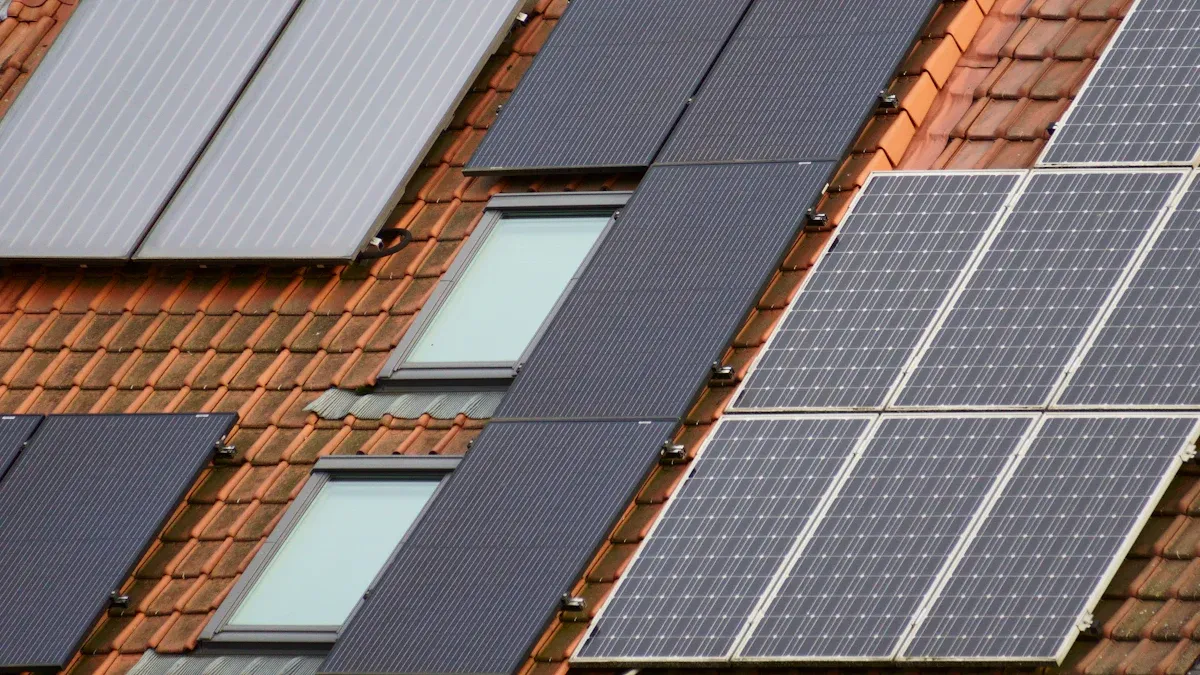
You need to make sure your solar technology fits with building materials. This step is important for making buildings look nice and work well. You can use photovoltaic glass, solar roof tiles, or special wall panels. These products take the place of regular building parts, so you do not need extra space.
You may face some problems when you add solar cells to buildings. The main problems are higher starting costs, hard designs, and keeping the system working well. You can fix these problems with good planning and skilled workers.
| Challenge | Solution |
|---|---|
| Higher upfront costs | Saving money over time helps with costs |
| Complexity in design and installation | Use trained professionals |
| Maintenance difficulties | Careful planning and skilled workers |
You can save money over time because the building uses less energy. Skilled workers help you design and install the system the right way. Good planning makes it easier to keep everything working.
Note: Using integrated photovoltaics helps buildings save energy and look modern. You also help with green building goals.
If you want to be a leader, you should work with experts in solar and construction. Companies like Jia Mao Bipv show how teamwork and smart design can make a big difference.
Compliance and standards
Certifications
You must follow special certification rules for integrated photovoltaics. These rules make sure products are safe and work well. In Europe, you need CE certification. This means your products meet safety and health rules. If you sell in Great Britain, you need the UKCA mark. For the UK, MCS certification helps you get tax breaks. In the United States and Canada, cTUVus certification shows your products are safe.
| Certification Type | Region | Description |
|---|---|---|
| European CPR 305/2011 | Europe | Follows construction product rules and building codes for BIPV products. |
| CE Certification | Europe | Shows compliance with EU safety, health, and environmental standards. |
| UKCA Mark | UK | Needed for products in Great Britain after Brexit. |
| MCS Certification | UK | Required for microgeneration products and tax benefits. |
| cTUVus Certification | USA/Canada | Proves compliance with North American safety standards. |
You should look for other certifications too. Some examples are IEC 61215, IEC 61730, UL 1703, and TÜV certification. Jia Mao Bipv always follows these rules. Their products are trusted all over the world.
Building codes
Building codes can change how you use integrated photovoltaics. Some cities have rules that make it harder to add solar panels. These places have less solar power than cities with easy rules. Local rules about looks can slow down solar projects.
| Findings | Description |
|---|---|
| Impact of Building Codes | Cities with strict codes have 10.4% less solar capacity. |
| Aesthetic Considerations | Local rules about looks can slow down solar adoption. |
Many countries update their building codes now. Some places require solar roof tiles in new buildings. This helps more people use integrated photovoltaics. It also supports green building goals. Always check local codes before you start a project.
Environmental standards
You must meet environmental standards to show your products are safe. These standards test for fire, wind, and weather resistance. They also check how your products handle heat and humidity.
| Standard | Description |
|---|---|
| UL 7103 | Tests for BIPV roof coverings. |
| UL 61730-1 | Checks construction safety for PV modules. |
| UL 61730-2 | Tests safety for PV modules. |
| UL 790 | Looks at flat-plate PV modules and panels. |
| UL 580 | Tests roof assemblies for wind resistance. |
You need to pass tests for fire, wind, and rain. Meeting these standards helps your products last longer. BIPV systems help buildings meet energy rules like Title 24. They make buildings use less energy from non-renewable sources. Jia Mao Bipv always works to meet these standards. You can trust their products for safe and green buildings.
Team and expertise
Key roles
You need a strong team to build a good company. One person cannot do all the work alone. You should bring people with different skills together. This helps mix solar technology with building design. It also helps cities become greener and lowers CO2 emissions.
Start by hiring a project manager. This person makes sure everyone does their job. You need engineers who know about solar energy and building materials. Architects help design buildings that look nice and use BIPV well. Sales and marketing experts find new customers for your company. Financial managers watch your money and help you plan for growth. Legal advisors help you follow rules and get certifications.
Jia Mao Bipv uses teams like this. Their teamwork helps them make better products and do well in the market.
Tip: Teams with many skills solve problems faster and think of new ideas.
Recruitment strategies
You need to find the best people for your team. Use smart ways to get top workers. The table below shows good ways to build your team:
| Strategy | Description |
|---|---|
| Employer Branding | Show you care about new ideas, green energy, and growth to get skilled workers. |
| Job Descriptions | Write clear ads that tell why working in solar is great. |
| Digital Platforms | Use social media and job sites to find more people. |
| Educational Partnerships | Work with schools and colleges to find new talent through internships and projects. |
| Competitive Compensation | Give good pay, benefits, and career paths to stand out. |
| Onboarding Process | Make new hires feel welcome and ready with a strong plan. |
| Continuous Learning | Give your team training and chances to learn new things. |
You can use these ideas to build a team like Jia Mao Bipv. When you help your workers, your company can grow and lead in the BIPV industry.
Partnerships and supply chain
Sourcing
You need to choose your suppliers with care. Good sourcing helps you get high-quality materials for your integrated photovoltaics products. Here are some best practices:
- Look for suppliers who deliver on time and keep their promises.
- Pick partners who use new ideas and care about the environment.
- Work with suppliers who use advanced recycling to lower waste.
- Build long-term relationships to handle changes in the market.
- Make sure suppliers have important certifications, like ISO, and follow environmental rules.
You should also check if your suppliers treat workers fairly and follow ethical practices. This helps your company stay strong and trusted.
Manufacturing
You can improve your products by using smart manufacturing methods. Many companies now use AI in their factories. AI helps find problems early and makes sure each solar cell works well. This leads to better products and less waste. When you use AI, you can also lower your costs.
If you move your manufacturing closer to home, you can save money. You do not have to pay extra for shipping from far away. This can cut costs by up to 11%. Local factories also help you get materials faster and make your supply chain greener. Jia Mao Bipv uses these methods to keep quality high and prices fair.
Strategic alliances
You can grow your business by working with other companies. Team up with established manufacturers and suppliers in the BIPV industry. These partnerships help you share knowledge and reach more customers. You can also join with research groups or universities to create new products.
Here are ways to build strong alliances:
- Find partners who share your values and goals.
- Set clear rules for how you will work together.
- Meet often to solve problems and share ideas.
Tip: Good partnerships help you stay ahead in the fast-changing BIPV market.
Go-to-market strategies
Marketing
You need strong marketing to help your company stand out. Many companies use digital tools to reach more people. You can use SEO and content marketing to make your website easy to find. Social media helps you connect with a bigger audience. Traditional marketing, like billboards and branded items, can also help people remember your name. Focus on teaching your customers. Share blog posts, videos, and infographics that explain how integrated photovoltaics work and why they matter.
Tip: When you educate your audience, you build trust and make it easier for them to choose your products.
Sales channels
You have several ways to sell your products. Direct sales work well for big projects, such as commercial buildings or government sites. This method lets you talk to customers and offer custom solutions. Indirect sales are growing fast, especially for homes. You can use distributors or online stores to reach more people. Many companies, like Jia Mao Bipv, use both direct and indirect sales to cover more of the market.
- Direct sales: Best for large, custom projects.
- Indirect sales: Good for reaching many homeowners through partners and online platforms.
Customer acquisition
Getting new customers is key for growth. Fast response matters most. Almost eight out of ten solar buyers pick the first company that answers their questions. Set up quick reply systems to help you win more deals. Make sure your ads and landing pages match, so customers feel confident. Show real customer reviews and trust badges to build credibility. Track how well your landing pages work to see what brings the best results.
- Respond quickly to every inquiry.
- Match your message from ad to landing page.
- Use testimonials and trust badges.
- Track landing page performance.
Note: When you make it easy for customers to trust you, they are more likely to choose your company.
Overcoming challenges
Technical barriers
You will face some technical problems when building an integrated photovoltaics company. These problems include feed-in tariffs, public trust, and needing help from the government. You might also have power loss and design issues. The table below lists common problems and ways to fix them:
| Barrier Type | Description |
|---|---|
| Feed-in Tariffs | Tariffs can make BIPV less profitable. |
| Public Acceptance | Some people do not trust new solar technology. |
| Governmental Economic Support | Subsidies help make BIPV affordable for more people. |
| Power Losses | Bad design can cause energy loss in the system. |
| Architectural Considerations | It is hard to fit BIPV into some building designs. |
| Solutions | Use better design, good placement, clear rules, and strong monitoring to improve results. |
Tip: You can work with experts like Jia Mao Bipv. They help you fix design problems and solve these issues.
Market adoption
Market adoption depends on many things. People want buildings that save energy. Governments give rewards to help you use renewable energy. New technology makes BIPV systems better and cheaper. High starting costs can still slow down adoption. In California, home BIPV installations grew by 140% from 2020 to 2022. They reached 8.9 MWdc in 2022. This means more people trust and use integrated photovoltaics.
| Factor Influencing Adoption | Description |
|---|---|
| Demand for Energy-Efficient Buildings | More people want buildings that save energy. |
| Government Incentives | Help from governments makes BIPV easier to afford. |
| Technological Advancements | New technology makes BIPV work better and cost less. |
| High Initial Costs | Starting price is still high for many people. |
Note: You can help more people use BIPV. Give clear information and show how it saves money over time.
Competition
You will compete with many strong companies in the BIPV market. Companies like LONGi, JinkoSolar, JA SOLAR, AGC Inc., and Canadian Solar use different plans. They launch new products, make partnerships, and grow into new places. Jia Mao Bipv stands out by focusing on new ideas and working with trusted partners.
| Company Name | Key Strategies |
|---|---|
| LONGi | New product launches, partnerships |
| JinkoSolar | Mergers, investments, expansions |
| JA SOLAR Technology | Market diversification, technology advances |
| AGC Inc. | Partnerships, collaborations |
| Canadian Solar | Product launches, market expansion |
Tip: You can stay ahead by spending on research, making strong partnerships, and always making your products better.
Scaling and growth
Expanding operations
You can grow your company by making smart choices. First, make your production better. Use machines and computers to work faster. This helps you make fewer mistakes. Jia Mao Bipv uses special systems to check quality and cut waste. Train your team so they can learn new things. When you grow, try to spend less money and work better. Many companies do well by following green trends. Cities now want more clean energy. You can focus on places with strong green rules.
- Use machines to help make products.
- Teach your team new skills.
- Follow green business trends.
- Go to cities that want clean energy.
Tip: Grow your company slowly. This helps you avoid problems and stay strong.
New markets
You can find new customers by learning about each place. Study what people want in every city. Some places care about saving energy. Others want buildings that look cool. Work with builders and leaders in each area. These friends help you get big jobs. Jia Mao Bipv works with local experts to follow rules and please customers. Change your products to fit the weather and style in each place.
| Market Entry Strategy | Benefit |
|---|---|
| Local partnerships | Easier to get new jobs |
| Product adaptation | Fits what people want |
| Policy alignment | Gets approval faster |
Note: Working with local friends helps you learn about new places and build trust.
Innovation
New ideas help your company grow. Spend money on better technology. This makes your products work better and look nicer. Modern BIPV systems are more powerful and stylish now. Jia Mao Bipv uses the newest solar designs and smart building parts. Make products that match different building styles. Try to fix old problems, like heavy panels or hard setups. When you use new ideas, your company stands out and gets more buyers.
- Spend money on new ideas.
- Use better materials and designs.
- Fix problems with installing panels.
- Make products that look good on new buildings.
🚀 New ideas help your company stay ahead in a fast market.
You can build a strong integrated photovoltaics company by following clear steps. Start with market research. Create a smart business plan. Focus on new technology and strong teams. Stay flexible and open to change. Jia Mao Bipv shows how planning and innovation lead to success.
Ready to shape the future? Explore the world of BIPV and help make buildings greener today!
FAQ
What is building integrated photovoltaics (BIPV)?
BIPV means you add solar technology directly into building parts like roofs or walls. You do not need extra panels. This helps buildings make their own energy and look modern.
How does BIPV save money?
You save money because BIPV replaces regular building materials. You also lower your energy bills. Over time, the system pays for itself.
Who can use BIPV systems?
Homeowners, businesses, and factories can use BIPV. You can choose products that fit your building’s style and needs. Jia Mao Bipv offers many options for different projects.
Are BIPV systems hard to install?
You need skilled workers for BIPV installation. The process works best during new construction or major renovations. Good planning makes installation easier.
What makes Jia Mao Bipv different?
Jia Mao Bipv focuses on new technology and strong partnerships. You get products that last longer, look better, and help you meet green building goals.