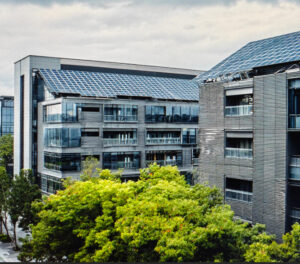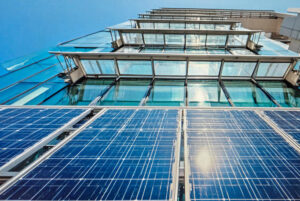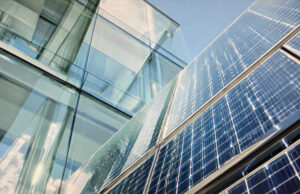
You can pick from three main types of bipv solar energy systems for your building. These are roof-integrated systems, façade and cladding systems, and glazing or semi-transparent modules. Bipv technology lets you use parts of your building like roofs, walls, and windows to make solar energy. It also helps your building look modern. Many architects use bipv for carports, shading structures, and street furniture. Jia Mao Bipv gives solutions that fit your building style and clean energy needs.
| Type of BIPV System | 説明 |
|---|---|
| Roof-integrated systems | PV parts that take the place of roofing materials on pitched or flat roofs. |
| Façade and cladding systems | PV modules used as outside cladding or spandrel panels. |
| Glazing and semi-transparent modules | PV glass or laminates that let daylight in while making power. |
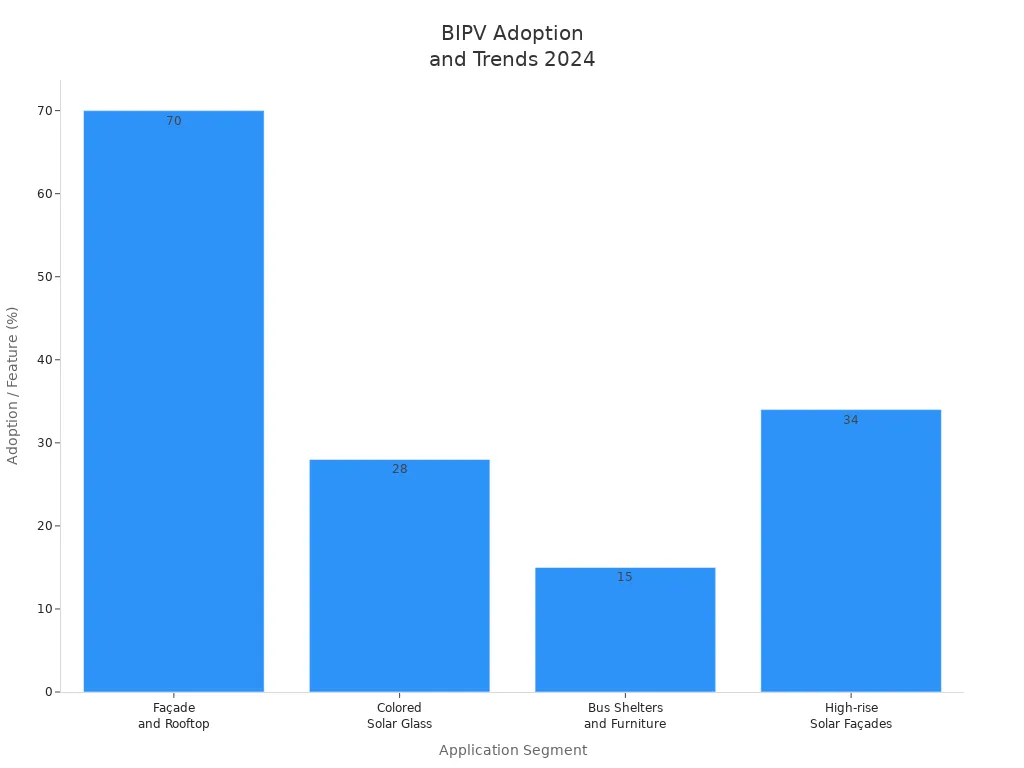
要点
- BIPV systems use solar technology in building parts like roofs, walls, and windows. They give clean energy and make buildings look better.
- Picking the right BIPV system can help lower energy bills. It can also make your property worth more. This makes your building more appealing to buyers.
- BIPV facades and roofs can make more energy than regular systems. This is true in places with lots of sun. It helps get the most energy possible.
- You can choose BIPV panels that fit your building’s style. This keeps your building looking modern and meets energy needs.
- Checking and taking care of BIPV systems often helps them work well for a long time. This keeps your investment safe.
BIPV solar facades
What are building-integrated photovoltaics facades
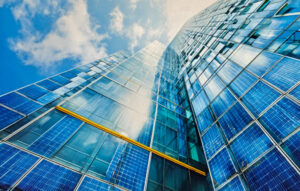
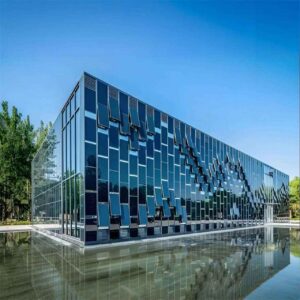
You can make your building’s walls create energy with building-integrated photovoltaics facades. These systems use special panels that fit right into the outside walls. Jia Mao Bipv is a leader in this area. Their products show how you can add solar technology to walls without changing how your building looks. You can put a solar façade on flat or curved walls. Some panels let sunlight come through, like solar windows and skylights. This gives you both energy and daylight.
- Solar facades use thin-film modules for curved or see-through surfaces.
- Solar windows and skylights let in sunlight while making power.
- These systems help your building make electricity from the walls.
How BIPV facades work
A solar façade changes sunlight into electricity. The panels catch sunlight and send the energy to your building’s power system. Results can change based on where your building is. For example, buildings near the equator get more sunlight. Here is a table that shows how location changes efficiency:
| Latitude Range | Efficiency Impact |
|---|---|
| Low Latitude | Lower efficiency because of the sunlight’s angle |
| High Latitude | Higher efficiency from sharp sunlight angles |
| 40-degree range | Better results closer to the equator |
BIPV facades can collect a lot of solar energy. In some cities, facades can make more energy than rooftop systems.
Benefits for building exteriors
There are many good things about using bipv systems on your building’s outside. These panels make clean electricity and help lower your energy bills. They also look nice and can make your building worth more. BIPV can help cut city carbon emissions and protect the environment. Studies show that using both rooftop and facade panels can lower a city’s CO2 by over 35%. You also save money because you use less grid electricity.
| ベネフィット | 説明 |
|---|---|
| Energy Generation | Makes clean power and lowers energy costs |
| Aesthetic Integration | Blends with building design and looks modern |
| Increased Property Value | Makes your building more valuable and attractive to buyers |
Design and customization options
You can match a solar façade to almost any building style. BIPV facades come in many shapes, sizes, and colors. You can pick panels that fit your building’s look. Some panels even change color in the sunlight. Jia Mao Bipv and other brands offer strong and long-lasting modules. You can use these panels to show off your building’s design and make it stand out. BIPV is flexible, so you can meet your energy and design needs.
BIPV solar roofs
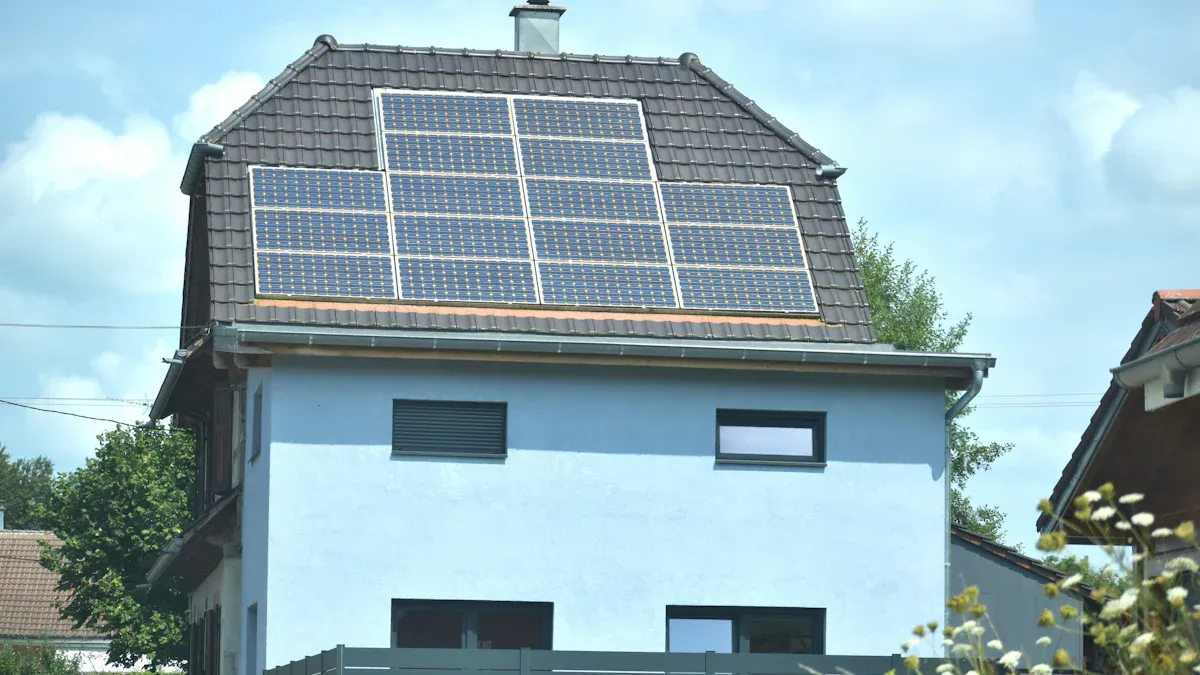
Complete solar roofs and roof tiles
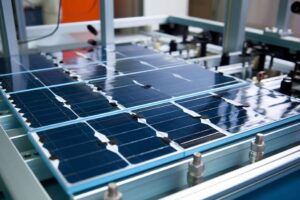
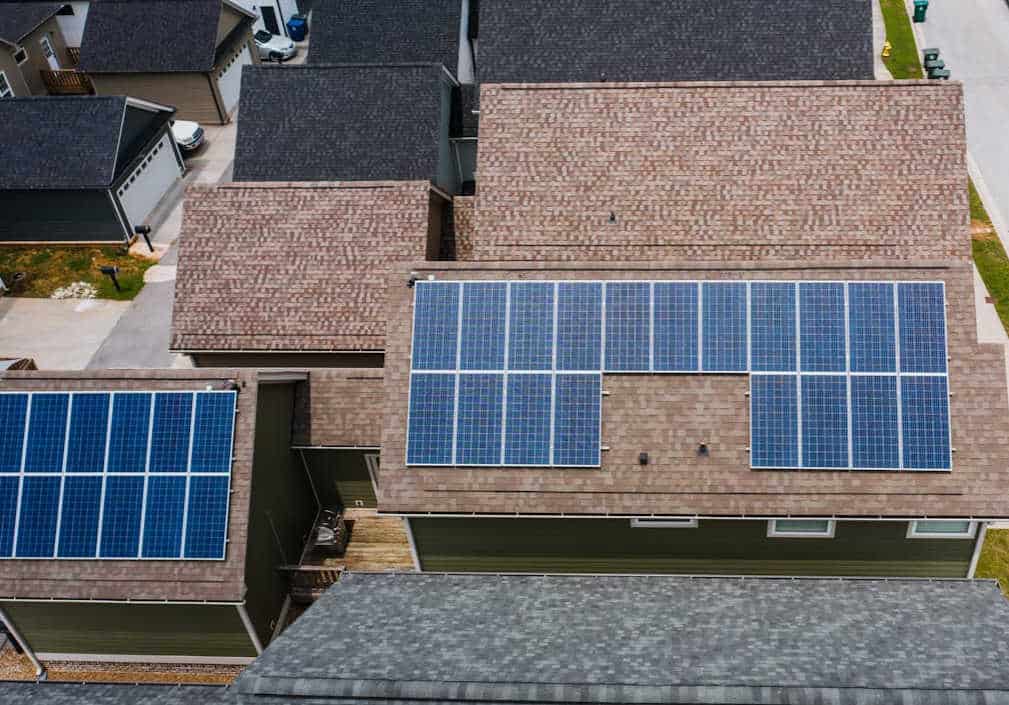
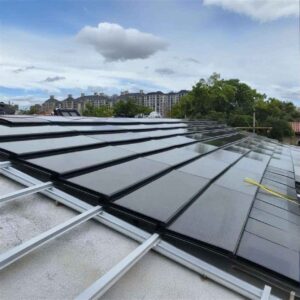
You can power your building with bipv solar roofs that replace regular roofing materials. These roofs use special tiles and panels made from photovoltaics. You get two benefits: a strong roof and clean energy. Solar roof tiles come in many types, such as shingles, laminates, and transparent modules. Some tiles cover the whole roof, while others fit over your existing roof. True bipv systems use tiles that become part of the roof deck. Overlay systems let you install tiles on top of your current roof. Jia Mao Bipv offers both options, so you can choose what works best for your building.
- Solar roof tiles protect your building and make electricity.
- You can pick from shingles, laminates, and transparent panels.
- Some systems replace the whole roof, while others go on top.
Integration methods for BIPV roofs
You can install bipv roofs on new buildings or upgrade older ones. These systems combine waterproofing with energy generation. You get solar technology built into shingles and tiles. Advances in bipv make it easier for you to add solar power to your building. Mitrex and Jia Mao Bipv help you retrofit old roofs and keep your building looking good. You can boost energy efficiency and keep your building safe from leaks.
| アスペクト | 価値 |
|---|---|
| Energy Efficiency Gains | Up to 122% |
| Payback Period | 14–18 years |
| Internal Rate of Return (IRR) | 5.3% – 5.9% |
Tip: Regular monitoring helps you spot problems early and keep your bipv roof working well.
Energy generation and efficiency
Bipv solar roofs can reach conversion efficiencies between 22% and 24%. Some advanced projects go even higher, above 25%. You get strong performance, especially with multi-angle installations. The energy payback time depends on where you live. In Hong Kong, a west-facing bipv system pays back in about 7 years. In the UK, it takes 8 to 12 years. In India, the payback period ranges from 7 to 26 years. If you install your bipv roof in a sunny spot, you get better results.
- Bipv modules reach up to 24% efficiency.
- Some projects go above 25%.
- Payback time depends on location and roof orientation.
Applications: carports and shading structures
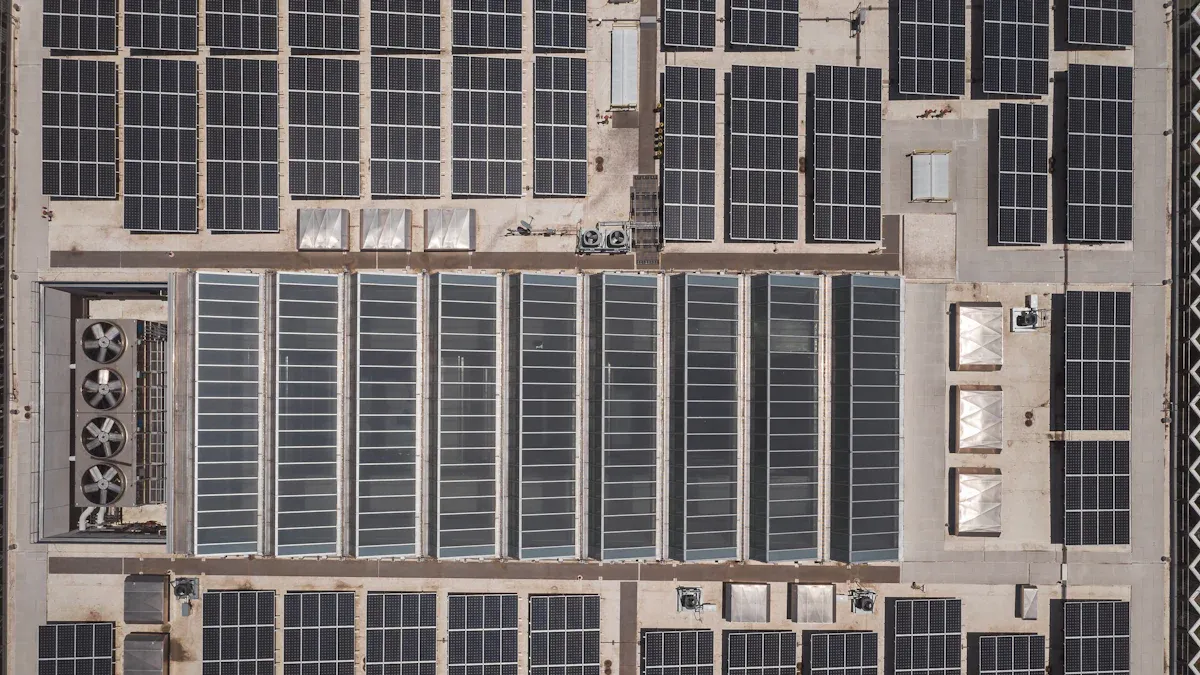
You can use bipv systems for more than just roofs. Carports and shading structures give you extra places to make solar power. If your main roof is not right for solar panels, a bipv carport helps you get the best angle and more energy. Shading structures lower heat gain and make electricity at the same time. Jia Mao Bipv designs carports and shades that match your building style and boost your energy savings.
- Bipv carports add power generation when your roof is not ideal.
- Shading structures cut heat and make clean energy.
- You replace regular materials with solar glass for better performance.
BIPV glazing and windows
Transparent and semi-transparent PV
を使うことができる。 BIPV glazing to make your windows create solar energy. Transparent and semi-transparent PV lets you get sunlight while your windows make power. Many new buildings use these technologies. The table below lists the main choices:
| Technology Type | 説明 |
|---|---|
| Semi-transparent modules | These use special cells or thin layers. They balance light and power. They fit inside laminated glass. |
| Transparent solar blinds | These blinds give shade and make energy at the same time. |
| Curtain-wall facades | These use semi-transparent modules for style and energy. |
| Smart window systems | These mix coatings, sensors, and PV layers for better results. |
You can put 透明ソーラーパネル in windows, facades, and skylights. These panels do not need extra frames, so they are easy to install. They help keep heat inside and block UV rays.
Natural lighting and energy savings
BIPV glazing lets sunlight fill your rooms. This makes spaces bright and cozy. You get natural light and lower energy bills. BIPV replaces regular materials, so you keep daylight and make power. This can cut your electricity bills by 40-70%. You may also save 10-30% on total energy. The table below shows these benefits:
| アスペクト | 説明 |
|---|---|
| Natural Lighting | Lets sunlight in, makes rooms nicer, and creates electricity. |
| Energy Savings | Cuts bills by up to 70%, with total savings of 10-30%. |
| Functionality | Works as daylight bridges and power makers for net-zero buildings. |
Photovoltaic glazing lowers your need for grid power and blocks solar heat. This helps you save even more energy. You get an eco-friendly look and spend less on materials.
Tip: The transparency of semi-transparent BIPV windows changes how much daylight and power you get. More transparency gives you more light but less energy. You need to find the right balance.
Use cases for BIPV glazing
You can use BIPV glazing in many kinds of buildings. In homes, you can swap regular windows or roofs for solar windows. For example, the ‘Energy Roof‘ in France uses PV modules with roof tiles for style and power. In offices, big glass areas help you make more energy and show you care about the planet. Apple Park Headquarters uses BIPV modules on its roof and glass walls. Modern glass curtain walls also use BIPV, like the Shenzhen International Convention and Exhibition Center.
| Use Case Type | Application Scenario | Case Study Description |
|---|---|---|
| Residential Buildings | BIPV in roofs, windows, or walls replaces regular materials. | ‘Energy Roof’ in France mixes PV modules with tiles for style and energy. |
| Commercial Buildings | Large roof or wall areas use BIPV for power and a green image. | Apple Park Headquarters uses BIPV modules on roof and glass walls. |
| Glass Curtain Wall | BIPV fits modern glass buildings, putting modules into window glass. | Shenzhen International Convention and Exhibition Center uses PV in its facade. |
BIPV glazing makes buildings look modern and feel comfortable. You get better energy use and a stylish design. Jia Mao Bipv gives solutions that meet safety, fire, and weather rules. You can enjoy a nice space and a cool building.
Comparing BIPV solar energy systems
Key features and benefits
You have different bipv solar energy systems to pick from. Each one has special features and good points. These systems make electricity right at your building. This means less energy is lost when moving power. Bipv fits into roofs, walls, and windows, so it looks nice. You can choose the size, shape, and color you want. Jia Mao Bipv has options for many building styles.
- Bipv solar energy systems make clean power from your building.
- You can change bipv materials to fit your design.
- These systems often take the place of regular building materials and save money over time.
Limitations and considerations
There are some things to think about before you choose bipv. Bipv modules can get hotter than normal panels. This can make them work less well and not last as long. Amorphous silicon breaks down faster when it gets hot. Bipv usually makes less power than regular panels of the same size. They use less semiconducting material. Sunlight angle and nearby buildings can block light and lower power. You need to follow solar and building rules, which can make installing harder. Construction and solar rules are not always the same, so you must plan well.
Note: Always check your local building and solar rules before you put in bipv solar energy systems.
Best use cases for each type
Each bipv solar energy system works best for certain buildings and climates. The table below shows where each type is a good fit:
| Use Case | Building Type | Climate Type | メリット |
|---|---|---|---|
| BIPV Façades | Commercial Buildings | Hot Climates | Makes renewable energy, helps the planet, lowers CO2, and cuts heat islands. |
| BIPV Roofs | Residential Buildings | Hot Climates | Raises energy efficiency, helps reach net-zero, fits many roof styles. |
| BIPV Glazing | Mixed-Use Buildings | Hot Climates | Gives natural light, saves energy, and makes buildings look better. |
Bipv solar energy systems work well in hot places and on many buildings. The price of these systems has gone down over time. The chart below shows how costs have changed:
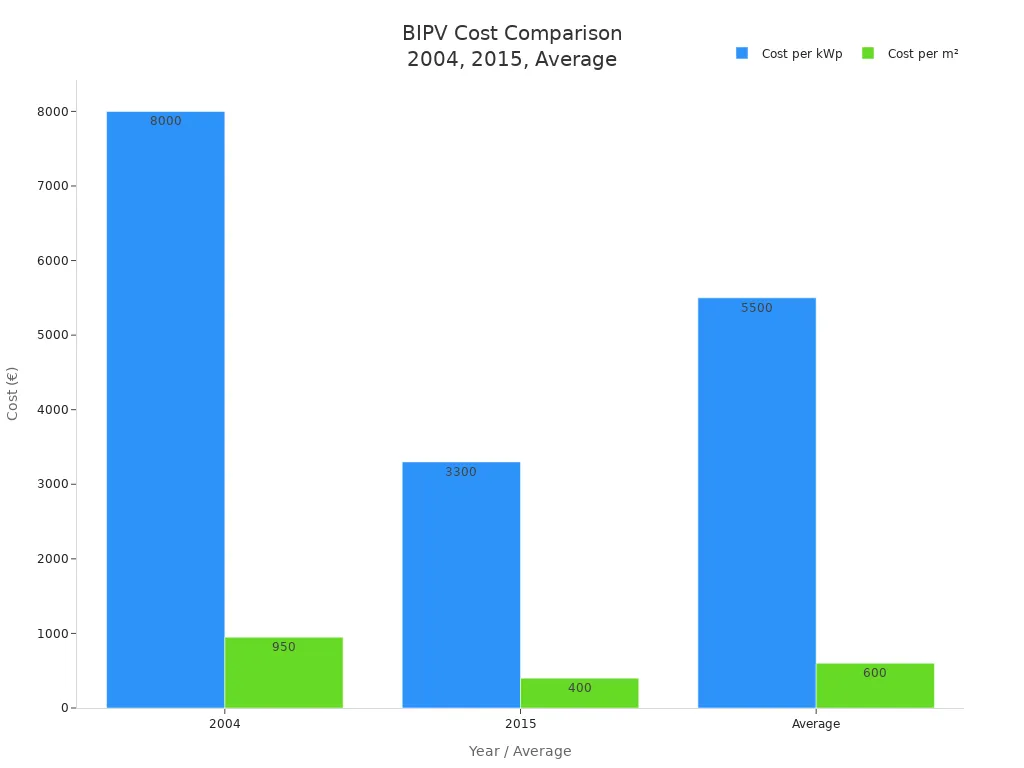
You can get your money back in 4 to 11 years. Bipv solar energy systems help you use less carbon and make your building look new.
You can pick from three main BIPV solar energy systems. These are facades, roofs, and glazing. Each type has special benefits for your building. The table below lists key things to help you choose the right BIPV system for your needs.
| Factor | 説明 |
|---|---|
| Integration with Architectural Design | Makes BIPV panels look nice and fit your building. |
| Material Selection | Lets you pick strong and good-looking materials. |
| Optimal Solar Orientation | Helps you get the most sunlight for energy. |
| Customization | Gives you choices for unique designs. |
| Performance Monitoring | Makes sure your system keeps working well. |
| メンテナンス | Helps you plan for fixing and checking your system. |
- Jia Mao Bipv can help you pick the best system for your building.
- You can talk to experts like the BUILD UP platform or the Architectural Solar Association for help.
よくあるご質問
What is BIPV and how does it work?
BIPV stands for Building-Integrated Photovoltaics. You use BIPV panels as part of your building’s roof, walls, or windows. These panels turn sunlight into electricity. Jia Mao Bipv offers products that fit your building and help you save energy.
Can you install BIPV on old buildings?
You can add BIPV systems to older buildings. Jia Mao Bipv designs modules for retrofits. You replace old materials with solar panels. This upgrade helps you lower energy bills and modernize your building.
How do BIPV systems affect building design?
BIPV systems give you many design choices. You pick colors, shapes, and sizes. Jia Mao Bipv lets you match panels to your building style. You create a modern look and boost energy savings.
Are BIPV systems safe and durable?
You get strong and safe panels with BIPV. Jia Mao Bipv tests products for fire, weather, and impact resistance. These panels last many years and protect your building.


-300x300.jpg)