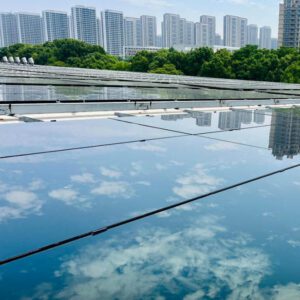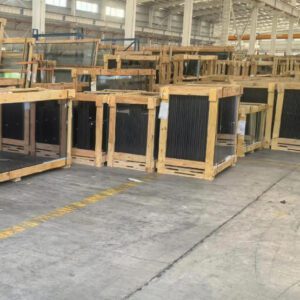
As solar technology evolves, distributors and sellers face a critical decision: whether to stock traditional photovoltaic panels or invest in emerging solar glass solutions. This comprehensive comparison analyzes the latest IEA PVPS trends, performance metrics, cost structures, and market positioning to help you understand which technology offers the best ROI for your distribution business in 2025.
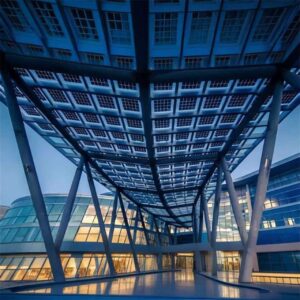
 A modern commercial building with BIPV solar glass integrated into the building envelope — the defining image of where the solar industry is heading in 2025. | Photo: Unsplash
Introduction: The Solar Market Inflection Point
The global solar industry just crossed a threshold that would have seemed impossible five years ago. According to the IEA PVPS Snapshot 2025 report, cumulative photovoltaic capacity surpassed 2.2 terawatts worldwide at the end of 2024 — up from 1.6 TW in 2023, with over 600 GW of new capacity commissioned in a single year. For the first time in history, solar PV supplied more than 10% of global electricity consumption.
But here’s what the headline numbers don’t tell you: the market is bifurcating. Traditional solar panels are becoming commoditized, with razor-thin manufacturer margins evidenced by JinkoSolar’s 7.3% gross profit margin in Q3 2025. Meanwhile, Building-Integrated Photovoltaics (BIPV) — the category that includes solar glass, photovoltaic facades, and solar roof tiles — is posting a 15–18% CAGR and attracting premium project budgets that commodity panel distributors simply cannot access.
For distributors, agents, and EPC contractors operating in the solar space, 2025 is not the year to keep doing what you’ve always done. The following analysis will give you the strategic intelligence, performance data, and financial modeling you need to make the right call.
Understanding the Solar Glass Revolution in 2025
What is Building-Integrated Photovoltaics (BIPV)?
Definition and Core Technology Characteristics
Building-Integrated Photovoltaics, or BIPV, refers to photovoltaic materials that are used to replace conventional building materials in parts of the building envelope — such as the roof, skylights, facades, and curtain walls. Unlike a traditional rooftop solar system that sits on top of a building, BIPV is physically and functionally part of the building itself.
The technology works by embedding photovoltaic cells — most commonly monocrystalline silicon — directly into laminated glass panels or roofing tile substrates. The resulting product simultaneously performs as a structural or aesthetic building material and generates electricity from sunlight. Key technical parameters include light transmittance (typically 10–70% for glass applications), power output density (measured in Wp/m²), and thermal performance ratings that comply with both IEC PV standards and architectural glazing standards.
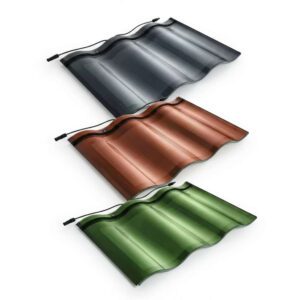
BIPV is not a single product — it is a product category that includes transparent photovoltaic glass, semi-transparent spandrel panels, opaque facade cladding with embedded cells, solar roof tiles, and photovoltaic skylights. Each sub-type serves a different architectural function and appeals to a different buyer segment.
How BIPV Differs Fundamentally from Traditional Rooftop Installations
The distinction goes far beyond aesthetics. Traditional PV panels are balance-of-system components — they generate electricity, full stop. Their value proposition is measured almost entirely in watts per dollar. A building owner installing a traditional rooftop system is making a pure energy investment, and price per watt is the dominant decision criterion.
BIPV, by contrast, eliminates the cost of the building material it replaces. A glass curtain wall that generates electricity is not being compared against a standard solar panel — it is being compared against the glazing system it replaces plus any separately mounted PV system. When a commercial developer considers a BIPV facade, they are evaluating a combined glazing-plus-energy-generation value proposition. This fundamentally changes how the product is sold, who makes the purchase decision, and what the relevant competitive benchmark is.
This dual-value structure is the single most important insight for any distributor looking to add BIPV to their portfolio: you are not just entering the solar market — you are entering the architectural materials market.
Why This Comparison Matters for Your Distribution Business
Market Growth Projections for BIPV vs. Conventional Panels
The numbers make a compelling case. According to MarketsandMarkets, the global BIPV market was valued at USD 12.49 billion in 2024 and is projected to reach USD 27.41 billion by 2029 — a CAGR of approximately 17%. Separate data from Fortune Business Insights places the 2025 market value at USD 23.41 billion, with growth to USD 28.33 billion in 2026 alone. The BIPV glass sub-segment is even more striking: Vantage Market Research estimates it at USD 4.6 billion in 2025, growing to USD 24.1 billion by 2035 at an 18.1% CAGR.
Traditional panel markets, by contrast, are growing through volume rather than value. The IEA PVPS data confirms continued deployment growth, but manufacturer margins have been under severe pressure from Chinese overcapacity and price competition. For a distributor, this translates to a market where the revenue opportunity per square meter is growing in BIPV and stagnating in traditional panels.
Emerging Customer Demand Patterns Among Installers and Builders
The demand signal from the field is equally clear. Architects and commercial developers — particularly those working on net-zero or LEED-certified projects — are increasingly specifying BIPV products in their project designs rather than treating solar as an add-on. Building codes in Northern Europe, Singapore, South Korea, and parts of North America are beginning to mandate energy-generating envelope components in new commercial construction. In these markets, a distributor without a credible BIPV offering is invisible to the most valuable project pipelines.
Performance Metrics Head-to-Head
Efficiency Ratings and Real-World Output
Laboratory Efficiency Benchmarks (Latest IEA PVPS Data)
Efficiency is the metric most often cited when comparing these two technology families, and it is also the metric most frequently misunderstood. Premium monocrystalline traditional panels currently achieve 18–22% module efficiency in laboratory conditions, with the highest-performing residential panels pushing 23%+ (Energy Sage reports CW Energy’s 450W panel at 23.04% efficiency in 2026 testing). Standard BIPV glass products, by contrast, currently range from 10–18% efficiency, depending on cell type, glass transmittance level, and embedded cell density.
The efficiency gap is real — but context matters enormously. A BIPV glass panel at 14% efficiency that replaces opaque spandrel glass in a curtain wall is being deployed on a surface that would have generated zero electricity without BIPV. The relevant comparison is not “14% vs. 22%” — it is “14% vs. 0%.”
Field Performance Analysis: Degradation Rates and Longevity
In long-term field performance, the picture becomes more nuanced. Research published in Scientific Reports found that monocrystalline PV modules degrade at an average annual rate of approximately 1.55% after 11 years of outdoor operation. More recent IEA PVPS T13 degradation studies report rates ranging from 0.5–0.9% per year for well-manufactured crystalline silicon modules in favorable climates.
BIPV products, particularly those using double-layer encapsulation structures and POE (Polyolefin Elastomer) encapsulant films, are demonstrating comparable degradation profiles in field testing. Manufacturers like Jia Mao BIPV specify a 25-year performance warranty for their photovoltaic glass products, backed by an encapsulation process that reportedly improves UV aging resistance by 40% compared to standard EVA films. The key differentiator is not which technology degrades faster — it is whether the BIPV product was manufactured to architectural-grade durability standards, not just solar panel standards.
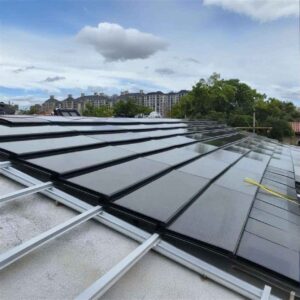
 Traditional rooftop PV installations on commercial warehouses remain the dominant deployment model globally — but their margin contribution for distributors is under increasing pressure. | Photo: Unsplash
Power Density and Space Utilization
Watts-per-Square-Meter Comparisons Across Product Categories
The following table provides a comparative snapshot of power density and key specifications across the main product categories relevant to distributors in 2025:
| Product Category | Typical Efficiency | Watt-peak/m² | Primary Deployment | Avg. Wholesale Price (USD/Wp) |
|---|---|---|---|---|
| Premium Monocrystalline Panel | 20–23% | 200–230 Wp/m² | Rooftop, ground-mount | $0.18–$0.28 |
| Standard Poly/Mono Panel | 17–20% | 170–200 Wp/m² | Utility, commercial roof | $0.13–$0.20 |
| BIPV Opaque Facade Panel | 16–19% | 160–190 Wp/m² | Spandrel, cladding | $0.45–$0.75 |
| BIPV Semi-transparent Glass | 12–16% | 80–130 Wp/m² | Curtain wall, skylights | $0.65–$1.10 |
| BIPV Transparent Glass | 8–14% | 50–100 Wp/m² | Windows, canopies | $0.90–$1.50 |
| Solar Roof Tiles | 15–18% | 100–150 Wp/m² | Premium residential roof | $0.80–$1.40 |
Sources: Jia Mao BIPV product specifications, MarketsandMarkets BIPV report 2024–2029, IEA PVPS Trends 2025.
Architectural Integration Advantages of Solar Glass Solutions
The watts-per-square-meter table tells only part of the story. Traditional panels can only be deployed on available, unshaded roof or ground area. BIPV glass converts vertical facade area — the largest surface area of most commercial buildings — into an electricity-generating asset. A 20-story office tower with a curtain wall facade might have 3,000–5,000 m² of south-facing glass area that, converted to BIPV, generates meaningful on-site power with zero additional footprint requirement.
This spatial arbitrage is one of BIPV’s most underappreciated commercial advantages: it doesn’t compete for the same physical space as rooftop solar — it monetizes surface area that conventional solar simply cannot reach.
Environmental Conditions and Climate Adaptability
Temperature Coefficient Performance in Various Climates
Temperature coefficient is the percentage by which a panel’s power output decreases for every degree Celsius above 25°C (Standard Test Condition). This is a critical spec for distributors operating in hot-climate markets including Southeast Asia, the Middle East, India, and Australia.
Standard monocrystalline panels typically carry a temperature coefficient of -0.35% to -0.45%/°C. High-performance HJT (Heterojunction Technology) cells achieve as low as -0.25%/°C. In a climate where module surface temperatures regularly reach 55–65°C, this difference represents a 7.5–10% real-world performance gap between product types.
Research published in MDPI’s Buildings journal (Zhang et al., 2025) found that BIPV surface temperatures in facade-mounted configurations averaged 15.7°C higher than ambient due to reduced rear ventilation compared to rack-mounted systems. This has led BIPV manufacturers to develop ventilated cavity mounting systems that allow air circulation behind the glass unit, partially mitigating the thermal penalty. Jia Mao BIPV addresses this through low-temperature coefficient cell materials designed for stable performance in high-temperature environments — a specification that becomes a genuine sales differentiator in tropical and subtropical markets.
Weather Resistance and Durability Testing Results
BIPV products are subjected to a more rigorous certification gauntlet than standard solar panels because they must satisfy both PV performance standards (IEC 61215, IEC 61730) and architectural glazing standards (including wind load resistance, impact resistance, and fire ratings). IEC 63092-1:2020 is the dedicated BIPV module standard that addresses the intersection of building material requirements and photovoltaic performance.
Jia Mao BIPV’s tempered ultra-clear glass, for instance, is tested to a wind pressure resistance of 4.0 kPa — meeting architectural curtain wall engineering standards. The double-layer encapsulation structure is specifically engineered to prevent PID (Potential Induced Degradation) effects that can accelerate performance loss in high-humidity coastal environments. For distributors serving markets with typhoon or hurricane exposure, this kind of independently verifiable structural certification is not optional — it is a non-negotiable requirement for project specification.
Cost-Efficiency Analysis for Distributors
Initial Capital Investment and Procurement Costs
Wholesale Pricing Trends for 2025 (Traditional Panels vs. BIPV)
The wholesale pricing landscape in 2025 reflects the diverging trajectories of both technologies. Traditional monocrystalline panels have continued their multi-year price decline, with spot prices in some markets dropping to $0.13–$0.20/Wp at scale. This compression benefits volume buyers but has eroded distributor margins to levels where many mid-tier distributors are struggling to remain profitable on traditional panels alone.
BIPV products command a fundamentally different price structure. Market research estimates BIPV solutions cost 20–40% more per watt than premium traditional panels, but this comparison is misleading in isolation. Because BIPV replaces conventional building materials (glass, cladding, roofing) while generating electricity, the relevant cost comparison for end customers is the delta between BIPV cost and the combined cost of conventional material plus separately mounted PV.
For distributors, the margin opportunity is significantly more attractive: BIPV gross margins typically range from 25–40% at the distribution level, compared to 15–25% for commodity traditional panels, and the price compression dynamics that have decimated traditional panel margins have not yet reached BIPV product categories.
Volume Discount Structures and Supply Chain Economics
Traditional panel volume discounts are well-established: tier-based pricing typically kicks in at 500 kWp, 1 MWp, and 5+ MWp order volumes, with discounts of 3–8% per tier. BIPV supply chains are currently less commoditized, which means project-by-project negotiation is more common and relationship-based pricing with manufacturers carries more weight.
Distributors who establish exclusive territory agreements or preferred distributor status with BIPV manufacturers while the market is still developing will be structurally advantaged when the market scales. The window for these preferential agreements is narrowing as more distributors recognize the opportunity.
Installation and Labor Cost Implications
Complexity Differences Affecting Your Installer Network Margins
Installation labor costs represent a larger proportion of total project cost for BIPV than for traditional panels. A standard rooftop solar installation by an experienced crew can be completed at a cost of $0.10–$0.20/Wp for labor. BIPV facade and curtain wall installations require coordination between glazing subcontractors, structural engineers, and electricians — labor costs can range from $0.25–$0.60/Wp depending on complexity.
This has a direct implication for how you structure your installer network. Distributors who train and certify installation partners for BIPV work create a defensible competitive moat: your customers can’t simply switch to a cheaper supplier without losing access to the trained installer relationships you’ve built. This installer lock-in effect is one of the most strategically valuable outcomes of investing in BIPV distribution.
Training and Certification Requirements for BIPV Products
BIPV installation training covers a materially different skill set than standard solar installation. Installers need to understand curtain wall engineering principles, waterproofing and thermal bridging requirements, and the structural load calculations needed for building permit approval. In some jurisdictions, BIPV projects require a licensed professional engineer to stamp the structural drawings — a requirement that has no equivalent in standard rooftop solar.
For distributors, this creates both a barrier and an opportunity. Building a certified installer network requires upfront investment in training programs and technical documentation. However, once built, this network becomes a recurring channel that drives repeat BIPV business and creates meaningful switching costs for your installer customers.
Total Cost of Ownership (TCO) for End Customers
How TCO Impacts Your Sales Positioning and Customer Lifetime Value
The TCO conversation is where distributors who understand BIPV’s value proposition win against competitors who sell on per-watt price alone. A traditional panel system installed at $0.60/Wp (all-in) with a 7-year payback generates electricity at approximately $0.04–$0.07/kWh over its useful life. It also requires ongoing cleaning, periodic inverter replacement, and eventual panel decommissioning.
A BIPV facade installed at $180–$320/m² (a range reported by Industry Research Biz for 2024 BIPV installations) replaces conventional glazing that would have cost $80–$150/m², generates electricity throughout the building’s 40–50 year lifespan, reduces HVAC loads through solar heat management, and eliminates the separate cost of a rooftop PV system. When all these factors are modeled in a TCO framework, BIPV’s higher upfront cost frequently results in a comparable or better 25-year net present value than the combination of conventional materials plus traditional solar.
Warranty and Maintenance Cost Comparisons
| Warranty / Maintenance Parameter | 伝統的なパネル | BIPV Solar Glass |
|---|---|---|
| Performance warranty | 25 years (typically 80% output retention) | 25 years (80% output retention) |
| Product/materials warranty | 10~15年 | 10–25 years (dual: PV + structural) |
| Annual maintenance cost estimate | $10–$20/kWp | $5–$15/kWp (integrated into building maintenance) |
| Glass breakage coverage | N/A | Available from manufacturers |
| Cleaning frequency | Twice yearly (typical) | Varies; self-cleaning coatings reduce frequency by ~30% |
Note: Verify specific warranty terms directly with manufacturers, as coverage structures vary significantly.
Real-World Applications and Market Segments
Traditional PV Panels: Where They Still Dominate
Residential Rooftop Installations and Ground-Mounted Arrays
Traditional panels remain the unambiguous choice for cost-sensitive, purely energy-focused deployments. A homeowner installing a 10 kWp system to reduce electricity bills, a commercial warehousing company covering 5,000 m² of flat roof with a 500 kWp system, a utility developer commissioning a 50 MWp ground-mounted farm — all of these use cases favor traditional panels because the dominant metric is cost-per-kilowatt-hour generated, aesthetics are irrelevant, and the installer base is large and competitive.
According to IEA PVPS 2025 data, utility-scale PV led global installations in 2024, and this category will continue to absorb the majority of new capacity additions through 2030. Distributors serving contractors, EPCs, and IPPs (Independent Power Producers) in these segments should maintain traditional panels as their core volume product.
Utility-Scale Solar Farms and Commercial Warehouse Applications
In utility-scale and large commercial rooftop segments, procurement is driven by module efficiency, bankability of the manufacturer, and logistics reliability. Margins are thin, competition is intense, and the winning strategy is operational excellence: reliable supply chains, competitive pricing tiers, and fast delivery. These are not markets where product differentiation beyond certification and price is easily achieved.
Solar Glass (BIPV): Emerging High-Value Applications
Architectural Facades and Building Envelope Integration
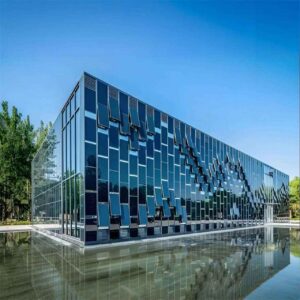
The commercial building facade market is where BIPV creates the most compelling value proposition. A developer constructing a class-A office tower with a glass curtain wall has already budgeted for architectural glazing. Upgrading that glazing specification to BIPV glass adds electricity generation capability with a marginal cost increase that is frequently recovered within the project economics — particularly when public building energy codes mandate on-site generation.
The BIPV facade market was valued at $4.1 billion in 2024 and is projected to reach $28.3 billion by 2034 at a 21.3% CAGR (Market.us research). This is the fastest-growing sub-segment within BIPV and the one with the highest per-project revenue potential for distributors.
Transparent Canopies, Skylights, and Greenhouse Applications
Transparent and semi-transparent BIPV glass opens entirely different application categories. Transit canopies, parking structure roofs, sports facility skylights, retail atrium roofing, and commercial greenhouse glazing all represent deployments where natural light transmission is non-negotiable — making traditional opaque panels completely unsuitable.
Jia Mao BIPV’s transparent photovoltaic glass achieves up to 91.5% light transmittance in ultra-clear configurations while still generating electricity, with multiple transparency options from 10% to 90% to match specific architectural requirements. In greenhouse applications, this technology enables growers to generate solar power from their structure’s roof without blocking the photosynthetically active radiation (PAR) that crops require.
Smart Building and Net-Zero Construction Projects
The net-zero building movement is arguably the most powerful demand driver for BIPV in the medium term. Net-zero buildings are required to generate as much energy as they consume on an annual basis. For multi-story commercial buildings where rooftop area is insufficient to meet this target, envelope-integrated PV — facades, spandrel panels, and skylights — provides the additional generation surface needed to reach the net-zero threshold.
The IEA has predicted that BIPV will account for over 30% of new PV capacity by 2030 as building energy codes tighten globally. Distributors who are positioned in the BIPV market before this mandate-driven wave arrives will be operating from a structural advantage over latecomers.

Hybrid Deployment Strategies
Mixed-Technology Solutions for Maximum Market Capture
The most commercially sophisticated distributors in 2025 are not choosing between traditional panels and BIPV — they are building portfolios that deploy both technologies optimally based on project type. A commercial developer might install traditional high-efficiency panels on their flat roof (maximizing kWp at lowest cost per watt) while specifying BIPV glass for the building’s south-facing facade (adding generation capacity on vertical surfaces while meeting architectural requirements). This hybrid approach optimizes the total energy harvest while managing project economics.
For your distribution business, offering both product families positions you as a complete solar solutions provider rather than a commodity product supplier. This expands the scope of projects you can address and increases average transaction values.
Customer Segmentation: When to Recommend Each Technology
Understanding which technology to recommend for which customer is a core competency that separates high-performing solar distributors from order-takers. The following segmentation framework can guide your sales team’s positioning:
- Cost-sensitive residential/light commercial: Traditional monocrystalline panels — maximize kWp per dollar, prioritize payback period.
- Commercial warehouses and logistics parks: Traditional panels for rooftop with optional BIPV for entrance canopies or facade accent features.
- New commercial construction projects: BIPV-first conversation — engage the architect and developer early, position as material replacement + energy generation.
- Net-zero and LEED/BREEAM certified projects: BIPV as a requirement, not an option; position as a compliance enabler.
- Premium residential and luxury hospitality: Solar roof tiles and transparent BIPV glass — aesthetic integration at a price premium.
- Agricultural and greenhouse applications: BIPV transparent glass — the only viable solar option where light transmission is critical.
IEA PVPS Trends and Market Intelligence
Global Market Share Evolution (2024–2025)
Regional Adoption Patterns and Growth Hotspots
The IEA PVPS Snapshot 2025 provides a detailed picture of where global PV capacity is concentrating. China alone installed up to 357.3 GW in 2024, accounting for nearly 60% of new global capacity. Outside China, the European Union added 62.6 GW, the USA added 47.1 GW, and India added 31.9 GW. Pakistan emerged as an unexpected growth market with an estimated 17 GW installed, while Brazil installed 14.3 GW.
For BIPV specifically, the highest adoption rates are in Northern Europe (driven by building energy codes), Singapore and South Korea (premium construction density), and select markets in Germany and the Netherlands (policy incentives for building-integrated renewables). North America’s BIPV market is accelerating, driven by LEED certification demand and state-level building energy codes in California, New York, and Massachusetts.
Forecast Projections for the Next 5-Year Period
Global BIPV Market Size Projections (USD Billion)

Year    | Conservative | Base Case | Aggressive
--------|-------------|-----------|----------
2025    |    23.4     |   31.1    |   39.0
2026    |    27.0     |   36.0    |   46.0
2027    |    31.2     |   41.7    |   54.5
2028    |    36.0     |   48.3    |   64.6
2029    |    41.6     |   55.9    |   76.5
2030    |    48.1     |   64.8    |   90.5

Sources: MarketsandMarkets, IMARC Group, Coherent Market Insights (2025 estimates)
Technology Advancement Trajectories
Perovskite and Tandem Cell Innovations Affecting Both Segments
The next major efficiency leap in solar technology is coming from perovskite-silicon tandem cells, which have now achieved a verified 34.85% efficiency in laboratory conditions (as of April 2025) and are approaching commercial production readiness. Oxford PV shipped the first 24.5%-efficient commercial perovskite modules in late 2024, and volume production from major manufacturers is expected from 2027 onward.
For traditional panel distributors, this means the current generation of 20–23% efficient monocrystalline products faces potential disruption within a 3–5 year window. For BIPV, perovskite technology is potentially transformative: the manufacturing process for perovskite cells is more compatible with glass-substrate deposition than silicon wafer technology, meaning BIPV glass could eventually host tandem cells and close the efficiency gap with traditional panels while maintaining architectural aesthetics.
Manufacturing Scale-Up and Cost Reduction Roadmaps
BIPV manufacturing costs have been declining at approximately 8–12% per year as production scales and process automation improves. Jia Mao BIPV’s 3 GW annual production capacity with automated laminator lines and intelligent MES (Manufacturing Execution System) production management represents the kind of manufacturing investment that is driving per-unit cost reductions. As volumes increase and second-generation BIPV products reach the market, the per-watt premium versus traditional panels is expected to narrow from the current 20–40% to 10–20% by 2028.
Policy and Incentive Landscape
Building Codes and BIPV Regulatory Advantages
Policy tailwinds for BIPV are strengthening across multiple major markets. The EU’s Energy Performance of Buildings Directive (EPBD) revision, which became law in 2024, requires all new commercial buildings in EU member states to be equipped with solar energy by 2028, and new residential buildings by 2030. This mandate effectively creates a mandatory BIPV or rooftop solar requirement for all new European construction — a regulatory catalyst that will drive billions in new BIPV procurement.
In the United States, California’s Title 24 building energy standards and the growing adoption of LEED v4.1 certification requirements are creating de facto BIPV demand in premium construction markets. UL 7103 is now the reference safety standard for BIPV roofing products in the 2021 IBC/IRC editions, providing a clear certification pathway for distributors and their project teams.
Subsidy Programs and ROI Enhancement Mechanisms
Many jurisdictions offer investment tax credits, feed-in tariffs, or green building incentives that apply to BIPV installations. In the United States, the Inflation Reduction Act’s Investment Tax Credit (ITC) of 30% applies to BIPV systems installed on commercial buildings. In Germany, the KfW 261 program provides low-interest financing for BIPV projects meeting specific energy performance criteria. These incentive structures can meaningfully improve end-customer ROI calculations and reduce the effective payback period for BIPV from 8–12 years to 6–9 years, making the financial case easier for your sales team to build.
Competitive Positioning for Your Sales Strategy
Differentiation Opportunities in Your Market
High-Margin BIPV Products vs. Commoditized Traditional Panels
The strategic reality facing solar distributors in 2025 is stark: traditional panel distribution is becoming a logistics and procurement efficiency game, where the winners are large-volume operators with the best supply chain economics. If your business model depends on product margin rather than operational scale, traditional panels alone are an increasingly difficult path.
BIPV products, by contrast, are still in a phase where product knowledge, application expertise, and manufacturer relationships create genuine competitive differentiation. A distributor who can walk into an architectural meeting, specify the right BIPV glass for a curtain wall project, and deliver a certified product with a credible 25-year warranty is adding value that justifies premium pricing — and margins of 25–40% rather than 12–20%.
Bundling Strategies and Solution-Based Selling Approaches
The highest-value positioning for a BIPV distributor is as a total building envelope energy solution provider rather than a product supplier. This means bundling BIPV glass products with mounting systems, inverters, monitoring solutions, and technical support services. When your customer is buying a complete system with one point of responsibility rather than assembling components from multiple suppliers, price sensitivity decreases and customer loyalty increases.
Explore Jia Mao BIPV’s complete product range, which includes transparent photovoltaic glass, solar roof tiles, photovoltaic floor tiles, PV glass railings, and compatible inverter and bracket systems — the building blocks for a comprehensive bundled solution portfolio.
Customer Education and Objection Handling
Addressing Efficiency Concerns About Solar Glass Solutions
The most common objection you will encounter when positioning BIPV glass to customers familiar with traditional panels is the efficiency question: “If BIPV glass is only 12–16% efficient versus 20%+ for premium panels, why would I pay more for it?”
The effective response reframes the comparison entirely. Efficiency is only a meaningful metric when comparing two products competing for the same surface area. BIPV glass is deployed on vertical facades, skylights, and canopies where traditional panels cannot go. The correct question is not “which is more efficient?” but “how much electricity could this building surface generate if we used BIPV glass vs. doing nothing with it?” The answer makes the efficiency objection irrelevant in most real-world architectural applications.
For applications where both technologies genuinely compete — such as rooftop installations — the TCO conversation (replacing conventional roofing material while generating power) addresses the per-watt cost premium in economic terms rather than technical terms.
Demonstrating Aesthetic and Functional Benefits to Architects and Developers
Architects are not buying watts — they are designing buildings. Your sales conversation with an architect needs to emphasize design flexibility, material certification, customization options, and reference projects. Bring samples that demonstrate different transparency levels and cell patterns. Show Jia Mao BIPV’s customization capabilities — size, color, light transmittance from 10% to 90%, and custom architectural patterns — and position this flexibility as a design tool, not a technical specification.
Inventory Management and Risk Mitigation
Supply Chain Volatility and Procurement Timing Strategies
Traditional solar panel supply chains have experienced significant volatility over the past several years, driven by polysilicon supply constraints, anti-dumping tariffs in the US and EU, and Chinese manufacturing overcapacity creating unpredictable pricing swings. The IEA’s solar supply chain analysis noted that commodity price disruptions have led to spot panel price increases of 20%+ within single quarters — a risk that must be factored into procurement planning.
For BIPV products, supply chains are somewhat less volatile because the product category is less commoditized and procurement is more project-specific rather than spot-market driven. However, BIPV lead times are typically longer: 8–16 weeks for standard products and up to 20+ weeks for custom dimensions or special coatings. Building these lead times into your project quoting and customer communication is essential.
Portfolio Balancing Between Proven and Emerging Technologies
A practical inventory allocation for a distributor entering the BIPV market in 2025 is a 70/30 split: approximately 70% of capital and shelf space allocated to traditional panels (which provide cash flow volume and serve the largest segment of current customer demand) and 30% to BIPV products (which provide higher margins and future growth positioning). As your installer network develops BIPV competency and your project pipeline grows, this ratio can shift toward 60/40 or 50/50 within 18–24 months.
 Premium residential BIPV solar roof tile installations represent one of the highest-margin application categories for specialized distributors. | Photo: Unsplash
Supply Chain and Logistics Considerations
Sourcing and Supplier Relationships
Key Manufacturers and Their 2025 Product Roadmaps
The BIPV manufacturing landscape in 2025 includes a mix of large traditional panel manufacturers that have added BIPV product lines and dedicated BIPV specialists. Key manufacturers include:
- Shanghai Jia Mao New Energy Technology (Jia Mao BIPV): Dedicated BIPV manufacturer with 3 GW annual capacity, offering transparent PV glass, solar roof tiles, PV floor tiles, glass railings, and complete BIPV system components. Strong customization capabilities and architectural-grade quality certifications.
- オニキス・ソーラー: Spanish BIPV manufacturer specializing in transparent and colored PV glass, with a strong track record in commercial facade projects across Europe and North America.
- Pilkington (NSG Group): Traditional glass manufacturer with a BIPV product line, offering the manufacturing credibility and installation network of an established architectural glazing supplier.
- Solaria: Spanish manufacturer focusing on high-efficiency bifacial modules for both traditional and BIPV applications, with particular strength in commercial rooftop markets.
When evaluating manufacturer partnerships, prioritize: production capacity and on-time delivery track record, quality certifications (IEC 61215, IEC 61730, IEC 63092-1, UL 7103 for BIPV), customization capability, and after-sales technical support.
Quality Assurance and Certification Standards for Both Technologies
| Certification Standard | Applicability | What It Certifies |
|---|---|---|
| IEC 61215 | Traditional panels + BIPV modules | Electrical performance and environmental durability |
| IEC 61730 | Traditional panels + BIPV modules | Safety and electrical insulation |
| IEC 63092-1:2020 | BIPV specific | Building material requirements + PV performance |
| UL 7103 | BIPV roofing (US market) | Integrated safety for roofing + PV function |
| CE Marking | EU market (all products) | Conformity with EU product safety directives |
| TÜV / SGS Testing | All markets | Third-party verification of performance claims |
Storage, Transportation, and Handling Requirements
Fragility and Packaging Differences Affecting Logistics Costs
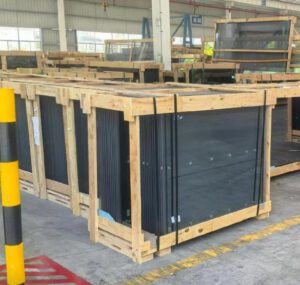
BIPV glass products require fundamentally different logistics handling than traditional framed aluminum panels. Laminated glass panels — even tempered — are more fragile than aluminum-framed modules and must be transported in vertical crating systems (A-frames or L-frames) with protective foam and corner guards. Horizontal stacking, which is standard for traditional panels, will cause glass breakage and cannot be used for large-format BIPV glass.
This logistics complexity adds cost: specialized BIPV shipping crates cost significantly more than standard panel pallets, and freight rates for glass products are higher due to fragility surcharges. These logistics costs must be factored into your landed-cost calculations and communicated clearly in project quotations to avoid margin erosion at delivery.
Warehouse Management Best Practices for Each Product Type
Traditional panels can be stored in standard warehouse racking in horizontal pallet stacks of 30–35 panels, with standard material handling equipment. BIPV glass panels require vertical storage racks, climate-controlled environments (to prevent condensation and temperature stress), and separate handling equipment. If your warehouse is not configured for glass panel storage, the capital expenditure to add this infrastructure should be factored into your BIPV business case.
Lead Times and Demand Forecasting
Production Capacity Constraints and Delivery Schedules
Traditional panel lead times in 2025 range from 2–6 weeks for in-stock standard products to 6–10 weeks for large-volume custom orders. BIPV products, particularly those requiring custom dimensions or performance specifications, typically require 10–20 weeks from order to delivery. For project-based BIPV sales (which represent the majority of BIPV volume), this means your sales team must engage with project timelines 4–6 months ahead of the planned installation date — a very different sales cycle from the just-in-time procurement model used by many traditional panel buyers.
Seasonal Demand Patterns and Inventory Optimization
Traditional panel demand peaks in Q1 (ahead of spring installation season in the Northern Hemisphere) and Q3 (for year-end project completions before incentive deadlines). BIPV demand follows construction cycles more closely than seasonal solar installation patterns — commercial construction starts tend to drive BIPV procurement 6–12 months later when the building envelope is being installed. Understanding your regional construction cycle calendar is as important as understanding the solar installation season when planning BIPV inventory.
Financial Projections and ROI for Distributors
Margin Analysis by Product Category
Gross Margin Comparisons and Profit Optimization Strategies
The margin landscape in solar distribution in 2025 varies dramatically by product category. The following table models gross margin ranges based on current market pricing and distributor cost structures:
| Product Category | Avg. Distributor Purchase Price (USD/Wp) | Avg. Sell Price (USD/Wp) | Gross Margin Range |
|---|---|---|---|
| Commodity traditional panels | $0.13–$0.18 | $0.18–$0.25 | 12–18% |
| Premium monocrystalline panels | $0.18–$0.25 | $0.28–$0.38 | 18–25% |
| BIPV opaque facade panels | $0.35–$0.55 | $0.55–$0.85 | 25–35% |
| BIPV semi-transparent glass | $0.50–$0.80 | $0.80–$1.30 | 30–40% |
| Solar roof tiles | $0.65–$0.95 | $1.00–$1.60 | 30–42% |
Note: Margins reflect product-only distribution; bundled solution margins including design services and installation support can be 5–10 percentage points higher.
Volume-Based Revenue Scenarios for 2025–2026
The same total wattage volume, shifted to a 70/30 traditional/BIPV product mix, more than doubles annual revenue — a compelling illustration of why product portfolio composition matters as much as volume growth.
Market Growth Potential and Revenue Forecasts
Conservative vs. Aggressive Expansion Scenarios
Consider a mid-size regional solar distributor currently generating $3M in annual revenue from traditional panel sales at 15% gross margin ($450K gross profit). The following three scenarios model the financial impact of different BIPV adoption strategies over 24 months:
Scenario A – Status Quo (Traditional Only): Margin compression of 1–2 percentage points annually due to commodity pricing pressure. Revenue maintains volume but gross profit erodes to $390K–$420K by year 2.
Scenario B – Moderate BIPV Integration (70/30 mix): Revenue grows to $4.2M due to higher per-unit pricing, gross margin improves to 22%, gross profit reaches $924K by year 2.
Scenario C – Aggressive BIPV Focus (50/50 mix): Revenue potential of $5.5M–$6.5M if BIPV project pipeline is developed, gross margins of 28–35%, gross profit of $1.5M–$2.3M by year 2 — but requires significant upfront investment in training, logistics infrastructure, and business development.
Customer Acquisition Costs and Lifetime Value Metrics
BIPV customer acquisition costs are higher than for traditional panel buyers — an architect or commercial developer relationship typically requires 6–12 months of cultivation, technical presentations, and sample provision before the first order. However, the lifetime value of a BIPV-capable architect or developer customer is significantly higher: they work on multiple projects per year, each with BIPV specification potential, and a satisfied customer becomes a repeat channel rather than a single-transaction buyer.
Risk Assessment and Contingency Planning
Technology Obsolescence Risks and Mitigation Strategies
Both technology categories carry obsolescence risk, though the nature of the risk differs. Traditional panels face disruption from perovskite-silicon tandem cells, which will offer significantly higher efficiency at potentially lower cost within 3–5 years. Distributors with large inventories of current-generation panels could face value erosion when tandem cells enter the market at scale.
BIPV products face a different risk profile: because they are architectural materials as much as solar components, their value is partially anchored to the building’s structural lifespan (40–50 years) rather than just the photovoltaic technology cycle. However, as the BIPV market matures and more manufacturers enter, price compression in the BIPV segment will eventually replicate the dynamics seen in traditional panels. The mitigation strategy is to establish deep customer relationships and value-added service capabilities now, before the market becomes commoditized.
Market Saturation Scenarios and Diversification Options
To hedge against single-segment saturation, forward-thinking distributors are exploring adjacent product categories: energy storage systems (ESS) that pair with solar installations, EV charging infrastructure, building energy management systems (BEMS), and smart glass products that integrate with BIPV to provide active shading control. These adjacencies allow you to expand revenue per customer relationship and reduce dependence on solar product margins alone.
 Strategic financial modeling and market analysis are essential tools for distributors navigating the bifurcating solar market. |
Implementation Roadmap for Distributors
Phase 1 – Market Assessment and Portfolio Evaluation
Analyzing Your Current Customer Base and Their Technology Preferences
Before adding BIPV to your portfolio, conduct a structured audit of your existing customer base. Survey your top 20 installer and contractor customers: what types of projects are they currently bidding on? How many of those projects involve commercial construction or building renovation? Are they encountering BIPV specifications in project tenders? The answers will tell you whether the demand signal exists in your market and help you prioritize which BIPV product sub-categories to stock first.
Look specifically for customers who are already engaging with architects, commercial developers, or green building consultants — these are your early BIPV adopters. A contractor who does 80% residential panel installations and 20% commercial facade work will generate most of your initial BIPV volume despite being a smaller percentage of your current revenue base.
Competitive Landscape Analysis in Your Geographic Region
Map your competitors’ product portfolios in your region. If no major regional distributor is currently offering BIPV products, you have a first-mover advantage that is worth capturing quickly. If one or two competitors are already active in BIPV, analyze their product range, pricing, and installer network depth — and identify the gaps your portfolio can fill.
Phase 2 – Product Selection and Supplier Partnerships
Evaluating BIPV Manufacturers and Traditional Panel Suppliers
Use the following evaluation criteria when selecting BIPV manufacturing partners:
- Production capacity and delivery reliability: Can the manufacturer supply at scale with consistent lead times? Visit the facility if possible; assess quality control systems and production automation levels.
- Product certification: Verify IEC 63092-1, IEC 61215, and regional building code approvals for your target markets before committing to a distribution agreement.
- Customization capability: High-value architectural projects require custom dimensions and specifications. Manufacturers who cannot customize are limited to standard product categories with lower margins.
- Technical support: BIPV projects require ongoing technical assistance for structural engineering, installation planning, and code compliance. Manufacturers with dedicated technical support teams are structurally more valuable distribution partners.
- Warranty backstop: Verify that the manufacturer has the financial stability to honor 25-year performance warranties — a manufacturer that may not exist in 10 years cannot credibly back a 25-year warranty.
Negotiating Terms and Establishing Exclusive Distribution Agreements
In a market that is still developing, the first credible distributor in a territory often has negotiating leverage for exclusive or preferred distributor status. Exclusive distribution agreements for BIPV products in defined geographic territories provide strong competitive protection and justify the investment in building installer networks and market development. Negotiate territory exclusivity, minimum volume commitments that are achievable within your growth plan, and co-marketing support from the manufacturer for project development and customer events.
Phase 3 – Sales Team Training and Market Launch
Developing Sales Collateral and Technical Documentation
Your sales team cannot sell what they cannot explain. BIPV sales collateral needs to address three distinct audience types: architects and designers (emphasize aesthetics, design flexibility, and material certifications), developers and project owners (emphasize TCO, ROI, and green building compliance), and contractors and installers (emphasize installation process, training availability, and technical support). Each audience requires different messaging and supporting materials.
Technical documentation should include product datasheets with full performance specifications, installation guides certified to local building code requirements, structural engineering reference documents, and reference project case studies with documented performance data. Jia Mao BIPV’s technical documentation and case study library provides a strong foundation to adapt and supplement with local market specifics.
Creating Installer and Architect Engagement Programs
The most effective customer acquisition tool for BIPV is a hands-on product demonstration. Host invitation-only events for architects and developers at your premises or in partnership with a local architectural association chapter. Provide physical samples of different BIPV glass types, run simulation demonstrations showing energy output projections for specific building scenarios, and invite reference customers to share project experience.
For installers, offer certified BIPV installation training programs in partnership with your manufacturer. Installers who complete the certification become part of your preferred installer network — a channel that generates recurring revenue and creates loyalty to your product range.
Phase 4 – Performance Monitoring and Optimization
Tracking KPIs and Adjusting Product Mix Based on Market Response
Establish a monthly KPI dashboard that tracks: BIPV revenue as a percentage of total solar revenue, gross margin by product category, number of BIPV project quotations versus conversions, installer network size and BIPV-certified installer count, and customer acquisition costs for BIPV versus traditional panel buyers. These metrics will tell you within 3–6 months whether your BIPV strategy is gaining traction and where the bottlenecks in your sales pipeline are.
Building Customer Feedback Loops for Continuous Improvement
Post-installation performance feedback from your customers — particularly data on actual vs. projected energy output, installation challenges encountered, and client satisfaction — is invaluable for refining your product recommendations and sales positioning. Establish a systematic process for collecting and analyzing this data. Distributors who build evidence-based performance claims from real installations in their market will consistently outperform competitors relying on manufacturer specification sheets alone.
Future-Proofing Your Distribution Business
Emerging Technologies on the Horizon
Bifacial Panels and Their Market Implications
Bifacial solar panels — modules that capture sunlight from both the front and rear surfaces — have moved from a premium option to a mainstream product in commercial ground-mount and utility applications. Bifacial modules typically deliver 5–30% additional energy yield compared to monofacial equivalents, depending on installation configuration and surface albedo. For distributors, bifacial products command a price premium of $0.02–$0.05/Wp over standard monofacial while delivering measurable performance advantages — a combination that supports higher margins without requiring the application-specific expertise of BIPV.
Bifacial technology is also being incorporated into BIPV products: bifacial BIPV facade elements can capture reflected light from interior building surfaces, improving overall energy yield in curtain wall applications. This is an emerging product category worth monitoring for inclusion in your 2026–2027 product roadmap.
AI-Integrated Monitoring Systems and Smart Solar Ecosystems
Real-time monitoring and AI-driven optimization systems are becoming standard components of premium solar installations. Platforms that track system performance at the panel level, predict maintenance needs, and optimize inverter settings based on weather forecasts are increasingly specified by commercial and institutional clients. For distributors, these software-enabled services represent a recurring revenue stream (monthly SaaS fees or annual service contracts) that is entirely complementary to your product distribution business.
Sustainability and Brand Positioning
ESG Considerations in Product Selection and Marketing
Environmental, Social, and Governance (ESG) considerations are now material factors in procurement decisions by large corporate clients and public sector buyers. When procuring solar products, progressive buyers are scrutinizing not just the energy performance of the system, but the supply chain provenance of the panels: were they manufactured in facilities with documented human rights compliance? What is the carbon footprint of the manufacturing process? Are end-of-life recycling programs available?
BIPV glass products generally carry a more favorable ESG narrative than commodity traditional panels, because they are replacing conventional building materials (reducing double consumption) and are often manufactured in facilities with ISO 14001 environmental management certification. Building these ESG documentation capabilities into your supplier relationships — obtaining supply chain transparency reports, recycling program documentation, and manufacturing facility certifications — is an increasingly valuable competitive differentiator with corporate and institutional buyers.
Positioning Your Company as a Forward-Thinking Energy Solutions Provider
The distributors who will lead the solar market in 2030 are not being built today by companies focused on shipping the most panels at the thinnest margins. They are being built by companies that are investing now in technical expertise, installer networks, architectural market relationships, and BIPV product knowledge. The brand identity of “energy solutions partner” rather than “solar panel distributor” opens doors to larger project value, higher-quality customer relationships, and recurring revenue streams that commodity distribution cannot access.
Strategic Partnerships and Ecosystem Development
Collaborating with Architects, Builders, and Energy Consultants
The most valuable partnerships for a BIPV-oriented distribution business are not with other distributors — they are with the professionals who specify building materials and energy systems at the design stage. An architectural firm that understands your BIPV product capabilities will specify your products into projects worth 10–100x the value of a single installer order. An energy consultant who trusts your technical team to support their net-zero building calculations will bring you into every project they work on.
Identify the top 10 architectural firms and top 5 energy consultancies in your region and develop a structured engagement program: product presentations, sample library provision, technical lunch-and-learn sessions, and joint participation in industry events. This relationship investment typically takes 6–12 months to generate its first project revenue, but the pipeline it creates has a 12–24-month visible horizon that transforms your business planning capability.
Creating Value-Added Services Beyond Product Distribution
Services that complement BIPV product distribution and create additional revenue streams include: project design consultation (specifying BIPV product types for specific architectural applications), energy yield modeling and simulation (predicting annual kWh generation for project proposals), structural engineering document preparation (supporting building permit applications), and training academies for installers and architects. Each of these services can be offered at a fee or as a bundled element of higher-margin product contracts. They also create deep customer loyalty — customers who depend on your technical services for their business are far less price-sensitive than customers buying commodity panels.
Concluding Recommendations
Making the Right Choice for Your 2025 Strategy
Decision Matrix for Traditional Panels vs. BIPV Based on Your Market
Use the following matrix to assess your strategic priority:
| Your Situation | Recommended Priority |
|---|---|
| Primarily serve utility/industrial ground-mount clients | Traditional panels (maintain + optimize) |
| Serve commercial construction contractors | Begin BIPV portfolio development immediately |
| Have established relationships with architects or developers | BIPV is your highest-value growth lever — accelerate |
| Operating in a market with building energy code mandates | BIPV compliance positioning is urgent |
| Primarily residential retail market | Solar roof tiles BIPV sub-category first |
| Competing heavily on price against commodity imports | Pivot to BIPV differentiation strategy |
Action Steps for the Next 30, 60, and 90 Days
Days 1–30 (Assessment): Audit your existing customer base for BIPV potential. Survey your top 20 customers about their project pipeline and technology interest. Research which competitor distributors in your region offer BIPV products. Identify 3–5 BIPV manufacturers to evaluate as potential supply partners, including Jia Mao BIPV as a dedicated BIPV manufacturer with proven 3 GW capacity.
Days 31–60 (Preparation): Request product samples and technical documentation from shortlisted manufacturers. Attend or arrange product demonstrations. Begin conversations with 2–3 architects or developers in your market to gauge BIPV project demand. Evaluate warehouse and logistics requirements for BIPV glass handling. Draft a financial model for a 70/30 traditional/BIPV product portfolio.
Days 61–90 (Launch): Finalize supplier agreements and place initial sample stock orders. Conduct first BIPV product presentations with installer and architect customers. Launch a BIPV-focused sales training program for your team. Set KPI targets for BIPV revenue contribution at Month 6 and Month 12.
Ready to Capitalize on the Solar Glass Revolution?
The solar market’s inflection point is not a future event — it is happening right now. The distributors and agents who move decisively in 2025 will own the market relationships, the installer networks, and the architectural specification channels that will generate the majority of BIPV revenue over the next decade.
Download our exclusive “2025 Solar Distribution Strategy Guide” to access:
- Detailed pricing analysis and margin benchmarks
- Supplier comparison matrix with contact information
- Customer segmentation templates for your sales team
- Implementation checklist for launching BIPV products
Download Your Free Strategy Guide
For technical product consultations, custom BIPV specifications, or distributor partnership inquiries, visit www.jmbipvtech.com or contact the Jia Mao BIPV team directly. Distributors in key growth markets are eligible for exclusive territory agreements and co-marketing support programs.
🎬 Watch: Understanding Building-Integrated Photovoltaics
The following video from industry experts provides an excellent introduction to BIPV principles and applications — ideal for sharing with your sales team or architect customers as educational content:
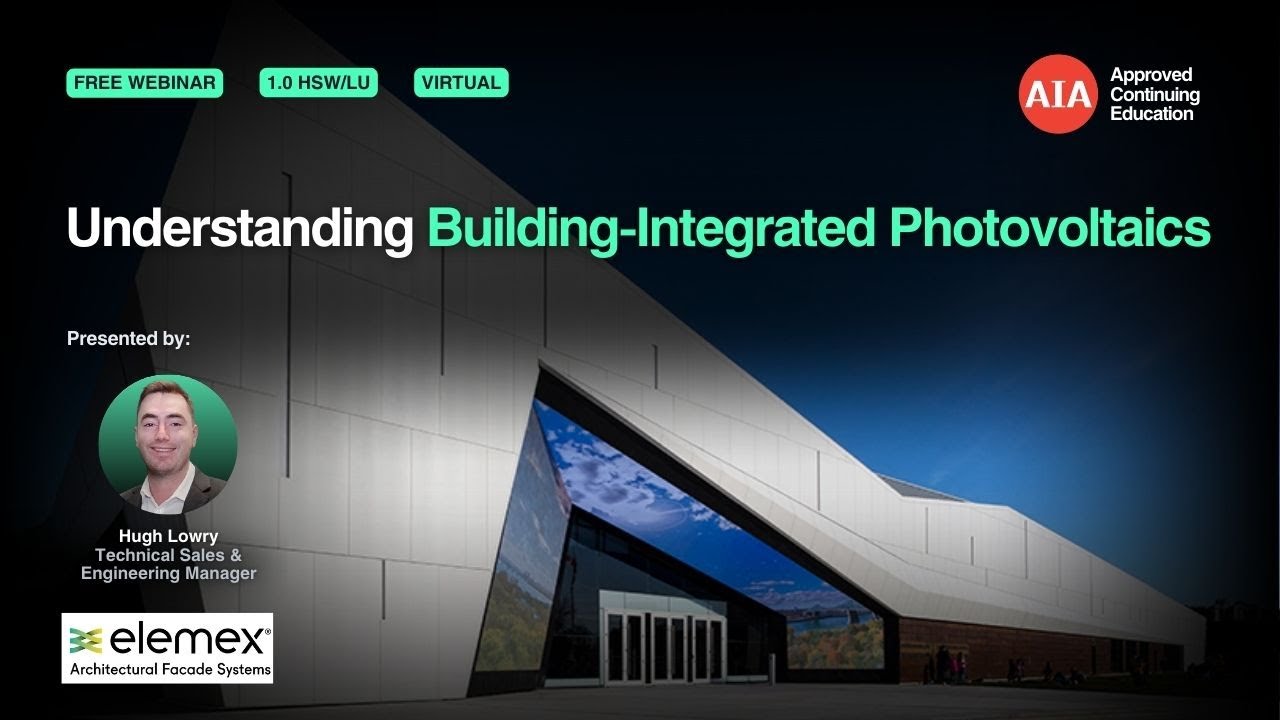
▶ Understanding Building-Integrated Photovoltaics – Principles and Real-World Applications | Elemex Architectural Facades
Glossary of Key Terms
Understanding the following terms will help your sales team communicate confidently with both technical and non-technical stakeholders:
BIPV (Building-Integrated Photovoltaics): Photovoltaic materials that replace conventional building envelope materials (glass, roofing tiles, facade cladding) while simultaneously generating electricity. The dual-function nature differentiates BIPV from standard “bolt-on” solar panel installations.
TCO (Total Cost of Ownership): The complete financial analysis of a product over its entire lifecycle, including purchase price, installation, maintenance, energy value, and end-of-life costs. TCO analysis frequently reverses simple per-watt price comparisons in favor of BIPV.
Temperature Coefficient: The rate at which a solar panel’s power output decreases per degree Celsius above 25°C (Standard Test Condition). Expressed as %/°C; lower absolute values indicate better performance in hot climates.
IEC 63092-1:2020: The dedicated international standard for BIPV modules, addressing the intersection of building material safety requirements (fire, mechanical, weathering) and photovoltaic performance standards.
POE (Polyolefin Elastomer): A high-performance encapsulant film used in premium BIPV glass manufacturing, offering superior UV resistance, moisture barrier performance, and PID prevention compared to standard EVA (Ethylene-Vinyl Acetate) encapsulants.
PID (Potential Induced Degradation): A failure mode in PV modules caused by voltage differences between the cells and the grounding of the module frame, leading to accelerated performance degradation. Double-layer encapsulation in BIPV glass is specifically engineered to prevent PID.
Bifacial Module: A solar module that captures light from both its front and rear surfaces, generating 5–30% more energy than a monofacial equivalent under optimal installation conditions.
Curtain Wall: A non-structural building facade system, typically consisting of aluminum framing and glass infill panels, that provides weather protection and aesthetic finish without bearing floor or roof loads. BIPV glass is frequently specified as a curtain wall infill material.
よくあるご質問
1. What is the main difference between solar glass (BIPV) and traditional PV panels?
Solar glass, or BIPV (Building-Integrated Photovoltaics), is fundamentally different from traditional PV panels in that it replaces or supplements conventional building materials — such as glass curtain walls, roofing tiles, or facade cladding — while simultaneously generating electricity. A traditional PV panel is a standalone energy-generating device mounted on top of or beside a building structure; it serves only one purpose. BIPV serves two: it functions as a structural or aesthetic building component and generates solar power. This dual function means BIPV competes not just against other solar products, but against the conventional building materials it replaces, which changes the economics of the comparison entirely.
2. Are solar glass products less efficient than traditional panels?
Yes, in terms of raw cell efficiency, current BIPV glass products typically range from 10–18% efficiency, compared to 18–22% for premium traditional monocrystalline panels. However, this comparison is misleading when applied to real-world deployment scenarios. BIPV is installed on building surfaces — facades, skylights, canopies — where traditional panels simply cannot be deployed. The relevant performance question is how much electricity a given building surface can generate if equipped with BIPV, compared to zero generation from the same surface equipped with conventional glazing. Additionally, the efficiency gap is narrowing as perovskite-silicon tandem cell technology matures, with commercial-scale tandem modules expected to reach the market by 2027–2028.
3. What is the typical cost difference between BIPV and traditional panels?
At the product level, BIPV solutions currently cost approximately 20–40% more per watt than premium traditional panels. However, this product-only comparison ignores the most important cost factor: BIPV replaces the conventional building material it substitutes. A BIPV glass curtain wall is competing against the combined cost of a standard glazing system plus a separately mounted PV system. When both are included in the comparison, BIPV frequently demonstrates a favorable TCO for commercial construction applications. For straightforward rooftop energy generation, traditional panels remain the cost-optimal choice.
4. Which customer segments should I prioritize for BIPV distribution?
The highest-value BIPV customer segments for distributors are commercial developers and project owners working on new commercial construction or major renovations, architectural firms specifying building envelope materials for commercial and institutional projects, EPC contractors active in LEED or net-zero certified projects, and premium residential developers where aesthetics are a non-negotiable design requirement. These segments differ fundamentally from the cost-sensitive, utility-scale buyers who are the primary customers for commodity traditional panels.
5. How does the IEA PVPS data influence market projections for these technologies?
IEA PVPS (International Energy Agency Photovoltaic Power Systems Programme) provides the most authoritative global dataset for PV deployment trends, efficiency benchmarks, and market development trajectories. Their 2025 Snapshot Report confirms cumulative global PV capacity has surpassed 2.2 TW, with more than 600 GW added in 2024 alone. For BIPV specifically, IEA research projects the technology will account for over 30% of new PV capacity by 2030 as building energy codes tighten across major markets. These projections are essential inputs for distributor financial modeling and product portfolio strategy.
6. What are the main installation challenges with solar glass products?
BIPV installation requires a multi-disciplinary approach that differs significantly from standard rooftop solar. Installers must be familiar with curtain wall engineering principles, building waterproofing requirements, thermal bridging management, and the structural load calculations required for building permit approval. Coordination among glazing subcontractors, electrical contractors, and structural engineers is required on most commercial BIPV projects. In many jurisdictions, a licensed professional engineer must review and stamp the structural drawings for BIPV facade installations. These complexity factors mean your installer network for BIPV must be specifically trained and certified — standard solar installers cannot simply begin installing BIPV without additional preparation.
7. Are there warranty differences between BIPV and traditional panels?
Most quality BIPV products, including those from manufacturers such as Jia Mao BIPV, offer 25-year performance warranties comparable to traditional panels — typically guaranteeing 80% of rated output at year 25. However, BIPV products may carry additional warranty coverage that traditional panels do not: structural integrity warranties covering glass breakage or frame failure, and aesthetic warranties covering discoloration or delamination that could affect the building’s visual appearance. The specific coverage scope varies significantly between manufacturers, so always verify warranty terms in writing before entering a distribution agreement.
8. How should I structure my inventory for both technologies?
A practical starting allocation for a distributor entering the BIPV market is approximately 70% traditional panels and 30% BIPV products by capital value. Traditional panels provide the volume and cash flow stability that keeps the business running, while BIPV products generate higher margins and build future revenue streams. The optimal ratio will shift as your project pipeline and installer network develop BIPV competency — many distributors who begin at 70/30 find themselves operating at 60/40 or 50/50 within 18–24 months as BIPV project volume grows. Maintain the flexibility to adjust this allocation quarterly based on actual sales data rather than committing to a fixed ratio for more than 6 months at a time.
9. What certifications should I verify before distributing BIPV products?
Essential certifications for BIPV product distribution include IEC 61215 (electrical performance and environmental durability), IEC 61730 (electrical safety and insulation), and IEC 63092-1:2020 (the dedicated BIPV standard covering building material requirements). For the US market, UL 7103 is required for BIPV roofing products under the 2021 IBC/IRC building codes. CE marking is required for EU market distribution. Regional building code approvals should be verified for each target market — these vary significantly across countries and even between municipalities. Third-party verification of performance claims through TÜV Rheinland or SGS testing adds further credibility and reduces your liability exposure in the event of product performance disputes.
10. How do I position BIPV against cheaper imported traditional panels?
The positioning conversation should never start with price. When a customer raises the price comparison between BIPV glass and commodity imported panels, reframe the conversation around three points: first, application fit — BIPV is the only viable option for the facade, skylight, or architectural surface in question; second, total value — BIPV replaces conventional materials (reducing the effective cost premium) while generating energy throughout the building’s 40–50 year life; third, market differentiation — contractors and developers who specify BIPV win projects and clients that are inaccessible to those offering only commodity panels. The customer buying BIPV is not the same customer buying commodity panels; conflating them is a strategic error that will cost you high-value opportunities.
11. What training does my sales team need for BIPV products?
BIPV sales training must go beyond photovoltaic technology basics. Your team needs to understand: architectural integration concepts and the vocabulary architects use when discussing building envelopes; building code compliance requirements in your target markets; structural considerations for facade-mounted glass (wind loads, seismic requirements, thermal expansion); how to communicate energy yield projections for specific building orientations and climates; and how to articulate the TCO value proposition to both financial decision-makers and technical specifiers. The sales cycle for BIPV typically involves 3–5 stakeholders per project (developer, architect, structural engineer, M&E consultant, contractor), each of whom needs a tailored value conversation — a one-size-fits-all product pitch will fail at this level of sophistication.
12. Are there geographic markets where BIPV adoption is faster?
Yes, markedly so. Northern Europe — particularly Germany, the Netherlands, Sweden, and Denmark — leads in BIPV adoption driven by stringent building energy codes and strong green building incentive programs. In Asia, Singapore and South Korea have emerged as premium BIPV markets due to high construction costs (which reduce the relative premium of BIPV materials), dense urban environments where roof area is scarce, and government-mandated net-zero building targets. In North America, California, New York, and Massachusetts are the leading BIPV markets. Australia’s commercial construction market is showing accelerating BIPV interest as the National Construction Code incorporates stronger energy performance requirements. For distributors evaluating geographic expansion, these markets offer the most developed demand infrastructure and the most accessible project pipelines.
13. How do I manage the risk of BIPV technology becoming obsolete?
The most effective obsolescence risk management strategy for BIPV distributors is to focus on application categories where BIPV’s value is architectural (structural and aesthetic) rather than purely technological. A BIPV glass curtain wall specified into a building’s structural design and building permit drawings cannot be replaced by a more efficient panel technology 5 years later without a major renovation — the product’s value is embedded in the building itself. By contrast, a rooftop BIPV tile installation is more vulnerable to technological displacement. Additionally, maintain diversified supplier relationships so you can transition to next-generation products (perovskite-based BIPV, bifacial BIPV glass) as they become commercially available, without being locked into any single manufacturer’s technology roadmap.
14. What is the typical payback period for end customers with each technology?
For traditional solar panel systems installed at current 2025 pricing, commercial installation payback periods range from 5–8 years for commercial rooftop and 6–9 years for premium residential, depending on local electricity tariffs and available incentives. For BIPV, the payback period calculation is more complex because the product replaces a conventional building material. On a total substitution basis (BIPV versus conventional material plus separate PV), commercial BIPV facade projects are achieving payback periods of 8–12 years before incentives and 6–9 years when investment tax credits and LEED-related premium rental values are factored in. Over a 25-year building lifecycle, BIPV’s total financial return frequently outperforms the conventional material-plus-traditional-panel combination when architectural and operational benefits are properly monetized.
15. How should I approach existing traditional panel customers about BIPV solutions?
Position BIPV as a complementary technology that opens new project categories, not as a replacement for the traditional panels they’re already buying from you. Begin by asking about their upcoming project pipeline: are any of their commercial construction clients asking about net-zero buildings, LEED certification, or architectural solar integration? Use a concrete case study relevant to their typical project type — for example, a commercial office building that saved $X in curtain wall costs while meeting energy code requirements — to make the opportunity tangible. Offer to provide product samples and energy yield modeling for a specific upcoming project at no cost. The goal of the first BIPV conversation is not to close a sale — it is to get a project where your customer is willing to try BIPV with your technical support. One successful project creates a reference case that sells the next ten.
© 2025 Jia Mao BIPV | Shanghai Jia Mao New Energy Technology Co., Ltd. | www.jmbipvtech.com
This article is intended for solar product distributors, EPC contractors, architectural materials agents, and commercial construction professionals evaluating the strategic implications of BIPV and traditional PV technology in their 2025 product portfolios.
Additional resources: IEA PVPS Snapshot 2025 | MarketsandMarkets BIPV Report | BIPV Technical Guidebook – IEA PVPS