
How to Choose Solar Glass for BIPV Projects: Expert Guide
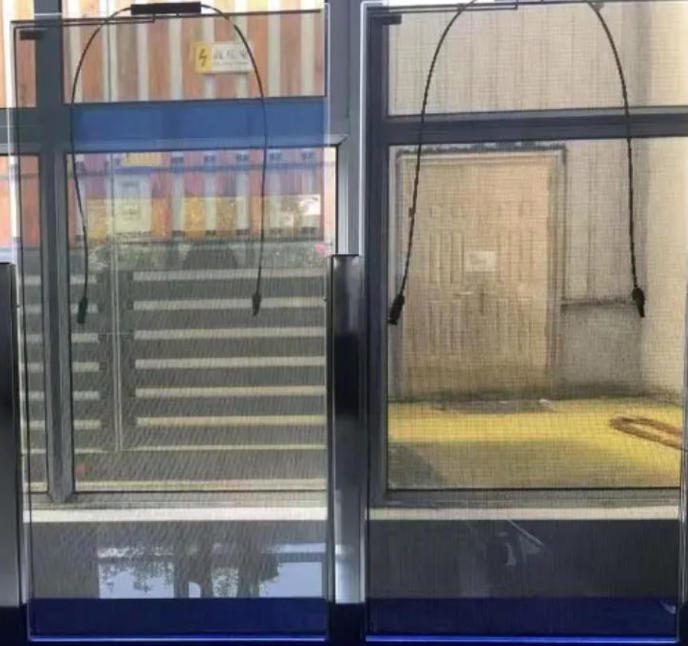
How to Choose Solar Glass for BIPV Projects: Expert Guide A 1,200 kW transparent PV glass facade and skylight system in Wuhan. Each panel works as glazing and as a power generator. Picking solar glass is not a simple material choice. It’s an engineering decision. The glass has to produce power, hold up against wind and impact, and still look the way the architect drew it. If you get one of those wrong, the project’s 25-year return suffers. This guide is for people who carry that risk: curtain wall and roofing contractors, PV EPCs, building material distributors, and architects or design institutes. It turns the selection process into a set […]
Solar Glass Maintenance: BIPV Cleaning & Inspection Guide
Solar Glass Maintenance: A Practical Guide to Cleaning, Inspection, and Troubleshooting BIPV Systems Solar glass facade on a public building in Madrid. Every pane is part of the building skin and part of the power plant. Image: Wikimedia Commons, CC BY-SA. Thesis: If you want solar glass to last its full design life and keep producing the energy it was sold on, you have to stop fixing things only after they break. You need a planned, technical maintenance program that covers both jobs the glass does: keeping the weather out and making electricity. I. Why Maintenance Decides Your BIPV Return BIPV (Building Integrated Photovoltaics) means solar modules that replace a […]
Solar Glass vs Conventional Glazing: A Facade Guide
Solar Glass vs Conventional Glazing: A Facade Guide The glazing you pick sets a building’s energy profile for decades. I. From Shelter to Power Plant For most of the last century, a glass facade had two jobs. It kept weather out and let light in. Today, owners also expect it to cut cooling bills, meet net-zero targets, and look sharp from the street. A. The evolution of the commercial envelope Solar glass is photovoltaic (PV) glass, which means glass with solar cells or thin-film layers built into it. When it replaces ordinary glazing, it is part of BIPV, or building-integrated photovoltaics. It sits in the same position as conventional glass, […]
Solar Glass Evaluation Guide: A BIPV Decision Matrix
Solar Glass Evaluation Guide: A BIPV Decision Matrix A facade is judged as an energy asset and as a building envelope. Solar glass has to pass both tests. I. When Glass Has to Be a Power Plant A glazing package used to be simple. You picked a U-value, a tint, and a price, and the glass did one job: let light in and keep weather out. Solar glass adds a second job. It also makes electricity. That second job creates new ways for a project to go wrong. What is solar glass? (Quick answer) Solar glass is architectural glass with photovoltaic (PV) cells or thin-film layers built in. It works […]
Solar Glass for Facades: From Passive Glazing to Power
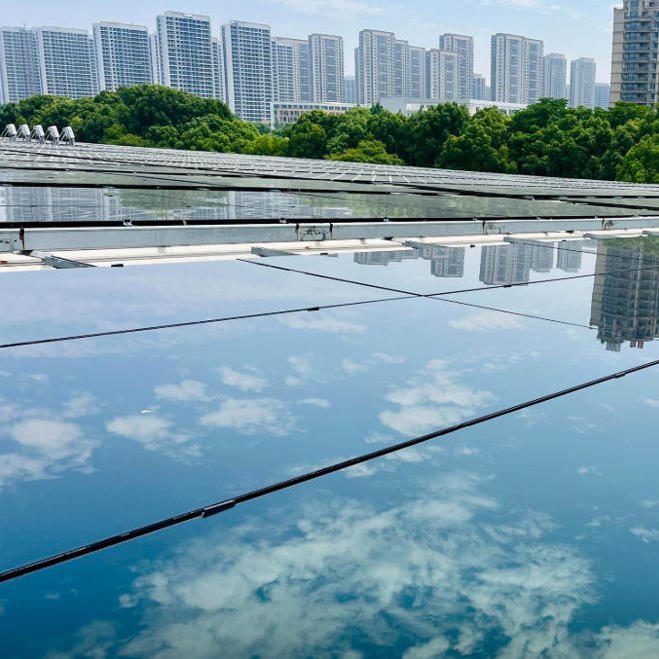
Solar Glass for Facades: From Passive Glazing to Power A glass wall can do more than keep weather out. With solar glass, it also makes power. Quick answer: Solar glass is architectural glass with photovoltaic (PV) cells or thin-film layers built in. It works as a window, curtain wall, skylight, or canopy panel, and it also generates electricity. It replaces a building material instead of sitting on top of one. I. The Evolution of the Building Envelope Think about the last curtain wall you priced. The glass was one of the most expensive items in the envelope. It also did only one job. It sat there, passive, while the HVAC […]
BIPV Glass Integration: 10 Surfaces Beyond the Rooftop
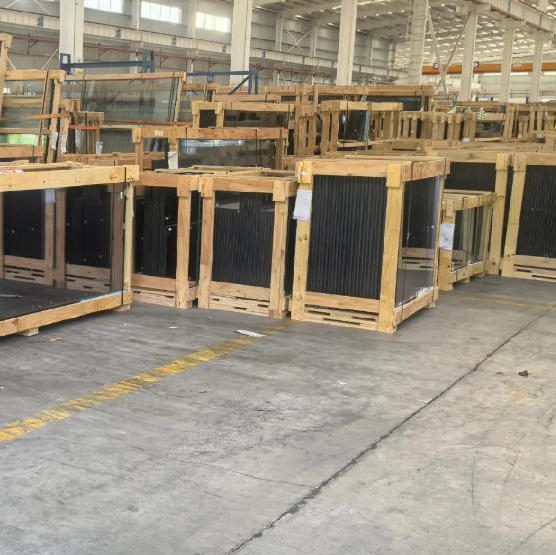
BIPV Glass Integration: 10 Surfaces Beyond the Rooftop A modern glass tower is a strong candidate for solar glass on its walls, not only its roof. I. Why the Roof Is No Longer Enough Picture a 12-story office tower. The roof holds chillers, stair bulkheads, antennas, and a window-cleaning rig. After setbacks and fire access paths, very little roof is left for solar. The walls tell a different story. On many mid-rise and high-rise buildings, the facade has 1.5 to 3 times more surface area than the roof. That is the “roof space bottleneck.” It is the main reason net-zero targets often stall on paper. The shift from add-on solar […]
Transparent Solar Glass: From Lab Curiosity to Standard
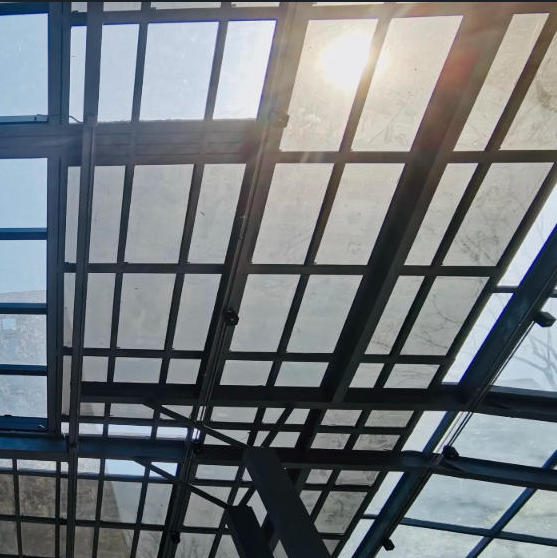
Transparent Solar Glass: From Lab Curiosity to Architectural Standard A practical guide for curtain wall and roofing contractors, PV EPCs, distributors, and architects. Powerhouse Brattørkaia in Trondheim, Norway. According to its architects at Snøhetta, almost 3,000 m² of solar panels clad the skewed roof and upper facade. Photo: Ryan Hodnett, CC BY-SA, via Wikimedia Commons. At a Glance Transparent solar glass is glazing that generates electricity and still lets daylight through. It is a type of Building-Integrated Photovoltaics (BIPV). BIPV means solar technology that replaces a building material instead of being bolted on top of it. Here is the short version for busy project teams: The technology has moved from […]
PV Glass Curtain Wall: Turn Facades Into ROI Assets
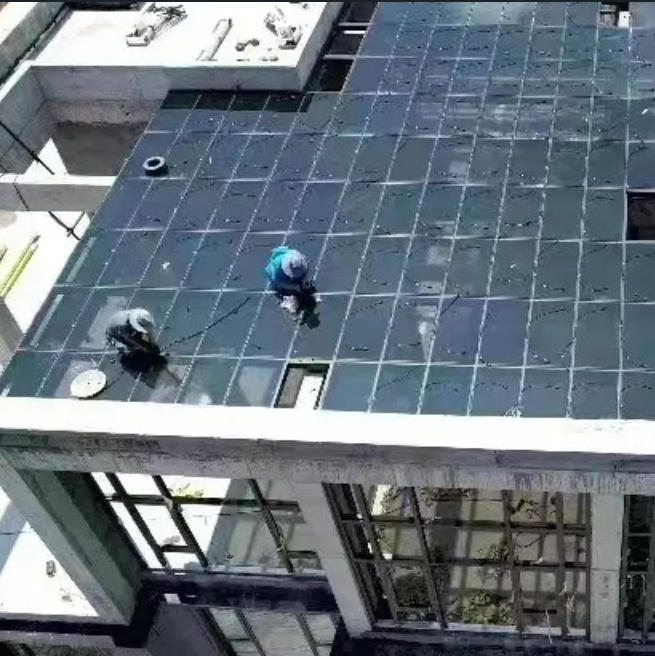
PV Glass Curtain Wall: Turn Facades Into ROI Assets A photovoltaic facade on a municipal building in Madrid. Photo: Hanjin, CC BY-SA 3.0, via Wikimedia Commons. Quick answer: A PV glass curtain wall uses glass with solar cells laminated inside it as the building’s outer skin. It keeps out wind and rain like normal glazing, and it also makes electricity. You pay more than for standard glass up front. The extra cost shrinks when you subtract the glazing you no longer buy. Whether the project pays back in 4 years or 30 depends mostly on three numbers: net extra cost, annual yield, and your power price. The worked model in […]
Solar Glass Maintenance for BIPV: A Contractor’s Guide
Solar Glass Maintenance for BIPV: A Contractor’s Guide Crews cleaning a glass tower. Photo: Buiobuione, CC BY-SA 4.0, via Wikimedia Commons. Quick answer: BIPV (building-integrated photovoltaics) glass needs three things after handover: gentle cleaning with the right water, a scheduled inspection routine, and a written safety plan for work at height. Most sites do well with one or two cleanings a year and one detailed inspection a year. Dusty, coastal, or industrial sites need more. In this guide: environmental stressors, cleaning protocols, inspection tools, warning signs, facade-specific care, safety rules, maintenance calendars, and a cost model. A glossary and 12 questions close the article. I. Where architecture meets energy: why solar […]
BIPV Solar Glass Procurement: A Guide for EPC Teams
BIPV Solar Glass Procurement: A Guide for EPC Teams The solar glass facade of Copenhagen International School. Photo: Marta Victoria, CC BY-SA 4.0, via Wikimedia Commons. Quick answer: BIPV solar glass is the outer layer of a solar module that also works as roofing, cladding, or glazing. To buy it well, check five things in this order: how strong it is, how much light it passes, how it handles weather, how it fits your framing, and how reliable the supplier is. Price per square meter comes last. In this guide: spec criteria, use-case matching, a pre-order checklist, workflow, cost math, site testing, green-building credits, and supplier selection. A glossary and […]
How to Evaluate Solar Glass for BIPV: Spec Checklist
How to Evaluate Solar Glass for BIPV: A Spec and Supplier Checklist A 1,200 kW BIPV photovoltaic glass project at the Wuhan Science and Technology Exhibition Center, shown on the Jia Mao Bipv website. Quick answer: To evaluate solar glass, check five things in this order: Strength: heat treatment type (tempered or heat-strengthened), surface stress, and breakage pattern. Light transmission: low-iron content, AR coating, and measured transmittance, not just a claimed number. Durability: damp heat, thermal cycling, salt, UV, and wind or snow load results. Project fit: thermal expansion, sealant compatibility, U-value, and SHGC. Supplier proof: certificates you can verify, batch records, lead time, and warranty terms. I. Introduction A. […]
How to Evaluate Solar Panel Glass: A Buyer’s Checklist
How to Evaluate Solar Panel Glass: A Buyer’s Checklist for BIPV and Solar Projects A 1200 kW BIPV photovoltaic glass project at the Wuhan Science and Technology Exhibition Center. Image: Jia Mao Bipv. Quick answer: Judge solar glass on three things. Strength: will it survive loads, heat swings, and handling? Light transmission: how much light reaches the cell? Durability: will it still perform after 25 years of sun, moisture, and pollution? Then check the supplier, not just the datasheet. Ask for test reports, batch data, and warranty terms in writing. In this guide: three technical pillars, matching glass to your project, supplier vetting, a scoring checklist, a 25-year cost model, […]
Aesthetic BIPV: Color and Finish Options for Facades
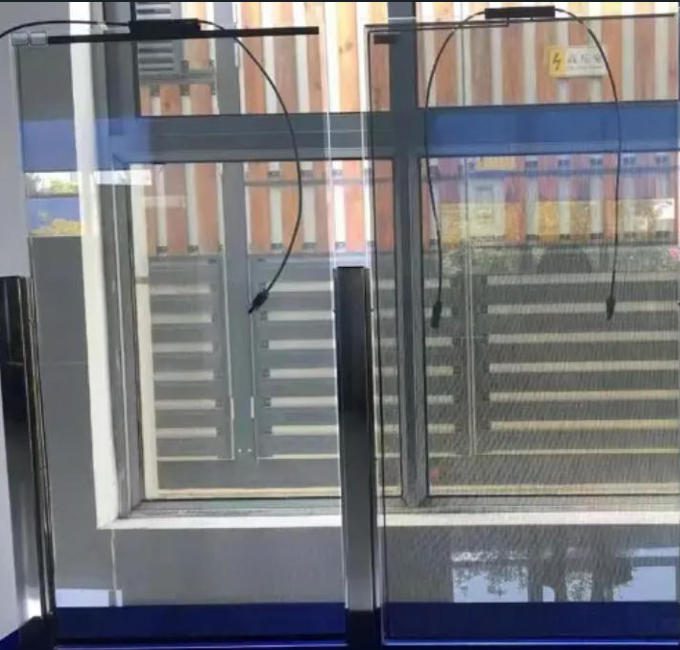
Aesthetic BIPV: Color and Finish Options for Facades The solar facade of Copenhagen International School. Photo: Marta Victoria, CC BY-SA 4.0, via Wikimedia Commons. Quick answer: Aesthetic BIPV (building-integrated photovoltaics) is solar that works as a finished building material. It is made in custom colors, textures, and transparency levels, so it can replace cladding, roof tiles, or glass. With the best color methods, you keep about 93–95% of the power of a standard module. With heavy filters, you can lose 40% or more. In this guide: color options, material mimicry, power-loss math, installation, design workflow, codes, economics, and future trends. A glossary and 12 client questions close the article. I. […]
Building Integrated Photovoltaics: A Pro Guide to BIPV
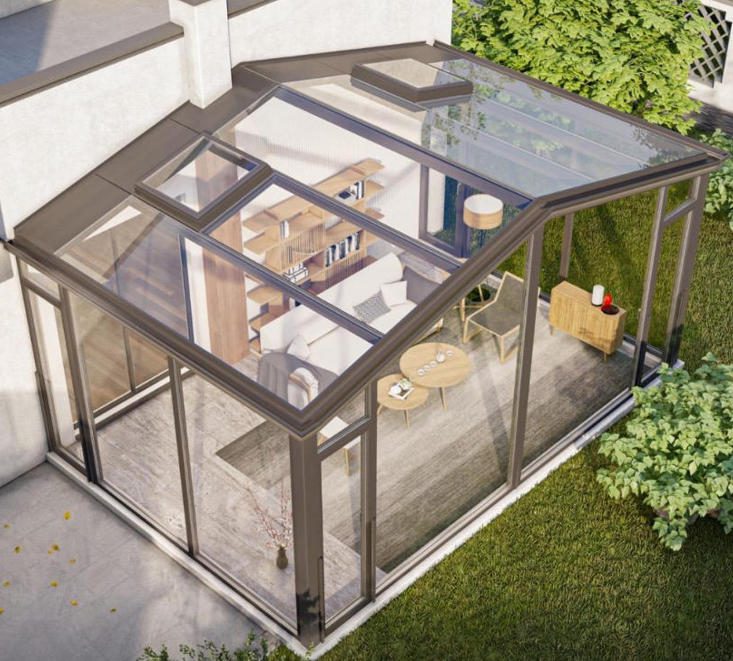
BIPV Explained: How Buildings Become the Solar Generator I. The Evolution of the Building Envelope For about twenty years, solar on buildings meant one thing: panels bolted on top of a finished roof. The building was the host, and the solar system was a guest. That model is changing fast. Façades, skylights, canopies, and roofs no longer have to sit there passively. They can make electricity too. Defining BIPV: Moving Beyond the Bolt-On Panel Building-Integrated Photovoltaics (BIPV) are solar modules that replace a building material. They become the glass, the cladding, or the roof covering, and they generate power at the same time. A simple test helps here. If you […]
BIPV Maintenance Guide: Inspection, Monitoring & Lifecycle
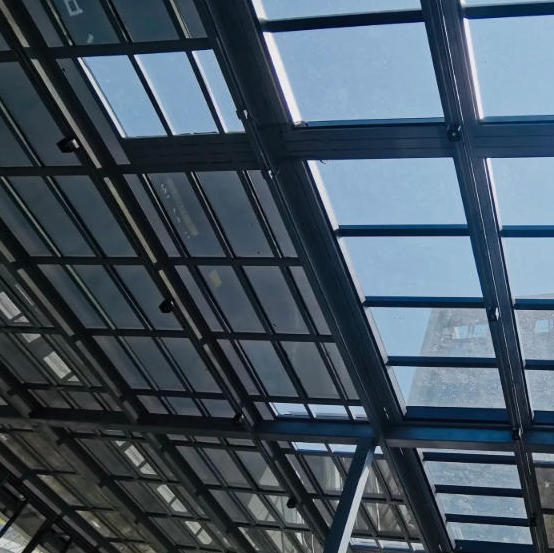
BIPV Maintenance: A Lifecycle Guide for Contractors and Consultants A BIPV facade does two jobs. It is the building’s skin, so it keeps out wind, rain, and heat. It is also a power plant that must produce power on schedule for 25 years or more. BIPV (Building-Integrated Photovoltaics) means solar cells built into a building material, such as curtain wall glass, roof tiles, skylights, or spandrel panels. Instead of bolting panels onto a finished building, the solar part is the finished surface. That dual role makes BIPV valuable, and it also makes BIPV maintenance different from ordinary rooftop solar. A cracked rooftop panel is an energy problem. A cracked BIPV […]
How to Evaluate BIPV: A Due Diligence Guide for Projects
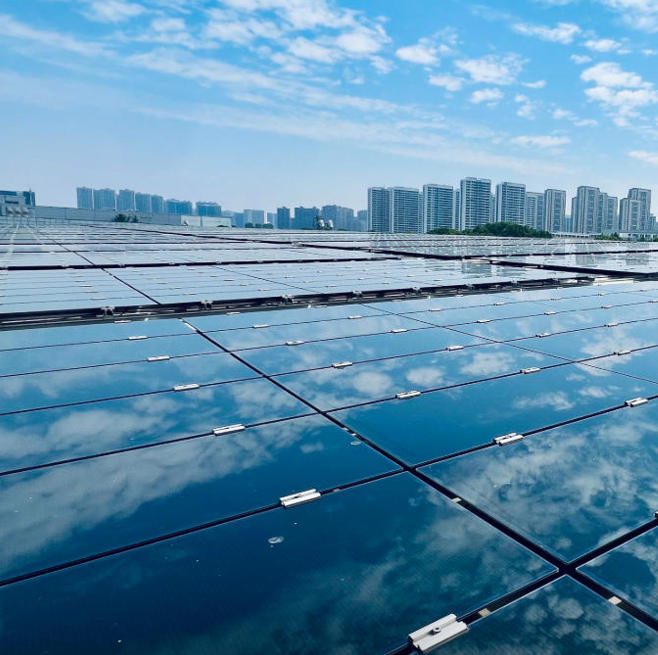
How to Evaluate BIPV for High-Performance Buildings: A Due Diligence Framework I. From Rooftop Panels to Active Building Skins For about 30 years, commercial solar meant one thing: racks of panels bolted onto a finished roof. The building came first and the solar went on afterward. Building-Integrated Photovoltaics (BIPV) turns that around. BIPV means solar modules that are the building material. They work as the curtain wall glass, the roof covering, the skylight, or the sunshade. The International Energy Agency puts it simply in its international definitions of BIPV: a BIPV module is a PV module and a construction product together. That double role is what makes BIPV powerful. It’s also […]
BIPV Building Envelope Guide for Architects & Contractors

BIPV in the Building Envelope: From Solar-on-Roof to Solar-as-Structure I. The Evolution of the Building Envelope For about 30 years, solar on buildings meant one thing: finish the building, then bolt panels onto the roof. The solar array was an add-on, bought from a different budget and installed by a different crew, often years after handover. That model is changing. Building-Integrated Photovoltaics (BIPV) are solar modules that are the building material. They replace the roof covering, the facade glass, the spandrel panel, or the shading fin, instead of sitting on top of them. The difference sounds small, but it changes the economics. With BIPV, you aren’t paying for a building […]
Commercial Solar Panel Companies: Boost Long-Term Value
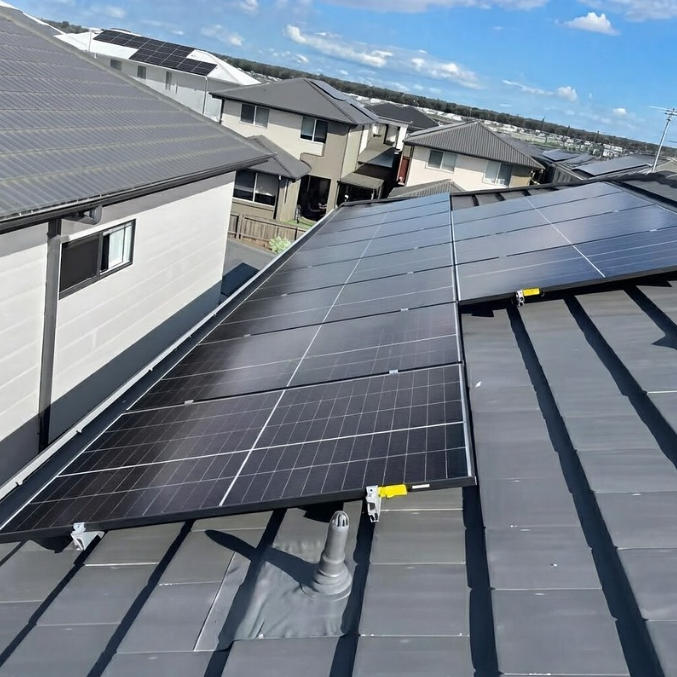
How Commercial Solar Panel Companies Protect Long-Term System Value For most businesses, a commercial solar system is one of the biggest capital purchases on the building. A 500 kW rooftop array often costs as much as a new HVAC plant and a roof replacement put together. Yet many owners treat commissioning day as the finish line. It is actually the start of a 25-to-30-year operating period. Across that period, small losses add up quietly: a dusty surface, a tripped inverter nobody noticed, a string running at 80%. With solar adoption growing across warehouses, factories, campuses, and mixed-use buildings, the people who deliver these projects have to think past the handover. […]
Commercial Solar Panel Companies: Buyer Due Diligence
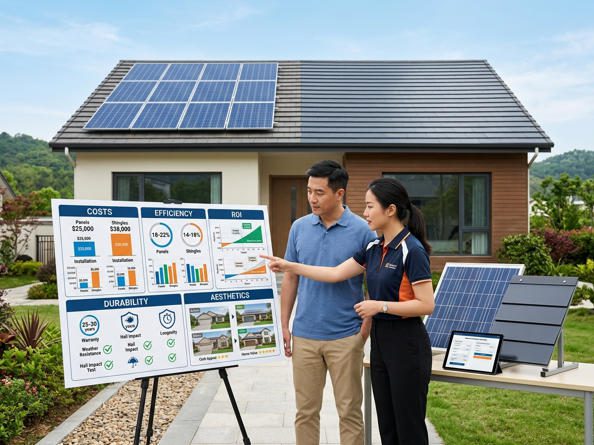
Commercial Solar Panel Companies: Buyer Due Diligence Barnstable Airport rooftop solar installation. Illustrative photograph—not a Jia Mao Bipv project. Source: Barnstable Airport solar photograph on Wikimedia Commons, listed as a Massachusetts public-domain government work. Thesis Statement Choosing the right commercial solar panel company means checking more than equipment price. Contractors and architects need clear service boundaries, usable warranties, and transparent proposals to protect the project’s schedule, budget, and long-term performance. Two solar companies quote the same building. Both offer similar installed capacity. One price is lower. Then the exclusions appear. Roof repairs are outside the contract. Utility upgrades are provisional. Monitoring is included, but fault investigation costs extra. The “25-year […]
How to Evaluate Commercial Solar Panel Companies: A Guide
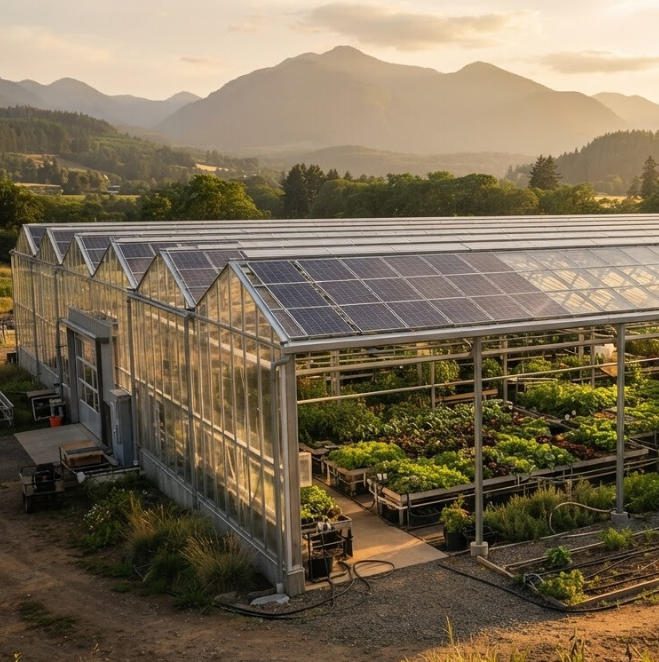
How to Evaluate Commercial Solar Panel Companies: A Practical Guide Image: A rooftop solar array on a commercial storage building in Gilroy, California. Author: Roofjockey, licensed under CC BY-SA 4.0, via Wikimedia Commons. Quick answer: To evaluate commercial solar panel companies, work through five checks in order. First, confirm the company assessed your site and roof properly. Second, compare proposals on the same line items. Third, ask hard questions before you shortlist anyone. Fourth, verify their reputation and equipment. Fifth, run the incentive math. Price matters, but it should be the last tiebreaker, not the first filter. Why Choosing a Solar Partner Is Harder Than Choosing a Product You can […]

