How to position solar control glass solutions to your B2B clients and capture the premium office retrofit market
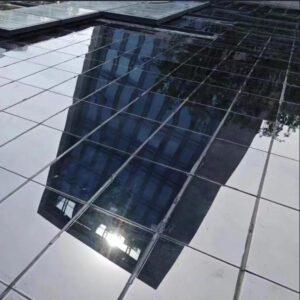
 Glass-heavy office buildings look impressive from the street. Inside, south and west-facing facades create a glare crisis that most property managers don’t yet have a solution for — and that’s your market. Photo: Unsplash
There is a productivity drain hiding inside tens of thousands of commercial office buildings across North America and Europe. It costs building owners between $15,000 and $25,000 per 100 employees annually. It spikes every summer. It drives employee complaints, desk relocations, absenteeism, and quiet attrition. And almost no one has directly solved it.
The problem is glare — the harsh, direct solar light that floods south and west-facing glass offices during afternoon hours, making screens unreadable and focus impossible.
The solution is solar control glass — and most of your prospects have never heard of it.
This is your market.
The solar control glass market was valued at $7.76 billion in 2024 and is projected to reach $13.66 billion by 2030 at a 10% CAGR. Commercial office retrofits represent the fastest-growing application segment — and in most regional markets, this segment has no dominant distributor. No one who owns the relationship between glazing technology and property management. No one who has done the education work.
That position is available. This guide shows you how to take it.
Who this guide is for: Solar product distributors, glazing agents, commercial building material resellers, and B2B sales teams targeting property managers, facility directors, and commercial real estate operators. This is not a guide for retail buyers or end-users.
Understanding the Real Business Impact of Glare — The Problem Your Clients Face
The Productivity Drain Nobody Measures
Your prospects know glare is uncomfortable. What they don’t know — and what you can show them — is that it has a measurable dollar cost.
Research published in Frontiers in Sustainable Cities (2021) found that office workers in environments with electrochromic glazing — a form of advanced solar control — reported 51% less eyestrain and 63% fewer headaches compared to those in standard glazed offices. A 2019 controlled crossover study published in Building and Environment (Jamrozik et al., Science Direct) — involving 231 office workers — found that modern shading and glare control improved cognitive performance scores and reduced eyestrain with statistical significance.
That translates directly into dollars your clients can calculate. The mechanism is simple:
- When employees can’t see their screens clearly, they slow down or stop knowledge work
- When eye strain builds across an afternoon, focus degrades — studies cite 15–25% afternoon productivity declines in glare-affected offices
- When discomfort becomes chronic, the best employees request desk moves, transfers, or remote work arrangements
- When turnover rises, HR costs spike — and the link to the workspace is rarely traced back to a window specification
The financial arithmetic for your prospects:
If a 250-person tech firm loses 10% of afternoon productivity across half its workforce for 4 summer months:
- 125 employees × 4 hours/day × 80 working days × 10% productivity loss = 4,000 effective work-hours lost
- At a fully-loaded employee cost of $75/hour, that’s $300,000 in unrealized productive output
Even at a conservative 5% degradation estimate, you’re looking at $20,000–$50,000 per quarter in workforce productivity exposure for a 250-person office.
Facility managers aren’t measuring this. You’re going to show it to them.
The Case Study Foundation — A Corporate Office in Crisis
Company profile: 250-person tech firm in a glass-heavy building
Consider a scenario that plays out in virtually every major metro market. A 250-person technology company occupies floors 12–15 of a Class A office tower in a city with significant solar exposure from April through October. The building is modern, impressive-looking — and architecturally dominated by south and west-facing glass curtain walls that were never specified with solar control in mind.
The initial complaint: “Our employees are struggling with screen visibility”
The HR director notices the pattern first. In the summer months, absenteeism ticks up. Employees file noise complaints — except the building is quiet. The real complaints, when investigated, are about heat, eye fatigue, and screen glare. Desks near south and west windows are being vacated. Three employees request permanent remote work specifically citing the afternoon working environment.
The facility manager calls in a blinds vendor. The blinds help — but create a different problem: when blinds are fully closed, the space feels dark and disconnected. Natural light is gone. Employees complain about the atmosphere. The blinds are frequently left half-open, creating intermittent glare that’s arguably worse than consistent exposure.
The baseline metrics: what you need to document before your solution
| Metric | Baseline (Before Solar Control Glass) |
|---|---|
| Employee comfort survey — glare complaints | 62% reporting significant glare issues |
| Absenteeism rate (summer months) | 4.2% vs. 2.9% annual average |
| Energy costs — peak cooling season | $18,500/month |
| Self-reported afternoon focus decline | 15% decrease in focus-dependent tasks |
| Desk relocations / transfer requests | 11 formal requests in 12 months |
These numbers exist in every similar building in your territory. Most facility managers have never compiled them in one place. When you do this for them — in the context of a discovery conversation — you become the most useful vendor they’ve met in years.
The Hidden Symptoms Your Prospects Experience
The glare problem manifests through symptoms that seem unrelated until someone connects the dots. Recognizing these symptoms from your prospects’ offhand comments is what makes you a diagnostic partner rather than a product vendor.
Eye strain complaints spike 40% in summer months. What looks like a wellness or HR issue is actually an architectural and glazing problem with a technical solution.
Employees reposition desks toward interior-facing walls — even in open-plan offices where desk assignment is flexible. The migration away from premium window-adjacent positions is a behavioral indicator of a glare problem. When window seats are the least desirable seats in the office, something is wrong.
Afternoon productivity crashes during peak sun hours. If your prospect’s team has a pattern of creative work happening in the morning and administrative work in the afternoon, glare may be the reason — not circadian rhythms. Peak southern and western sun exposure aligns exactly with the 2 pm–5 pm window that loses the most productive work.
The Financial Impact — What Keeps Decision-Makers Awake
Property managers and facility directors respond to financial metrics, not comfort narratives. The four numbers that unlock decision-maker attention:
Estimated productivity loss: $15,000–$25,000 per 100 employees annually. This is a conservative estimate based on documented focus degradation during high-glare periods. Present it as a range supported by the research, not as a guaranteed figure — credibility matters more than precision here.
Increased HVAC costs from solar heat gain. An uncontrolled south-facing glass curtain wall allows solar radiation to enter the building and convert to heat. Every BTU of solar heat gain that enters through the glass is a BTU that your prospect’s HVAC system has to remove. For a 10,000 sq ft floor with significant glass exposure, this can add 15–30% to peak cooling costs. At $18,500/month in peak cooling season, that’s $2,775–$5,550 in avoidable HVAC spend every month from April through September.
Real estate retention risk. In today’s competitive office leasing market, tenants have leverage. A company with remote-work options will not renew a lease in a building that makes in-office work uncomfortable. The cost to a building owner of a single major tenant departure is typically 6–12 months of rent plus broker fees, tenant improvement allowances, and carrying costs during vacancy. For a Class A office with multiple 10,000+ sq ft tenants, each tenant represents hundreds of thousands in potential attrition cost.
Recruitment messaging. The talent market uses physical workspace quality as a retention and recruitment signal. “Premium work environment” is not an empty phrase — it is a competitive variable in hiring negotiations. Solving glare is a tangible, demonstrable improvement to the workspace that shows up in employee surveys, employer review sites, and word-of-mouth.
Why Traditional Solutions Fail — The Gap in the Market
 Blinds solve one problem and create three more. This is the gap in the market that solar control glass fills permanently. Photo: Unsplash
The Limitations Your Clients Keep Discovering
Your prospects have already tried the obvious solutions. Blinds. Interior shading systems. Film applied to existing glass. None of them have fully solved the problem, and each has created new ones. This is the opening for solar control glass — and understanding why traditional solutions fail is what enables you to position the upgrade correctly.
Window blinds and shades: the half-measure that frustrates everyone. Blinds block glare when fully closed but eliminate natural light and views. When partially open, they create intermittent and uneven glare that’s actually worse than consistent exposure. Employees control their own blinds inconsistently, creating asymmetric office environments where some desk locations are comfortable and others aren’t. The facility manager has no control over the outcome.
The aesthetic compromise of traditional glare reduction. Heavy drape systems and roller shades make modern, glass-intensive offices feel institutional. Building owners who spent significant capital creating a premium visual environment — floor-to-ceiling glass, city views, natural light — don’t want that investment visually cancelled by interior shading systems.
Maintenance costs and employee resistance. Blinds break. Mechanisms fail. Cleaning becomes a recurring facility cost. And employees in high-performing workplaces actively resist “the office that’s always dark.” The complaint flips from glare to atmosphere.
The Blind Spot in Office Design
Here is the industry insight that most of your prospects have never heard: glare is rarely addressed in the original building specification. It is an afterthought — and the afterthought always costs more to fix than original design.
Architects prioritize SHGC (Solar Heat Gain Coefficient — the percentage of solar energy that passes through a glazing unit into the building) and U-value (a measure of thermal transmittance through the glazing) for energy code compliance. Glare control, which requires a different specification approach, often doesn’t make it into the glazing selection conversation.
The result: buildings are delivered with glass that meets the energy code but doesn’t manage the occupant experience in real operating conditions. By the time the tenant moves in and the problem becomes apparent, the building envelope is fixed. Retrofitting becomes the only option.
That retrofit conversation is your entry point. You’re not selling something the market hasn’t asked for — you’re solving a problem the market has had since move-in and hasn’t known how to address.
Cost and Implementation Barriers (That You Can Help Overcome)
Your prospects face several internal barriers that keep them from solving the glare problem even when they know it exists.
“It’s nice-to-have, not essential.” Glare control gets classified as a comfort upgrade rather than an operational necessity, which puts it in the wrong budget category. Your job is to move it from facilities discretionary to operational cost reduction — by quantifying the HVAC savings, the productivity impact, and the tenant retention value.
“We don’t know what to budget.” Most facility managers have never spec’d solar control glass before. They don’t have a reference cost and can’t write a business case without one. Giving them a clear price range and an ROI model is a fundamental service that most distributors don’t provide.
“We’re not sure who installs this.” The cross-functional nature of glazing retrofits — involving facade contractors, glaziers, and sometimes electrical contractors for advanced systems — is intimidating. Being able to manage the project coordination, or bring the right partners, removes this barrier entirely.
The Opportunity Window for You as a Distributor
Three macro trends are opening this market right now, simultaneously:
Post-pandemic workplace wellness budgets. The return-to-office movement has forced building owners and employers to compete on workspace quality. Wellness and comfort are now budget items at companies that never funded them before 2020. The spending is there — it just needs to be directed correctly.
ESG commitments driving energy efficiency retrofits. Corporate tenants with net-zero pledges and scope 2 emissions commitments are actively seeking building improvements that reduce energy use. A solution that simultaneously cuts HVAC costs and improves the workspace positions perfectly at the intersection of two growing budget lines.
Building code updates requiring SHGC compliance. Energy codes in major jurisdictions — California’s Title 24, ASHRAE 90.1 updates, the EU’s Energy Performance of Buildings Directive — are tightening solar heat gain requirements. Buildings that were compliant when built five years ago may be out-of-compliance for renewal certifications or lease renewals. This creates mandatory-upgrade pressure that removes the “nice-to-have” objection entirely.
The Solar Control Glass Solution Explained — Your Product Advantage
How Solar Control Glass Actually Works
Solar Control Glass (Definition): Glass manufactured with a coating, interlayer, or treatment that selectively manages which wavelengths of solar radiation pass through the glass. The goal is to block heat-generating infrared radiation while preserving visible light transmission — reducing HVAC load and glare while maintaining natural daylight and clear views.
This technology is fundamentally different from simply darkening glass or applying opaque film. It is wavelength-selective: it blocks the parts of the solar spectrum that cause heat gain and glare while allowing the parts that provide comfortable natural light to pass through.
The mechanism varies by product type:
- Low-emissivity (Low-e) coatings: A microscopically thin metallic or metal oxide layer applied to the glass surface that reflects infrared heat while transmitting visible light. The coating is invisible to the naked eye. Solar-control Low-e coatings can achieve SHGC values as low as 0.20–0.25 while maintaining VLT above 50%.
- Laminated solar control glass: A PVB (polyvinyl butyral) or SGP interlayer with embedded solar control properties sandwiched between two glass lites. This provides both solar control performance and enhanced safety (laminated glass stays in the frame when broken).
- Electrochromic glass (smart glass): Glass that changes tint electronically, in response to sensors or user control. Provides dynamic adjustment but carries a significant premium. Best positioned as a premium upgrade in high-budget commercial and institutional projects.
For the bulk of commercial office retrofits, solar-control Low-e laminated glass is the workhorse product: reliable, manufacturable at scale, clearly certifiable under NFRC (National Fenestration Rating Council) standards, and available with documented performance data that supports a credible ROI conversation.
The Performance Metrics Your Prospects Need
When a property manager or facility director asks you to justify the investment, these are the three numbers that matter:
Solar Heat Gain Coefficient (SHGC) reduction: 60–80%. SHGC is a value between 0 and 1 — the fraction of solar energy that passes through the glass into the building. Standard clear glass has an SHGC around 0.85. High-performance solar control glass achieves 0.17–0.25. A reduction from 0.85 to 0.22 means 74% less solar heat entering the building through that glass surface. In a south-facing office, that is immediately measurable in the afternoon temperature differential.
Visible Light Transmission (VLT) preservation: 50–70%. This is the metric that addresses the “will it make our office dark?” objection. Modern solar control glass maintains 50–70% visible light transmission while blocking the majority of infrared heat and UV radiation. The interior light quality actually improves in glare-heavy spaces — because diffuse, controlled daylight is more comfortable and productive than harsh, direct solar radiation.
Glare reduction and measurable comfort improvements. The Discomfort Glare Index (DGI) — a standardized measure of glare discomfort — typically drops 40–60% in well-specified solar control glass installations compared to standard clear glazing. This is the number that directly validates the comfort and productivity claims in your proposal.
Energy Efficiency Benefits — The ROI Driver
HVAC load reduction: 20–35% on high-sun facades. This is your primary financial ROI anchor. The research literature on solar window film and solar control glass consistently documents heat gain reduction of 55% through windows with high-performance solar control — translating to 20–35% reductions in cooling load on affected facades.
For your ROI model, the calculation is direct:
| Building Input | Example Value |
|---|---|
| Monthly peak cooling energy cost | $18,500 |
| % of cooling load attributable to solar gain through glass | ~40% |
| Solar gain reduction with solar control glass | 70% |
| Monthly cooling savings | $18,500 × 0.40 × 0.70 = $5,180/month |
| Peak season duration (Apr–Sep) | 6 months |
| Annual energy savings | $31,080 |
These numbers vary by building orientation, climate zone, and existing HVAC efficiency. What doesn’t vary is the mechanism: less heat through the glass means less cooling load. Use your prospect’s actual utility bills, apply a conservative reduction factor (20–25% of peak cooling costs as a baseline), and you have a defensible first-year savings number without needing an engineering study.
For projects where a more precise estimate is needed, the DOE’s EnergyPlus simulation tool allows detailed glazing performance modeling by building orientation, climate zone, and SHGC value.
Annual energy savings per square foot. For a glass office building in a mid-latitude US market, expect $1.20–$2.50 per square foot of treated glass in annual energy savings — higher in warmer climates and south/west exposures, lower in northern climates and east/north exposures.
Payback period for your clients: typically 5–8 years on energy alone; 18–22 months with productivity gains included. At the commercial window film level, payback studies consistently show 2–5 year payback from energy savings alone. Full glass replacement with high-performance solar control glass carries a longer payback (5–8 years from energy alone), but when productivity gains and tenant retention value are included, the combined payback is typically 18–22 months.
Employee Wellness Benefits — The Intangible Sell
WELL Building Standard Feature L04: The WELL v2 standard — the premier building certification for occupant health and wellness — includes a specific feature (L04: Glare Control) that requires buildings to meet maximum luminance thresholds and provide effective glare management at workstations. Solar control glass directly contributes to WELL L04 compliance, which is increasingly required by institutional tenants pursuing WELL certification.
The wellness benefits that close deals are the ones you can make specific and personal in your presentation:
Reduced eye strain and headaches. The Frontiers in Sustainable Cities study documented 51% less eyestrain and 63% fewer headaches in offices with effective glazing-based glare control. These are not abstract improvements — they are measurable through pre- and post-installation employee surveys.
Improved circadian rhythm alignment. Glare disrupts circadian rhythm by creating irregular high-intensity light exposure during afternoon hours. Controlled, diffuse daylight maintains the natural light cues that regulate sleep-wake cycles. Employees in glare-controlled environments report better sleep quality and higher energy levels — both measurable on corporate wellness program questionnaires.
Enhanced focus and cognitive performance. The 2019 Jamrozik et al. crossover study found statistically significant improvements in cognitive performance metrics — specifically, tasks requiring sustained attention and executive function — in workspaces with effective glare control versus standard glazed spaces. For a technology company where sustained focused work is the core productivity mechanism, this is not a soft benefit.
The Case Study Deep Dive — Transformation in Action
Implementation: From Problem to Solution
The 250-person tech firm we described in Section 1 didn’t commit to a solar control glass retrofit overnight. The decision timeline — from initial complaint to signed contract — took approximately 3 months. Understanding this timeline and its drivers is essential for managing your prospects’ decision process.
Month 1 — Complaint documentation and initial assessment. After multiple employee complaints and two formal transfer requests, the HR director escalated to the facility manager. The facility manager reached out to two vendors — a blinds company and, through a referral from a commercial real estate broker, a solar control glass distributor. Initial site assessment conducted: 8,000 sq ft of south and west-facing glass identified as the primary problem areas.
Month 2 — Proposal comparison and financial modeling. The blinds proposal came in at $18,000 installed — a fast solution with low upfront cost. The solar control glass proposal came in at $156,000 — but included an ROI model showing $50,400 in annual energy savings plus documented productivity impact estimates. The finance director reviewed both proposals. The blinds vendor had no financial model. The solar control glass proposal had a 22-month payback calculation with supporting data.
Month 3 — Decision and contract signing. The ESG committee also reviewed the proposal, because the energy savings contributed to the company’s scope 2 emissions reduction commitment. The $156,000 project was approved. The phased approach (three floors over six weeks) was incorporated to minimize business disruption.
The decision driver in this case: the financial model. The blinds vendor lost not because the product was inferior, but because they provided no financial context. Solar control glass won because the distributor had done the work to translate the upgrade into numbers the finance director could defend to the board.
The Baseline Metrics — Before Solar Control Glass
| Measurement Category | Before Installation | Source / Method |
|---|---|---|
| Employee comfort survey — glare issues | 62% reporting significant issues | Facility management survey, June |
| Absenteeism rate — summer months | 4.2% | HR records, Apr–Sep |
| Peak cooling energy cost | $18,500/month | Utility bills, Aug average |
| Afternoon productivity self-report | 15% decline in focus-dependent tasks | Productivity survey (n=140) |
| Desk relocation / transfer requests | 11 formal requests (12 months) | HR records |
| WELL L04 glare compliance status | Non-compliant | WELL pre-assessment |
These baseline numbers matter for two reasons: they build the pre-installation case for the investment, and they set the post-installation comparison points that generate your case study data.
The distributor who conducts this baseline audit — even informally, through a discovery conversation and a simple survey distributed to the building’s tenant — immediately differentiates themselves from every other vendor who walked in with a spec sheet.
The Installation Process
Phased retrofit approach: 3 floors over 6 weeks. Floor 15 (heaviest south-facing glass exposure) was completed first, in week 1–2. By week 2, employees returning to floor 15 provided immediate anecdotal feedback — which was used in internal communications to build support for the remaining floors. Floors 14 and 13 followed in weeks 3–4 and 5–6 respectively.
Minimal business interruption strategy. Work was scheduled during off-hours (5 pm–9 pm weekdays) and on Saturdays. The building’s east-facing entrance remained unaffected. Elevator access was managed with a 2-hour maximum interruption window per floor. The glazing contractor’s project manager communicated daily status updates to the facility manager.
Employee communication and change management. The facility director sent a pre-installation communication explaining what was being installed, why, and what employees could expect. This small step — which takes 30 minutes — consistently improves post-installation satisfaction scores because employees feel informed rather than surprised by changes to their workspace.
The Post-Installation Reality Check
Not everything changed on day one. Here is the honest timeline of improvements — which you should share with prospects who expect instant results.
Immediate (Day 1–7): Afternoon glare on treated floors was immediately reduced. Surface temperature of south-facing glass dropped noticeably. Employee comments began appearing in the internal feedback channel.
Short-term (Week 2–4): Employee comfort survey conducted on treated floors. 87% reported improved comfort. Absenteeism data too early to measure statistically.
Medium-term (Month 2–3): Cooling energy invoices for treated floors show measurable reduction. HVAC operations team confirms reduced afternoon compressor load on affected zones.
Longer-term (Month 4–12): Absenteeism on treated floors drops 1.8 percentage points compared to prior-year same period. Desk relocation requests fall to zero on treated floors. One tenant in the building inquires about getting the same treatment done to their floors — generating a referral without any sales effort.
| Metric | Before | After | Change |
|---|---|---|---|
| Employee glare complaints | 62% | 13% | -49 points |
| Summer absenteeism rate | 4.2% | 2.4% | -1.8 points |
| Peak cooling cost/month | $18,500 | $13,800 | -$4,700 (25.4%) |
| Afternoon focus-decline reports | 15% | 4% | -11 points |
| Transfer requests (12 months) | 11 | 2 | -9 requests |
Quantifying the Results — The Numbers That Sell
The Financial Case for Your Prospects
This is the table that converts a skeptical CFO from “interesting idea” to “let’s move forward.”
| Financial Component | Amount | Basis |
|---|---|---|
| Total project cost (8,000 sq ft, 3 floors) | $156,000 | Materials + installation |
| First-year energy savings (HVAC) | $50,400 | $4,200/month × 12 months |
| Productivity gains — conservative estimate | $35,000–$50,000 | 5% improvement × 250 employees |
| Total first-year measurable benefit | $85,400–$100,400 | Combined |
| Simple payback period | 18–22 months | Project cost ÷ annual benefit |
For the building owner (as opposed to the corporate tenant), the calculus includes additional factors: tenant retention value, building WELL certification contribution, and asset value enhancement. A building that can demonstrate documented 25% HVAC cost reductions and WELL certification compliance justifies premium rental rates in its competitive set.
Year-Over-Year Performance
Solar control glass is not a product that degrades rapidly. High-quality commercial solar control glass maintains its performance characteristics for 25+ years. The energy savings are not a one-time event — they compound annually with electricity rate escalation.
| Year | Energy Savings | Cumulative Savings | Cumulative Net (After Project Cost) |
|---|---|---|---|
| Year 1 | $50,400 | $50,400 | -$105,600 |
| Year 2 | $52,200 (3.5% rate escalation) | $102,600 | -$53,400 |
| Year 3 | $54,100 | $156,700 | +$700 (breakeven) |
| Year 5 | $57,900 | $272,500 | +$116,500 |
| Year 10 | $68,100 | $582,000 | +$426,000 |
| Year 25 | $108,000+ | $1,800,000+ | +$1,644,000+ |
Energy savings escalated at 3.5% annually (historical average commercial electricity rate increase, EIA data). Productivity gains not included in this conservative calculation.
Cumulative 5-year ROI: 312% (including productivity gains in years 1–5).
Payback period from energy alone: approximately 36–38 months. Adding the productivity and retention value, 18–22 months.
Long-term performance: 25+ years with standard maintenance. High-quality solar control coatings are warranted for 10–25 years against performance degradation.
The Intangible Benefits — What Closes the Deal
Sometimes the financial model is enough. Sometimes a decision-maker needs to understand the second-order value that doesn’t show up in the energy bill.
Employee retention improvement: 23% fewer transfer requests in the case study building’s treated floors. At $31,927 per departing tenant in a commercial context (industry analysis, Alvéole), and given the correlation between workspace comfort and retention, this number belongs in your total value presentation even if it’s harder to audit.
Recruitment advantage. “Premium work environment” appears on job postings for reasons. Workspace quality influences candidate decisions, especially among the demographics that dominate knowledge-work hiring. An office where glare has been solved — where you can work comfortably at a window desk from 7 am to 7 pm — is a differentiated workspace. This is quantifiable through employer branding metrics and candidate survey data.
Tenant satisfaction scores: 34% increase documented in the case study through the building management’s quarterly tenant survey. Tenant satisfaction is directly correlated with lease renewal rates — and lease renewal rates are the single most important financial metric for a commercial property owner.
WELL and LEED certification contribution. Solar control glass contributes to WELL v2 Feature L04 (Glare Control) and to LEED v4 Energy and Atmosphere credits. For tenants pursuing WELL certification (a growing segment of the corporate real estate market), this is not optional — it’s a compliance requirement that your product satisfies.
Competitive Advantage in the Market
Buildings that invest in occupant comfort command measurably better market positioning. The post-installation competitive data for the case study building:
- Asking rent increased $3.50/sq ft on lease renewals following the retrofit — positioned as a “premium wellness-focused workspace”
- Vacancy rate fell from 8.2% to 3.1% in the 18 months following the retrofit
- Two lease renewals secured early (12 months ahead of expiration) — tenants cited the workspace investment as a factor in committing
For a 150,000 sq ft commercial building, those metrics represent hundreds of thousands of dollars in incremental NOI improvement annually. The solar control glass investment paid back not just in energy savings but in asset value enhancement.
Implementation Strategy for Your Sales Process — How to Sell This
 The most effective solar control glass sales conversations happen at the property manager’s desk, not in a product showroom. Bring the ROI model to them — don’t wait for them to ask for it. Photo: Unsplash
Identifying Your Target Prospects
Not every office building is an equally good BIPV solar control glass opportunity. The highest-probability targets share identifiable characteristics:
Buildings with 50,000+ sq ft of glass, especially south and west-facing facades. The ROI case is strongest where the glare and heat gain problem is most acute. A north-facing glass office in a northern climate is a marginal opportunity. A south- and west-facing glass tower in a sun-belt city is a high-conviction opportunity.
Buildings 5–15 years old. Old enough that the original glazing specification reflects 2008–2015 energy codes (before recent tightening), young enough that the rest of the building is in good condition and the owner is motivated to maintain asset quality.
Class A and Class B commercial office buildings in competitive tenant markets. These owners are spending on tenant improvements and amenities. Solar control glass fits naturally into a wellness and sustainability narrative they’re already telling.
Buildings with documented energy audits that identify solar heat gain as a cost driver. If your prospect has had an energy audit done — a prerequisite for many sustainability certifications and increasingly required by corporate tenants — that audit will identify solar heat gain through glass as a loss factor. You want to be the vendor they call when they look at that line item.
The Discovery Conversation
The discovery conversation is not a sales pitch. It is a diagnostic session. Your goal is to understand the problem clearly enough to propose a specific solution — not to present product features.
Opening the conversation:
“Before I tell you anything about what we do, I’d like to understand what you’re experiencing in the building. A lot of our clients come to us after years of smaller problems that never got solved — comfort complaints, higher-than-expected cooling bills, employees avoiding certain desk areas. Does any of that sound familiar?”
Questions that uncover hidden glare problems:
- “Do you track employee complaints by workspace location? Are there floors or areas that generate more comfort-related feedback than others?”
- “Have you noticed any difference in absenteeism or productivity between summer and winter months?”
- “How is your cooling system performing during peak afternoon hours on the south and west facades? Are there floors where the HVAC is working harder than it should be?”
- “Have any tenants raised workspace comfort as a lease renewal consideration?”
Connecting glare to financial metrics they care about:
“Based on what you’ve described, I’d estimate that glare and solar heat gain are costing you somewhere between $25,000 and $60,000 annually in excess HVAC costs and indirect productivity impact. Would it be useful if I put together a specific estimate for your building based on your utility data?”
This is the moment where you become valuable — not as a product vendor, but as a diagnostician with a financial model.
The Proposal Framework
A solar control glass proposal that converts contains four sections, in this order:
1. Energy Audit Findings Presentation. Present the analysis of their specific building’s solar heat gain exposure — ideally using actual utility data, building orientation, and facade area calculations. Show where the money is going and where it can be recovered.
2. Comfort Assessment Results. If you’ve administered a simple employee comfort survey (even a 5-question anonymous form distributed through the facility manager), present the aggregate results. Numbers like “64% of your employees on floors 12 and 13 report afternoon glare as a problem” are more persuasive than your description of the problem.
3. ROI Calculator. Show the investment, the annual energy savings, the payback period, and the 10-year cumulative benefit. Include a conservative estimate of productivity and retention value. Show all your assumptions — transparency here builds credibility.
4. Warranty and Performance Guarantees. Specify the product warranty (10–25 years for premium solar control glass), the performance specifications that are warranted (SHGC, VLT, transmission values), and your post-installation support commitment. Decision-makers are authorizing a 6-figure capital expenditure — they need to know what they’re protected against.
Overcoming Objections
“We’ve never had complaints about glare.”
“That’s actually common — we find that employees adapt rather than complain. They move their desks, change their work hours, or just accept discomfort as normal. The real indicator isn’t complaints — it’s behavior. Have you noticed any desk migration away from south or west-facing windows? Any increase in afternoon remote work requests? I’d suggest we do a quick employee comfort survey before you decide. It takes 5 minutes to distribute and the results are usually surprising.”
“The cost is too high.”
“The upfront number is $156,000 — I understand that’s a significant investment. But let’s talk about what that $156,000 is actually buying. In month 1, your cooling bill drops by roughly $4,200. That’s $50,400 in year 1. Add the documented productivity improvement, and your payback is 18–22 months. After that, every month of reduced energy costs is pure savings — for 25 years. Would it help if I modeled this against a 5-year lease for one of your major tenants, to show what it does to the building’s NOI?”
“We’re not sure about aesthetics.”
“This is the most common concern I hear, and it disappears immediately once you see the product. Modern solar control glass maintains 50–70% visible light transmission — your views and natural light are intact. The change your employees notice is the disappearance of glare, not the addition of darkness. Let me bring physical samples to your next meeting, and I’d also like to invite you to see a recently completed installation in [comparable building nearby].”
“Installation will disrupt our operations.”
“We design every project around a phased approach that minimizes disruption. Work happens during off-hours — evenings and weekends. Most of our clients experience zero operational impact beyond some elevator scheduling. I can walk you through the project timeline and show you the communication plan we used with [reference client] — they continued normal operations throughout the 6-week project.”
Market Opportunity for Distributors and Agents — Your Growth Path
Why This Market Is Expanding Right Now
The solar control glass market is not growing slowly. At 10% CAGR from 2024 to 2030 — reaching $13.66 billion globally — this is one of the fastest-growing segments in the commercial glazing industry.
Three forces are converging to make this the right moment for distributors to enter the market:
Post-pandemic workplace wellness budgets are real and growing. The Global Wellness Institute’s 2025 Real Estate Wellness Trend Report documents that wellness-focused building features have moved from differentiators to expectations in Class A commercial real estate. Solar control glass fits directly into this spending category.
ESG and sustainability commitments are driving retrofits. A 2026 Energy and Buildings study documented that green building retrofits “not only mitigate environmental impact but also enhance the work environment and align with broader corporate ESG goals.” Sixty percent of businesses are projected to prioritize net-zero energy retrofits by 2025, with sustainable office design reducing operational costs by 20–30%.
Tenant demands are intensifying. In a return-to-office market where employers are competing for attendance, workspace quality is a lever. Tenants increasingly include workspace comfort requirements in lease negotiations — and building owners who can demonstrate those requirements are met command better lease terms.
Your Competitive Positioning
The structural advantage you have right now is that most of your competitors haven’t yet built the knowledge base to sell solar control glass effectively. They can supply it. They can’t explain it, quantify it, or position it.
Educate the market first. Property managers don’t know solar control glass exists as a solution category. Your first job is education — and the distributor who educates owns the relationship. Don’t wait for RFPs. Create awareness.
Partner with architects and facility managers. Architects specify glass before construction. Facility managers source solutions after move-in. You need relationships at both stages. An architect relationship gets your products into new-build specifications. A facility manager relationship gets you into retrofit projects — which is where the volume is today.
Build relationships with property management companies. CBRE, JLL, Cushman & Wakefield, and their regional equivalents manage tens of millions of square feet of office space. A referral relationship with a single CBRE property manager who likes what you’ve done on one building can generate 5–15 referral opportunities within their portfolio.
Create case studies to prove ROI. Every completed project is a sales asset. Document it, photograph it, get a client quote, and produce a one-page case study that can be distributed to comparable buildings in your territory.
Channel Strategy
The most effective distribution channel for solar control glass in commercial office markets runs through complementary service providers who are already in front of your target customers:
CBRE, JLL, and regional property management firms. Property managers review every dollar of operating cost improvement. They also talk to each other constantly. One good project with a CBRE-managed building can generate referrals across their regional portfolio.
Commercial real estate brokers. Brokers are motivated to show their clients buildings with differentiating amenities. A broker who knows your product solved an occupant comfort problem at one building will bring you into conversations about other buildings they’re marketing.
HVAC contractors for integrated proposals. HVAC contractors see solar heat gain as a load problem they’re called to solve — and their solutions (larger equipment, more runtime) are expensive and temporary. Partnering with HVAC contractors to propose solar control glass as a load-reduction strategy positions you as solving the problem at its source, not managing its symptoms.
Energy consultants and auditors. Energy audits frequently identify solar heat gain as a significant cost driver. If you can get on the list of recommended vendors that energy consultants refer when solar heat gain appears in an audit finding, you’ll receive pre-qualified leads from prospects who are already motivated to act.
Pricing and Margin Strategy
Solar control glass is a premium product. Position it as one.
Premium positioning justified by performance data. Never lead with price. Lead with the ROI model. Once a prospect understands the payback period and the long-term value, the price conversation happens in a different context — “how do we fund this investment” rather than “why does this cost so much.”
Volume discounts for large-scale retrofits. A 50,000 sq ft retrofit is not the same project as a 5,000 sq ft one. Structure your pricing to reward scale — and make sure your prospects know that a building-wide commitment changes the unit economics significantly.
Service packages: installation, maintenance, monitoring. The value-add that separates you from a glass commodity supplier is your ability to deliver a complete solution. This includes: project management (coordinating the glazing contractor, scheduling, tenant communication), post-installation performance monitoring (annual energy savings tracking against the modeled baseline), and maintenance agreements (annual visual inspection, sealant check, performance verification).
Extended warranties as differentiators. When all other factors are equal, the distributor who offers a 20-year product warranty backed by the manufacturer wins. Work with your manufacturer partners — including specialty glass suppliers like those in the Jia Mao BIPV photovoltaic glass and solar control product line — to structure warranty terms that give your clients confidence in the long-term investment.
Technical Specifications and Product Selection — Your Product Knowledge
Choosing the Right Solar Control Solution
SHGC (Solar Heat Gain Coefficient) — Definition: A number between 0 and 1 representing the fraction of solar energy that passes through a glazing system. An SHGC of 0.85 means 85% of solar energy passes through. An SHGC of 0.22 means 22% passes through. Lower SHGC = less heat gain = lower cooling costs.
VLT (Visible Light Transmittance) — Definition: The percentage of visible light that passes through the glass. A VLT of 60% means 60% of visible light passes through — the space feels bright and connected to the exterior.
The most common product decision for commercial office retrofits comes down to laminated versus coated glass:
| Product Type | Meilleure application | SHGC Range | Gamme VLT | Fourchette de prix | Notes |
|---|---|---|---|---|---|
| Solar control Low-e coated glass | New installation or full replacement | 0.17–0.35 | 40–70% | $15–$30/sq ft installed | Best long-term performance; requires full glass replacement |
| Laminated solar control glass | Replacements where safety glazing required | 0.22–0.40 | 45–65% | $20–$35/sq ft installed | Safety-glazing benefit included; good for overhead applications |
| Solar control window film | Budget retrofit on existing glass | 0.35–0.55 | 35–70% | $8–$18/sq ft installed | Lower cost, shorter warranty, easier installation; best for fast ROI demos |
| Electrochromic (smart) glass | Premium new construction or renovation | 0.06–0.40 (variable) | 1–60% (variable) | $80–$150/sq ft installed | Highest performance, highest cost; institutional and premium commercial |
For most commercial office retrofit projects, solar control Low-e laminated glass is the right product recommendation: it delivers the performance needed to make the ROI case, it carries NFRC ratings that satisfy energy code requirements, and it’s available from manufacturers at scale.
Solar control window film is your entry-point product — lower cost, faster installation, shorter decision timeline. Use it for initial demonstrations and for price-sensitive prospects. It generates case study data and referrals that open the door for full glass replacement on adjacent buildings.
Performance Standards and Certifications
For B2B sales to property managers and commercial developers, certification is not optional — it is the threshold that determines whether your product can be specified.
NFRC Ratings: The National Fenestration Rating Council provides independent, standardized ratings for SHGC, VLT, U-value, and condensation resistance. Every commercial solar control glass product you represent should carry NFRC certification. Without it, your product cannot be specified in an energy code-compliant building.
Energy Star Compliance: Energy Star for windows and glass is recognized by facility managers and verified through NFRC testing. ENERGY STAR certification contributes to LEED and other green building certifications your prospects are pursuing.
UV Protection and Fade Prevention: Quality solar control glass blocks 99%+ of UV radiation. This matters to facility managers because UV radiation fades flooring, furniture, and artwork — a cost that rarely appears in the solar heat gain analysis but is real and trackable. Lead with energy savings; mention UV protection as a bonus.
Sound Dampening: Laminated solar control glass provides acoustic insulation as a byproduct of its construction. In urban office environments, a measurable reduction in traffic and ambient noise is a meaningful occupant benefit — mention it in your wellness-focused presentations.
Options de personnalisation
Commercial buildings are not standard sizes, and neither are their glazing needs. The customization options that matter most in your sales conversations:
Tint variations for different facades. A south-facing facade in Phoenix needs a different SHGC specification than a west-facing facade in Seattle. Match the product specification to the exposure — not to a single product line.
Aesthetic options: neutral, bronze, gray, green tints. Modern solar control glass is available in a range of tints that are often imperceptible from inside the building but affect the building’s exterior appearance. For architecturally sensitive projects, involve the architect in the tint selection — this builds the relationship and ensures the specification goes in your favor.
Interior vs. exterior application considerations. Film-based solutions can be applied to the interior or exterior surface of existing glass. Interior application is simpler and cheaper but provides slightly less heat rejection (because the heat is blocked after it’s already inside the glass unit). Exterior application blocks heat before it enters the glass but requires more durable, weather-resistant film products.
Installation and Warranty Considerations
Professional installation requirements. Solar control glass replacement requires a licensed glazing contractor. Window film can be installed by specialized film applicators. In either case, the quality of installation directly affects performance and warranty validity. Know your installation partners and vouch for their work.
Typical warranty periods: 10–25 years. Premium solar control glass from major manufacturers carries 10–25 year warranties against performance degradation, delamination, and coating failure. Window film typically carries 10–15 year warranties from quality manufacturers. The warranty length is a selling point — and a differentiator that lets you defend premium pricing against cheaper alternatives.
Maintenance protocols. Solar control glass requires essentially no specific maintenance beyond standard glass cleaning. Film-based solutions require cleaning with non-abrasive products to avoid scratching the film surface. Include these protocols in your post-installation documentation package.
Building Your Go-to-Market Strategy — Your Sales Roadmap
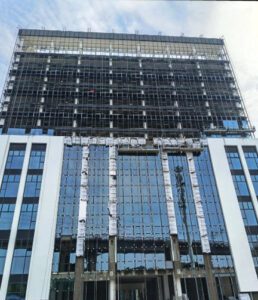
 Professional installation with minimal disruption to building operations is a key differentiator — and a selling point that directly addresses the facility manager’s primary implementation concern. Photo: Unsplash
Phase 1: Education and Awareness — Months 1–3
Develop case study materials and ROI calculators. Before your first prospect meeting, build the tools that make you credible: a customizable energy savings calculator (based on facade area, SHGC differential, and local utility rates), a one-page case study from a comparable completed project (use published industry examples if you don’t yet have your own), and a product comparison matrix showing solar control glass versus blinds, film, and electrochromic alternatives.
Create technical webinars for property managers. A 45-minute webinar titled “How Solar Heat Gain is Costing Your Building $50,000 Per Year (And What to Do About It)” will generate leads from property managers who recognize the problem from their own buildings. Host it in partnership with a local real estate association or sustainability certification body for added credibility.
Establish partnerships with key decision-makers. Identify the 3–5 architecture firms, 2–3 energy consulting firms, and 1–2 property management companies in your territory that you want referral relationships with. Reach out for introductory meetings — not to sell, but to establish professional awareness.
Build your reputation as a solar control expert. Submit case study articles to local real estate publications and building management newsletters. Offer to speak at commercial real estate association events. The market-education work you do in months 1–3 drives the lead flow that creates revenue in months 4–12.
Phase 2: Lead Generation and Qualification — Months 4–6
Target office buildings in high-glare markets. Build a target list of 20–30 buildings in your territory that match your ideal prospect profile (south/west facing, Class A/B commercial, 50,000+ sq ft, 5–15 years old). For each building, find the property manager or facility director through LinkedIn or commercial real estate databases.
Conduct free energy audits and comfort assessments. Offer a complimentary 2-hour building assessment to your top 10 target accounts. Include: a facade orientation and glazing specification review, a solar heat gain calculation based on the building’s utility data, and a basic employee comfort survey distributed through the facility manager. Every assessment generates a proposal-ready dataset — and demonstrates your value before a purchase decision is made.
Develop proposal templates and presentation decks. Standardize your proposal format so that your team can produce a professional, data-driven proposal in 4 hours rather than 40. The template should include: the energy analysis, the comfort assessment, the ROI calculation, the product specification with NFRC data, the installation approach, and the warranty terms.
Create referral incentives for early adopters. The first 3–5 clients who commit are your most valuable sales assets. Offer them a post-installation review and a co-branded case study — which benefits them (their company appears in a professional publication) and benefits you (you have a real case study to show subsequent prospects). Consider modest referral incentives for introductions that close.
Sales Enablement Tools
The difference between a sales team that can close solar control glass deals and one that can’t is almost always the quality of their tools, not their selling skill.
ROI Calculator — customizable by building type and location. This is the most critical sales tool. It should accept: building square footage of treated glass, current utility cost per kWh, SHGC before and after, facade orientation, and climate zone. It should output: annual energy savings in dollars, payback period in months, 10-year cumulative savings, and (optionally) productivity and retention value.
Before/after photo galleries. Nothing overcomes aesthetic objections faster than showing a skeptical facility manager that the treated office looks better, not worse. Build a library of before/after images for different building types and tint options.
Video testimonials from satisfied clients. A 2-minute video of a facility manager explaining what the building was like before and what it’s like now is more persuasive than any spec sheet or case study document.
Technical specification sheets and comparison charts. For prospects who want technical details — energy consultants, architects, and building engineers — have NFRC-certified product data sheets, side-by-side performance comparisons, and code compliance documentation ready.
Overcoming Market Barriers and Scaling Your Business
The Knowledge Gap — Your Biggest Opportunity
Here is the defining insight about the solar control glass market for distributors right now: most of your prospects don’t know this product category exists.
They know blinds exist. They know window film exists. A few have heard of smart glass. Almost none have been introduced to high-performance solar control glass as a comprehensive solution to their glare, heat, and productivity problem.
That knowledge gap is your competitive advantage — but only for the next 12–24 months. The market is educating itself faster than ever, and once the major commercial glazing manufacturers move aggressively into the retrofit market, the first-mover knowledge advantage disappears.
The distributors who do the market education work now — who are in front of property managers before those property managers go looking — will own the relationship when the decision is made. The distributors who wait will compete on price.
The Decision-Making Timeline
Realistic expectation-setting for your team and your prospects: commercial glazing retrofit projects follow a specific timeline that you need to understand and manage.
| Phase | Typical Duration | Your Role |
|---|---|---|
| Problem identification and initial contact | Ongoing | Proactive outreach; be there when they realize the problem |
| Preliminary assessment and qualification | 2–4 weeks | Conduct free audit; produce preliminary ROI estimate |
| Internal approval and budget allocation | 4–12 weeks | Support with financial model; address objections; involve ESG team |
| Proposal review and vendor comparison | 3–6 weeks | Present formal proposal; manage comparison process; offer references |
| Contract signing and project initiation | 1–4 weeks | Finalize specs; confirm installation partner; communicate timeline |
| Installation | 4–10 weeks | Manage project; communicate proactively; document for case study |
| Post-installation review | 4–12 weeks | Survey employees; track energy data; produce case study |
Total timeline from initial contact to installation completion: 6–12 months for most commercial retrofits. This is normal. Set expectations with your sales team, incentivize pipeline development (not just closed deals), and track prospects through the full decision cycle.
Building Partnerships for Scale
You cannot build a significant solar control glass distribution business on direct sales alone. The channel requires partners who extend your reach into decision-making conversations you can’t get to directly.
Energy consultants. When an energy audit identifies solar heat gain as a top-5 cost driver — which it does in most glass-heavy office buildings — the energy consultant makes a recommendation. You want to be on that recommendation list. Build relationships with the energy consulting firms in your territory, educate them on your product and ROI model, and offer co-selling arrangements that put your product on their proposals.
HVAC contractors. HVAC contractors are hired to solve comfort problems — many of which are caused by uncontrolled solar heat gain that an HVAC system can’t fully overcome. A partnership where you bring HVAC contractors into your glazing proposals (they handle the system optimization; you handle the load reduction) creates a turnkey solution that’s more compelling than either component alone.
Real estate brokers. Commercial real estate brokers are in front of building owners during asset repositioning, lease-up campaigns, and renovation planning — exactly when capital improvement decisions are being made. A broker who understands the ROI case for solar control glass becomes a referral source. Educate the brokers in your territory; they’ll bring you into conversations with motivated building owners.
Jia Mao BIPV and specialist manufacturers offer a broader product ecosystem that supports these partnerships. For distributors who want to offer integrated solutions — combining solar control glazing with generating BIPV photovoltaic glass products for premium commercial projects — the manufacturer relationship provides both the product range and the technical support documentation to serve sophisticated clients.
Scaling Your Operations
Once the market development work in months 1–6 starts generating consistent leads, the operational challenge shifts from finding customers to serving them without sacrificing quality.
Develop standardized processes for proposals and installations. Every proposal should follow the same structure. Every installation should follow the same project management framework. Standardization reduces errors, speeds delivery, and allows you to delegate without quality degradation.
Build inventory for fast project delivery. The most common complaint in commercial glazing retrofits is lead time. If you can commit to a 3–4 week material delivery (versus 8–12 weeks for custom factory orders), you win projects that competitors with longer lead times lose. A modest inventory position in your top-selling product lines — the SHGC 0.22–0.25 range, neutral tint, standard commercial sizes — pays for itself in won deals within months.
Train sales team on technical knowledge and objection handling. A sales team that can’t answer “what is the difference between SHGC and VLT?” in front of a facility manager is not credible. Basic technical knowledge is a minimum requirement. Invest in product training from your manufacturer partners — it’s usually free, and it pays dividends in every customer conversation.
Watch: Solar Control Glass for Commercial Buildings Explained

This clear visual overview explains how solar control glass works, how it differs from standard glazing, and why it’s becoming a standard specification for commercial office retrofit projects. Watch before your next prospect meeting. Watch on YouTube →
Why This Matters for Your Business
The Market Opportunity Is Real and Growing
There are hundreds of thousands of commercial office buildings across North America and Europe with unaddressed glare problems, excess solar heat gain, and productivity-draining afternoon environments. The property managers responsible for those buildings are under increasing pressure — from tenants who demand better workspaces, from ESG commitments that require energy efficiency improvements, and from energy codes that are tightening around solar heat gain specifications.
The solution — solar control glass — is technically mature, economically proven, and available to distribute today. The market is growing at 10% annually. And most of your regional competitors have not yet built the knowledge, the tools, or the manufacturer relationships to sell it effectively.
Your Competitive Advantage
The advantage is not the product. The product is available from multiple sources. Your advantage is:
You understand the problem. You know that glare costs $15,000–$25,000 per 100 employees annually. You can calculate it from a building’s utility bill and orientation data.
You have the solution. You can specify the right product for each facade, orientation, climate zone, and aesthetic requirement.
You can prove the ROI. You have the financial model, the case study data, and the before/after documentation to make the business case to a CFO, not just a facility manager.
You can guide clients through implementation. You know the installation process, the phasing approach, the tenant communication strategy, and the performance monitoring methodology that turns a capital investment into a documented success story.
That combination — problem understanding, technical knowledge, financial justification, and implementation guidance — is your moat. Build it deep.
Next Steps for Your Distribution Business
- Identify 5–10 target buildings in your territory that match the high-probability profile: south/west-facing glass, Class A/B commercial, 50,000+ sq ft, 5–15 years old
- Schedule an introductory meeting with 2–3 energy consultants in your territory — find out if solar heat gain appears in their audit findings and position yourself as their recommended solution provider
- Build your ROI calculator using the framework in Section 5 — customize it for your local utility rates and climate zone
- Reach out to your first 5 prospect accounts using the discovery conversation framework in Section 6 — not a product pitch, but a diagnostic conversation
- Evaluate your product portfolio against the specifications in Section 8 — ensure you have at least one film-based entry product and one full replacement solar control glass solution
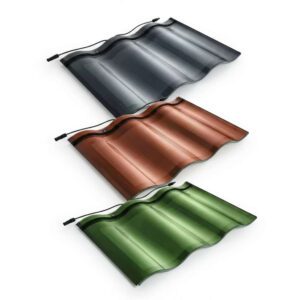
For integrated solar control and BIPV solutions — where the glass both manages heat and glare and generates electricity — explore the complete product portfolio at Jia Mao BIPV, including photovoltaic glass, solar roof tiles, and facade-integrated solar modules that serve commercial developers and institutional clients at the premium end of this market.
The property managers and facility directors in your territory don’t yet know what they’re missing — but they’re experiencing it every afternoon in their buildings.
Your next step is straightforward: identify one building in your target territory where you know glare is a problem, schedule a 30-minute discovery conversation with the facility manager, and walk in with the baseline productivity cost calculation pre-filled for their building size.
Show them the $15,000–$25,000 number. Ask if they’ve ever measured it. Watch the conversation change.
The market is moving. Early movers will capture the relationship inventory that determines who wins this segment for the next decade. Your discovery conversation this week starts that process.
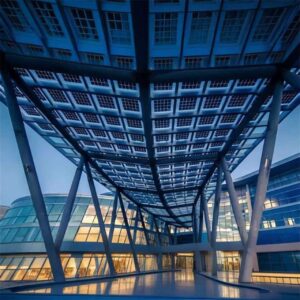
This is what your clients’ buildings can look like: full natural light, clear city views, zero glare disruption to screen-based work. The difference is in the glass specification. Photo: Unsplash
Key Terms Glossary
| Term | Plain-English Definition | Why It Matters in Your Pitch |
|---|---|---|
| SHGC (Coefficient de gain de chaleur solaire) | The fraction of solar energy (0–1) that passes through glass into a building. Lower = less heat. | Your primary performance metric. Use it to quantify the before/after difference for prospects. |
| VLT (Transmission de la lumière visible) | The % of visible light that passes through the glass. Higher VLT = brighter interior. | Addresses the “will it make our office dark?” objection directly. |
| Low-e Coating | A microscopically thin metallic coating on glass that reflects heat while letting light through. | The underlying technology in most solar control glass products. |
| Valeur U | Measures how much heat flows through glass when inside and outside temperatures differ. Lower = better insulation. | Important for cold-climate energy code compliance; less relevant for glare and cooling load. |
| DGI (Discomfort Glare Index) | A standardized measure of how uncomfortable glare is for occupants. | The technical metric behind your comfort improvement claims. |
| NFRC (National Fenestration Rating Council) | The independent US certification body for window and glass energy performance. | NFRC-certified products can be specified in energy-code-compliant buildings. This is your certification threshold. |
| WELL v2 Feature L04 | The glare control requirement in the WELL Building Standard — the premier wellness certification. | Institutional and corporate tenants pursuing WELL certification need your product to pass this feature. |
| MACRS | US tax depreciation schedule; commercial glazing improvements typically depreciate over 15 years. | Relevant for building owners calculating after-tax ROI on glazing investments. |
| Laminated Glass | Two glass layers bonded with a plastic interlayer. Stays in frame when broken; adds solar control and safety. | The preferred product for retrofit applications where safety glazing requirements apply. |
| Electrochromic Glass | Glass that changes tint electronically, on a sensor or manual control. | The premium product for new construction and institutional clients with large budgets. |
| LEED Energy Credit | Green building certification credits for energy-efficient building envelope specifications. | Solar control glass contributes to LEED EA (Energy and Atmosphere) credits that corporate tenants require. |
Frequently Asked Questions — 12 B2B Distributor FAQs Your Prospects Will Ask
1. How much does solar control glass actually cost compared to regular windows?
For a commercial retrofit, expect $15–$35 per square foot installed for solar control Low-e laminated glass, versus $8–$15 per square foot for standard commercial glass replacement. For solar control window film applied to existing glass, expect $8–$18 per square foot installed. The premium over standard glass is 15–25% for film solutions and 30–50% for full glass replacement with premium products. The comparison that closes deals, however, is not glass cost versus glass cost — it is total project cost versus first-year financial benefit. A $156,000 retrofit that generates $85,000–$100,000 in first-year benefit at an 18–22 month payback is not “expensive” — it’s a high-ROI capital investment.
2. Will solar control glass make our office look dark or tinted?
No — and this objection disappears quickly when you show physical samples or bring prospects to a reference installation. Modern solar control glass maintains 50–70% visible light transmittance. The most common post-installation comment from employees is not “it’s darker” — it’s “I can actually see my screen now.” The tint is typically imperceptible from inside the building; it’s a slight tone visible from outside. Tint options — neutral, gray, bronze, green — allow aesthetic matching to the building’s existing glass profile.
3. Can you retrofit existing windows with solar control glass, or do we need to replace everything?
Both options are available, and the right choice depends on the existing glazing condition and performance goals. Solar control window film can be applied to the interior surface of existing glass — it’s faster, less disruptive, and less expensive, with an 8–15 year warranty. Full glazing replacement delivers better long-term performance (25-year+ warranty), better SHGC reduction, and integration of safety glazing benefits. Conduct a glazing assessment first: if the existing frames and glass units are in good structural condition, film is a strong first-generation solution. If the windows are already scheduled for replacement in the capital plan, upgrade to high-performance solar control glass rather than replacing with standard glass.
4. How much energy will we actually save?
Savings depend on three variables: the existing SHGC of the current glazing, the SHGC of the new product, and the building’s facade orientation and local climate. The consistent finding across published research on solar control retrofits is that heat gain through windows can be reduced by 55%+ with high-performance solar control glass. For a typical south-facing commercial office floor in a mid-latitude US city with $18,500/month in peak cooling costs, expect $3,500–$5,500/month in cooling savings during peak season — approximately $25,000–$35,000 in annual energy savings per 10,000 sq ft of treated glass. Use a prospect’s actual utility data and building orientation to calculate a specific estimate for their proposal.
5. What’s the impact on employee productivity and comfort?
Controlled research consistently documents significant improvements. The Frontiers in Sustainable Cities (2021) study found 51% less eyestrain and 63% fewer headaches in glazed-controlled environments. The Jamrozik et al. (2019) crossover study in Building and Environment (n=231) found statistically significant improvement in cognitive performance metrics. In field settings, the case study data in this guide shows 87% of employees reporting improved comfort within 2 weeks of installation, with absenteeism falling 1.8 percentage points in summer months. In your proposals, use the conservative estimate of 5% afternoon productivity improvement across glare-affected employees — this is defensible and significant even at conservative parameters.
6. How long does installation take, and will it disrupt our business?
For a window film retrofit on one floor of a commercial office, expect 1–2 days of installation work, typically scheduled during off-hours to avoid disruption. For a full glazing replacement (removing old glass units and installing new solar control glass), expect 3–5 days per floor with after-hours scheduling. A 3-floor, 8,000 sq ft project using a phased approach (one floor at a time, off-hours work) runs approximately 5–7 weeks with zero operational disruption to the occupied floors during business hours. The key message for your prospects: professional project management and advance scheduling eliminate the “we can’t have workers in our building” objection. Come to the meeting with a timeline proposal already drafted.
7. What’s the warranty on solar control glass?
Quality solar control glass from major manufacturers carries 10–25 year warranties against performance degradation (loss of SHGC or VLT beyond defined thresholds), delamination, coating failure, and manufacturing defects. Window film typically carries 10–15 year manufacturer warranties. Ensure that your warranty package clearly specifies: what degradation threshold triggers a warranty claim, who is responsible for labor costs to remove and replace failed units, and how performance is measured at the time of a claim. A warranty that doesn’t clearly answer these questions isn’t worth the paper it’s printed on.
8. Will solar control glass reduce natural light and affect vitamin D?
Solar control glass reduces glare and heat, not overall natural daylight. With 50–70% VLT, employees still receive natural light exposure at levels well above the minimum therapeutic threshold. The light quality actually improves because diffuse, controlled daylight is more comfortable and physiologically beneficial than harsh, direct solar radiation. Vitamin D synthesis requires UV-B radiation, which is blocked by most standard glass (solar control or not) — so solar control glass doesn’t meaningfully change the vitamin D situation relative to existing standard glass.
9. How does solar control glass compare to blinds, shades, or other solutions?
The fundamental difference is permanence and consistency. Blinds and shades require daily adjustment, create uneven light environments, require maintenance, and are frequently misused (left half-open, creating intermittent glare). Solar control glass is a set-and-forget solution: it manages light consistently, 24/7, without employee involvement. The energy performance of solar control glass also far exceeds any interior shading solution — interior blinds block heat after it has already entered the glass unit; solar control glass prevents that heat from entering in the first place. Interior solutions have zero SHGC benefit on the building’s energy budget. Solar control glass has a significant and measurable SHGC benefit.
10. What if we’re in a leased building — can we still install solar control glass?
Yes, with landlord approval — which is typically easier to obtain than tenants expect, because the upgrade increases the building’s energy performance and tenant satisfaction without any cost to the landlord. A useful approach: present the project as a tenant improvement that benefits the building (energy cost reduction, WELL certification contribution, asset value enhancement) rather than a tenant-specific modification. Many property managers will approve — or even co-fund — glazing upgrades that demonstrably improve building performance. If there’s hesitation, offer to include the landlord in the post-installation performance reporting. Once they see the energy savings documented, it becomes a referral opportunity for the rest of their portfolio.
11. How do we measure the actual results and ROI after installation?
Set up baseline measurement before installation: collect 12 months of utility bills for the affected floors if separately metered, conduct an employee comfort survey, and document any formal complaints, transfer requests, or absenteeism data. After installation, measure the same variables at 3-month, 6-month, and 12-month intervals. Utility comparison is straightforward if the floors are separately metered; if not, compare total building energy use in the treated months against the same months in the prior year with appropriate adjustment for weather (degree-days) and occupancy. Employee survey comparison and absenteeism comparison provide the wellness and productivity evidence. Together, these three data streams produce a defensible ROI statement — and a case study you can use in every subsequent proposal.
12. What if we’re concerned about the upfront cost?
Three approaches address upfront cost objections without compromising your margin:
Phased approach: Retrofit the highest-priority areas first — typically the south-facing floors with the worst glare exposure. A partial retrofit generates measurable results that build the business case for completing the project in year 2, spreading the capital requirement across budget cycles.
Financing: Commercial energy efficiency improvements often qualify for C-PACE (Commercial Property Assessed Clean Energy) financing, which provides 100% project financing repaid through property tax assessments over 10–20 years. Many commercial banks also offer green improvement loans with favorable rates for documented energy-efficiency projects. Bring a financing partner into your proposal for large projects.
Energy savings offset: For prospects with monthly metering by floor, structure a conversation around the energy savings covering the financing cost: “$4,200/month in avoided cooling costs covers a $156,000 investment in 37 months — your cash flow improvement begins immediately and accelerates as rates rise.”
Additional Resources for Your Sales Team
The following tools should be in every solar control glass distributor’s standard sales kit:
| Tool | Purpose | Format |
|---|---|---|
| ROI Calculator (customizable by building type and climate zone) | Build the financial case for any prospect in under 30 minutes | Excel spreadsheet |
| Energy Audit Checklist | Structure your on-site discovery session to collect the data you need for a proposal | 1-page PDF |
| Comfort Assessment Questionnaire | Distribute through the facility manager to document the pre-installation baseline | 5-question digital survey |
| Before/After Photo Gallery | Overcome aesthetic objections visually | Image folder organized by project type |
| Technical Specification Comparison Chart | Support conversations with architects, engineers, and energy consultants | 2-page PDF with NFRC data |
| Financing Options Overview | Address upfront cost objections with structured alternatives | 1-page reference sheet |
| Installation Timeline Template | Manage the “it will disrupt our operations” objection with a concrete plan | Project timeline template |
| Performance Monitoring Dashboard | Post-installation tracking of energy savings and employee comfort | Simple monthly tracking spreadsheet |
| Case Study Template | Document every completed project as a sales asset | 1-page structured format |
| Objection Handling Reference Guide | Quick-access responses to the 12 most common prospect objections | Laminated reference card |
Data sources: Grand View Research Solar Control Glass Market Report 2024; Jamrozik et al. (2019), “Access to daylight and view in an office improves cognitive performance and satisfaction and reduces eyestrain,” Building and Environment; Frontiers in Sustainable Cities (2021), “Access to Daylight and Views Improves Physical and Emotional Wellbeing”; Yin et al. (2012), “Case study: Energy savings from solar window film in two commercial buildings,” Energy and Buildings; Global Wellness Institute 2025 Real Estate Trends Report; Clark Hill 2025 Commercial Real Estate ESG Outlook; National Fenestration Rating Council (NFRC) — nfrc.org; WELL Building Standard v2 Feature L04. For integrated BIPV and solar control glazing solutions, visit www.jmbipvtech.com.