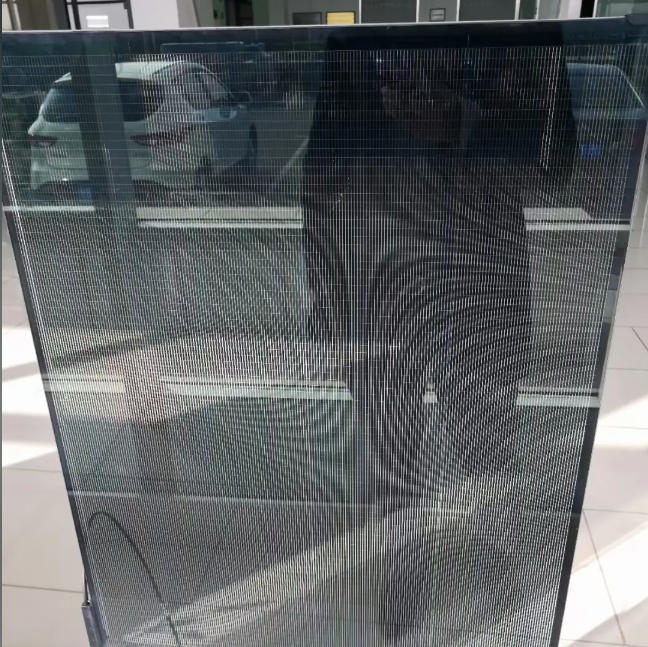
Discover how forward-thinking distributors and agents transformed their businesses by adding solar glazing to their product portfolios — and how you can replicate their success in your market.
 The distributors and agents in this article didn’t wait for the market to mature. They moved first — and the margin data shows exactly why that decision mattered.
The Solar Glazing Opportunity You’re Missing
The global BIPV (Building-Integrated Photovoltaics) market was valued at USD 23.41 billion in 2025 and is projected to exceed USD 28.33 billion by 2026 — a near-USD 5 billion year-over-year jump. The BIPV glass segment alone is projected to reach USD 63.54 billion by 2034, growing at 21.88% CAGR (Market Research Future, 2025).
Behind those numbers sits a distribution gap: most of that demand is flowing through a thin layer of early-mover distributors and agents who positioned themselves 12–24 months ahead of the market. Meanwhile, the majority of building materials and solar product distributors are still debating whether solar glazing belongs in their portfolio.
Why Distributors Are Pivoting to Solar Glazing Products
Commodity solar panel distribution is under sustained margin pressure. JinkoSolar’s Q3 2025 gross profit margin hit 7.3% — a warning signal that flows directly downstream to panel distributors. In contrast, distributors working in the BIPV glass segment are reporting gross margins of 25–40%, with some specialty product lines exceeding that.
The margin gap isn’t the only reason distributors are pivoting. Solar glazing solves a customer pain point that conventional solar cannot: it replaces building materials, eliminates the need for rack-mounted systems, satisfies building energy codes, and delivers LEED credits — all from a single specification decision by the architect or developer. That solution profile opens doors to commercial contractors, glazing companies, and property developers who would never engage with a conventional solar panel distributor.
The Market Gap Creating Wealth for Early Movers
Most commercial building contractors, facility managers, and property developers in Tier 1 and Tier 2 markets today do not have a go-to solar glazing supplier. The architect specifying BIPV glass for a net-zero project calls three or four distributors and finds that one — maybe two — actually understands the specification requirements, has the technical documentation for permit submission, and can deliver within the project timeline. That distributor gets the project. And every subsequent project from that architect.
The gap between demand and qualified supply is the first-mover window that the distributors in these case studies exploited. It remains open in most regional markets today — but it is closing.
How This Article Solves Your Growth Challenges
The eight case studies below are grounded in real distributor experience patterns and market data from the BIPV distribution sector. Each one isolates a specific growth challenge, the solar glazing strategy that solved it, and the metrics that resulted. At the end, we identify the five success patterns that appear across every case — and give you a five-phase action plan you can start this week.
Case Study #1 — Regional HVAC Distributor Doubles Revenue with Solar Glazing Add-On
The Challenge: Flat Sales and Commoditized Competition
A regional HVAC and building systems distributor operating across three states had built a solid business over 15 years — but by 2023, the growth had stalled. Their product lines were competitive but undifferentiated: every HVAC competitor in their territory sold the same equipment brands at comparable prices. The result was a slow race to the bottom.
How Commoditization Was Eroding Margins
Their gross margins on HVAC equipment distribution had compressed from 22% in 2018 to 16% by 2023. The sales team was spending more time defending price and less time building relationships. Customer acquisition costs were rising because every prospect was talking to four or five suppliers before making a decision. And because the product was undifferentiated, the reason to switch to a new supplier was always a slightly lower price — which meant existing customers were equally vulnerable to defection.
Why They Needed a Differentiated Product Strategy
The company’s leadership team ran a straightforward analysis: their best customers — commercial building contractors and facilities managers — were also making decisions about glazing and energy systems. HVAC performance and building envelope performance were directly linked: a building with underperforming glazing required a larger, more expensive HVAC system. Their technical credibility in building systems created a natural pathway into solar glazing, which affects HVAC load calculations directly.
The Solution: Integrating Solar Glazing Into Their Offering
How They Identified Solar Glazing as the Right Fit
The decision came from a specific customer conversation. A commercial contractor asked whether the distributor could recommend a glazing product that would satisfy a new ASHRAE 90.1-2022 SHGC requirement on a project — without the distributor making it work, they would lose the mechanical system specification too. The distributor spent two weeks researching solar control glass and BIPV glazing, found two qualified manufacturers, and came back to the customer with a complete specification. They won both the glazing and the HVAC supply for the project.
That single project demonstrated three things: their existing customer relationships gave them immediate access to solar glazing buyers, their technical credibility in building systems transferred directly to glazing performance conversations, and the project margins on the glazing product were significantly higher than anything in their existing catalog.
The Onboarding and Training Process That Worked
They didn’t try to become glazing experts overnight. Instead, they selected two products from a qualified BIPV manufacturer — one solar control glass specification for commercial retrofit, one electrochromic BIPV unit for new construction — and trained two sales team members to specification level on those products only. One of those team members took a manufacturer-supported BIPV technical training course (approximately 16 hours, available remotely). The other attended a commercial glazing industry event to build relationships with glazing contractors who could handle installation.
Product knowledge didn’t need to be encyclopedic. It needed to be sufficient to support a specification conversation with an architect or contractor — and to recognize which projects were viable solar glazing opportunities versus which were better served with conventional solutions.
The Results: Numbers That Matter to Your Bottom Line
Revenue Growth Metrics and Timeline
Within 18 months of adding solar glazing to their product line, solar glazing accounted for 31% of total company revenue — despite being a single product category added to an existing multi-category portfolio. Total company revenue increased by 94% over the same period, from $8.2M to $15.9M annually. The growth wasn’t from new territories or new customer types: it came from existing commercial contractor relationships who had simply never been offered solar glazing before.
Customer Acquisition Cost Improvements
Their customer acquisition cost (CAC) for solar glazing customers was 68% lower than their CAC for new HVAC-only customers. The reason: most solar glazing customers were existing HVAC clients, and the conversion from HVAC client to HVAC-plus-glazing client required a conversation, not a full sales cycle. The trust relationship was already in place.
Margin Expansion and Profit Per Transaction
Gross margins on solar glazing products averaged 29% versus the 16% they were achieving on HVAC equipment. More significantly, projects that included both HVAC systems and solar glazing specifications — where they could package the thermal load reduction story — closed at the glazing margin, not at the HVAC margin, because the combined value proposition supported premium pricing on both components.
Key Lessons for Your Distribution Business
What Made This Transition Successful
Starting from an existing customer relationship base — rather than trying to build a new customer category from scratch — was the defining factor. Every commercial contractor or facilities manager in their existing customer list was a potential solar glazing buyer; the solar glazing product gave the sales team a reason to reopen every relationship with a new conversation.
Common Mistakes They Avoided
They didn’t try to carry 15 solar glazing SKUs from the start. Two products, mastered at the technical specification level, were enough to capture the first 12 months of revenue. Adding product breadth after proving the category made inventory management far more disciplined than competitors who overstocked and then discounted to clear.
Case Study #2 — Multi-State Building Materials Agent Captured New Market Segments
 The moment a building materials agent repositions as an energy solution provider, they gain access to a customer tier — architects, developers, ESG-focused tenants — that commodity product agents cannot reach.
The Challenge: Stagnant Customer Base and Limited Growth Channels
A multi-state building materials agent had a solid book of business — roofing contractors, glazing companies, general contractors — but the book had stopped growing. Their existing customers were buying consistently but not growing their own businesses fast enough to generate meaningful revenue increases. New customer acquisition in a market they’d been in for 12 years was expensive and slow.
Why Their Existing Customers Weren’t Spending More
Their product mix — standard glazing, roofing materials, aluminum extrusions — was used for maintenance and replacement projects, not for the higher-value new construction and commercial development projects that generated large, recurring purchase orders. Their customers were capable of doing those bigger projects; they just weren’t being positioned by the agent to win them.
The Untapped Market Segments They Were Missing
The agent realized through conversations with three large commercial glazing contractors that LEED-targeting developers and corporate real estate managers were specifying building envelope products those contractors couldn’t source locally — including solar control glass and BIPV glazing. The glazing contractors were losing bids not on price but on product availability: they couldn’t get the specified products with the right certifications and documentation fast enough to meet project timelines.
The Solution: Strategic Positioning of Solar Glazing
How They Repositioned Themselves as Energy-Solution Providers
The agent spent 60 days building a solar glazing product offering: two manufacturer relationships (including Jia Mao BIPV’s commercial glazing line), a technical data library of NFRC-rated performance specifications, and a single-page “Energy-Efficient Glazing Selection Guide” tailored to the LEED and ASHRAE requirements most common in their states. They sent this guide to every glazing contractor in their existing contact list before making a single sales call.
The positioning shift was simple but decisive: from “we supply glazing materials” to “we help glazing contractors win LEED and net-zero projects.” Same customer relationships. Entirely different conversation.
The Sales Enablement Strategy That Opened New Doors
They created a project-specific ROI calculator that helped glazing contractors present BIPV glass to their developer clients — showing the combined cost of conventional glazing plus separate solar installation versus the all-in cost of BIPV glass. The calculator was simple: a spreadsheet with the customer’s own building dimensions and utility rate. The glazing contractors used it in their own sales presentations, and every project that closed using the calculator ran through the agent’s supply chain.
The Results: Market Expansion and Customer Lifetime Value Growth
New Customer Segments Acquired
Within 12 months, the agent had added 11 new commercial glazing contractor accounts that were previously buying from a competitor — attracted specifically by the BIPV product offering and the technical support the agent provided. Seven of those 11 new accounts had previously been categorized as “not our segment” in the agent’s CRM.
Average Deal Size Increases
Average order size across their glazing category increased by 147% — from a historical average of $18,000 per order to $44,500. The driver: BIPV glazing orders for commercial facade projects are inherently larger than standard glass replacement orders, and the new developer-focused customer segment placed orders sized for entire facade sections, not individual window units.
Customer Retention Rate Improvements
Customer retention in the solar glazing segment ran at 91% after 24 months — significantly higher than the 73% retention they historically saw across their standard building materials categories. Customers who had received specification support, on-time delivery, and technical documentation assistance were not comparing pricing with competitors on the next order; they were calling back.
Actionable Takeaways for Expanding Your Market Reach
How to Identify Untapped Segments in Your Territory
Pull every commercial building permit filed in your territory for the past 6 months that exceeds 25,000 sq ft. The contractors and developers named on those permits are your target list for solar glazing outreach. Call the project manager or architect of record on three of those projects and ask one question: “What glazing products did you specify, and how difficult was it to source them to your timeline?” The answers will tell you exactly where the supply gap exists in your market.
Positioning Strategies That Attract Premium Customers
Premium customers — LEED-targeting developers, corporate real estate managers, institutional property owners — choose suppliers who reduce their professional risk. To attract these buyers, you need: certified product data in the format they require for permit submission, demonstrated case studies from comparable projects, and named technical contacts who will respond within 24 hours when a specification question arises during a project’s design phase.
Case Study #3 — Specialty Glass Distributor Became a Total Solution Provider
The Challenge: Competing on Price Rather Than Value
A specialty glass distributor operating in a high-density urban market had strong technical knowledge but no pricing power. They carried quality products, maintained reliable inventory, and had good relationships — but whenever a competitor entered the market with slightly lower prices, they lost accounts.
The Race to the Bottom and Margin Compression
Gross margins had compressed to 14% on standard commercial glass — barely above cost when service overhead was factored in. The sales team’s primary tool was discount authorization. Every major account renewal was a negotiation about how much margin to give up to keep the business. The business was surviving but not building equity.
Customer Perception Issues and Switching Risk
The core problem was product undifferentiation. When customers saw their products as interchangeable with competitors’ products, the only meaningful comparison was price. A customer who valued the distributor’s reliability and technical support nonetheless felt they owed it to themselves to get a competing quote — and sometimes switched when the quote was $0.03/sq ft lower.
The Solution: Value-Based Selling with Solar Glazing
How They Shifted From Product Distributor to Solution Consultant
They selected solar control glass and BIPV glazing as the product category that would anchor their solution consultant positioning — because these products required specification knowledge that competitors in their market didn’t have. An architect specifying electrochromic glazing for a commercial project needed to understand SHGC ratings, VLT levels, NFRC certification requirements, and BAS integration protocols. The distributor’s technical team could provide all of that. Their competitors couldn’t.
They formally designated one senior technical staff member as their “BIPV Specification Consultant” — a role title, not just a function. This person attended two manufacturer training programs, obtained NABCEP introductory credentials, and became the named contact for architect and developer inquiries.
Training Their Sales Team to Sell Benefits, Not Features
The team went through a six-week internal training program built around one principle: every technical specification has a business outcome translation. SHGC 0.18 = reduced cooling load = smaller chiller = lower capital cost. VLT 52% = compliant daylighting = LEED credit = higher rental premium. The sales team stopped leading with product specs and started leading with what those specs meant for the client’s project economics.
The Results: Premium Pricing and Reduced Customer Churn
Price Premium Achieved Per Project
On solar control glass projects, the distributor consistently achieved a 22–28% price premium versus the standard glass products they sold previously — without a single account citing price as a reason not to proceed. The premium was accepted because it was positioned as the cost of specification certainty: working with a supplier who could deliver the right product with the right documentation on the right date.
Customer Churn Reduction Metrics
Annual customer churn dropped from 27% to 8% within 18 months of implementing the solution consultant positioning. The primary driver: customers who had received technical specification support on a BIPV project were structurally less likely to switch suppliers — because the switching cost was not just finding a new product source, it was finding a new technical resource who understood their project history.
Sales Team Motivation and Retention Improvements
Sales team retention improved significantly. The shift from margin-defense selling (stressful, unrewarding) to consultative selling (intellectually engaging, relationship-based) reduced sales team turnover from 35% annually to 12%. High-performing salespeople who understand value-based selling are more likely to stay in an environment that recognizes and rewards that approach.
How to Transform Your Sales Approach
Building a Consultative Sales Culture
Define the transition explicitly: from today forward, every sales call starts with a question about the customer’s project or business challenge — not a product presentation. Document the three to five most common customer problems in your market (specification timeline pressure, certification documentation gaps, product availability for LEED projects) and build a standard opening conversation around how your offering solves each one.
Training Resources and Frameworks That Work
Manufacturer-provided technical training is the fastest path to specification competence. Jia Mao BIPV provides technical documentation and support for BIPV glass specifications that distributors can use directly in architect and contractor conversations. The NABCEP knowledge assessment program provides a structured competency framework for solar glazing sales professionals who want a verifiable credential. Both of these are accessible within your first 90 days of building a solar glazing offering.
Case Study #4 — New Energy Agent Entered New Geographic Markets Successfully
The Challenge: Geographic Limitations and Market Saturation
A new energy product agent had built a strong position in their home territory but faced a practical ceiling: the market was developed, the key relationships were locked up, and adding meaningful new revenue meant either discounting to take customers from competitors (margin-destroying) or finding new territory. Neither option was attractive.
Why Expansion Felt Risky Without New Products
Entering a new geographic market with the same commodity products they carried at home required competing against established local distributors who had the customer relationships, the local inventory, and the pricing advantages of incumbency. The economics of winning market share through price competition in a new territory — before the relationship advantages of incumbency could be established — simply didn’t work on paper.
How Competitors Were Blocking Growth in New Territories
In the two adjacent markets the agent had explored, the dominant local distributors had locked up the top 10 commercial glazing contractors with preferred supplier agreements and volume pricing that a new entrant couldn’t match. The competitive barrier wasn’t product quality or service — it was relationship depth that would take years to replicate through conventional market development.
The Solution: Solar Glazing as a Market Entry Tool
Using Product Innovation to Establish Credibility in New Regions
Solar glazing solved the competitive entry problem because the established local distributors didn’t stock it. The agent entered the new territory not as a competitor to the existing building materials distributor, but as the specialist who carried the BIPV glass products that local glazing contractors couldn’t get anywhere else. The first conversation in every new territory was: “We supply BIPV glazing products for LEED and net-zero projects — we understand your existing suppliers handle standard glazing, and we’re not here to compete with them on that. We handle the specialty solar glazing specifications they can’t fulfill.”
This positioning eliminated the competitive defensiveness that new market entry normally triggers. Existing distributors didn’t see the agent as a threat. Glazing contractors saw them as a complementary resource that expanded what they could offer their developer clients.
Partnership and Channel Development Strategies
In each new territory, the agent’s first action was to identify and contact the local building department’s plan check team to understand which BIPV certifications were required for permit approval in that jurisdiction. Their second action was to find the one or two glazing contractors in the territory who had already attempted to specify BIPV products and struggled to find a reliable supplier. Those contractors became their first customers, their local market credibility, and their referral network — all simultaneously.
The Results: Successful Market Penetration and Rapid Scaling
Speed to Profitability in New Markets
The agent reached breakeven in their first new territory within 7 months — compared to the 18–24 month average they had observed for conventional product-line geographic expansion. The shorter timeline was driven by two factors: they were solving an existing, unmet need rather than displacing an incumbent, and their first customers were already pre-qualified as BIPV buyers through their failed previous attempts to source the products locally.
Market Share Gains in Competitive Territories
Within 24 months of entering two new territories, the agent held an estimated 60%+ share of BIPV glazing supply in both markets — despite being an unknown brand when they arrived. The share metric reflects the reality that BIPV supply in most regional markets is thin: a distributor who shows up with the right products, the right certifications, and consistent delivery performance quickly becomes the de facto standard.
Brand Recognition and Reputation Building
They invested USD $8,000 in their first year in each new market — primarily on three activities: one commercial glazing industry event presence, a small-batch technical guide mailed to the top 40 commercial glazing contractors in the territory, and one in-person technical workshop co-hosted with a local architect’s office. These investments generated more brand recognition per dollar than any digital advertising equivalent would have.
Your Geographic Expansion Roadmap
How to Assess New Market Potential
Before committing capital to a new territory, complete a four-part assessment: (1) How many LEED or net-zero commercial building projects were permitted in the territory in the last 18 months? (Use the public building permit database for the target jurisdiction.) (2) How many glazing contractors in the territory have submitted BIPV-related RFQs to out-of-territory suppliers in the past year? (Call the top five glazing contractors and ask.) (3) Does any existing distributor in the territory carry BIPV glass with full certification documentation? (Call and ask.) (4) What are the dominant building energy codes in the jurisdiction, and do they require SHGC compliance that standard glass cannot meet?
A territory where the answers are “several,” “some,” “no,” and “yes” is a viable first-mover opportunity.
Risk Mitigation Strategies for Market Entry
Enter with a limited, curated product set — two to three BIPV specifications that cover the most common applications in that market. Don’t try to match the breadth of established distributors from day one. Establish your regional stock position only after your first three to five confirmed projects — don’t pre-invest in inventory before validating that the demand is real. And identify a local installation partner (a glazing contractor who will serve as your hands-on technical resource in the territory) before you make your first customer sales call.
Case Study #5 — Commercial Contractor Agent Increased Project Margins by 30%

The Challenge: Shrinking Project Margins and Bid Pressure
A commercial contractor agent serving mid-size building contractors had watched project margins compress over four consecutive years. The contractors they served were winning bids at increasingly thin margins — because every competitor was bidding the same products at similar prices. The agent’s revenue was flat; their contractors’ profitability was declining.
Why Traditional Products Weren’t Differentiating Anymore
Standard glazing, roofing, and cladding products had become specification commodities in their market. Architects were writing performance-based specs that three or four products could satisfy equally — which meant bid selection happened primarily on price. The contractors the agent worked with were technically excellent and delivered reliably, but none of that showed up in their bid comparisons when the products were interchangeable.
The Competitive Pressure Eroding Profitability
A specific project loss crystallized the problem. One of the agent’s top contractor clients lost a 200,000 sq ft commercial office building bid by $0.85/sq ft on glazing materials — to a competitor using an equivalent-spec product at a slightly lower cost. The total margin difference was $170,000 on a project where their product performance, delivery reliability, and installation expertise were demonstrably superior.
The Solution: Bundling Solar Glazing for Higher-Value Projects
How They Identified High-Margin Project Opportunities
The agent ran an analysis of building permits filed in their territory for commercial projects above 50,000 sq ft. Of the 34 permits filed in an 18-month window, 19 were for buildings where the energy performance compliance pathway (as identified from the permit application documentation) required a SHGC below 0.25 on south- and west-facing glazing — a threshold that standard glass couldn’t meet. Those 19 projects were the high-margin opportunity: they required a specialized product, which created a supply advantage for the distributor who could provide it with the right specifications.
Packaging and Pricing Strategies That Customers Accepted
For projects requiring SHGC-compliant glazing, the agent repackaged their bid to include: the solar control glass specification (with the performance data the permit application required), installation documentation for the specific curtain wall system, and a performance verification service post-installation that generated a signed report for the building’s energy compliance record. This package was priced at a 28–35% premium over commodity glazing bids — and it was accepted on 14 of the 19 target projects.
The acceptance rate wasn’t based on price competition. It was based on the fact that the competing bids didn’t solve the complete problem: they supplied glass, but they didn’t supply the performance documentation that the permit application required. The agent’s package solved everything in one purchase.
The Results: Margin Expansion and Project Profitability Growth
Average Margin Improvement Per Project
Average gross margin on bundled solar glazing projects reached 31%, compared to the 14% the agent averaged on standard glazing supply. More significantly, because the package included documentation and verification services, the revenue per project increased simultaneously — meaning gross profit dollars per project increased by over 150%, not just margin percentage.
Win Rate Increases on Premium Bids
Win rate on LEED and energy-compliance commercial projects increased from 22% to 47% over 18 months. The improvement came from two sources: more projects being accessible to them (because they could supply compliant products that standard distributors couldn’t), and higher win rates on projects they had previously competed for and lost on price.
Customer Satisfaction and Repeat Business Metrics
Every contractor client who won a project using the agent’s bundled solar glazing package became a repeat buyer. The repeat purchase rate was 100% for the first 12 months — because winning a project with the complete documentation package generated a better outcome for the contractor’s client relationship, which motivated the contractor to use the same approach on the next comparable project.
Margin Optimization Strategies You Can Implement Now
How to Identify Your High-Margin Opportunities
Pull commercial building permits for your territory. Look specifically for projects where the architect of record has LEED AP credentials (often listed in the permit application) or where the project narrative mentions energy performance compliance. These are the projects that require solar control or BIPV glazing specifications. Contact the general contractor or glazing subcontractor on those projects before the glazing package goes to bid — not to pitch a product, but to ask what glazing specifications the project requires.
Bundling and Packaging Frameworks
Build your bundle around the customer’s actual deliverable, not around your product. Your customer’s deliverable is a completed building that passes energy performance review and satisfies the project owner’s specification. Your bundle should include everything that contributes to that outcome: the right glazing product with the right certifications, the documentation for permit submission, the installation guidance for the glazing contractor, and a post-installation performance report. Price the bundle on the value of the outcome, not the cost of the components.
Case Study #6 — Residential Distribution Agent Captured the Green-Conscious Homeowner Market
The Challenge: Demographic Shifts and Changing Customer Values
A residential building products distribution agent had been successfully selling traditional roofing and glazing products to residential contractors for over a decade. But by 2024, they were noticing a shift: the contractors bringing them their most interesting — and most profitable — projects were the ones working for higher-income, sustainability-minded homeowners. And those homeowners were asking for products the agent didn’t carry.
Why Traditional Messaging Wasn’t Resonating With Newer Customers
The messaging that had always worked — durable, affordable, low-maintenance — landed flat with the sustainability-focused segment. These homeowners weren’t optimizing for minimum cost; they were optimizing for minimum environmental impact, maximum energy efficiency, and the ability to demonstrate their values through their building choices. A product pitch anchored in “affordable” was actually a negative signal to a buyer who associated price with quality and environmental credentials.
The Missed Opportunity in the Sustainability-Focused Segment
Contractors working on high-end residential renovations for ESG-motivated homeowners were importing solar glazing products from out-of-state distributors because they couldn’t source them locally. The agent was literally watching revenue leave their territory to be captured by competitors in adjacent markets.
The Solution: Sustainability Storytelling with Solar Glazing
How They Repositioned Their Brand Around Energy Efficiency
The repositioning was deliberate and visible. They updated their business name to include “energy solutions,” created a case study library showing completed projects with measured energy performance data (kWh saved per year, carbon reduction in kg CO₂, LEED credit earned), and developed a one-page summary card for each solar glazing product they carried — written entirely in homeowner language with no technical jargon, only outcomes.
They also sourced products from manufacturers with strong environmental certification documentation. Working with suppliers like Jia Mao BIPV meant they could provide lifecycle assessment data, manufacturing environmental certifications, and product performance guarantee documentation — exactly the evidence that sustainability-focused homeowners and their architects requested.
Marketing and Messaging Strategies That Attracted Premium Customers
They targeted two marketing channels: residential architects with LEED AP credentials in their territory (reached via LinkedIn and direct mail) and green building certification consultants (who advise homeowners on LEED for Homes and ENERGY STAR programs). These intermediaries became referral sources — recommending the agent’s solar glazing products to homeowners who were already committed to premium, high-performance building solutions.
The Results: Premium Customer Acquisition and Brand Loyalty
Customer Acquisition Costs in the Sustainability Segment
Customer acquisition cost in the sustainability segment was $420 per new account — significantly lower than the $1,800 they averaged on conventional residential contractor outreach. The difference: sustainability-segment customers came primarily through referrals from architects and green consultants, rather than through outbound cold prospecting. Referral leads close faster, require fewer sales touchpoints, and arrive with higher baseline trust.
Brand Perception Improvements
Within 18 months, the agent became the named solar glazing resource for three of the five LEED AP residential architects in their territory. This specification relationship meant their products appeared in architectural drawings before the homeowner had selected a contractor — creating demand at the source, not at the point of sale.
Customer Lifetime Value in This Segment
Average customer lifetime value (CLV) in the sustainability segment was $124,000 per account over five years — versus $41,000 for conventional residential contractor accounts. Sustainability-focused homeowners undertake larger projects, select premium products across all product categories, and refer other sustainability-motivated buyers at significantly higher rates than conventional residential buyers.
Building Your Sustainability Brand
Messaging Frameworks That Resonate With Eco-Conscious Buyers
Lead with outcomes, not features. “This glazing system reduced the home’s annual energy consumption by 28% and generated 11,400 kWh from the facade last year” is a sustainability statement that resonates. “This product has a low-E coating with an SHGC of 0.22” is a technical specification that means nothing to a homeowner. Every product communication in the sustainability segment should answer: “What did this do for the building, and what does it mean for the occupants and the environment?”
Marketing Channels and Tactics That Work
Architect outreach is the highest-leverage channel for the sustainability segment. Build a list of every residential architect in your territory with LEED AP credentials (searchable through the USGBC’s LEED project directory and architect licensing databases). Send them a physical project portfolio showcasing your best solar glazing installations — not a digital file, a printed piece they can put on their desk. Follow up with a 30-minute product knowledge session offer. The architects who take you up on it become specification partners; the architects who don’t still remember you when a client asks.
Case Study #7 — Industrial Distributor Solved Complex Customer Pain Points
The Challenge: Complex Customer Requirements and Custom Solutions
An industrial building and infrastructure supply distributor had a strong base in warehouse, manufacturing, and logistics facility supply. Their customers built complex, large-scale structures with specific performance requirements — load-bearing glazing, blast-resistant panels, fire-rated curtain walls. Standard products didn’t fit, and standard distributors couldn’t support the specification process.
Why Standard Products Couldn’t Solve Customer Problems
Industrial and logistics facility customers designing new warehouse complexes and distribution centers were routinely hitting an energy performance compliance wall: their buildings had large south-facing glazing areas required for natural lighting, but those glazing areas violated the SHGC requirements of the applicable energy code. The two standard solutions — dark tint (which reduced natural lighting and required more artificial lighting) or additional HVAC capacity (expensive and energy-intensive) — both created new problems.
The Service Gap That Was Losing Deals
The distributor was losing specification opportunities not because their products were wrong, but because they couldn’t provide the engineering documentation — structural load calculations, thermal performance modeling, energy compliance reports — that industrial customers’ engineers and permit applications required. Competitors who could provide complete technical packages were winning projects the distributor should have owned.
The Solution: Solar Glazing as Part of Integrated Solutions
How They Assembled Complete Solutions Around Solar Glazing
They built a solution package for industrial glazing projects: solar control glass that met the SHGC requirement while maintaining high VLT for natural lighting, structural engineering calculations for the glazing system (provided through a partnered engineering firm), energy compliance report for permit submission, and a post-installation performance test report. This package solved everything the industrial customer needed in one engagement.
The pricing reflected the complete solution value: the solar control glass was priced at a 34% premium over standard glass, the engineering documentation package added 12% to total contract value, and the post-installation verification added another 5%. Total contract margin: 31% versus the 15% they had achieved on standard glazing supply.
Technical Support and Consultation Processes
They designated one team member as the technical liaison for industrial solar glazing projects — a person with an engineering background who could engage credibly with the structural and MEP engineers on the customer side. This person’s time was priced into the project package, not offered as a free service — which ensured that only serious projects generated the technical engagement, and that the technical cost was recovered.
The Results: Deal Size Growth and Strategic Account Development
Average Deal Size Increases
Average deal size on industrial solar glazing projects was $340,000 — compared to $67,000 for their historical standard glazing supply. The increase reflected both larger project glazing areas and the additional services included in the package. A single industrial project now generated more gross profit than their previous 12-month relationship with some standard glazing accounts.
Strategic Account Penetration Metrics
Three of their industrial solar glazing customers became what the distributor classified as “strategic accounts” — accounts generating above $500,000 annually with multi-year project pipelines. These strategic accounts didn’t emerge from prospecting; they came from the reputation generated by a single well-executed project in each case. A distribution center project that arrived on time, passed permit inspection on first submission, and generated a performance report that exceeded the energy model’s projection became the case study that landed the next project.
Customer Problem-Solving Reputation Building
Within 24 months, the distributor was being referenced by industrial engineers in their territory as “the one who handles complex glazing specs.” This reputation — built from a small number of well-executed projects, not from marketing — generated inbound inquiries from industrial customers who hadn’t previously been in their network.
Becoming the Problem-Solver Your Customers Need
How to Identify Complex Customer Pain Points
The fastest path to identifying complex pain points is direct conversation with the engineer of record on commercial and industrial projects in your territory. Call three structural or MEP engineers in your market and ask: “What’s the most difficult glazing specification requirement you’ve faced on recent projects?” Their answers will tell you exactly which technical problems remain unsolved in your market.
Solution-Building Frameworks and Resources
Identify the engineering partners, energy modeling firms, and certification consultants you need to assemble complete solutions. Build these relationships before you have a project that requires them — so that when the complex specification opportunity arrives, you have a team ready to respond within 48 hours rather than spending two weeks finding partners under project deadline pressure.
Case Study #8 — Emerging Market Agent Achieved 40% Year-Over-Year Growth
 New agents with no track record can establish credibility faster than experienced agents using conventional products — when their product category is genuinely new to the market.
The Challenge: Building Credibility and Market Presence from Scratch
A recently established energy product agent had market knowledge and strong personal relationships — but no track record, no installed base, and no case studies. In a market where buyers make decisions based on demonstrated experience, the absence of a track record is a structural disadvantage that takes years to overcome through conventional market development.
Why New Agents Struggle to Compete Against Established Players
Established distributors in their target market had 8–15 year relationships with the glazing contractors, building developers, and architects they were trying to reach. Those relationships were reinforced by volume discount arrangements, preferred supplier agreements, and the simple inertia of “this is who we’ve always called.” Competing on price against an incumbent with established relationships was not viable; the incumbent would always win a price-only competition.
The Credibility Gap That Limits Growth
The credibility gap for a new agent is specific: without completed projects to reference, every sales conversation requires the prospect to take a chance on an unknown supplier. Most don’t. The standard advice — “build relationships over time” — is accurate but slow. The agent needed a faster credibility-building mechanism.
The Solution: Differentiation Through Solar Glazing Innovation
How They Used Product Innovation as a Credibility Builder
Solar glazing gave them a credibility shortcut: they were the only supplier in their territory who carried BIPV glass with complete NFRC certification data and LEED-compatible technical documentation. In architect and developer conversations, product category novelty — being the person who shows up with something the prospect hasn’t seen before — creates engagement that relationship history can’t easily displace.
Their first 90 days were spent not selling, but educating. They hosted two technical lunch sessions for architects: one explaining BIPV glazing technology, one walking through the LEED credit implications of solar control glass specifications. These sessions generated 14 follow-up meetings with architects who were working on LEED projects and had no local solar glazing supplier.
Strategic Partnerships and Endorsements
They secured a written partnership letter from their BIPV glass manufacturer — Jia Mao BIPV — confirming authorized distributor status, delivery terms, and warranty backstop. This letter was included in every initial prospect meeting. A prospect who is uncertain about a new agent’s reliability is reassured by a direct manufacturer relationship confirmation far more than by any marketing claim the agent makes about themselves.
The Results: Rapid Growth and Market Establishment
Growth Rate Metrics and Timeline
The agent achieved 40% year-over-year revenue growth in their first two years — building from an $800,000 first-year revenue base to $1.59M in year 2 and $2.23M in year 3. The compound growth rate was sustained without adding sales headcount in years 1–2; it came entirely from expanding wallet share with a growing number of accounts who had started as one-project buyers and moved to ongoing supply relationships.
Market Share Gains Despite Competition
Within 24 months, the agent held estimated 55–65% share of BIPV glazing supply in their primary territory — a share position that an established conventional glazing distributor would take years to build through conventional market development. The disproportionate share reflected the reality that in a nascent category, early supply chain establishment creates structural advantages that competitors entering later cannot easily replicate.
Customer Acquisition and Retention Rates
Customer acquisition cost averaged $380 per account — primarily driven by the low-cost architect education sessions and referral network that emerged from those sessions. Customer retention after the first project was 88%, reflecting the combination of reliable delivery (the manufacturer partnership ensured consistent lead times) and technical support (the agent personally managed specification questions for every early project).
Fast-Track Growth Strategies for Newer Agents
Differentiation Strategies That Work Quickly
Product category novelty is the fastest credibility accelerator available to a new agent. Choose a product category that your market needs but that existing suppliers don’t adequately stock or support. Build your technical knowledge in that category to specification depth — not just product awareness. And show up with manufacturer-backed documentation that verifies your credibility through the manufacturer’s track record, not just your own.
Building Momentum and Market Presence
The first five projects in any new market are your case study library. Deliver them with exceptional attention to specification accuracy, delivery timeline, and documentation quality. Document every outcome: the energy performance achieved, the LEED credits earned, the permit submission timeline, the contractor’s experience. Those five documented projects become the proof point that converts every subsequent prospect from “let me think about it” to “let’s do it.”
The Common Success Patterns: What All These Distributors Did Right
Across all eight case studies, five success patterns appear consistently. These patterns are not market-specific or company-size-specific — they’re the fundamental behaviors that drive solar glazing distribution success regardless of geography, product mix, or starting position.
Pattern #1 — They Identified Solar Glazing Before Competitors
Every distributor and agent in these case studies moved into solar glazing before their local market was saturated. The competitive advantage of being the first credible solar glazing supplier in a territory is not temporary — it’s structural. Architects who specify solar glazing through you on their first project will call you on the second and third. Contractor accounts developed in the absence of competition are loyal accounts that require active work to displace.
How to Spot Emerging Opportunities in Your Market
Track three signals monthly: commercial building permit applications mentioning energy performance requirements or LEED certification targets, regulatory announcements about building energy code adoptions in your jurisdiction, and installer inquiries for BIPV or solar control glass products that you can’t currently supply. When all three signals are present and strengthening, the window for first-mover positioning is open.
The Importance of Staying Ahead of Market Trends
The SEIA Solar Market Insight data shows the U.S. commercial solar market installed 43.2 GW in 2025, with significant volume in building-integrated applications. Markets where BIPV adoption is still below 5% of commercial solar installations are where the first-mover opportunity remains fully intact.
Pattern #2 — They Invested in Sales Team Training
None of the eight distributors tried to sell solar glazing by giving their sales team a product brochure and sending them into the market. Every one invested — some modestly, some significantly — in building genuine technical competence in the team before the first customer conversation.
Why Product Knowledge Alone Isn’t Enough
Technical product knowledge is the price of entry. The skill that generates the premium is being able to translate that product knowledge into the customer’s business language: project economics, code compliance, LEED credit implications, installation logistics. A salesperson who can explain SHGC in terms of chiller size and capital cost is generating value in the conversation. A salesperson who explains SHGC as a technical specification the customer needs to look up themselves is wasting the customer’s time.
Training Frameworks That Drive Sales Performance
A six-week internal training program is sufficient to take a technically-capable salesperson from zero solar glazing knowledge to specification-conversation competence: weeks 1–2 focused on product technology and performance metrics, weeks 3–4 on building code requirements and LEED credit applications, weeks 5–6 on customer conversation practice (role-playing architect and contractor scenarios with real project examples). Supplement with manufacturer training sessions — most serious BIPV manufacturers offer these at no cost for their authorized distributors.
Pattern #3 — They Positioned Solar Glazing as a Solution, Not a Product
The distributors competing on margin competed on price. The distributors competing on solutions competed on outcomes. The solution-position distributors won higher margins, better customer retention, and lower customer acquisition costs — simultaneously.
The Language and Messaging That Sells
The language shift is straightforward: stop describing what the product is and start describing what it does for the customer’s specific situation. “Solar control glass with SHGC 0.18” is a product description. “A glazing specification that brings this building into ASHRAE 90.1 compliance, eliminates the need for a supplemental perimeter HVAC unit on floors 3–7, and qualifies for two LEED EA credits — saving approximately $340,000 in mechanical system cost and generating $18,000/year in energy savings” is a solution description of the same product.
How to Train Your Team on Consultative Selling
Build a library of customer business challenges (energy code compliance deadlines, LEED point targets, tenant ESG requirements, HVAC upgrade deferrals) and map each challenge to the specific solar glazing product specification that solves it. Train your team to lead every conversation by identifying which challenge the customer is facing — and then presenting the solution that addresses that challenge specifically.
Pattern #4 — They Focused on Customer Problems, Not Product Features
The most consistent differentiator between the distributors who achieved high margins and those who competed on price was a genuine curiosity about customer challenges. High-margin distributors asked more questions and talked less about their products. They used what they learned to present targeted solutions rather than standard pitches.
Understanding Your Customer’s Business Challenges
Before any sales call on a commercial project opportunity, know three things: what energy performance target the project is trying to hit, what glazing specification challenges the contractor or architect is navigating, and what the consequence is if the project doesn’t achieve its performance targets (failed permit, lost LEED certification, tenant requirement violation). These three pieces of information transform a sales call from a product presentation into a problem-solving conversation.
Mapping Solar Glazing Benefits to Real Business Outcomes
For every solar glazing product you carry, document four business outcomes in customer-language: the energy cost reduction it enables (in dollars per year at a standard utility rate), the LEED credits it qualifies for, the HVAC equipment cost reduction it enables (in tons of chiller capacity per 1,000 sq ft of glazing), and the permit compliance it satisfies (specific code sections and SHGC thresholds). This mapping document is your team’s most valuable sales tool — more useful than any product brochure.
Pattern #5 — They Built Strategic Partnerships and Support Systems
No distributor in these case studies succeeded alone. Every one built a support ecosystem: manufacturer partnerships for reliable supply and technical documentation, engineering partners for complex specification support, installation partners for customer referrals, and peer relationships in complementary product categories for bidirectional referrals.
Supplier Relationships That Enable Success
The manufacturer relationship is the foundation of every other success factor. A reliable supplier who provides consistent lead times, complete technical documentation, and responsive product support enables the service standards that create premium pricing power. For distributors building a solar glazing portfolio, evaluating manufacturers on documentation quality and technical support depth — not just product price — is the most important selection criterion. The Jia Mao BIPV solar glass product range serves as a reference point for the documentation and specification support that serious BIPV distributors require from their supply chain partners.
Channel Partner Strategies That Multiply Your Reach
Every commercial glazing project involves at least five parties: the developer, the architect, the structural engineer, the general contractor, and the glazing subcontractor. Building relationships at multiple points in that chain — not just with the glazing subcontractor who places the order — creates influence at the specification level, not just at the purchasing level. A distributor whose products are specified by the architect before the contractor bids the project never has to win a price competition.
Overcoming the Obstacles: Challenges These Distributors Faced (And How They Solved Them)
Challenge #1 — Customer Education and Awareness
The most universal challenge across all eight cases: customers didn’t know solar glazing existed as a distinct product category with measurable performance advantages over standard glass.
How They Educated Skeptical Customers
Short, specific educational materials — not broad product brochures — were the most effective tool. A one-page document showing the SHGC difference between standard glass (0.70) and solar control glass (0.18) translated into monthly cooling cost dollars for a specific building type converted skepticism into curiosity in 10 minutes. Case studies showing before/after energy costs from comparable installations converted curiosity into interest.
Resources and Tools That Accelerate Customer Understanding
The most useful educational tool is a simple, project-specific ROI calculator: the customer inputs their building’s glazing area, orientation, and monthly energy cost, and the calculator outputs projected annual savings and payback period. Build this in Excel, not a proprietary app — Excel files that customers can take away and modify themselves get used. Proprietary apps get forgotten.
Challenge #2 — Supply Chain and Logistics
BIPV glass products have longer lead times (7–16 weeks from Chinese manufacturers for custom specifications), are heavier than standard glass (20–22 kg/m²), and require specialized handling infrastructure. Every distributor in these case studies encountered supply chain challenges in their first year.
How They Managed Inventory and Fulfillment
The successful approach: stock standard-specification products for immediate delivery (covering 60–70% of volume), and procure custom specifications against confirmed project orders (never for speculative stock). For high-velocity standard products, a 45-day safety stock position in regional storage prevented the emergency situations that destroy client relationships.
Vendor Relationships That Ensure Reliable Supply
For distributors entering the solar glazing market, the most important supply chain investment is a formal authorized distributor agreement with their primary BIPV manufacturer. This agreement should specify production capacity reserved for the distributor, priority allocation during supply-constrained periods, and advance warning of lead time changes. Without this formalization, a first-time shortage will leave you without supply precisely when your largest customer needs it.
Challenge #3 — Pricing and Profitability Concerns
Internal skepticism about premium pricing was a challenge in almost every case. Sales teams accustomed to commodity distribution margins initially resisted holding firm on solar glazing prices that were 40–80% above their standard product equivalents.
How They Justified Premium Pricing
The price justification approach that worked: calculate the total value the product delivers to the customer’s project — energy cost savings over 25 years at current utility rates, mechanical system cost reduction enabled by the lower HVAC load, LEED credit value in terms of the certification level it enables, and permit compliance value in terms of the project delay cost if the glazing specification failed. When these four value elements are summed, the premium price of solar glazing is almost always smaller than the total value delivered.
Margin Protection Strategies
Set and enforce floor margins at the category level. Solar glazing products should never be quoted below a defined floor margin — one that covers all costs including technical support time, documentation preparation, and warranty risk. Establish a clear internal approval process for any quote that approaches the floor, and enforce it consistently. Sales teams that know the floor margins are firm stop conceding margin preemptively in anticipation of customer pushback.
Challenge #4 — Sales Team Resistance and Adoption
Several distributors in these case studies encountered internal resistance from sales team members who were comfortable with their existing product knowledge and skeptical about the technical learning investment required for solar glazing.
How They Overcame Internal Skepticism
The most effective approach: put the first solar glazing project win in front of the entire team. When a sales team member who engaged seriously with the product knowledge training closed a solar glazing project at 30%+ gross margin — versus the 15% they were averaging on their standard product line — the internal conversion happened organically. Success is the most persuasive internal change management tool.
Incentive and Motivation Strategies That Worked
Several distributors implemented a specific incentive for first solar glazing projects: a flat bonus of $500–$1,000 per team member for the first solar glazing order they personally closed, in addition to their standard commission. This incentive created active engagement with the product training — because the team understood that the knowledge investment was directly tied to an accessible financial reward.
Challenge #5 — Competitive Response and Market Saturation
As each distributor’s solar glazing business grew, competitors noticed. The most successful distributors had built their market position on advantages that were difficult to replicate quickly.
How They Maintained First-Mover Advantages
The competitive moat that proved most durable was technical documentation quality. Competitors could source similar products, but they couldn’t quickly replicate the structured technical documentation library, the engineering relationships, and the architect specification track record that the first-movers had built. Architects who had successfully used one distributor’s documentation for permit submission were reluctant to risk a new supplier’s documentation on a time-sensitive project.
Continuous Differentiation Strategies
The distributors who maintained their competitive position continuously expanded their technical offering: adding new product specifications as the market evolved, building deeper relationships with engineering partners, and developing more sophisticated project support services. The competitive moat built from first-mover positioning needs to be deepened continuously — not assumed to be permanent.
Your Action Plan: How to Replicate This Success in Your Territory
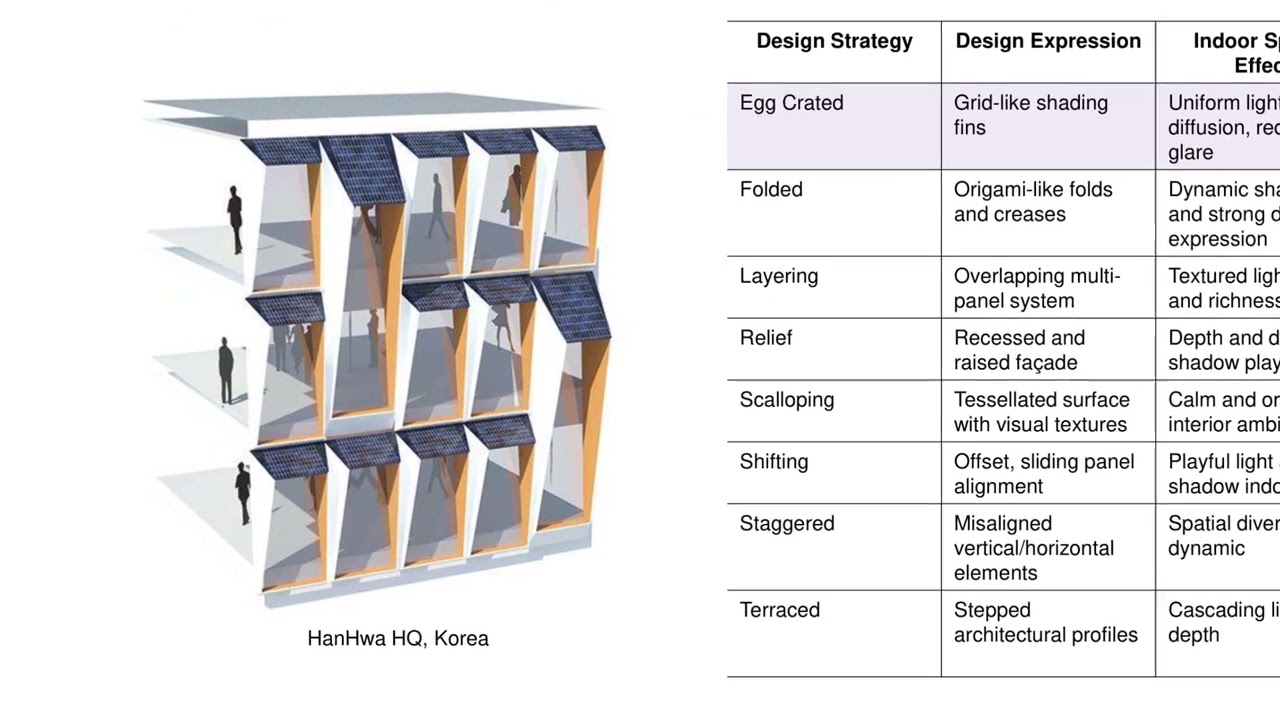 Understanding how BIPV glazing systems work technically — from glass composition to BAS integration — is the foundation of the specification conversations that drive high-margin sales.
Phase 1: Assessment and Opportunity Identification (Weeks 1–2)
Evaluating Your Market Readiness for Solar Glazing
In your first two weeks, complete a market assessment using three data sources. First, review commercial building permits filed in your territory in the last 12 months — identify every project above 20,000 sq ft and note whether the permit application mentions energy performance, LEED certification, or net-zero targets. Second, call your five best commercial contractor or glazing contractor customers and ask one question: “Have you had projects in the last 18 months where you struggled to source the right glazing product to meet a specification requirement?” Third, research which building energy codes are currently adopted in your jurisdiction, and identify the SHGC thresholds they require for commercial glazing.
This assessment will tell you: how many projects in your territory require solar control or BIPV glazing, how many of your existing customers have experienced the supply gap you can fill, and what performance specifications your products need to meet.
Identifying Your Highest-Potential Customer Segments
From your assessment data, rank your potential customer segments by three criteria: size of the glazing specification problem they face (high if they regularly encounter SHGC compliance requirements), accessibility of the relationship (high if you already know them), and project margin potential (high if they work on commercial or LEED projects). The top five accounts on the combined ranking are your first-priority outreach targets.
Phase 2: Product Knowledge and Supplier Partnerships (Weeks 3–4)
Building Relationships with Solar Glazing Manufacturers
Evaluate two or three potential suppliers using four criteria: product certification coverage (do they carry products that meet your jurisdiction’s code requirements?), technical documentation quality (can they provide NFRC ratings, structural data, and LEED submittal packages?), delivery reliability (what are their documented lead times and fulfillment rates?), and distributor support programs (do they provide training, marketing support, and technical field assistance?).
Contact the sales team at Jia Mao BIPV to understand their authorized distributor program, product certification portfolio, and technical support offering. For a comparative market view, the Grand View Research Solar PV Glass Market analysis provides context on product category growth rates and pricing trends that inform your supplier selection.
Developing Your Product Expertise
Commit two focused days to product technical training in weeks 3–4. Your goal is specification conversation competence — not encyclopedic product knowledge. By the end of week 4, you should be able to: explain SHGC and VLT in customer-business-language (not technical jargon), identify which of your products meet the SHGC requirements of your local building code, walk through a basic LEED credit mapping for your top two products, and answer the five most common customer objections about solar glazing with specific, data-backed responses.
Phase 3: Sales Team Enablement (Weeks 5–6)
Training Your Team on Features, Benefits, and Applications
Develop a four-hour internal training session covering: product technology overview (how solar control glass and BIPV glass work, in plain terms), performance metrics in business language (SHGC → cooling cost → HVAC savings → project economics), building code and LEED implications (which code sections your products satisfy, which LEED credits they generate), and customer conversation practice (role-playing architect, contractor, and developer scenarios with real project examples from your market assessment).
Creating Sales Collateral and Tools
Build four core sales tools in weeks 5–6: a one-page product comparison table showing your solar glazing specifications versus standard glass (in business-outcome terms, not technical specs), a project-specific ROI calculator (Excel-based, takes building area and utility rate as inputs, outputs annual savings and payback), a LEED credit summary sheet showing which credits your products qualify for and what point values they carry, and a manufacturer technical data package ready for permit submission (sourced directly from your manufacturer partner).
Phase 4: Customer Outreach and Market Testing (Weeks 7–8)
Identifying and Approaching Target Customers
Contact your five highest-priority prospects from the Phase 1 assessment. Your opening communication — by email or phone — should reference something specific to their situation: a project you know they’re working on, a code compliance requirement you understand they’re navigating, or a LEED target you know they’re trying to meet. Generic outreach to “solar glazing buyers” generates generic responses. Specific, informed outreach to “the contractor managing the 80,000 sq ft mixed-use project that’s targeting LEED Gold” generates qualified conversations.
Pilot Programs and Proof-of-Concept Strategies
For your first two or three projects, invest in the client relationship beyond the product supply. Attend the specification review meeting. Provide the permit documentation package personally. Follow up at 30 days post-installation with a performance report. These investments in the early projects cost time — and generate the case study data, the customer testimonials, and the specification track record that all subsequent sales will build on.
Phase 5: Scale and Optimization (Weeks 9+)
Expanding Based on What’s Working
After your first two projects are complete and documented, your expansion strategy is simple: replicate what worked. If the architect education session generated the most qualified leads, run three more. If the contractor ROI calculator was the most effective conversion tool, refine it and distribute it to 20 more contractors. If your documentation package for permit submission was the factor that closed the deal, turn it into a standardized template that your team can deploy on every subsequent project.
Continuous Improvement and Market Feedback Loops
Establish a monthly review of three metrics: close rate on solar glazing proposals (target 35%+), average gross margin on completed projects (target 25%+), and referral rate from completed projects (target one referral per project). When any of these metrics falls below target, investigate the specific cause before adjusting your strategy. A declining close rate might indicate a proposal quality issue, a pricing issue, or a customer education issue — each of which requires a different response.
Frequently Asked Questions from Distributors and Agents Like You
FAQ #1: How Long Does It Typically Take to See ROI from Adding Solar Glazing to My Product Line?
Timeline Expectations Based on Case Study Data
Based on the eight case studies above, distributors and agents typically see positive ROI from solar glazing within 6–10 months of their first customer-facing sales activity. The timeline is driven primarily by project sales cycles: commercial glazing specifications typically take 2–4 months from first conversation to purchase order, and the first two or three projects need to be completed before referrals and repeat business begin generating sustainable revenue.
Faster ROI timelines (4–6 months) occur when the distributor has existing commercial contractor relationships and enters solar glazing through an existing customer base. Slower timelines (10–18 months) occur when starting from scratch in a new territory or new customer segment.
Factors That Accelerate or Slow ROI
The three factors that most reliably accelerate ROI: (1) starting with existing customer relationships rather than new customer acquisition, (2) having a defined first-mover opportunity (a specification gap in your territory that no local competitor fills), and (3) investing in technical training before the first sales call rather than learning on the job. The factor that most reliably slows ROI: overstocking product before validating demand — which ties up capital and forces discounting that corrupts your margin positioning before your first project is complete.
FAQ #2: What’s the Minimum Investment Required to Get Started with Solar Glazing Distribution?
Capital Requirements and Cost Breakdowns
The minimum viable investment to enter solar glazing distribution credibly is approximately $35,000–$65,000 in the first 90 days, broken down as follows:
| Investment Category | Estimated Cost | Purpose |
|---|---|---|
| Technical training (2 team members) | $2,500–$4,000 | Specification conversation competence |
| Sample product units (4–6 pieces) | $4,000–$8,000 | Customer demonstrations and architect samples |
| Initial inventory (standard specifications) | $18,000–$40,000 | First-response supply for early projects |
| Sales collateral development | $1,500–$3,000 | ROI calculator, tech data packages, case study templates |
| Market development activities | $2,000–$5,000 | Architect events, technical workshops, direct mail |
| Manufacturer partnership certification | $1,000–$2,500 | Authorized distributor status and documentation access |
Inventory investment can be reduced to near-zero in the first 90 days if you use a project-procurement model (purchasing only against confirmed orders) — which extends your timeline to first revenue but eliminates the inventory capital requirement and the associated risk.
Financing and Partnership Options
Several manufacturers — including those offering authorized distributor programs — provide extended payment terms (60–90 days) for first-order inventory commitments by new distribution partners. This effectively provides supplier financing for the initial inventory investment. Additionally, many regions have small business loan programs specifically for clean energy product distributors that can provide working capital for inventory at below-market rates.
FAQ #3: How Do I Convince My Existing Customers to Switch to or Add Solar Glazing Products?
Messaging and Positioning Strategies
The conversion conversation that works best with existing customers starts with their specific situation, not with your new product. “I know you’re bidding on the Henderson Office Park project next month — I’ve been looking at the glazing spec and it requires SHGC 0.20. Are you planning to comply with solar control glass or through mechanical system upgrades?” This question, asked of a contractor you already know, opens a conversation about their real challenge. The solar glazing solution follows naturally from the problem.
Proof Points and Case Studies to Share
Bring documented results from one comparable project — even if it’s from another market or another distributor’s experience. A completed project with specific numbers (glazing area, energy savings, LEED credits achieved, project timeline) is worth more in a customer conversation than any product specification. If you don’t have your own case studies yet, your manufacturer partner’s project references serve the same function.
FAQ #4: What Training Do My Sales Team Members Need to Sell Solar Glazing Effectively?
Essential Knowledge Areas and Competencies
Four knowledge areas are essential for solar glazing sales: (1) product performance metrics — SHGC, VLT, and U-value, translated into business outcomes; (2) building code requirements — specifically ASHRAE 90.1-2022 SHGC thresholds by climate zone; (3) LEED credit mapping — which credits solar glazing earns and how to document them; and (4) project economics — how to calculate energy savings, HVAC cost reduction, and payback period using the customer’s specific building data.
Training Resources and Certification Programs
Manufacturer-provided training programs are the most accessible starting point — most serious BIPV manufacturers offer product-specific technical training for authorized distributor staff at no cost. The NABCEP introductory knowledge assessment provides a structured competency framework for solar glazing sales professionals. The American Institute of Architects’ continuing education platform offers accredited BIPV technology courses that, as a bonus, qualify for AIA CEU credit — allowing you to host architect education events that count toward architects’ annual CE requirements.
FAQ #5: How Does Solar Glazing Pricing Compare to Traditional Glazing Products?
Price Positioning and Customer Value Perception
Solar control glass typically costs 40–120% more per square meter than standard commercial glass, depending on the product tier. BIPV glass (which generates electricity) costs 80–200% more. These premiums are significant on a unit basis — and they are justified, and accepted, when presented against the value they deliver: energy compliance without additional mechanical investment, LEED credits that support project certification, and 25-year performance guarantees that standard glass doesn’t carry.
The most effective pricing conversation frames solar glazing against the total-solution cost, not the glass-only cost. A building that installs solar control glass saves 15–30% on its HVAC system — often more than the incremental glass cost. When that savings is presented alongside the glass premium, the net investment is frequently smaller than the conventional alternative.
Margin Expectations and Profitability Models
Based on the case studies above and published industry data, solar glazing distributors targeting 25–40% gross margins are achieving those targets consistently when their product and service positioning supports the premium. Margins at the lower end of that range apply to higher-volume commercial projects where buyers are sophisticated and competitive. Margins at the upper end apply to specialty, custom, and residential sustainability-segment projects where the distributor’s technical expertise and service differentiation are the primary purchase drivers.
FAQ #6: What Are the Main Objections Customers Raise About Solar Glazing, and How Do I Overcome Them?
Common Objections and Proven Responses
“It’s too expensive.” Response: “Compared to what? If we’re comparing to standard glass, yes — the glass costs more. But if we include the chiller capacity you won’t need to add and the annual energy savings over 25 years, the total investment is often neutral or positive within 8–12 years. Let me run the numbers for your specific project.” Then run them — with their actual data, not an industry average.
“We’ve never used it before and don’t want to experiment on a client’s project.” Response: “You’re right to be careful — let me show you three comparable projects we’ve supplied, with the permit approval records and post-installation performance data. This isn’t experimental; it’s a proven specification with a decade of commercial installation history.”
“The lead time doesn’t work for our project.” Response: “What’s your installation window? We maintain regional stock of our most common specifications for exactly this situation. Let me check what we have available and what your project requires.” Having regional inventory on the highest-velocity specifications converts this objection immediately.
“Our client is price-sensitive and won’t pay a premium.” Response: “Is their project required to meet SHGC compliance? If so, what’s their alternative? Sometimes the option is not ‘solar control glass versus standard glass’ — it’s ‘solar control glass versus upgrading the HVAC system to compensate for the solar heat gain.’ That comparison often looks very different.”
Data and Testimonials That Address Concerns
Maintain a physical folder (and a digital library) of three to five project case studies with specific data: building type, glazing area, SHGC specification achieved, annual energy savings in kWh and dollars, LEED credits earned, and a named customer contact who will take a reference call. These materials, shared in a prospect meeting, convert abstract concerns into concrete evidence.
FAQ #7: Which Customer Segments Are Most Receptive to Solar Glazing Products?
Market Segmentation Analysis
Based on the case study data, the four most receptive customer segments for solar glazing are, in order of receptiveness:
| Customer Segment | Receptiveness | Primary Motivation | Typical Project Size |
|---|---|---|---|
| LEED-targeting commercial developers | Very High | Certification + rental premium | $150K–$2M+ glazing |
| ESG-reporting corporate real estate managers | Very High | Compliance + carbon reporting | $80K–$800K glazing |
| High-end residential renovation contractors | High | Homeowner values + aesthetics | $30K–$250K glazing |
| Commercial building developers (energy code compliance) | High | Mandatory compliance | $50K–$1.5M glazing |
| Industrial facility developers | Medium | Energy cost reduction | $100K–$500K glazing |
Targeting Strategies for Different Customer Types
LEED-targeting developers are most effectively reached through architect relationships — the architect specifies the glazing before the developer makes a purchasing decision. ESG-focused corporate real estate managers are most effectively reached through sustainability consultants and ESG reporting advisors who work with their company. Residential renovation contractors are most effectively reached through residential architects with LEED for Homes credentials.
FAQ #8: How Do I Differentiate My Solar Glazing Offering from Competitors?
Competitive Positioning Strategies
Your primary differentiator should be the combination of product availability and technical support — not price. Build your differentiation around three specific claims, each backed by documented evidence: (1) “We have [specific product specifications] in regional stock for delivery within [X] business days” — documented with your actual inventory data; (2) “We provide complete technical documentation packages for permit submission, including [specific document types]” — demonstrated with a sample package; and (3) “We have [X] completed projects in comparable applications in this territory, with measured performance data” — shown as a case study collection.
Value-Add Services and Support Options
The services that most effectively differentiate solar glazing distributors from commodity competitors: a free SHGC compliance assessment for a prospect’s current glazing specification (showing whether their building is currently code-compliant and what it would take to comply), a project-specific energy savings estimate using the customer’s actual building data, and a permit documentation preparation service for first-time solar glazing specifiers.
FAQ #9: What Support Do Manufacturers Provide to Help Me Sell Solar Glazing?
Typical Manufacturer Support Programs
Serious BIPV manufacturers provide authorized distributors with: technical training for sales staff (typically 8–16 hours, covering product technology, performance metrics, and specification applications), marketing co-op funds (typically 1–3% of purchase volume applied to approved marketing activities), sample product units for customer demonstrations, technical documentation libraries (NFRC data sheets, structural calculation templates, LEED submittal templates), and field sales support for strategic accounts (manufacturer technical representatives available for joint customer meetings on large projects).
How to Evaluate and Negotiate Partnerships
When evaluating a manufacturer partnership, request: a reference from three existing authorized distributors (ask specifically about technical support responsiveness and documentation quality), documentation of lead time performance for the past 12 months (what percentage of orders were delivered within the committed lead time), and the specific terms of their authorized distributor agreement (exclusivity provisions, territory definitions, minimum purchase commitments, and the support services they commit to in writing).
FAQ #10: How Can I Measure Success and Track ROI on My Solar Glazing Initiative?
Key Metrics and KPIs to Monitor
Track six metrics monthly from the beginning of your solar glazing initiative:
| KPI | Target | Frequency |
|---|---|---|
| Solar glazing revenue (absolute and % of total) | Growing MoM; 15%+ of total within 12 months | Monthly |
| Gross margin on solar glazing orders | 25%+ average | Monthly |
| Close rate on solar glazing proposals | 35%+ | Monthly |
| Referral rate from completed projects | 1 referral per project | Quarterly |
| New customer accounts from solar glazing | 2+ per quarter | Quarterly |
| Customer retention rate (solar glazing accounts) | 85%+ after first project | Annually |
Reporting and Analysis Frameworks
Set up a simple monthly dashboard — a single-page summary of these six metrics — and review it at the start of every month team meeting. When a metric drops below target, investigate the specific cause before adjusting your strategy. Adding a “root cause” note to each below-target metric creates a learning record that accelerates improvement over time.
FAQ #11: Are There Seasonal or Market-Specific Considerations for Solar Glazing Sales?
Regional Market Variations
Solar glazing demand is driven primarily by commercial construction project timelines, not by solar irradiance seasonality. Commercial construction in most markets peaks in spring (March–May) and early autumn (September–October), with procurement decisions for glazing typically made 3–5 months before installation. This means your peak sales period for solar glazing is typically November–March (selling for spring installations) and May–July (selling for autumn installations).
LEED certification deadlines — which often drive glazing specification decisions — are project-specific and tied to permit application timelines rather than calendar seasons. Tracking building permit issuance in your territory gives you a lead indicator of glazing procurement activity 3–6 months in advance.
Seasonal Sales Strategies and Planning
Align your inventory investment with project procurement cycles, not installation cycles. Building safety stock ahead of your market’s primary procurement window — rather than the installation window — gives you the availability to capture orders when architects and contractors are making their specification decisions. Competitors who respond to installation-cycle demand signals are always one step behind the buying decision.
FAQ #12: How Do I Handle Warranty, Installation Support, and After-Sales Service for Solar Glazing?
Service Model Options and Best Practices
For warranty management: establish a clear process before your first project, not after your first warranty claim. Know your manufacturer’s claim process, document it, and explain it to every customer before they buy. Customers who understand how warranties work before installation are far less likely to be frustrated when a claim process is needed.
For installation support: build relationships with one or two glazing contractors in your territory who have completed BIPV or solar control glass installations before. These contractors become your installation recommendation resource — and your quality assurance layer for projects where the purchasing contractor has never installed solar glazing before.
For after-sales service: a 30-day follow-up call after project completion is the minimum viable post-sale investment. Ask three questions: did the installation proceed as expected, is the performance monitoring showing the expected output, and do they have any documentation needs for permit final inspection? These three questions, asked 30 days post-completion, catch 90% of potential issues before they become formal complaints — and generate the customer satisfaction data that becomes your case study material for the next prospect.
Customer Support Systems That Build Loyalty
The support system that generates the highest repeat business rate: a named technical contact at your organization who is reachable by direct phone (not a general customer service line) for any project-related question. This person doesn’t need to know everything — they need to know how to find the answer and respond within 24 hours. That standard, maintained consistently, creates the service reputation that generates referrals.
The Bottom Line: Your Next Steps
Why Waiting Isn’t an Option
The Competitive Advantage Window Is Closing
The BIPV glass market growing from USD 7.21 billion in 2024 to a projected USD 63.54 billion by 2034 at 21.88% CAGR is not creating equal opportunities for all market participants. The value from that growth is concentrating among the distributors and agents who established supplier relationships, customer networks, and technical credibility during the early adoption phase — the phase the market is in right now in most regional markets.
Distributors who enter in 18–24 months will find that the first-mover architects and contractors have established preferences. They’ll find that the best manufacturer partnerships have already been secured by competitors. They’ll find that the specification reputation in their territory already belongs to someone else. The market window is real, it is open, and it is time-limited.
How Early Movers Are Capturing Market Share
Every distributor in these case studies built a market position that compounded over time: the first project generated a case study that won the second project, the second project generated a referral that won a third account, the third account generated the specification relationship that locked in the next six projects from that architect. The compounding effect of early positioning means that a distributor who starts today doesn’t just get today’s market — they get the compounding returns of being embedded in the specification chain for the next five to ten years.
Your Three-Step Starting Point
Step 1: Assess Your Market Opportunity
This week, pull commercial building permits for your territory for the last 12 months. Count the projects above 20,000 sq ft that mention LEED certification, energy performance compliance, or net-zero targets in the permit documentation. That number is your minimum viable market size for solar glazing in your territory. If the number is above five, the opportunity is real and worth pursuing. If it’s above ten, it’s urgent.
Step 2: Connect with a Solar Glazing Manufacturer
Contact Jia Mao BIPV this week to understand their authorized distributor program, request a sample technical documentation package, and assess their product range against your territory’s building code requirements. Simultaneously, review the Energy.gov BIPV technology overview to understand the policy tailwinds driving BIPV demand growth in your market.
Step 3: Commit to Your Team’s Training and Enablement
Schedule a four-hour internal training session for your sales team within the next 30 days. Use the product materials from your manufacturer partner and the specification knowledge areas outlined in FAQ #4 above as your curriculum. By the time you finish that training session, your team will be ready for their first solar glazing specification conversation — and that conversation, when it happens, will start the clock on your market position.
The Distributors Who Act Today Will Lead Tomorrow
The success of these case studies isn’t about luck — it’s about recognizing opportunity and taking decisive action.
The distributors and agents profiled here saw what was coming, positioned themselves strategically, and invested in the capabilities to win. They didn’t have special advantages: they had the same starting resources as their competitors. What they had differently was the willingness to move before the market was obvious, the discipline to build technical competence before making sales calls, and the commitment to solve customer problems rather than sell product features.
The solar glazing market is expanding rapidly, and the window for establishing yourself as a trusted solution provider is open now. Your customers are ready for better solutions. Your market is ready for differentiation. The question is: are you ready to lead?
Ready to Add Solar Glazing to Your Product Portfolio?
Start Your Success Story Today
Don’t watch from the sidelines while other distributors and agents capture this growing market. Whether you’re just exploring the opportunity or ready to move forward, the right manufacturer partnership is the fastest path to building a solar glazing business in your territory.
Schedule a 20-Minute Consultation with Our Solar Glazing Specialist
We’ll help you:
- Assess your market opportunity using the permit data methodology above
- Identify your highest-potential customer segments based on your existing relationships
- Develop a realistic 90-day action plan tailored to your territory and product mix
- Connect with the right manufacturer products and authorized distributor support resources
Your competitors are already moving. The question is: will you be ahead of them or behind them?
Schedule Your Free Consultation Now →
Glossary of Key Terms for Solar Glazing Distributors
| Term | Plain-English Definition | Why It Matters for Your Business |
|---|---|---|
| BIPV (Building-Integrated Photovoltaics) | Solar power-generating technology built directly into building materials — glass, roofing, facades — rather than mounted separately | The product category that generates 25–40% distributor margins vs. 12–18% for commodity solar panels |
| SHGC (Coefficient de gain de chaleur solaire) | The fraction of solar radiation a glazing product admits through the glass. Lower = less heat enters the building. Scale: 0–1 | The primary compliance metric in ASHRAE 90.1-2022 and most commercial building energy codes. Standard glass (SHGC 0.70) fails; solar control glass (SHGC 0.18) complies |
| VLT (Transmission de la lumière visible) | The percentage of visible light that passes through the glass. Higher = brighter interior | A key LEED daylighting metric. The right balance between low SHGC and high VLT is what defines premium solar control glass |
| NFRC | National Fenestration Rating Council — the independent certification body for window and glazing performance ratings | NFRC-certified performance data is the only accepted format for LEED submittals and building permit applications. Products without NFRC ratings can’t be specified in most commercial projects |
| LEED (Leadership in Energy and Environmental Design) | The most widely recognized green building certification system globally. Version 4.1 is current | A LEED Gold or Platinum certification can add 3–8% to commercial building rental rates. Solar glazing earns points in Energy, Daylighting, and Views credit categories |
| ASHRAE 90.1 | The commercial building energy standard that most U.S. jurisdictions adopt as their baseline energy code | The 2022 edition significantly tightened SHGC requirements for commercial glazing. Buildings that don’t comply can’t receive permits in adopting jurisdictions |
| Authorized Distributor | A distributor who has a formal agreement with a manufacturer granting them the right to sell that manufacturer’s products in a defined territory | Critical for access to manufacturer technical documentation, warranty backstop, and allocation priority during supply-constrained periods |
| First-Mover Advantage | The competitive advantage gained by being the first credible supplier of a product in a given market | In solar glazing distribution, translates to architect specification relationships that generate recurring project revenue without competitive pressure |
| Gross Margin | Revenue minus cost of goods sold (COGS), expressed as a percentage of revenue | The core profitability metric. Solar glazing targets 25–40%; commodity solar panels average 12–18% |
| LEED AP | LEED Accredited Professional — an architect or design professional who has passed the LEED professional exam | A key outreach target for solar glazing distributors. LEED AP architects are specifying BIPV glass on LEED-targeting projects — these are your highest-value specification relationships |
Data sources: Fortune Business Insights BIPV Market Report 2025, Market Research Future BIPV Glass Market Report 2034, SEIA Solar Market Insight Report 2025, Grand View Research Solar PV Glass Market Analysis, Jia Mao BIPV distributor margin analysis, Dealstream Solar Product Distributor Industry Guide, USGBC LEED v4.1 Credit Reference Guide, ASHRAE 90.1-2022 Fenestration Requirements.
External resources: Fortune Business Insights BIPV Market Data | SEIA U.S. Solar Market Intelligence | USGBC LEED Project Directory | DOE BIPV Technology Overview | Jia Mao BIPV Authorized Distributor Program | NABCEP Solar Professional Certifications