What are the price differences and performance trade-offs between solar panel glass types? Whether you’re a homeowner evaluating rooftop options or a project developer scaling a commercial installation, the glass covering your solar panel plays a far more significant role than most people realize. It influences efficiency, durability, weight, and — critically — cost.
The type of glass used in a solar module can impact how much sunlight reaches the photovoltaic cells, how well the panel resists extreme weather, and how long the system will perform at peak capacity. Choosing the right glass type is not simply an engineering decision; it’s a financial one that can affect your return on investment over the 25- to 30-year lifespan of a solar installation.
In this comprehensive guide, we break down each solar panel glass type — from monocrystalline and polycrystalline to thin-film, single glass, double glass, and bifacial double glass — with a clear look at the pros, cons, and price points of each. Whether you are working within a tight budget or seeking maximum long-term value, this article will help you make an informed decision. Companies like Jia Mao Bipv, a leading BIPV manufacturer, emphasize the importance of balancing budget, durability, and performance when choosing solar panel glass types — and that is exactly the approach we take here.
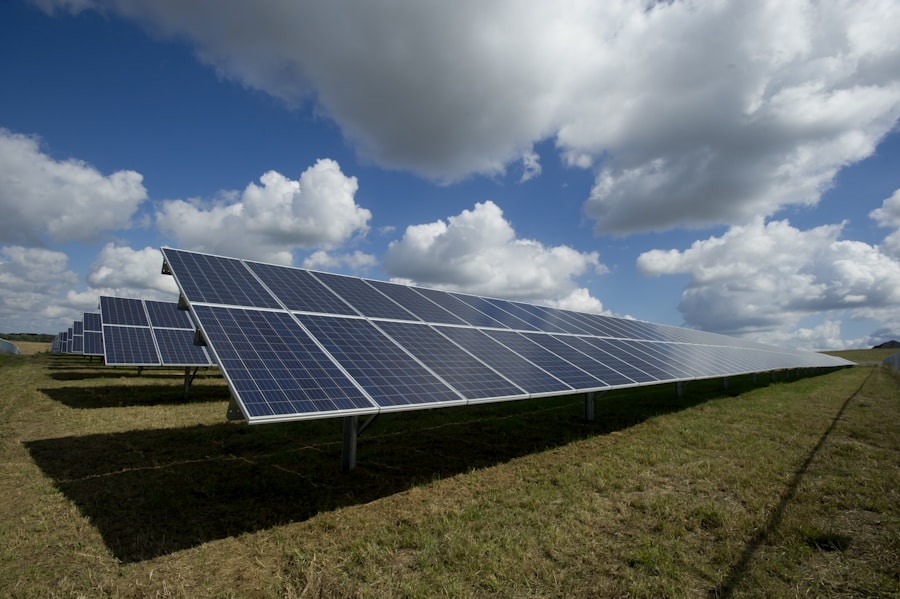
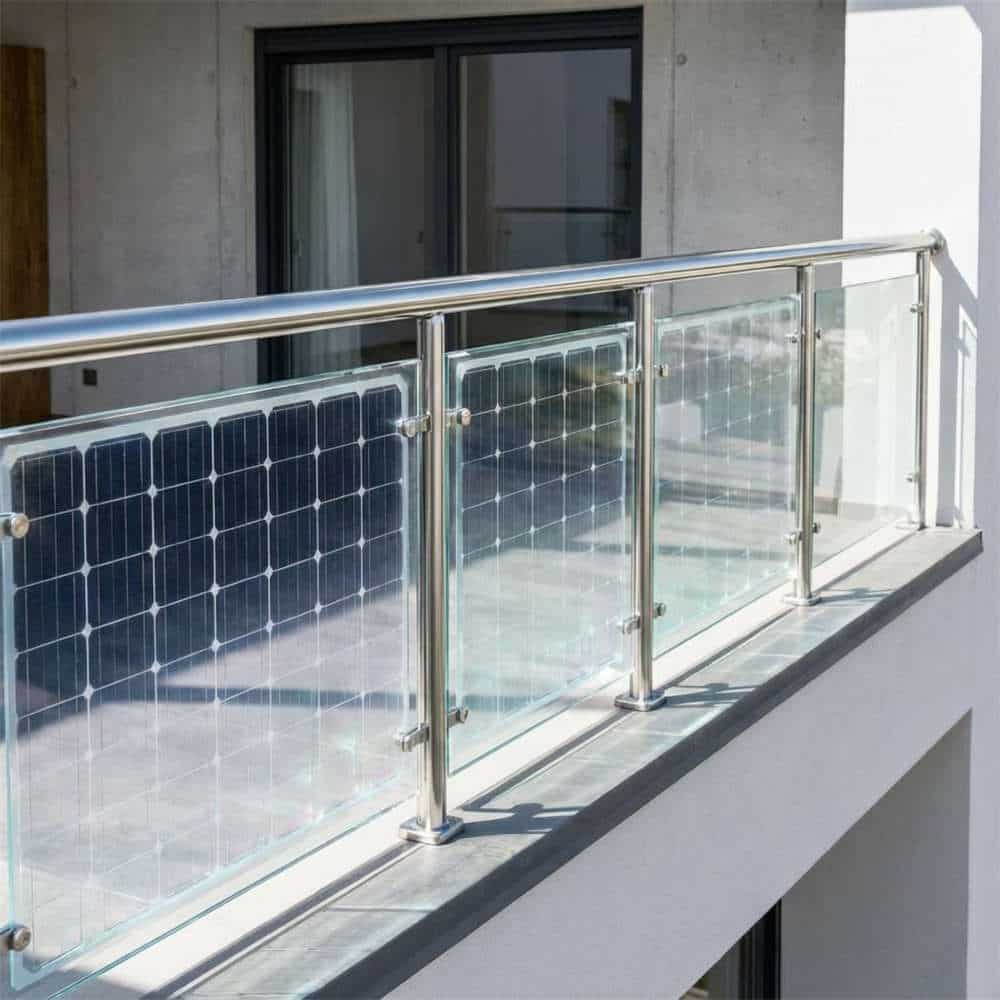
Image: Solar panels installed on a rooftop — the glass surface is the first line of defense and the gateway for sunlight. (Source: Unsplash)
Types of Solar Panels and Glass Price
Overview of Solar Panel Glass Types
Solar panel glass is not ordinary window glass. It is a specially engineered material designed to maximize light transmission while protecting delicate photovoltaic cells from moisture, debris, UV degradation, and mechanical impact. The glass used in solar modules is typically low-iron tempered glass with light transmittance exceeding 91%, compared to roughly 85–87% for standard float glass. This difference may sound small, but over a 25-year service life, it translates into thousands of additional kilowatt-hours of electricity generation.
The major solar panel glass types can be categorized in two ways. First, by the cell technology the glass is paired with — monocrystalline, polycrystalline, or thin-film. Second, by the module structure — single glass (glass-backsheet) or double glass (glass-glass). Bifacial double glass panels represent a further evolution, capturing reflected light on the rear side of the module for additional energy gain.
Each glass type brings its own balance of optical clarity, mechanical strength, weight, and cost. Understanding these trade-offs is essential for selecting the right solution for your specific project, climate, and budget. For specialized applications such as building-integrated photovoltaics (BIPV), manufacturers like Jia Mao Bipv offer customizable photovoltaic glass with transparency levels ranging from 10% to 90%, enabling architects to integrate solar generation directly into facades, skylights, and curtain walls.
Solar Panel Glass Price Comparison
Price varies significantly depending on the glass type, module structure, and cell technology. The table below provides a comparative overview of typical pricing, efficiency, and key characteristics across the main solar panel glass types available on the market today.
| Glass / Panel Type | Gamme d'efficacité | Price per Watt (USD) | Lifespan (Years) | Weight (per m²) | Best For |
|---|---|---|---|---|---|
| Monocrystalline (Single Glass) | 20–24% | $0.28–$0.40 | 25–30 | ~11 kg | Residential rooftops, limited space |
| Polycrystalline (Single Glass) | 15–18% | $0.20–$0.30 | 25 | ~11 kg | Budget-conscious projects |
| Thin-Film (CdTe / CIGS) | 11–15% | $0.18–$0.25 | 15–20 | ~7 kg | Large-area, low-weight applications |
| Single Glass (Glass-Backsheet) | 20–24% | $0.25–$0.38 | 25 | ~11 kg | Standard residential & commercial |
| Double Glass (Glass-Glass) | 20–24% | $0.30–$0.42 | 30+ | ~14 kg | Harsh environments, long-term projects |
| Bifacial Double Glass | 20–24% (front) + 5–25% (rear gain) | $0.32–$0.45 | 30+ | ~14 kg | Ground-mount, utility-scale, high-albedo sites |
Note: Prices reflect module-level wholesale costs as of early 2026 and may vary by region, order volume, and supplier. Sources include pvXchange et EnergySage.
Figure 1: Bar chart showing the price range (low to high) per watt for each major solar panel glass type.
Monocrystalline Solar Panels: Pros and Cons
Advantages of Monocrystalline Glass
Monocrystalline solar panels are manufactured from a single continuous crystal structure of silicon, which gives them their distinctive uniform dark appearance and superior electrical performance. The glass used on monocrystalline modules is typically 3.2 mm low-iron tempered glass with an anti-reflective coating, achieving light transmittance above 91.5%. This combination of high-purity silicon cells and premium glass delivers the highest commercially available efficiency rates — typically between 20% and 24%, with some premium modules from brands like LONGi and Maxeon exceeding 23%.
The key advantages of monocrystalline glass panels include superior performance in limited-space installations, better temperature coefficients (meaning less efficiency loss in hot weather, typically around -0.3% to -0.35% per °C), and excellent low-light performance. The glass surface quality is critical here: premium anti-reflective coatings can boost energy yield by 3–5% compared to uncoated glass, particularly during early morning, late afternoon, and overcast conditions when light strikes the panel at oblique angles.
For building-integrated applications where aesthetics and efficiency both matter, monocrystalline cells paired with specialized transparent BIPV glass from manufacturers like Jia Mao Bipv can deliver over 22% cell efficiency while maintaining an architecturally pleasing appearance. This makes monocrystalline the go-to technology for projects where every square meter of roof or facade must generate maximum power.
Disadvantages and Price Factors
The primary drawback of monocrystalline solar panels is cost. The single-crystal silicon manufacturing process (the Czochralski method) is more energy-intensive and produces more waste silicon than the process used for polycrystalline cells. This translates to a higher per-watt module price — typically $0.28 to $0.40 per watt at the wholesale level, compared to $0.20 to $0.30 for polycrystalline alternatives.
The premium glass used on monocrystalline panels also contributes to their higher price point. Ultra-clear low-iron tempered glass with multi-layer anti-reflective coating costs more to produce than the standard tempered glass used on budget panels. Additionally, monocrystalline cells are more susceptible to micro-cracking during transport and installation if the glass and frame do not provide adequate mechanical protection — making the quality of the glass and encapsulation materials critically important.
Despite the higher upfront cost, monocrystalline panels typically deliver a better levelized cost of energy (LCOE) over their lifetime due to higher annual energy yields and slower degradation rates (often below 0.4% per year). For buyers who can afford the initial investment, monocrystalline represents the best long-term value per square meter of installation area. According to SolarReviews, monocrystalline panels dominate the residential market with over 80% market share in new installations.
Polycrystalline Solar Panels: Pros and Cons
Benefits of Polycrystalline Glass
Polycrystalline solar panels are made from multiple silicon crystal fragments melted together, producing cells with a characteristic blue, speckled appearance. The glass used is similar in specification to monocrystalline panels — typically 3.2 mm low-iron tempered glass — but the overall module cost is lower because the multi-crystalline silicon manufacturing process is simpler and generates less material waste.
The most significant benefit of polycrystalline panels is their affordability. At $0.20 to $0.30 per watt wholesale, they offer the lowest entry point for crystalline silicon technology. This makes them attractive for large-area installations where budget constraints outweigh the need for maximum efficiency — for example, ground-mounted solar farms on inexpensive land where space is not a limiting factor. The glass quality on well-manufactured polycrystalline panels is functionally identical to that used on monocrystalline modules, meaning buyers are not sacrificing durability or weather resistance by choosing polycrystalline.
Polycrystalline panels also tend to have a slightly more favorable environmental manufacturing footprint, as the casting process requires lower temperatures and less energy than the Czochralski method used for monocrystalline ingots. For sustainability-conscious buyers who want a lower embedded carbon footprint in their solar installation, this can be a meaningful consideration.
Drawbacks and Cost Analysis
The trade-off for polycrystalline’s lower cost is reduced efficiency — typically 15% to 18% compared to 20–24% for monocrystalline. This means polycrystalline panels require more roof or ground area to produce the same amount of electricity. For a standard 6 kW residential system, you might need approximately 35 polycrystalline panels versus 24 monocrystalline panels, requiring roughly 45% more installation area.
Polycrystalline panels also exhibit slightly worse temperature coefficients (around -0.4% to -0.5% per °C), meaning they lose more efficiency in hot climates. Their low-light performance is generally inferior to monocrystalline modules as well. While the glass itself provides adequate protection, the lower cell efficiency means each panel generates fewer kilowatt-hours per year — which can affect the overall economics of the system over its 25-year lifespan.
It is worth noting that polycrystalline technology is gradually losing market share to monocrystalline as manufacturing improvements continue to close the price gap. According to industry data from InfoLink Consulting, the price premium for monocrystalline over polycrystalline modules has narrowed to less than 15% in many markets, making the higher efficiency of mono panels increasingly difficult to pass up.
Image: Close-up view of polycrystalline solar cells showing the characteristic blue, multi-crystal grain pattern. (Source: Unsplash)
Thin-Film Solar Panels: Pros and Cons
Thin-Film Glass Benefits
Thin-film solar panels represent a fundamentally different approach to photovoltaic technology. Instead of using thick wafers of crystalline silicon, thin-film modules deposit extremely thin layers of photovoltaic material — such as cadmium telluride (CdTe), copper indium gallium selenide (CIGS), or amorphous silicon (a-Si) — onto a glass, metal, or plastic substrate. The glass used in rigid thin-film panels is often standard tempered glass, though the photovoltaic layer itself is deposited directly onto the glass substrate in many designs.
The key benefits of thin-film glass panels include lower manufacturing costs, lighter weight (approximately 7 kg per m² compared to 11+ kg for crystalline silicon), better performance in high-temperature environments (temperature coefficients around -0.2% per °C), and superior low-light performance. Thin-film panels also handle partial shading more gracefully than crystalline panels, making them suitable for installations where shading from trees, chimneys, or neighboring structures is unavoidable.
For building-integrated applications, thin-film technology is particularly attractive because it can be deposited on glass in semi-transparent configurations, allowing natural light to pass through while generating electricity. This is where thin-film technology overlaps with the BIPV module solutions offered by specialized manufacturers like Jia Mao Bipv, whose transparent solar modules combine thin-film or crystalline cell technologies with architectural glass for facades, skylights, and curtain walls.
Thin-Film Glass Limitations
The most significant limitation of thin-film solar panels is their lower efficiency — typically 11% to 15% for commercially available modules, with CdTe panels (manufactured primarily by First Solar) achieving the high end of this range. This means a thin-film installation requires roughly 40–60% more area than a monocrystalline system to produce the same amount of electricity, which is a critical drawback for space-constrained rooftop installations.
Thin-film panels also tend to degrade faster than crystalline silicon modules. While premium CdTe panels carry 25-year warranties, many thin-film technologies have historically shown degradation rates of 0.5–1.0% per year — significantly higher than the 0.3–0.5% typical of crystalline modules. The glass encapsulation quality is particularly important for thin-film panels because the photovoltaic materials (especially CIGS and CdTe) are more sensitive to moisture ingress, making the hermetic seal between the glass and encapsulant a critical reliability factor.
Thin-Film Glass Price Range
Thin-film panels are the most affordable solar technology on a per-watt basis, typically ranging from $0.18 to $0.25 per watt at the module level. However, the lower efficiency means the balance-of-system costs (racking, wiring, labor, land) per kilowatt are higher, partially offsetting the module cost advantage. For utility-scale projects on inexpensive land, thin-film’s lower module cost often wins out. For rooftop installations where space is limited and installation labor is charged per panel, crystalline silicon is typically more cost-effective overall.
The total installed cost comparison looks like this: a 10 kW thin-film system might cost $0.18/W × ~12,500 W (oversized to compensate for lower efficiency) = $2,250 in module costs, plus higher BOS costs. A 10 kW monocrystalline system might cost $0.35/W × 10,000 W = $3,500 in module costs, but with lower BOS costs. The net difference is project-specific and depends heavily on land cost, labor rates, and available space.
Single Glass vs. Double Glass Panels
Single Glass Panel Pros and Cons
Single glass panels — also known as glass-backsheet modules — use a layer of tempered glass on the front and a polymer backsheet (typically made of fluoropolymer or polyester materials) on the rear. This is the traditional and most common module construction, accounting for the majority of solar panels installed worldwide over the past two decades.
The advantages of single glass panels include lighter weight (typically 20–22 kg for a standard 72-cell module versus 26–30 kg for a double glass equivalent), easier handling during installation, lower manufacturing cost, and compatibility with a wider range of mounting systems. The front glass is typically 3.2 mm thick fully tempered glass, providing excellent hail resistance — PV Tech research confirms that single-glass modules with thicker tempered front glass actually offer superior hail resistance compared to double-glass modules that use thinner heat-strengthened glass.
The primary disadvantage of single glass panels is the polymer backsheet, which is more vulnerable to UV degradation, moisture ingress, and mechanical damage over time compared to glass. Backsheet failures, including cracking, delamination, and yellowing, are among the leading causes of solar panel degradation after 15–20 years of field operation. In humid, high-temperature environments (such as coastal tropical regions), the risk of backsheet-related failures is elevated.
Double Glass Panel Pros and Cons
Double glass panels — also called glass-glass modules — replace the polymer backsheet with a second layer of glass, creating a sandwich structure with the solar cells encapsulated between two sheets of glass. This construction offers superior protection against moisture, UV degradation, and mechanical stress from both sides of the module.
The durability advantages of double glass construction are substantial. Glass-glass modules exhibit significantly lower degradation rates (often below 0.35% per year) compared to glass-backsheet modules, and many manufacturers now offer 30-year performance warranties on double glass products. The dual glass structure also provides better fire resistance — an important consideration for rooftop installations in fire-prone regions — and improved resistance to potential induced degradation (PID), a phenomenon that can cause significant power loss in humid environments.
The trade-offs include higher weight (approximately 25–30% heavier than equivalent single glass panels), higher cost (typically a 10–15% premium), and the need for compatible mounting systems that can support the additional load. The glass on double glass modules is also typically thinner (2.0 mm per side) and heat-strengthened rather than fully tempered, which, as noted in the PV Tech analysis, can make the front glass slightly less resistant to large hailstone impacts compared to the thicker 3.2 mm tempered glass used on single glass modules.
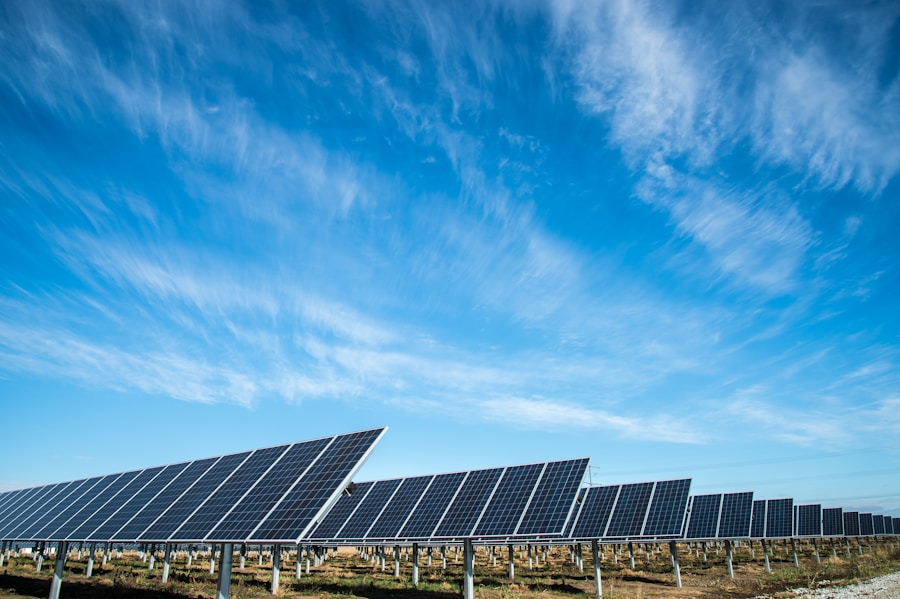
Image: Close-up of solar panels on a commercial installation — double glass modules offer enhanced durability for long-term projects. (Source: Unsplash)
Price Differences and Value
The price premium for double glass over single glass modules has been narrowing steadily as glass-glass production scales up. Currently, the difference is approximately $0.03–$0.07 per watt, translating to roughly $300–$700 extra for a standard 10 kW residential system. Whether this premium is justified depends on the specific application and expected service conditions.
For projects in harsh environments — high humidity, salt mist, extreme temperature cycling, or areas prone to potential induced degradation — double glass panels offer a clear value proposition. The lower degradation rate means a double glass system will produce more cumulative energy over a 30-year lifespan, often recovering the additional upfront cost within 8–12 years through higher energy yields. For standard residential installations in moderate climates, single glass panels with a reputable manufacturer’s warranty may offer the best value for budget-conscious buyers.
Figure 2: Estimated global solar module market share by structure type. Double glass modules have grown rapidly, reaching approximately 38% of global shipments. (Source: Industry estimates based on Mordor Intelligence and PV Tech data.)
Bifacial Double Glass Solar Panels: Pros and Cons
Bifacial Double Glass Advantages
Bifacial double glass solar panels represent the cutting edge of commercial solar technology. Unlike monofacial panels that only capture light from the front, bifacial modules have transparent or semi-transparent rear sides that allow reflected and diffused light to enter from behind, generating additional electricity from the rear-facing cells. When combined with double glass construction, these panels offer both superior energy production and exceptional durability.
The energy gain from the rear side varies significantly depending on the installation conditions — particularly the albedo (reflectivity) of the surface beneath the panels. On highly reflective surfaces such as white roofing membranes, sand, or snow, bifacial panels can produce 10–25% more energy than equivalent monofacial panels. Even on moderately reflective surfaces like grass or gravel, gains of 5–10% are common. According to EnergySage, bifacial panels are especially well-suited for ground-mounted and elevated installations where rear-side irradiance is maximized.
The double glass construction provides the same durability advantages described earlier — reduced degradation, better moisture resistance, improved fire safety, and longer warranty periods. Many bifacial double glass modules now carry 30-year warranties with guaranteed power output above 87% of the nameplate rating at end of life, compared to the typical 25-year / 80% guarantee on standard single glass modules.
Bifacial Double Glass Disadvantages
The disadvantages of bifacial double glass panels center on cost, weight, and installation complexity. These modules carry a price premium of 5–10% over standard monofacial panels — and in some cases up to 15–20% for premium bifacial products from top-tier manufacturers. The additional cost must be justified by the expected rear-side energy gain, which is highly site-dependent and can be difficult to predict accurately without detailed irradiance modeling.
Weight is another consideration. A typical bifacial double glass module weighs 28–32 kg compared to 20–22 kg for a standard single glass monofacial panel of similar wattage. This heavier weight requires stronger mounting structures and may increase labor costs during installation. For roof-mounted systems on older buildings, the additional structural load may require a roofing assessment or reinforcement.
Bifacial panels also add complexity to system design. The rear-side energy gain must be accounted for in electrical design, requiring appropriately sized inverters, wiring, and overcurrent protection devices. The variability of rear-side production — which changes with time of day, season, and ground conditions — complicates energy yield predictions and financial modeling.
Bifacial Double Glass Price Comparison
The following table compares the cost and expected energy output of bifacial double glass panels against single glass monofacial and double glass monofacial alternatives for a hypothetical 100 kW commercial ground-mount installation.
| Parameter | Single Glass Monofacial | Double Glass Monofacial | Bifacial Double Glass |
|---|---|---|---|
| Module Cost ($/W) | $0.30 | $0.35 | $0.38 |
| Total Module Cost (100 kW) | $30,000 | $35,000 | $38,000 |
| Year-1 Energy Yield (MWh) | ~160 MWh | ~161 MWh | ~178 MWh (+11%) |
| Annual Degradation Rate | 0.50% | 0.40% | 0.35% |
| 30-Year Cumulative Energy (MWh) | ~4,120 | ~4,230 | ~4,730 |
| LCOE (Estimated) | $0.041/kWh | $0.042/kWh | $0.038/kWh |
| Warranty Period | 25 ans | 30 ans | 30 ans |
Note: Energy yield estimates assume a location with ~1,600 kWh/kWp annual irradiance and moderate ground albedo (~25%) for the bifacial calculation. Actual results vary by site.
As the table illustrates, bifacial double glass panels achieve the lowest levelized cost of energy despite having the highest upfront module cost. The combination of higher energy yield and lower degradation delivers superior long-term financial returns — making bifacial double glass the preferred choice for utility-scale and commercial ground-mount installations where the rear-side gain can be maximized.
Choosing the Right Solar Panel Glass Type
Performance vs. Price
Selecting the right solar panel glass type requires balancing two fundamental variables: upfront cost and long-term energy performance. The relationship between these variables is not linear — spending more on glass and module quality does not always proportionally increase energy output, and the marginal returns diminish at the premium end of the market.
For most residential rooftop installations, monocrystalline single glass panels offer the best balance of performance and price. They deliver high efficiency in the 20–24% range, adequate durability for 25 years with standard warranties, and the lightest weight for easy installation. The price-per-watt sweet spot currently sits at $0.28–$0.35 for quality modules from established manufacturers.
For commercial and utility-scale projects where long-term financial returns are prioritized over initial capital expenditure, bifacial double glass panels are increasingly becoming the default choice. The combination of higher annual yield, lower degradation, and longer warranties typically results in the lowest LCOE among all available options. Leading BIPV and solar glass manufacturers such as Jia Mao Bipv offer a full portfolio of glass options — from standard tempered glass modules to custom-engineered transparent and bifacial BIPV solutions — enabling project developers to select the optimal glass type for each unique application.
Durability and Maintenance
Durability is where glass type makes the most consequential long-term difference. The glass is the solar panel’s primary environmental barrier, and its ability to resist hail impact, UV degradation, moisture infiltration, and thermal stress directly determines how long the panel will maintain its rated performance.
Double glass panels have a clear advantage in durability. The elimination of the polymer backsheet removes the most common failure point in solar modules — backsheet cracking and delamination. In accelerated aging tests, glass-glass modules consistently outperform glass-backsheet modules in damp heat (85°C / 85% RH) and UV exposure testing. For installations in tropical, coastal, or desert environments where moisture, salt, and UV exposure are extreme, double glass construction is strongly recommended.
From a maintenance perspective, all solar panel glass types benefit from periodic cleaning to remove dust, pollen, bird droppings, and other debris that reduce light transmission. Some advanced glass coatings — including the self-cleaning surface coatings used by manufacturers like Jia Mao Bipv — can reduce maintenance frequency by up to 30%, as hydrophilic surfaces cause rainwater to sheet off and carry away surface contaminants. Anti-reflective coatings, when properly applied, remain effective for the full 25–30 year service life of the panel.
Recommendations Based on Budget
Here are actionable recommendations based on three common budget scenarios:
Budget-Conscious Buyers (Lowest Upfront Cost): Polycrystalline single glass panels remain the most affordable crystalline silicon option. If space is not a constraint, these panels deliver reliable performance at the lowest capital investment. Expect to pay $0.20–$0.30 per watt for modules. However, the market is rapidly shifting, and monocrystalline panels are approaching price parity — always compare current quotes before defaulting to polycrystalline.
Best Value Buyers (Balanced Cost and Performance): Monocrystalline single glass panels offer the optimal balance for most residential and commercial rooftop installations. At $0.28–$0.38 per watt, they deliver 20–24% efficiency, 25-year warranties, and strong long-term energy yields. This is the sweet spot for most buyers who want reliability without overpaying for premium features they may not fully utilize.
Long-Term Investment Buyers (Maximum Lifetime Value): Bifacial double glass panels are the premium choice for buyers focused on minimizing LCOE and maximizing 30-year cumulative energy production. The 5–10% price premium over standard panels is typically recovered within 8–12 years through higher energy yields and lower degradation. For ground-mount installations, utility-scale projects, and any site with reflective surfaces, bifacial double glass is the clear winner. Consult with experienced BIPV and solar glass suppliers like Jia Mao Bipv’s photovoltaic glass division for custom solutions tailored to your specific project requirements.
Watch: Single Glass vs. Double Glass Bifacial Solar Panels Explained
This video from Two Steps Off The Grid provides an excellent hands-on comparison of single glass versus dual glass bifacial solar panels, including real-world performance data and practical installation considerations.
The choice of solar panel glass type is one of the most impactful decisions you will make when investing in a solar energy system. Each glass type — from affordable polycrystalline single glass to high-performance bifacial double glass — offers a distinct combination of efficiency, durability, and cost that suits different applications, climates, and budgets.
To summarize the key takeaways: monocrystalline panels paired with premium low-iron tempered glass deliver the highest efficiency and are the best choice for space-constrained rooftop installations. Polycrystalline panels offer the lowest upfront cost for budget-sensitive projects where installation space is abundant. Thin-film panels excel in niche applications requiring light weight, flexible form factors, or high-temperature tolerance. Double glass construction provides superior durability and is recommended for harsh environments and long-term investments. And bifacial double glass panels deliver the lowest levelized cost of energy for ground-mount and utility-scale installations, making them the best long-term financial investment when rear-side light capture can be optimized.
The right choice depends on balancing three factors: cost, durability, and efficiency. There is no single “best” glass type — only the best glass type for your specific situation. We recommend consulting with experienced solar panel and BIPV suppliers, such as Jia Mao Bipv, who can provide tailored recommendations based on your project’s location, structural requirements, aesthetic goals, and financial targets. With the right glass, your solar investment will deliver reliable, clean energy for decades to come.
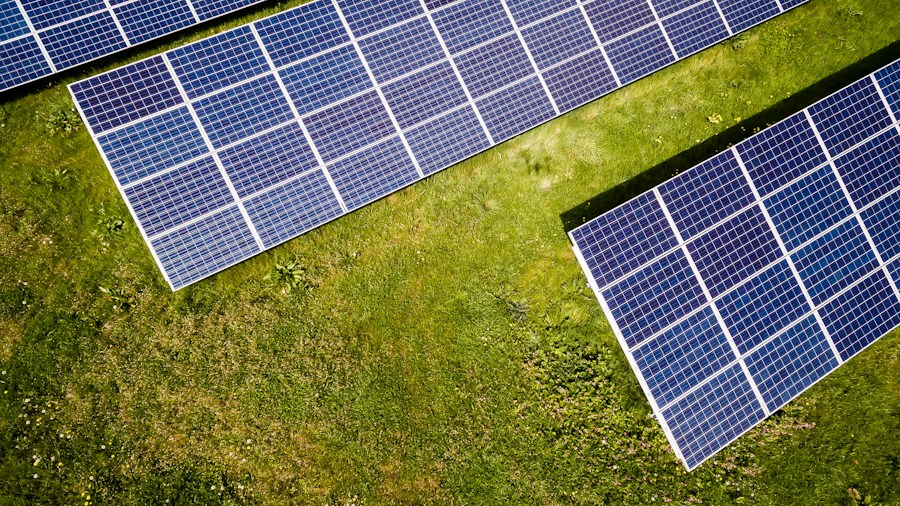
Image: A utility-scale solar farm at sunset — the right glass type ensures maximum energy harvest over the life of the project. (Source: Unsplash)
Frequently Asked Questions (FAQ)
1. What type of glass is used in most solar panels?
Most solar panels use 3.2 mm low-iron tempered glass with an anti-reflective coating. This type of glass achieves light transmittance above 91% and provides excellent impact resistance, UV stability, and thermal shock protection. The low iron content (below 0.015% iron oxide) eliminates the greenish tint found in standard glass, allowing maximum sunlight to reach the photovoltaic cells.
2. Are double glass solar panels worth the extra cost?
Double glass (glass-glass) solar panels are worth the extra 10–15% cost premium in environments with high humidity, salt mist, extreme temperatures, or where a 30+ year service life is desired. They offer lower degradation rates (below 0.4% per year), better PID resistance, and improved fire safety compared to single glass panels. For standard residential installations in moderate climates, single glass panels with a strong manufacturer warranty may offer better value.
3. How much more energy do bifacial solar panels produce?
Bifacial solar panels typically produce 5–25% more energy than equivalent monofacial panels, depending on the albedo (reflectivity) of the surface beneath them. On highly reflective surfaces like white roofing, sand, or snow, gains of 15–25% are achievable. On moderately reflective surfaces like grass or gravel, expect 5–10% additional energy production. Ground-mounted and elevated installations maximize bifacial gains.
4. What is the price difference between single glass and double glass solar panels?
Double glass panels typically cost $0.03–$0.07 more per watt than equivalent single glass panels. For a 10 kW residential system, this translates to approximately $300–$700 in additional module costs. The gap has been narrowing as double glass production scales up. The longer warranty (30 years versus 25 years) and lower degradation often make double glass panels a better long-term financial investment.
5. Which solar panel glass type is best for hot climates?
For hot climates, monocrystalline panels with a low temperature coefficient (-0.3% per °C) are recommended. Thin-film panels (especially CdTe) also perform well in heat with an even lower temperature coefficient of around -0.2% per °C. Double glass construction is preferred in hot climates because the glass-glass structure provides better thermal stability and moisture resistance than polymer backsheets that can degrade faster in extreme heat.
6. Can solar panel glass withstand hail?
Yes, most solar panels are tested to withstand hailstones up to 35 mm in diameter at impact velocities of approximately 23 m/s, per the IEC 61215 standard. Single glass panels with 3.2 mm fully tempered glass generally offer superior hail resistance compared to double glass panels that use thinner (2.0 mm) heat-strengthened glass. For hail-prone regions, look for modules that have passed testing with 40–45 mm hailstones.
7. What is BIPV glass and how does it differ from standard solar panel glass?
BIPV (Building Integrated Photovoltaic) glass is a specialized photovoltaic glass designed to replace conventional building materials such as windows, facades, and roofing tiles while simultaneously generating electricity. Unlike standard solar panel glass, BIPV glass can be manufactured with varying levels of transparency (10–90%), custom colors, and architectural patterns. Companies like Jia Mao Bipv specialize in producing customized BIPV glass that meets both building code requirements and energy generation goals.
8. How long do solar panel glass coatings last?
High-quality anti-reflective coatings on solar panel glass are designed to last 25–30 years, matching the expected service life of the panel. These coatings are applied before the glass is tempered, bonding them permanently to the glass surface. Self-cleaning hydrophilic coatings typically last 10–15 years before requiring reapplication. The durability of coatings depends on the manufacturing quality and environmental exposure conditions.
9. Is thin-film solar panel glass cheaper than crystalline silicon panel glass?
Yes, thin-film solar panels are generally cheaper on a per-watt basis ($0.18–$0.25/W) compared to monocrystalline ($0.28–$0.40/W) and polycrystalline ($0.20–$0.30/W) panels. However, because thin-film panels have lower efficiency (11–15%), you need more panels and more installation area to achieve the same power output, which can increase the total system cost. Thin-film is most cost-effective for large-area installations where space is inexpensive.
10. What is the future trend for solar panel glass technology?
The solar panel glass industry is trending toward thinner, lighter double glass modules (using 1.6 mm glass), advanced self-cleaning and anti-soiling coatings, higher-transmittance ultra-white glass exceeding 92% transparency, and the integration of smart materials that can adjust transparency based on light conditions. The BIPV segment is growing rapidly, with transparent and semi-transparent solar glass being incorporated into building facades, skylights, and windows. The global solar PV glass market is projected to grow at a CAGR of approximately 8% through 2034, reaching over $112 billion.


-300x300.jpg)