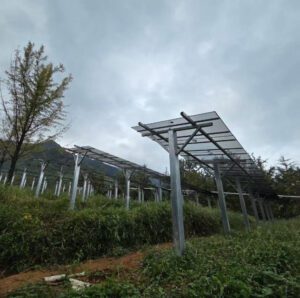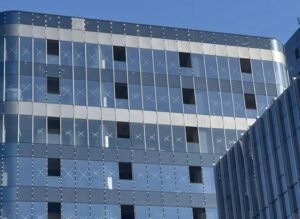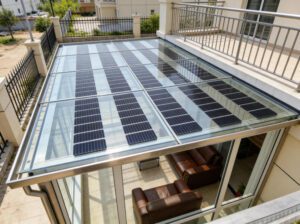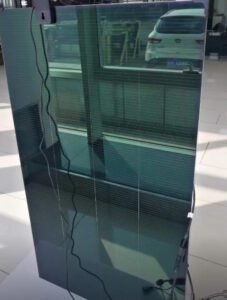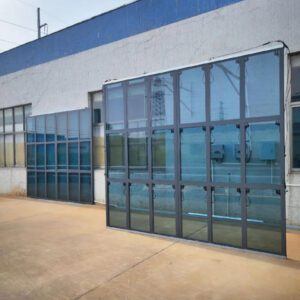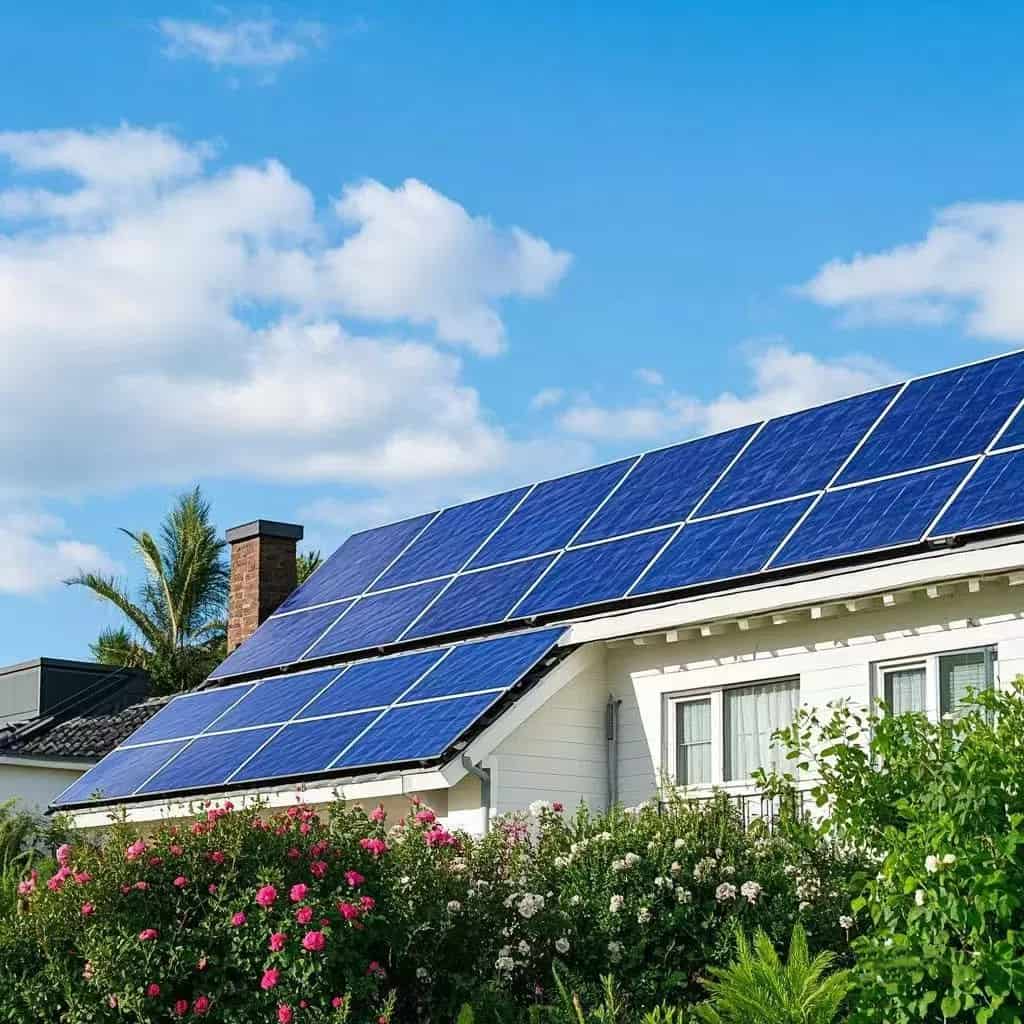
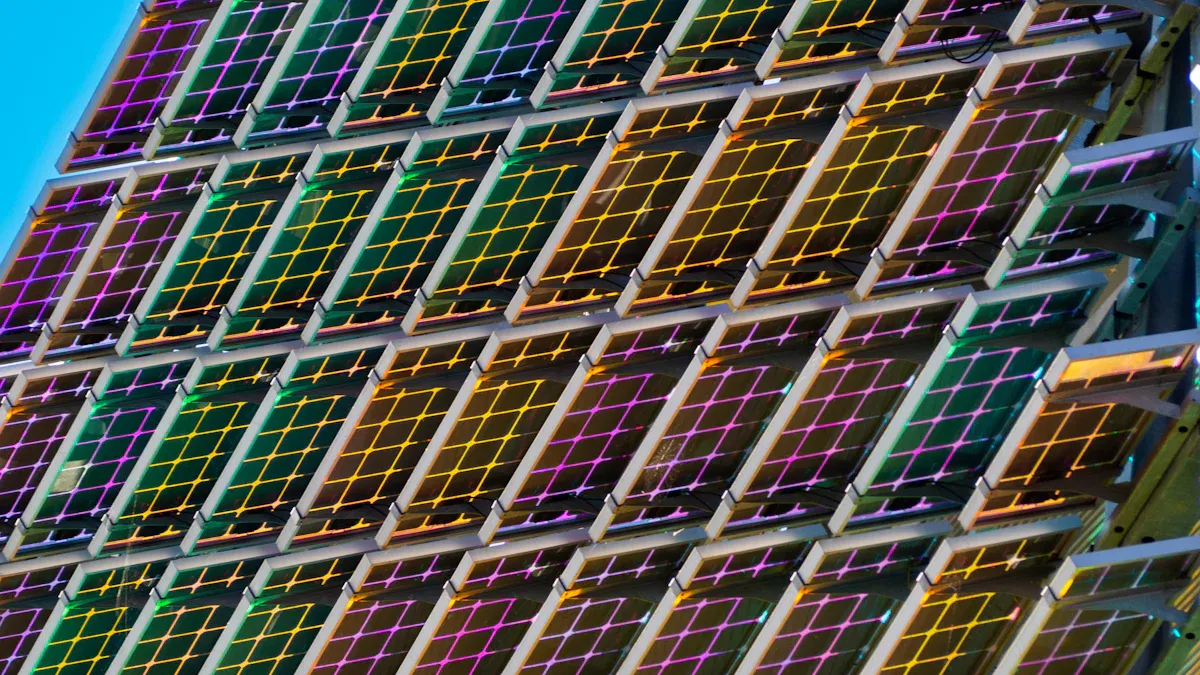
Building integrated photovoltaics are truly special. They generate energy while seamlessly integrating into the structure of the building. Solar integration allows for innovative changes in building aesthetics and contributes positively to the environment. BIPV can be installed on roofs, walls, and windows, providing numerous design options. You can choose what looks best for your project. Each year, an increasing number of buildings are adopting solar designs. The table below illustrates the growing trend of solar usage in new buildings:
| Year | Global Installed Capacity (GW) | Number of Buildings with BIPV | Market Value (USD Billion) |
|---|---|---|---|
| 2019 | 7.2 | 900,000 | N/A |
| 2023 | 12.6 | 1,300,000 | 9.69 |
With Jia Mao BIPV and other building integrated photovoltaics manufacturers, you can select energy solutions that align with your style.
Principaux enseignements
- BIPV systems mix with buildings and make them look new. They also make energy for the building. BIPV takes the place of old building materials. This saves space and can lower costs as time goes on. Using BIPV can make energy bills smaller. It also helps the planet by cutting down carbon emissions. Good site checks and design make BIPV work better and look nicer. BIPV can go on roofs, walls, windows, and other places. This can make a building worth more.
What Is Building-Integrated Photovoltaics?
Building-integrated photovoltaics change how people think about energy and design. You use photovoltaics as part of the building, not just something extra. These systems mix with the building and turn roofs, walls, and windows into places that make energy. You can see photovoltaics in different ways, like glass panels, facades, and curtain walls. Jia Mao BIPV has products for many styles and needs, so you can match what you want.
BIPV vs. Traditional Solar Panels
You may wonder how building-integrated photovoltaics are different from traditional solar panels. BIPV takes the place of normal building materials, so you do not need extra mounts. This saves space and can make building cheaper. BIPV also lasts longer. Most BIPV systems work for 25 to 30 years. Traditional solar panels last about 20 to 25 years. The table below shows how much BIPV costs compared to other building materials and points out the price difference:
| Material Type | Cost per Square Foot (Before ITC) | Cost per Square Foot (After ITC) |
|---|---|---|
| eFacade LITE | $79 | $55.30 |
| eFacade | $138.50 | $96.95 |
| Brick | $12 – $35 | N/A |
| Aluminum Cladding | $30 – $70 | N/A |
| Glass Curtain Wall | $50 – $120 | N/A |
| Fiber Cement Panels | $20 – $50 | N/A |
| Aspect | Systèmes BIPV | Panneaux solaires traditionnels |
|---|---|---|
| Durée de vie | 25-30 ans | 20-25 ans |
Benefits for Modern Architecture
There are many good things about using building-integrated photovoltaics in your project. Here are some main benefits:
- Better looks: You can change photovoltaics to fit your building, so it looks modern and special.
- More space use: You use every part of the building to make energy, which is great for busy cities.
- Energy savings and sustainability: Photovoltaics help keep rooms cool or warm and lower the need for outside power.
- Less harm to the environment: You make less carbon and help the planet.
- Save money over time: You spend less because you make your own solar energy.
- Easy to add to buildings: You can put photovoltaics with other building parts and still change your design.
- Two uses and more savings: Photovoltaics are both a building material and an energy maker, so you save on both materials and electricity.
Building-integrated photovoltaics let you make spaces that look nice and save energy. You are making a smart choice for the future of buildings.
Key Steps for BIPV Solar Integration
Site Assessment and Feasibility
You begin by checking your building site. First, you look at each surface from the street. This shows you which spots people can see best. It helps you pick where BIPV will stand out most. Next, you check how much sunlight each spot gets. You use computer models to see how much sun hits each area in a year. Trees and things near the road can block sunlight. You need to think about how these things affect your building. You also think about how your building looks to people walking by.
The weather is important for BIPV. If you live where it is sunny, you get more power. You need to check the temperature and how strong the sun is. You also look at the angle of your building’s surfaces. The kind of solar technology and how well the inverter works are important too. These things help you know if solar energy will work well for you. You want your system to save energy and money. Hot weather and wet air can make rooftop solar panels less efficient. Solar panels can also change the temperature around your building. They might make daytime temperatures go up by 1.5°C. At night, they might make temperatures go down by 0.6°C.
Jia Mao Bipv gives you tools and help for site checks. Their experts guide you and help you pick the best way to use BIPV for your building.
Design and Aesthetic Considerations
You want your building to look nice and work well. Using BIPV with your design gives you both style and function. You choose materials that match your building and help it last longer. The right materials make your system look better and work better. You need to think about which way your surfaces face. If they face the sun, you get more power.
Tip: Use shading analysis to see if trees or buildings block sunlight. This helps you get more energy from your BIPV systems.
Good design can help you make more energy. Studies show colored BIPV modules can make buildings look special and still give strong energy. If you plan your facade and shading, you can make a lot of your own energy. One project got 43% of its energy this way. You can also help your building earn green certifications like LEED. Using BIPV helps the planet and makes your project stand out.
Jia Mao Bipv has many solar technology choices. You can pick what fits your style and energy needs. Their team helps you balance looks and performance so your system works well and looks good.
Building Codes and Compliance
You must follow building codes when you put in BIPV systems. The National Electric Code (NEC) has rules for electrical safety. The International Residential Code (IRC) covers building safety. The International Energy Conservation Code (IECC) has rules for renewable energy. You also need to meet safety standards like IEEE and Underwriters Laboratory (UL).
Most countries use IEC 61215 and IEC 61730 for solar standards. In the USA and Canada, you use UL1703. Fire safety is very important, so you check all rules. You want your system to be safe and work well.
Note: Following these codes helps your building get green certifications and keeps it ready for the future.
You need skilled workers to install BIPV systems. These systems are harder to put in than regular building materials. Trained workers make sure your system works well and lasts a long time. They follow all safety rules and pay attention to details.
Jia Mao Bipv works with certified installers who know how to do complex jobs. Their team makes sure your system meets all codes and gives you strong power.
By following these steps, you make your building safer and more efficient. You use solar energy to save power and make your building look modern. BIPV systems help you reach your goals for clean energy and green building.
BIPV Applications in Modern Architecture
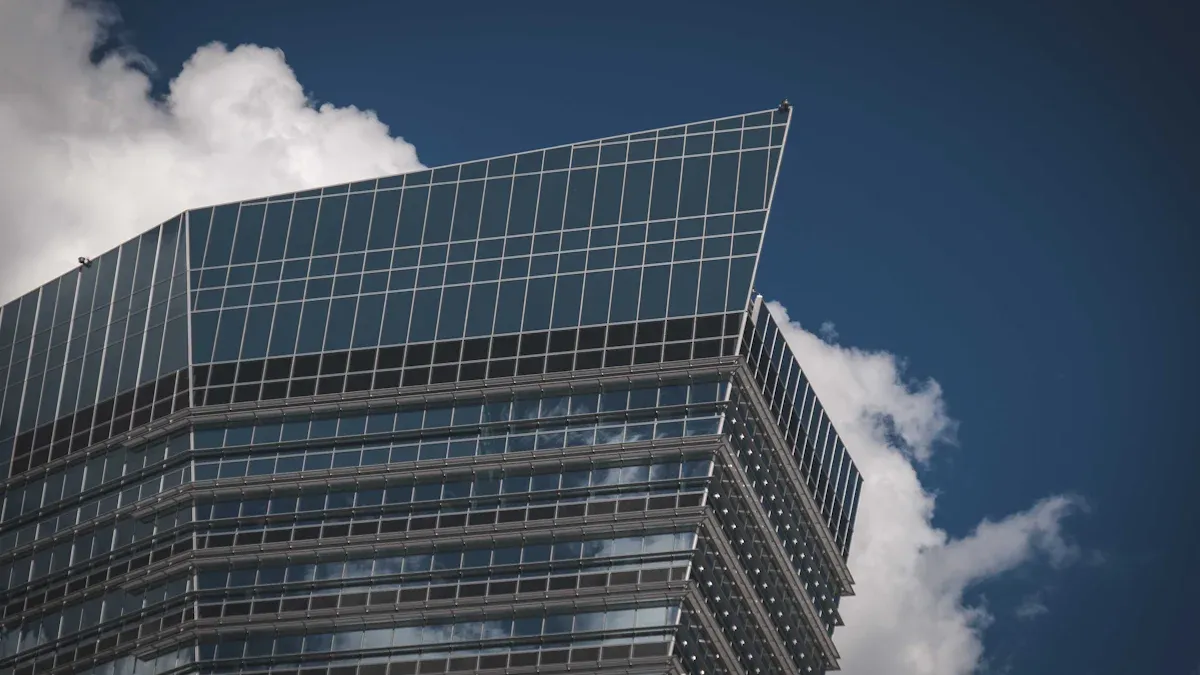
Building-integrated photovoltaics give you many ways to add solar power to your building. You can use bipv in roofs, facades, skylights, windows, and curtain walls. Each part of your building can help you make energy and improve the look of your project. Solar integration lets you design spaces that are both beautiful and efficient. You can see how bipv fits into different parts of modern architecture below.
Roofs, Facades, and Skylights
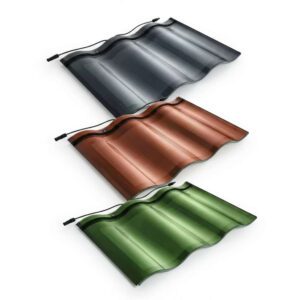
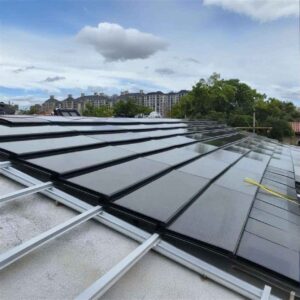
You can start with the roof. Roofs are the most common place for bipv. You can use solar tiles or shingles that blend with the rest of your building. These materials replace regular roofing and help you make energy from the sun. You do not need extra mounts or racks. This makes your roof look clean and modern.
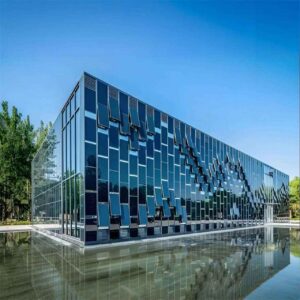
Facades are another great place for bipv. You can use solar panels as part of the outer walls. This helps you save on building materials and lower your energy use. Architects use creative designs to make facades stand out. You can install bipv vertically, horizontally, or at an angle. This helps you get the most energy from the sun. Some of the best strategies for integrating bipv into facades include:
- Use integrated design methods to boost energy efficiency.
- Choose bipv products that work as both wall material and energy source.
- Work with experts from different fields to solve design and technology problems.
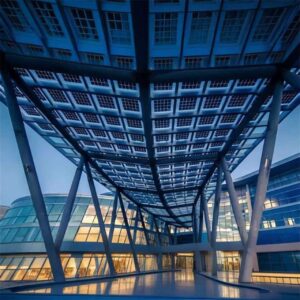
You can also use skylights with bipv. These let sunlight into your building and make energy at the same time. Skylights with solar cells help you save on lighting and cooling. They also make your space feel open and bright.
Tip: When you use bipv in facades and skylights, you can lower your use of fossil fuels and help the environment. You also add value to your building by saving on materials and energy.
Jia Mao Bipv offers many options for roofs, facades, and skylights. Their products help you match your style and reach your energy goals.
Windows and Curtain Walls
You can use bipv in windows and curtain walls to make your building even more efficient. These systems let you make energy while still letting in light. You can choose clear or colored glass to match your design. Curtain walls with bipv give your building a modern look and help you save on energy.
When you add bipv to windows and curtain walls, you may face some challenges. The table below shows common issues and what they mean for your project:
| Challenge Type | Description |
|---|---|
| Standards and Compliance | No single standard for bipv makes certification and compliance complex. |
| Permitting Issues | Different rules for solar can cause confusion about performance and durability. |
| Performance Concerns | Lower efficiency from building orientation can mean higher costs and longer payback. |
| Aesthetic Limitations | Some bipv products do not look good, which can limit their use in homes. |
| Financial Incentives | Few special incentives for bipv make it harder to afford. |
| Operation and Maintenance Challenges | Bipv needs regular checks because it works as both a building part and an energy system. |
You can solve many of these problems by working with skilled designers and installers. Jia Mao Bipv helps you pick the right products and makes sure your system meets all rules. You get a building that looks great and works well.
Note: Regular checks and good planning help your bipv windows and curtain walls last longer and make more energy.
Historic and Commercial Buildings
You can use bipv in both historic and commercial buildings. Each type has its own needs. For historic buildings, you must keep the original look. Many old buildings are landmarks or have special meaning. You need to make sure your solar integration does not change the way the building looks. At the same time, you want to meet modern energy needs and help with sustainability.
For commercial buildings, you often need to make a lot of energy. You want your building to be efficient and save money. Bipv can help you reach these goals. You can use bipv in large roofs, glass walls, or even parking structures. This helps you lower your energy bills and show your commitment to green building.
When you work with historic buildings, you must also follow special rules. These rules protect the building’s look and history. You need to balance these rules with your energy goals. Some key points to remember include:
- Keep the building’s original style and character.
- Make sure the building meets today’s energy needs.
- Follow all laws and codes for historic sites.
Jia Mao Bipv works with you to find the best way to add bipv to any building. Their team helps you meet all rules and keep your building looking its best. You get the benefits of solar energy and help protect the planet.
Callout: Bipv gives you the power to blend old and new. You can keep the beauty of historic architecture and enjoy the savings and sustainability of modern solar integration.
By using bipv in different parts of your building, you help shape the future of modern architecture. You make spaces that are smart, stylish, and ready for tomorrow.
Choosing BIPV Technology and Manufacturers
Types of BIPV Products
You have many bipv products to pick from for your building. Each type helps you use solar power and follow solar architecture ideas. The table below lists common bipv systems and what they do:
| BIPV Type | Description |
|---|---|
| Roof-integrated systems | PV elements that replace roofing materials in pitched or flat roofs. |
| Façade and cladding systems | PV modules used as exterior cladding or spandrel panels. |
| Glazing and semi-transparent modules | PV glass or semi-transparent laminates that allow daylight while generating power. |
| Curtain wall and unitized façade | Full-scale curtain wall units with PV in factory-assembled panels. |
| Flexible laminates | Lightweight PV sheets for curved surfaces or retrofits. |
| BIPV-T hybrids | Systems that combine electricity generation with heat recovery. |
You can also find solar shingles, thin-film solar cells, and flexible laminates. Solar shingles are good for new roofs and for fixing old ones. These products help you meet your green goals and make solar power in cities.
Selecting Building Integrated Photovoltaics Manufacturers
When you choose building integrated photovoltaics manufacturers, you want good quality and lots of experience. Here are some things to look for:
- New technology and the ability to work in different weather.
- Many product choices, like solar shingles and flexible types.
- Big factories and custom-made solutions.
- Products you can get easily around the world.
- Fair prices and clear cost details.
- Working with architects and builders for easy setup.
- A history of successful projects.
- Good help after you buy and strong warranties.
Jia Mao Bipv is a trusted company. They have many bipv products, like solar shingles and facade systems. Their team works with you to make sure your project goes well.
Cost, Maintenance, and Longevity
Bipv systems cost more at first than regular building materials. Prices go from €200/m² to €625/m², and glass-glass modules are about €120-€250/m². Custom solar shingles can cost up to €380/m². You pay more at the start, but you save money on energy and repairs later. Bipv needs to be cleaned and checked often, but it usually lasts longer than normal roofs or walls. Most bipv products last over 25 years, so you fix them less and keep your building working well.
You can also get help from the government. In the U.S., you get a 30% tax credit for solar projects, including bipv. You can use MACRS to get your money back faster. These benefits help you get more value from your investment.
Bipv makes your building look better and worth more. Solar shingles and other bipv products fit in with your design and help cities stay green. You help the earth and make your building easier to sell.
You should think about BIPV when you first design your building. Make sure you look at which way your building faces. Always follow the rules in your area.
- Pick technology that matches how you want your building to look and how much energy you need.
- Work with companies you trust, like Jia Mao Bipv, so you get good help.
Adding BIPV later can help you use less energy and keep your building looking nice. Today’s BIPV systems make it simple to get clean energy for both new and old buildings.
In the future, more buildings will use BIPV to be smart, good-looking, and save energy.
FAQ
What makes BIPV different from regular solar panels?
You use BIPV as part of your building, not just on top. BIPV replaces materials like glass or tiles. You get energy and a modern look at the same time.
Can you install BIPV on old buildings?
Yes, you can add BIPV to old or historic buildings. You keep the building’s style and add solar power. Jia Mao Bipv offers custom solutions for these projects.
How long does BIPV last?
Most BIPV systems work for 25 to 30 years. You get strong performance and long-lasting value. Regular checks help your system last even longer.
Is BIPV hard to maintain?
You clean BIPV like windows or roofs. You check the system sometimes to make sure it works well. Many products need little extra care.
Does BIPV work in cloudy weather?
Yes, BIPV still makes energy on cloudy days. You get less power than on sunny days, but your system keeps working. Modern BIPV, like Jia Mao Bipv, uses advanced technology for better results.