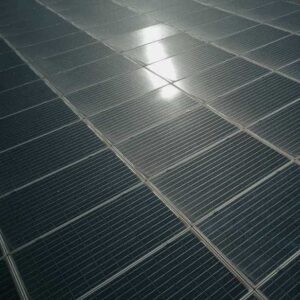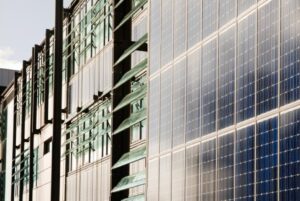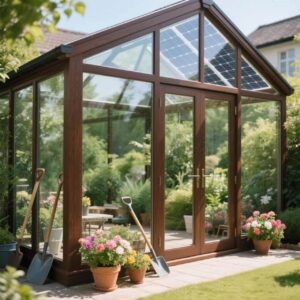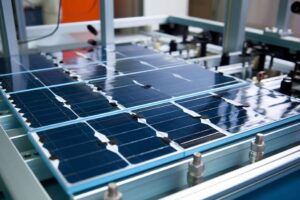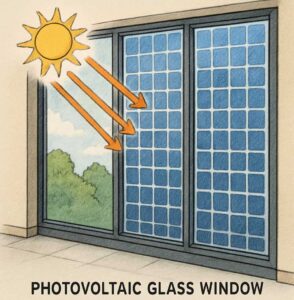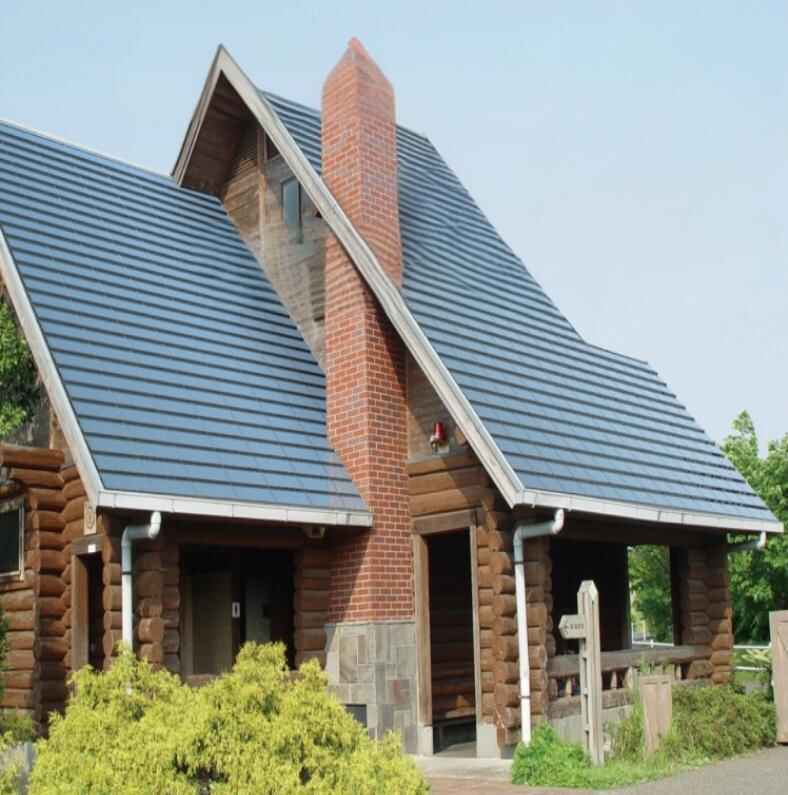
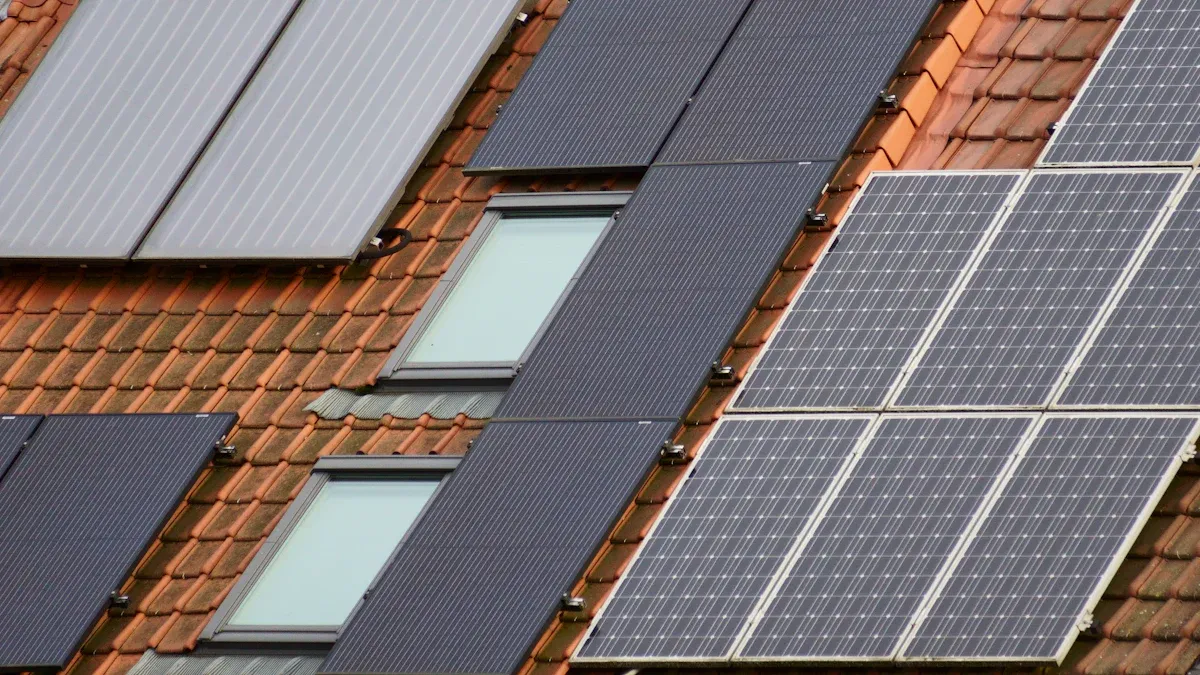
You can pick roof integrated solar tiles if you want your roof to do more. These tiles have photovoltaic cells inside them. They change sunlight into electricity. They also keep your house safe from rain and wind. The tiles are made from strong materials like tempered glass and tough polymers. They last for many years and can handle bad weather. The tiles fit smoothly into your roof. This gives your home a modern and neat look. Companies like Jia Mao Bipv sell these new solutions. They are good for people who care about style and saving energy.
Principales conclusiones
- Roof integrated solar tiles do two things. They protect your home. They also make electricity from sunlight. These tiles fit in with your roof. They make your roof look better. They help save energy too. Think about which solar tiles match your roof. Also, think about how much energy you need. Do this before you choose. Buying solar tiles can make your home worth more. It can also help you pay less for electricity over time. You do not need to do much to take care of them. Just clean off dirt and check for any damage. This helps them last longer.
What Are Roof Integrated Solar Tiles?
Definition & Design
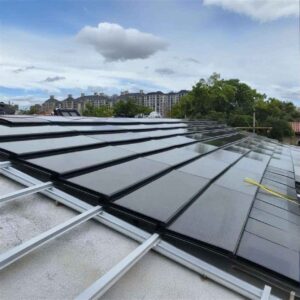
Roof integrated solar tiles do two important jobs. They protect your house like a regular roof. They also make electricity from sunlight. These tiles go right into your roof. They do not sit on top like old solar panels. They take the place of some of your roof’s materials. This makes your roof look smooth and new.
Many of these tiles look like normal roofing. Some look like asphalt shingles. Others look like slate tiles. This helps your house look nice from the street. Here are some ways these tiles are different from regular roofing:
- They become part of the roof and make electricity.
- They swap out roof pieces instead of just covering them.
- They look like normal roofing for a natural style.
- Old solar panels use racks and sit above the roof, which can look big and bulky.
Consejo: If you want your roof to look neat and modern, roof integrated solar tiles are a good choice.
How Roof Integrated Solar Tiles Work
You may wonder how these tiles make power from the sun. Each tile has solar cells inside. These cells catch sunlight and turn it into electricity. The technology in the tiles is not always the same. Some tiles use polycrystalline silicon. This kind costs less but does not work as well. Other tiles use thin-film materials. These are light and bendy. Thin-film tiles look nice but make less power.
A solar tile has a few layers:
- Photovoltaic Layer: This layer holds the solar cells. It takes in sunlight and makes electricity.
- Protective Cover: This clear layer is often tempered glass. It keeps out rain, snow, and UV rays.
- Encapsulation Layer: This layer is usually EVA. It seals the cells and blocks water.
- Roofing Surface Layer: This top layer looks like regular roofing and keeps out bad weather.
Wires link the tiles together. These wires send electricity to your home’s system. You get a strong roof and clean energy at the same time.
Types of Solar Tiles
You can pick from different kinds of roof integrated solar tiles. The main types are solar shingles, tiles with crystalline cells, and thin-film tiles. Solar shingles are also called Building-Integrated Photovoltaics (BIPV). They look like normal shingles but make power. Some brands use monocrystalline cells for better power. Others use thin-film for a lighter tile.
Here is a table with some popular products and what they offer:
| Product | Material | Size (mm) | Weight (kg) | Output Power (W) |
|---|---|---|---|---|
| Titan Solar | Fiberglass Reinforced Polyurethane | 1260 × 480 | 15.5 | 95 |
| Sol Solar | Alu-Zinc Steel | 1190 × 390 | 6 | 80 |
Some brands, like Jia Mao Bipv, make roof integrated solar tiles that fit many roof styles. These tiles focus on how well they work and how good they look. You can find tiles that match your roof and still give you energy.
Nota: When you pick a type, think about your roof’s look, how much sun you get, and how much energy you need.
Solar Tiles vs. Panels
Appearance & Integration
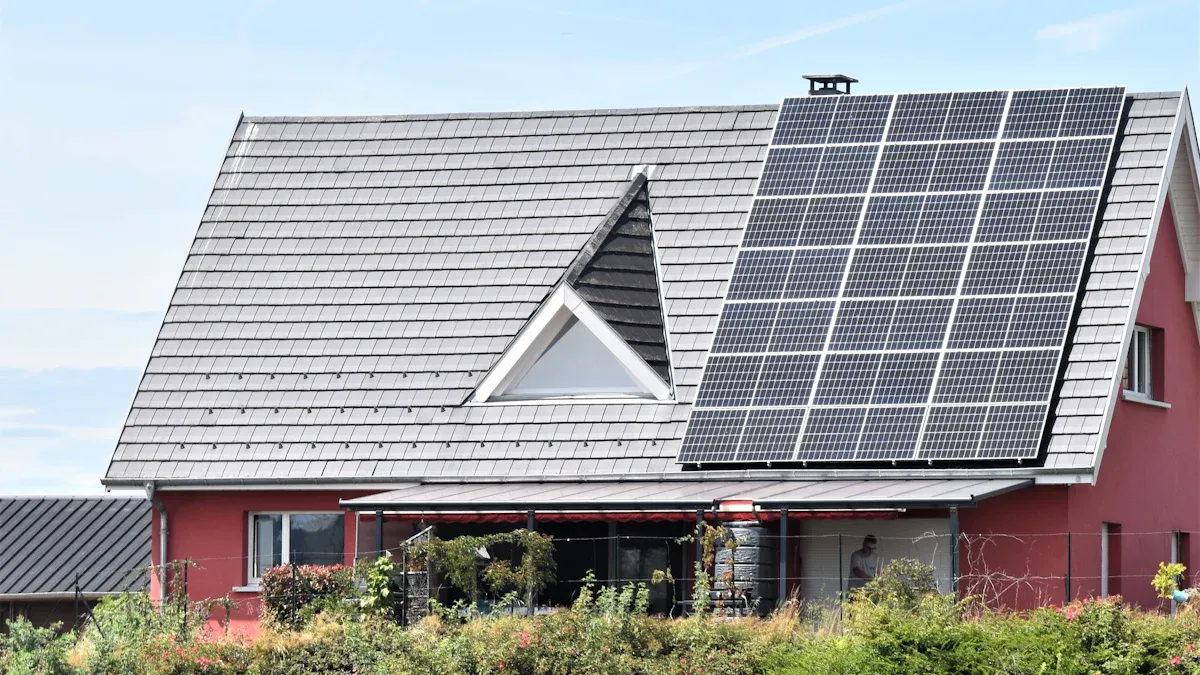
You want your house to look nice. Roof integrated solar tiles mix in with your roof. They look just like normal tiles. Some tiles copy the look of fancy shingles or slate. This helps your house keep its style. Traditional solar panels sit on top of your roof. They use racks that change how your roof looks. Even though new panels look better, they still stand out. Solar tiles make your roof look smooth and modern. They can make your house look better from the street. This can also raise your home’s value. Many people pick tiles because they look neat and fit well. Jia Mao Bipv has choices for many roof types. These options help your house look sharp.
- Solar tiles mix in with the roof and look like regular tiles.
- Traditional panels stand out and use racks that change the roof’s look.
- Tiles can make your house look better and match your style.
Installation Differences
It is important to know how these are installed. Solar panels go on top of your old roof. Workers use tools and drill holes. If the holes are not sealed, leaks can happen. Roof integrated solar tiles take the place of normal roofing. Workers use nails or clips to put them in. This keeps water out. Tiles are often put in when you build a new house or get a new roof. This way, your roof is strong and lasts longer.
| Característica | Tesla Solar Roof | Paneles tradicionales |
|---|---|---|
| Installation Time | 3-6 months | 6-8 weeks |
Solar tiles become part of the roof. Panels sit above the roof. This can change how long your roof lasts. It also affects how well your roof handles bad weather.
Performance & Efficiency
You want your roof to make a lot of power. Regular solar panels work at 20–25% efficiency. They make more power for each square foot. Most solar shingles and tiles work at 15–20% efficiency. Some top brands reach 23%. Normal panels make about 20–25 watts for each square foot. Solar tiles make about 15–20 watts for each square foot. Tiles use special technology and are built strong. They can handle sun, heavy rain, and strong wind. Many systems have a 25-year warranty for power and weather. The design helps stop water from getting in and keeps your roof safe.
Tip: If you want a roof that lasts and looks good, roof integrated solar tiles could be a smart pick.
Pros & Cons
Benefits for Homeowners
Roof integrated solar tiles give you many good things. These tiles help you save money on your power bills. They make electricity from sunlight. Your house can become worth more money. Buyers like homes that use less energy. This means your house might sell faster.
Here is a table with the main benefits:
| Benefit | Descripción |
|---|---|
| Energy Savings | Solar roofing lowers your electricity bills by making its own power. |
| Increased Property Value | Homes with solar roofs sell for about 4.1% more than homes without solar. |
| Attractiveness to Buyers | Buyers like energy-efficient homes, so your house may sell faster and at a better price. |
Solar tiles help the planet too. They make clean energy and last a long time. This lowers carbon emissions and helps the earth. Brands like Jia Mao Bipv have choices for many roof styles. These options help you reach your energy goals.
Drawbacks & Considerations
There are some things to think about before you pick solar tiles. Putting them in can be hard. Workers need special skills and more time. If your roof has chimneys or skylights, wiring gets tricky. Tiles can crack when installed or from shaking. Drilling can cause leaks if not done right. You may pay more for skilled workers. The total price is often higher than regular roofs.
- It is harder to reach connection points during installation.
- Roof features make electrical work more difficult.
- Tiles can break or leak if not installed well.
- Special labor costs more and takes longer.
Maintenance & Durability
You need to keep your solar tiles clean and check for damage. Most times, you just remove leaves or dirt. A professional should check the system sometimes. Solar tiles need less care than regular roofs. You still need to watch for cracks or problems.
Solar tiles last longer than many regular roofs. Here is a table to compare:
| Característica | Solar Roofs | Conventional Asphalt Roofs |
|---|---|---|
| Vida útil | 30+ years | 15-20 years |
| Impact Resistance | Class 4 rating | Lower than Class 4 |
| Wind Resistance | Más alto | Lower, can peel |
| Fire Safety Rating | Class A | Usually lower |
You get a strong roof that keeps you safe for years. With good care, your solar tiles will protect your home for a long time.
Cost & Efficiency
Upfront Costs
You may notice that the price for roof integrated solar tiles has changed over the years. The cost depends on where you live, the installer you choose, and the features you want. Here is a table that shows how prices have shifted:
| Year | Price Range (USD) | Factors Influencing Costs |
|---|---|---|
| 2019-2021 | $20,000 – $45,000 | Early-stage adoption, stable material costs, moderate demand, government incentives. |
| 2022-2023 | $25,000 – $60,000 | Supply chain issues, technology improvements, increased demand due to rising energy prices and environmental concerns. |
| 2024 | $30,000 – $65,000 | Advanced features, higher labor costs, and increased demand for integrated solar solutions. |
You may pay more for advanced technology or if you live in an area with high labor costs. Local building codes and roof structure rules can also affect the final price. Local roofers know these rules and can help you with permits and inspections.
Energy Output
Roof integrated solar tiles can give you clean energy each year. Under good sunlight, you can expect about 80 to 120 kWh per square meter per year. Solar panels usually make more power for each square foot. They work better because you can tilt them toward the sun. Solar tiles sit flat on your roof, so they may not catch as much sunlight. Still, you get a roof that looks great and makes energy for your home.
- Energy output: 80–120 kWh per square meter per year
- Solar panels have higher output and can be angled for better sun exposure
- Solar tiles may have lower efficiency due to their flush design
Is It Right for Your Home?
You should think about a few things before you choose roof integrated solar tiles. Here is a simple list to help you decide:
- Check if your roof is the right shape, size, and material.
- Learn about the types of solar tiles, like those from Jia Mao Bipv.
- Think about how the tiles will look with your house.
- Ask about the lifespan and warranty.
- Look at the total cost and any financial help you can get.
- Find out how much energy the tiles will make.
Local building codes may require special safety steps. Your installer should know these rules and help you follow them. If you want a roof that looks modern and makes clean energy, roof integrated solar tiles could be a smart choice.
You now know that roof integrated solar tiles do two jobs. They work as your roof and make electricity. The table below shows the main ideas:
| Key Point | Descripción |
|---|---|
| Definition | Tiles that are both a roof and a solar power source. |
| Operation | Solar cells inside the tiles make power and protect your house. |
| Advantages | They look modern, do two things, and follow strict neighborhood rules. |
When you think about getting these tiles, look at your roof’s shape. Think about how much sun your roof gets and how much money you want to spend. See if there are local deals or money back offers. Ask about the warranty too. Jia Mao Bipv has choices for many home styles. Take time to look at prices, how well they work, and if they are worth it for you.
PREGUNTAS FRECUENTES
How long do roof integrated solar tiles last?
Most solar tiles last over 30 years. You get a strong roof and steady power for a long time. Brands like Jia Mao Bipv offer long warranties for extra peace of mind.
Can you install solar tiles on any roof?
You need a roof with the right shape and structure. Flat or low-slope roofs may not work well. Ask a professional to check if your roof fits solar tiles.
Do solar tiles need much maintenance?
You only need to clean off leaves and dirt. Check for cracks or damage once a year. Most systems work well with little care.
Will solar tiles work in cloudy weather?
Solar tiles still make power on cloudy days, but less than on sunny days. You get the best results in areas with lots of sunlight.
Are roof integrated solar tiles safe?
Yes, solar tiles meet strict safety rules. They resist fire, wind, and hail. You can trust brands like Jia Mao Bipv for tested and safe products.


-300x300.jpg)