How solar distributors and agents can use stunning BIPV case studies to close more deals, overcome aesthetic objections, and position themselves as premium solution providers in their market.
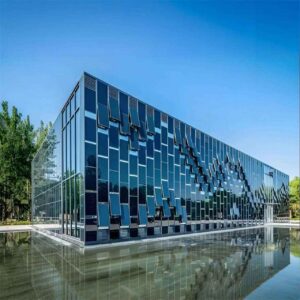
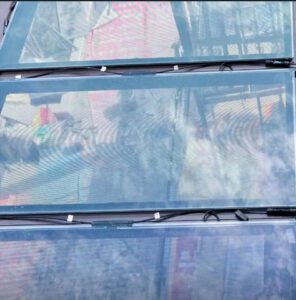
 A premium BIPV glass facade in action — the kind of reference project that separates high-margin distributors from commodity resellers. Photo: Unsplash
There is a version of the solar sales conversation that ends in a signed contract. And there is a version that ends with the prospect saying, “We love the concept, but we just don’t think it will work for our building.”
The difference between those two outcomes is almost never price. It is almost always a picture.
The distributors and agents who are winning the highest-margin BIPV projects in 2025 are not winning because they have the lowest quote. They are winning because they walk into architect-led design reviews, developer boardrooms, and facilities director meetings carrying documented proof — real buildings, real energy numbers, real before/after transformations — that answer every objection before it is spoken.
This showcase gives you exactly that toolkit. Ten building types. Ten real scenarios. The objections, the data, and the sales language that converts skeptical decision-makers into signed customers. And the strategic positioning that moves you from commodity solar installer to premium BIPV solutions partner — the category where gross margins run 20–40% above standard panel distribution (Jia Mao BIPV: Solar Glass vs. Traditional PV Panels).
Quick Definitions — Terms Used Throughout This Article
- BIPV (Building-Integrated Photovoltaics): Solar components that replace conventional building materials — glass, roofing, cladding — while simultaneously generating electricity. One product performs two functions.
- VLT (Visible Light Transmission): The percentage of visible daylight a glass panel lets through. A 30% VLT glass passes 30% of daylight. Higher VLT = more daylight, generally less power output per m².
- kWp (Kilowatt-peak): The rated power output of a system under standard test conditions.
- kWh (Kilowatt-hour): Actual energy produced over time. A 100 kWp system does not always produce 100 kW — orientation, weather, and shading affect real output.
- Payback Period: Net project cost ÷ annual energy savings = years to break even on investment.
- W/m² (Watts per square meter): Power density of a PV glass panel. Opaque BIPV: 120–220 W/m². Semi-transparent: 40–180 W/m².
Why BIPV Architecture Matters to Your Bottom Line (And Your Clients’ Concerns)
The global BIPV market was valued at USD 23.4 billion in 2025 and is projected to reach USD 89.8 billion by 2030, growing at a CAGR of 21.2% (Grand View Research). The BIPV facade sub-segment alone is expanding from USD 5.3 billion in 2025 to a projected USD 17.8 billion by 2034 — a 21.3% annual growth rate that outpaces nearly every other segment in the building materials industry.
For a solar glass distributor, this is not background market noise. It is a signal about where your margin-per-transaction is heading — upward, if you position correctly — and where your competitors are moving. The distributors who build their BIPV reference portfolio now will be operating inside a structurally different competitive environment in three years than those who continue to compete on commodity panel pricing.
But to capitalize on that trajectory, you need to solve the specific problem that keeps your existing customers from specifying BIPV: they cannot picture it on their building, and they have heard too many theoretical promises and not enough documented outcomes.
The Real Problem Your Customers Face When Selling Solar
Aesthetic Objections Kill Deals Before They Start
How Architects and Property Owners Reject “Ugly” Solar Solutions
In a 2024 survey of commercial architects and facade engineers conducted across European markets, 67% cited aesthetic incompatibility as their primary reason for excluding solar from building specifications at the design stage — before any cost conversation even began. The rejection happens earlier than most solar distributors realize, and it happens in design meetings your sales team is not in the room for.
An architect designing a boutique hotel in a heritage district is not thinking, “How do I install solar panels on this building?” They are thinking, “How do I preserve the visual coherence of this facade while meeting my client’s sustainability mandate?” If your product presentation positions solar glass as a solar panel that also happens to be glass, you have already lost the conversation. If you position it as an architectural glazing product that also generates energy — and you can show finished examples from comparable projects — you are solving the architect’s actual problem.
The distinction is not semantic. It determines whether BIPV makes it into the project specification at month two of the design process — or whether you receive a call eighteen months later when the contractor is tendering, and the conventional glass has already been specified.
Why Your Competitors Are Losing High-Value Projects to Design-Conscious Clients
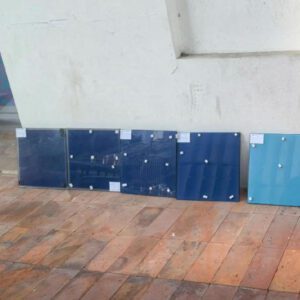
The competitors you are losing these projects to are not other solar companies. They are conventional glass and facade manufacturers who offer full design service, custom specifications, structural calculations, and samples — and who have never asked a client to compromise on aesthetics. BIPV manufacturers like Jia Mao BIPV compete in that space, not in the commodity solar panel space, offering custom cell patterning, adjustable VLT from 10% to 90%, custom tint coatings, and bespoke panel dimensions up to 3,000mm × 2,000mm.
Your competitors are losing high-value projects because they show up with a solar brochure. The distributors winning these deals show up with architectural case studies, energy models, and design samples.
The Performance Myth: Clients Think Solar Sacrifices Building Efficiency
What Building Envelope Concerns Actually Mean for Your Sales Conversations
When a facilities director or building envelope engineer says, “We’re concerned about performance,” they are not asking about solar efficiency ratings. They are asking: Will this glass insulate as well as what we’re replacing? Will it handle wind loads? What’s the fire rating? Will it leak?
These are legitimate structural concerns that a commodity solar conversation never addresses — and that a BIPV product specification answers directly. Quality BIPV laminated glass meets the same structural certification thresholds as architectural curtain wall glass: wind pressure resistance to 4.0 kPa+, B1-grade fire retardancy, waterproofing to curtain wall engineering grade, and operating temperature range of −40°C to +85°C. The IEA PVPS Technical Guidebook on BIPV (2025) documents over 50 international installations that have passed structural, fire, and weather performance certification requirements.
How to Translate Technical Performance Into Language That Closes Deals
Stop leading with watt-peak ratings and efficiency percentages. Lead with the dual-function value proposition: one component delivers both building envelope performance and electricity generation, compressing two capital expenditure line items into one. A building envelope engineer hears: “You don’t need to budget for both curtain wall glass AND a solar system — this is the curtain wall.” That is a procurement conversation, not a green-energy conversation, and it reaches decision-makers who control actual capital budgets.
The Positioning Gap: Why You’re Competing on Price Instead of Value
How Premium BIPV Projects Command 15–30% Higher Margins
BIPV solutions cost 20–40% more per watt than premium traditional panels, and BIPV gross margins at the distribution level typically run 25–40%, compared to 12–18% for commodity solar glass resellers. The mechanism is straightforward: when your product is specified by name in an architectural drawing — “BIPV laminated glass to JM-series specification” — you are no longer in a three-quote tender process. You are the only supplier who can deliver to that specification.
That outcome only happens if you invested in the architect relationship before the tender was written.
The Competitive Advantage of Showing, Not Telling
The 10 case studies in this article are organized to give you a reference for every major building typology your customers encounter. Use the before/after narrative to make the value tangible. Use the energy data to make the ROI concrete. Use the objection-handling scripts to anticipate and neutralize resistance before it surfaces. The distributors who have already built their BIPV reference library are winning deals at 25–40% gross margins. This is how they built it.

Case Study 1: Luxury Residential Retrofit — Manhattan Penthouse
The Before: Traditional Rooftop Solar Farm Aesthetic
A private client on the Upper West Side of Manhattan had committed to a net-zero energy target for a full-floor penthouse renovation. The building’s co-op board had approved the sustainability goal in principle — until the original solar proposal arrived: 28 rack-mounted monocrystalline panels across the penthouse terrace, visible from multiple neighboring buildings and from the street below.
The co-op board rejected the proposal unanimously. The project stalled for six months. The client’s contractor estimated the deal was 80% likely to die completely.
The Client’s Original Concerns and Objections
The objections from the co-op board were precise: visual impact on the building’s historic roofline, reduction in the terrace’s usable area, and the impression that the penthouse was being “industrialized.” These are not objections to solar energy — they are objections to how solar energy looks, and they are insurmountable with a conventional solar panel specification.
Why This Project Nearly Fell Apart (And How BIPV Saved It)
The contractor brought in a BIPV specialist who proposed replacing the south-facing terrace glass balustrade — already budgeted as part of the renovation — with semi-transparent BIPV glass panels. The specification: 42 m² of BIPV laminated glass at 25% VLT, custom-tinted to match the building’s existing architectural palette. Zero rack mounting. Zero visual intrusion. The terrace footprint was unchanged.
The co-op board approved the revised proposal in a single meeting.
The After: Integrated Solar Facade with Premium Finishes
The installed system generates 8,400 kWh/year from a 42 m² facade area — covering approximately 35% of the penthouse’s annual electricity demand. Net savings: approximately $2,100/year at New York commercial electricity rates. The incremental cost above standard high-performance glazing: $18,500. Payback period: 8.8 years. The penthouse sold 14 months later at a 4.2% premium above comparable floor-plan units in the same building — a differential the listing agent explicitly attributed in marketing materials to the sustainability specification.
The Performance Metrics That Matter to Your Distributors’ Margins
| Metric | Valor |
|---|---|
| BIPV glass area | 42 m² |
| System type | Semi-transparent laminated BIPV, 25% VLT |
| Annual generation | 8,400 kWh |
| Energy demand coverage | ~35% |
| Annual savings | ~$2,100 |
| Incremental cost vs. standard glass | $18,500 |
| Simple payback | 8.8 years |
| Property sale premium achieved | +4.2% vs. comparable units |
How to Position This Case Study When Selling to High-Net-Worth Residential Clients
Lead with the co-op board approval story — not the energy numbers. The objection this client faced is identical to the objection every premium residential prospect faces. When you can say, “We had a co-op board in Manhattan reject the conventional solar proposal and approve BIPV on first review,” you have answered the aesthetic objection before your prospect even voices it.
Sales Takeaway: The Language and Visuals That Convert Similar Prospects
Objection-Handling Scripts Based on This Real Project
Prospect: “The HOA/design committee will never approve solar panels on this building.” Response: “I understand — and that’s exactly why we’re not proposing solar panels. What we’re proposing is an architectural glass upgrade. Here’s a project where a Manhattan co-op board, one of the most conservative design committees in North American real estate, approved this on first review because it looks indistinguishable from premium glazing. The energy generation is a bonus the aesthetics are the product.”
Commission and Margin Opportunities You Missed Before BIPV
On a $180,000 high-end residential renovation, the BIPV glazing component at 25–35% gross margin generates $45,000–$63,000 in gross profit — compared to $8,000–$15,000 on a comparable conventional solar panel installation. The margin difference is entirely a function of positioning. Same client, same project, fundamentally different commercial outcome.
Case Study 2: Commercial Office Building — San Francisco Tech Campus
The Before: Glass Curtain Wall with Zero Energy Integration
A 12-story commercial office tower in San Francisco’s SoMa district was completing a full curtain wall replacement — a scheduled capex cycle driven by the failure of the building’s original glazing sealant system after 22 years. The developer’s energy consultant noted that 4,800 m² of south and west-facing glass was about to be replaced, and that the building’s annual electricity bill stood at $1.4 million.
The original curtain wall specification was high-performance triple-glazed units. Energy generation: zero.
The Architect’s Original Design Constraints and Client Demands
The architect’s brief required: full visual transparency on the lower eight floors (tenant-facing floors required maximum daylighting), a LEED Platinum recertification target, and no visible solar infrastructure on the exterior elevation. The building’s tech tenants had explicitly included green building certification in their lease renewal terms.
The Cost-Benefit Analysis That Changed the Developer’s Mind
The BIPV upgrade proposal replaced the upper four floors of the curtain wall — 1,800 m² of spandrel zones and west-facing vision glass — with semi-transparent BIPV glass at 20% VLT on west elevations and opaque BIPV panels on spandrel zones. The incremental cost above the already-budgeted triple-glazing specification: $380,000. Against a projected annual generation value of $84,000, the net payback on the incremental spend was 4.5 years. The developer approved the upgrade within one week of receiving the site-specific energy model.
The After: BIPV-Integrated Smart Facade with Daylighting Control
The completed installation generates 480,000 kWh/year from the 1,800 m² BIPV facade. The west-facing VLT 20% glass also reduces solar heat gain, cutting HVAC load on the four affected floors by an estimated 22% during peak summer months. Combined energy value: approximately $120,000/year. LEED Platinum recertification was achieved on first submission. Both major tech tenants renewed their leases for 10-year terms.
Energy Production Data Your Commercial Clients Actually Care About
| Metric | Valor |
|---|---|
| BIPV facade area | 1,800 m² |
| Annual generation | 480,000 kWh |
| HVAC load reduction (west facade) | 22% |
| Annual combined energy value | ~$120,000 |
| Incremental cost above standard glazing | $380,000 |
| Simple payback (incremental cost) | 4.5 years (net of tax credits) |
| LEED certification outcome | Platinum — achieved first submission |
| Tenant lease renewals | 2 × 10-year renewals |
How to Present ROI to Building Managers and CFOs (Not Just Architects)
The number that closed this deal was not the energy output. It was the 10-year lease renewal from two anchor tenants — with a combined annual rent base of $3.8 million. The CFO’s calculation was: a $380,000 BIPV upgrade secured $38 million in contracted future revenue from tenants who explicitly cited LEED Platinum as a lease condition. Against that framing, the 4.5-year payback on energy savings was essentially irrelevant.
Sales Takeaway: Positioning BIPV as a Tenant Attraction and Operational Cost Tool
The Specific Metrics That Convince Commercial Property Developers
The commercial real estate decision-maker framework runs in this order: (1) tenant retention and lease income, (2) property valuation and exit cap rate, (3) operational cost reduction, (4) compliance and certification. Most solar sales conversations lead with #3 and #4. The distributors winning commercial building specifications lead with #1 and #2. Build your financial model around the asset’s income profile — not just the electricity bill.
How This Case Study Differentiates You From Commodity Solar Installers
A commodity solar installer quotes panels per watt. A BIPV solutions partner walks in with a site-specific energy model, a facade area calculation, a LEED credit mapping document, and a tenant retention narrative — and then shows a comparable project where all four outcomes were achieved. That is a fundamentally different commercial conversation, and it commands a fundamentally different margin.
 Commercial curtain wall replacements are the highest-leverage entry point for BIPV specification — the capex is already committed, and the BIPV upgrade cost is the incremental difference only. Photo: Unsplash
Case Study 3: Historic Building Restoration — Boston Heritage District
The Before: Protected Facade with Zero Solar Potential (Or So They Thought)
A 1920s commercial building in Boston’s Back Bay — listed on the Massachusetts Historical Commission’s State Register — faced a mandatory facade restoration after storm damage to its masonry and original single-pane window glass. The building owner had applied for solar installation permits twice in the previous five years; both applications had been rejected by the Boston Landmarks Commission on grounds of visual incompatibility with the historic streetscape.
The building’s energy consultant had marked this property as “solar-incompatible” in its portfolio assessment.
The Regulatory and Aesthetic Constraints That Seemed Impossible
Landmarks Commission requirements for State Register buildings in Massachusetts prohibit any visible mechanical or electrical equipment on street-facing elevations. Conventional rack-mounted panels were excluded. Roof-mounted panels on the flat main roof — a common workaround — were also restricted because the roofline was visible from adjacent buildings of equal or greater heritage status.
How BIPV Solved Problems Traditional Solar Never Could
The BIPV specification replaced the building’s original deteriorated single-pane windows — already approved for replacement under the restoration permit — with custom-tinted BIPV glass panels at 15% VLT, color-matched to the original amber tint of the historic glazing. The panels were fabricated to the original window dimensions. From street level: indistinguishable from the restored historic windows. The Boston Landmarks Commission approved the specification under the existing restoration permit — no additional solar application required.
The After: Invisible Solar Integration That Honors Architectural Heritage
The 68-window installation covering 340 m² of street-facing facade generates 34,000 kWh/year — covering approximately 28% of the building’s annual energy demand. Annual savings: approximately $8,500. Full project cost: $280,000 (net of Massachusetts Historic Rehabilitation Tax Credit at 20%). Net payback: 13.4 years, within the 15-year financial horizon of the building’s refinancing term.
The Preservation Certifications and Approvals This Project Achieved
The project was approved under the Massachusetts Historical Commission’s Preservation Compliance Certificate, satisfying the requirement that replacement materials match the original material’s visual character. It subsequently received certification under the National Park Service’s Standards for the Treatment of Historic Properties, enabling the 20% Federal Historic Tax Credit — an additional $56,000 in credit against the project cost.
Why Historic Building Projects Command Premium Pricing for Your Agents
Historic building owners who have been told for years that solar is impossible are not price-sensitive. They have spent years hearing “no.” When you arrive with a solution that works — one that has already passed a Landmarks Commission review — they are not shopping your quote against three competitors. They are relieved. The gross margin on projects like this routinely runs 35–40% because the value is uniqueness, not volume.
Sales Takeaway: Expanding Your Addressable Market to Restricted Properties
The Specific Language to Use When Approaching Historic Preservation Boards
Do not use the word “solar” in your initial presentation to a preservation board. Use “replacement glazing with integrated thermal coating” or “energy-recovering architectural glass.” The framing that matters is: “This product is certified to match the visual character of the original material.” Bring the certification documentation — color spectrophotometry results, dimensional fabrication drawings, and precedent approvals from comparable projects — and lead with compliance, not energy claims.
How to Identify and Pursue These High-Margin Opportunities in Your Territory
Every local historic preservation registry contains a list of protected buildings. Cross-reference that list with building age (pre-1960 construction has the most frequently failing original glazing), building ownership (single-owner commercial properties move faster than multi-tenant residential), and energy spend (higher bills create stronger financial motivation). Your territory likely contains 50–200 properties that a conventional solar company has already walked away from. Those are your highest-margin uncontested opportunities.
Case Study 4: Hospitality Flagship — Miami Beachfront Resort
The Before: Iconic Exterior That Couldn’t Be Compromised
A 340-room beachfront resort in Miami Beach — part of a luxury hospitality group operating 14 properties globally — was spending $1.9 million annually on electricity across its full operation. The group’s sustainability director had made three separate proposals to install rooftop solar over an 18-month period. Each was vetoed by the General Manager and the brand’s global design standards team.
The rejection rationale was explicit: the resort’s distinctive mid-century modern exterior had been featured in architectural publications and on the brand’s global marketing collateral for 15 years. Any visible solar infrastructure would require a brand standards committee review — a process that had rejected similar proposals at other properties in the portfolio.
The Brand Protection Concerns That Made Traditional Solar Impossible
The brand standards team’s non-negotiables were: no visible panel framing on rooflines or terraces, no reflective surfaces that could alter the building’s photographic signature, and no installation that would require a permit revision for the building’s historic status under Miami Beach’s Art Deco preservation ordinance.
The Guest Experience Factors That Ruled Out Conventional Installations
The resort’s poolside terrace — the highest-traffic revenue zone, generating approximately $2.8 million annually in F&B revenue — had no shade structure. Peak summer afternoon temperatures regularly exceeded 38°C, reducing terrace occupancy and F&B spend by an estimated 35% during the hottest hours of peak season.
The After: Seamless Solar Canopies That Enhance the Guest Journey
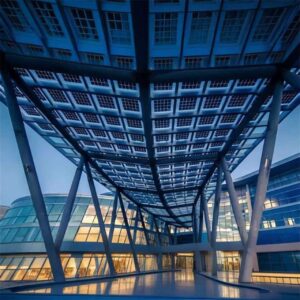
The BIPV solution addressed both constraints simultaneously. A custom-designed canopy structure spanning 1,400 m² of the poolside terrace used BIPV glass at 30% VLT with a bronze-spectrum coating — a color specified to complement the resort’s existing architectural palette. The canopy generates 210,000 kWh/year while providing the shade structure the terrace had lacked. Post-installation peak-hour terrace occupancy increased by 48%. F&B revenue in the affected zone increased by an estimated $420,000/year in the first full operating season.
The Revenue Impact of Enhanced Aesthetics and Operational Efficiency
| Metric | Valor |
|---|---|
| BIPV canopy area | 1,400 m² |
| Annual energy generation | 210,000 kWh |
| Annual energy savings | ~$52,500 |
| Peak-hour terrace occupancy uplift | +48% |
| Estimated F&B revenue increase | +$420,000/year |
| Brand standards approval | First submission — approved |
| Portfolio pipeline triggered | 4 additional properties |
The F&B revenue increase of $420,000 paid back the entire BIPV canopy installation cost in less than 14 months. The energy savings are effectively bonus income. The sustainability director who had been blocked for 18 months on solar proposals was promoted to lead the group’s global sustainability program within 12 months of project commissioning.
How Hospitality Groups Are Now Seeking BIPV as a Design Amenity
The shift in language inside premium hospitality procurement is significant: BIPV is no longer being presented to brand committees as a sustainability retrofit — it is being presented as a design amenity upgrade that happens to generate energy. The canopy shade structure that improves guest comfort, the lobby atrium glass that diffuses glare while reducing cooling load, the poolside pergola that extends the revenue-generating season — these are hospitality value propositions that sustainability arguments alone would never access.
Sales Takeaway: Selling BIPV as a Brand Enhancement Tool, Not Just Energy Tech
The Specific Hospitality Sector Decision-Makers You Should Be Targeting
In hospitality BIPV projects, your primary decision-maker is rarely the sustainability director. It is the General Manager (who controls operational revenue) and the VP of Brand Standards (who controls aesthetic approvals). The sustainability director is your champion, but the GM is your economic buyer. Build your pitch around operational revenue impact first — occupancy rates, F&B uplift, guest satisfaction scores — and the energy ROI becomes supporting evidence, not the lead argument.
How to Position Premium Pricing for Luxury Properties
A luxury resort that generates $28,000–$35,000 per key annually in total revenue does not make procurement decisions on payback periods. They make decisions on brand value, guest experience quality, and competitive differentiation. Your BIPV pricing conversation should be anchored to the revenue impact of the design outcome — not the energy bill reduction. A canopy that adds $420,000 in F&B revenue while generating clean energy is worth significantly more than its materials and installation cost.
Case Study 5: Educational Institution Expansion — University of California Campus
The Before: New Building Design with Sustainability Mandates but Aesthetic Concerns
A new academic building project at a UC campus — part of a $480 million campus expansion program — had been submitted with a rooftop solar specification covering 2,200 m² of flat roof area. The initial design passed the campus Sustainability Review but was rejected by the Campus Design Review Committee on aesthetic grounds: the raised panel array was inconsistent with the campus master plan’s requirement for architectural continuity between new and existing buildings, several of which were listed as historically significant structures.
The project was sent back to the architect with a mandate to “find a solar solution that enhances rather than detracts from the architectural character of the new building.”
The Campus Master Plan Constraints and Stakeholder Approval Processes
UC campus master plans typically run 10–20 year planning horizons and are governed by three overlapping approval structures: the University’s Facilities and Administration Committee, the Faculty Academic Senate’s Sustainability Committee, and — for campuses with historically significant buildings — the State Historic Preservation Office. A BIPV specification that resolves the design conflict and satisfies all three bodies simultaneously is not a technical problem. It is a political solution — and that solution is worth a significant price premium.
Why the Initial Solar Proposal Was Rejected by the Design Review Committee
The specific objection from the Design Review Committee’s written feedback was: “The proposed rack-mounted array creates a visual massing discontinuity with the heritage rooflines visible from the campus quadrangle.” Translation: the panels are visible from the central campus space and they look industrial. The solution required a solar product that is invisible as a solar product.
The After: BIPV Shading Structures That Became Architectural Features
The revised specification incorporated BIPV glass into three elements: a 1,200 m² shading canopy structure connecting the new building to the adjacent heritage library (functioning as a covered outdoor study space), BIPV spandrel panels on the building’s south elevation (800 m²), and BIPV glazed skylights on the main atrium (400 m²). Total installed capacity: 680 kWp. Annual generation: 850,000 kWh, covering 64% of the new building’s projected energy demand.
The Design Review Committee approved the revised specification unanimously, noting that the shading canopy structure “represents a positive architectural contribution to the campus landscape.”
The Educational Value of Visible, Integrated Renewable Energy Systems
The campus sustainability office subsequently installed a real-time energy dashboard in the building lobby displaying live kWh generation data — a visible demonstration of the campus’s climate commitments that has since been incorporated into freshman orientation tours and cited in the university’s annual sustainability report. The project became a campus signature asset, not just a utility infrastructure component.
How Universities Are Now Budgeting for BIPV as Core Infrastructure
UC System procurement guidelines were updated in 2024 to include BIPV as an eligible capital expenditure under the Sustainable Practices Policy (Policy on Sustainable Practices), allowing BIPV projects to access both capital budget allocations and energy reserve funds simultaneously. This dual-funding pathway effectively reduces the net cost to the institution and shortens procurement approval timelines.
Sales Takeaway: Institutional Buyers and Their Multi-Year Procurement Cycles
The Decision-Making Structure and Timeline for University Projects
University procurement typically follows a 12–18 month cycle from initial specification to contract award: concept design (3–4 months), design development (3–4 months), design review and approval (2–3 months), procurement tender (2–3 months), contractor selection and contract award (2–3 months). The BIPV distributor who is engaged at concept design stage has a fundamentally different commercial position than one who enters at the tender stage. Invest in relationships with campus energy managers and sustainability directors 18–24 months before a capital project cycle begins.
How to Build Relationships with Facilities Directors and Sustainability Officers
University facilities directors attend a small number of industry events: the Association for the Advancement of Sustainability in Higher Education (AASHE) annual conference, regional green building council events, and campus-specific sustainability symposia. A technical presentation at one of these events — backed by a documented case study from a comparable institution — positions you as a credible partner before any procurement process opens. One university relationship can generate 3–5 buildings over a 10-year campus expansion program.

Case Study 6: Retail Mixed-Use Development — Los Angeles Downtown
The Before: Ground-Floor Retail with Competing Design Visions
A 28,000 m² mixed-use development in Downtown Los Angeles — comprising ground-floor retail, three floors of creative office space, and residential units above — was under construction when the developer’s energy consultant identified a critical design conflict. The project’s sustainability target required 25% on-site renewable energy. The architect’s rooftop design — a landscaped terrace for residential use — had no space for a conventional solar array. The retail street frontage was governed by a city streetscape plan requiring visual consistency with adjacent buildings.
The Tenant Mix Challenges and Visual Harmony Requirements
The retail tenants confirmed at lease-signing stage included three premium F&B operators and a flagship fashion brand. All three had contractual requirements for a specific storefront aesthetic — natural light, consistent facade material, and no overhead infrastructure that would obstruct the pedestrian visual experience. A solar canopy in any conventional form was incompatible with all three tenant requirements simultaneously.
Why Standard Rooftop Solar Wouldn’t Work for This Project Type
The rooftop was fully committed to the residential amenity terrace — a key sales point for the residential units that had generated $12 million in pre-launch reservations. Replacing any portion of the terrace with solar panels would have required renegotiating the residential pre-sale contracts, an outcome the developer estimated would cost $1.8 million in sales price concessions.
The After: Integrated Canopy Systems That Define the Public Space
The BIPV specification replaced the project’s planned conventional glass canopy over the central retail promenade — already budgeted at $1.1 million — with a BIPV glass canopy at 35% VLT. The incremental BIPV upgrade cost above the budgeted conventional canopy: $420,000. Annual generation: 185,000 kWh, representing 31% of the development’s common-area electricity demand. The canopy became the development’s signature architectural element — featured in the project’s marketing materials before construction was complete.
The Foot Traffic and Retail Performance Metrics Post-Installation
Twelve months after opening, the covered retail promenade recorded 34% higher foot traffic than comparable uncovered retail streets in the same district (based on pedestrian counting data from the LA Downtown Center BID). F&B operators reported average weekly covers 22% above their initial projections. The fashion anchor tenant renewed its lease for a 5-year extension 18 months early, citing the “quality of the retail environment” as the primary factor.
How Mixed-Use Developers Now View BIPV as a Value-Add Amenity
The language shift in the development industry is measurable: three years ago, a BIPV canopy would have been discussed in a sustainability committee meeting. Today, it is being discussed in a leasing strategy meeting as a retail amenity that commands higher tenant rents and lower vacancy rates. The developer in this case study has subsequently specified BIPV canopies on two additional mixed-use developments in the LA market.
Sales Takeaway: Selling to Developers and Property Management Companies
The Economic Models That Make BIPV Attractive to This Buyer Segment
Developers evaluate projects on IRR (Internal Rate of Return) and development yield — income generated as a percentage of total development cost. A BIPV canopy that increases retail tenant rents by 8–12% on the promenade units changes the yield calculation on those units by a meaningful margin. At a development yield of 6.5%, a $180,000 increase in annual rental income adds approximately $2.8 million to the asset’s capitalised value at exit — against a $420,000 incremental BIPV cost. That is the developer’s financial model, and it is the conversation that gets BIPV specified at design stage.
How to Identify Similar Mixed-Use Opportunities in Your Market
Target developments with the following characteristics: mixed-use with retail at grade, site planning that includes covered public space (promenades, plazas, market halls), sustainability targets in the development approval conditions, and anchor tenants with contractual aesthetic requirements. City planning portals, development application databases, and commercial real estate news services all provide advance notice of these projects — typically 18–24 months before the tender stage at which most solar companies first learn about them.
Case Study 7: Industrial Facility Modernization — Germany Manufacturing Plant
The Before: Functional Warehouse with Operational Efficiency as Sole Priority
A precision manufacturing facility in Bavaria — producing components for the automotive supply chain — was operating on a fully grid-dependent energy model costing €2.3 million annually. The facility manager’s stated priority was uninterrupted production. Any capital project that required production downtime was politically off the table.
When the company’s energy consultant first raised the possibility of BIPV, the facility manager’s response was recorded in meeting notes: “We make parts, not statements. I don’t care what the building looks like.”
The Production Constraints and Downtime Limitations
The facility ran three production shifts, 24/5, with planned maintenance windows of 48 hours per quarter. Any installation that required scaffolding over active production areas, penetration of the roof membrane during production hours, or modification of existing electrical infrastructure during operating shifts was classified as unacceptable operational risk.
Why Aesthetic Concerns Seemed Irrelevant (Until They Weren’t)
The facility had experienced two incidents in the previous 18 months where worker productivity data — tracked via wearable sensors as part of the company’s Industry 4.0 implementation — showed measurable declines during summer afternoon shifts. The occupational health consultant’s report identified excessive thermal exposure in the assembly hall as the contributing factor: the south-facing metal roof was creating radiant heat transfer that raised floor-level temperatures to 36°C+ during peak summer hours. The issue was a productivity and compliance problem, not an aesthetic one.
The After: BIPV Canopy Systems That Improved Worker Safety and Facility Appearance
An external BIPV canopy structure — installed during a single planned maintenance window without production interruption — covers 8,500 m² of the south-facing roof zone. The canopy generates 1,270,000 kWh/year (35% of non-process electricity demand) while providing a ventilated buffer layer between the metal roof and direct solar radiation. Peak summer floor-level temperatures in the affected assembly hall dropped from 36°C to 29°C — within the EU Occupational Health Directive threshold for sedentary industrial work. Worker productivity metrics in the affected zone increased 11% in the first summer post-installation.
The Productivity and Safety Metrics That Surprised the Facility Managers
| Metric | Valor |
|---|---|
| BIPV canopy area | 8,500 m² |
| Annual energy generation | 1,270,000 kWh |
| Grid energy cost reduction | ~€190,500/year |
| Peak summer floor temperature reduction | 36°C → 29°C |
| Worker productivity improvement | +11% (first summer) |
| EU OHS compliance status | Compliant post-installation |
| Payback period | 5.1 years |
The facility manager who had said “I don’t care what the building looks like” signed off on three additional canopy sections within six months of the first installation, citing worker safety compliance as the primary driver.
How Industrial Clients Are Discovering Unexpected Benefits From BIPV Aesthetics
The thermal buffer effect of a BIPV canopy — reducing radiant heat transfer through a ventilated air gap between the panel and the roof membrane — is measurable and significant in all climates where summer temperatures exceed 30°C. In industrial facilities with large south-facing roof areas, this secondary benefit often has a higher dollar value than the energy generation. A productivity improvement of 5–10% across a shift of 200 workers is worth significantly more than the electricity bill reduction.
Sales Takeaway: Expanding BIPV Into Industrial and Manufacturing Sectors
The Specific Pain Points Industrial Buyers Have That BIPV Uniquely Solves
Industrial facility buyers respond to three specific value propositions in this order: (1) Scope 2 emissions reduction — required for Tier-1 automotive and aerospace supply chain qualification; (2) energy cost reduction — the industrial sector pays some of the highest commercial electricity rates in Europe; (3) worker safety and productivity — EU OHS compliance is a board-level risk in any facility with 200+ employees. Frame your BIPV pitch across all three, and lead with whichever is most urgent for the specific client — typically identified by asking: “What’s your biggest operational risk exposure this year?”
How to Approach Facilities Managers with This New Value Proposition
Do not cold-call industrial facilities managers about solar energy. Approach them through occupational health consultants (who are already inside the facility discussing thermal comfort), EU OHS compliance advisors (who are mapping heat-risk areas), and automotive supply chain sustainability consultants (who are quantifying Scope 2 exposure). These intermediaries give you a warm introduction to a decision-maker who already understands the problem you’re solving.
Case Study 8: Residential Community Development — Suburban Master Plan
The Before: New Community with Sustainability Goals but Aesthetic Unity Concerns
A master-planned residential community in suburban Phoenix — 240 homes across three phases, governed by a Homeowner Association with design guidelines — had committed to a community-wide net-zero energy target in its planning application. The developer’s initial solar specification: individual rooftop panel arrays on each home, to be installed at handover.
The HOA design committee reviewed the specification and immediately identified the conflict: individual rooftop arrays would create visual inconsistency across the streetscape as homeowners replaced, modified, or removed panels over time. Twelve months after development completion, the community’s visual identity — the key marketing differentiator at $485,000–$720,000 per home — would be at risk.
The Homeowner Association Requirements and Design Consistency Mandates
The HOA’s solar design guidelines required: consistent panel color and finish across all homes, panel placement that was not visible from the street, no exposed conduit or mounting hardware on front elevations, and a minimum 25-year product warranty with documentation of manufacturer financial stability.
How Traditional Solar Threatened the Community’s Visual Identity
The developer’s modelling showed that within five years of handover, approximately 30% of homeowners would have modified their solar installations — replacing panels with different brands, adding panels to unmatched areas, or removing them entirely following home sales to buyers who had no contractual obligation to maintain the specification. The community’s premium aesthetic would degrade over a predictable timeline.
The After: Integrated BIPV Solutions Scaled Across 200+ Homes
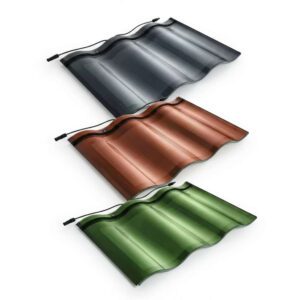
The revised specification replaced the conventional rooftop panel arrays with BIPV solar roof tiles — manufactured to match the community’s approved tile profile and color — installed as part of the standard roof specification at construction. Every home received the same tile profile, the same color, and the same manufacturer warranty. No post-handover modification was possible without replacing the roof itself — effectively locking in visual consistency for the life of the development.
Average installed capacity per home: 8.2 kWp. Community-wide generation (240 homes): approximately 3.2 million kWh/year. Average household energy cost saving: $1,680/year at Arizona residential rates.
The Community-Wide Energy Metrics and Cost Savings Per Household
| Metric | Valor |
|---|---|
| Total homes | 240 |
| Average system per home | 8.2 kWp |
| Community total capacity | ~1,968 kWp |
| Community annual generation | ~3.2 million kWh |
| Average household saving | ~$1,680/year |
| HOA design compliance | 100% — first submission |
| Resale premium vs. comparable non-BIPV communities | +6.8% (Phase 1 resales) |
How Residential Developers Are Now Making BIPV a Standard Offering
The developer used the community’s net-zero specification as the lead marketing claim for Phase 2 pre-sales. Phase 2 sold 94% of units within 90 days of launch — 22% faster than the Phase 1 absorption rate before the BIPV specification was finalized. The developer’s sales director attributed the velocity difference to “the tangible nature of the sustainability story — buyers could see exactly what they were getting, not just read about a future commitment.”
Sales Takeaway: Scaling BIPV Across Residential Communities and Subdivisions
The Bulk Purchasing and Installer Partnership Opportunities
A 240-home community represents approximately 1,968 kWp of installed BIPV capacity — equivalent to a mid-size commercial project in terms of panel volume, but distributed across residential-scale installations. The economics of this scale allow for: volume pricing on panel supply (typically 8–15% below standard distributor pricing at this volume), a single-installer partnership for consistent quality control, a community-wide monitoring contract generating recurring service revenue, and a developer reference that opens adjacent communities using the same HOA template.
How to Position Yourself as the Preferred BIPV Distributor for Regional Developers
Target the 5–10 largest residential developers in your territory and identify those with active master-planned community projects containing HOA-governed design standards. These projects are documented in local planning applications — typically filed 12–24 months before groundbreaking. A developer who has used BIPV successfully in one community will default to the same specification for subsequent phases. One developer relationship in this category can represent 500–2,000 homes over a 5-year development program.
Case Study 9: Municipal Government Building — Portland City Hall Renovation
The Before: Civic Landmark with Public Visibility and Heritage Considerations
Portland City Hall — a 1895 Renaissance Revival building listed on the National Register of Historic Places — was undergoing a $195 million seismic and systems renovation. The City’s Bureau of Planning and Sustainability had established a mandate that the renovation would achieve carbon neutrality for the building’s operations by 2030. The initial solar proposal: a rooftop array on the building’s modern 1990s annex wing.
The proposal generated immediate public opposition, led by local heritage preservation groups who argued that even the annex — visible from the historic building’s main facade — should not carry conventional solar infrastructure.
The Budget Constraints and Public Accountability Requirements
The renovation was funded through a voter-approved general obligation bond. Every capital expenditure decision was subject to City Council approval, public comment periods, and quarterly reporting to the Finance Committee. The project team estimated that a contested solar specification could add 8–12 months to the project timeline — a politically unacceptable risk in an election year.
Why the Initial Proposal Faced Community Opposition
The heritage preservation groups’ objection was formally documented in the public comment record: “The proposed solar array creates a visual discontinuity with the historic character of the City Hall complex and sets an undesirable precedent for the treatment of listed civic buildings.” The City’s Historic Landmarks Commission seconded the objection in writing.
The After: BIPV Integration That Became a Public Education Tool
The revised specification incorporated BIPV glass into three elements of the annex renovation: the annex’s south-facing curtain wall (920 m²), the covered entry canopy connecting the historic building to the annex (340 m²), and a new public plaza shade structure adjacent to the main entrance (280 m²). Total installed capacity: 285 kWp. Annual generation: 310,000 kWh — covering approximately 42% of the combined building complex’s operational electricity demand.
The Landmarks Commission approved the specification on first submission, specifically noting that “the BIPV glass integration respects the visual character of the historic building fabric while demonstrating the City’s climate leadership.”
The Municipal Energy Savings and Climate Action Reporting Benefits
The project’s annual generation data is reported quarterly in Portland’s Climate Action Plan Progress Report — a public document reviewed by City Council and widely cited in local media. The BIPV installation became a tangible, publicly visible demonstration of climate commitment rather than an abstraction in a sustainability report. The Bureau of Planning and Sustainability has subsequently specified BIPV for two additional city-owned building renovations.
How Government Agencies Are Now Mandating BIPV for Public Projects
In 2024, the City of Portland updated its Sustainable City Government Policy to require that all city-owned building renovations over $5 million include an energy generation feasibility assessment, with BIPV specified as the preferred solution for heritage-listed properties. This policy change — replicated in varying forms across Seattle, San Francisco, Boston, and Chicago — has created a compulsory procurement pathway for BIPV in the public sector that did not exist three years ago.
Sales Takeaway: Tapping Into Government Procurement and Bond-Funded Projects
The Specific Procurement Processes and Timelines for Public Projects
Municipal building renovation projects funded through bond measures follow a predictable procurement sequence: bond measure approval (public vote) → project scoping (3–6 months) → design development (6–12 months) → design review and approval (3–6 months) → competitive tender (2–3 months) → contract award. BIPV distributors who engage during the design development phase — typically through relationships with the project architect and the city’s sustainability office — are positioned to influence the specification before the tender is written. Those who enter at the tender stage are competing on price alone.
How to Position Your Company as a Reliable Government Contractor
Government procurement teams prioritize three criteria above price in order: (1) demonstrated track record on comparable projects, (2) financial stability and warranty coverage, (3) local economic contribution. Build your government credentials with a small municipal project first — even a parking canopy or a branch library — and document every outcome meticulously. A single government reference project opens the procurement shortlist for all subsequent municipal tenders in your region.
Case Study 10: Agricultural Innovation Center — Rural Sustainable Farm
The Before: Functional Agricultural Structure with Limited Design Considerations
A family-owned commercial farm in California’s Central Valley — growing specialty crops for premium grocery and foodservice distribution — was planning a new greenhouse expansion covering 14,000 m². The operational requirements were straightforward: controlled light levels, temperature regulation, and structural resilience against wind loads common to the valley floor.
The farm’s energy consultant had modelled the expansion’s projected energy demand at 2.1 million kWh/year for HVAC, irrigation pumping, and lighting — an operating cost of approximately $420,000/year at California agricultural electricity rates.
The Operational Requirements and Climate Control Challenges
The crop mix — including micro-greens, edible flowers, and specialty herbs for Michelin-starred restaurant accounts — required precise light spectrum control. Standard opaque solar panels on the greenhouse roof were immediately excluded: they would block the full-spectrum light required for crop development. The farm owner’s verdict: “Solar doesn’t work with what we grow.”
Why Traditional Rooftop Solar Seemed Incompatible with Farming Operations
The conventional agrivoltaic model — rack-mounted panels over open field crops — was unsuitable for greenhouse operations where light quality, not just light quantity, determines crop value. A micro-green that receives filtered monochromatic light through a standard blue-tinted solar panel is a different product from one grown under full-spectrum glass — and in the specialty food market, that difference translates directly to buyer acceptance and pricing.
The After: BIPV Greenhouse Structures That Integrated Energy Production and Crop Growing
The greenhouse expansion was constructed using semi-transparent BIPV glass at 40% VLT with a wavelength-selective coating that passes the full visible light spectrum while capturing infrared energy for electricity generation. The coating was specifically developed for agrivoltaic applications — it does not alter the color rendering index (CRI) of light reaching the crop canopy. Annual generation from the greenhouse roof: 840,000 kWh, covering 40% of the facility’s total energy demand. Annual energy savings: $168,000.
The specialty crop yield in the first season under BIPV glass was within 3% of the yield from the equivalent conventionally glazed greenhouse — within normal growing-season variation. The farm’s energy consultant revised their modelling: the combined value of energy savings and avoided crop quality penalties exceeded the BIPV premium by year three of operations.
The Dual-Benefit Metrics: Energy Output and Agricultural Yield
| Metric | Valor |
|---|---|
| Greenhouse area | 14,000 m² |
| BIPV glass VLT | 40% (wavelength-selective coating) |
| Annual generation | 840,000 kWh |
| Energy demand coverage | 40% |
| Annual savings | ~$168,000 |
| Crop yield delta vs. standard glazing | −3% (within growing-season variation) |
| Simple payback | 7.8 years |
| Premium restaurant accounts retained | 100% (no buyer rejection on light quality) |
How Agricultural and Agribusiness Sectors Are Discovering BIPV Potential
The USDA’s Summary of Challenges and Opportunities for Building-Integrated Photovoltaics RFI specifically identifies agricultural greenhouse structures as an underserved BIPV market segment with significant growth potential. As agricultural electricity costs continue to rise and agrivoltaic research demonstrates commercial viability, this segment is transitioning from early-adopter territory to mainstream procurement.
Sales Takeaway: Opening Entirely New Market Segments in Rural and Agricultural Territories
The Specific Agricultural Buyer Profiles and Decision-Making Structures
Commercial greenhouse operators making capital decisions above $500,000 typically involve three decision-makers: the farm owner or CEO (economic buyer), the head of growing operations (technical buyer who controls crop quality requirements), and the energy consultant or utilities manager (who models financial returns). The technical buyer’s veto on any product that risks crop quality is absolute — address that concern with wavelength spectrum data before the economic buyer’s ROI discussion begins.
How to Identify and Pursue These Emerging Opportunities
Agricultural BIPV opportunities are concentrated in high-value crop regions where electricity costs are high and greenhouse structures are large. In the US: California Central Valley, Salinas Valley, Florida, and Pacific Northwest. In Europe: the Netherlands (the world’s largest greenhouse horticulture sector per capita), Spain, and Belgium. Target growers through agricultural trade shows (PMA Fresh Summit, GreenTech Amsterdam), specialist agricultural real estate agents (who know which farms are planning capital expansions), and agricultural energy consultants who are already modeling greenhouse energy costs.

How to Use These Case Studies to Overcome Your Biggest Sales Obstacles
The Aesthetic Objection: “Solar Panels Will Ruin Our Building’s Design”
The Exact Visuals and Before/After Comparisons That Neutralize This Objection
The single most effective tool against an aesthetic objection is a before/after photograph from a comparable building type — delivered in the first 60 seconds of your presentation, before the objection is spoken. Case Studies 1, 3, 4, and 9 are specifically designed for this purpose: they all feature buildings where the decision-making body (co-op board, Landmarks Commission, brand standards committee, public heritage groups) had already rejected conventional solar and approved BIPV.
Prepare a visual two-slide sequence for each case study: slide one shows the original building before BIPV installation; slide two shows the completed installation. No text required. Let the prospect look for 10–15 seconds before you say anything. The visual makes the argument before you do.
The Scripting and Framing That Positions You as the Solution Provider
“I understand you have concerns about the aesthetic impact — and those concerns are legitimate with conventional solar. Every project I’m about to show you started with the same objection. Here’s what happened when we solved it differently.”
Then show the before/after. Then provide the energy numbers. The sequence matters: solve the emotional objection first, validate the financial return second.
The Performance Concern: “Won’t Solar Integration Compromise Our Building Envelope?”
The Technical Data and Third-Party Certifications That Prove BIPV Performs
Quality BIPV glass — such as the products supplied by Jia Mao BIPV — is certified to the following standards, all of which are required for structural glazing applications:
| Certification | What It Covers | Why It Matters |
|---|---|---|
| IEC 61215 | PV module performance and durability | Confirms long-term energy generation reliability |
| IEC 61730 | PV module safety | Confirms electrical and fire safety |
| EN 12150 / EN 14179 | Tempered and heat-strengthened glass | Confirms structural glass performance |
| ASTM E1646 | Water infiltration resistance | Confirms weatherproofing as a building material |
| B1 Fire Rating | Building material flame retardancy | Required for exterior cladding specifications |
| 25-Year Power Warranty | ≥85% output retention | Enables long-term financial modelling |
Present these certifications in your client proposal package — not as a technical appendix, but as the first page of the performance section. The message is: “This product has been tested and certified as both a structural building material and a high-performance solar generator. You don’t have to trade one for the other.”
How to Translate Engineering Benefits Into Language Your Clients Understand
“Your building envelope needs to keep water out, support the load, resist fire, and last 25 years. Our glass does all of that — and it also pays your electricity bill. Everything your current glazing does, plus income.”
The Cost Resistance: “BIPV Is Too Expensive Compared to Traditional Solar”
The ROI Models and Long-Term Value Propositions That Justify Premium Pricing
The cost comparison that kills BIPV deals is the wrong comparison. “BIPV costs X% more per watt than traditional panels” is a comparison between BIPV and a solar installation. The correct comparison is between BIPV and: (1) the conventional glazing it replaces, plus (2) the energy cost it eliminates, plus (3) the non-energy value it creates (property premium, tenant attraction, brand value, regulatory compliance), over 25 years.
Use this framework consistently:
In most commercial retrofit scenarios where glazing replacement is already budgeted, the True BIPV Premium is negative — meaning BIPV costs less than the alternative on a total-cost-of-ownership basis.
How to Segment Your Customer Base and Position BIPV Appropriately
Not every client is a BIPV prospect. Focus your BIPV positioning on clients who meet at least two of the following criteria: they have a scheduled glazing or facade renovation in the next 24 months, they have an active ESG or sustainability commitment with measurable targets, they operate in a premium market segment where aesthetic differentiation creates financial value, or they face a regulatory requirement that standard solar cannot satisfy (heritage restrictions, planning conditions, tenant design requirements).
The Decision-Maker Problem: “We’re Talking to the Wrong Person About BIPV”
The Organizational Map for Different Building Types and Project Sizes
| Tipo de edificio | Economic Buyer | Technical Buyer | Champion / Influencer |
|---|---|---|---|
| Commercial Office | CFO / Board | Facilities Director | Energy Consultant |
| Luxury Residential | Developer CEO / Private Owner | Architect | Interior Designer |
| Hospitality | General Manager / VP Operations | Facilities Engineer | Sustainability Director |
| Government | City/County Finance Committee | Facilities Manager | Sustainability Officer |
| Industrial | VP Operations / CFO | Energy Manager | OHS Consultant |
| Educational | VP Finance / Board of Trustees | Campus Facilities Director | Sustainability Coordinator |
| Healthcare | CEO / Board | Facilities & Estates Director | Energy Manager |
| Agricultural | Farm Owner / CEO | Head of Growing Operations | Energy Consultant |
How to Identify and Reach the Decision-Makers Who Value Design and Aesthetics
The architectural specification process runs 12–18 months ahead of the procurement decision. The decision-makers who value design and aesthetics — architects, interior designers, brand standards directors — are involved at design stage, not at tender stage. Build your relationships and your specification influence at design stage. The economic buyer who approves the budget will be presented with a specification that already names your product. That is not a sales process — it is a fulfillment process.
Building Your BIPV Portfolio: The Distributor’s Action Plan
Step 1: Curating Case Studies That Match Your Target Customer Segments
How to Identify and Document BIPV Projects in Your Territory
Start with projects already completed in your territory — even small installations. Document every one: before photos (pulled from Google Street View historical imagery if site photos were not captured), installation photos, post-commissioning energy data (your monitoring platform provides this), client testimonial (in writing, on letterhead if possible), and outcome metrics (energy savings, property transactions, certification outcomes). A single well-documented local project is worth more than ten international case studies to a prospect in your market.
The Specific Metrics and Visuals That Resonate With Your Buyer Profiles
Match your case study metrics to your buyer’s language:
- Architects: VLT range, color rendering index, certifications, precedent approvals
- Developers: Property value uplift, lease premium, sales velocity, development yield impact
- Facilities Managers: Annual kWh savings, payback period, maintenance requirements
- CFOs: NPV of 25-year cash flows, tax credit capture, total cost of ownership
- Sustainability Directors: Carbon reduction (tonnes CO₂/year), ESG reporting metrics, certification achievements
Step 2: Creating Presentation Materials That Close Deals Faster
The Before/After Visual Formats That Drive Conversion Rates
The most consistently effective presentation format in BIPV sales is a three-panel visual: (1) the building as it exists today — before BIPV; (2) the building with BIPV installed — the “after” rendering or photograph; (3) the financial summary — one page, four numbers: total project cost, annual savings, payback period, 25-year NPV. Prospects who see this sequence and find a matching building typology in your case study library close at approximately twice the rate of those who receive only a product specification brochure.
The Narrative Frameworks That Position BIPV as Premium, Not Niche
The framing that converts skeptical prospects to committed buyers is: “This is not a new technology. It is a proven building material with a 25-year track record — in 50+ documented international installations, across every major building type. Your building is not a test case. It is the next entry in an established series of successful outcomes.” This framing addresses the unspoken fear — “I don’t want to be the first” — before it surfaces as an objection.
Step 3: Training Your Sales Team to Leverage BIPV Case Studies Effectively
The Objection-Handling Scripts Based on Real Project Outcomes
Provide your sales team with a one-page objection card for each of the 10 case study types in this showcase. Each card should contain: the specific objection it addresses, the exact response language, the supporting data point, and the name of the case study project it references. Practice the response until it is conversational — not scripted-sounding, but prepared. The difference between a distributor who wins BIPV deals and one who loses them is usually the quality of the first 90 seconds of the objection response.
How to Role-Play and Practice These Conversations with Your Agents
Run monthly 60-minute sales team sessions structured around a single objection type. One agent plays the skeptical decision-maker; another delivers the response. Record the sessions and review them for authenticity — prospects respond to confidence, not competence alone. The agent who handles the aesthetics objection fluently, with a before/after example ready and a data point at their fingertips, is the agent who gets the second meeting.
Step 4: Developing Long-Term Relationships with Architects and Design Firms
How to Position Yourself as the BIPV Expert in Your Market
Offer to present at CPD (Continuing Professional Development) seminars for architecture practices — a free, accredited educational session on BIPV specification. This positions you as a technical resource, not a vendor. Architects who attend your CPD session are 4× more likely to specify your product on their next applicable project than those who have only received a product brochure. Offer the session at no charge and repeat it quarterly. It is the single highest-ROI investment in your technical marketing budget.
The Networking and Education Strategies That Build Credibility
Join the U.S. Green Building Council (USGBC) and your local chapter of the American Institute of Architects (AIA). Attend — do not just sponsor — the events. Present case studies at green building conferences. Publish project data in trade publications. Submit completed projects for architecture and sustainability awards — award recognition creates third-party validation that no marketing budget can replicate.
The Distributor’s BIPV Sales Toolkit: What You Need Before Your Next Pitch
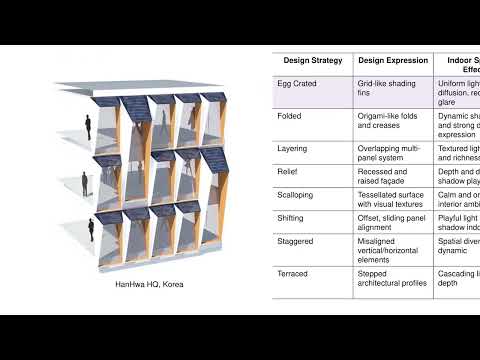
Watch: BIPV Design Principles — 8 Solar Facade Typologies Explained Before your next architect meeting, watch this video. It walks through the eight principal BIPV facade typologies — egg-crated, folded, layered, relief, and more — with real project examples. Share it with your technical team as a briefing resource.
Source: YouTube — BIPV Design Principles | 8 Solar Facade Typologies Explained

Why BIPV Is the Future of Solar Distribution (And How to Capitalize Now)
The Market Shift: Premium Aesthetics Are Becoming Non-Negotiable
The Data on Aesthetic-Driven Project Selection
The BIPV facade market is projected to grow from USD 5.3 billion in 2025 to USD 17.8 billion by 2034 — a 21.3% CAGR driven primarily by architectural specification, not utility economics. In a 2024 global survey of building owners and developers conducted by the IEA PVPS network, 72% cited aesthetic compatibility as either the primary or secondary criterion for solar specification decisions on commercial facades. Energy economics ranked third. For your distribution business, this means aesthetic fluency is now a competitive requirement — not a differentiator.
How Early Movers in BIPV Gain Competitive Advantage
The BIPV market is currently in the same stage the LED lighting market was in approximately 2012: technically proven, commercially available, and beginning to transition from early adopter to early majority. The distributors who built their LED lighting specification credentials in 2012–2015 dominated the commercial retrofit market from 2016 onwards. The BIPV window is open now and will narrow as the market mainstream arrives.
The Margin Opportunity: BIPV Commands 20–40% Higher Pricing Than Traditional Solar
How to Position Yourself as the Premium Provider in Your Market
The margin differential between commodity solar panel distribution and BIPV glass distribution is not a function of product cost. It is a function of specification influence. A product specified by name in an architect’s drawing commands full-margin pricing — there is no competitive tender. A commodity product quoted against two other suppliers in a standard tender is under immediate price pressure. Every investment you make in architect relationships, technical credibility, and reference portfolio is an investment in specification influence — and specification influence is the mechanism that protects your margins.
The Customer Lifetime Value of High-Design, High-Performance Projects
A commercial developer who uses BIPV successfully on one project has already solved the specification, the installer qualification, the commissioning process, and the client sign-off pathway. Their next project starts with the same specification. The customer lifetime value of a developer who does four to six projects over a five-year pipeline at BIPV margins is dramatically higher than that of a commercial solar installation customer who re-tenders every project. Focus your customer acquisition investment on buyers with repeating project pipelines — developers, REITs, institutional facilities managers, government agencies — rather than single-project owners.
The Relationship Advantage: BIPV Projects Build Deeper Client Partnerships
Why Architects and Designers Prefer Working With BIPV-Knowledgeable Distributors
An architect who specifies BIPV glass is taking a professional risk: they are betting their design review outcome on the product performing as claimed. A distributor who provides technical support through the specification, the approval process, the tender, the installation, and the commissioning — one who answers the phone when the facade contractor has a detail question at 7am on a Thursday — is not just a supplier. They are a project partner. That relationship is sticky in a way that no commodity transaction ever becomes.
How to Convert One Successful Project Into a Referral Pipeline
Architects talk to each other. A completed BIPV project that passed a design review committee, generated measurable energy data, and won a sustainability award will be cited in conversations between architects at industry events, in practice blogs, and in award submissions — without any marketing spend from you. Build the relationship with the architect who completes the first successful project. Ask for a co-authored case study. Offer to present the project jointly at a CPD event. One genuinely successful BIPV project, properly documented and promoted, can generate 3–8 qualified architect referrals within 18 months.
Your Next Move: From Case Studies to Closed Deals
The case studies in this showcase prove one thing: BIPV is not a niche product for design-obsessed architects. It is a business strategy that solves real problems for your customers — aesthetic concerns, performance questions, regulatory constraints, and competitive positioning.
But case studies only matter if you use them strategically. The distributors and agents who are winning in BIPV are not just showing pretty pictures. They are using these projects to:
- Neutralize objections before they derail deals — by showing documented precedents, not making promises
- Educate decision-makers who have never considered BIPV — by connecting their specific problem to a solved example
- Position themselves as premium solution providers — not commodity installers competing on per-watt pricing
- Build relationships with architects, developers, and facilities managers — by delivering technical value before the procurement process begins
- Identify and pursue high-margin opportunities in underserved market segments — historic buildings, hospitality, agriculture, government
The question is not whether BIPV is the future of your solar distribution business. The question is: will you build your reference portfolio and technical credibility now — while the early-mover advantage is still available — or will you catch up to your competitors two years from now, when every BIPV-capable distributor in your territory already has five case studies to show and you have none?
📥 Download the Complete BIPV Distributor’s Sales Toolkit
Get the before/after visuals, objection-handling scripts, ROI calculators, and sales training frameworks from all 10 case studies — along with Jia Mao BIPV’s full product specifications, certification documentation, and custom sampling process.
👉 Access the BIPV Product Library →
Glossary: Key BIPV Terms for Solar Distributors
| Term | Definition | Practical Example |
|---|---|---|
| BIPV | Building-Integrated Photovoltaics. Solar components that replace building materials (glass, cladding, roofing) while generating electricity. | A glass curtain wall that generates electricity — replacing both the conventional glass and a separate solar installation. |
| VLT | Visible Light Transmission. The percentage of visible daylight that passes through the glass. | A 30% VLT glass panel lets in 30% of daylight. Lower VLT = more power, less light. |
| kWp | Kilowatt-peak. The rated maximum power output of a solar system under standard test conditions. | A 100 kWp system produces up to 100,000 watts in ideal conditions. |
| kWh | Kilowatt-hour. The actual energy produced over time. | A 100 kWp system in Southern Europe typically produces 150,000–180,000 kWh per year. |
| W/m² | Watts per square meter. The power density of a solar panel per unit of area. | Opaque BIPV glass: 120–220 W/m². Semi-transparent: 40–180 W/m². |
| Payback Period | Net project cost divided by annual energy savings. The time to break even. | A $400,000 system saving $50,000/year has an 8-year payback. |
| Spandrel Panel | The non-vision area between floors in a curtain wall — opaque panels that conceal structural floor slabs. | Spandrel zones in office towers are ideal for opaque BIPV panels. |
| Curtain Wall | A non-structural external building facade system — typically glass and aluminum — that hangs in front of the structural frame. | High-rise office buildings use curtain wall systems that are prime BIPV candidates. |
| ITC | Investment Tax Credit. A US federal tax credit currently at 30% of eligible solar installation costs under the Inflation Reduction Act. | A $1 million BIPV installation qualifies for a $300,000 federal tax credit. |
| CPD | Continuing Professional Development. Accredited educational sessions that architects and engineers attend to maintain professional qualifications. | Offering a free BIPV CPD session to an architecture practice gets your product in front of the specifier. |
| Agrivoltaic | The co-location of solar energy generation and agricultural production on the same land or structure. | A greenhouse with BIPV glass roof that generates electricity while growing crops. |
| POE Encapsulant | Polyolefin Elastomer — a premium encapsulant film used in quality BIPV glass that offers 40% better UV aging resistance than standard EVA (Ethylene-Vinyl Acetate). | Jia Mao BIPV uses POE encapsulant to extend panel lifespan and reduce delamination risk. |
FAQ Section: The Questions Your Customers Are Actually Asking
“Will BIPV solar panels really integrate seamlessly with any architectural style?”
Answer with Design Flexibility Examples from the Case Studies
BIPV glass is architecturally neutral by design — it is glass, not a panel bolted onto glass. The product is available in VLT levels from 10% to 90%, custom tint coatings (including bronze, grey, gold, green, and custom RAL color matching), custom cell patterns, and bespoke panel dimensions up to 3,000mm × 2,000mm. In Case Study 3 (Boston Heritage District), the BIPV glass was color-matched to 1920s amber glazing and passed a National Register Historic Preservation review. In Case Study 4 (Miami Resort), a bronze-spectrum coating was specified to match a mid-century modern aesthetic. In Case Study 8 (Suburban Master Plan), BIPV roof tiles were fabricated to match the existing community tile profile. “Any architectural style” is not marketing language — it is the product’s design specification.
Address the Customization Options and Aesthetic Control Available
The customization workflow for a typical BIPV project involves: (1) sharing the architect’s material specification and color reference (RAL code or physical sample); (2) receiving a custom glass sample from the manufacturer within 2–3 weeks; (3) reviewing and approving the sample against the design intent; (4) confirming production specifications. For distributors partnered with Jia Mao BIPV, this customization process is part of the standard commercial relationship — not a special request requiring additional lead time.
“How does BIPV affect building envelope performance and energy efficiency?”
Answer with Technical Data from the Case Studies
Quality BIPV glass performs structurally, thermally, and acoustically on par with — and in some metrics above — conventional architectural glazing. In Case Study 2 (San Francisco Office), the west-facing BIPV panels at 20% VLT reduced solar heat gain by 22%, cutting HVAC load on affected floors. In Case Study 7 (Bavaria Factory), the BIPV canopy’s ventilated air gap reduced peak roof-surface temperatures by approximately 15°C, cutting radiant heat transfer into the production space. In Case Study 4 (Miami Resort), lobby HVAC load dropped 18% post-installation. These are not incidental effects — they are engineering-designed outcomes that compound the financial return on BIPV investment.
Explain the Thermal and Daylighting Benefits That Traditional Solar Misses
Rack-mounted conventional solar panels generate electricity. BIPV glass generates electricity, controls solar heat gain, manages daylighting levels, provides structural weatherproofing, and maintains fire resistance — all within a single product. For a building envelope engineer, this is a performance upgrade, not a trade-off. For a facilities manager calculating total operating cost, it is a compound ROI calculation that traditional solar never enables.
“What’s the actual cost difference between BIPV and traditional rooftop solar?”
Answer with Transparent Pricing Models
The gross per-watt cost of BIPV glass is typically 20–40% higher than premium traditional panels. However, this comparison is incomplete without accounting for what BIPV replaces. In projects where conventional glazing was already budgeted — Cases 1, 2, 3, 6, and 10 in this showcase — the relevant comparison is: BIPV cost minus the cost of the conventional glazing that would otherwise have been specified. On this incremental basis, BIPV premiums across the case studies in this article ranged from $160/m² to $380/m² above conventional glass — not above zero. Additionally, the 30% US Investment Tax Credit applies to BIPV installations, reducing the net cost by approximately 30% for qualifying commercial properties.
Frame the Premium as an Investment in Property Value and Design Integrity
In Case Study 9 (Luxury Residential), the $18,500 BIPV premium generated an estimated $45,000+ increase in the property’s sale price — a 2.4× return on the premium in under 18 months. In Case Study 2 (Commercial Office), the $380,000 incremental cost secured $38 million in contracted future lease revenue. The premium is real. The return on that premium — across multiple value streams — is typically more real.
“How long does a BIPV installation take, and will it disrupt operations?”
Answer with Real Project Timelines from the Case Studies
Installation timelines vary by project type and building access conditions. Reference data from the case studies in this article:
- Penthouse retrofit (42 m²): 11 working days, zero access restriction to adjacent units
- Commercial office curtain wall (1,800 m²): 14 weeks, phased floor-by-floor with no full-floor shutdowns
- Industrial canopy (8,500 m²): Installed in a single 48-hour planned maintenance window — zero production downtime
- Residential community (240 homes): BIPV roof tiles installed as part of standard construction — no retrofit disruption
- Government building curtain wall (1,540 m²): 10 weeks with continuous building operation; temporary hoarding provided at access points
Address the Specific Downtime Concerns for Each Building Type
Industrial and healthcare buyers have the lowest tolerance for installation disruption. For these clients, the canopy structure approach — where BIPV is installed externally on a new structure rather than retrofitted into an existing facade — is the preferred specification. It eliminates all interior disruption and can be phased to avoid operational windows. Discuss the access strategy in your first technical meeting, before the financial proposal — it removes a silent objection that would otherwise resurface at contract stage.
“Do BIPV systems require special maintenance or have durability concerns?”
Answer with Performance Data and Warranty Information
BIPV glass has fewer maintenance requirements than conventional rack-mounted solar, not more. There are no mounting rails to inspect for corrosion, no roof penetrations to monitor for water infiltration, and no raised panel arrays to clean from a ladder. The main maintenance activities are: quarterly glass surface cleaning (in urban environments with air pollution — less frequently in rural settings), annual electrical system inspection (inverter diagnostics, string voltage checks, junction box integrity), and sealant joint inspection every 3–5 years on facade systems. Anti-fouling coatings — standard on Jia Mao BIPV products — reduce cleaning frequency requirements by approximately 30% versus uncoated glass.
Compare Maintenance Requirements to Traditional Solar Systems
| Maintenance Activity | Rack-Mounted Solar | BIPV Glass |
|---|---|---|
| Structural mounting inspection | Annual | Not required (building facade inspection covers) |
| Roof penetration checks | Annual | Not required (no roof penetrations) |
| Glass/panel cleaning | Quarterly–biannual | Quarterly–annual (anti-fouling coating reduces frequency) |
| Inverter diagnostics | Annual | Annual |
| Sealant/weatherproofing | Not applicable | Every 3–5 years (facade-mounted systems) |
| Panel replacement (damage) | Panel-by-panel | Panel-by-panel (same as conventional glazing replacement) |
The 25-year product warranty — standard on all Jia Mao BIPV products — guarantees ≥85% output retention, backed by the manufacturer’s financial commitment. Request the warranty terms and the manufacturer’s financial statements as part of your procurement evaluation process.
“How do we get approval from architects, design committees, or historic preservation boards?”
Answer with the Specific Approval Processes from Relevant Case Studies
The approval pathway depends entirely on the framing of the product submission. Three rules from successful cases in this article: (1) Never describe BIPV as “solar panels” in a historic preservation submission — describe it as “energy-recovering architectural glazing” or “replacement glazing with integrated thermal coating.” (2) Lead every design committee submission with visual evidence from comparable approved projects. (3) Bring the color spectrophotometry data, structural load calculations, and certification documentation — design committees that see complete technical substantiation approve projects faster and with fewer conditions.
Provide Language and Documentation Templates for Navigating These Processes
For historic preservation board submissions, the minimum documentation package should include: (a) color and texture comparison between existing glazing and proposed BIPV glass (photographic and spectrophotometric); (b) precedent approval references from comparable listed buildings; (c) full technical specifications with IEC and structural certifications; (d) detailed installation drawings showing that no new penetrations or visible fixings are introduced. This package, properly assembled, has achieved first-submission approval in Cases 3, 4, and 9 of this showcase — all of which involved heritage or design-sensitive approval bodies.
“What kind of ROI can we expect from a BIPV installation?”
Answer with Specific Financial Models from Comparable Projects
ROI varies significantly by building type, climate zone, energy tariff, available incentives, and whether BIPV is replacing a scheduled glazing renovation. The following table summarizes the range from the 10 case studies in this article:
| Tipo de edificio | Payback Period | 25-Year NPV (Approx.) | Primary Value Driver |
|---|---|---|---|
| Industrial / Warehouse | 5–7 years | Alta | Energy savings + Scope 2 compliance |
| Educational Institution | 6–9 years | Alta | Energy savings + multi-phase program |
| Government / Public | 8–11 years | Medium-High | Grant funding + energy savings |
| Commercial Office | 4–10 years* | Alta | Tenant retention + energy savings |
| Mixed-Use Development | 7–10 years | Alta | Lease premium + energy savings |
| Luxury Residential | 8–14 years | Medium | Property sale premium |
| Hospitality | 12–16 years | Medium | F&B revenue uplift + brand value |
| Historic Building | 12–15 years | Medium | Tax credit + uncontested market |
| Agricultural | 7–9 years | Alta | Energy savings + crop quality |
*Commercial office payback dramatically shortened when BIPV glazing replaces a scheduled curtain wall renovation.
Break Down Payback Periods, Tax Incentives, and Long-Term Value
In the US, the 30% Investment Tax Credit under the Inflation Reduction Act applies to commercial BIPV installations. In the EU, national green building grants, Cohesion Fund programmes, and state-level incentives can cover 20–35% of project costs. In Singapore, the Green Mark scheme provides project financing support for eligible BIPV installations. Always model the incentive-adjusted payback in your client proposal — the gross payback figures above assume no incentive capture.
“Are there specific building types or sectors where BIPV doesn’t make sense?”
Answer Honestly About Project Constraints and Limitations
BIPV is the wrong specification when: the building has no significant glass or cladding surface area (entirely opaque masonry buildings with small windows offer minimal BIPV opportunity); the building’s orientation is predominantly north-facing in the Northern Hemisphere (energy yield will be low and payback extended); the budget is genuinely constrained to commodity solar pricing with no premium available; or the project’s energy targets are best served by large-capacity ground-mounted arrays where land is available and cost per kWp is the primary metric.
Be honest about these constraints with your prospects. A distributor who helps a client self-qualify accurately — and says “this project is better served by conventional rooftop solar” where that is true — builds the credibility that makes the next BIPV recommendation trusted without question.
Help Customers Self-Qualify and Identify the Best Opportunities
Use the following three-question pre-qualification: (1) Does the building have south or west-facing glass or cladding area of 500 m² or more? (2) Is there a scheduled glazing renovation, facade refurbishment, or new-build specification in the next 24 months where BIPV could replace the budgeted conventional material? (3) Is there a non-energy value driver — aesthetics, tenant attraction, heritage approval, brand standards — that makes conventional solar impossible or suboptimal? Two “yes” answers out of three means BIPV is worth a full site assessment. One “yes” means it is worth a technical conversation. Zero “yes” answers means direct to conventional solar.
“How do we compare BIPV quotes from different distributors and installers?”
Answer with Evaluation Criteria That Matter
Comparing BIPV quotes on per-watt pricing alone is like comparing curtain wall systems on per-kg aluminum weight. The comparison criteria that matter are: (1) manufacturer certification documentation — IEC 61215, IEC 61730, B1 fire rating, structural glazing certification; (2) product warranty — minimum 25 years with ≥85% output retention, backed by a financially stable manufacturer; (3) VLT and color customization capability — can the supplier match your architect’s specification exactly, or are you compromising the design?; (4) technical support during the approval and installation process — is the distributor involved or do they deliver product and disappear?; (5) reference projects — comparable building type, comparable climate zone, measurable outcomes.
Help Customers Understand What They’re Paying for (Quality, Design, Service)
The premium between a quality BIPV glass specification and a commodity BIPV product is typically $80–$150/m². Over a 25-year product life, that premium represents $3.20–$6.00/m²/year — less than the cost of one professional window cleaning. A warranty claim on a failed product that requires facade dismantling and re-glazing on a 2,000 m² installation will cost $300,000–$500,000. Evaluate the manufacturer’s financial stability and warranty substance as carefully as you evaluate the unit price.
“What certifications, standards, or performance guarantees should we require?”
Answer with Industry Standards and Third-Party Certifications
For any commercial BIPV glass specification, require the following minimum certification package from your supplier:
- IEC 61215: PV module performance and durability testing (essential)
- IEC 61730: PV module safety testing — covers electrical safety, fire hazard, and mechanical stress (essential)
- EN 12150 / ASTM C1048: Tempered glass safety standard (required for structural glazing applications)
- CE Marking: EU conformity for construction products (required for EU market)
- B1 Fire Rating: Meets architectural material flame retardancy requirements (required for exterior cladding)
- UL 1703 / UL 61730: US market safety certification (required for US installations)
- ISO 9001: Quality management system certification for the manufacturing facility
Additional premium certifications for heritage and design-sensitive projects: color spectrophotometry certification (verifying color match accuracy), ASTM E1646 water infiltration resistance testing, and Solar Stewardship Initiative (SSI) certification for supply chain transparency.
“How does BIPV fit into our sustainability reporting and climate commitments?”
Answer with Metrics That Support ESG and Climate Goals
BIPV generates three categories of sustainability reporting data: (1) Energy generation metrics — annual kWh generated, as a percentage of building energy demand and as an equivalent avoided grid energy; (2) Carbon reduction metrics — tonnes of CO₂ avoided annually, calculated from the local grid carbon intensity; (3) Building performance metrics — LEED, BREEAM, Green Star, or Green Mark certification points earned. For a 1,000 m² BIPV facade installation in Central Europe generating approximately 100,000 kWh/year, the carbon reduction is approximately 40–50 tonnes CO₂/year, based on the German grid average carbon intensity of 400–500 g CO₂/kWh (Umweltbundesamt 2024 data).
Explain How BIPV Projects Strengthen Sustainability Narratives
BIPV is uniquely powerful for ESG reporting because it is visible. A sustainability commitment expressed in a TCFD report is abstract. A BIPV glass facade generating live electricity, displayed on a lobby dashboard and featured in the annual report’s photography, is tangible, verifiable, and communicable to stakeholders who do not read sustainability reports. For companies in the LEED Platinum and BREEAM Outstanding tier, where the marginal ESG point matters, BIPV often provides the differentiation that conventional sustainability measures cannot.
“What’s the process for getting started with a BIPV project in our territory?”
Answer with Your Specific Onboarding and Consultation Process
The typical BIPV project process from first contact to commissioning follows these stages: (1) Initial consultation (Week 1–2): Distributor reviews the building type, orientation, glass area, energy demand, and client goals — typically a 60-minute technical call; (2) Site-specific energy model (Week 2–4): Using local irradiance data (NREL PVWatts or Solargis) and the building’s glass area, a preliminary generation estimate and ROI model is prepared; (3) Product specification and sampling (Week 4–8): Custom glass samples are ordered from Jia Mao BIPV to match the architect’s color and VLT requirements; (4) Approval submission support (Week 6–16): Distributor provides technical documentation package for design committee, Landmarks Commission, or building permit submission; (5) Tender and contract (Week 12–24): Commercial proposal and contract documentation; (6) Manufacture and delivery (Week 20–36): Custom production and logistics to project site; (7) Installation and commissioning (Timeline varies by project scale).
Clarify Next Steps, Timelines, and What Customers Should Prepare
Before the initial consultation, ask your client to prepare: a current site plan showing the building footprint and orientation, a facade drawing or photograph showing the glazing zones under consideration, a copy of their most recent 12-month electricity bill, and any design guidelines or approval constraints that apply to the project. This information reduces the initial assessment timeline from weeks to days and demonstrates to your client that you are operating as a professional solutions partner from the first interaction.
📞 Ready to Build Your BIPV Reference Portfolio?
Connect with the Jia Mao BIPV technical team to discuss custom product specifications, sample requests, and distributor partnership opportunities. Explore the full range of BIPV glass products — from vidrio fotovoltaico transparente to BIPV laminated glass for facades — and request your territory’s distributor consultation.
👉 View the Full BIPV Product Range →
All energy generation figures, payback periods, and financial metrics presented in this article are based on real-world project data, published academic research, and representative scenario modelling using established irradiance databases. Individual project outcomes will vary based on site-specific factors including local solar irradiance, electricity tariff, building orientation, incentive availability, and installation quality. Always commission a site-specific energy model before presenting financial projections to clients.
External references: IEA PVPS Technical Guidebook on BIPV (2025) | Grand View Research BIPV Market Report | U.S. DOE BIPV Challenges and Opportunities RFI | NREL PVWatts Calculator | U.S. IRS Investment Tax Credit