You might find green energy paving systems in parks or on sidewalks. These systems use smart materials and technology to make clean energy. They also help protect the environment. Green energy paving systems are different from regular pavement. They have features that lower carbon emissions. They help reduce water and air pollution. They also help save natural resources.
You get better stormwater management, less heat in cities, and surfaces that last longer. Brands like Jia Mao Bipv use recycled materials in their solutions. This helps cut down on landfill waste and saves money.
Principales conclusiones
- Green energy paving systems use smart materials to make clean energy and help the environment. – Solar pavements turn sunlight into electricity. They power streetlights and help stop ice in winter. – Kinetic energy pavements make power from people moving. They help people use energy in a better way in busy places. – Permeable pavements handle rainwater well. They stop floods and make groundwater cleaner. – Using recycled materials for paving helps cut down on waste. It also helps make the future greener.
How Green Energy Paving Systems Work
Solar Pavements and Photovoltaic Roads
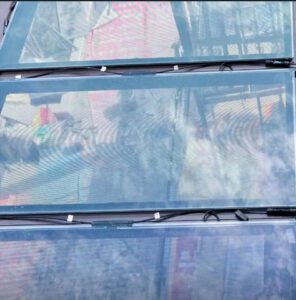
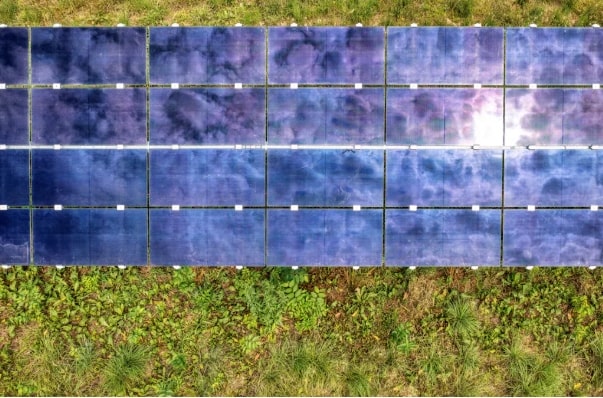
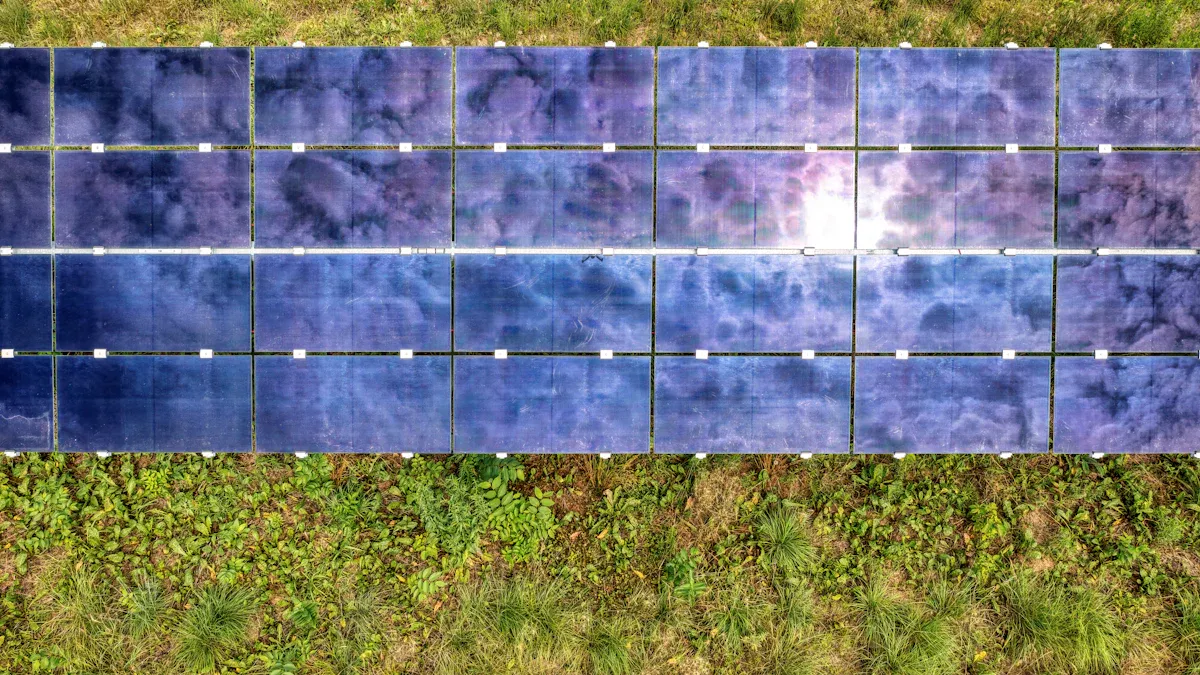
Solar pavements have layers that turn sunlight into electricity. There are three main layers in these roads. The Surface Transparent Protective Layer keeps the road safe and lets sunlight through. The Middle Photovoltaic Layer has solar cells that make electricity from sunlight. The Substrate Bearing Foundation Layer holds up the road and keeps it strong. Sunlight goes through the top layer and reaches the solar cells. The cells use the photovoltaic effect to make electricity. This power can run streetlights, signs, or go to the power grid. Some solar pavements use extra heat to melt snow and ice. This helps keep roads safe in winter. Sensors inside the pavement can check traffic and road conditions.
Solar pavements make different amounts of energy based on the solar panel type. Here is a table that shows how much energy each kind makes per square meter:
| Tipo de panel solar | Energy Output (W/m²) | Daily Energy Output (kWh/day) |
|---|---|---|
| Standard polycrystalline panels | 150-200 | 0.75-1 |
| High-efficiency monocrystalline | 220-300 | 1 |
| Cutting-edge lab prototypes | 400+ | N/A |
Brands like Jia Mao Bipv use recycled materials in their solar paving. This lowers emissions and makes the pavement better for the environment.
Kinetic Energy Pavements
Kinetic energy pavements make electricity from movement. When you walk or drive on them, they capture pressure and turn it into power. These pavements use piezoelectric materials and sensors. Piezoelectric materials make electricity when you step or drive on them. Some systems use electromagnetic induction to turn movement into energy.
- Kinetic pavements get energy from footsteps or cars.
- Sensors and generators inside change pressure into electricity.
- Electromagnetic systems use moving cars to make power.
You can see kinetic tiles in places like Bird Street in London and Dupont Circle in Washington DC. These tiles use foot traffic to power streetlights. In busy places, kinetic pavements can make about 5 watts from each step. This technology helps cities use clean energy and gets people to help with sustainability.
Permeable and Eco-Friendly Materials
Permeable pavements let water go through the surface. This helps control stormwater and keeps cities cooler. You find these pavements in parks, sidewalks, and parking lots. Permeable surfaces stop flooding and lower the chance of sewer overflow. They also help stop erosion and filter out bad stuff, making groundwater cleaner.
- Permeable pavements cool the air and ground by letting water evaporate.
- They stop floods that could block emergency vehicles.
- These pavements soak up less heat, which helps fight the urban heat island effect.
- Water going through the pavement lowers runoff and helps fire safety.
Eco-friendly materials make green energy paving systems even better for nature. You see recycled plastics like PET and carbonated aggregates instead of regular materials. These choices can cut climate change emissions by 40% to 60%. Using less energy for mixing and swapping bitumen for greener options makes these pavements even better.
Tip: Picking permeable and recycled materials for your paving project helps the environment and saves resources.
Green energy paving systems use all these technologies to make surfaces that create clean energy, manage water, and use sustainable materials. When you choose these solutions, you help your community and the planet.
Types of Green Energy Paving Systems
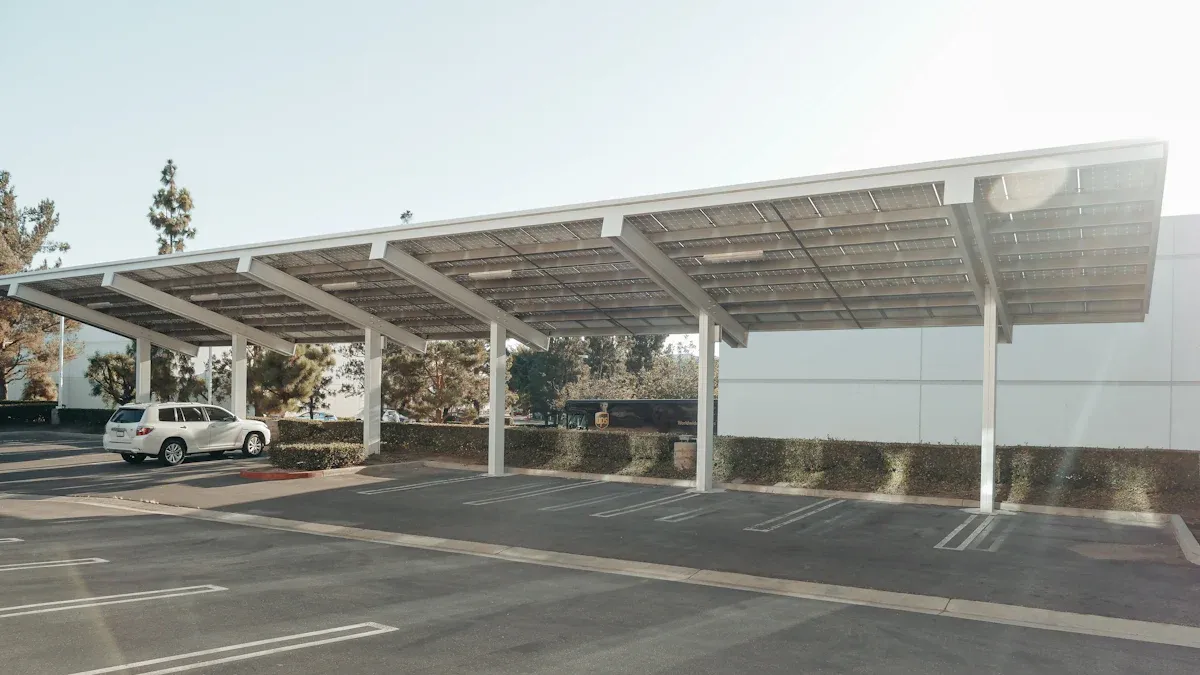
Green energy paving systems have different types. You can pick solar pavements, kinetic tiles, permeable surfaces, or recycled material solutions. Each type helps cities use cleaner energy. They also help protect the environment.
Solar Reflective Coatings
Solar reflective coatings help keep pavement cooler. You see these coatings on roads, sidewalks, and parking lots. They bounce sunlight away instead of soaking it up. This can lower air temperatures by up to 2 °C. It also helps stop cities from getting too hot. Walking on these surfaces feels cooler. The temperature can drop by about 1.5 °C. In hot places, these coatings help buildings use less air conditioning. This can save up to 23% on energy bills. Using reflective coatings lowers solar heat gain by 40%. Indoor temperatures can drop by 2–4°C if buildings have natural airflow. Many cities use these coatings to make outdoor spaces safer and save energy.
Tip: If you choose reflective coatings, your community can stay cooler and use less energy.
Recycled Materials and Innovative Solutions
Many paving systems use recycled materials. Solar pavement is one example. It uses only recycled plastic to make clean energy. It also looks nice in public places. This kind of pavement helps the planet and cuts down on landfill waste. You also see reclaimed asphalt pavement, warm-mix asphalt, bio-based additives, and porous asphalt. Each one has special benefits for roads, parking lots, and walkways.
| Solution Type | Key Benefit | Best Use Cases |
|---|---|---|
| Reclaimed Asphalt Pavement (RAP) | Most RAP gets reused in new pavement | Roads, parking lots, overlays |
| Warm-Mix Asphalt (WMA) | Lower production temperatures | All uses, cooler weather |
| Bio-Based Additives | Uses renewable materials | High-performance pavements |
| Porous Asphalt | Lets water soak through | Parking areas, low-traffic zones |
| Alternative Surfaces | Uses non-petroleum options | Driveways, walkways, decoration |
Brands like Jia Mao Bipv use recycled materials in their solar paving. You also see new products like PLATIO solar pavement. These mix clean energy with eco-friendly design. These choices help you build better roads and support a greener future.
Benefits and Challenges
Impacto medioambiental
When you pick green energy paving systems, you help the planet. These systems lower carbon emissions and cut down on pollution. Permeable pavements let rainwater soak into the ground. This stops flooding and keeps rivers cleaner. Solar pavements and kinetic tiles make clean energy from sunlight and movement. You can use this energy for streetlights or signs. Using recycled materials keeps waste out of landfills and saves natural resources.
Note: Jia Mao Bipv uses recycled materials in their paving. This helps lower emissions and keeps the environment cleaner.
Green energy paving systems manage stormwater better than regular paving. They also help fight the urban heat island effect. Streets stay cooler and there is less water runoff. These benefits make your community safer and more comfortable.
Cost and Maintenance
Green energy paving systems usually cost more at first. For example, permeable paver driveways cost 10-20% more than regular paving. Here are some common costs:
- Permeable pavers cost $8 to $40 per square foot.
- Most people pay between $10 and $30 per square foot.
- Over 25 years, permeable paving can save over $64,000 compared to asphalt.
You need to keep these systems clean and working well. The table below shows how much it costs each year and how long each type lasts:
| Paving Type | Annual Maintenance Cost (£/m²) | Lifespan (Years) |
|---|---|---|
| Standard Concrete | 1-2 | 20-30 |
| Asphalt | 2-3 | 15-20 |
| Permeable Concrete Blocks | 2-4 | 20-30 |
| Resin-Bound Gravel | 1-3 | 15-25 |
| Grass/Gravel Reinforcement Systems | 1-2 | 10-20 |
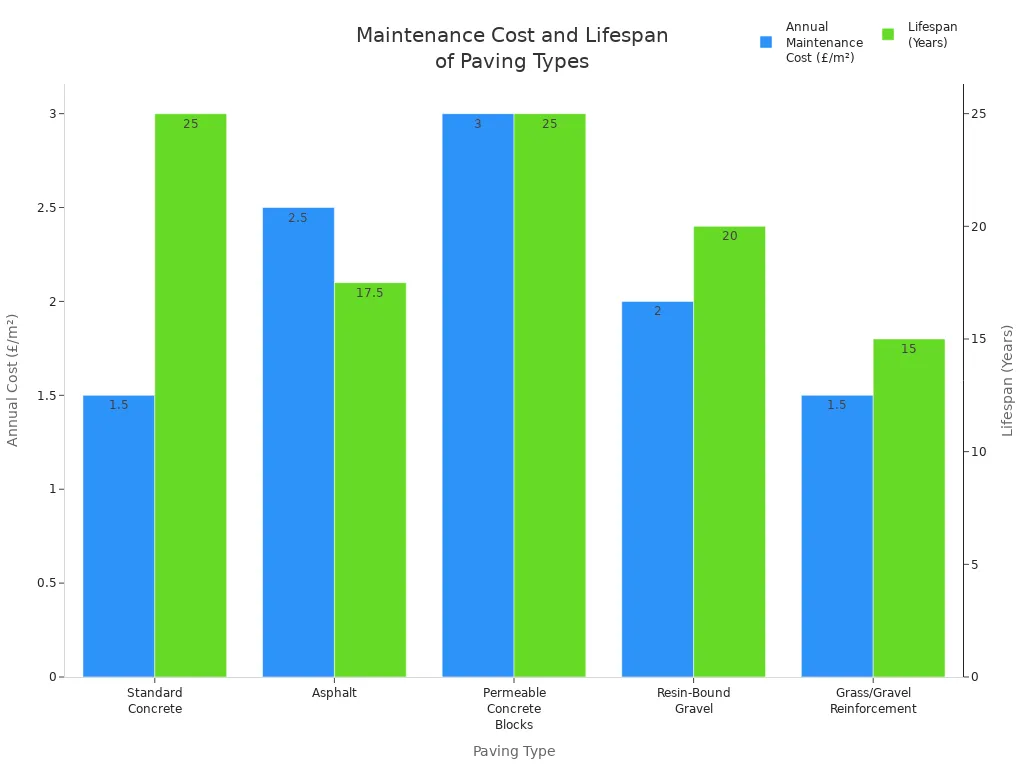
Permeable concrete blocks cost more to maintain than standard concrete. But they last just as long. Over time, you might save money because you avoid big repairs and help the environment.
Limitations
Green energy paving systems have some challenges. You should know about these before starting a project. The table below lists the main problems:
| Limitation Type | Descripción |
|---|---|
| Durability and Compatibility | Needs more work to be stronger and fit with current roads. High starting costs can be a problem. |
| Glare and Thermal Comfort | Reflective pavements can cause glare and make outdoor spaces less comfortable. |
| Water Damage Susceptibility | Evaporative pavements can get damaged by water and may not reflect as much sunlight. |
| Material Variability | Recycled materials can be different in quality and may need extra treatment. |
| Structural Performance of Surfaces | Transparent layers must be strong and stiff but also let light through, which is hard to do. |
You might have problems with durability and fit, especially in busy places. Some surfaces can cause glare or feel too hot. Recycled materials sometimes need extra care to last longer. Transparent layers in solar pavements must be tough and let sunlight through. This is hard to get right.
Tip: Always talk to experts like Jia Mao Bipv before using new paving technology. They can help you pick the best solution for your needs.
Applications and Future Trends
Real-World Examples
You can find green paving technology in many places. Cities use these systems to fix flooding, heat, and energy problems. Here are some examples:
- Solar Roadways in Idaho, USA use hexagonal solar panels to make electricity.
- SolaRoad in the Netherlands built a 70-meter bike path that powers a home.
- Jinan, China tested a 1-kilometer solar highway with panels under clear concrete.
- Peachtree Corners in Georgia, USA has a solar roadway that powers an EV charging station.
- Solar Tunnel in Belgium uses solar panels on a train tunnel roof to power trains.
- Solar bike lanes in Poland and the Netherlands light up at night and make power.
- Germany opened its first solar highway near Köln to make roads safer and create energy.
You also see porous asphalt, pervious concrete, and permeable gravel in parks, sidewalks, and parking lots. Green parking lots use these materials and smart design to handle stormwater and keep things cooler. Plants in these areas give shade and help animals.
Jia Mao Bipv helps with projects that use recycled materials and solar paving to make cities cleaner and safer.
Here is a table showing some results from case studies:
| Case Study | Measurable Outcome |
|---|---|
| EPA Region 7 Headquarters | Saved money over time, less stormwater runoff. |
| San Francisco Green Roofs | Used less energy, roofs lasted longer, paid less for stormwater. |
| U.S. General Services Admin. | Got 224% return in six years from saving water and energy. |
| Washington Canal Park | Saved money by using less water and spending less on upkeep. |
| Magic Johnson Park | Made money by catching stormwater and having less flooding. |
Emerging Innovations
You will see new ideas and technology changing paving in the future. Engineers use renewable energy in pavement design to make travel better for the planet. Kinetic energy pavements and piezoelectric tiles turn movement into electricity. These new ideas help cities use clean energy from people walking or driving.
New materials make roads and walkways better. These materials lower carbon emissions and help make more energy. Governments give tax credits and grants to support clean energy projects. Laws like the Inflation Reduction Act and Renewable Portfolio Standards help people pick greener options.
- Using renewable energy in pavement engineering builds better roads.
- New materials and technology help make more energy and lower pollution.
- Incentives and research money help companies like Jia Mao Bipv create new green paving ideas.
Tip: If you want a greener community, look for new paving systems that make energy, manage water, and use eco-friendly materials.
Green energy paving systems use solar, kinetic, and permeable technologies. These systems help cities become cleaner and smarter. They save energy and lower pollution. They also help manage stormwater better. Look at the table below to see the main benefits:
| Benefit Type | Descripción |
|---|---|
| Energy Savings | Lower cooling costs and less fuel use |
| Pollution Reduction | Fewer emissions and less landfill waste |
| Cost Savings | Longer pavement life and fewer repairs |
| Stormwater Control | Cleaner water and less flooding |
You might pay more at first. Old roads can make it harder to use these systems. Still, brands like Jia Mao Bipv are leading the way. If you pick these systems, you help your community and support climate goals around the world.
PREGUNTAS FRECUENTES
What is a green energy paving system?
You see a green energy paving system as a surface that makes clean energy or helps the environment. These systems use solar panels, kinetic tiles, or recycled materials. You help your community by choosing these solutions.
How much energy can solar pavements produce?
Solar pavements can make up to 1 kWh per square meter each day. You power streetlights, signs, or even small buildings. The amount depends on sunlight and the type of solar panel.
Are green energy paving systems safe to walk or drive on?
You walk or drive safely on these surfaces. Brands like Jia Mao Bipv test their products for strength and grip. You get a surface that works well in rain or snow.
Do green energy paving systems cost more than regular pavement?
You pay more at first for green energy paving systems. Over time, you save money on repairs and energy bills. You also help the environment, which brings extra value.
Where can you use green energy paving systems?
You use these systems in parks, sidewalks, parking lots, and roads. Cities and schools pick them for better stormwater control and clean energy. You see them in places that want to be more sustainable.